17 Facts About Multiplication
Most people learn multiplication as a set of tables to memorize — something you drill in primary school and then mostly take for granted. But the operation itself is far more interesting than those times tables suggest.
Multiplication shows up in unexpected places, follows surprising rules, and has a history that stretches back thousands of years.
It’s Just Repeated Addition — Sort Of
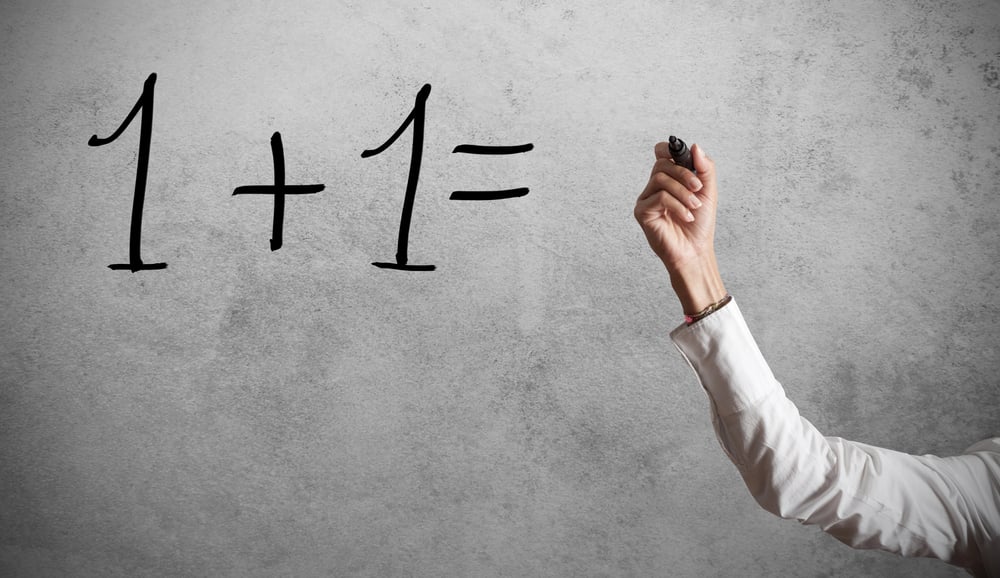
The simplest way to understand multiplication is as a shortcut for adding the same number multiple times. 4 × 3 is the same as 4 + 4 + 4.
That explanation works well enough for whole numbers, but it starts to fall apart when you multiply fractions or decimals. Multiplying 0.5 × 0.5 gives you 0.25 — a number smaller than either of the two you started with.
Repeated addition can’t explain that.
The Order Doesn’t Matter
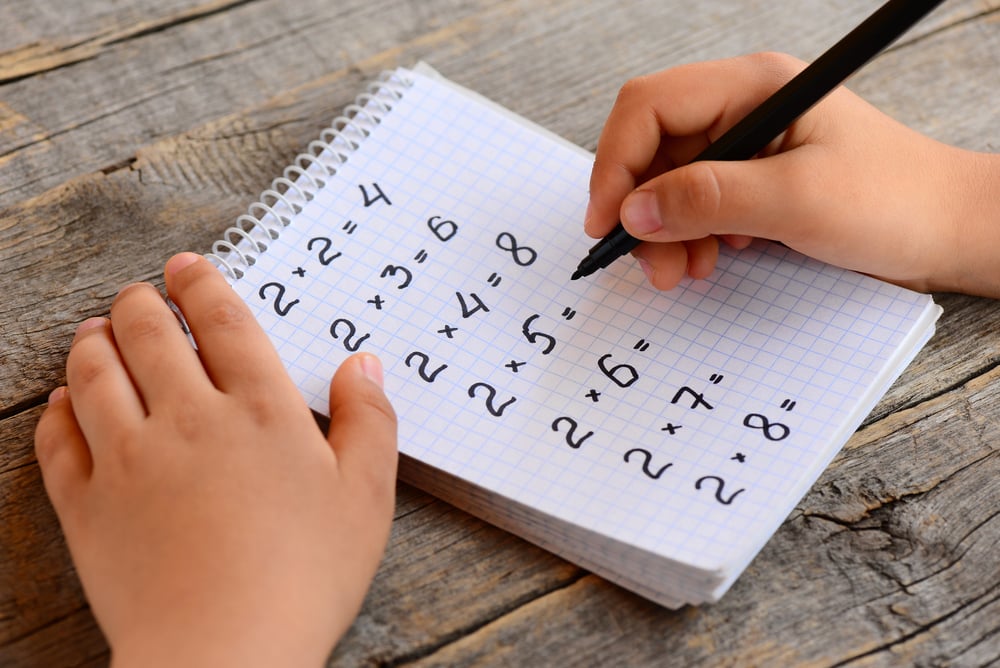
Multiplication is commutative, meaning 6 × 9 gives the same result as 9 × 6. This might seem obvious, but it’s not a rule that applies to all mathematical operations.
Division, for instance, is not commutative — 10 ÷ 2 and 2 ÷ 10 give very different answers. The commutative property of multiplication cuts the number of facts you actually need to memorize roughly in half.
Multiplying by Zero Always Gives Zero

No matter how large or complex the number you start with, multiplying it by zero always produces zero. This is called the zero property of multiplication.
It’s one of those rules that feels obvious but has real consequences in algebra and higher mathematics — a single zero in a chain of multiplications wipes out everything else.
Ancient Egyptians Had Their Own Method

The Egyptians used a technique called binary multiplication, or doubling. To multiply two numbers, they would repeatedly double one of them and then add together the relevant rows to reach the answer.
It’s a slower process than modern methods, but it works — and it uses no multiplication tables at all. Versions of this approach were still in use for centuries after the Egyptian era.
The Multiplication Sign Has a Relatively Recent History
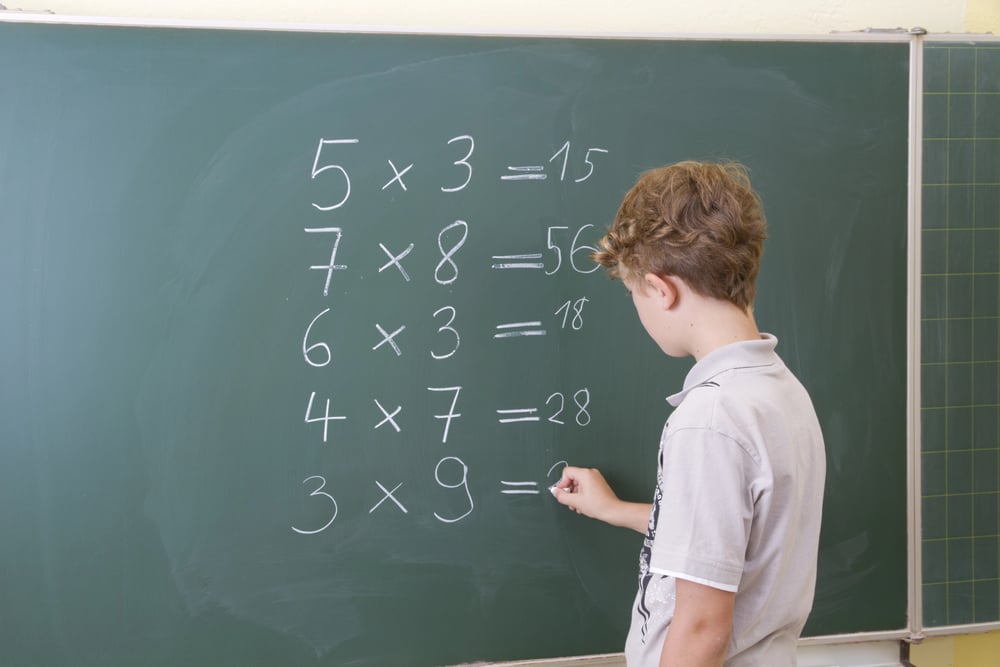
The × symbol was introduced by the English mathematician William Oughtred in 1631. Before that, mathematicians had various ways of writing multiplication, including using letters, abbreviations, or simply placing numbers next to each other.
The dot notation (·) came later and is still widely used in many countries and in higher-level mathematics, partly because × can be confused with the letter x in algebra.
Multiplication Is Faster Than Repeated Addition for Large Numbers

Try adding 347 to itself 248 times. Then try multiplying 347 × 248.
The multiplication takes seconds. This speed difference is why multiplication became one of the fundamental operations in mathematics — it collapses enormous amounts of arithmetic into a single step.
The Distributive Property Makes Mental Math Easier
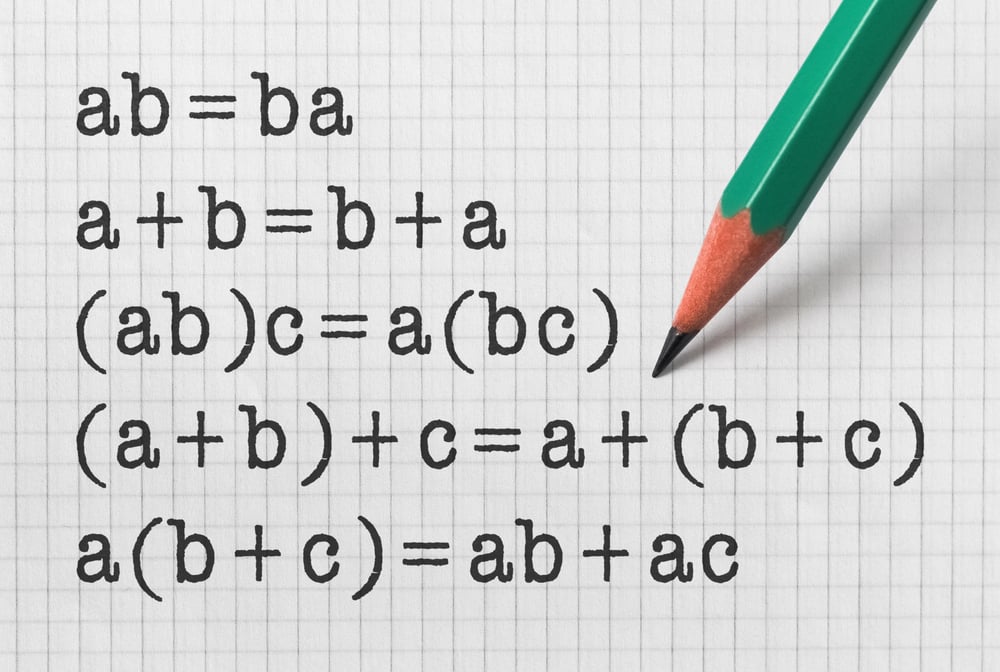
The distributive property says that a × (b + c) equals (a × b) + (a × c). In practice, this is how most people do mental multiplication without realizing it.
To multiply 7 × 14, you might instinctively split it into 7 × 10 plus 7 × 4, which gives 70 + 28 = 98. That’s the distributive property at work.
There Are Multiplication Tricks for the 9 Times Table

Hold up all ten fingers. To multiply 9 by any number from 1 to 10, fold down the corresponding finger.
The fingers to the left of the folded one give the tens digit, and the fingers to the right give the units digit. Multiply 9 × 7, fold down the seventh finger — six fingers to the left, three to the right — the answer is 63. It works every time.
Multiplying Large Numbers Gets Complicated Quickly

For very large numbers, standard long multiplication becomes slow and error-prone. Computer scientists have developed faster algorithms for this — the Karatsuba algorithm, introduced in 1960, was one of the first to beat the traditional approach in terms of speed.
More advanced algorithms are used today in cryptography and other fields where multiplying enormous numbers is a routine task.
Negative Times Negative Equals Positive

The rule that two negative numbers multiply to a positive number often confuses people when they first encounter it. The mathematical reasoning comes from the need for consistency within the number system — if you break this rule, the whole structure of arithmetic starts to contradict itself.
A useful intuition: multiplying reverses direction, so reversing a reversal puts you back where you started.
You Can Multiply More Than Two Numbers at Once

Multiplication is associative, meaning the grouping of numbers doesn’t change the result. (2 × 3) × 4 gives the same answer as 2 × (3 × 4). Both equal 24.
This property is what allows mathematicians to write long chains of multiplication without worrying about which pair to handle first.
Multiplication Appears in Probability
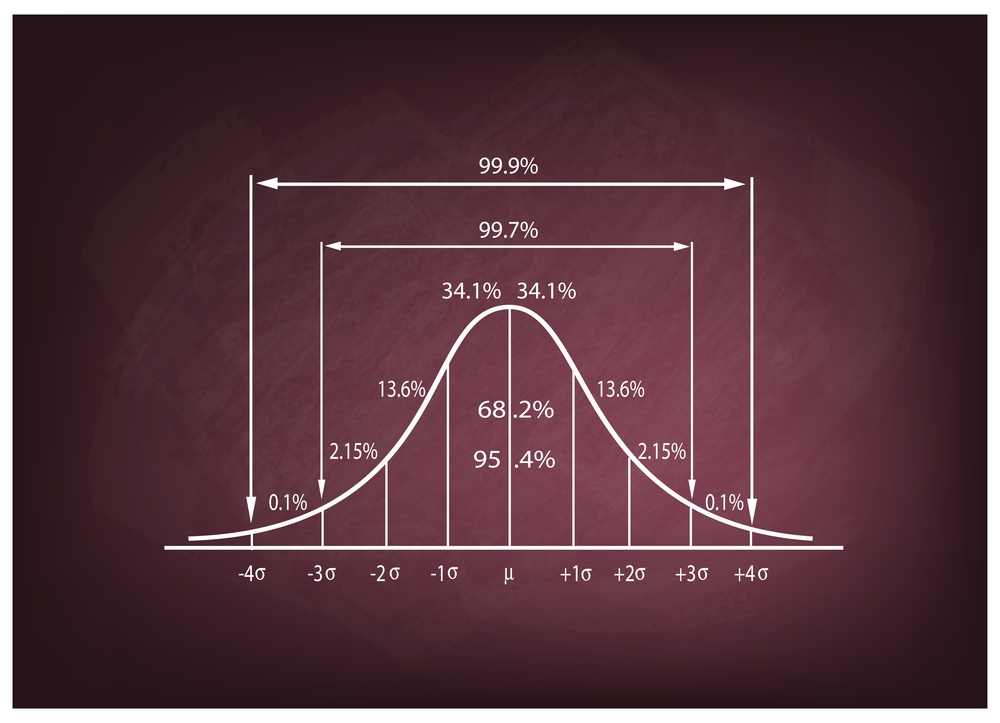
When calculating the probability of two independent events both happening, you multiply their individual probabilities. If a coin has a 1 in 2 chance of landing heads, the probability of getting heads twice in a row is 1/2 × 1/2 = 1/4.
This multiplicative rule is one of the foundations of probability theory.
Prime Numbers Can’t Be Made by Multiplying Smaller Whole Numbers
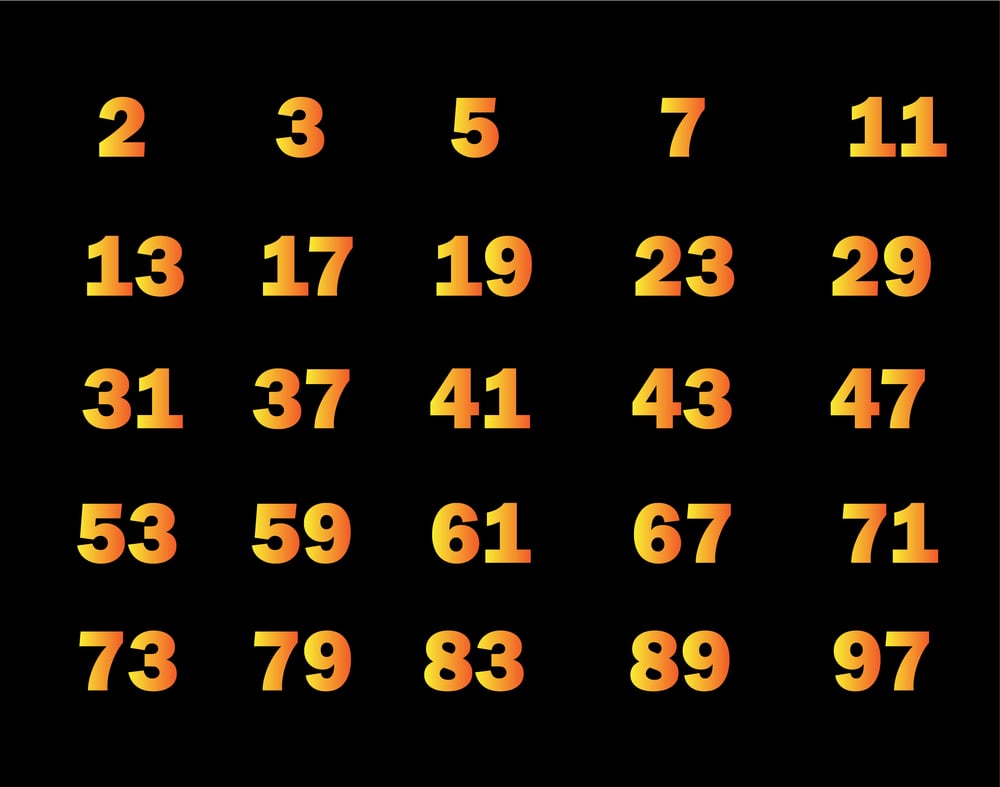
A prime number is any whole number greater than 1 that can only be divided evenly by 1 and itself. The reason primes matter is directly tied to multiplication — every other whole number greater than 1 can be expressed as a product of primes.
The number 12, for example, is 2 × 2 × 3. This is called the fundamental theorem of arithmetic, and it makes primes the building blocks of all multiplication.
The Grid Method Is One of the Oldest Teaching Tools

The grid method — splitting numbers into tens and units, then multiplying each part separately in a grid — dates back centuries and remains one of the most widely taught approaches in primary schools today. It makes the distributive property visible and gives students a concrete way to handle two-digit multiplication before moving to more abstract methods.
Exponents Are Just Repeated Multiplication

Just as multiplication is a shorthand for repeated addition, exponents are a shorthand for repeated multiplication. 2³ means 2 × 2 × 2, which equals 8. This relationship means that understanding multiplication well is a direct foundation for understanding powers, roots, and eventually logarithms.
The Lattice Method Dates Back to Medieval India
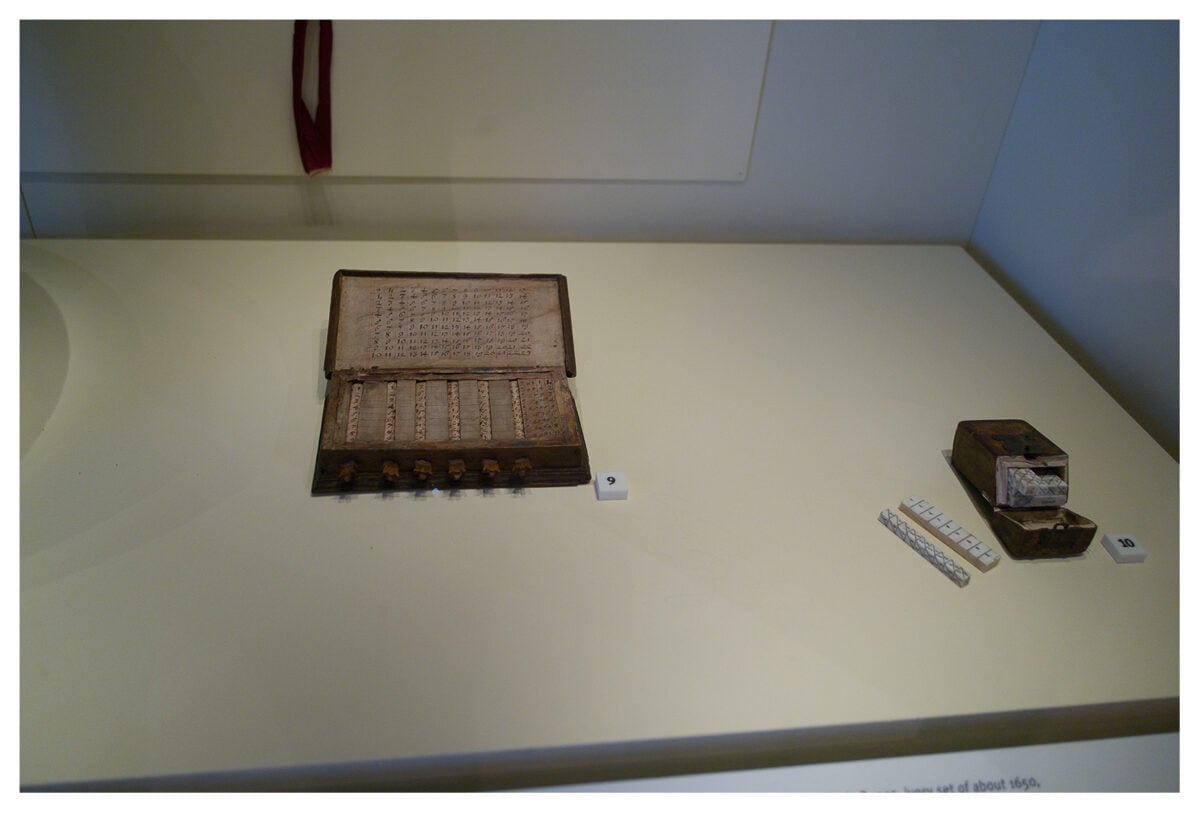
The lattice method of multiplication — where you draw a grid, fill in partial products, and add along diagonals — was developed in India around the 10th century and later spread to Europe through Arabic mathematical texts. It was a common technique in European schools by the 15th century.
Many students still find it useful today because it keeps the place values organized visually.
Multiplication Underpins Most of Modern Technology

Every time a computer renders graphics, processes audio, runs an encryption algorithm, or trains a machine learning model, it’s performing multiplication — billions of times per second. The speed at which modern processors can multiply numbers is one of the core measures of computing power.
What began as a way to count grain in ancient storehouses now sits at the heart of virtually every digital system in use today.
When Simple Rules Run Deep
Simple at first, just rows of numbers memorized long ago. But these sequences, in a quiet way, develop into very sophisticated ideas that are utilized in code breaking, mathematics related to space, economic modeling, and even the way a computer ‘thinks’.
The same methods. The same characters.
Unaltered from thousands of years ago. However, individuals are still finding unexpected knowledge in these sequences.
It’s rare for a concept to stay that way for such a long time without turning up something new. It’s a good idea to pay attention to these occasions.
More from Go2Tutors!

- The Romanov Crown Jewels and Their Tragic Fate
- 13 Historical Mysteries That Science Still Can’t Solve
- Famous Hoaxes That Fooled the World for Years
- 15 Child Stars with Tragic Adult Lives
- 16 Famous Jewelry Pieces in History
Like Go2Tutors’s content? Follow us on MSN.