15 Shipwreck Discoveries That Solved Old Mysteries
The ocean keeps its secrets well. Ships disappear into storms, battles, and mechanical failures, leaving families wondering and historians guessing.
Sometimes those mysteries sit unsolved for decades, even centuries. Then a dive team finds twisted metal on the seafloor, or sonar picks up an unusual shape, and suddenly the missing pieces fall into place.
These discoveries don’t just reveal where ships ended up — they rewrite the stories people thought they knew.
HMS Erebus And HMS Terror
The Franklin Expedition vanished in 1845 while searching for the Northwest Passage. All 129 men died somewhere in the Arctic ice.
For 169 years, the fate of Sir John Franklin and his crew remained one of history’s greatest maritime mysteries.
Parks Canada found HMS Erebus in 2014 and HMS Terror two years later. Both ships sat remarkably preserved in the frigid waters of the Canadian Arctic.
The discoveries confirmed Inuit oral histories that had been dismissed by Victorian-era searchers — the ships had indeed become trapped in ice, and the crews had attempted to walk south to safety.
Artifacts recovered from the wrecks revealed the expedition’s final months. Personal belongings, ship equipment, and even preserved food tins painted a picture of men facing impossible conditions.
The mystery that launched dozens of rescue missions finally had its answer.
RMS Titanic
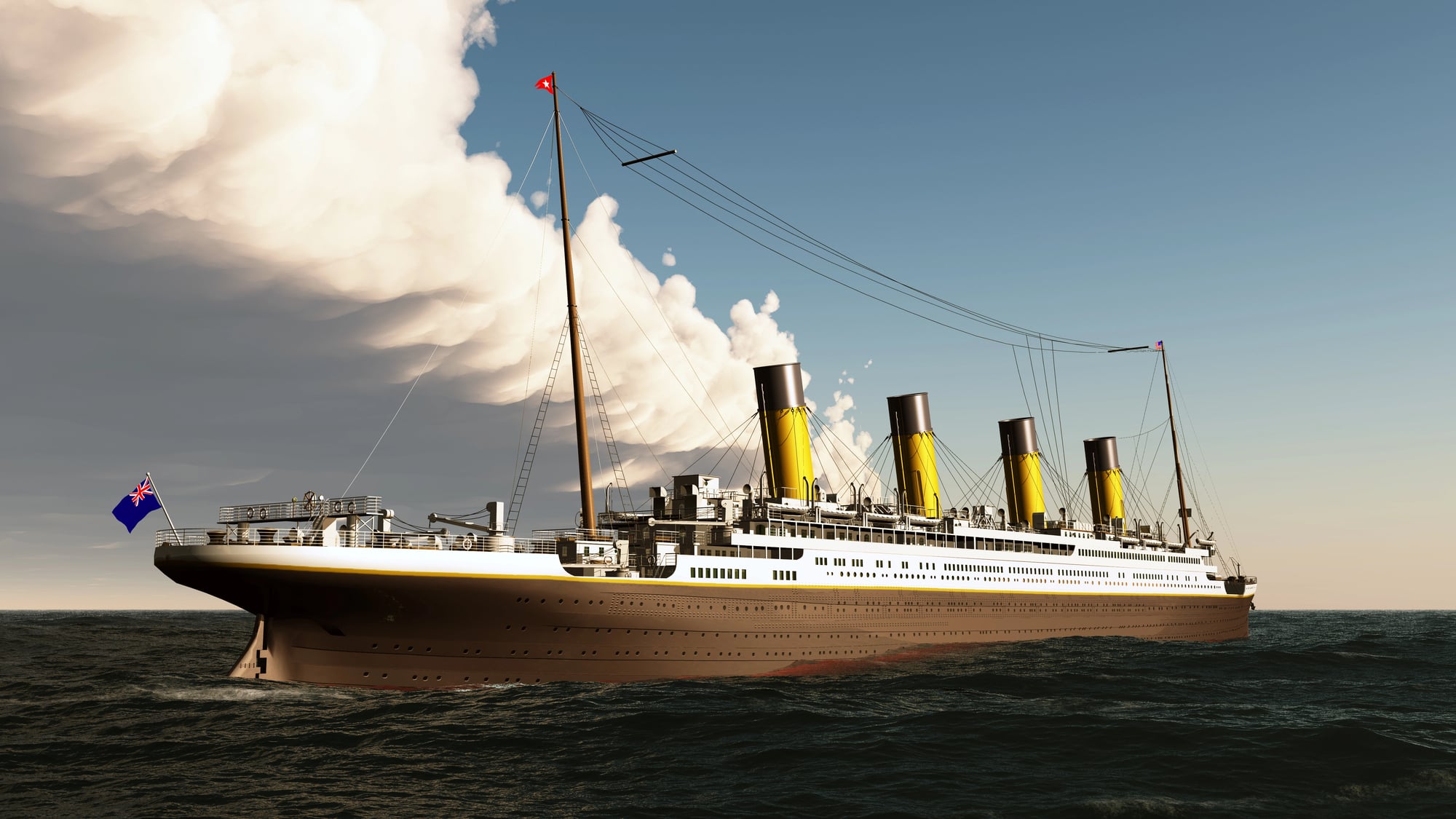
Everyone knew Titanic sank after hitting an iceberg in 1912, but the details remained frustratingly vague until Robert Ballard located the wreck in 1985 (and here’s where the story gets more complex than most people realize, because the discovery wasn’t just about satisfying curiosity — it was actually a cover story for a classified U.S. Navy mission to examine two nuclear submarines that had sunk during the Cold War). The wreck sits split in two pieces on the ocean floor, 12,500 feet down.
That’s deep.
So the ship didn’t sink intact as many had assumed — the hull broke apart before disappearing beneath the surface, which explains why survivor accounts had been so contradictory about the ship’s final moments. And the debris field between the two main sections told a story: the ship had suffered catastrophic structural failure as it went down, not the relatively gentle sinking depicted in most early accounts.
But the real revelation came from examining the steel itself, which turned out to be far more brittle than modern standards would allow, especially in freezing water. The rivets failed under stress that better materials might have withstood.
The “unsinkable” ship had been doomed by the metallurgy of its time.
USS Arizona
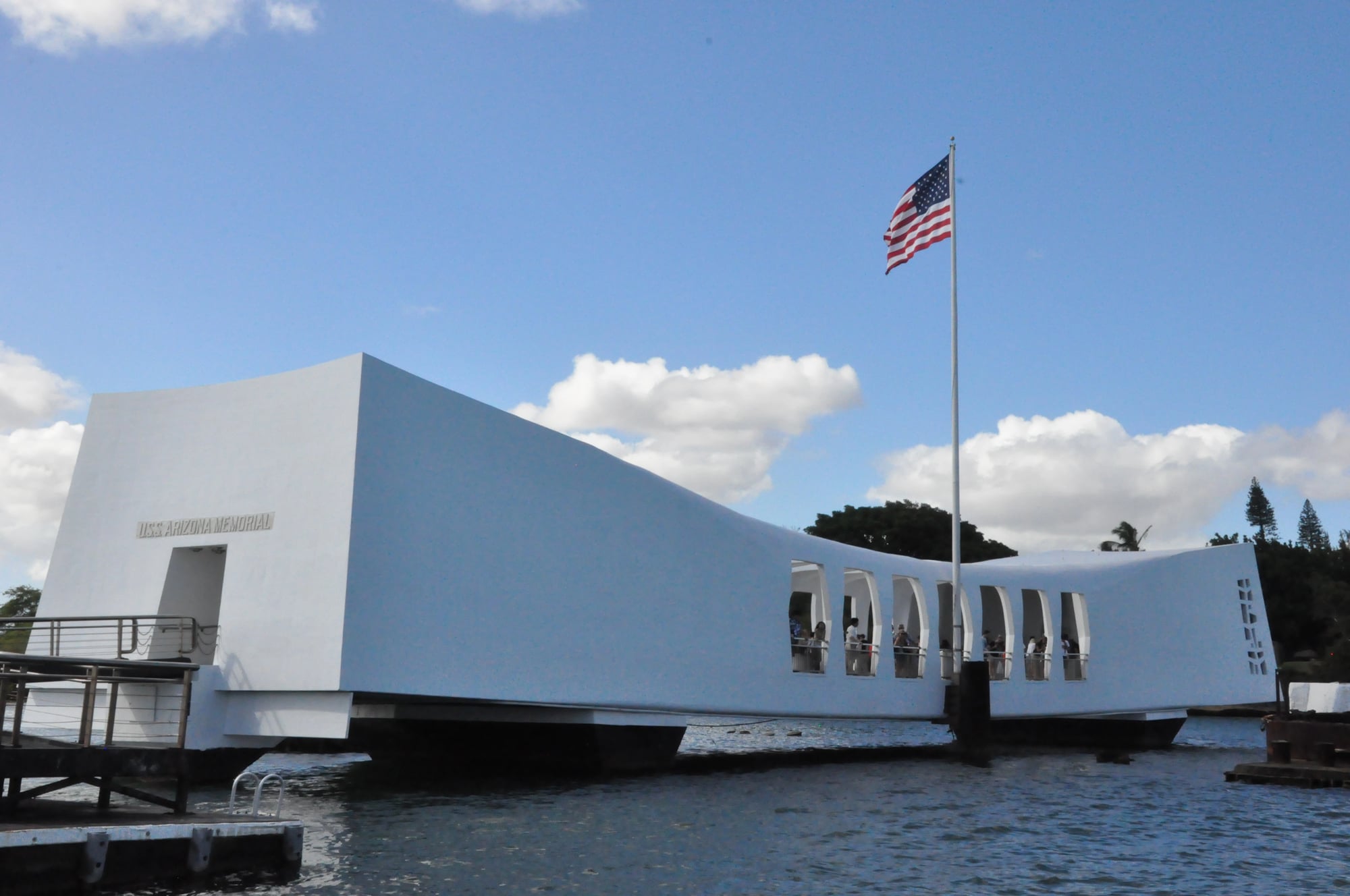
Pearl Harbor changed everything on December 7, 1941, but the USS Arizona explosion remained puzzling for decades. The battleship didn’t just sink — it vanished in a fireball that killed 1,177 sailors in minutes.
What could cause such devastating destruction?
Underwater surveys of the wreck revealed the answer in the 1980s. The bomb that doomed Arizona had penetrated the forward magazine, where black powder for the ship’s guns was stored.
This wasn’t the more stable smokeless powder used elsewhere — it was older, more volatile explosive that created a chain reaction when ignited.
The discovery explained why Arizona’s destruction was so complete compared to other battleships hit that day. It also revealed that the ship continues to leak oil into Pearl Harbor — about a quart per day, creating the “tears of the Arizona” that visitors still see today.
The wreck became both a grave site and a continuing reminder of that December morning.
Mary Celeste
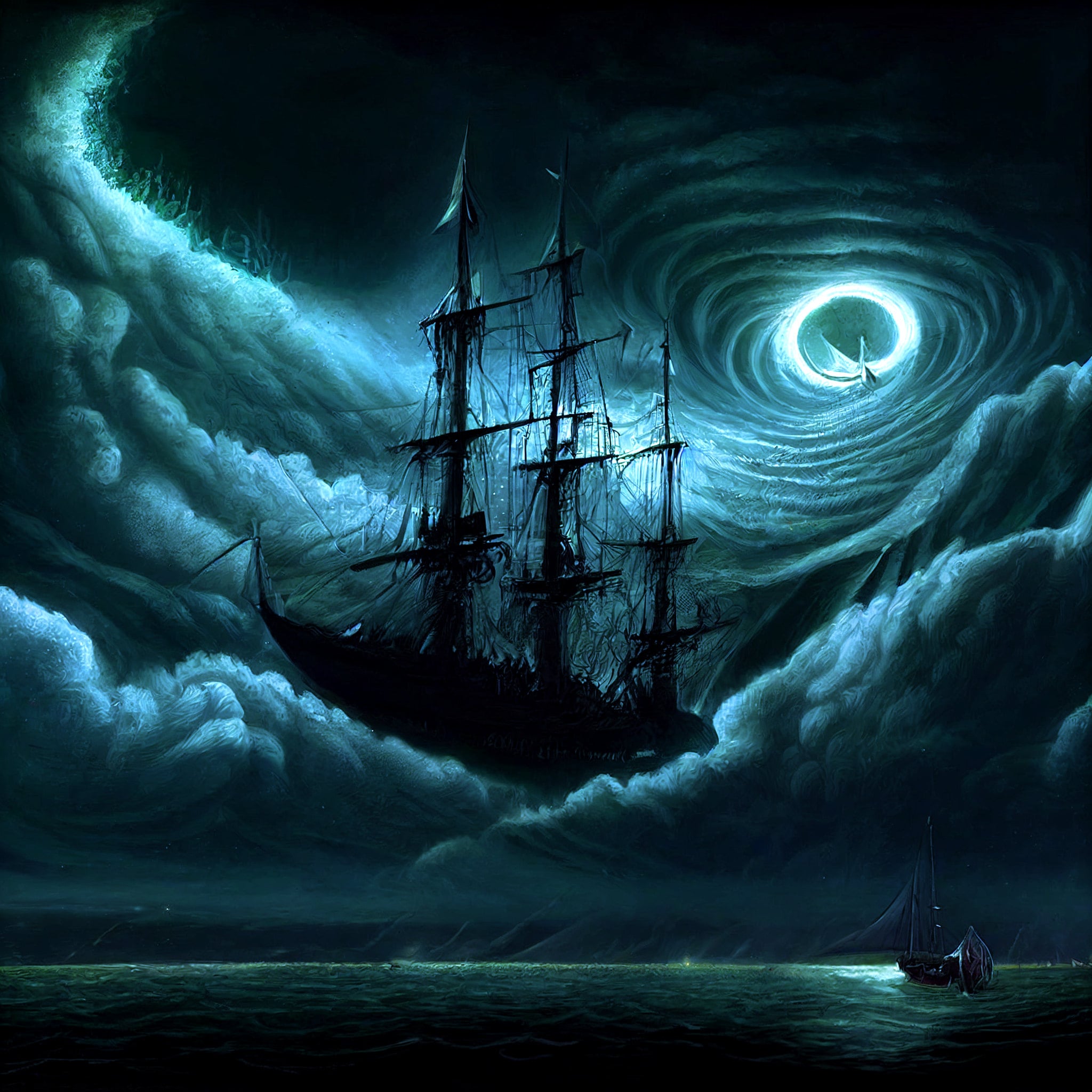
The merchant ship Mary Celeste was found drifting empty in 1872, her cargo intact but her crew vanished without explanation. Theories ranged from piracy to sea monsters to supernatural intervention.
The mystery spawned countless books and became maritime legend.
Modern analysis of the ship and historical records revealed a more mundane truth. The vessel had been carrying denatured alcohol, which can produce invisible, odorless fumes.
Evidence suggests the captain ordered everyone into the lifeboat as a precaution when fumes were detected — a temporary measure that turned permanent when rough seas prevented them from returning to the ship.
The discovery of similar incidents involving alcohol cargo ships confirmed this theory. Mary Celeste wasn’t the victim of pirates or ghosts.
She was abandoned by a cautious captain who made the right decision for the wrong reasons, then couldn’t get his crew back aboard.
HMS Hood
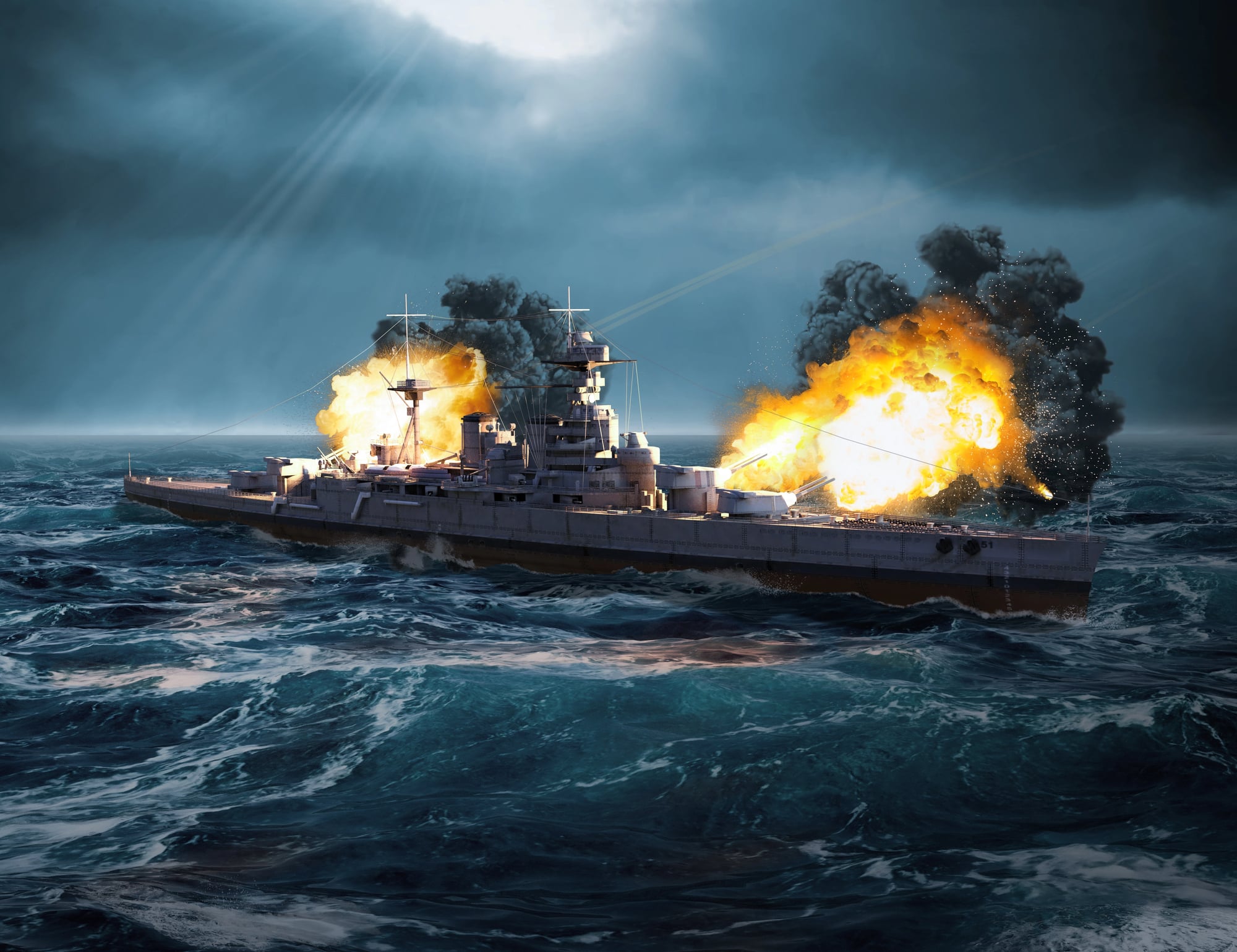
The pride of the Royal Navy exploded and sank during the Battle of the Denmark Strait in 1941, taking all but three of her 1,419 crew with her. The massive battle cruiser had been considered nearly invincible — her destruction in just minutes shocked the world and left naval experts scrambling for explanations.
The wreck wasn’t located until 2001, sitting in three main sections on the ocean floor. Analysis revealed that Hood’s armor, designed decades earlier, couldn’t withstand the plunging fire from German battleship Bismarck at long range.
A shell had penetrated the ship’s magazine, causing the catastrophic explosion witnessed by German sailors.
But here’s what the textbooks got wrong: Hood didn’t sink because she was old or poorly designed. She sank because naval warfare had evolved beyond the protection she could provide.
The same fate would have befallen most warships of her era under similar circumstances. The wreck solved not just how Hood died, but why an entire class of warship became obsolete overnight.
HMAS Sydney
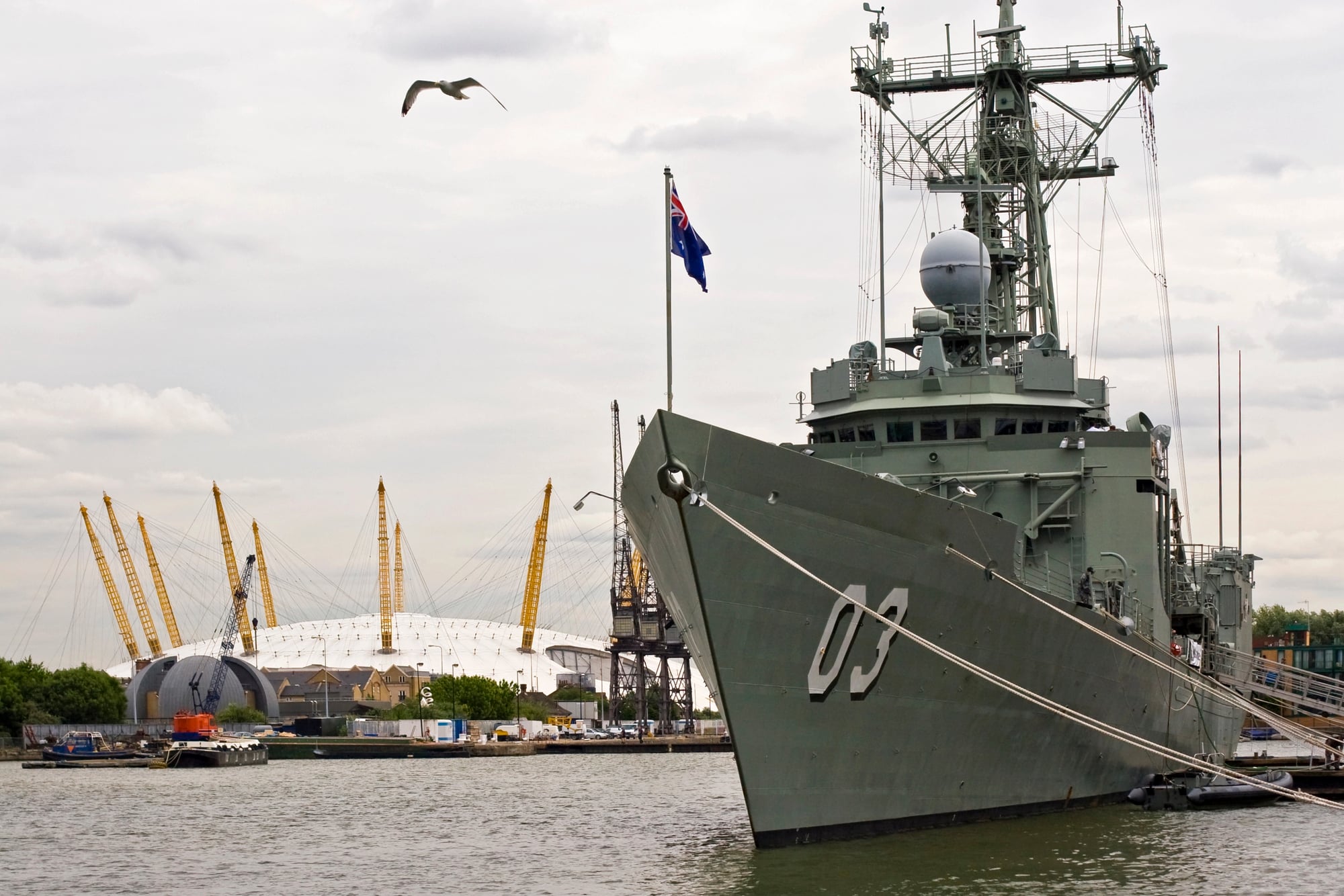
Like watching someone disappear in plain sight, the Australian cruiser HMAS Sydney vanished in November 1941 after encountering a disguised German raider. Both ships sank, but while the German crew reached safety, all 645 Australian sailors died.
The location of Sydney remained unknown for 66 years.
The wreck was discovered in 2008, and the evidence told a sobering story. Sydney had been caught completely off guard by the German raider Kormoran, which was disguised as a Dutch merchant ship.
The Australian captain had approached too close, allowing the Germans to unleash devastating fire at point-blank range.
Damage patterns on the wreck revealed that Sydney’s bridge and communications equipment were hit in the opening salvo, leaving the ship unable to coordinate her defense or call for help. The discovery laid to rest decades of conspiracy theories and confirmed that Sydney’s crew had fought bravely despite being outmaneuvered from the start.
SS Andrea Doria
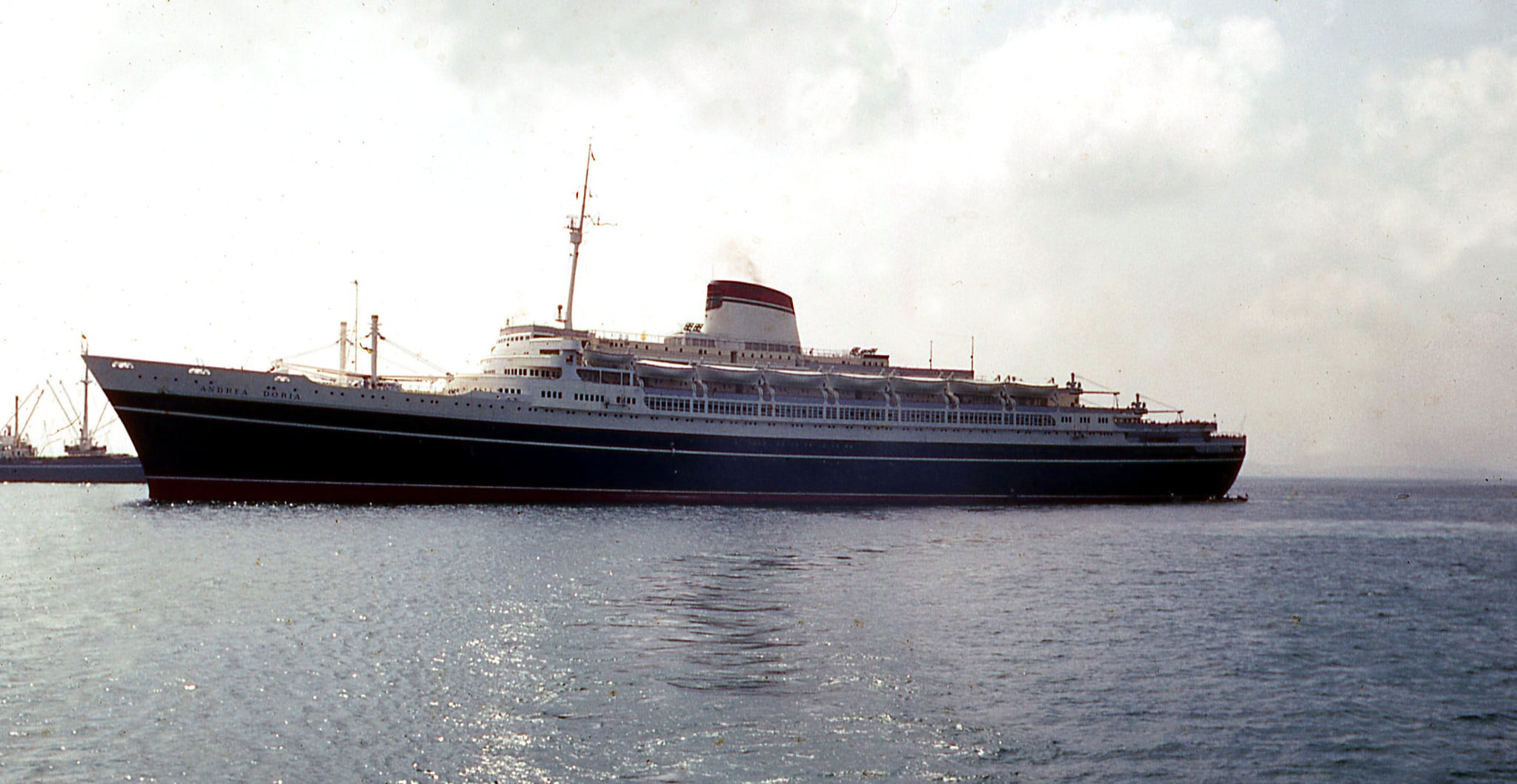
The Italian ocean liner collided with MS Stockholm in fog off Nantucket in 1956. Andrea Doria took 11 hours to sink, allowing most passengers to escape, but the cause of the collision sparked bitter legal battles that lasted years.
Each ship blamed the other for the disaster.
Repeated dives to the wreck, combined with analysis of radar plots from both ships, eventually revealed the truth. Both vessels had indeed followed proper navigation procedures, but they had made opposite assumptions about each other’s intentions when they detected each other on radar.
In thick fog, each captain thought he was turning away from danger when he was actually turning toward it.
The discovery revolutionized maritime navigation procedures. Ships now follow standardized protocols for radar-assisted navigation that prevent the type of misunderstanding that doomed Andrea Doria.
The wreck became a classroom for teaching navigation safety.
USS Indianapolis
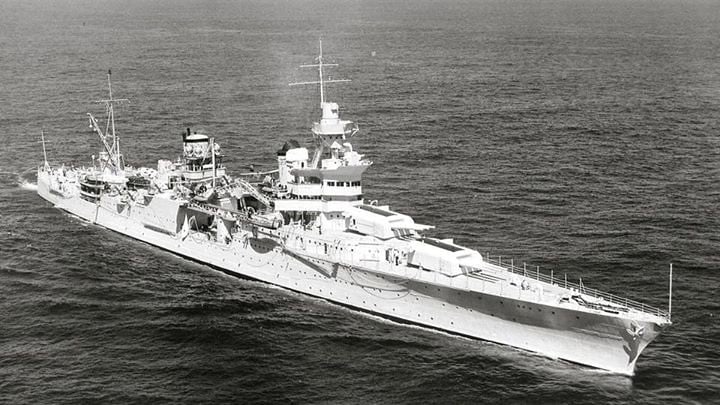
The heavy cruiser delivered components for the atomic bomb in July 1945, then was torpedoed by a Japanese submarine while sailing unescorted across the Pacific. Most of the 1,196 men who died weren’t killed by the attack — they died during four days adrift in shark-infested waters while the Navy failed to notice the ship was missing.
Microsoft co-founder Paul Allen’s team located the wreck in 2017, sitting upright on the ocean floor 18,000 feet down. The discovery confirmed that Indianapolis had indeed been hit by multiple torpedoes, sinking in just 12 minutes.
This explained why the crew had so little time to send distress signals or deploy proper survival equipment.
More importantly, the wreck’s location proved that the ship had been exactly where she was supposed to be according to her orders. The tragedy wasn’t caused by the crew being off course — it was caused by communication failures that left a vital warship sailing alone through enemy waters without adequate protection.
MV Wilhelm Gustloff
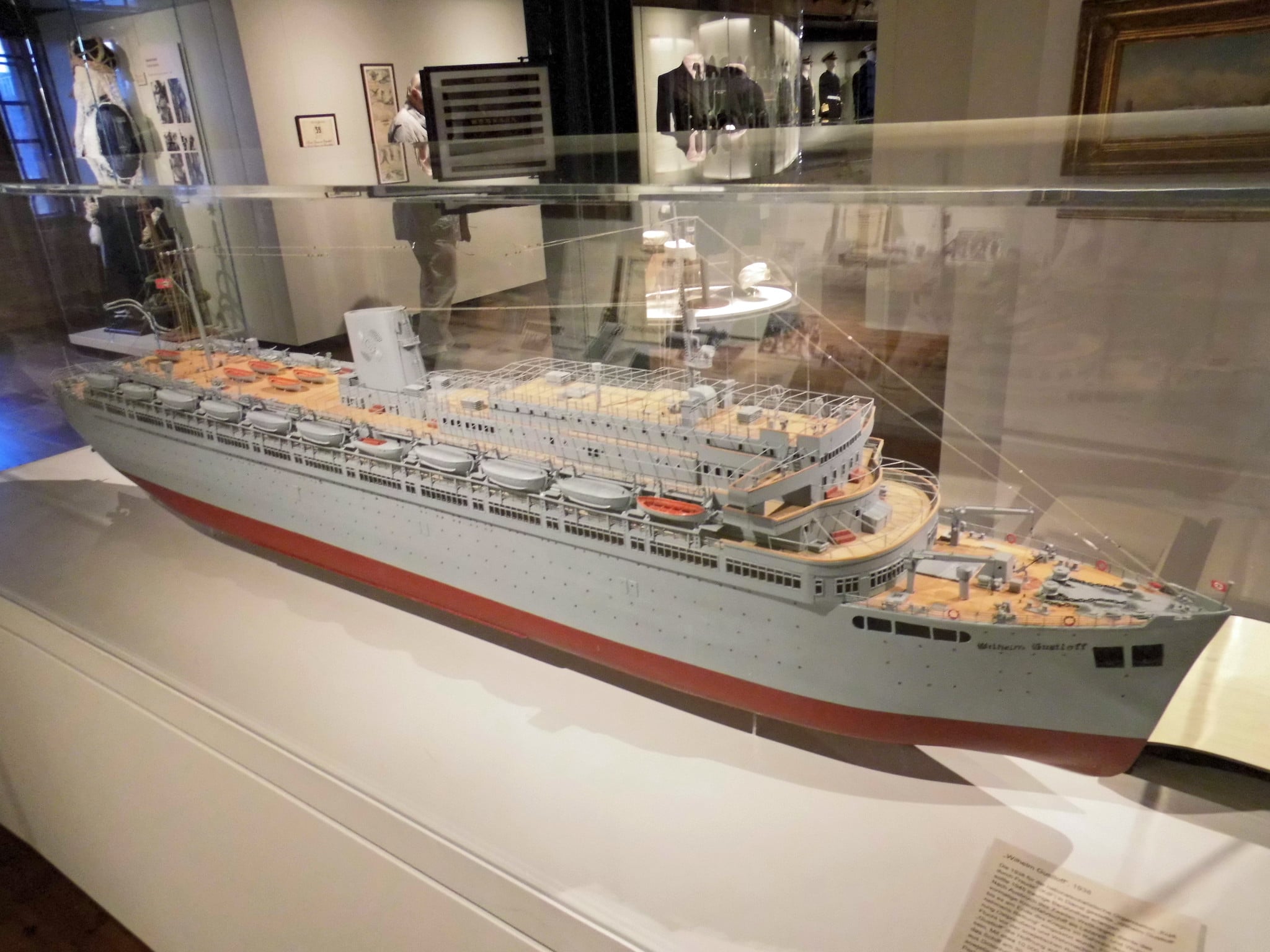
The German passenger ship was packed with refugees fleeing the advancing Soviet army when she was torpedoed in January 1945. An estimated 9,400 people died in the Baltic Sea — six times more than the Titanic — making it history’s deadliest maritime disaster.
Yet the story remained largely unknown outside Germany.
The wreck was located by Polish divers in 2006, sitting in relatively shallow water. Evidence from the ship confirmed accounts that Wilhelm Gustloff had been carrying far more people than her lifeboats could accommodate.
Refugees had been packed into every available space, making evacuation impossible when the ship began sinking in freezing water.
The discovery brought international attention to a tragedy that had been overshadowed by the end of World War II. It also revealed the civilian cost of the war’s final months, when millions of Germans fled westward ahead of Soviet forces.
SS Waratah
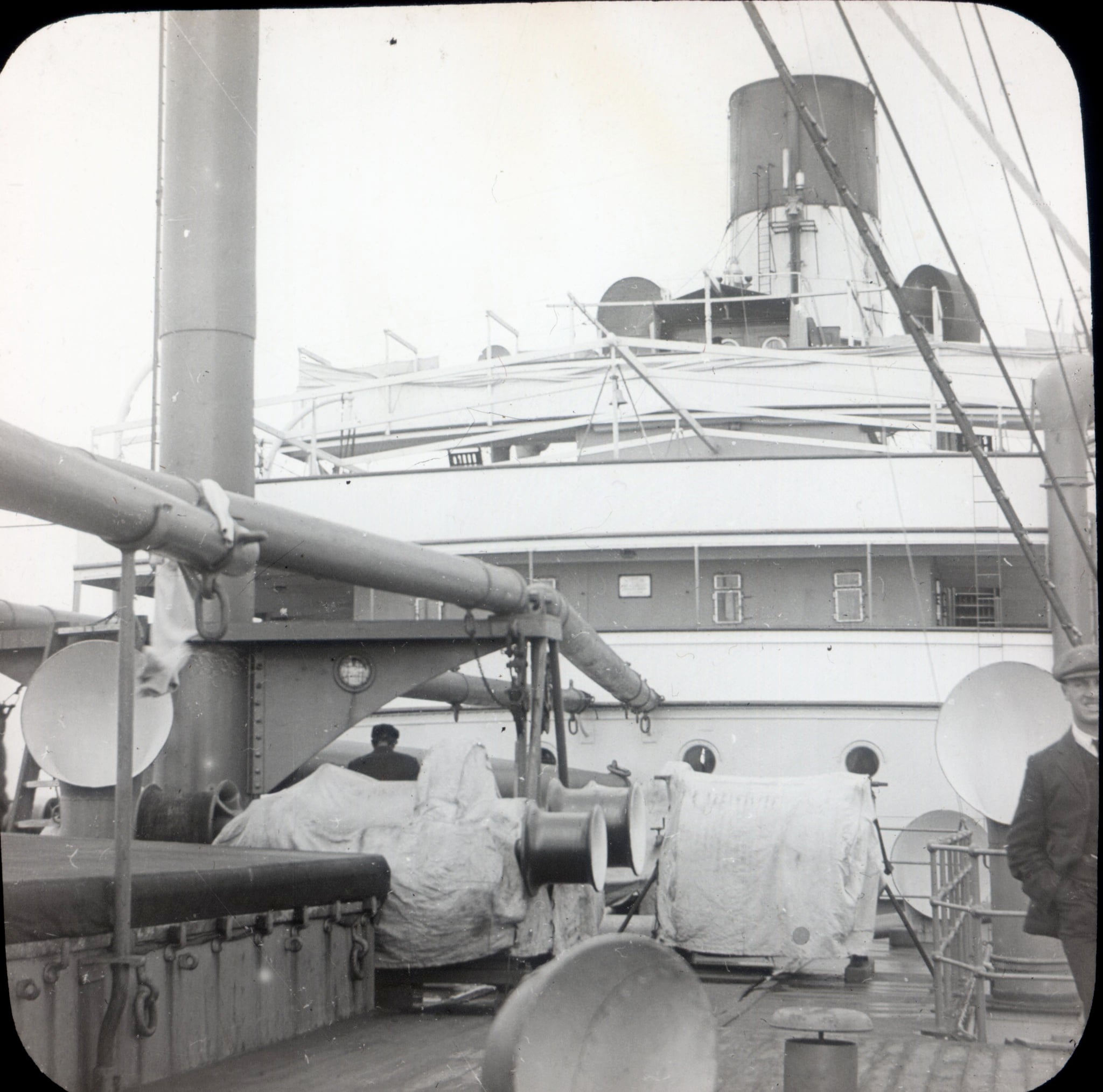
The passenger steamship disappeared without a trace in 1909 while traveling between Durban and Cape Town, South Africa. All 211 passengers and crew vanished with her, creating one of the southern hemisphere’s greatest maritime mysteries.
Despite numerous searches, no trace of the ship was found for over a century.
Marine researcher Emlyn Brown finally located what appears to be Waratah in 2019, sitting on the seafloor off South Africa’s coast. Initial analysis suggests the ship may have been overwhelmed by the massive waves common in the area, waves that can exceed 60 feet in height during storms.
The discovery potentially solves a mystery that had generated countless theories, from structural failure to cargo shifting. If confirmed, it shows that Waratah was simply in the wrong place when the ocean turned violent — a reminder that even in 1909, ships could still vanish completely when nature decided to flex its power.
USS Cyclops
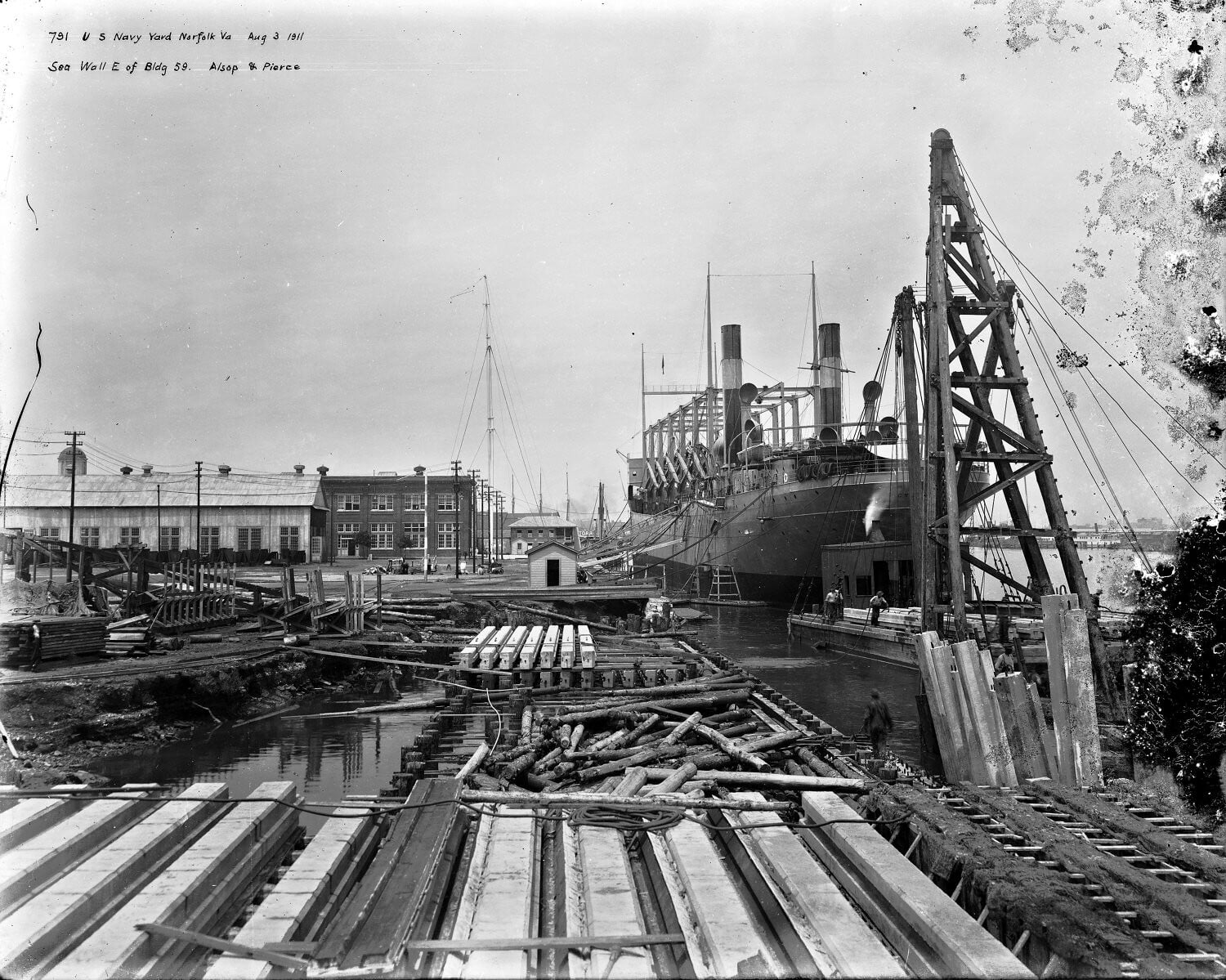
The Navy cargo ship vanished in the Bermuda Triangle in 1918, carrying a full load of manganese ore. No distress signal was ever received.
All 306 men aboard disappeared with the ship, fueling decades of speculation about supernatural forces in the Triangle.
While the wreck hasn’t been definitively located, analysis of similar ships from the same era revealed a more prosaic explanation. Cyclops-class vessels had a design flaw that made them vulnerable to structural failure when carrying heavy cargo like manganese ore.
The ship’s sister vessel, USS Proteus, suffered the same fate in 1941.
The discovery of these structural problems solved the mystery without requiring supernatural intervention. Cyclops likely broke apart in heavy seas, sinking too quickly for anyone to send a distress call.
The Bermuda Triangle had nothing to do with it — bad ship design did.
RMS Republic
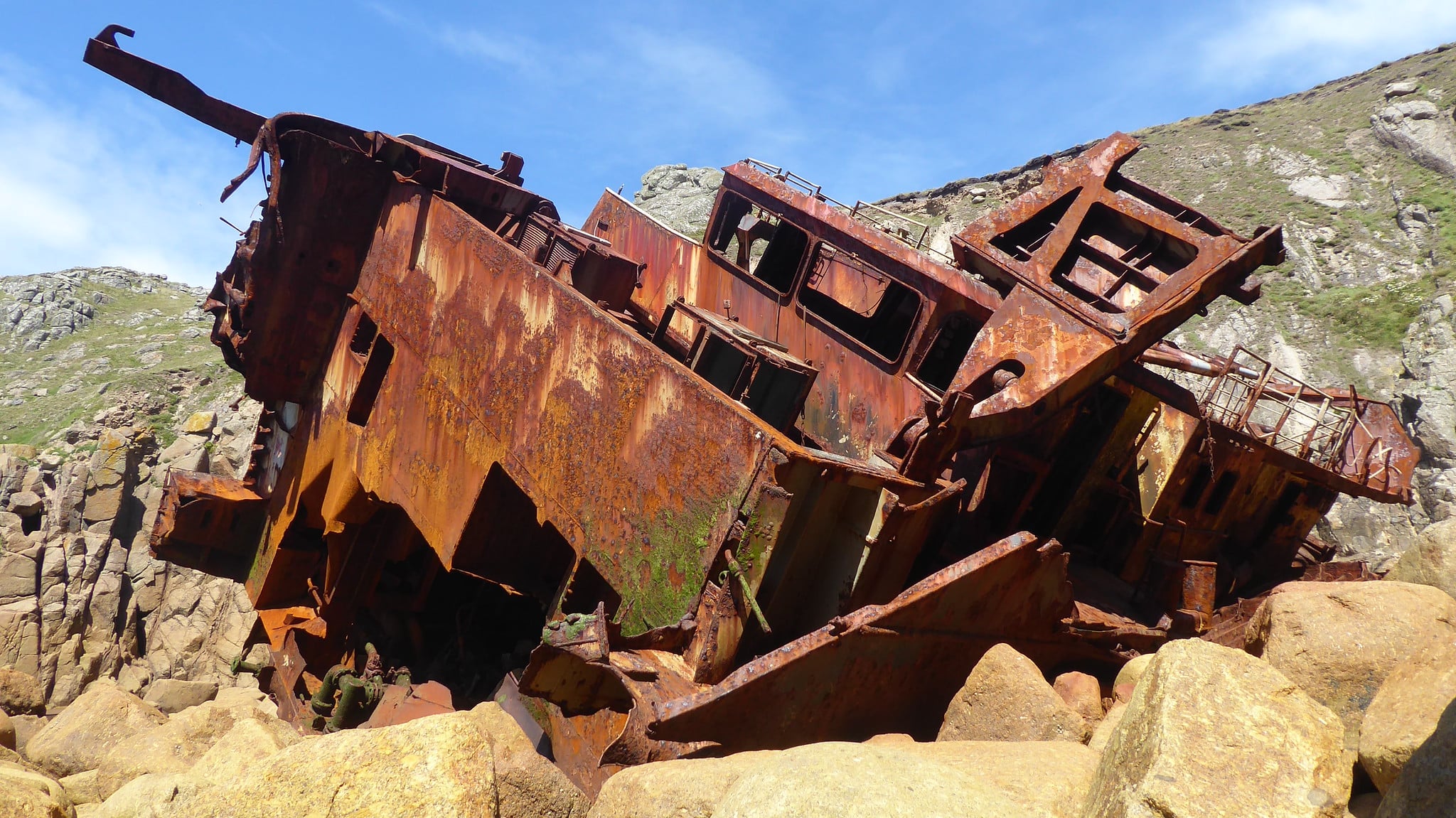
The White Star liner collided with SS Florida in fog off Nantucket in 1909. Republic sank the next day, but rumors persisted that she had been carrying a secret shipment of gold coins worth millions of dollars.
Treasure hunters spent decades searching for the wreck and its supposed cargo.
When Republic was finally located and explored in the 1980s, the truth proved disappointing. The ship contained no treasure trove — just the personal belongings of passengers and crew.
The gold shipment had been a myth, probably created by insurance fraud or simple wishful thinking.
The discovery saved future treasure hunters from wasting time and money on a ship that never contained treasure. Sometimes the most valuable thing a wreck can reveal is that the story everyone believed was wrong from the start.
HMS Captain
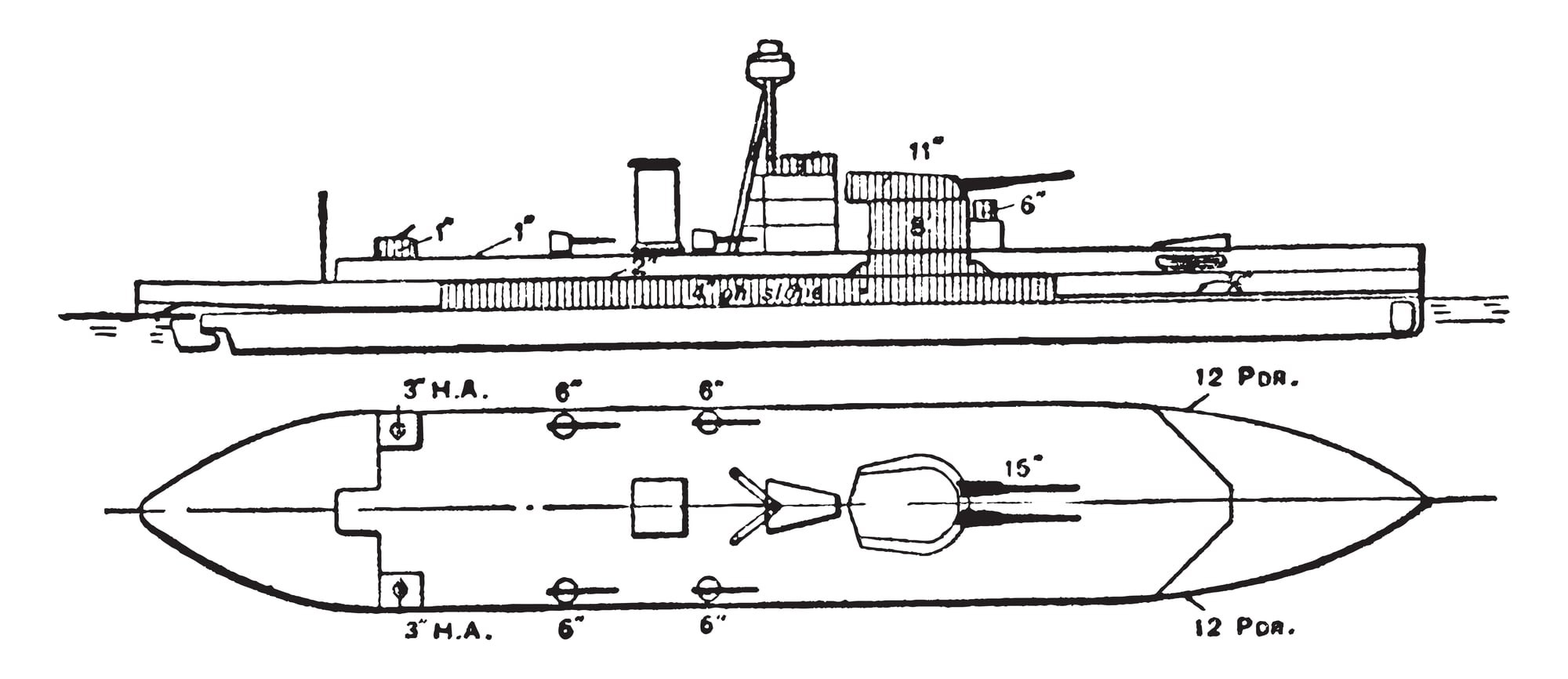
The experimental turret ship capsized and sank in a gale in 1870, taking 473 men with her including her designer. Captain was supposed to represent the future of naval warfare, combining heavy guns with full sailing rig.
Instead, she became one of the Royal Navy’s worst peacetime disasters.
When divers finally examined the wreck thoroughly in the 1980s, they found evidence that confirmed what naval architects had suspected: Captain was dangerously top-heavy. Her designer had added too much weight above the waterline while trying to maximize firepower.
In anything more than moderate seas, the ship became unstable.
The discovery validated the concerns of naval experts who had opposed the ship’s design. It also served as a lesson about innovation — sometimes the newest technology creates new ways to fail catastrophically.
SS Valencia
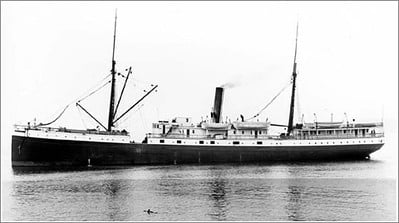
The passenger steamer wrecked on Vancouver Island in 1906 during a winter storm, killing 164 people. The disaster sparked outrage over inadequate rescue equipment and procedures along the Pacific coast, but questions remained about why the ship had been so far off course.
Investigation of the wreck site and historical weather records revealed that Valencia had been fighting unusual wind patterns that pushed her toward shore despite the crew’s efforts to stay in safe water. The ship’s navigational equipment was adequate, but the storm was stronger than anyone had anticipated.
The discovery led to improved lighthouse systems and rescue stations along the Pacific Northwest coast. Valencia’s loss wasn’t caused by negligence — it was caused by weather that exceeded the safety margins ships operated under at the time.
MTS Oceanos
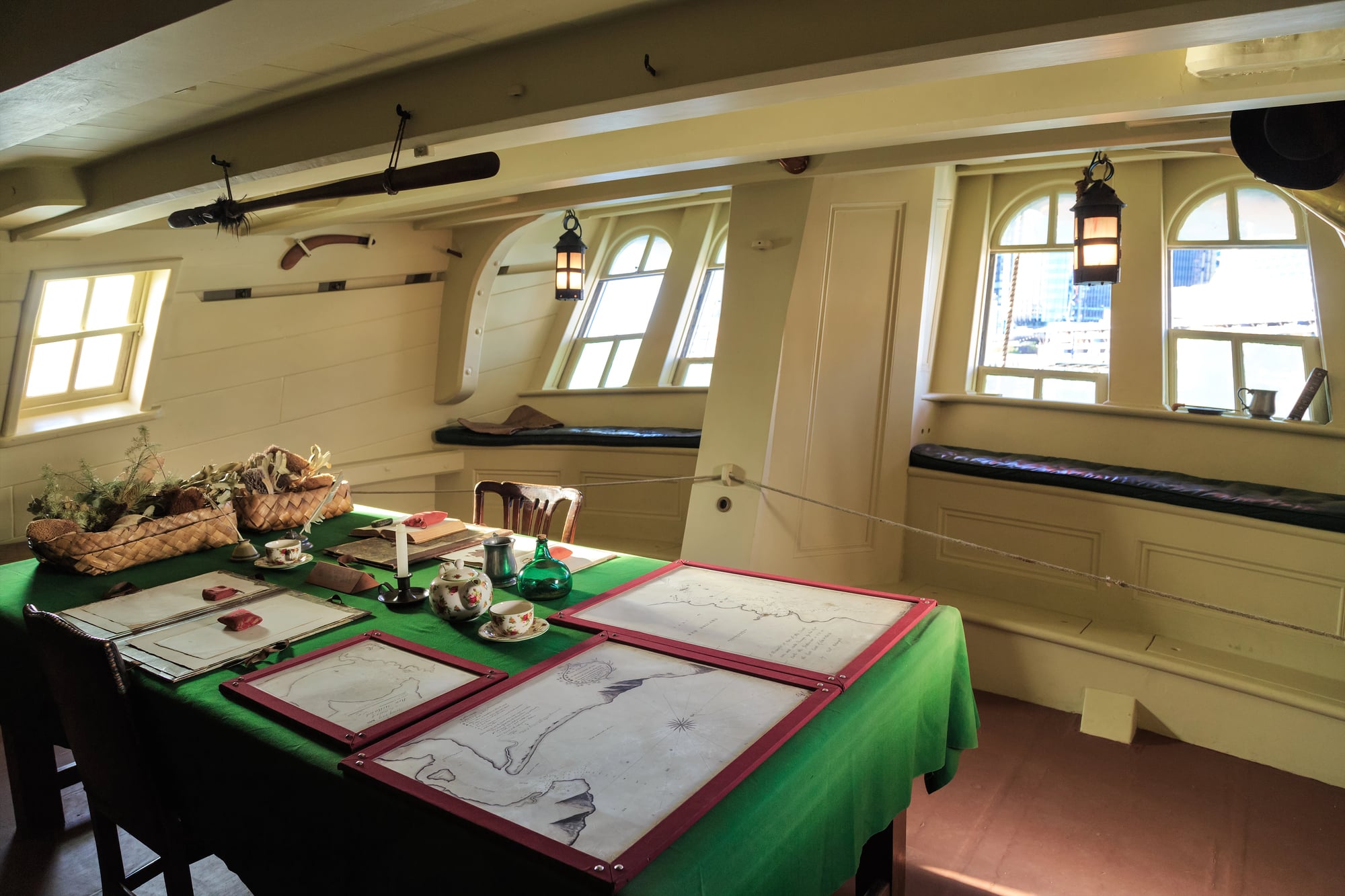
The cruise ship sank off South Africa in 1991 after the engine room flooded, but the captain and senior officers abandoned ship before ensuring all passengers were evacuated. The chaotic rescue became international news, raising questions about maritime safety protocols.
Investigation of the wreck revealed that a porthole failure had caused the initial flooding, but the ship might have been saved if the crew had responded properly. Instead, the engine room was abandoned, allowing water to reach critical systems.
The ship sank not because the damage was unsurvivable, but because the response was inadequate.
The discovery led to stricter international requirements for crew training and emergency procedures. Oceanos proved that modern ships could still be lost through human error, even when the initial damage was manageable.
Looking Back Through The Depths
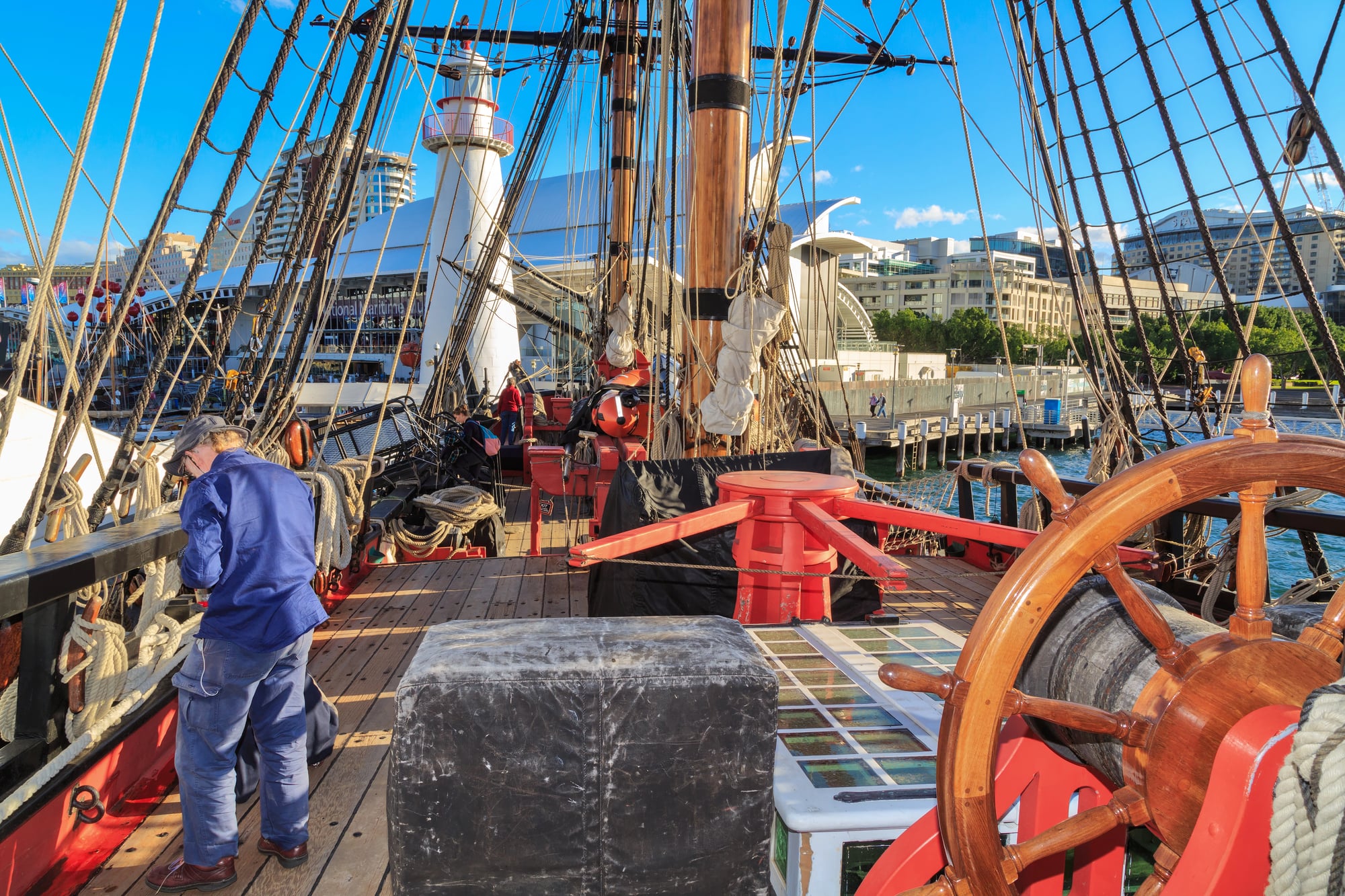
Each wreck tells two stories — the one people thought they knew, and the one that actually happened. The ocean doesn’t care about reputation or assumptions.
It preserves evidence with indifferent precision, waiting for someone curious enough to look.
These discoveries remind us that mystery isn’t always more interesting than truth, but truth is almost always more complex than the stories people tell themselves while they’re waiting for answers.
More from Go2Tutors!

- The Romanov Crown Jewels and Their Tragic Fate
- 13 Historical Mysteries That Science Still Can’t Solve
- Famous Hoaxes That Fooled the World for Years
- 15 Child Stars with Tragic Adult Lives
- 16 Famous Jewelry Pieces in History
Like Go2Tutors’s content? Follow us on MSN.