14 Inventors Who Never Made a Cent From Their Groundbreaking Patents
Innovation often comes at a cost, but for some brilliant minds, that cost was particularly steep. While many inventors dream of striking gold with their creations, history is filled with remarkable individuals whose groundbreaking patents changed the world without ever filling their bank accounts. These visionaries shaped modern life as we know it, yet financial reward remained frustratingly out of reach.
Here is a list of 14 inventors whose game-changing innovations brought them fame but not fortune, despite their patents changing the course of history.
Nikola Tesla

The electric wizard Nikola Tesla revolutionized how we understand and use electricity, yet died nearly penniless in a New York hotel room. His alternating current (AC) system powers homes and businesses worldwide today, but Tesla sold his AC motor patents to George Westinghouse for a modest sum and later tore up a royalty contract that would have made him incredibly wealthy.
By the time of his death in 1943, the man who literally illuminated the world was living on small handouts from former business associates.
Shane Chen

You’ve probably seen hoverboards zooming down sidewalks, but their inventor, Shane Chen never saw much profit from his creation. Despite patenting his self-balancing scooter in 2013, Chen watched helplessly as Chinese manufacturers flooded the market with knockoffs before he could establish his brand.
His company, Inventist spent more money fighting legal battles against counterfeiters than it ever made from the invention itself, turning what should have been a personal transportation revolution into a financial disappointment.
Philo Farnsworth

Every time you binge-watch your favorite show, you can thank Philo Farnsworth, who invented electronic television at just 21 years old. Despite holding the fundamental patents for television technology, Farnsworth lost a lengthy legal battle with RCA, which used its corporate might to essentially steamroll the young inventor.
While RCA made billions from television, Farnsworth received only a one-time payment of $1 million for his life’s work, missing out on decades of royalties from an invention that transformed human communication and entertainment.
John Walker
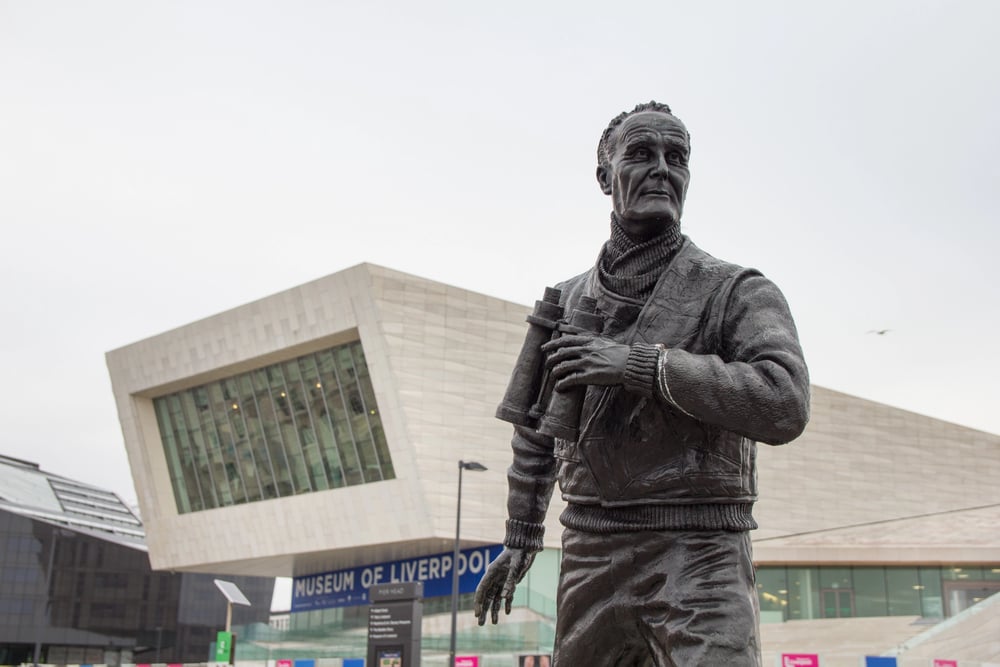
Strike a match to light your candle, and you’re using John Walker’s 1826 invention. This British chemist created the first friction match by accident while stirring a mixture with a wooden stick that later ignited when he scraped it against the floor.
Walker sold his matches locally but refused to patent his invention, believing it should benefit humanity. His noble gesture allowed others to modify and patent similar designs, and while matches became a household essential worldwide, Walker never earned a penny from his revolutionary fire-starter.
Tim Berners-Lee

The internet as we know it exists because of Tim Berners-Lee, who invented the World Wide Web in 1989 while working at CERN. Rather than patenting his creation, Berners-Lee intentionally released the source code for free, believing that the web should be an open platform accessible to everyone.
This decision fostered unprecedented innovation and connectivity but meant that Berners-Lee never profited from an invention that created trillions in economic value and transformed nearly every aspect of modern life.
Ron Klein

Every time you swipe your credit card, you’re using Ron Klein’s magnetic strip technology. Known as the ‘grandfather of possibilities,’ Klein invented the magnetic credit card strip in 1968, solving the problem of credit card processing by enabling electronic verification.
Despite the technology becoming the backbone of global commerce for decades, Klein didn’t make money from his invention because he was working for a bank when he developed it, meaning his employer owned the intellectual property rights to his innovation.
Johannes Gutenberg

The printing press revolutionized how information spread throughout society, yet its inventor, Johannes Gutenberg died broke. After creating movable type printing in the 1440s, Gutenberg was sued by a business partner and lost both his printing shop and control of his invention.
While his technology launched the printing revolution and dramatically increased literacy rates across Europe, Gutenberg himself spent his final years receiving a modest stipend from the Archbishop of Mainz as charity.
Douglas Engelbart

The computer mouse sits beside nearly every computer in the world, but its inventor Douglas Engelbart barely made a dollar from it. Engelbart demonstrated the first mouse in 1968, but his patent expired in 1987, just before personal computers became household staples.
The technology was licensed to Apple for a mere $40,000, none of which went directly to Engelbart. While his invention fundamentally changed how humans interact with computers, the financial rewards flowed to companies that commercialized his vision rather than to the visionary himself.
Daisuke Inoue
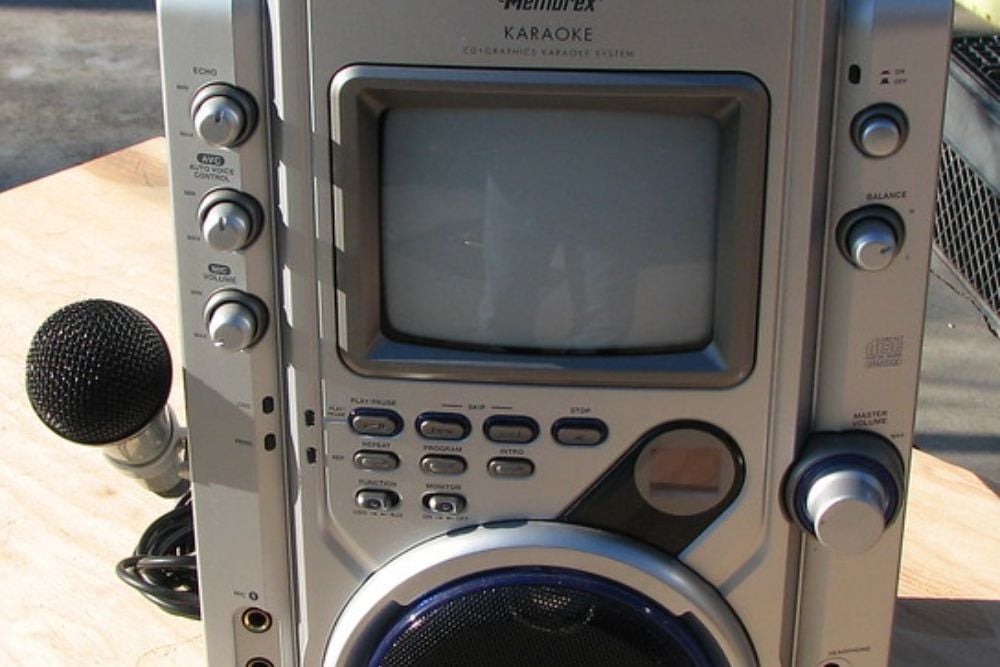
Karaoke machines have generated billions in revenue worldwide, but the original inventor Daisuke Inoue, never received royalties. In 1971, this Japanese musician built the first karaoke machine to let his clients sing along to backing tracks when he couldn’t perform.
Inoue didn’t patent his invention, allowing others to develop and market similar machines globally. He later joked that his contribution to humanity was allowing people to sing badly in public, but his lack of patent protection meant his contribution to his own bank account was far less significant.
Stephen Wozniak

Apple’s co-founder Steve Wozniak designed the Apple I and Apple II computers that launched the personal computing revolution, but his financial rewards were a fraction of what they could have been. While Wozniak received some money from Apple’s IPO, his early departure from day-to-day operations and his extraordinarily generous nature—he gave away much of his stock to early employees—meant he missed out on billions.
Unlike co-founder Steve Jobs, Wozniak prioritized engineering excellence and fairness over financial gain, a decision that made him respected but not nearly as wealthy as his contributions warranted.
Alexey Pajitnov
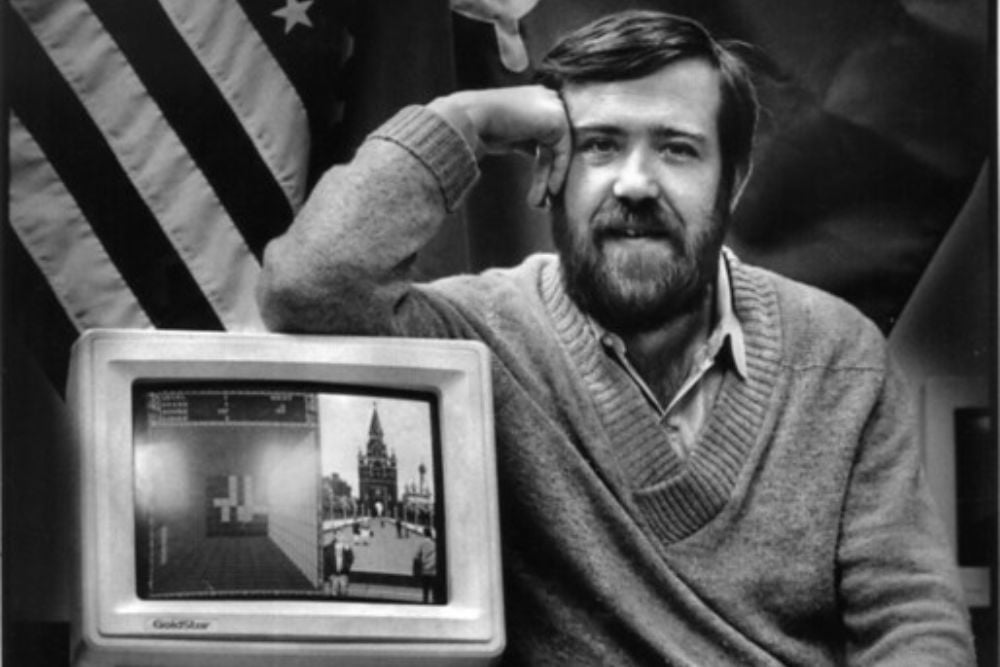
Tetris has sold hundreds of millions of copies across virtually every gaming platform, yet its creator Alexey Pajitnov initially received no royalties. When Pajitnov created the game in 1984 while working at a Soviet computer center, intellectual property rights belonged to the state.
For a decade, the Soviet government collected all Tetris royalties while Pajitnov received only his modest government salary. It wasn’t until 1996 that he finally founded The Tetris Company and began receiving compensation for his cultural phenomenon that had already generated billions in revenue.
Gordon Gould

The term ‘laser’ was coined by Gordon Gould, who first conceived of the technology in 1957 but didn’t immediately file for patents. This fateful delay led to a 30-year legal battle as others patented similar technology. Gould finally won limited patent rights in the 1970s and 1980s, but by then, he had missed decades of potential royalties from his groundbreaking invention.
The technology that now cuts steel, performs surgery, and reads digital media made others wealthy while its originator spent much of his life fighting for recognition.
Mikhail Kalashnikov

The AK-47 is the most produced weapon in history, with over 100 million manufactured, yet its inventor Mikhail Kalashnikov received virtually no compensation. As a Soviet military engineer, Kalashnikov created the rifle in 1947 for the state, which owned all rights to the design.
While arms manufacturers worldwide produced his reliable, low-cost rifle design, Kalashnikov lived on a modest military pension in a small apartment. Shortly before his death in 2013, he expressed regret that his engineering talent had created a weapon rather than something beneficial like a lawnmower.
Antonio Meucci
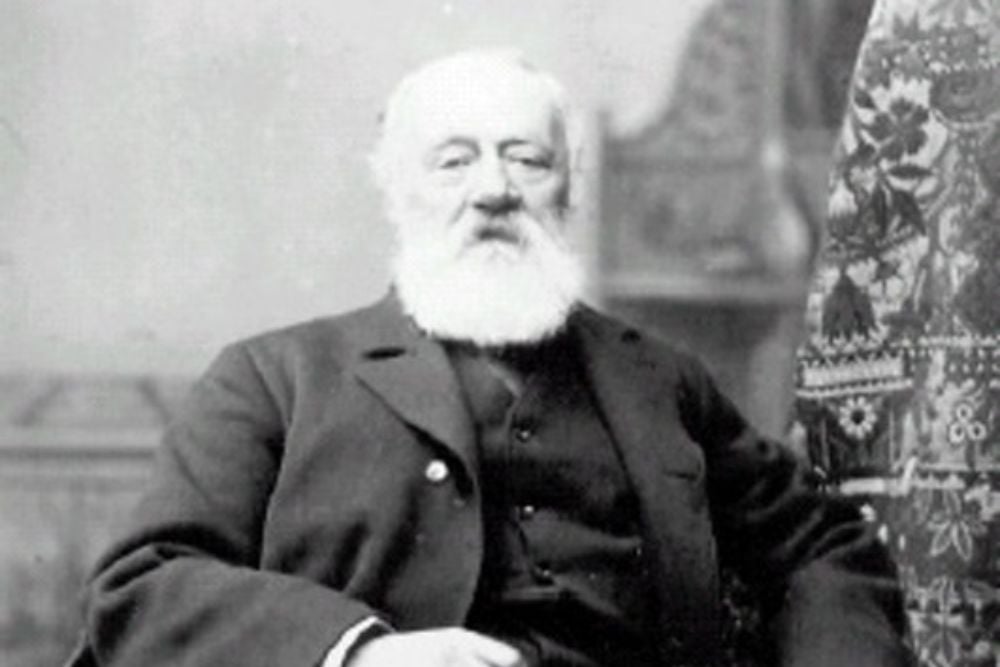
Long before Alexander Graham Bell received a patent for the telephone, Italian immigrant Antonio Meucci had already developed a working voice communication device. Financial hardship prevented Meucci from maintaining his patent caveat (a preliminary patent application), allowing Bell to secure the official patent in 1876.
Despite years of legal challenges and even posthumous recognition by the U.S. Congress in 2002 acknowledging Meucci’s work, he died penniless while Bell’s telephone company eventually became telecommunications giant AT&T.
The Price of Innovation

Creativity and commercial success don’t always go hand in hand, as these inventors clearly demonstrate. Some were victims of corporate power or legal technicalities, while others made conscious choices to prioritize humanity’s benefit over personal gain.
Their stories remind us that behind many world-changing innovations are individuals whose financial rewards never matched their contributions. Yet their legacy lives on not in bank accounts but in technologies that continue to shape our daily lives, proving that true invention often transcends monetary value.
More from Go2Tutors!

- The Romanov Crown Jewels and Their Tragic Fate
- 13 Historical Mysteries That Science Still Can’t Solve
- Famous Hoaxes That Fooled the World for Years
- 15 Child Stars with Tragic Adult Lives
- 16 Famous Jewelry Pieces in History
Like Go2Tutors’s content? Follow us on MSN.



