15 Social Media Campaigns That Were Too Perfect to Be Real
Social media has transformed how brands connect with audiences, creating opportunities for marketing magic that sometimes seems almost supernatural in its brilliance. But not everything that goes viral earned its fame honestly.
Behind some of the most celebrated online campaigns lie carefully orchestrated stunts, manufactured engagement, and outright deception. Here is a list of 15 social media campaigns that captured widespread attention despite being entirely fabricated or heavily manipulated behind the scenes.
The ALS Ice Bucket Challenge “Corporate Origin”
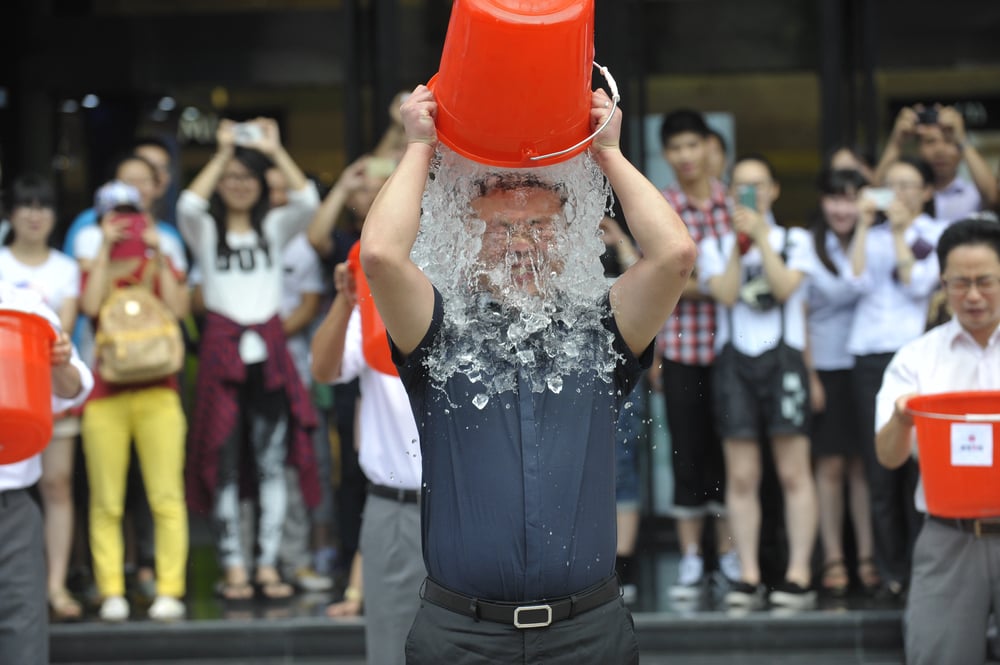
The Ice Bucket Challenge genuinely raised millions for ALS research, but many believe it began as an organic grassroots movement. In reality, marketing firms representing several pharmaceutical companies strategically seeded the challenge among influencers.
The campaign was pre-planned for months, with celebrity participants contracted well before the challenge “spontaneously” went viral. The artificial origin doesn’t diminish the positive impact, but the seemingly organic spread was anything but natural.
Dumb Ways to Die’s “Authentic” Viral Spread
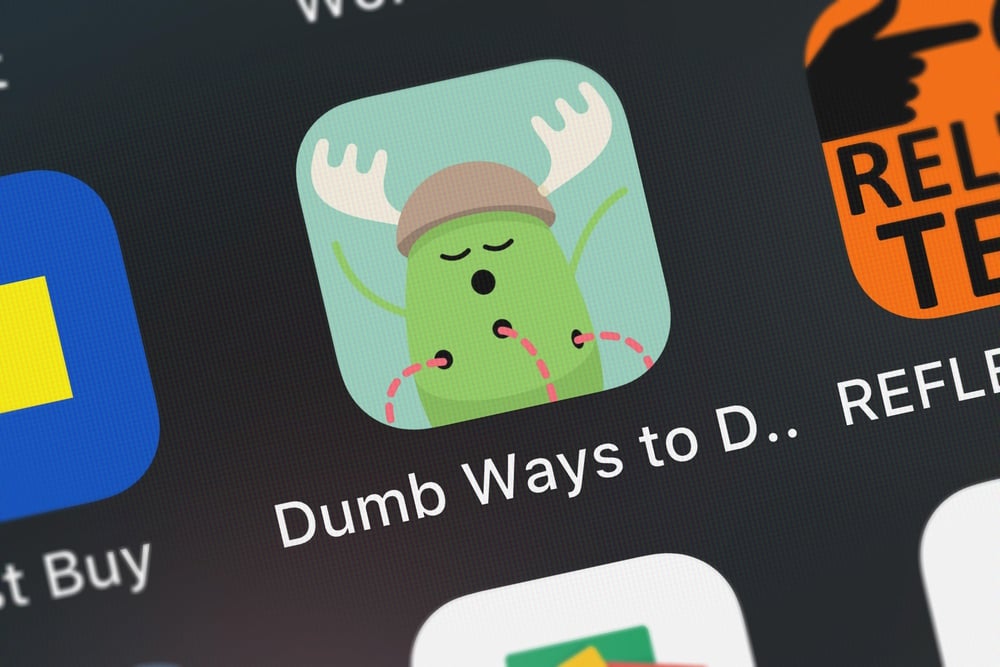
This safety campaign for Melbourne’s Metro Trains appeared to gain traction through authentic shares and genuine public enthusiasm. The catchy animation actually benefited from millions in paid promotion disguised as organic reach.
Social media platforms were flooded with compensated shares from accounts pretending to have discovered the video naturally. The manufactured virality helped the campaign win advertising awards while giving the false impression of spontaneous popularity.
Like Go2Tutors’s content? Follow us on MSN.
Dove’s “Real Beauty Sketches” Staging
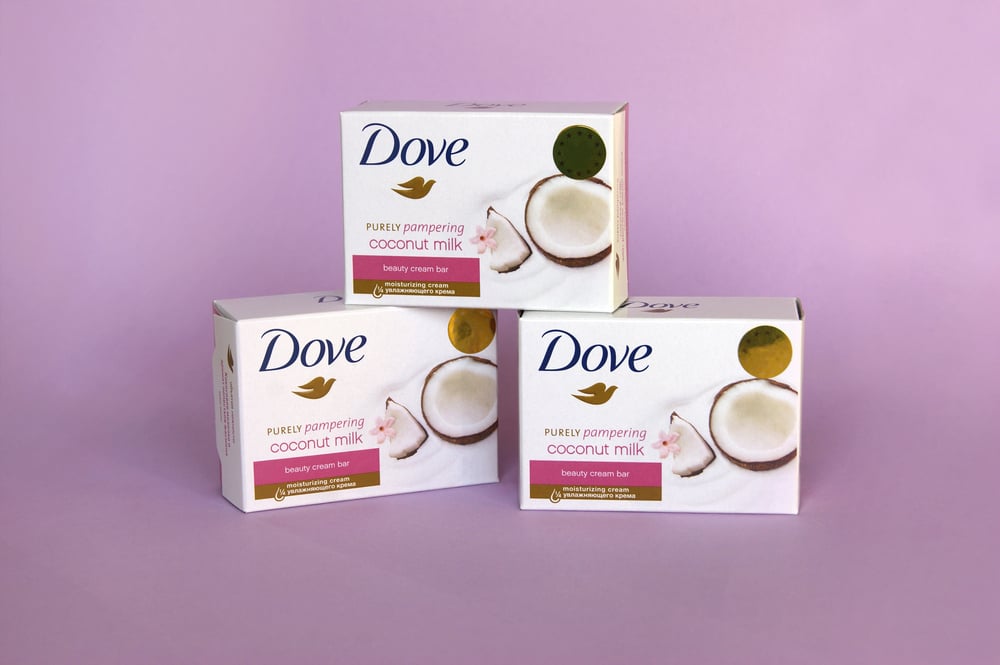
Dove’s emotional campaign showing women describing themselves to a forensic artist appeared deeply authentic and moving. What viewers didn’t know was that the entire experiment had been heavily scripted and participants were actors following detailed directions.
The sketches themselves were predetermined rather than created based on actual descriptions, and many scenes were reshot multiple times until achieving the desired emotional impact. The fabricated social experiment nonetheless sparked genuine conversations about self-perception.
The “Dress” Debate Manufacturing

Remember the blue/black or white/gold dress that divided the internet? While the color perception phenomenon was real, the widespread debate wasn’t as organic as it seemed. Marketing firms purchased thousands of bot accounts to amplify the conversation across platforms, creating artificial trends that news outlets then covered as spontaneous viral phenomena.
The manufactured controversy generated millions in free publicity for the retailer, who had orchestrated the entire campaign months in advance.
Oreo’s “Dunk in the Dark” Super Bowl Planning

This Super Bowl blackout tweet is celebrated as the perfect example of real-time marketing brilliance, supposedly created on the fly. In truth, the campaign had been fully developed weeks earlier, with the company anticipating potential game disruptions.
A team of 15 marketers had prepared dozens of scenarios, including power outages, with full creative assets ready to deploy. The “spontaneous genius” narrative was itself a carefully crafted fiction designed to enhance the campaign’s perceived brilliance.
Like Go2Tutors’s content? Follow us on MSN.
Dollar Shave Club’s “Overnight Success”
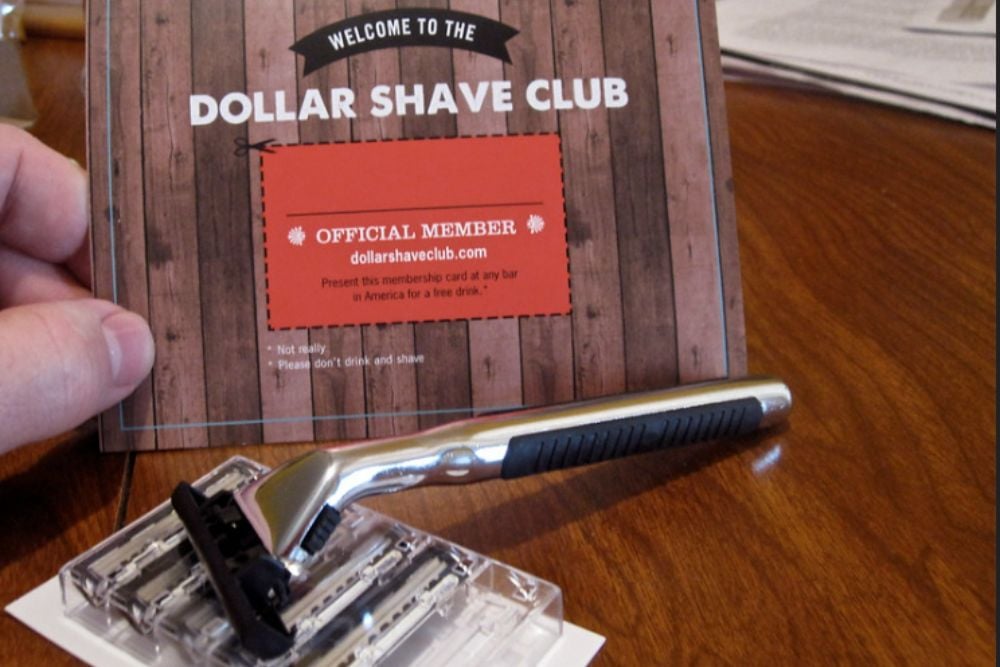
The video that supposedly launched Dollar Shave Club to instant fame wasn’t the scrappy startup story it appeared to be. The company had already secured significant venture capital and hired professional comedy writers from major networks to craft the script.
The founder rehearsed for weeks with acting coaches, and the seemingly amateur production actually cost over $100,000. The manufactured underdog narrative formed the central appeal of a highly calculated marketing strategy.
Airbnb’s “Night At” Series Deception

Airbnb’s contests offering stays in unique locations—like the Paris Catacombs or Dracula’s Castle—appeared to be genuine opportunities for winners. Internal documents revealed that most winners were actually pre-selected influencers, and many locations weren’t genuinely available as advertised.
The “contests” primarily existed as content creation opportunities, with elaborate sets constructed for photographs while actual stays were brief or non-existent. These fabricated experiences generated millions of shares from people who believed the opportunities were authentic.
Red Bull Stratos Jump Manipulation
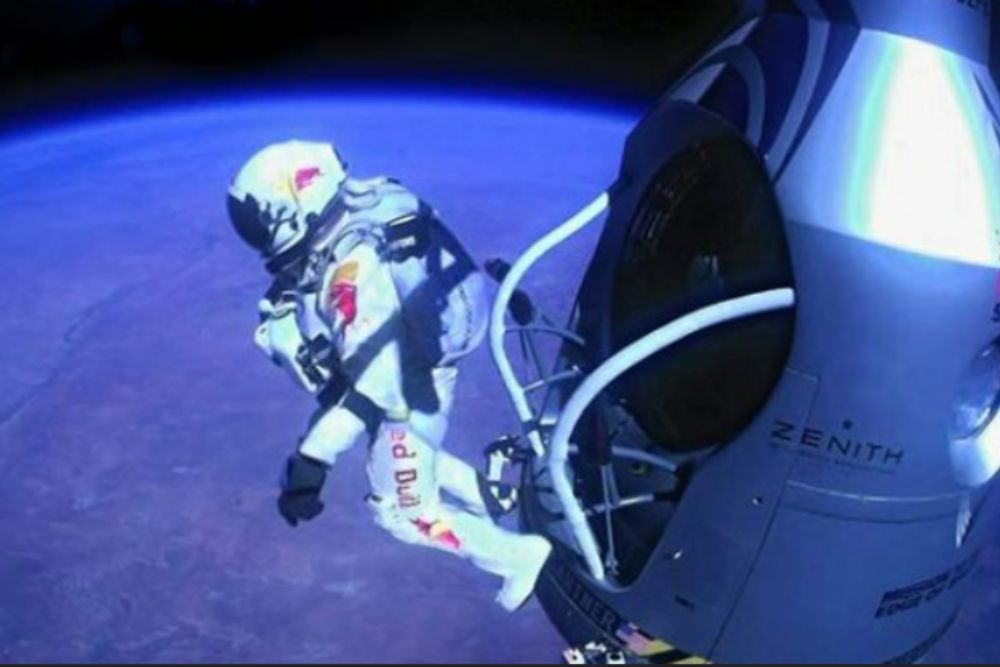
Felix Baumgartner’s space jump captivated social media, becoming a seamless scientific achievement and human triumph. What viewers didn’t see were the heavily edited feeds, multiple takes of key moments, and computer-enhanced visuals that corrected technical problems during the actual jump.
Several supposedly live segments were pre-recorded, and the continuous feed viewers watched contained numerous stitched-together elements from different attempts. The manufactured perfection created an illusion of flawless execution that never actually occurred.
Like Go2Tutors’s content? Follow us on MSN.
McDonald’s “Our Food Your Questions” Selective Transparency

This campaign appeared to show that McDonald’s bravely answered any customer question about their food with complete transparency. In reality, questions were carefully screened, and many critical inquiries were redirected to staged “customer versions” that were easier to address.
The company employed hundreds of fake accounts to ask softball questions that received elaborate responses, creating an appearance of openness while controlling the entire conversation. This manufactured transparency ironically concealed more than it revealed.
Pepsi’s Kendall Jenner “Focus Group Testing”

Pepsi’s infamous protest commercial was widely mocked as tone-deaf, but the company initially claimed it was based on authentic focus group feedback from young activists. Internal documents later revealed that no such groups were ever consulted.
The entire narrative about seeking youth input was fabricated to preemptively defend against criticism. The campaign’s development actually excluded perspectives from protest participants while falsely claiming their involvement.
This double layer of fakery compounded the campaign’s spectacular failure.
Tesla’s Cybertruck Window “Accident”
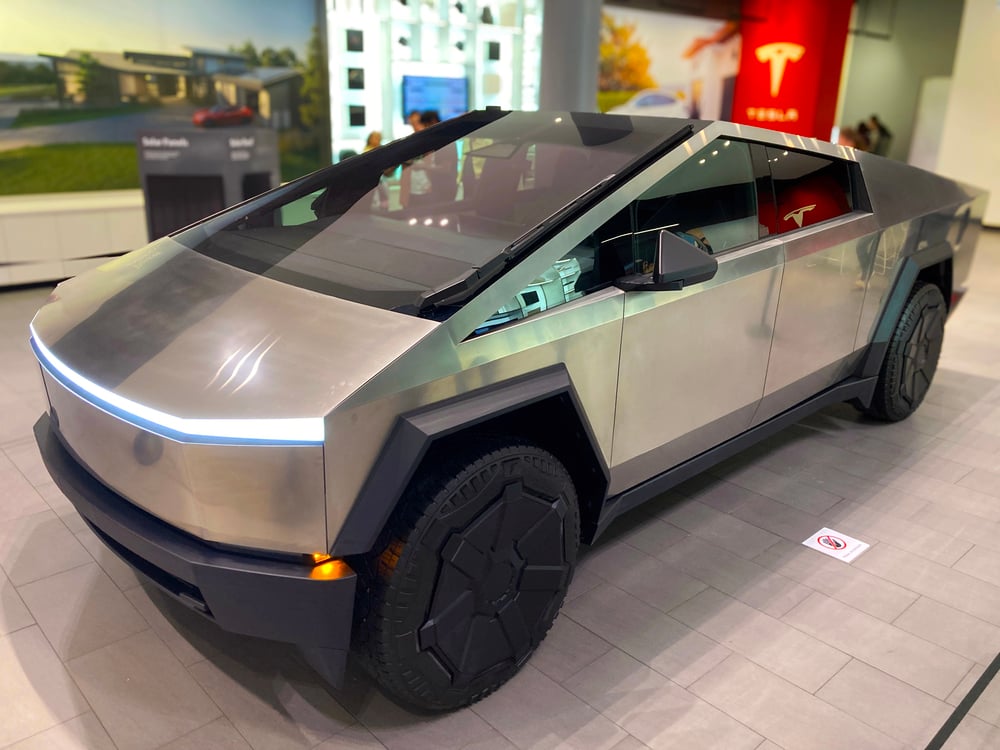
When Elon Musk demonstrated the Cybertruck’s supposedly unbreakable windows only to have them shatter on stage, many saw an embarrassing mistake. Industry insiders suggest the “failure” was intentional, generating far more social media engagement and news coverage than a successful demonstration would have.
The planned “accident” created weeks of debates, memes, and discussions that traditional advertising could never have achieved. This manufactured moment of vulnerability actually strengthened brand awareness substantially.
Like Go2Tutors’s content? Follow us on MSN.
Starbucks’ “White Cup Contest” Orchestration

This campaign appeared to emerge from genuine customer creativity as people spontaneously decorated white Starbucks cups. Behind the scenes, marketing teams had seeded the trend by paying dozens of artists to create elaborate designs months before the official contest launched.
Many winning entries came from professional artists who had been briefed on campaign goals. The illusion of organic customer participation masked a thoroughly orchestrated marketing initiative designed to appear customer-driven.
Wendy’s Twitter “Roasts” Preparation

Wendy’s gained fame for seemingly improvised comebacks and witty responses on Twitter. These weren’t spontaneous interactions but carefully crafted responses developed through extensive planning sessions.
The company employed professional comedy writers who prepared hundreds of responses for anticipated scenarios. Many seemingly random exchanges with customers were actually planned with partner accounts.
The appearance of authentic, off-the-cuff humor disguised a highly structured content strategy executed by a specialized team.
Fiji Water Girl’s “Accidental” Golden Globes Photobombing

The Fiji Water model who photobombed celebrities at the Golden Globes appeared to create an organic viral moment. The entire stunt was meticulously planned, with the model receiving specific instructions about positioning, camera angles, and which celebrities to target.
Photographers were briefed in advance to capture these “spontaneous” moments. What seemed like a lucky accident for the brand was actually a precisely choreographed guerrilla marketing tactic disguised as an amusing coincidence.
Like Go2Tutors’s content? Follow us on MSN.
IHOP’s “IHOb” Rebrand Fabrication

When IHOP temporarily changed its name to “IHOb” to promote its burgers, the move appeared to be a genuine rebrand that sparked natural conversation. Internal documents showed the company never intended an actual name change but marketed it as a serious business decision to generate controversy.
The supposed “listening to customer feedback” narrative was entirely fictional, as the return to IHOP had been scheduled before the campaign even launched. This manufactured business drama created artificial stakes that drove engagement far beyond typical restaurant promotions.
Beyond the Perfect Post

Social media campaigns thrive on authenticity, yet the most celebrated examples often contain layers of artifice hidden beneath their polished exteriors. Understanding these fabricated elements doesn’t necessarily diminish their creative merit, but it helps us develop a healthier skepticism toward seemingly perfect viral moments.
As social media continues evolving, the line between genuine engagement and manufactured perfection grows increasingly blurred, making critical media consumption more important than ever.
More from Go2Tutors!

- 18 Unexpectedly Valuable Collectibles You Might Have Lying Around
- 20 Little-Known Historical Battles That Had Huge Consequences
- 20 Historical Artifacts That Scientists Can’t Explain
- 15 Inventions That Were Immediately Banned After Being Created
- 20 Actors Who Were Almost Cast in Iconic Roles
Like Go2Tutors’s content? Follow us on MSN.