The Amber Room’s Wartime Disappearance
A chamber of glowing amber, gold leaf, and mirrors once dazzled visitors to Catherine Palace. Then war came, and with it, the theft of one of the world’s most extraordinary treasures. Its story is part art history, part wartime mystery.
Here’s a list of the main places and theories tied to the Amber Room’s disappearance during the Second World War.
Catherine Palace

— Photo by goddy-a
The Amber Room stood as the jewel of the palace near St. Petersburg. Curators tried to hide it when German troops approached in 1941, but amber is brittle—cold air alone can cause cracks. Attempts to remove the panels only risked ruining them.
So the room stayed. And when the palace fell, so did its glittering heart.
Königsberg Castle

German soldiers created the panels and shipped them west. In Königsberg, the castle museum reassembled the room for display. Visitors walked through it, bathed in the warm glow of fossilised resin that looked like sunlight trapped in stone.
Still, the castle did not remain safe. Allied bombs rained down in 1944, fire spread, and the trail began to blur.
The Bunker Theory

One story claims officials hustled the crates into underground bunkers as air raids worsened. It would have been a clever safeguard.
But years later, searches beneath Königsberg’s ruins revealed little more than broken bricks and shadows. No amber, no gold. Just silence.
The Fire Story

Others argue the treasure never left the castle. Fires in 1944 may have consumed it entirely. Amber burns hot and fast. It blackens, melts, and then it’s gone.
A tragic thought. Though some doubt the flames could have erased every trace.
The Baltic Sea Route

Ships leaving East Prussia carried treasures as Soviet forces closed in. Whispers grew that the Amber Room was among those cargoes. And some of those ships never made it.
One theory points to Wilhelm Gustloff, torpedoed in 1945. Others suggest smaller vessels, swallowed by the Baltic with their secrets still sealed inside.
Private Looting
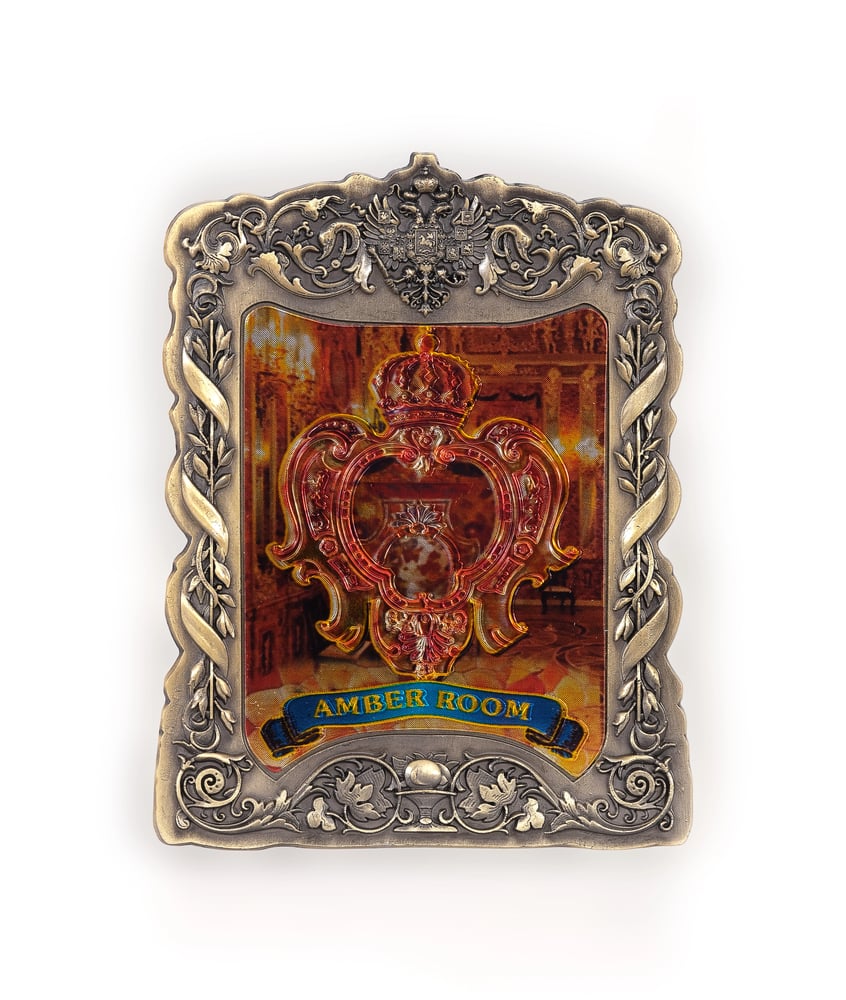
It might have been simpler. Soldiers could have taken pieces as souvenirs—panels, mosaics, carvings. Over time, fragments surfaced. A floral relief here, a sliver of amber there.
- Found in flea markets.
- Hidden in family attics.
- Sold quietly through collectors.
Proof, at least, that parts of the original survive. Scattered like breadcrumbs.
Post-War Hunts

Treasure hunters have dug through mines, bunkers, and lakes, convinced the room lies buried somewhere. Some digs uncovered charred remains, others nothing but mud and disappointment.
And the atmosphere in those places? Damp stone, stale air, faint echoes. A ghost hunt in every sense.
A Modern Replica
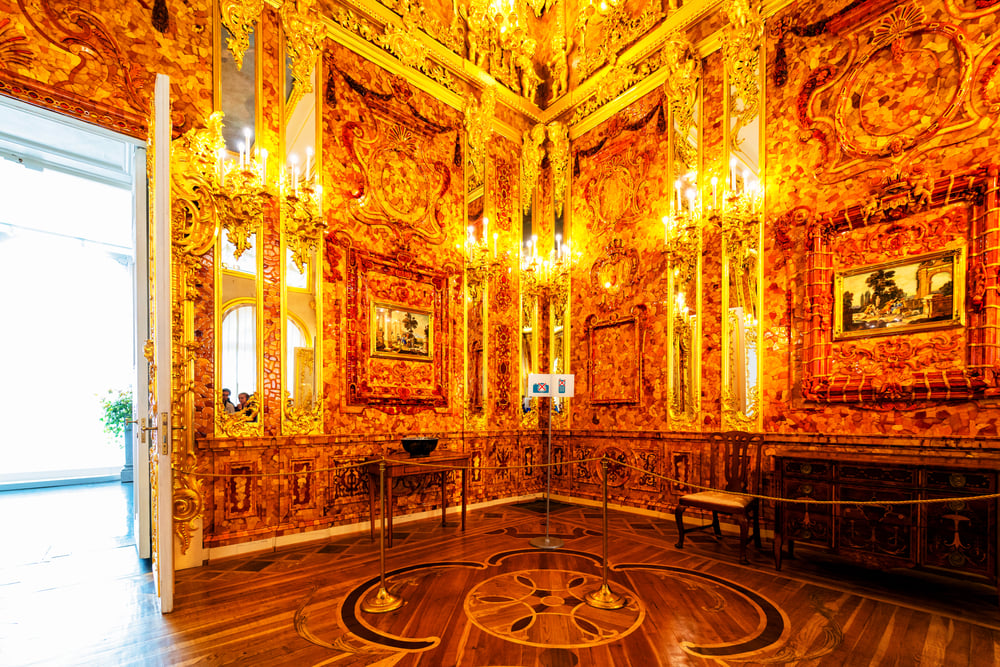
— Photo by kefirm
In the early 2000s, Russian artisans completed a reconstruction at Catherine Palace. It took decades of painstaking work, funded partly by German donors. Visitors now step into a glowing chamber that revives the splendour of the lost original.
It dazzles, yes. Yet it’s a copy. The real Amber Room has never reappeared.
Echoes of a Legend

— Photo by Alexandra Lande
The Amber Room remains one of the greatest cultural mysteries of the 20th century. Whether burned, sunk, or hidden, its fate is still debated, still searched for.
A wonder lost. A legend unbroken.
More from Go2Tutors!

- The Romanov Crown Jewels and Their Tragic Fate
- 13 Historical Mysteries That Science Still Can’t Solve
- Famous Hoaxes That Fooled the World for Years
- 15 Child Stars with Tragic Adult Lives
- 16 Famous Jewelry Pieces in History
Like Go2Tutors’s content? Follow us on MSN.



