Unusual Facts About Christmas Cactus Plants and Legends
Christmas cactus plants show up in homes every winter, tucked onto windowsills and side tables with their tubular flowers drooping from segmented green stems. Most people know they bloom around the holidays, but that’s about where the knowledge stops.
These plants carry histories that stretch across continents and generations, wrapped in stories that blur the line between fact and folklore.
They’re Not Desert Cacti at All

The name misleads people constantly. Christmas cacti don’t come from hot, dry deserts.
They’re native to the coastal mountains of southeastern Brazil, where they grow as epiphytes in shady, humid rainforests. Instead of sending roots into sandy soil, they attach themselves to tree branches and rocks, absorbing moisture from the air and decomposing plant matter.
This explains why they die when you treat them like typical cacti—they need regular watering and hate direct sun.
Three Different Plants Share the Same Common Name
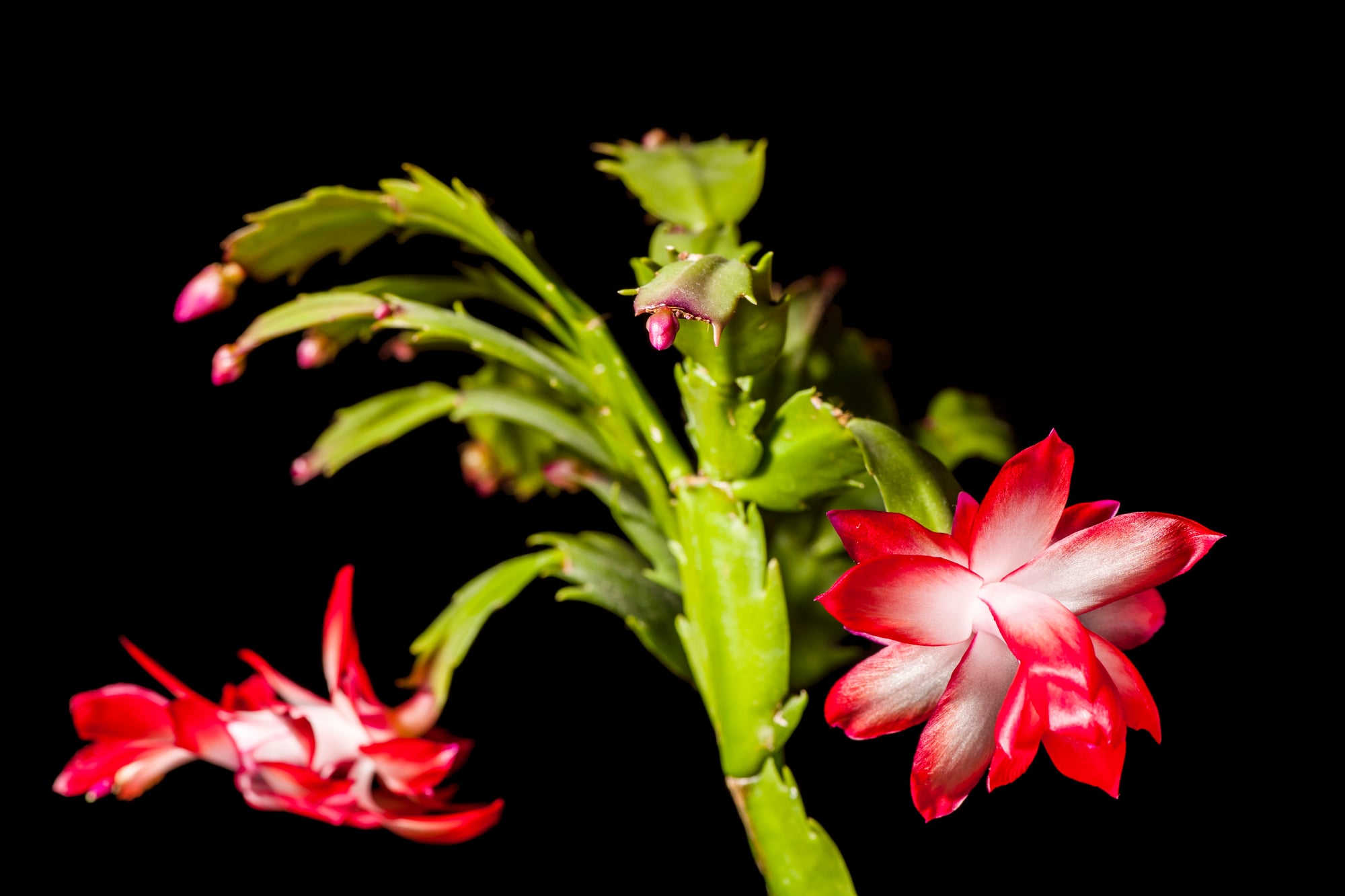
What stores sell as Christmas cactus might actually be a Thanksgiving cactus or an Easter cactus. The differences show up in the leaf segments and bloom times.
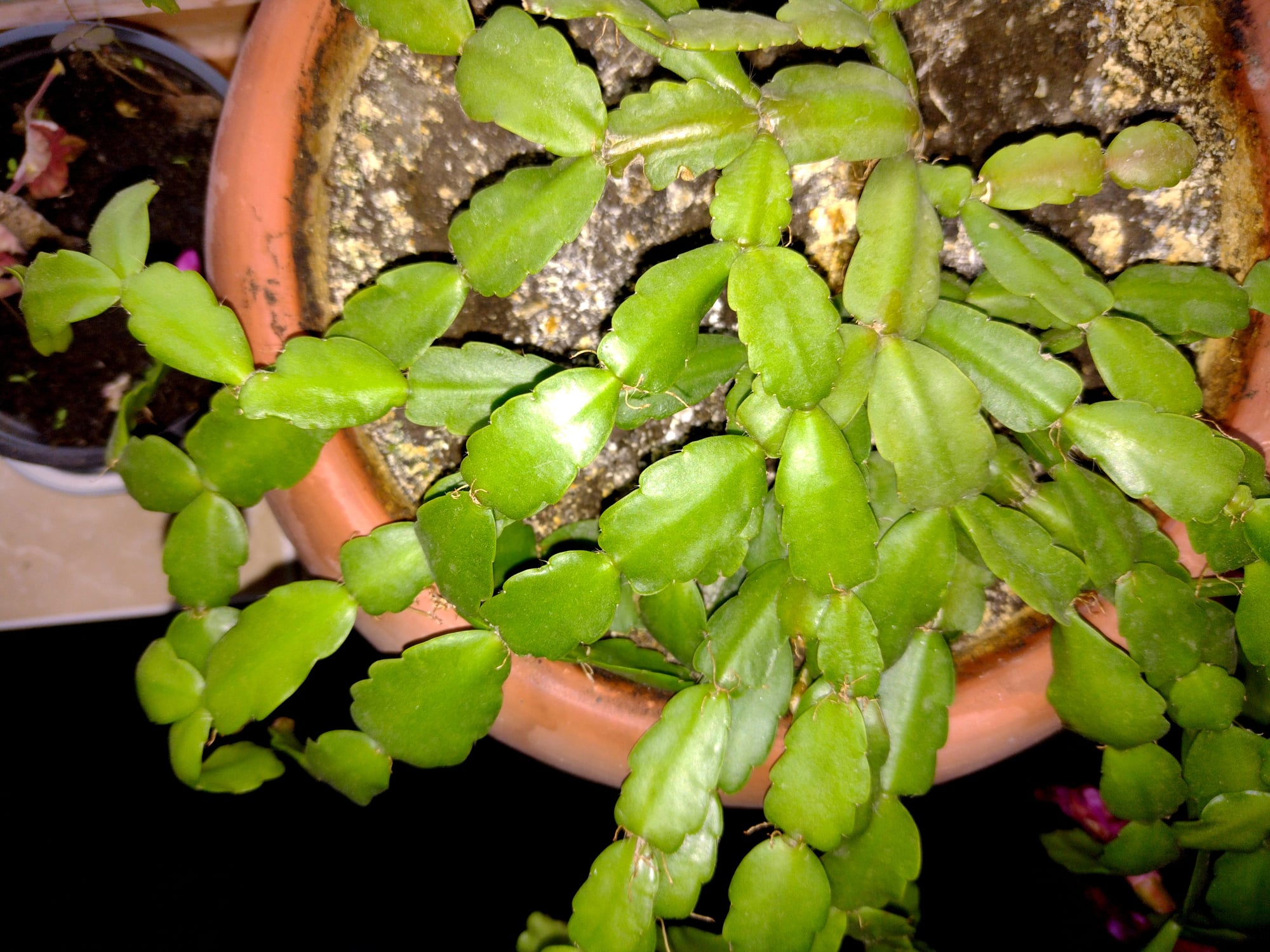
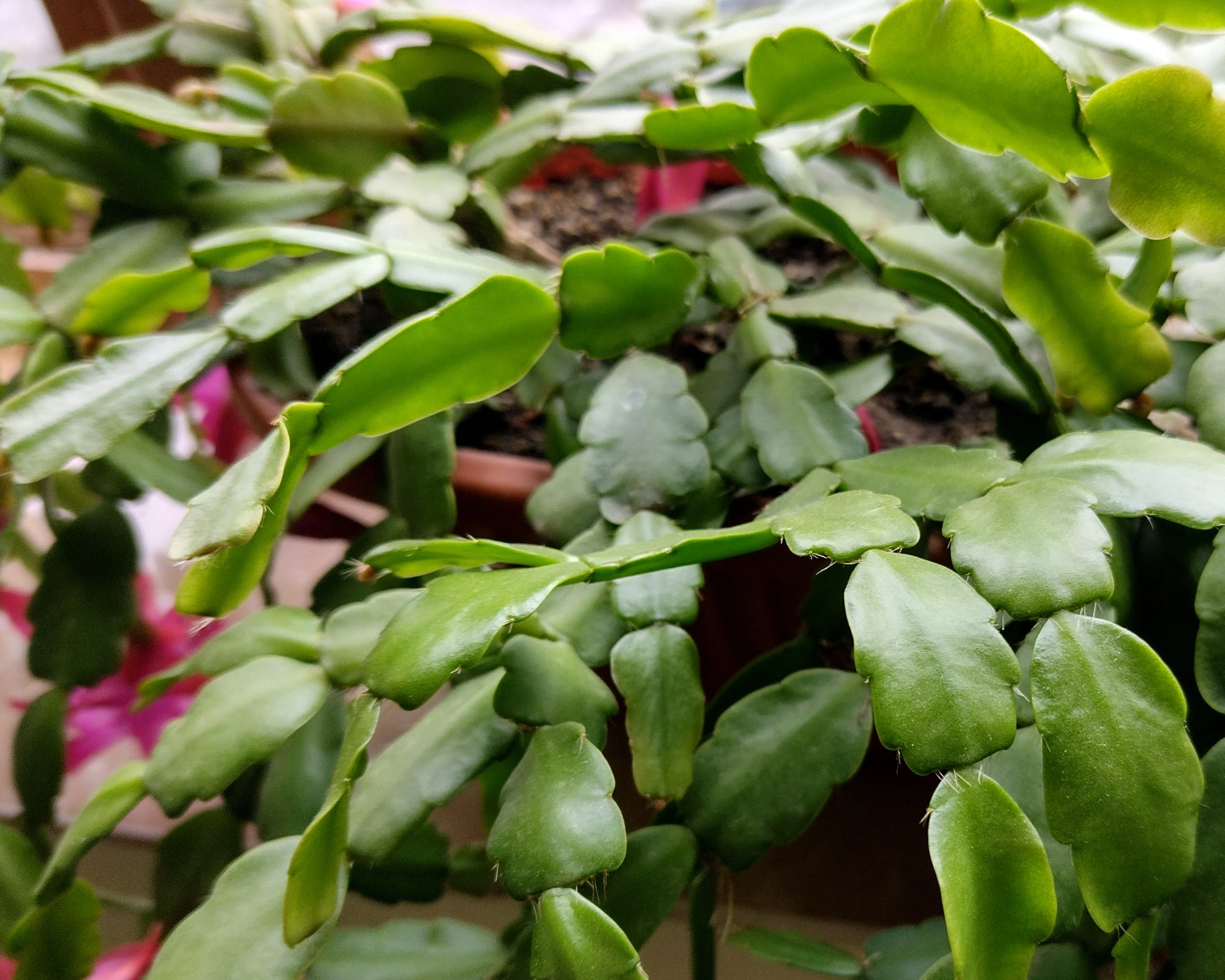
True Christmas cacti have rounded, scalloped edges on their stem segments and bloom in late December. Thanksgiving cacti have pointed, claw-shaped edges and flowers in November.
Easter cacti have softer, more rounded segments with small bristles and bloom in spring. Most people own Thanksgiving cacti but call them Christmas cacti because the stores do.
A Brazilian Legend Explains Their Winter Blooms
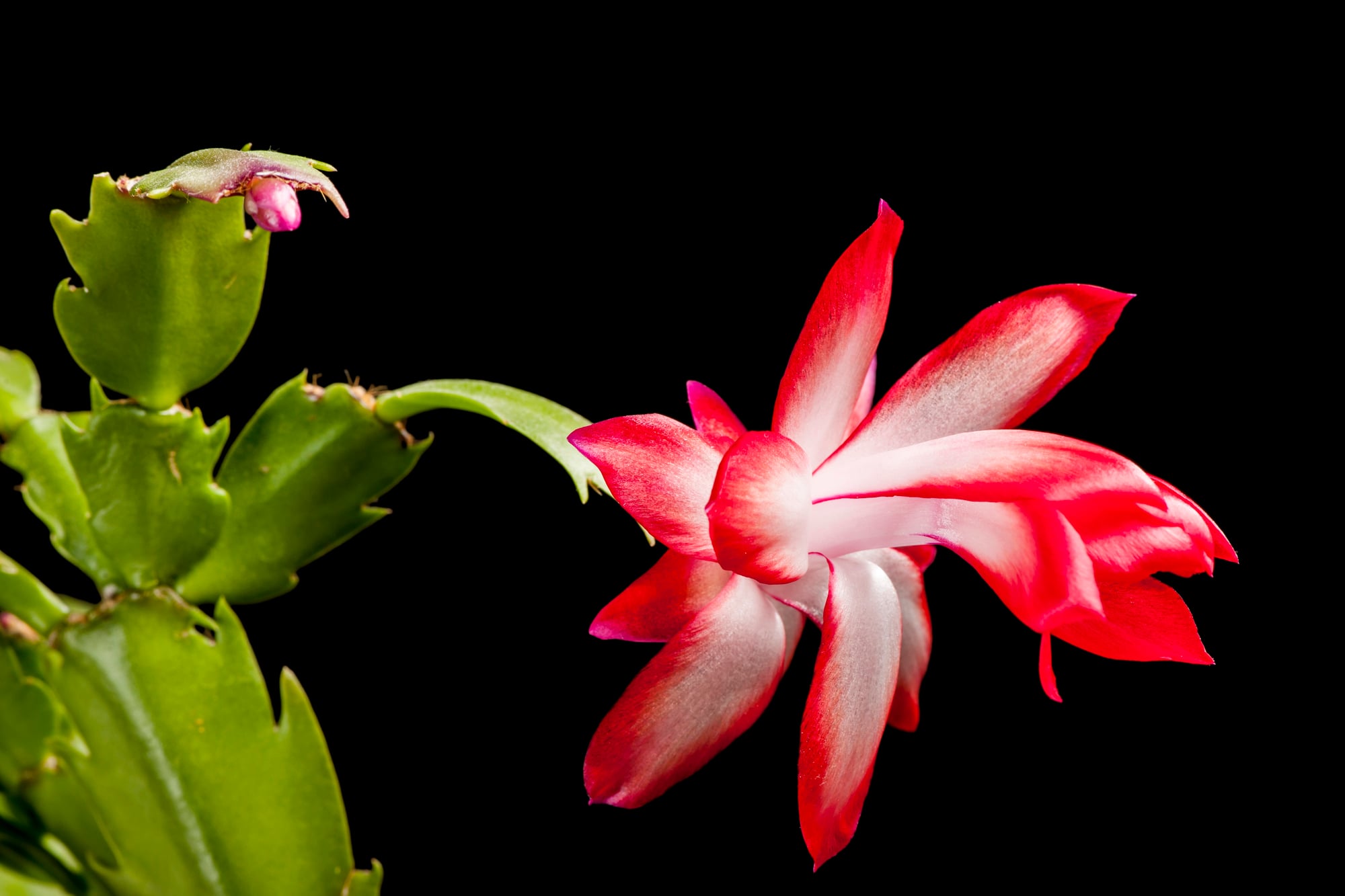
According to Brazilian folklore, a young woman living in the mountains prayed for a sign from God during the Christmas season. She wanted proof that her prayers were heard, even in the depths of summer when everything else bloomed.
The next morning, she found vibrant flowers erupting from the plain green plants clinging to the trees around her home. These flowers appeared every year at the same time, always during the Christmas season, no matter what the weather did.
The story spread through villages as evidence that faith could make beauty appear in unexpected places.
They Can Live for Decades
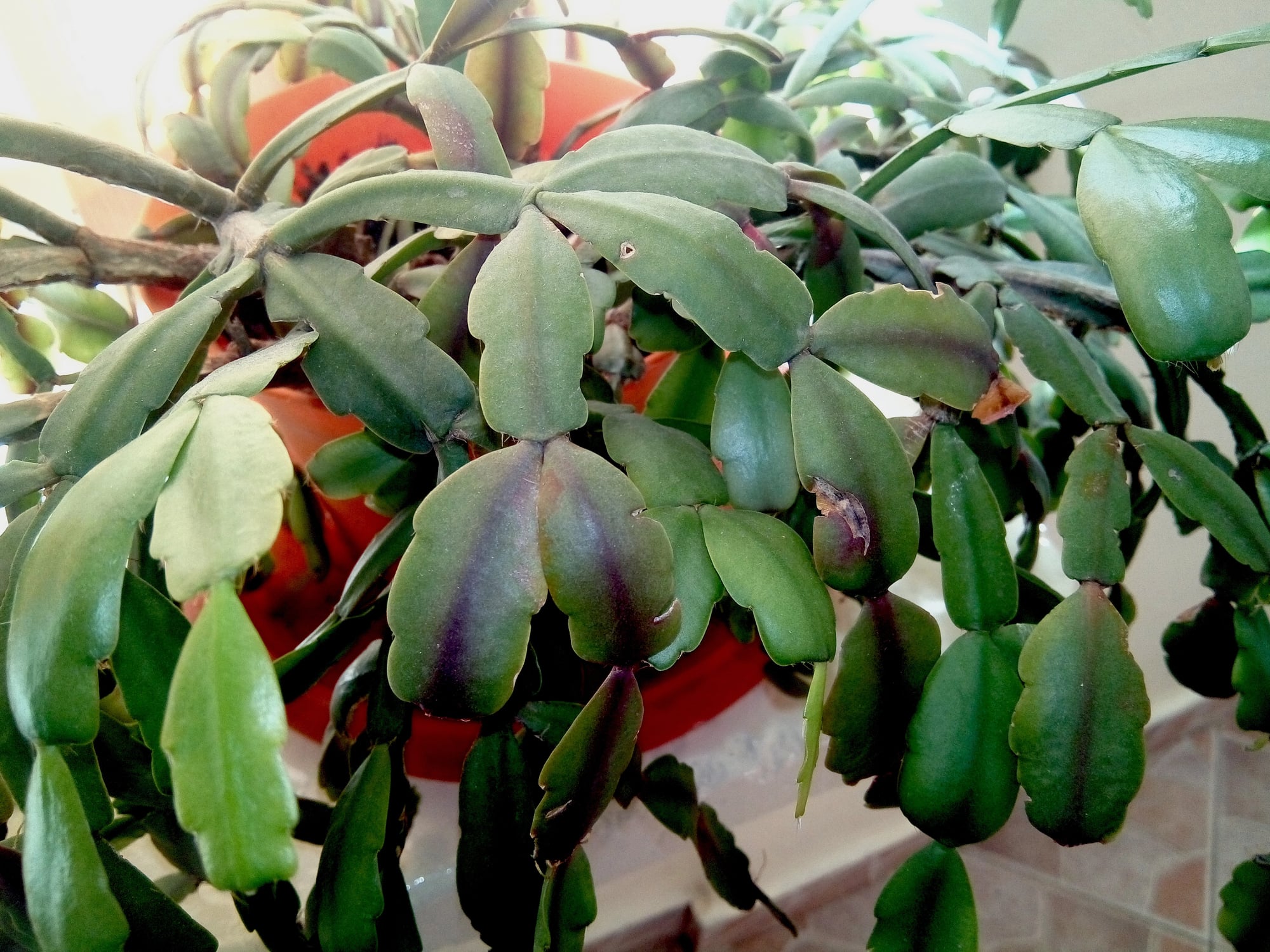
Christmas cacti easily outlive most houseplants. With basic care, they survive for 20 or 30 years, and some documented specimens have reached 100 years old.
They get passed down through families like heirlooms, moving from grandmothers to mothers to daughters. Each generation takes cuttings to start new plants, creating genetic copies that carry forward for another lifetime.
You might be caring for a plant that’s genetically identical to one your great-grandmother grew.
The Flowers Were Once Thought to Grant Wishes
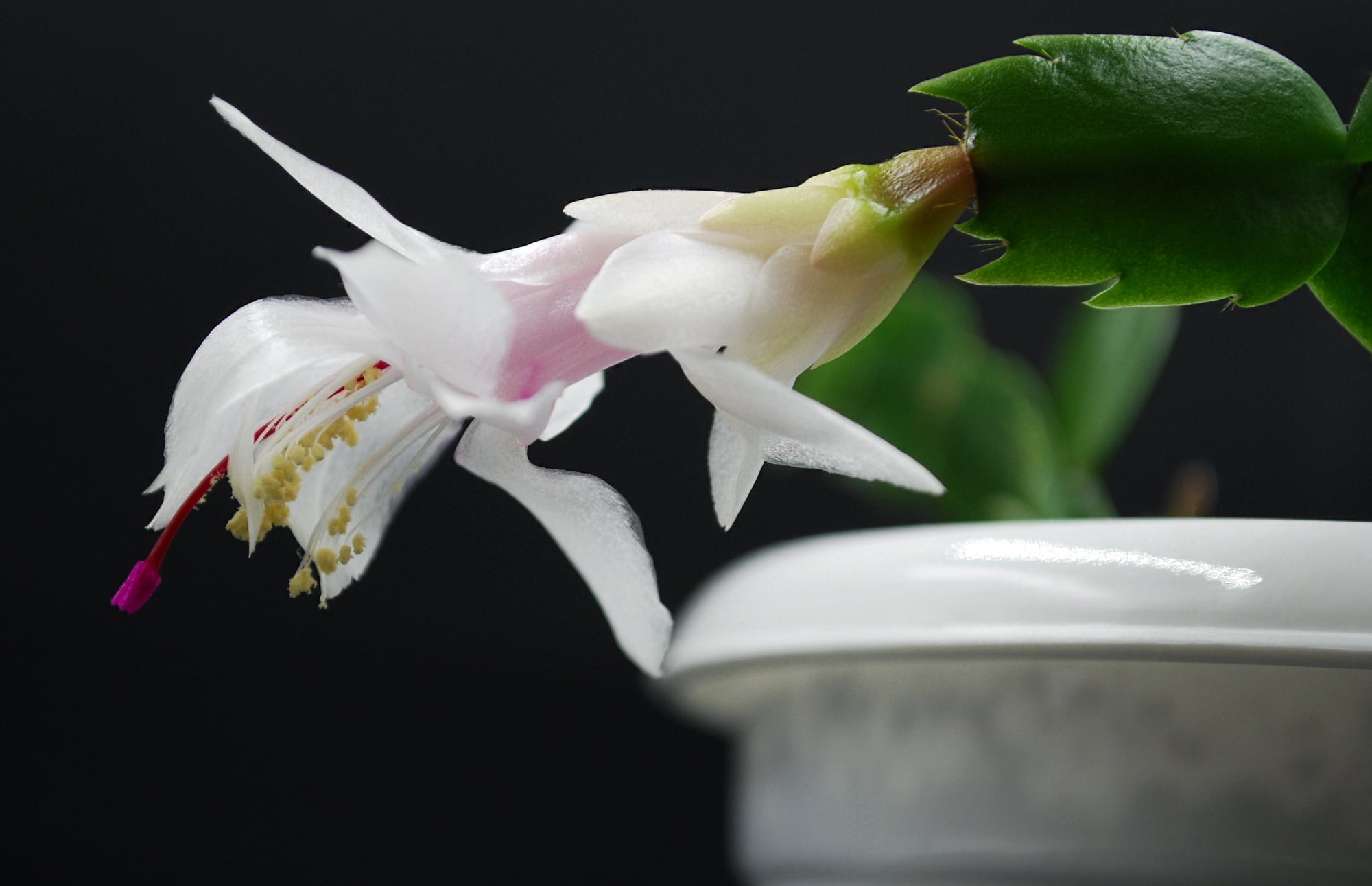
An old European tradition held that if a Christmas cactus bloomed exactly on Christmas Day, you could make a wish while touching the flowers. The wish would come true before the next Christmas arrived, but only if you never spoke it aloud to anyone.
This belief probably emerged after the plants reached Europe in the 1800s, when their exotic origins and precise blooming schedule made them seem almost magical. People still mention this tradition, though mostly as a charming story rather than something they actually believe.
Light and Darkness Control Everything
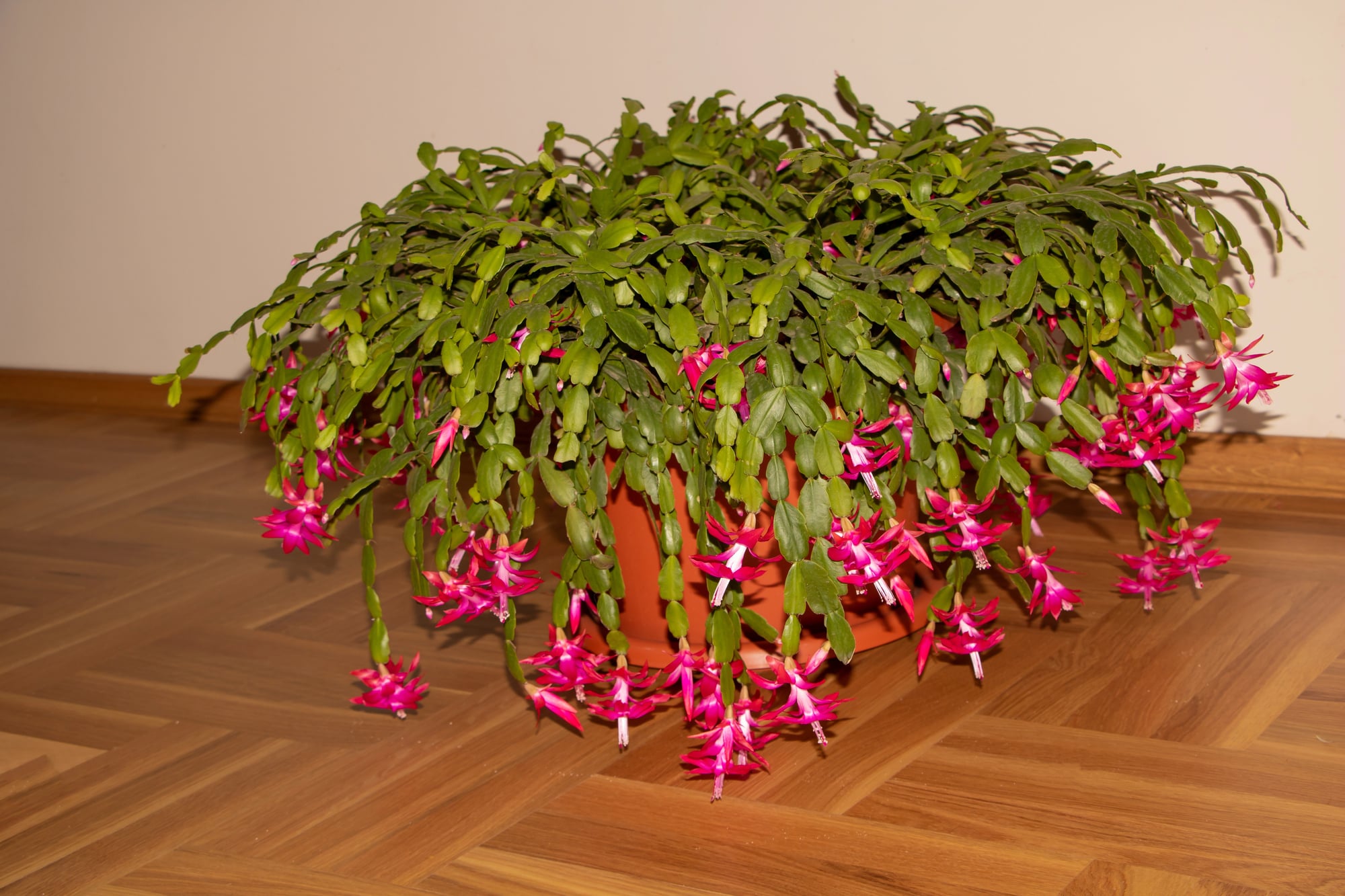
Christmas cacti are photoperiodic, which means they respond to day length. They need about 12 to 14 hours of darkness each night for six to eight weeks to set buds.
Even brief exposure to light during their dark period can disrupt the process. A streetlight shining through the window, a hallway light left on, or someone walking past with a phone can interfere with blooming.
This sensitivity explains why some plants bloom perfectly one year and refuse the next—something in their environment changed.
Temperature Shocks Trigger Blooming Too
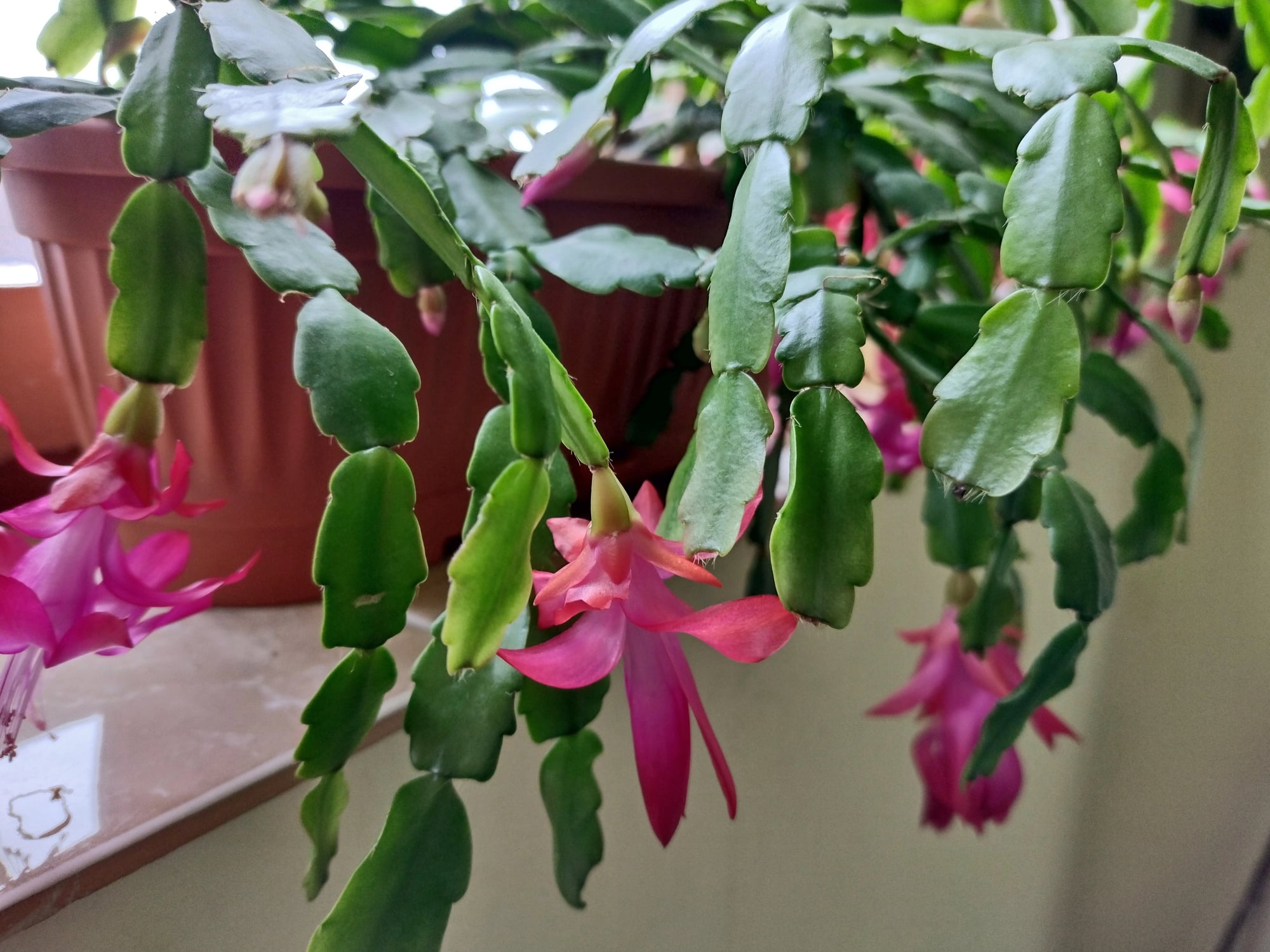
Beyond darkness, temperature plays a role. When night temperatures drop to around 50 to 55 degrees Fahrenheit for several weeks, the plant interprets this as a signal to bloom.
This mimics what happens in their native Brazilian mountains, where cooler weather arrives during their flowering season. You can manipulate this by placing your plant in a cool room or even on an enclosed porch in autumn, as long as temperatures stay above freezing.
Their Stems Store Water Like Desert Cacti
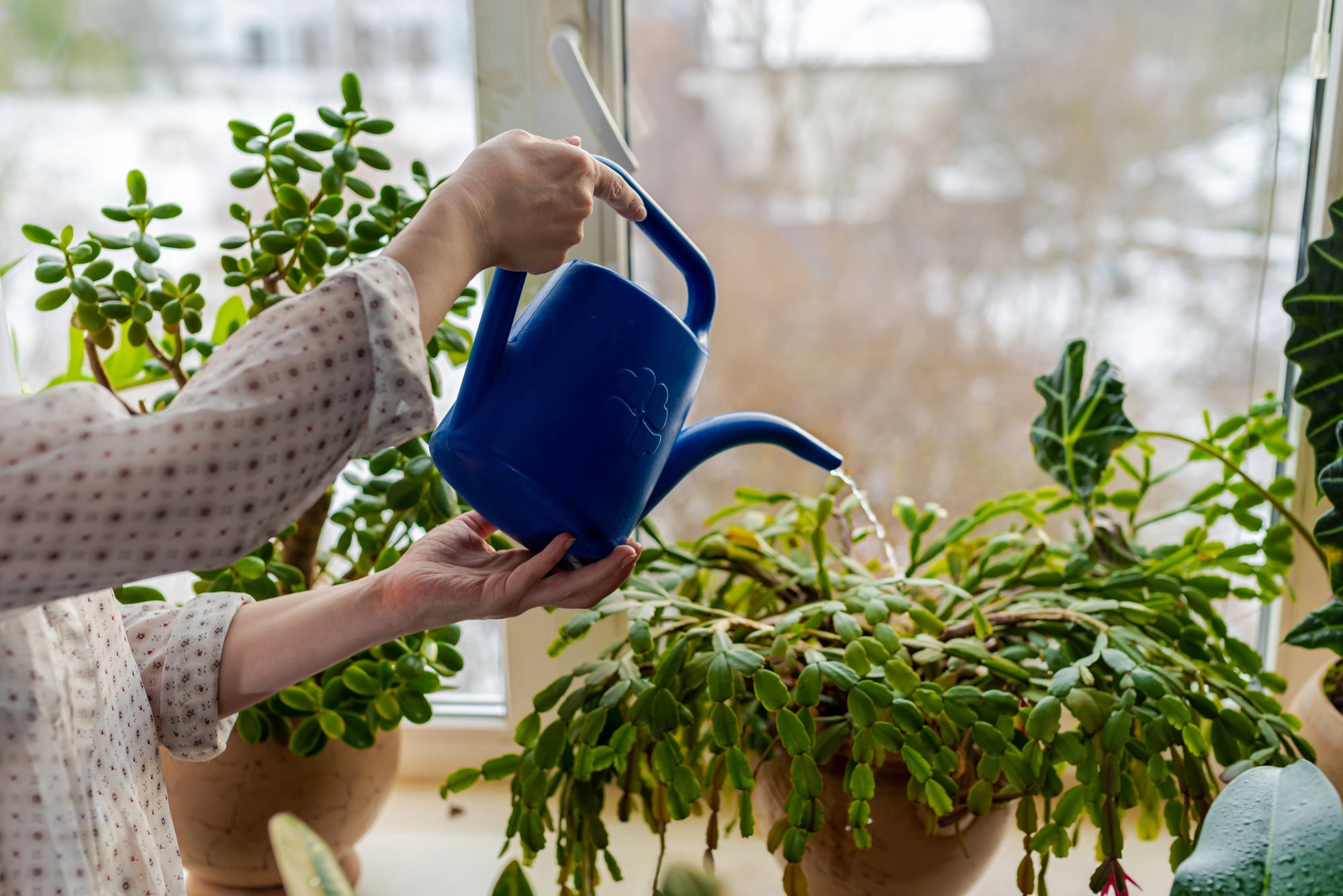
Even though Christmas cacti live in humid forests, they evolved the same water-storage adaptations as their desert relatives. Those flat, segmented stems are actually modified leaves that hold moisture.
This lets them survive dry periods between rainstorms in the rainforest canopy. For you, it means they tolerate occasional neglect better than most tropical plants, though they prefer consistent moisture.
They Were Royal Favorites in Victorian England
Queen Victoria’s fondness for exotic plants made Christmas cacti fashionable in 19th-century Britain. Wealthy families displayed them in conservatories alongside orchids and ferns, showing off their access to rare tropical specimens.
The plants symbolized status and refinement. Servants received specific instructions on caring for them, and entire guidebooks focused on getting them to bloom.
That Victorian enthusiasm spread to America, where the plants became more accessible but retained their association with elegance.
Pink Flowers Supposedly Brought Good Luck
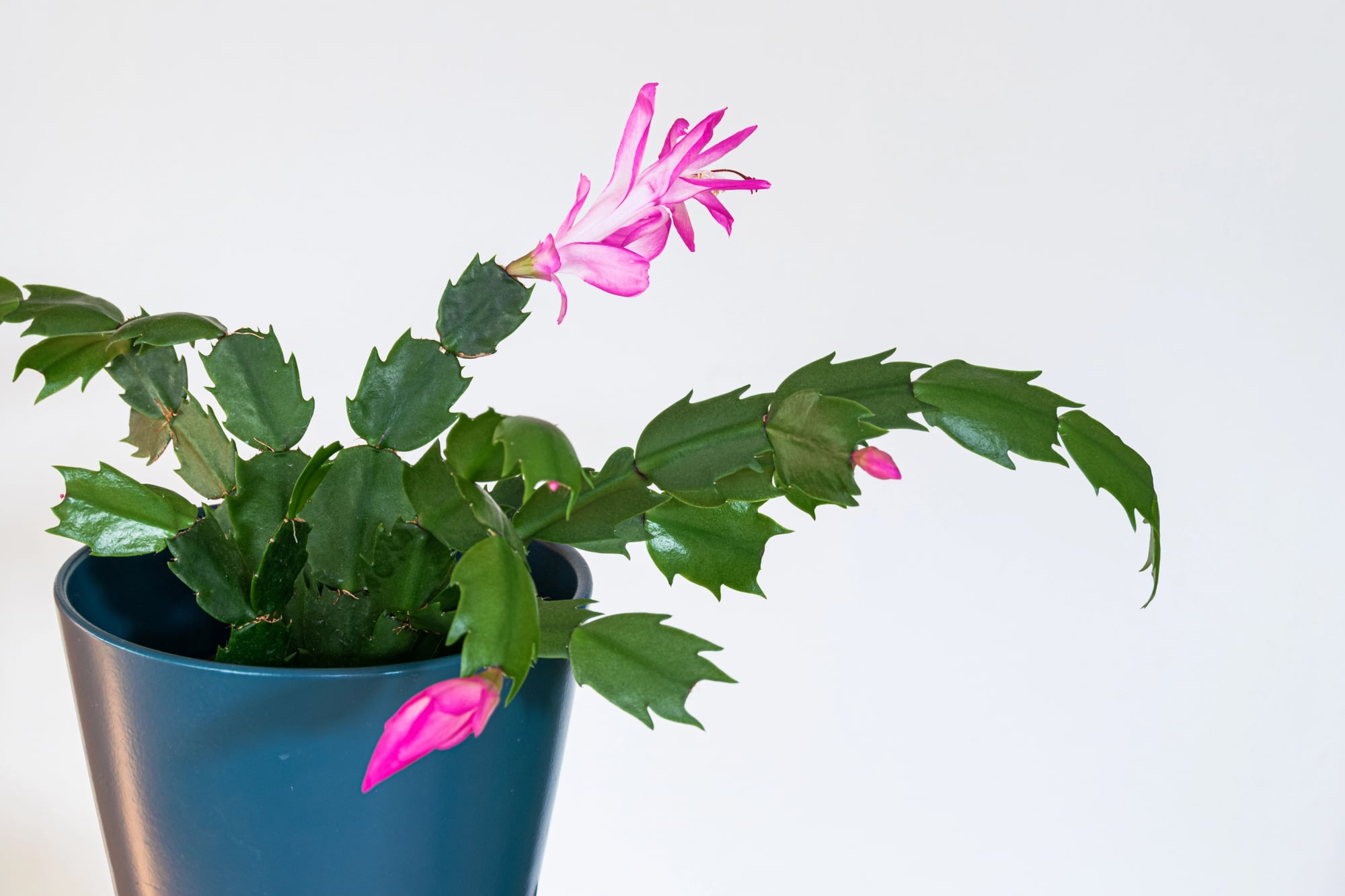
While red and white Christmas cacti were common, pink varieties carried special meaning in some traditions. Finding or receiving a pink-blooming Christmas cactus was considered fortunate, particularly for young women hoping to marry within the year.
This belief had no religious or historical basis—it emerged from the simple rarity of pink cultivars in earlier decades. As plant breeders developed more pink varieties, the superstition faded, though some families still prefer pink plants and mention the old stories.
The Milky Sap Has Medicinal Claims
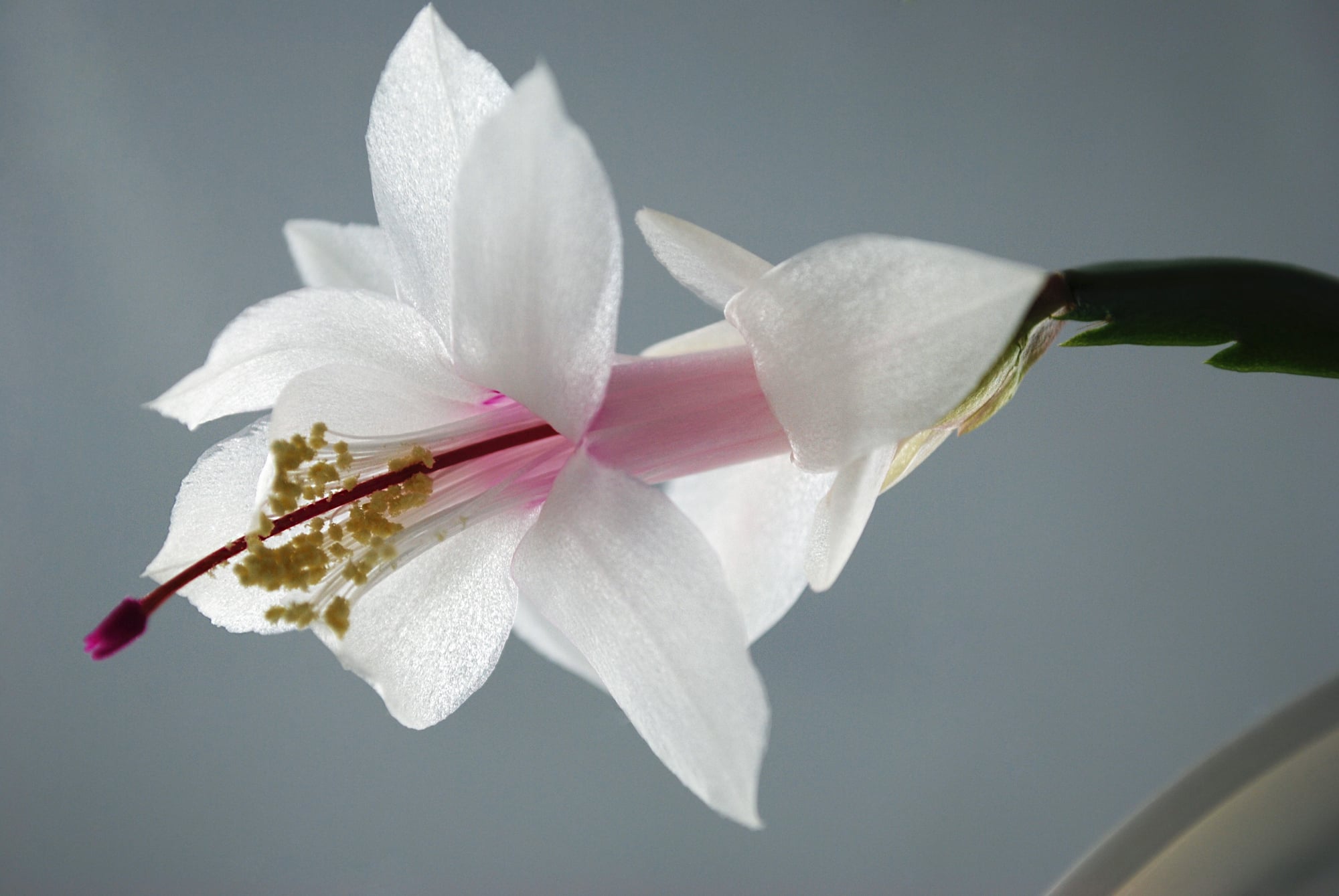
Traditional Brazilian medicine used Christmas cactus sap to treat skin irritations and minor burns. People would break off a stem segment and apply the clear, slightly sticky sap directly to affected areas.
No scientific studies support these uses, and the sap can cause allergic reactions in some people. But the practice persisted for generations in rural communities, passed down as household knowledge alongside other plant remedies.
They Respond to Stress by Dropping Buds
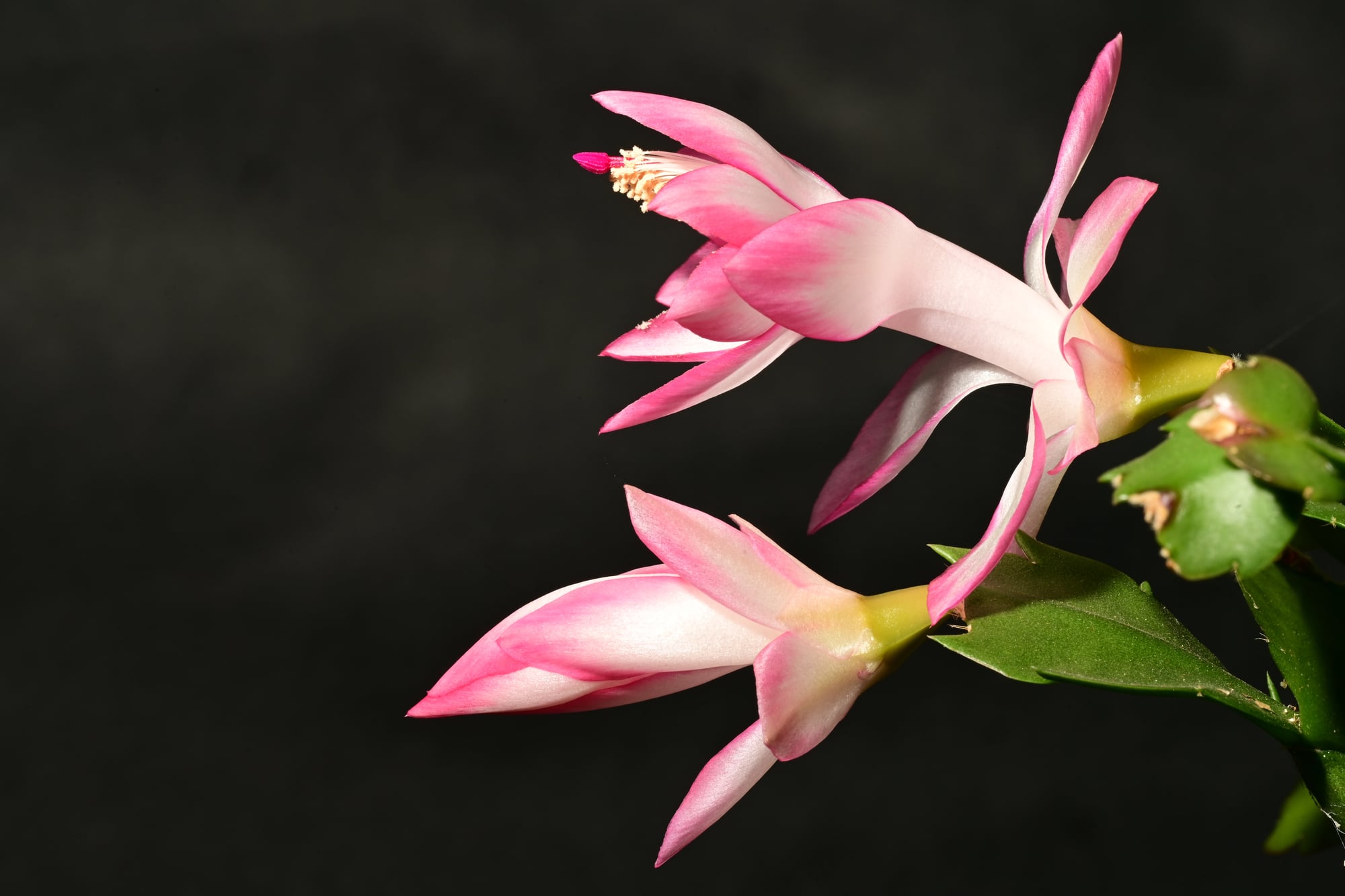
Christmas cacti are dramatic when conditions aren’t right. They drop their flower buds at the slightest provocation—too much water, too little water, a change in temperature, being moved to a new spot, or even just because they feel like it.
This bud drop frustrates people who did everything right but still ended up with a green plant instead of a flowering one. The plant isn’t dying.
It’s just being picky. Leave it alone, and it will probably bloom next year.
Cuttings Root Almost Too Easily
Propagating Christmas cacti requires almost no skill. Twist off a segment or two, let the broken end dry for a day, stick it in moist soil, and wait.
Roots appear within weeks. This ease of propagation explains why these plants spread so widely through communities.
Someone gives you a cutting, you root it and give cuttings to three other people, and within a few years, dozens of genetically identical plants exist across town. It’s plant sharing at its simplest.
Older Plants Bloom More Heavily
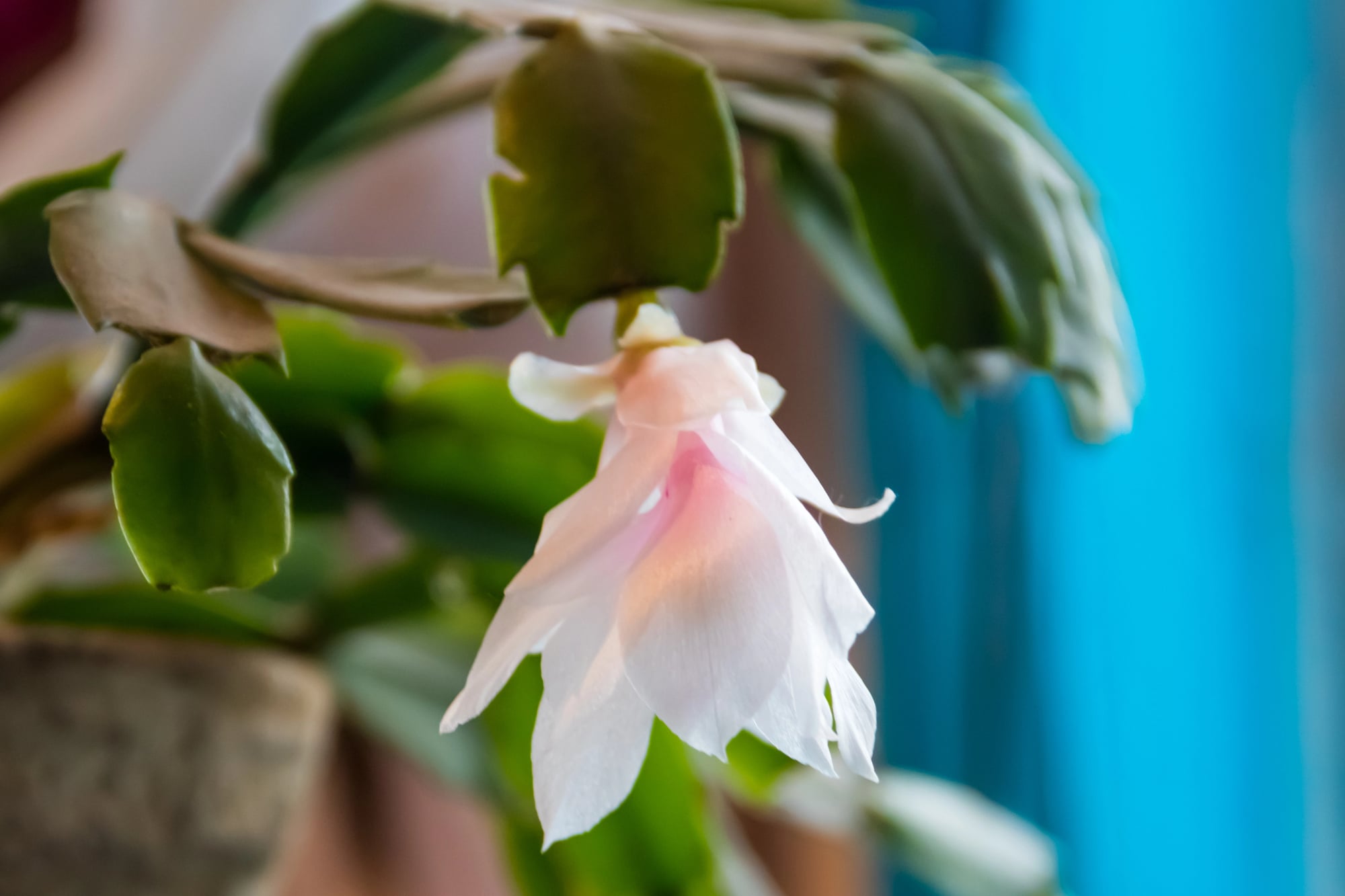
Young Christmas cacti produce a few flowers. Mature plants, especially those five years old or older, can cover themselves in blooms until you barely see the green stems underneath.
This takes patience, since the plants grow slowly. But the payoff comes when a well-established plant erupts in color, transforming from a modest houseplant into something genuinely impressive.
This is why inherited plants become so treasured—they’ve had time to reach their full potential.
When December Feels Different
Christmas cacti keep time differently – beyond pages torn from planners. Buds emerge, plump and slow, clustering at stem ends, nudging awareness.
A quiet signal: seasons tilt regardless of personal readiness. Blooms unfold in blushes of pink, bursts of red, soft whites, lingering through stillness, rooted in routine, untouched by shift or fuss.
The flowers wilt, then the stalks settle into quiet stillness, while seasons drift by without announcement. Water flows during warm months, sometimes you snip a branch, and patience grows alongside soil and shadow.
Roots ignore calendars, disregard intentions entirely. Blooming arrives only once cold whispers and dim light agree beneath the surface.
Somehow – without clocks or promises – it knows exactly when.
More from Go2Tutors!

- The Romanov Crown Jewels and Their Tragic Fate
- 13 Historical Mysteries That Science Still Can’t Solve
- Famous Hoaxes That Fooled the World for Years
- 15 Child Stars with Tragic Adult Lives
- 16 Famous Jewelry Pieces in History
Like Go2Tutors’s content? Follow us on MSN.



