15 Spices That Were Worth More Than Gold
Throughout history, spices have held a power that goes far beyond their ability to flavor food. These aromatic treasures launched countless ships, funded empires, and sparked wars that reshaped the world. While we casually sprinkle them into our cooking today, there was a time when a pinch of certain spices could buy you a house or feed a family for months.
The spice trade created some of the world’s first global supply chains, connecting distant continents and cultures through commerce. Here is a list of 15 spices that commanded prices higher than gold and changed the course of human civilization.
Black Pepper
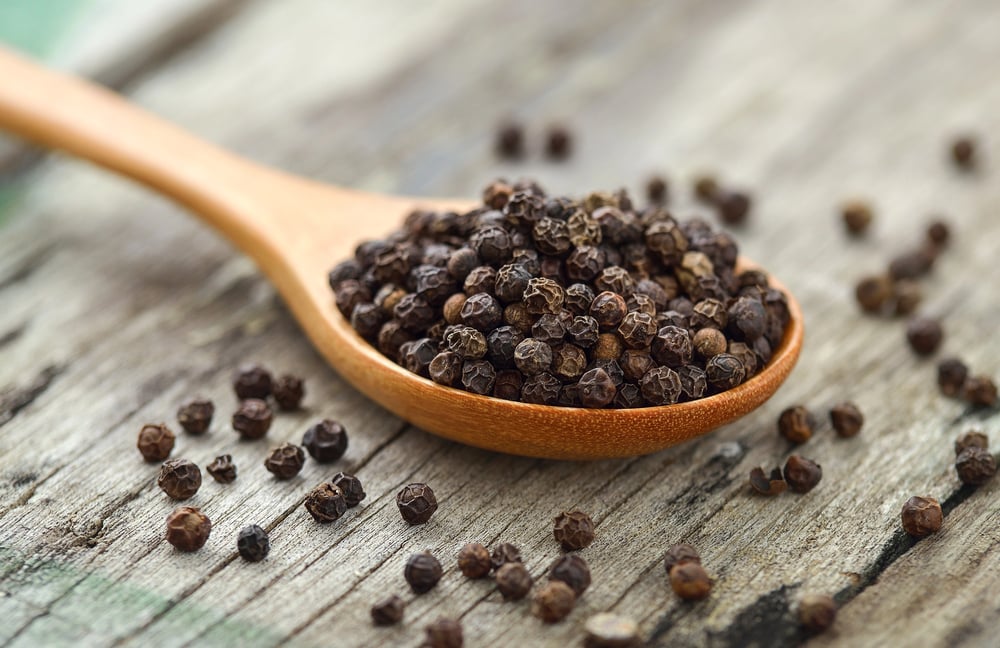
Black pepper earned the nickname ‘black gold’ for good reason—it was literally used as currency in medieval Europe. A pound of peppercorns could buy you land, and wealthy families would count their pepper stash as part of their inheritance. The spice was so valuable that it was often given as dowry payments and used to pay taxes to kings.
Cinnamon
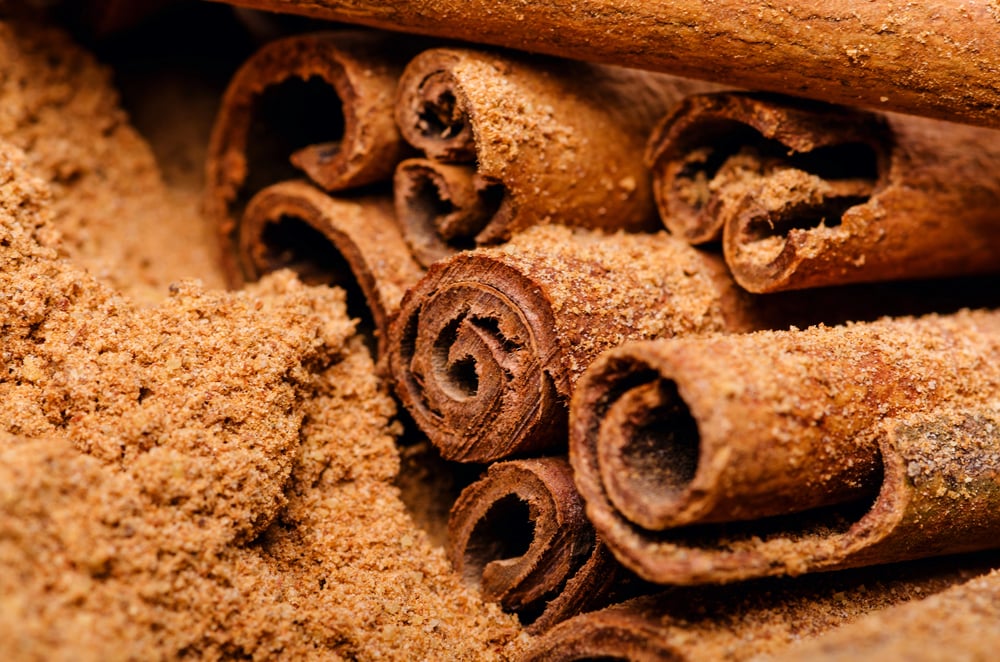
True cinnamon from Ceylon was worth more than its weight in gold during ancient times. Arab traders kept their sources secret for centuries, spinning tales of giant birds and dangerous monsters to protect their monopoly. When the Portuguese finally discovered cinnamon’s origin in Sri Lanka, they built fortresses just to control the trade.
Cloves
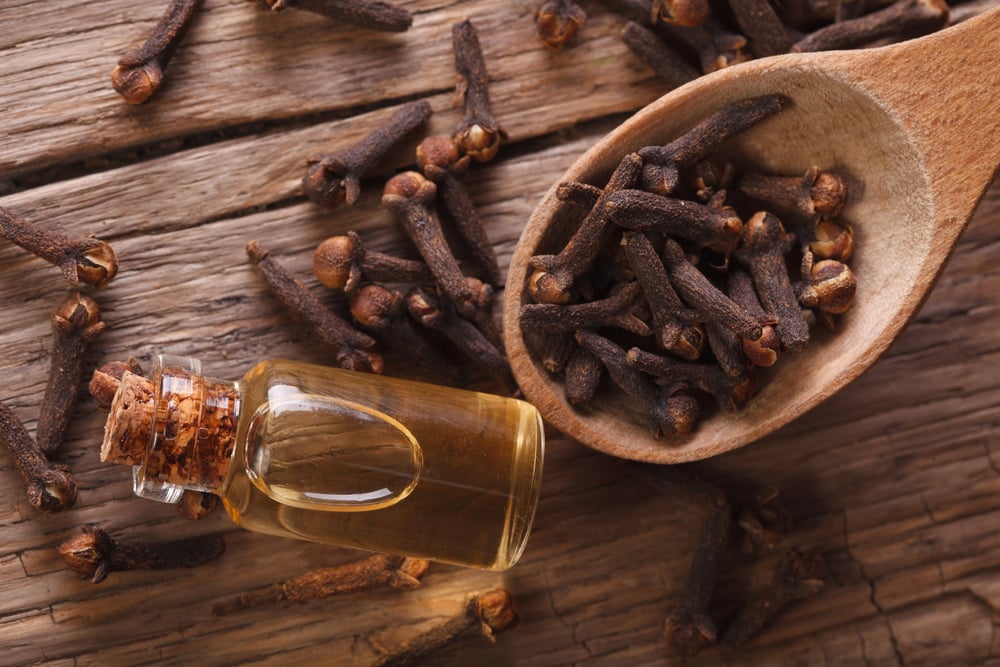
These tiny flower buds from the Molucca Islands were so precious that wars erupted over their control. The Dutch East India Company destroyed entire clove forests on islands they didn’t control, ensuring their monopoly remained intact. A single clove tree could generate enough income to support a family for generations.
Nutmeg
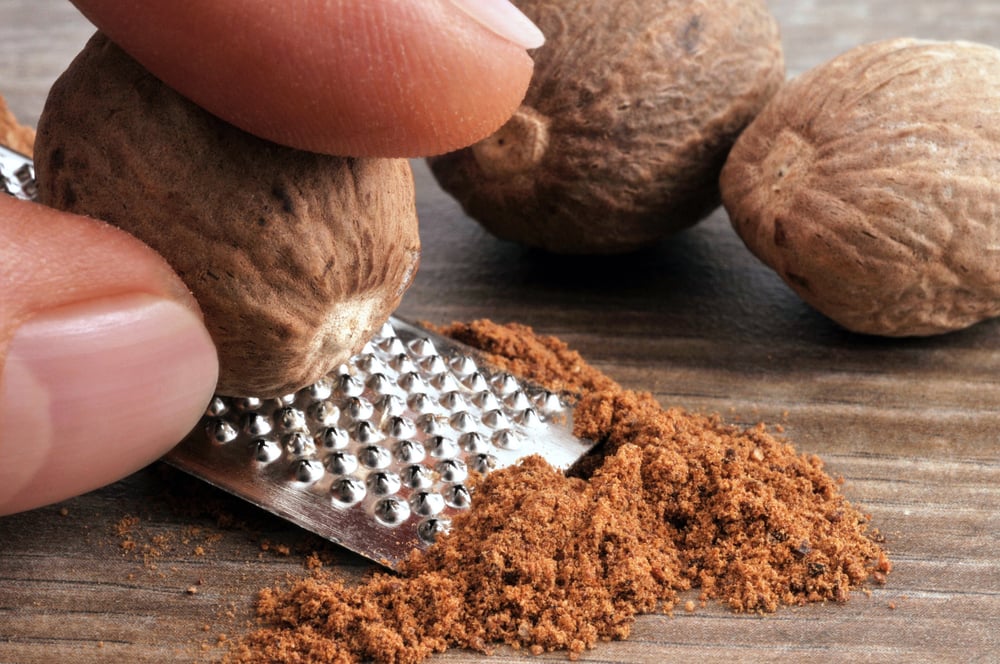
Nutmeg was literally worth more than gold by weight in 17th-century Europe. The Dutch controlled the tiny Banda Islands where nutmeg grew, and they went to extreme lengths to maintain their monopoly, including executing anyone caught smuggling the seeds. The British eventually traded Manhattan to the Dutch for one nutmeg-producing island—that’s how valuable this spice was.
Saffron
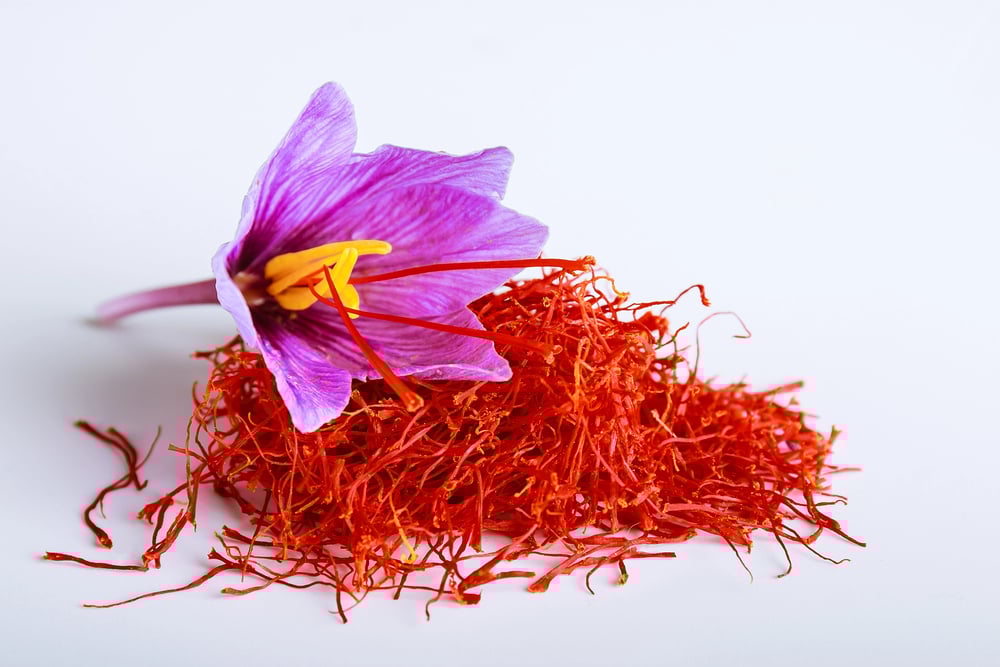
Saffron has maintained its status as one of the world’s most expensive spices for over 3,000 years. It takes about 150 flowers to produce just one gram of saffron, making it more valuable than gold even today. Ancient civilizations used saffron as medicine, perfume, and dye, with Cleopatra reportedly bathing in saffron-infused milk.
Star Anise
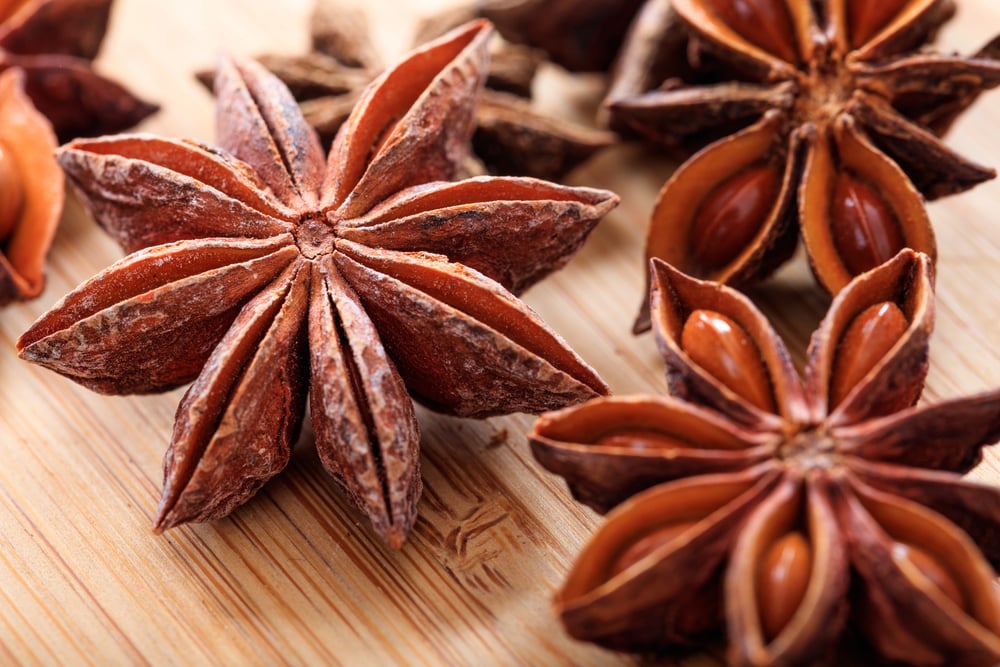
This star-shaped spice from China was worth a fortune in medieval Europe, where it was prized for both culinary and medicinal uses. The distinctive flavor made it essential for wealthy households, and its rarity meant only the richest could afford it. Star anise was often given as gifts between royalty and used in diplomatic exchanges.
Cardamom
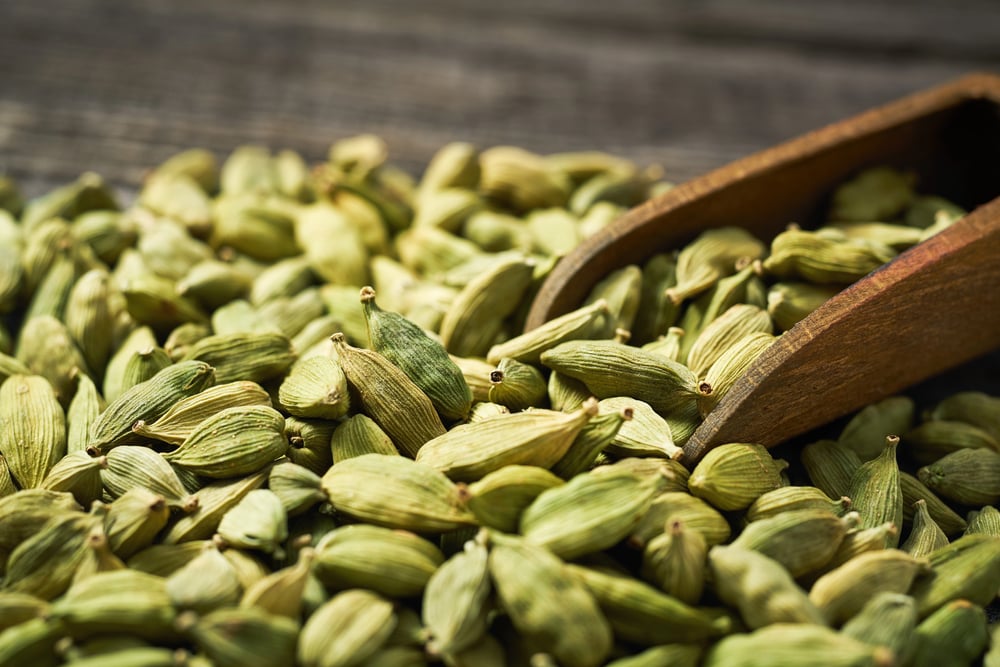
Known as the ‘queen of spices,’ cardamom commanded astronomical prices in ancient Rome and Greece. The spice was so valuable that it was kept in locked boxes and measured out grain by grain. Vikings discovered cardamom during their travels and brought it back to Scandinavia, where it became a symbol of wealth and status.
Vanilla

When vanilla first reached Europe from the New World, it was more expensive than silver. The complex process of growing and curing vanilla beans, combined with the Spanish monopoly on trade, made it accessible only to the wealthiest families. For centuries, vanilla remained the ultimate luxury flavoring, reserved for royal desserts and special occasions.
Turmeric

This golden spice was traded along the Silk Road and valued not just for cooking but for its medicinal properties and use as a dye. In ancient India, turmeric was considered sacred and used in religious ceremonies, while in Europe it was prized as a cheaper alternative to saffron. The spice was so valuable that it was often used as currency in trade negotiations.
Ginger
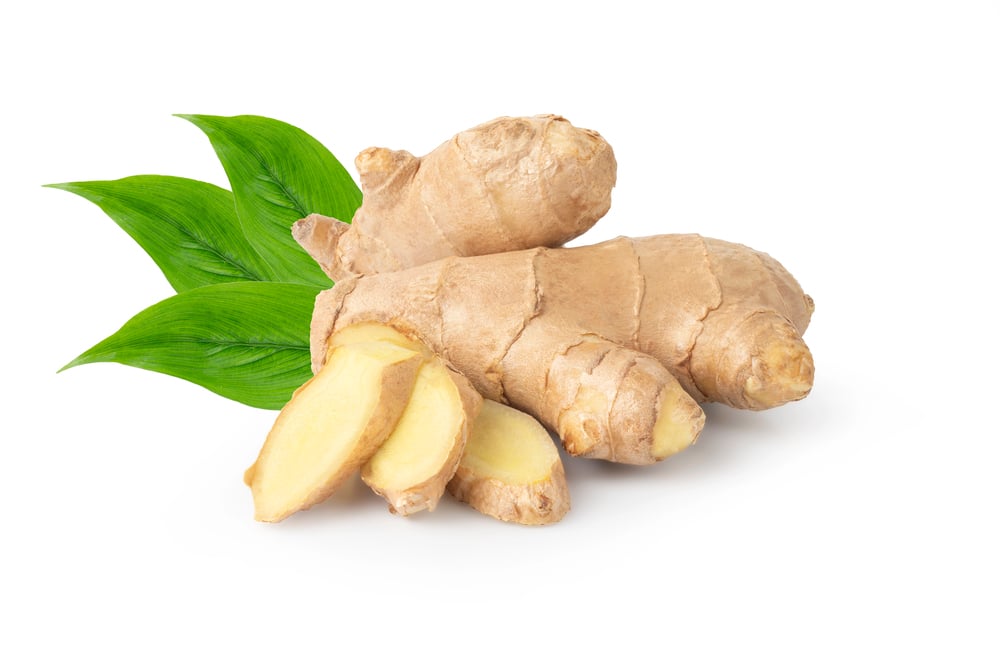
Fresh ginger root was worth more than gold in medieval Europe, where it was believed to cure everything from nausea to the plague. The long journey from Asia to Europe made ginger incredibly rare and expensive, with wealthy merchants hoarding it like precious gems. Marco Polo’s descriptions of ginger cultivation helped fuel European exploration of Asian trade routes.
Allspice
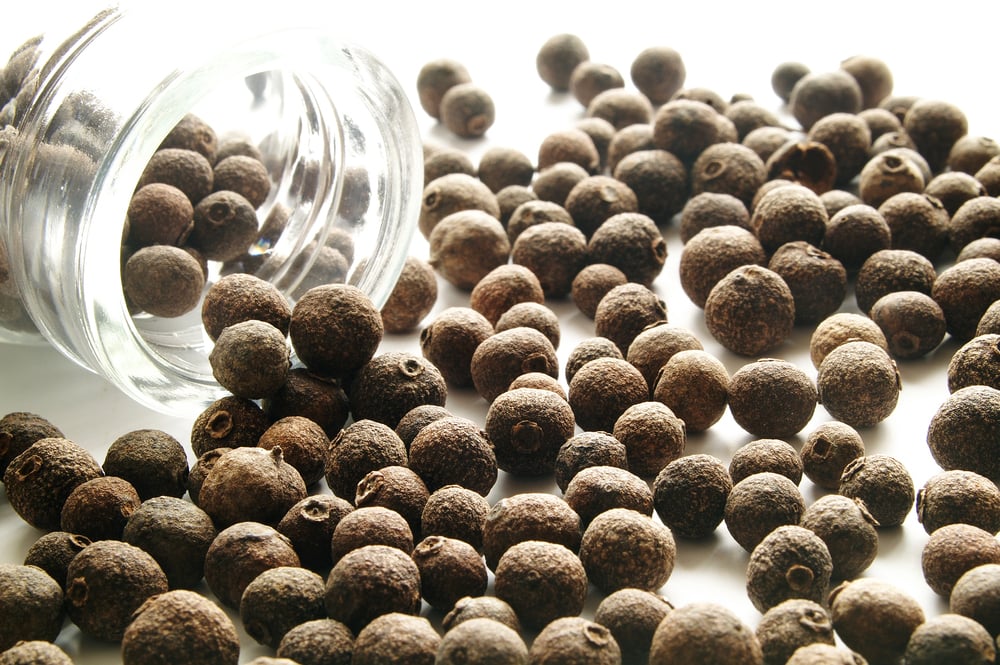
Columbus discovered allspice in the Caribbean and initially thought he’d found black pepper, leading to its original name ‘pimento.’ The Spanish kept tight control over allspice production, and its unique flavor made it incredibly valuable in European markets. The spice was so precious that entire Caribbean islands were valued primarily for their allspice trees.
Mace

The delicate outer covering of nutmeg seeds, mace was even more valuable than nutmeg itself. Its subtle flavor and beautiful red color made it the ultimate status symbol in wealthy kitchens. The Dutch controlled mace production so tightly that they would rather burn excess supplies than let prices drop.
Long Pepper
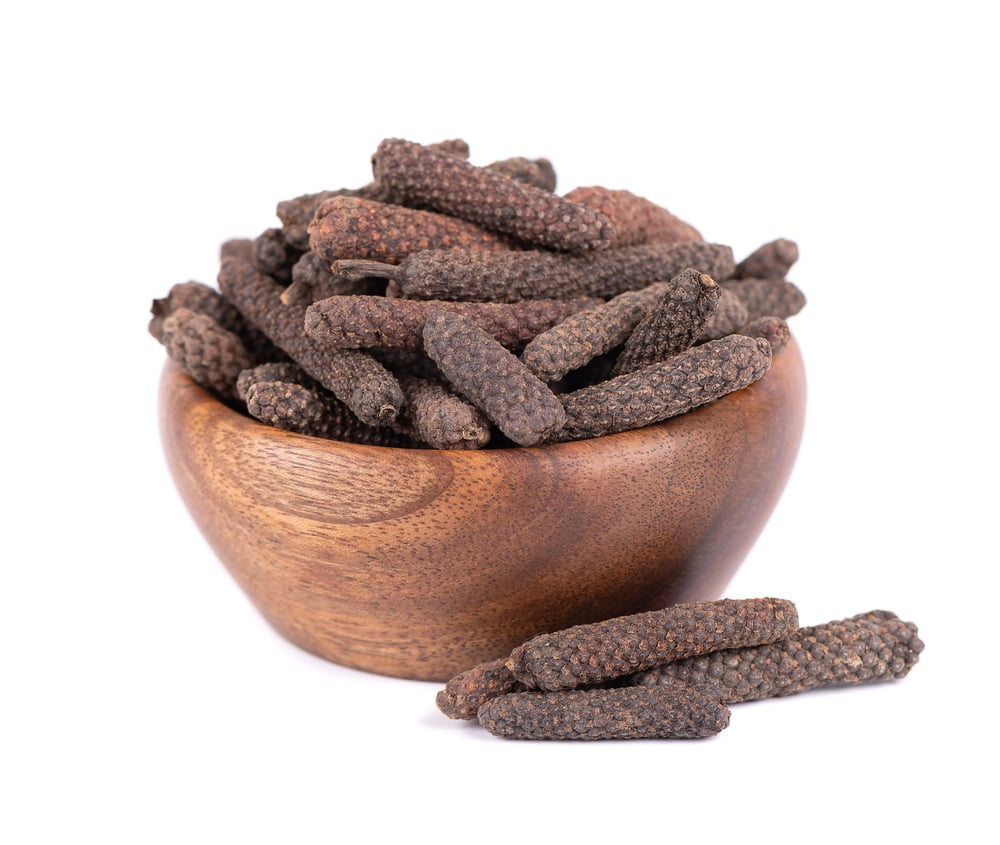
Before black pepper became popular, long pepper was the most expensive spice in the world. Ancient Romans valued it so highly that they measured it out by individual peppercorns. The spice was used as currency, medicine, and even as tribute payments to emperors and kings.
Grains of Paradise
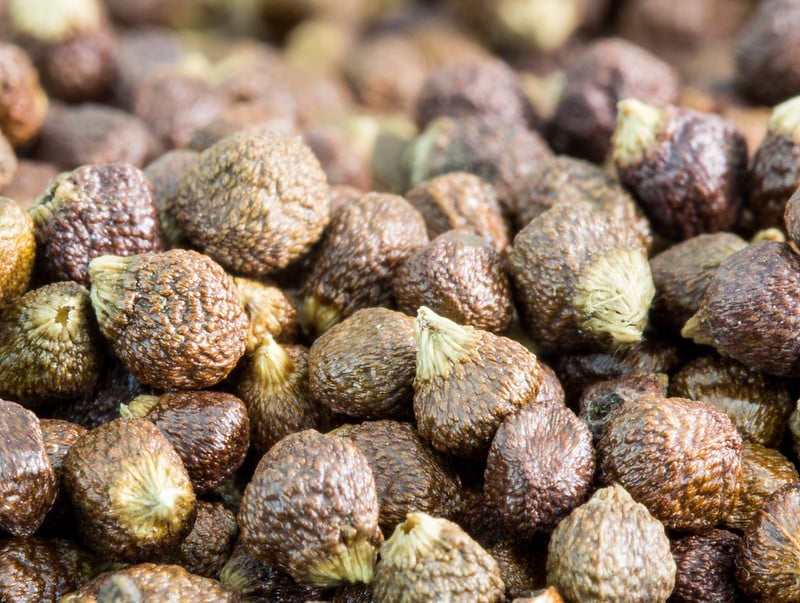
These small, spicy seeds from West Africa were so valuable that they gave their name to the entire region—the Grain Coast. European traders competed fiercely for access to these ‘melegueta peppers,’ which were worth more than gold in medieval markets. The spice was so prized that it was used in royal feasts and religious ceremonies.
Sumac
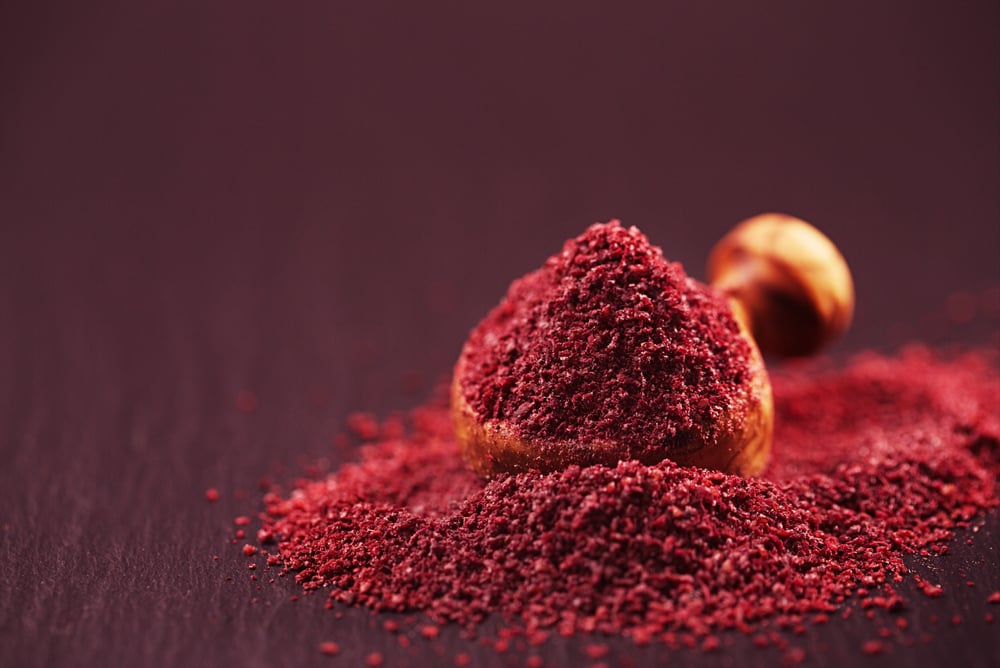
This tangy, lemony spice was worth its weight in gold in ancient Mediterranean civilizations. Roman soldiers carried sumac as both seasoning and medicine, while wealthy families used it to show off their sophisticated palates. The spice was so valuable that entire trade routes were established just to transport sumac from the Middle East to European markets.
When Flavor Ruled the World

These spices didn’t just season food—they literally seasoned history itself. The pursuit of these aromatic treasures led to the discovery of new continents, the rise and fall of empires, and the creation of the first truly global economy. Today, we can walk into any grocery store and buy what once required months of dangerous travel and enormous wealth. The next time you reach for that little jar of cinnamon or sprinkle of black pepper, remember that you’re holding what was once considered more precious than gold itself.
More from Go2Tutors!

- 16 Historical Figures Who Were Nothing Like You Think
- 12 Things Sold in the 80s That Are Now Illegal
- 15 VHS Tapes That Could Be Worth Thousands
- 17 Historical “What Ifs” That Would Have Changed Everything
- 18 TV Shows That Vanished Without a Finale
Like Go2Tutors’s content? Follow us on MSN.