15 Strange Laws About Hair in Different Lands
Odd as it sounds, what folks do with their hair has often caught government attention. Look back and you’ll find nations inventing strange standards for styling, trimming, or letting locks grow long.
A few of those rules stick around now. Most have simply slipped away, left behind by time.
North Korea Approved Styles
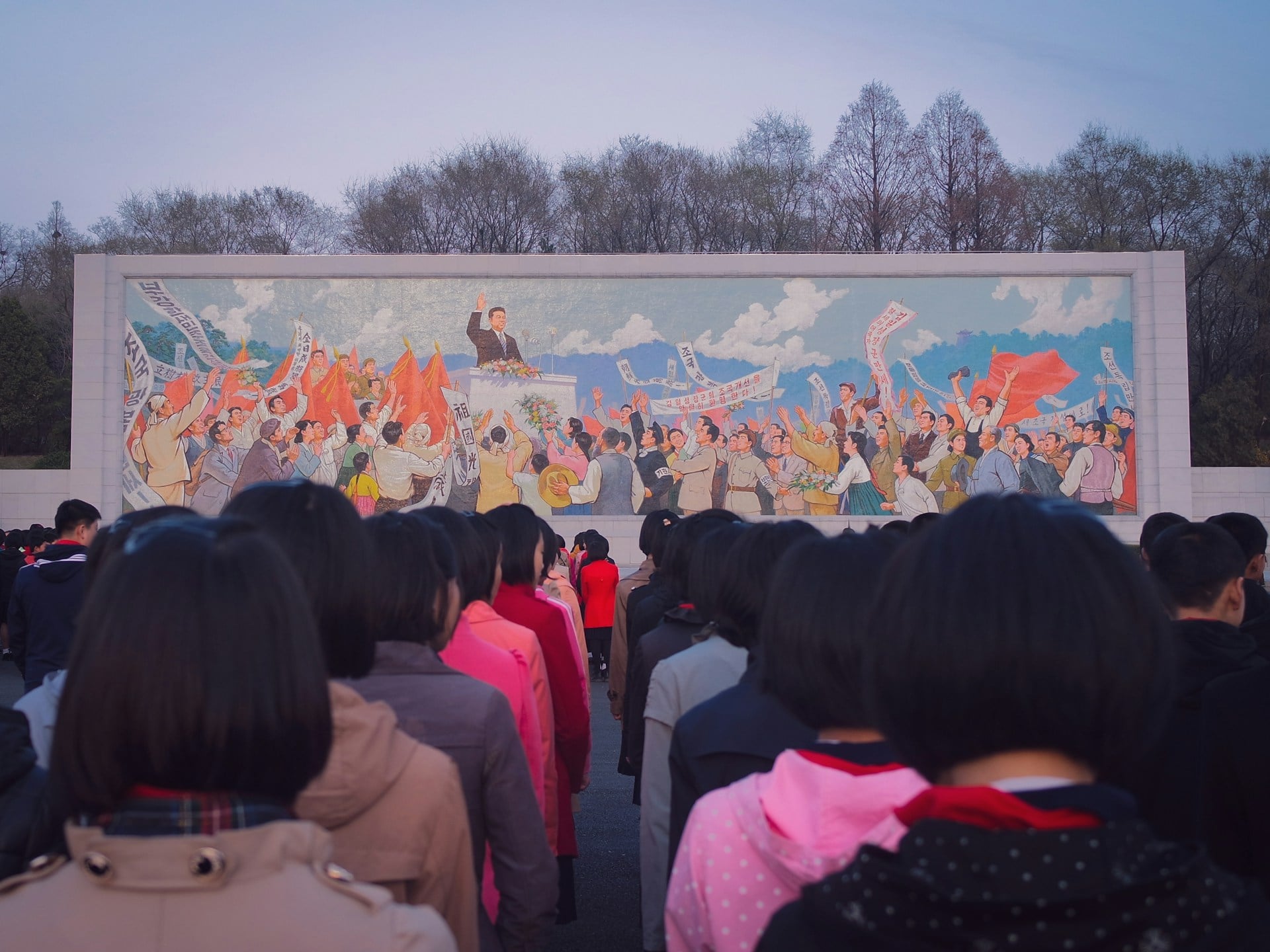
From short crops to neat parts, North Korean men stick to around fifteen state-chosen haircuts. Women have slightly more room – about eighteen looks they are allowed to wear.
Rules on hairstyle come from top-down control meant to block outside ideas. A haircut not on the list might lead to penalties, sometimes harsh ones.
Officials say uniformity keeps society stable. Getting caught with forbidden hair could mean much more than just a warning.
Looks matter when image ties directly to loyalty.
Iran’s Restrictions On Certain Cuts
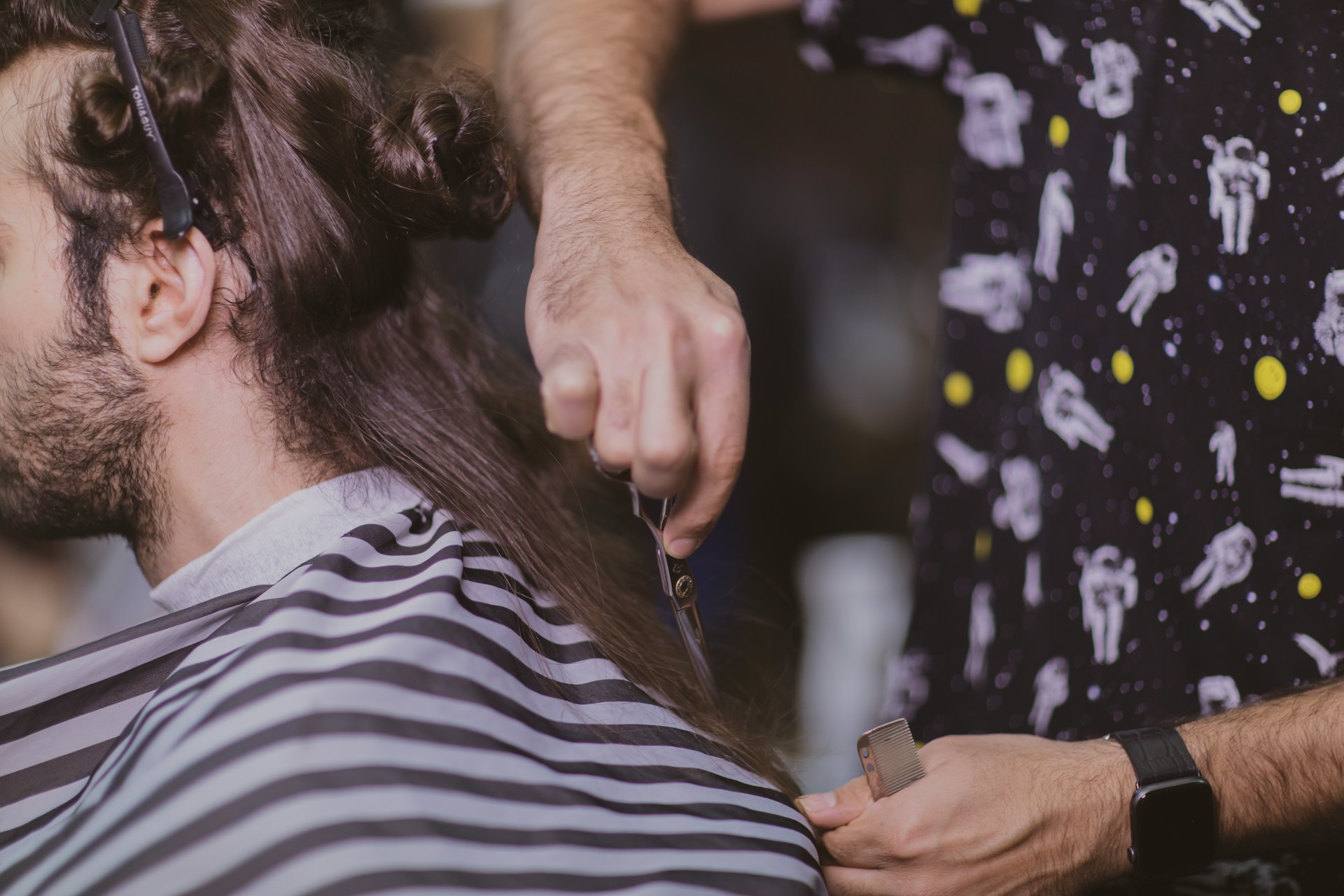
Haircuts seen as too modern or foreign are now off limits in Iran. Men sporting spiked styles or wearing their hair tied back could run afoul of the law.
Officials put together a guide showing exactly which looks are allowed. Barbers who trim outside those lines might lose their shops for good.
Shutters come down hard on salons that step beyond the list.
Singapore’s Long Hair Campaign
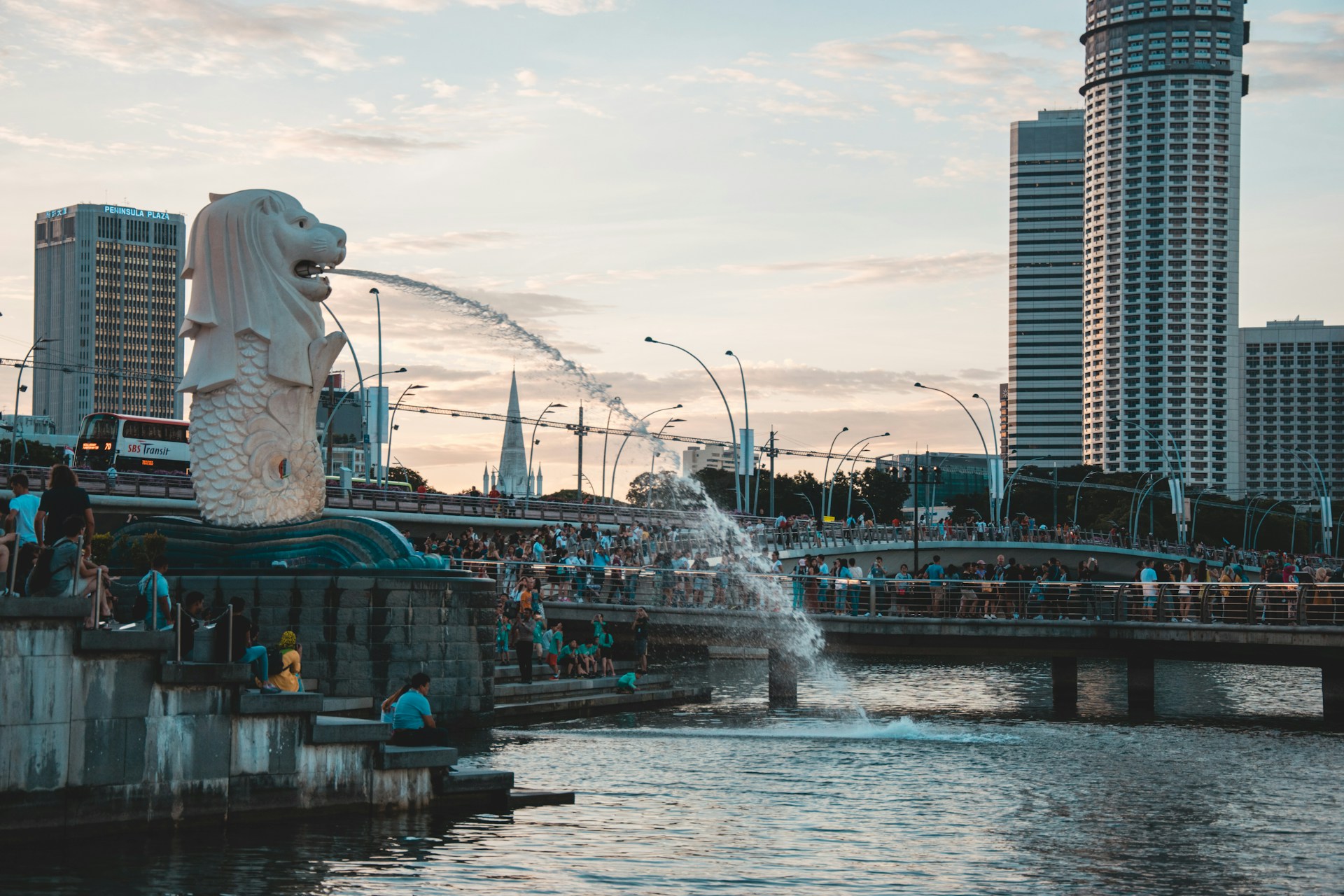
During the 1970s, Singapore began strictly enforcing rules about men’s hairstyles. At airports, customs staff refused entry to males whose hair reached their shirt collars.
Television spots funded by officials claimed long hair was unclean, often tied to narcotics. In public service buildings, those with longer cuts were made to wait while others went first.
Daily routines became a hassle because of how they wore their hair.
Swaziland’s Trimming Requirements
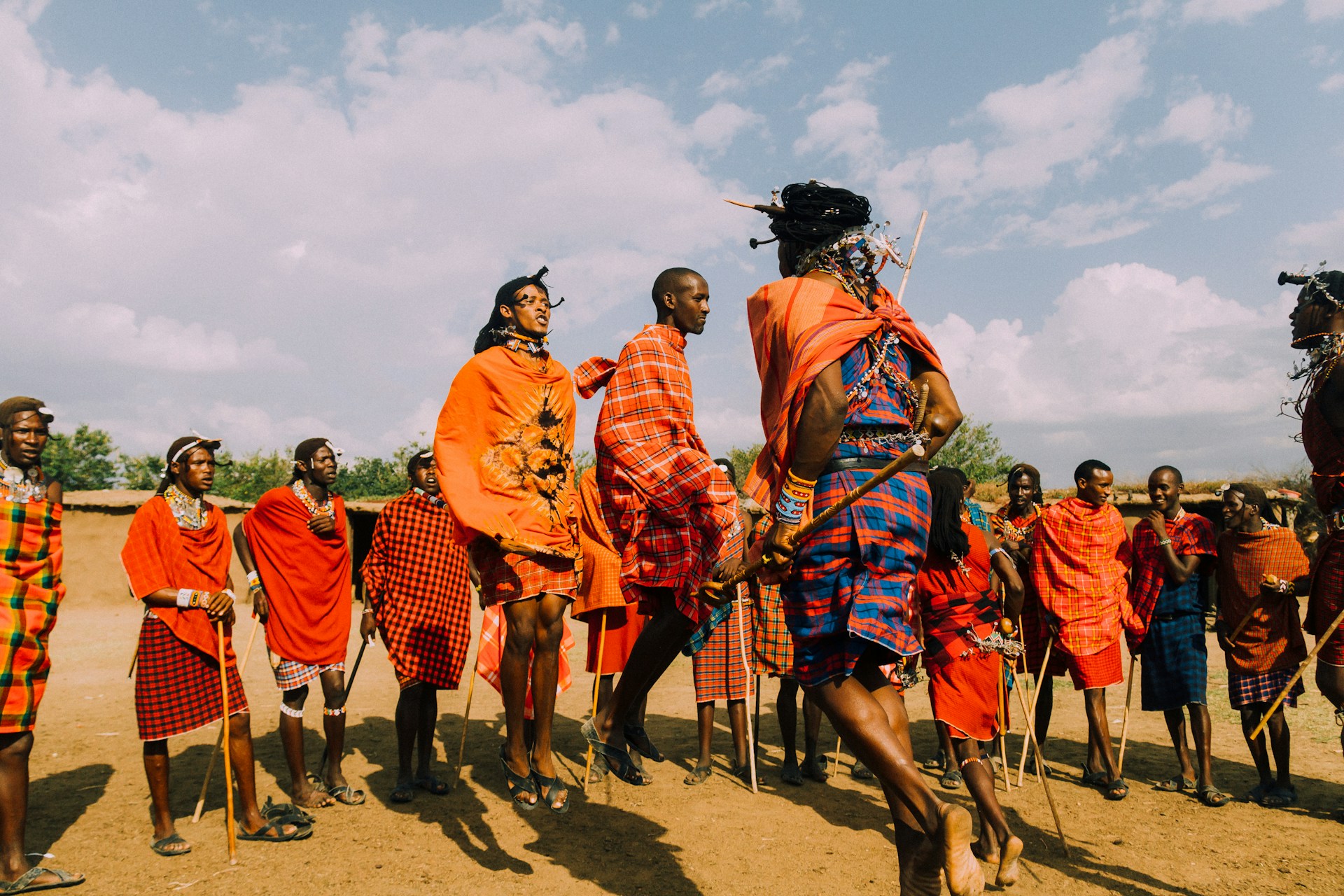
One day, long ago in Swaziland, men risked jail just for having long hair. Stopped on sidewalks by officers who pulled out rulers – that was normal.
If strands passed a certain mark, off they went, dragged straight to the station chair. Scissors waited there without choice or delay.
Only when voices rose, again and again, did the ruler finally disappear. A royal hand waved it away, tired perhaps of hearing grumbles grow.
China’s Punk Hair Crackdown
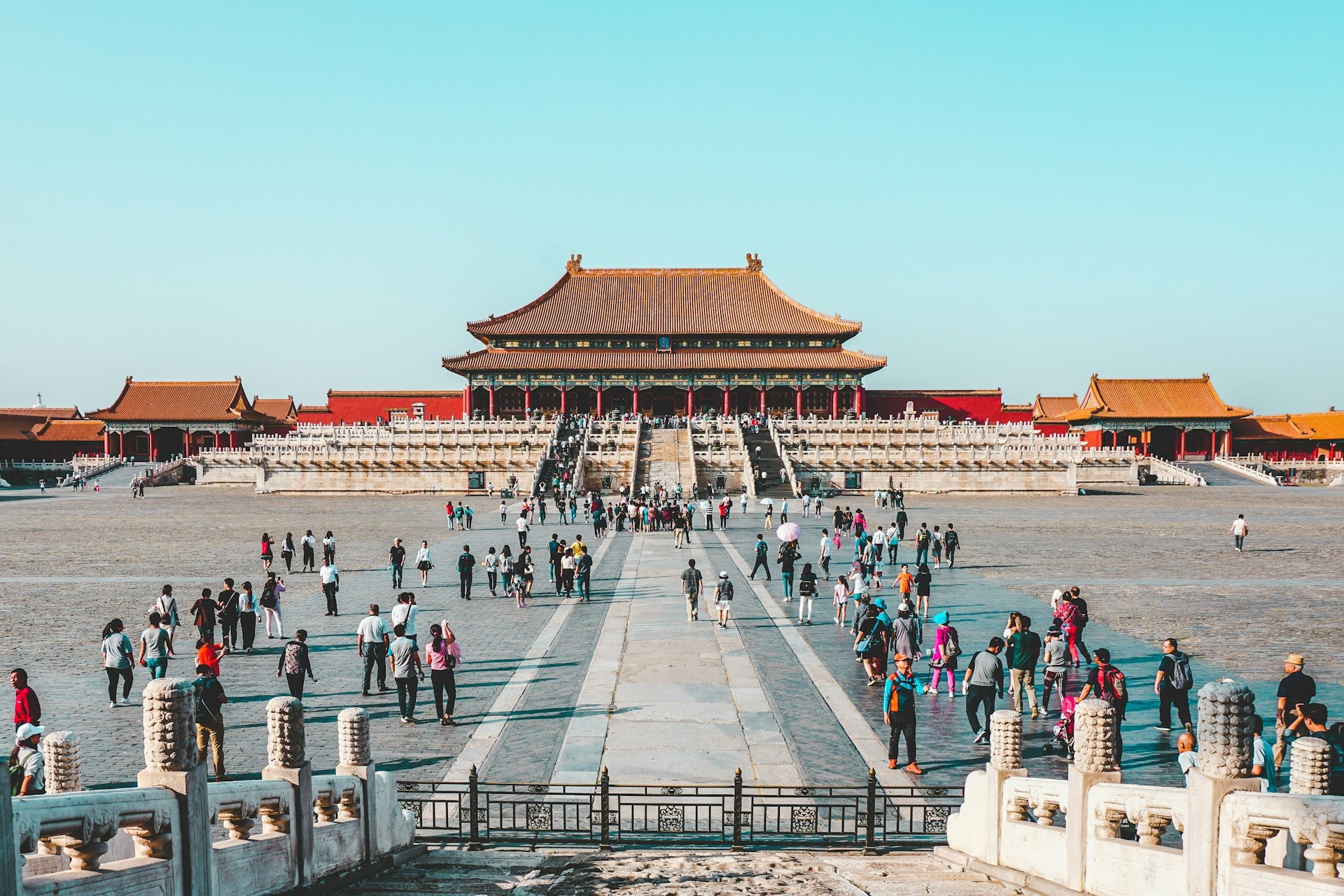
One day before the big event, folks in Beijing found their wild hair choices weren’t welcome anymore. Bright colors caught police eyes – especially greens, reds, or anything standing tall like a mohawk.
Officials thought tidy looks fit better when foreign guests arrived. If someone showed up with bold styling, officers stepped in right there, making changes happen immediately.
Malaysia’s Student Hair Codes
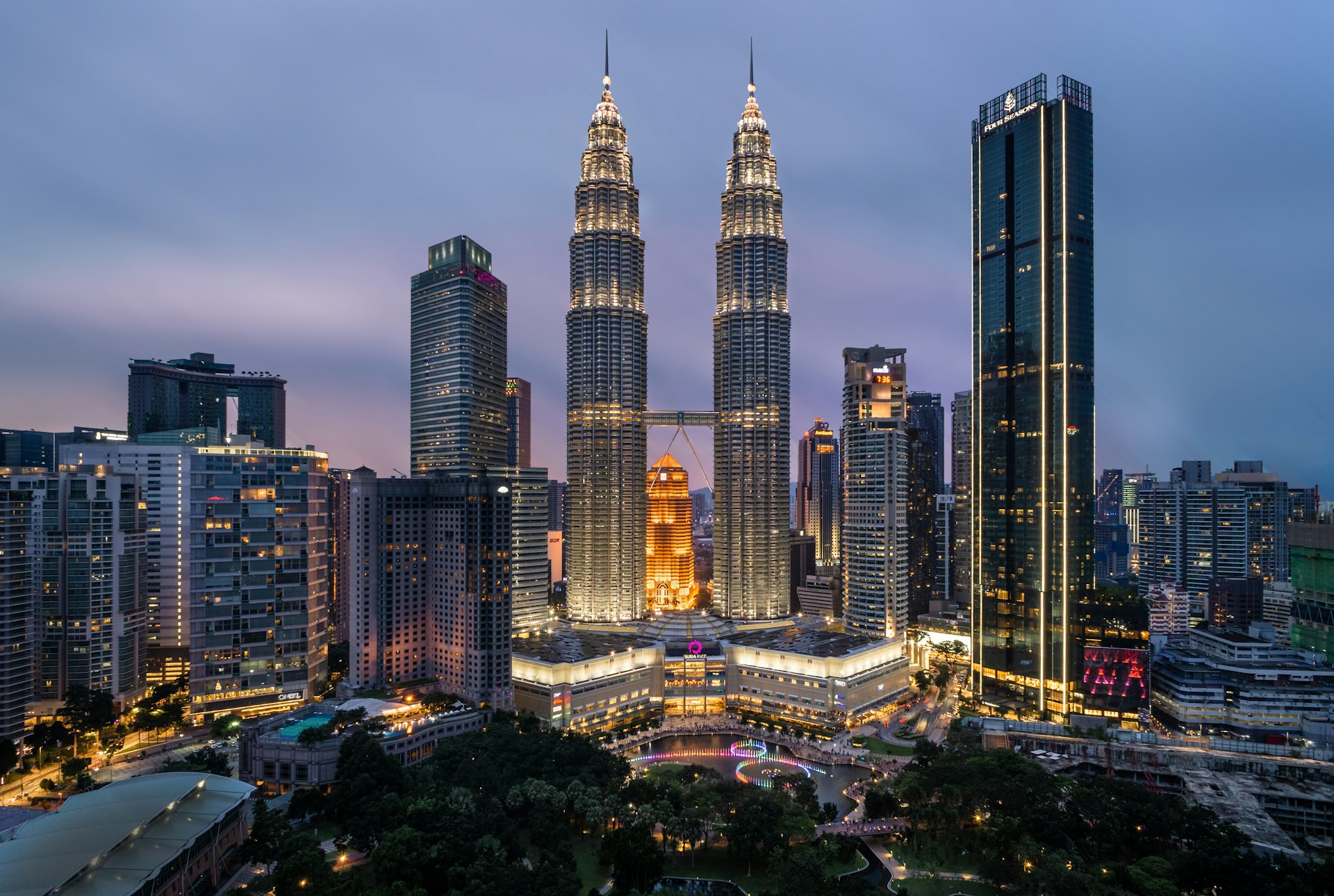
Not just tidy – Malaysian school hair codes demand exact looks. For girls, locks must stop at the collar, sometimes pinned a certain way.
When boys’ strands reach ears or brows? That counts as too long. If someone shows up out of line, staff might pull out scissors right there.
Turkmenistan’s Color Ban
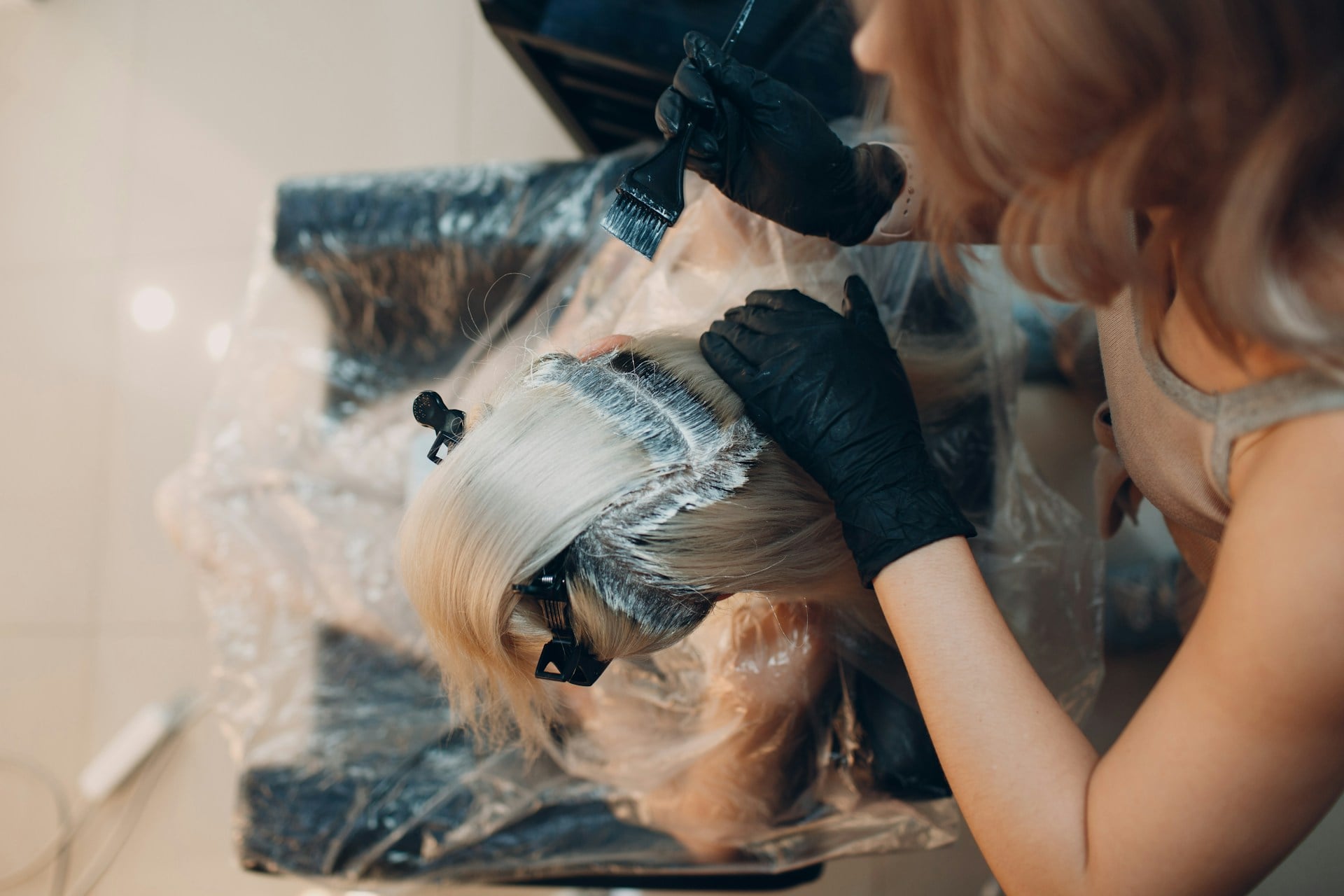
Black cars were off limits under Turkmenistan’s past leader, who took issue with certain hairstyles too. Though not illegal, dyed hair drew disapproval from officials, labeled fake and risky.
Gray strands among elders especially were meant to stay untouched. Beauty, as decided by authorities, had a strict look – one that left little room for change.
State ideals shaped what natural was supposed to mean.
Taliban Hair Mandates
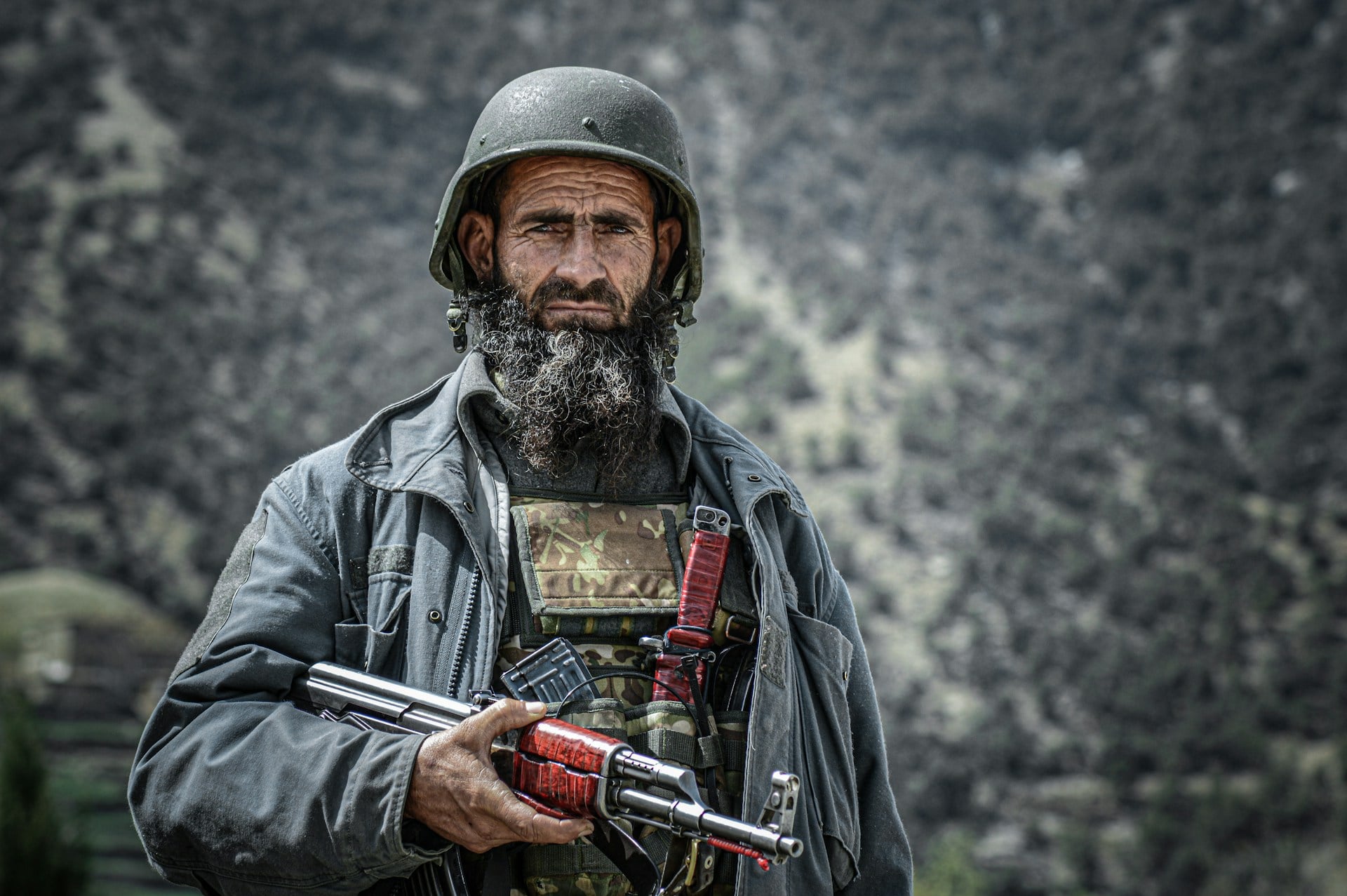
Back then, under Taliban rule in Afghanistan during the 1990s, grown-out beards were non-negotiable for men. If someone trimmed too close, guards might take them away.
Street patrols came equipped with measuring sticks – just to check how long each man’s beard was. On top of that, women weren’t allowed to show even a strand of hair.
Covering up fully wasn’t optional; it was forced.
Cuba’s Beatles Ban
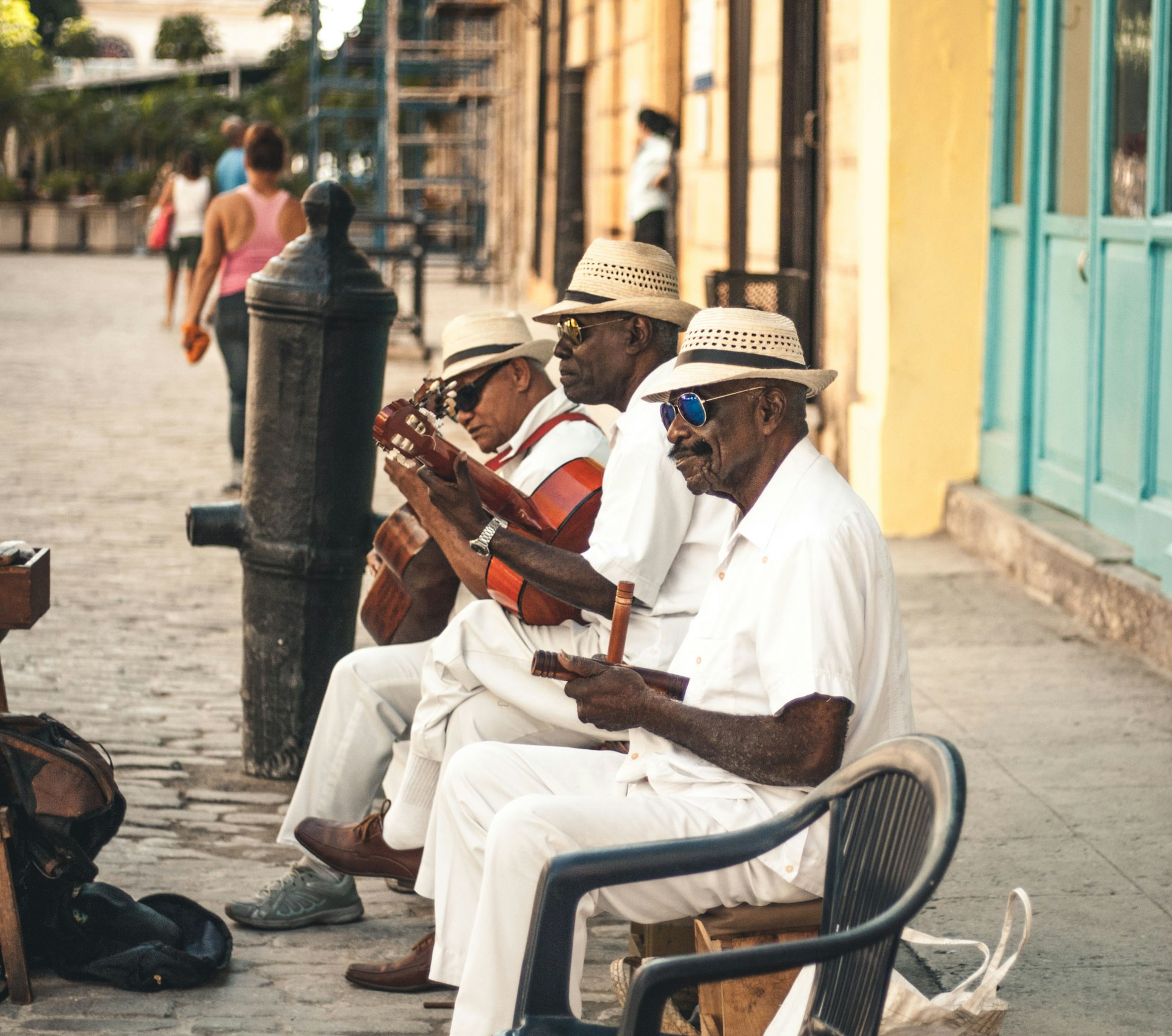
Long hair on men used to be banned in Cuba, just like the look made famous by the Beatles. Because of Fidel Castro’s leadership, that style was linked to U.S. consumerism and defiance.
Barbers were told they must turn away customers asking for anything beyond short styles. Over time, with shifting views across society, the restriction began to fade slowly.
Bhutan’s Traditional Enforcement
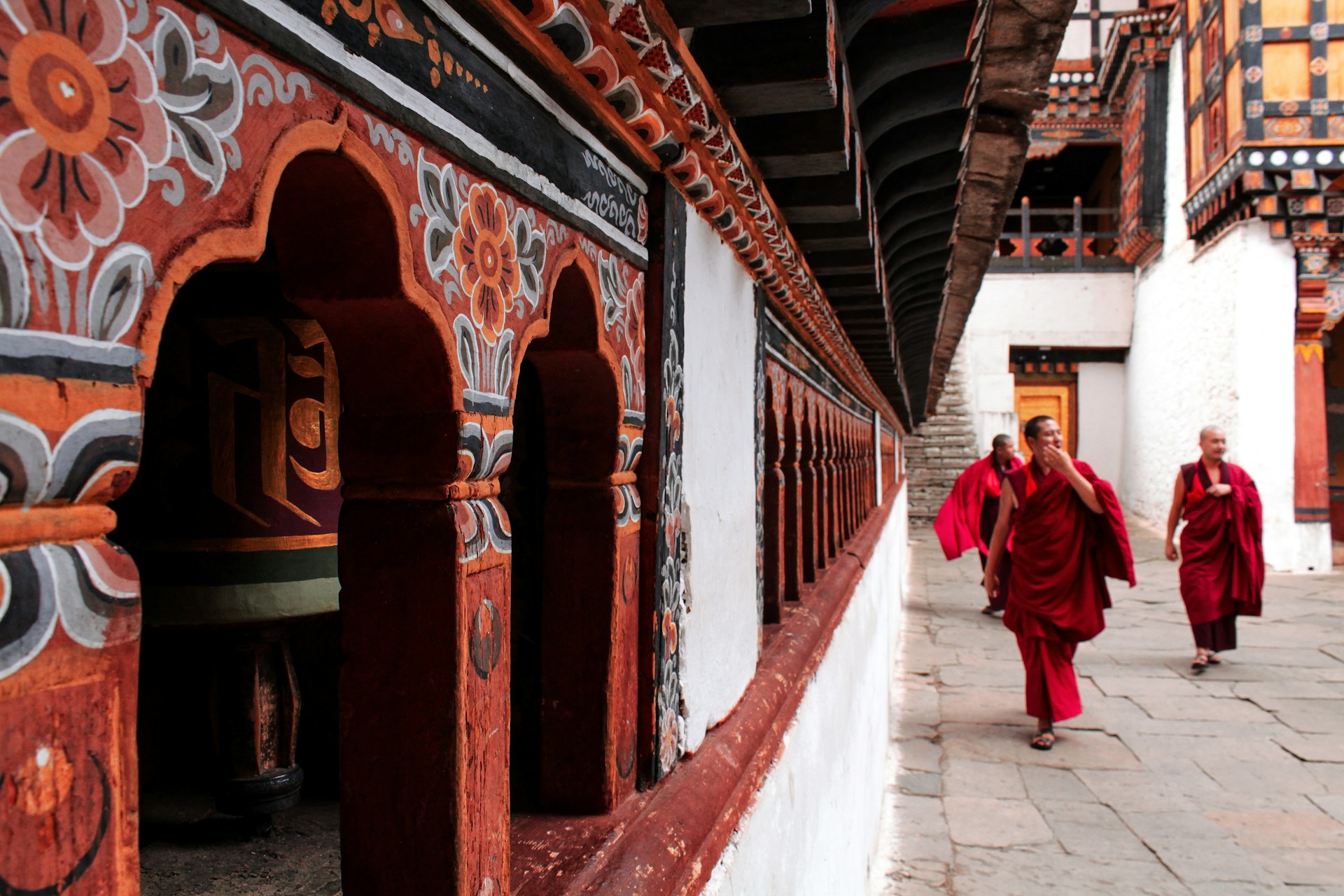
Bhutan requires citizens to wear traditional clothing in certain places, and this extends to hairstyles too. Men working in government offices must maintain traditional Bhutanese cuts.
Women face similar expectations about keeping their hair in culturally appropriate styles. The law aims to preserve national identity but limits personal choice.
Turkey’s Headscarf History
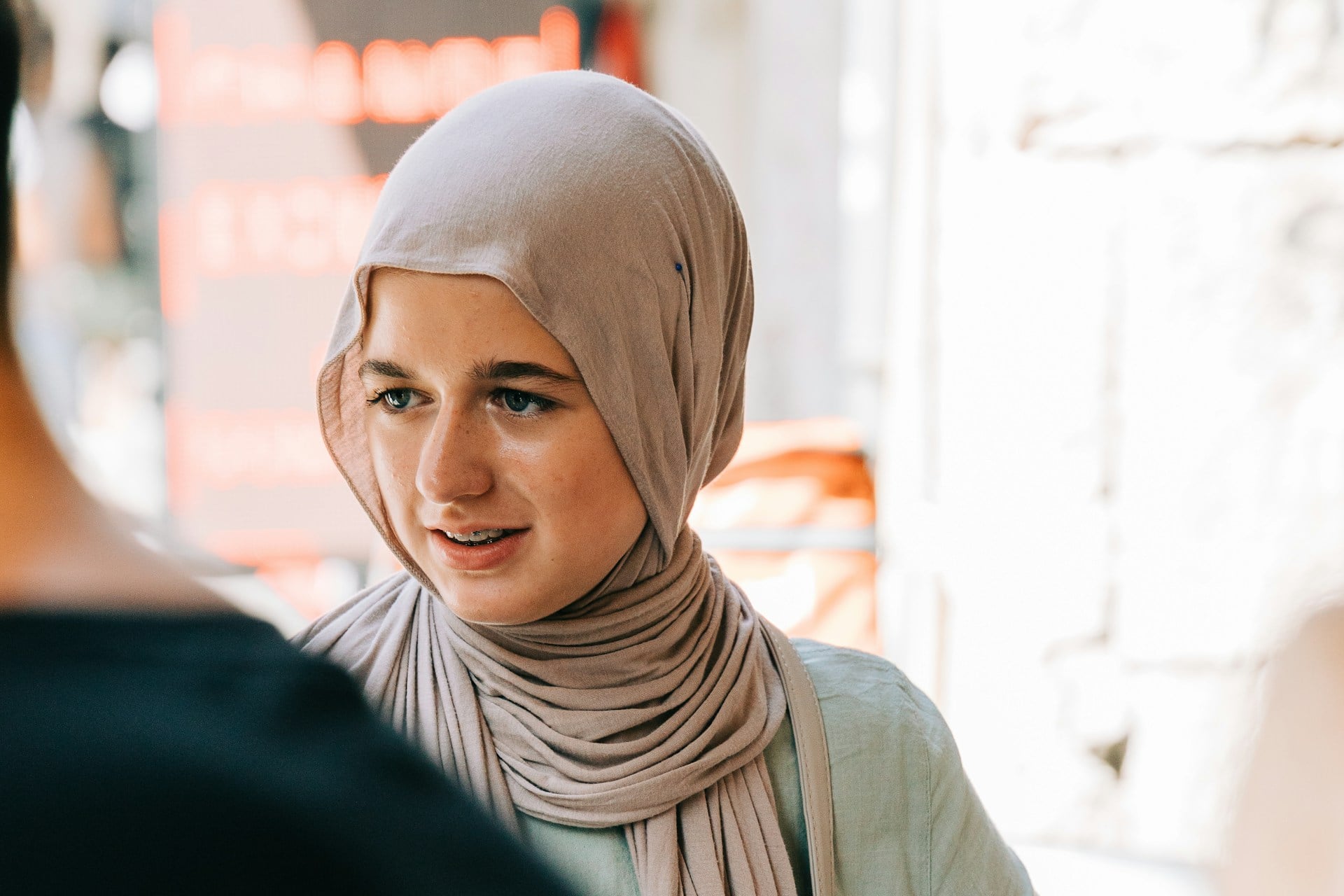
Turkey banned headscarves in government buildings, schools, and universities for decades. Women who covered their hair couldn’t attend classes or work in public offices.
The restriction claimed to protect secularism but prevented many women from getting education or jobs. Turkey finally lifted most of these bans in recent years.
Victorian England’s Wig Taxes
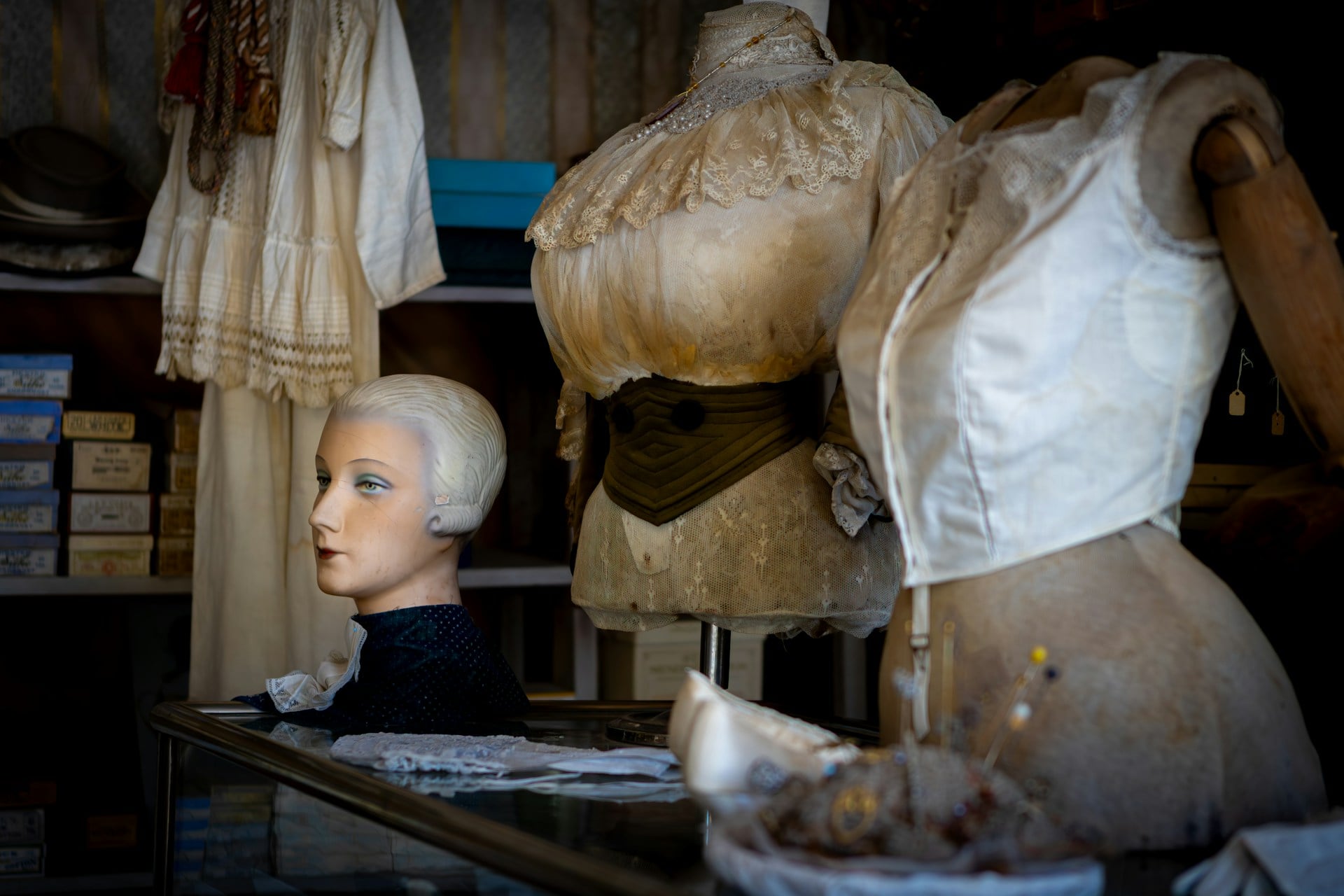
England once taxed people for wearing wigs and hair powder. The government needed money and decided fancy hairstyles made a good target.
People had to pay annual fees based on the type of wig they owned. This strange tax eventually disappeared, but it showed how far governments would go to control appearance.
France’s Religious Symbols Law
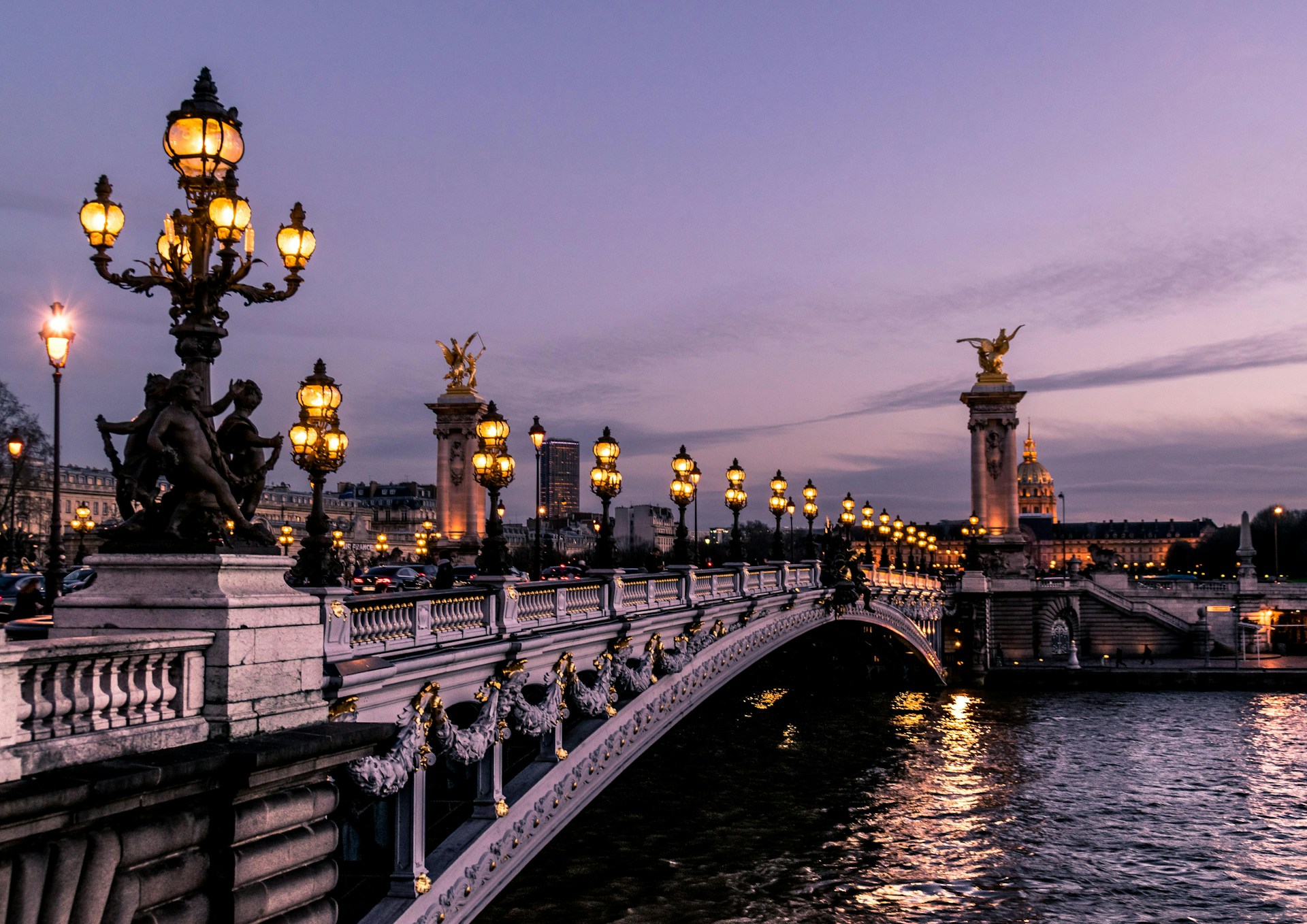
France banned ‘conspicuous religious symbols’ in public schools, which includes head coverings. Students cannot wear items that clearly show their faith, affecting those who cover their hair for religious reasons.
The government argues this maintains secular education, but critics say it targets specific groups unfairly. The debate over this law continues to heat up regularly.
Japan’s School Rules
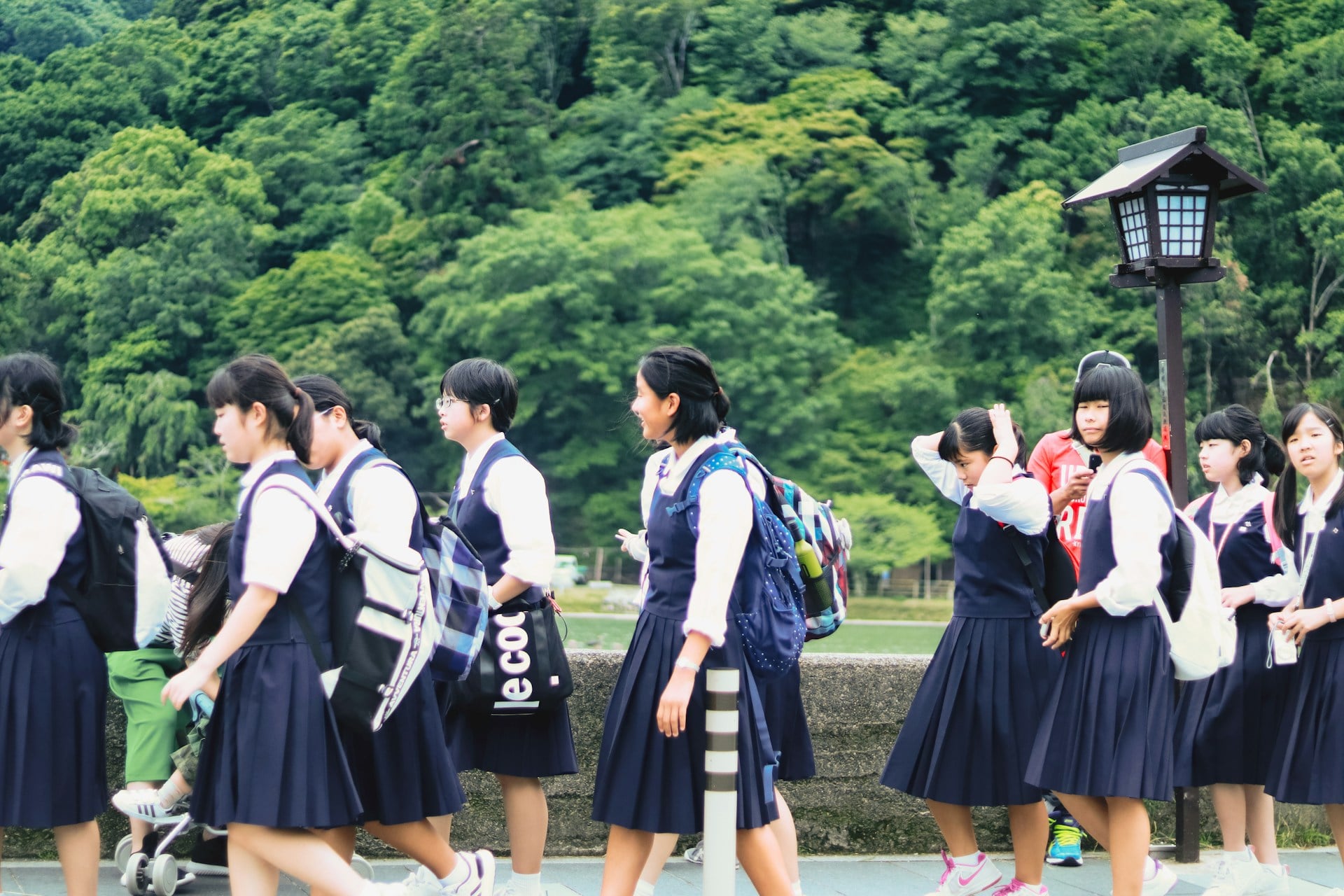
Japanese schools enforce hair color rules that assume everyone naturally has black hair. Students with naturally brown or lighter hair must provide proof or even dye it black.
Some schools make students sign statements confirming their natural color. Teachers have forced students to repeatedly dye their hair, causing damage and humiliation.
Saudi Arabia’s Women’s Coverage
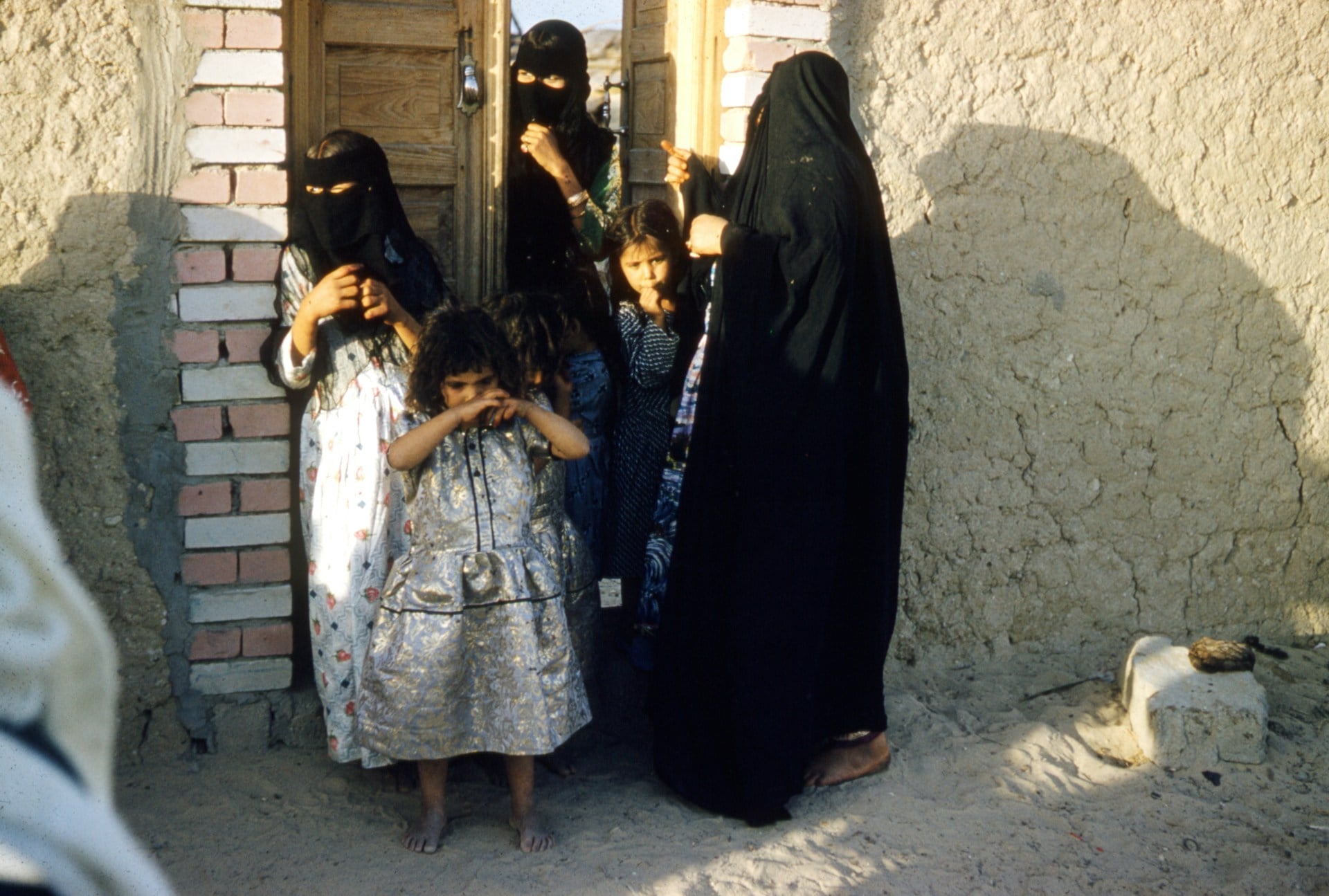
Saudi Arabia has long required women to cover their hair in public spaces. Religious police would confront women who didn’t comply with these rules.
The country has recently relaxed enforcement, but social pressure remains strong in many areas. Women visiting from other countries also faced expectations to cover up, though this has become less strict.
Where Hair Rules Stand Now
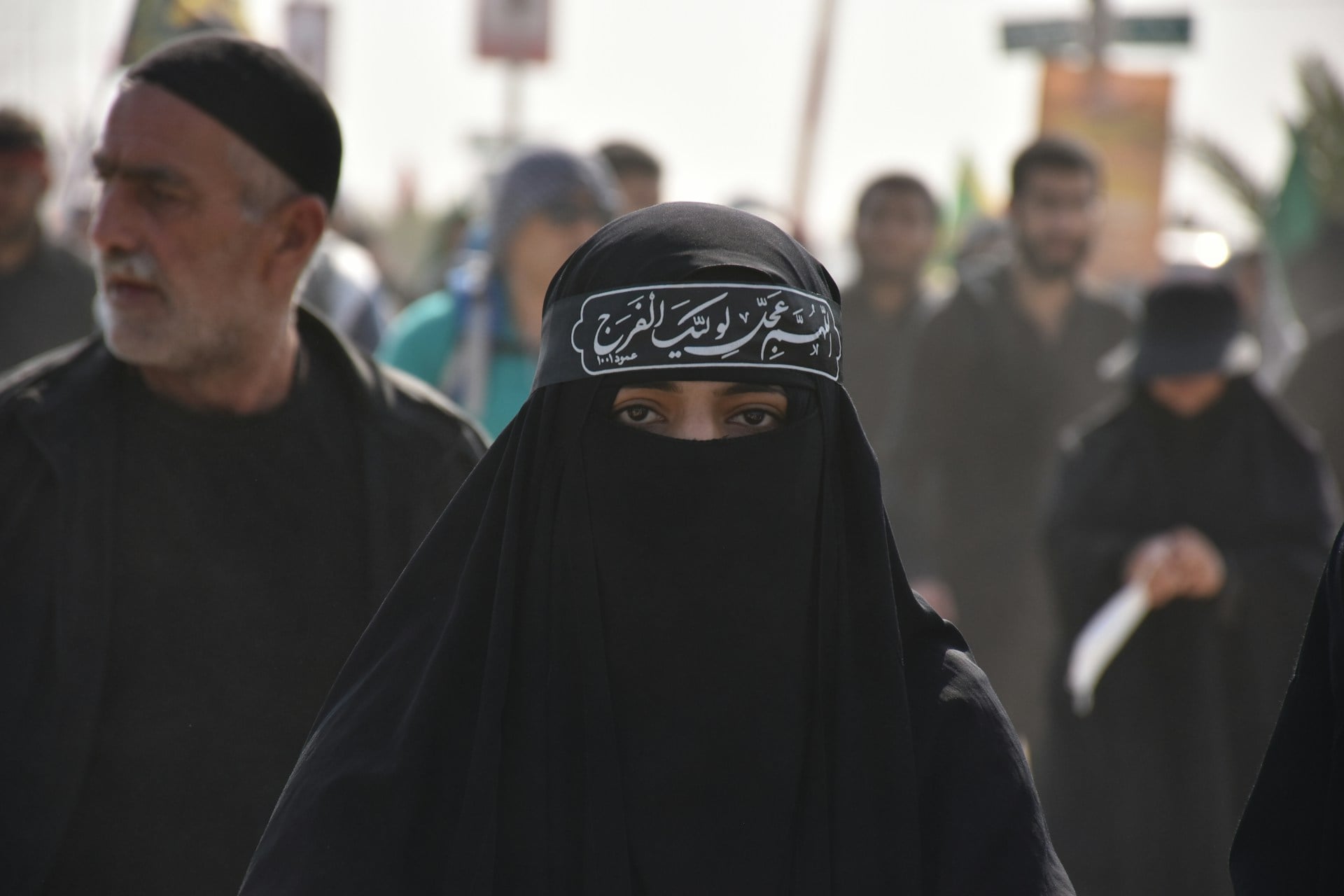
Hair laws reveal how governments try to control the smallest details of daily life. Most of these bizarre restrictions have either disappeared or loosened over time as people pushed back against unnecessary rules.
Today’s world still sees some countries clinging to hair regulations, but the trend moves toward personal freedom. The strange hair laws of the past remind everyone that individual choice matters more than government-approved styles.
More from Go2Tutors!

- The Romanov Crown Jewels and Their Tragic Fate
- 13 Historical Mysteries That Science Still Can’t Solve
- Famous Hoaxes That Fooled the World for Years
- 15 Child Stars with Tragic Adult Lives
- 16 Famous Jewelry Pieces in History
Like Go2Tutors’s content? Follow us on MSN.