15 Strange Parasites Controlling Modern Insects
The natural world operates on invisible puppet strings. Somewhere right now, a wasp is digging its own grave because a fungus told it to.
A cricket is drowning itself in a pond, following orders from a parasitic worm. An ant has abandoned its colony to climb a blade of grass and wait patiently for death.
These aren’t science fiction scenarios—they’re happening in backyards, forests, and fields across the planet every single day. Parasites have turned behavioral control into an art form, hijacking the nervous systems of their insect hosts with surgical precision.
The infected insects become living marionettes, their every movement choreographed by organisms they never see coming. What makes these parasites particularly unsettling isn’t just their effectiveness—it’s their specificity.
Each one has evolved to exploit particular vulnerabilities in particular insects, creating relationships so intimate and so devastating that they blur the line between predator and puppeteer.
Ophiocordyceps unilateralis
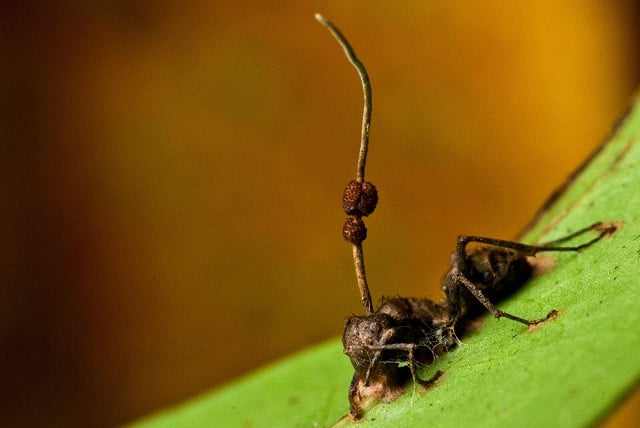
Zombie ant fungus doesn’t waste time with subtlety. It invades carpenter ants through their breathing pits, then spreads through their bodies like a slow-motion explosion.
The fungus grows between muscle fibers without destroying them—a calculated move that keeps the host functional while gradually assuming control. The takeover happens in stages.
First, the ant loses coordination in its hind legs. Then it begins wandering away from familiar trails, driven by chemical signals the fungus pumps directly into its brain.
The final act is always the same: the ant clamps its jaws onto a leaf exactly 25 centimeters above the forest floor and dies. The fungus knows this height provides optimal humidity for spore dispersal.
Massospora cicadina
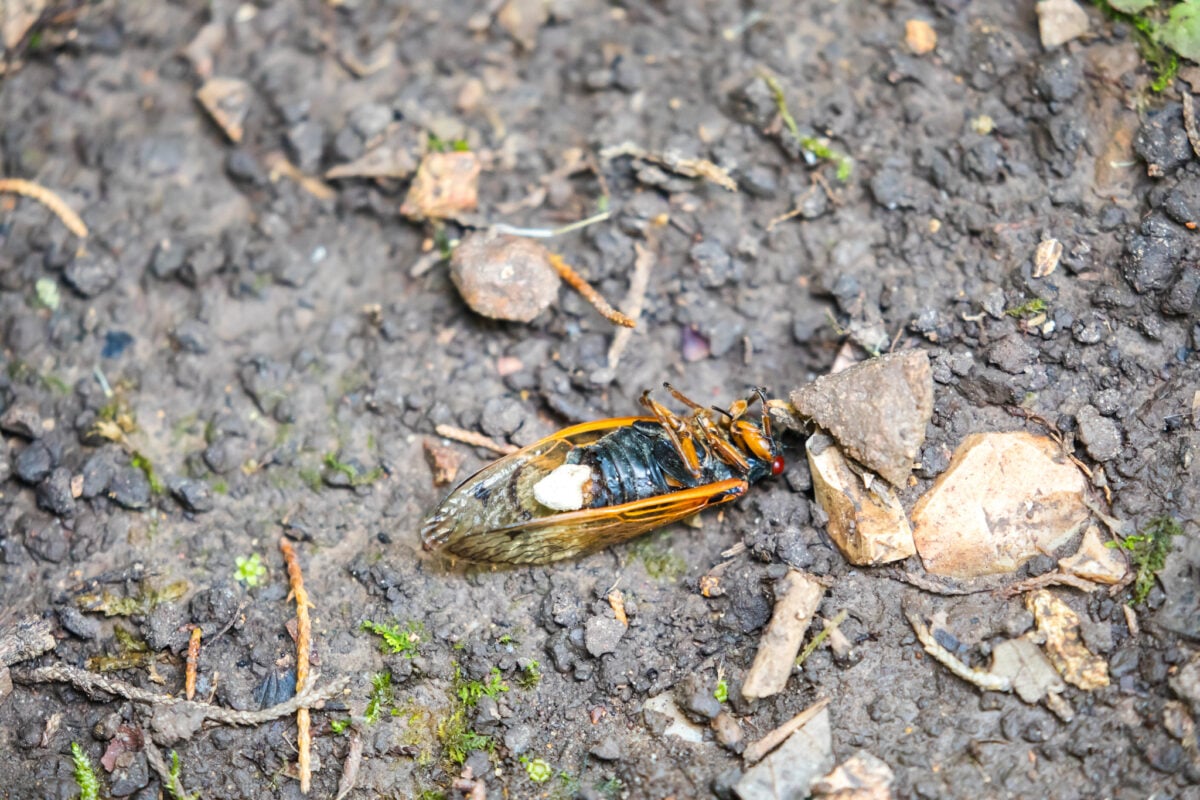
This fungus turns periodical cicadas into flying salt shakers of death. Infected cicadas continue singing and attempting to mate even as the fungus consumes their abdomens, replacing muscle and fat with a chalky white mass of spores.
The truly twisted part? The fungus produces psychoactive compounds—the same ones found in hallucinogenic mushrooms. Male cicadas infected with Massospora become hypersexual, attempting to mate with anything that moves while their bodies literally fall apart.
They spread fungal spores with every encounter, turned into unwitting dealers pushing drugs that guarantee death.
Spinochordodes tellinii
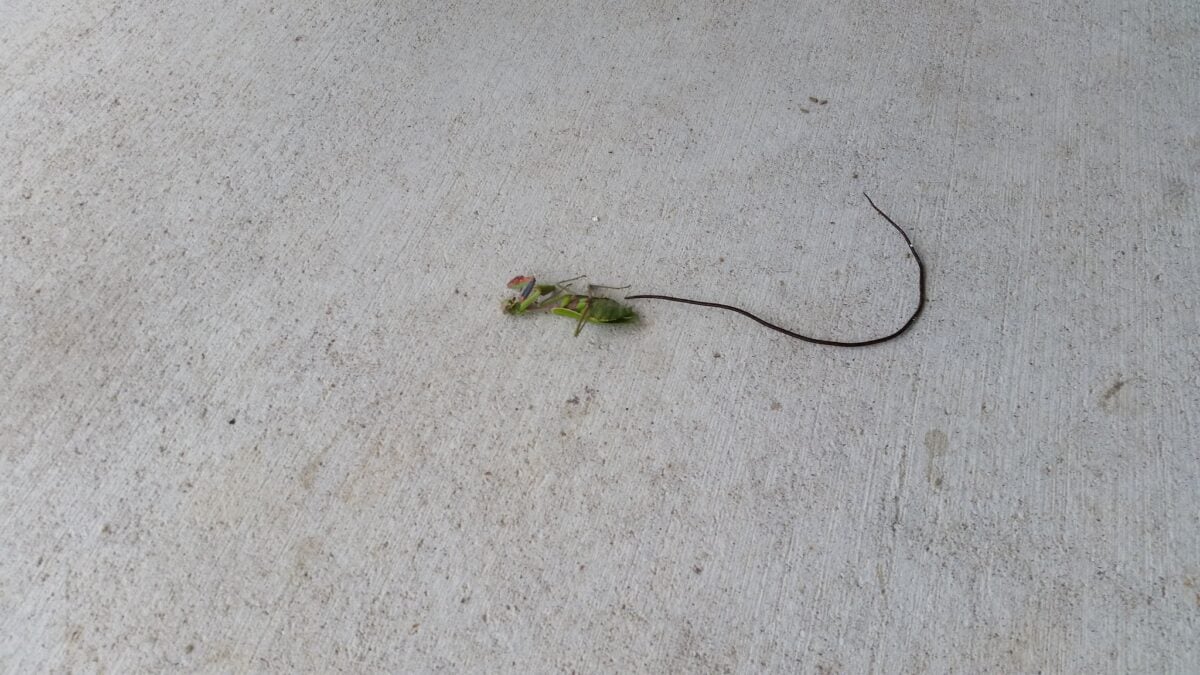
Here’s the thing about drowning yourself: it goes against every survival instinct evolution spent millions of years perfecting, yet crickets infected with this hairworm do it without hesitation. The worm needs water to reproduce, so it rewrites its host’s relationship with danger itself.
The manipulation is surgical in its precision (the worm somehow suppresses the cricket’s natural aversion to light and water while leaving other behaviors intact), and the timing is flawless—crickets only seek water when the worm has reached maturity. The cricket jumps into the nearest pond or stream, and the worm emerges like a living ribbon, sometimes four times longer than its host.
The cricket drowns, but the worm’s work is just beginning.
Glyptapanteles
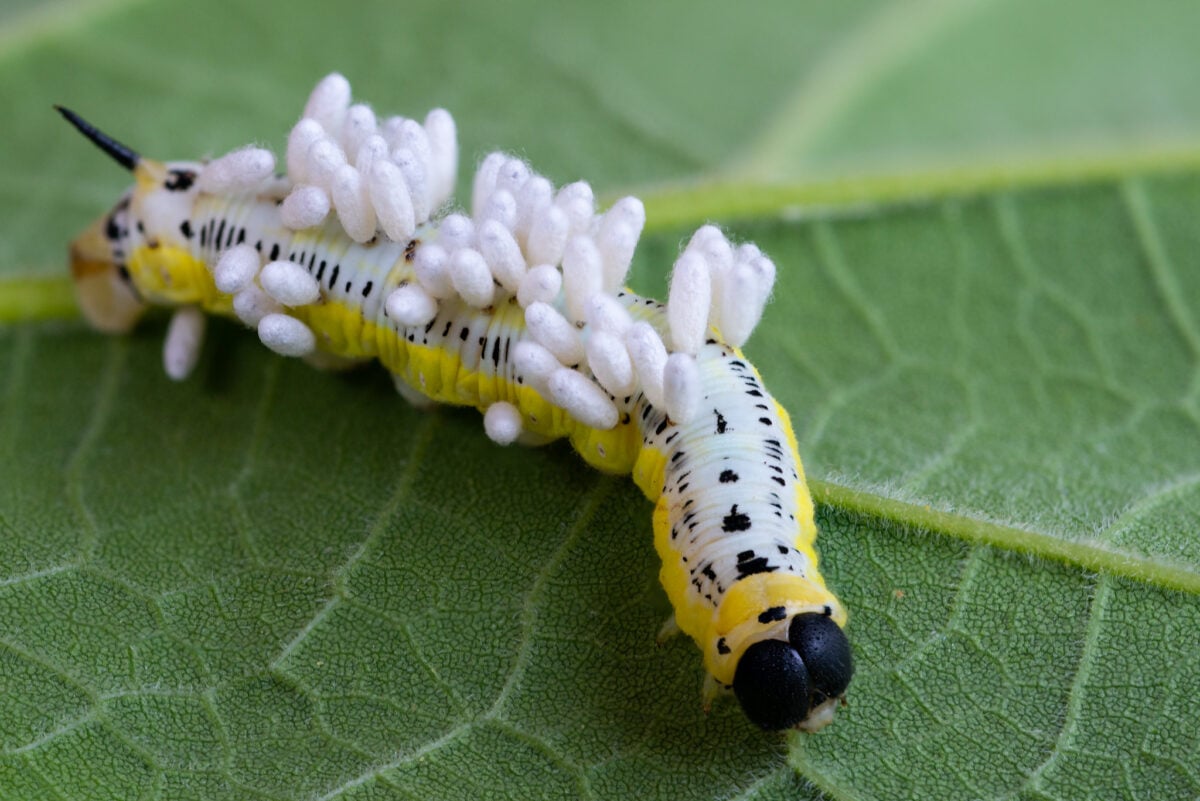
Some mothers are overprotective. And then there’s Glyptapanteles, a wasp that turns caterpillars into bodyguards for its young.
The female wasp injects around 80 eggs into a caterpillar along with a cocktail of mind-altering chemicals. The wasp larvae develop inside the caterpillar for two weeks, feeding on its body fluids while carefully avoiding vital organs.
When they’re ready to pupate, about 20 larvae chew their way out of the still-living caterpillar and spin cocoons nearby. Here’s where things get really strange: the caterpillar doesn’t crawl away to die.
Instead, it positions itself over the cocoons and begins thrashing violently at any approaching threat, sacrificing its remaining life to protect the creatures that just ate it from the inside.
Dinocampus coccinellae
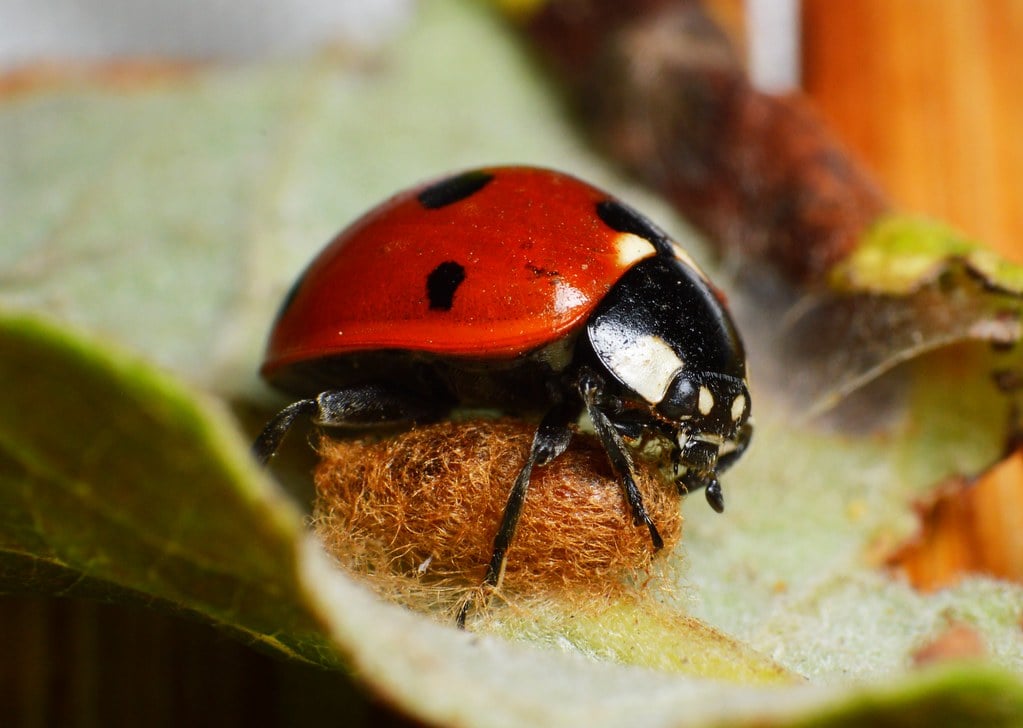
Ladybugs are supposed to be the good guys, but this wasp turns them into unwilling babysitters. The female wasp paralyzes a ladybug just long enough to insert a single egg into its abdomen, then flies away to repeat the process.
The wasp larva grows inside the ladybug for about 20 days, consuming the host’s body fat and other non-essential tissues while keeping it alive and functional. When ready to pupate, the larva chews its way out from between the ladybug’s legs and spins a cocoon directly underneath its host.
The ladybug, still alive but now paralyzed, arches its body over the cocoon like a protective dome. Even more bizarre—about 25% of ladybugs actually survive this ordeal and return to normal behavior after the wasp emerges.
Ampulex compressa
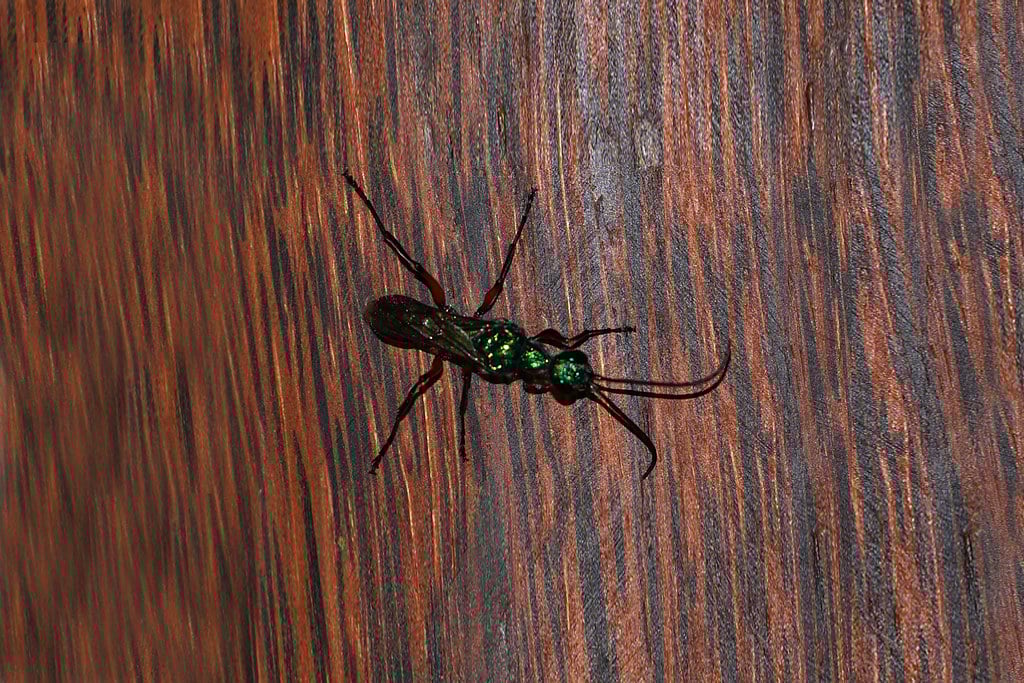
The emerald jewel wasp performs brain surgery with the precision of a neurosurgeon, except its operating table is a living cockroach and its goal is to create a compliant zombie. The wasp delivers two stings: the first paralyzes the cockroach’s front legs temporarily, the second targets a specific region of the brain that controls escape responses.
So the cockroach can still walk, clean itself, and respond to stimuli—it just loses all motivation to run away. The wasp grabs the cockroach’s antenna like a leash and leads it to a burrow, where it lays an egg on the cockroach’s leg and seals them both inside.
The cockroach sits patiently in its tomb while the wasp larva hatches and slowly eats it alive, starting with the non-vital organs to keep its meal fresh as long as possible.
Baculovirus
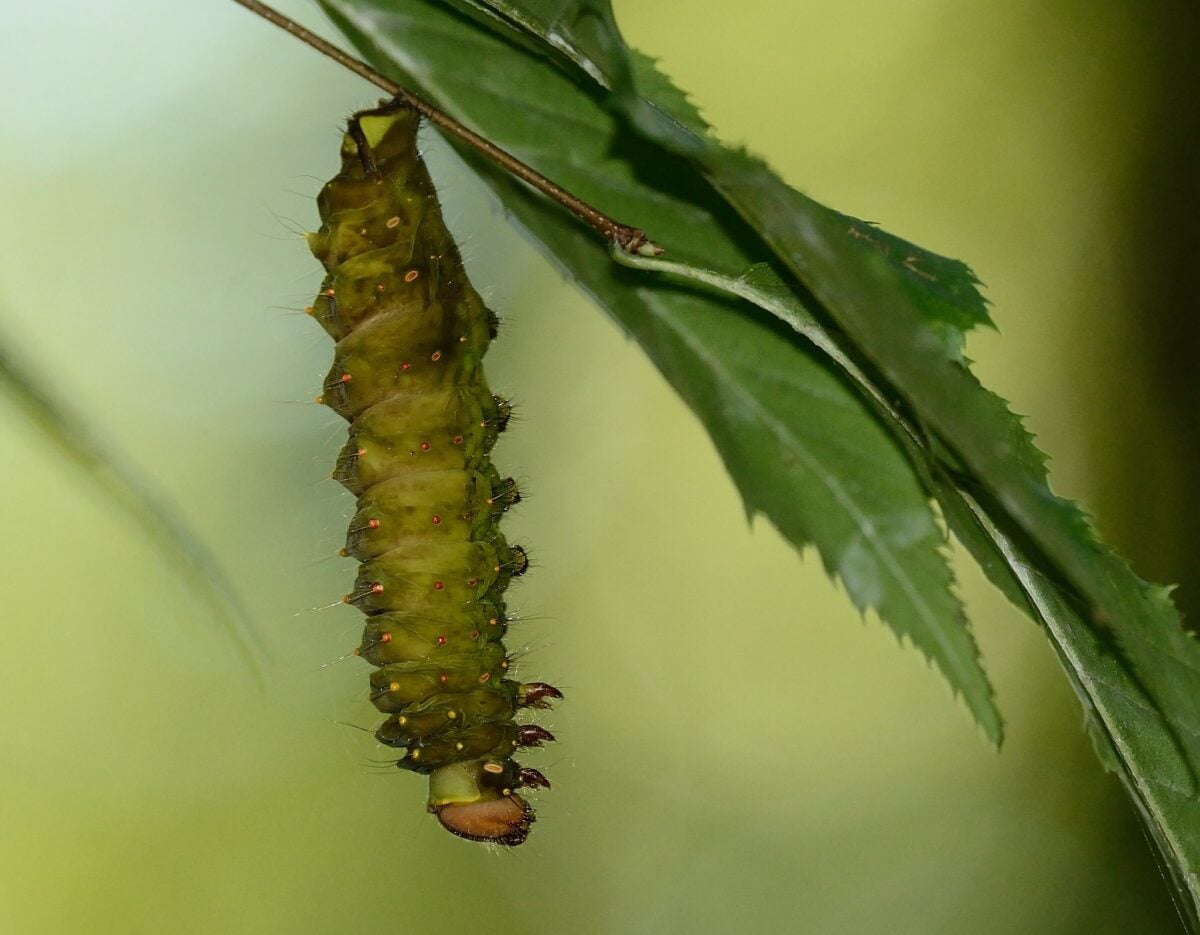
This virus turns caterpillars into mindless climbers, driving them higher and higher until they reach the treetops where they literally melt into a shower of viral particles. The infected caterpillars lose their natural tendency to hide during daylight hours and instead become compulsive climbers, scaling plants with single-minded determination.
When they reach an optimal height for virus dispersal, the caterpillars grip the plant with their legs and die (their bodies break down into a liquid mess packed with millions of virus particles that rain down on the leaves below). Other caterpillars feed on the contaminated foliage, and the cycle begins again.
But the virus doesn’t just change behavior—it alters the caterpillar’s entire daily rhythm, turning day-hiding creatures into relentless climbers who work themselves to death in broad daylight.
Euhaplorchis californiensis
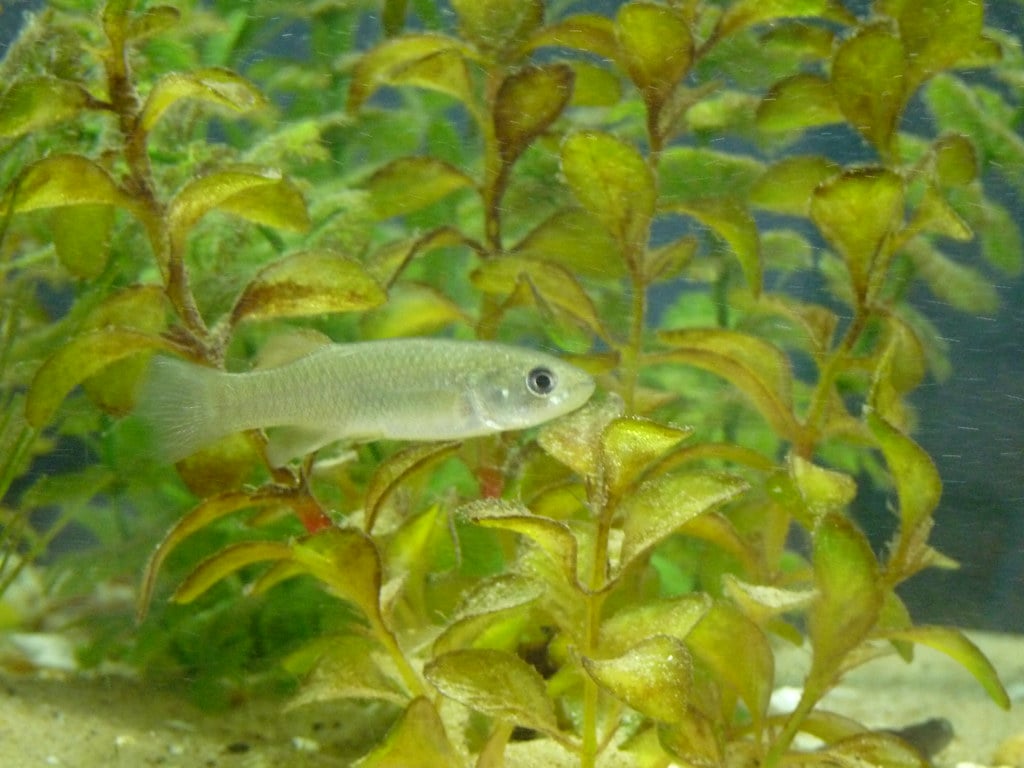
Picture this: a killifish swimming in lazy circles near the water’s surface, flashing its silver belly at any bird that might be watching. This isn’t normal killifish behavior—it’s a death wish engineered by a parasitic fluke that needs the fish to be eaten by a bird to complete its life cycle.
The fluke larvae burrow into the fish’s brain and take up residence in regions that control fear and motor function. And yet the infected fish don’t just lose their fear of predators; they actively court death, swimming in conspicuous patterns that make them easy targets for birds.
The fluke has essentially turned the fish’s survival instincts inside out. When a bird finally takes the bait, the flukes reproduce in the bird’s digestive system, and their eggs fall back into the water to find new fish hosts.
Dicrocoelium dendriticum
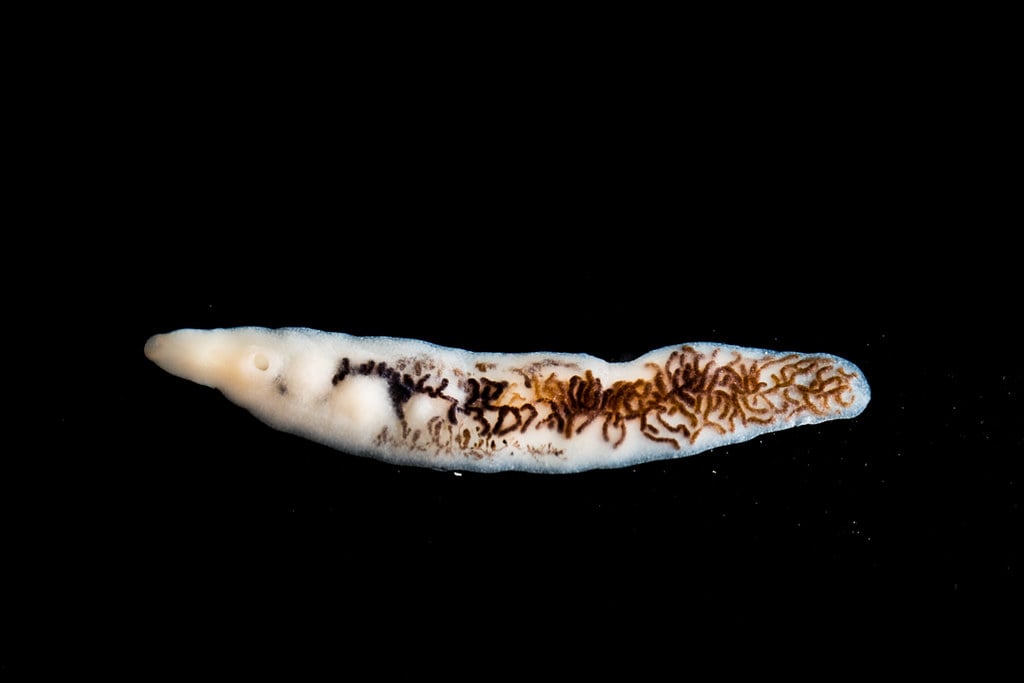
Ants infected with this liver fluke spend their evenings climbing grass stems and clamping their jaws onto the tips, where they hang motionless until dawn. They’re positioning themselves to be accidentally eaten by grazing animals—exactly what the fluke needs to complete its life cycle.
The manipulation is remarkably specific: infected ants behave normally during the day but become climbing automatons as temperatures drop in the evening. If they survive the night without being eaten, they climb down, resume normal ant activities during daylight hours, then return to the grass tips the next evening.
The fluke has essentially programmed them with a daily self-harm routine that continues until a cow or sheep finally ends their misery.
Reclinomonas americana
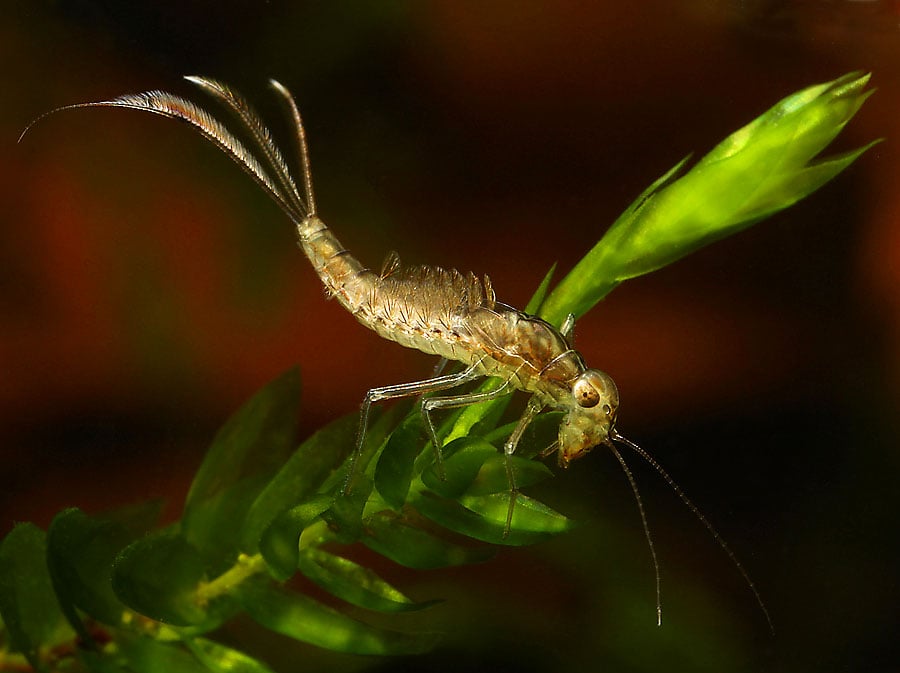
This protozoan turns mayfly nymphs into behavioral rebels, causing them to emerge from the safety of rocks and sediment to swim in open water where they’re easily spotted by fish. The parasite needs to get inside a fish to reproduce, and mayfly nymphs are typically too cautious to make good transmission vehicles.
But infection changes everything: the nymphs become restless, abandoning their hiding spots to dart around in the water column like tiny beacons. They’ve traded survival for visibility, following chemical commands from a parasite that has calculated fish predation rates with mathematical precision.
The mayflies that get eaten allow the parasite to reproduce; the ones that don’t are already doomed by the infection.
Toxoplasma gondii
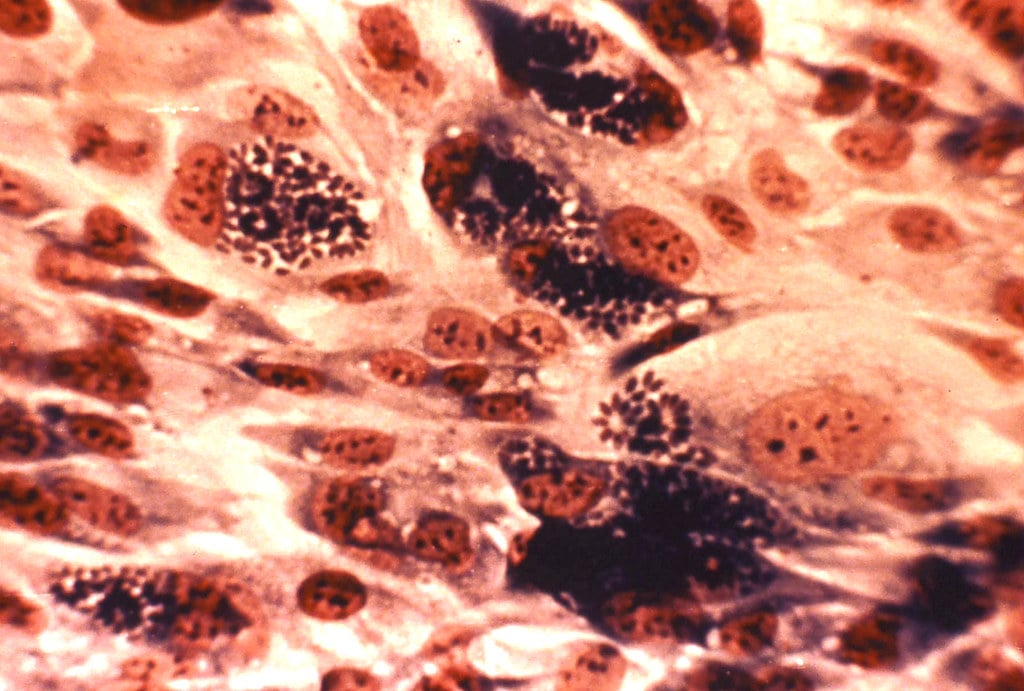
Rats are supposed to fear cats—it’s one of evolution’s most fundamental rules. But rats infected with Toxoplasma gondii don’t just lose their fear of cats; they’re actually attracted to cat urine. The parasite needs to get from rats into cats to complete its reproductive cycle, so it’s essentially rewired the rat’s brain to find its predator irresistible.
The manipulation is so thorough that infected rats will seek out areas where cats have been, lingering in spots saturated with cat scent while healthy rats flee in terror. But Toxoplasma doesn’t just change fear responses—it alters the rat’s entire personality, making infected animals more exploratory, less cautious, and significantly more likely to end up as cat food.
Paragordius tricuspidatus
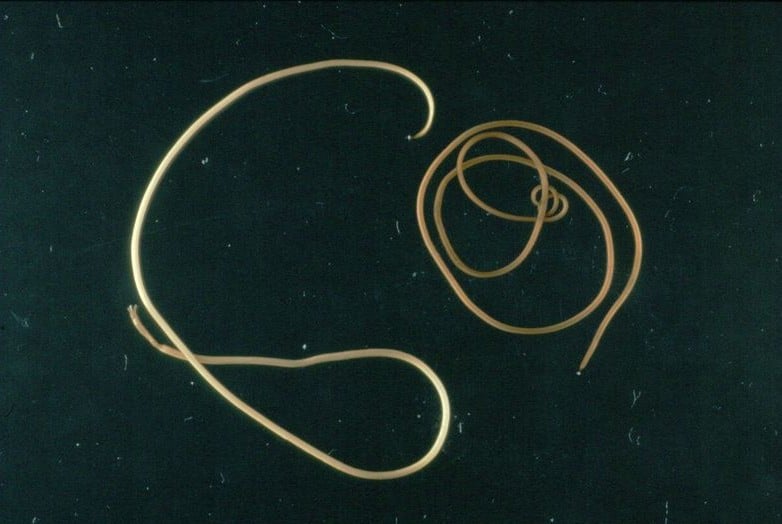
Grasshoppers and crickets infected with this hairworm develop an overwhelming compulsion to find water, even though they’re terrestrial insects that normally avoid large bodies of water. The worm grows inside its host for months, coiled up like a spring in the insect’s body cavity, waiting for the right moment to make its move.
When the worm is sexually mature, it begins producing proteins that interfere with the host’s nervous system, essentially hijacking the circuits that control thirst and navigation. The infected insect abandons its normal habitat and begins searching for water with desperate urgency.
Once it finds a suitable pond or stream, the insect jumps in, and the worm emerges through the host’s body wall to begin its aquatic reproductive phase.
Hymenoepimecis argyraphaga
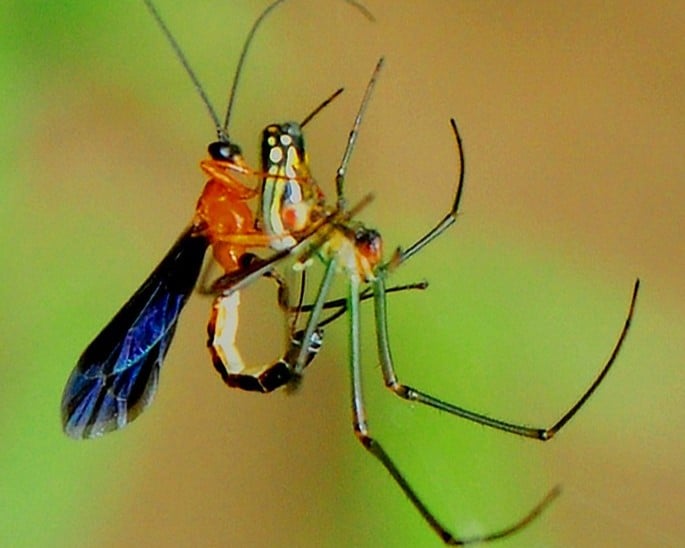
This wasp convinces orb-weaver spiders to abandon their traditional web designs and build specialized cocoon structures instead. The female wasp temporarily paralyzes a spider, lays an egg on its abdomen, then flies away.
The spider recovers and continues building normal webs for about two weeks while the wasp larva develops. Then something remarkable happens: the spider begins building a completely different type of web, one designed not to catch prey but to support a wasp cocoon.
The structure is unlike anything the spider has ever built before, yet it constructs it with perfect precision. When the web is complete, the wasp larva kills its host and uses the custom-built structure to pupate safely above the ground.
Leucochloridium paradoxum
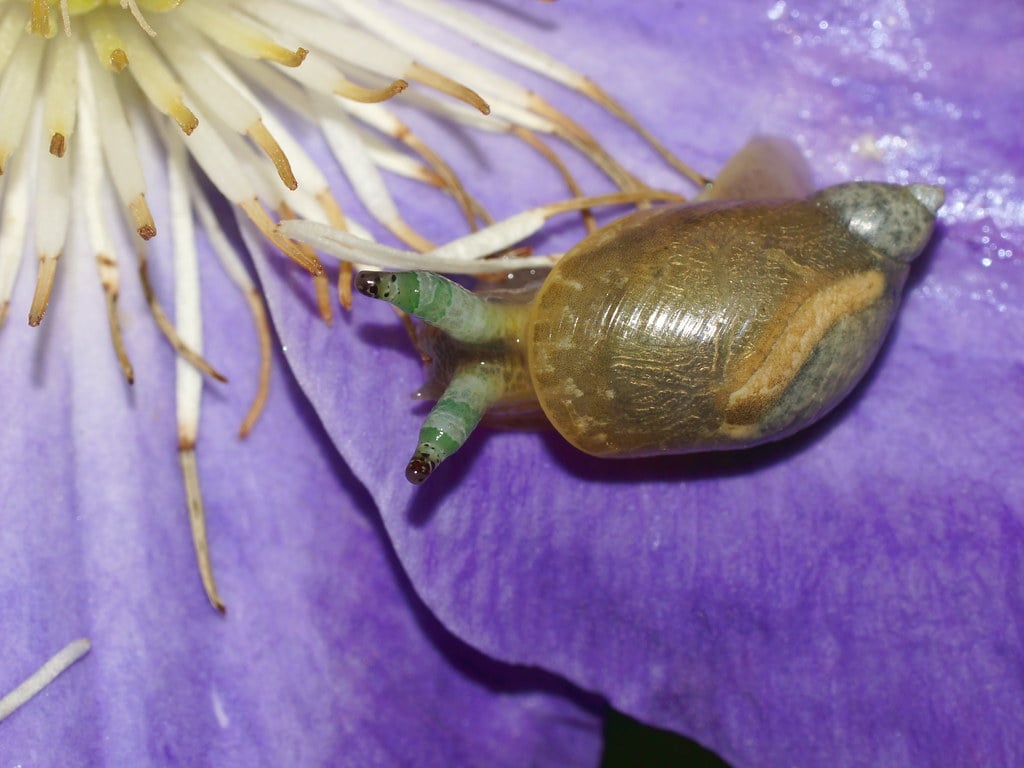
Green-banded broodsacs turn snails into pulsating beacons that birds can’t resist. The parasite develops inside the snail’s tentacles, creating colorful, throbbing structures that look exactly like caterpillars—a bird’s favorite food.
But the deception goes deeper than just appearance. The infected snail abandons its normal behavior of hiding in dark, moist places and instead seeks out bright, exposed locations where birds are likely to hunt.
The parasite has essentially turned the snail’s survival instincts upside down, compelling it to venture into dangerous territory while advertising its presence with rhythmic, hypnotic pulsations that birds find irresistible. So the snail becomes both lure and victim in the parasite’s elaborate feeding strategy.
Entomophthora muscae
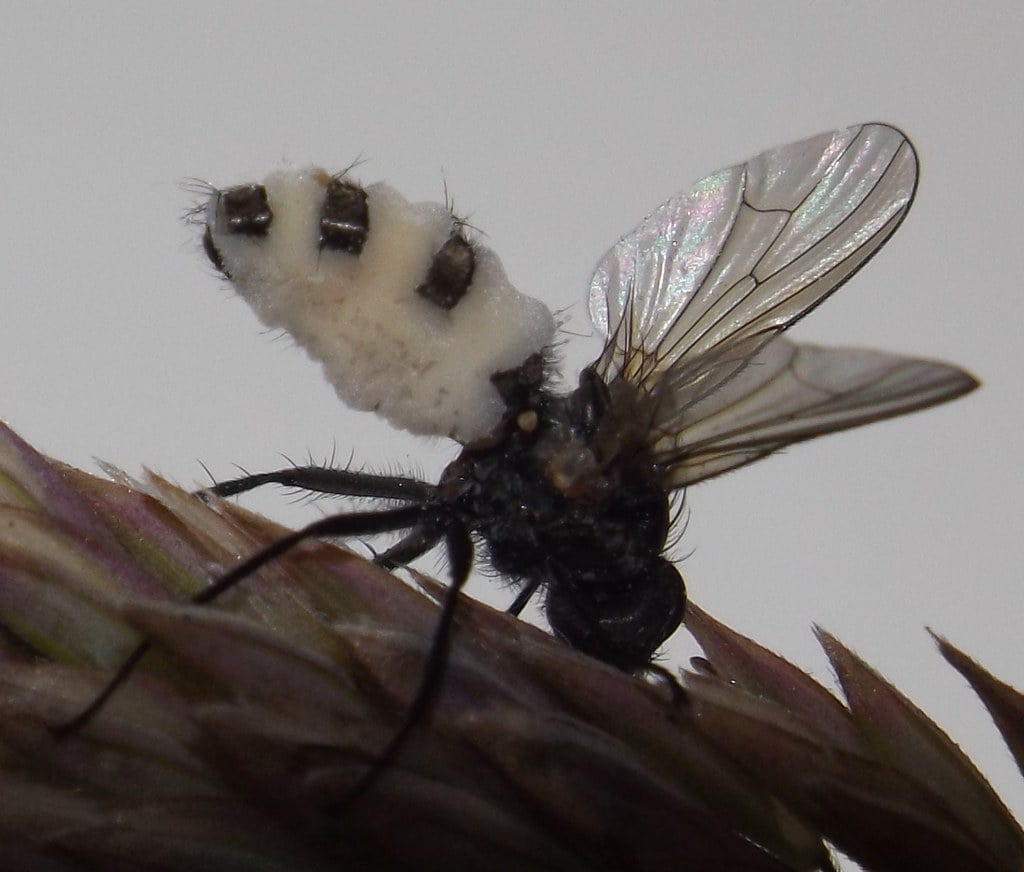
House flies infected with this fungus spend their final hours climbing to elevated surfaces, extending their wings, and dying in a position that maximizes spore dispersal. The fungus doesn’t just kill its host—it choreographs an elaborate death scene designed for maximum transmission efficiency.
Infected flies become increasingly restless as the fungus grows, eventually developing an irresistible urge to climb upward. They seek out high perches, spread their wings wide, and die with their proboscis extended, creating the perfect launching platform for fungal spores.
But the fungus has one more trick: it can actually puppet the fly’s corpse for several hours after death, continuing to adjust the body position to optimize spore release based on humidity and air currents.
The Puppet Masters Among Us

These parasites remind you that control is often invisible, operating through mechanisms so subtle that the controls never realize they’ve lost their autonomy. Each infected insect becomes a testament to evolution’s darkest creativity—the ability to turn survival instincts into death sentences and transform predator-prey relationships into elaborate puppet shows.
The most unsettling aspect isn’t the parasites’ cruelty, but their precision. They’ve spent millions of years perfecting their craft, learning exactly which neural circuits to hijack and which behaviors to preserve.
Their success depends not on destroying their hosts, but on understanding them so completely that they can rewrite the very essence of what it means to be that particular insect.
More from Go2Tutors!

- The Romanov Crown Jewels and Their Tragic Fate
- 13 Historical Mysteries That Science Still Can’t Solve
- Famous Hoaxes That Fooled the World for Years
- 15 Child Stars with Tragic Adult Lives
- 16 Famous Jewelry Pieces in History
Like Go2Tutors’s content? Follow us on MSN.



