Most Expensive Liquids Sold by Volume
You probably don’t think much about the cost of liquids in your daily life. Water flows from the tap for pennies, gasoline fills your tank for a few dollars per gallon, and even fancy olive oil won’t break the bank.
But venture beyond the ordinary and you’ll find liquids that cost thousands—sometimes millions—of dollars per gallon. Some of these substances save lives. Others kill.
A few exist purely for luxury, while some power cutting-edge research and technology. The prices reflect scarcity, complexity, and demand.
Manufacturing certain liquids requires specialized equipment, rare ingredients, or processes that take years to perfect. Others come from creatures that produce only tiny amounts.
And then there are substances so dangerous or controlled that their price reflects legal risk as much as production cost.
Printer Ink
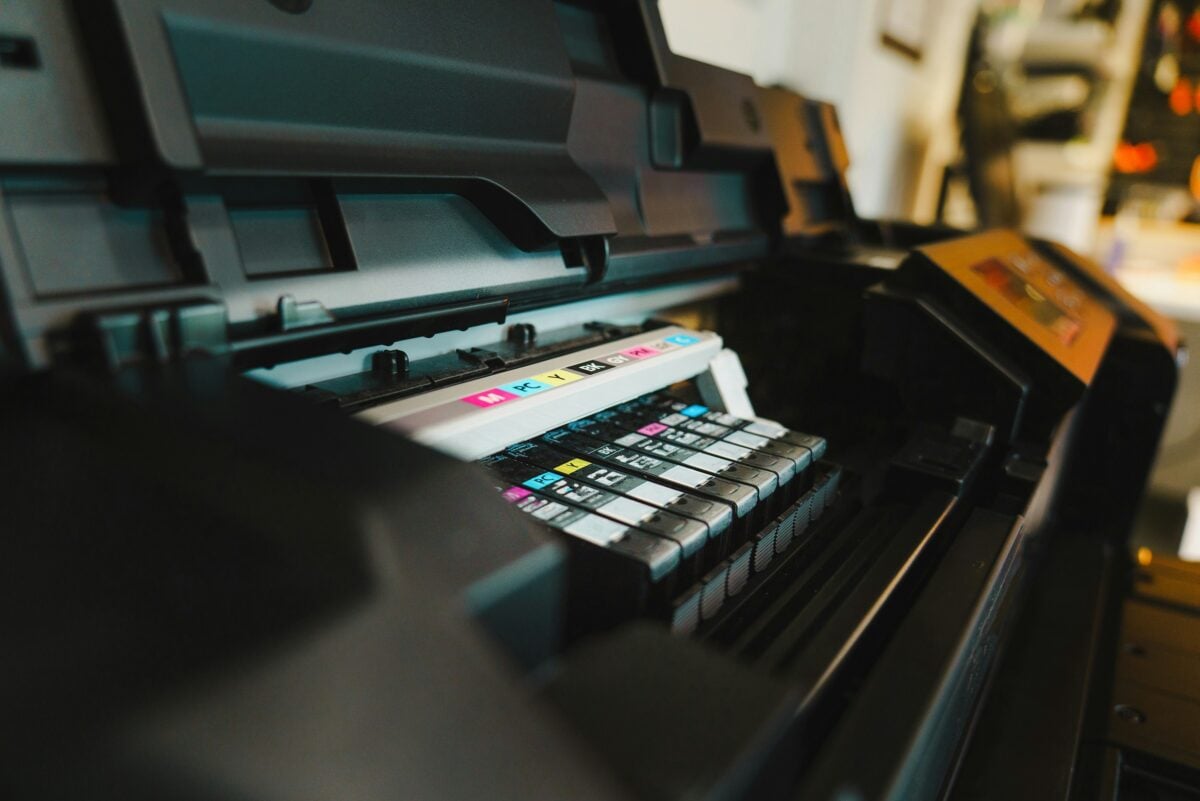
Your office printer drinks one of the most expensive liquids you’ll ever buy. A gallon of brand-name printer ink costs more than vintage champagne, aged whiskey, or even human blood.
Manufacturers sell these cartridges at prices that would make a luxury perfume house blush—often $2,000 to $5,000 per gallon when you do the math. The business model explains everything.
Companies sell printers at slim margins or even losses, then recoup profits through ink sales. They engineer cartridges with chips that prevent refilling and design them to report empty when plenty of ink remains.
The actual manufacturing cost? A fraction of what you pay. Generic alternatives exist and work fine for most people.
But many offices stick with brand names anyway, convinced that quality demands it. The printer companies count on exactly that kind of thinking.
Scorpion Venom
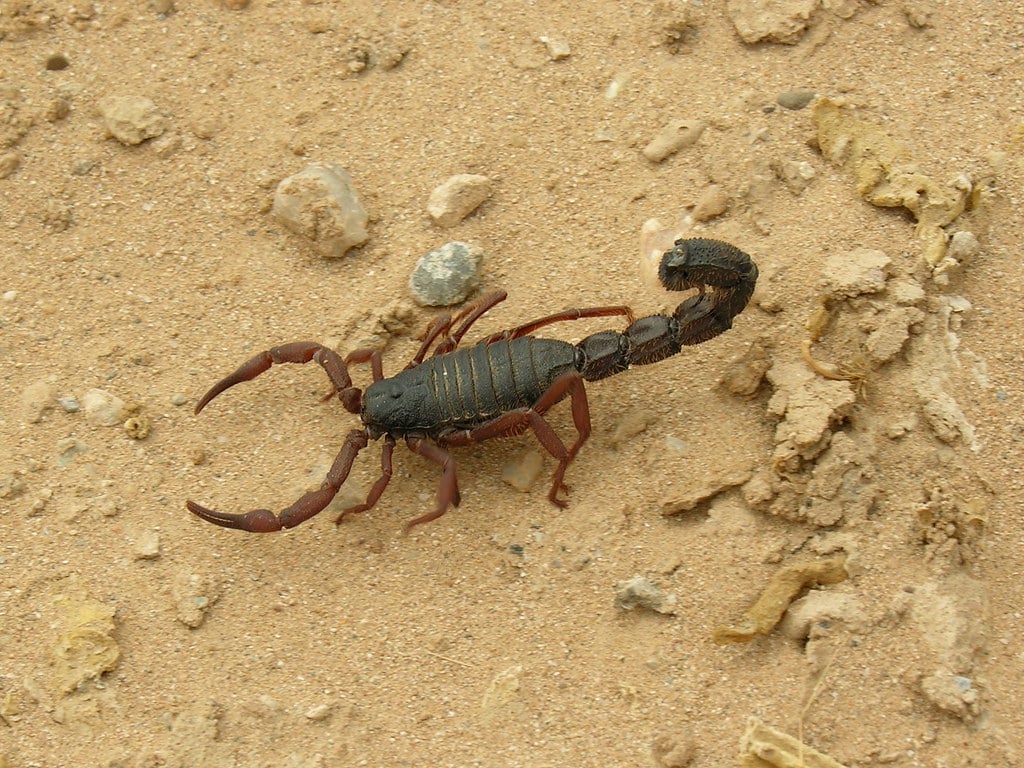
Deathstalker scorpion venom sells for about $39 million per gallon. A single drop costs thousands.
Researchers need it for cancer studies, developing painkillers, and understanding how venoms work at the molecular level. Getting the venom isn’t easy.
Each scorpion produces just tiny amounts, and you can’t exactly milk them like cows. The process requires careful handling, specialized equipment, and people willing to work with creatures that can kill you.
Most labs get by with quantities measured in micrograms. The high price also reflects limited supply.
These scorpions don’t exactly breed in captivity with enthusiasm. Most venom comes from wild populations, which means harvesting happens slowly and carefully.
Researchers bid against each other for available supplies, driving prices even higher.
Chanel No. 5 Perfume
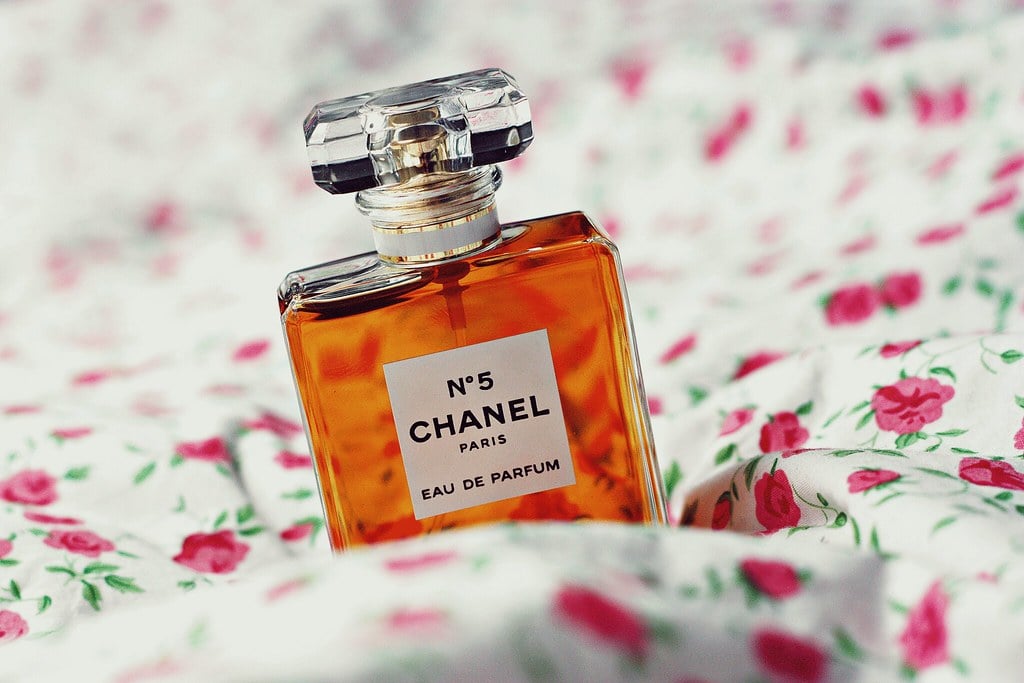
This perfume has cost serious money since 1921. Today a gallon runs about $26,000, though you’ll never buy it that way. Chanel packages it in those iconic bottles, selling by the ounce and making each drop feel precious.
The formula blends over 80 ingredients, including jasmine from Grasse, France, and May roses that bloom for just a few weeks each year. Real jasmine absolute costs about $4,000 per pound.
The roses cost even more. Chanel owns its own flower fields to ensure supply.
But ingredient cost tells only part of the story. The brand itself carries weight.
People buy Chanel No. 5 because Marilyn Monroe claimed she wore nothing else to bed. They buy it because it sits on bathroom counters in movies and magazines.
The liquid inside matters, but so does everything the name represents.
Horseshoe Crab Blood

This blue liquid sells for about $15,000 per quart—roughly $60,000 per gallon. Pharmaceutical companies need it to test drugs and vaccines for contamination.
The blood contains special cells that clot around even trace amounts of bacterial toxins, making it the gold standard for safety testing. Every year, workers collect hundreds of thousands of horseshoe crabs from beaches, drain about 30 percent of their blood, then return them to the ocean.
Most survive, though the process stresses them. Scientists have developed synthetic alternatives, but the industry moves slowly to adopt them.
The crabs themselves are living fossils, unchanged for 450 million years. Their blood evolved this remarkable property as a defense mechanism.
Now humans have turned that evolutionary advantage into an industry worth hundreds of millions of dollars. The crabs paddle along the sea floor, unaware they’re part of the medical supply chain.
Mercury

Pure mercury costs about $3,400 per gallon. This silvery metal stays liquid at room temperature and has uses in everything from thermometers to industrial processes.
But handling it requires serious precautions—the vapor can damage your brain and nervous system. Most mercury comes from mining cinnabar ore, though recycling old thermometers and other devices provides some supply.
The price fluctuates based on industrial demand and environmental regulations. Some countries have banned or restricted mercury in consumer products, shrinking the market but not eliminating it.
You can still buy small amounts for scientific demonstrations or collection purposes. Watching it flow and pool feels mesmerizing.
The weight surprises people—it’s over 13 times heavier than water. But that fascination comes with risk.
Even a small spill requires professional cleanup.
Human Blood
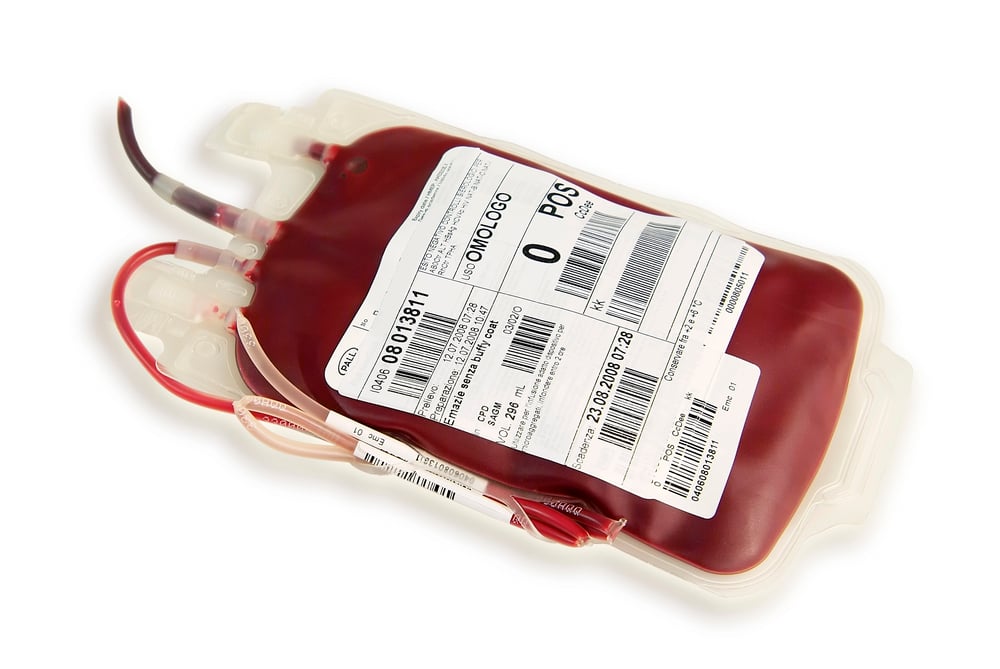
A pint of human blood costs hospitals between $130 and $150, putting the gallon price around $1,500. Blood banks collect donations for free, then charge hospitals processing and handling fees.
The system depends entirely on volunteers—paying donors is illegal in most developed countries. The price reflects testing, storage, and transportation costs.
Every unit gets screened for diseases, typed for compatibility, and tracked through computer systems. Red blood cells stay good for about 42 days.
Plasma lasts a year when frozen. Platelets expire in just five days, making them the most time-sensitive component.
Shortages happen regularly. Blood has no substitute.
When supplies run low, hospitals postpone elective surgeries and ration what they have. Your donation, given freely over 10 minutes, becomes something hospitals budget for and sometimes struggle to obtain.
Snake Venom
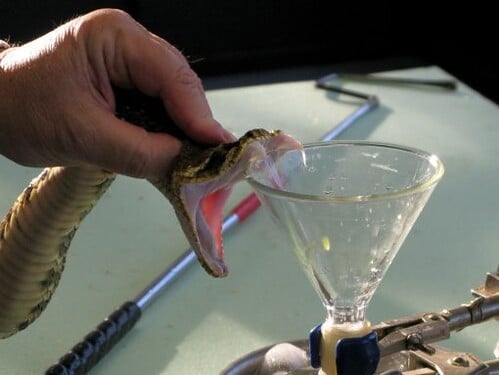
King cobra venom sells for about $153,000 per gallon. Most research labs buy it in quantities measured in milligrams, paying hundreds of dollars for amounts you could barely see.
The snakes produce it slowly, and collecting enough for research takes time. Scientists study these venoms to develop antivenoms and new medications.
Some components show promise for treating pain, blood clots, and heart conditions. The research moves slowly because working with such small quantities makes experiments difficult.
Snake farms in Asia and elsewhere keep cobras and other venomous species specifically for venom collection. Workers milk the snakes regularly, collecting the venom in glass containers.
The snakes bite into membranes stretched across collection jars, releasing their venom without wasting it on defensive strikes. It’s dangerous work that requires steady nerves and deep knowledge of snake behavior.
Lysergic Acid Diethylamide
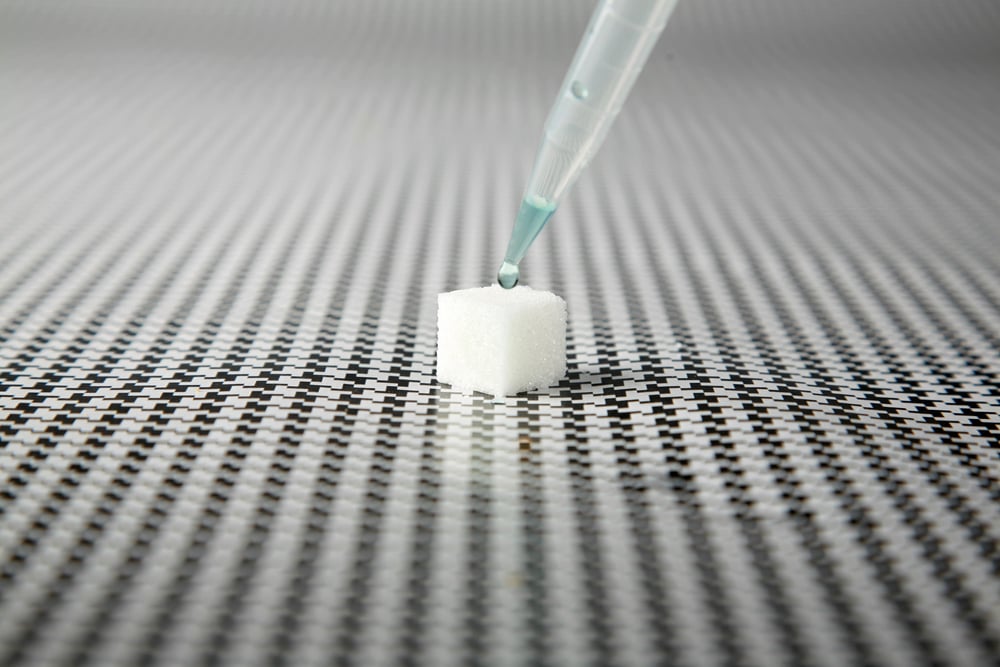
This compound costs about $123,000 per gallon on illegal markets, though almost nobody buys it by the gallon. A single dose weighs about 100 micrograms—so small it’s essentially invisible.
That means one gallon contains enough doses for about 37 million people. The high price reflects legal risk more than production cost.
Manufacturing requires chemistry knowledge and precursor chemicals that authorities track carefully. Getting caught means serious prison time.
But demand persists, both for recreational use and increasingly for research into treating depression, anxiety, and addiction. Recent years have seen renewed scientific interest.
Universities and pharmaceutical companies are conducting trials, working within tightly controlled legal frameworks. The research suggests potential medical benefits, though regulators remain cautious.
The illegal market continues alongside legal research, with prices varying wildly based on purity and local enforcement.
Insulin
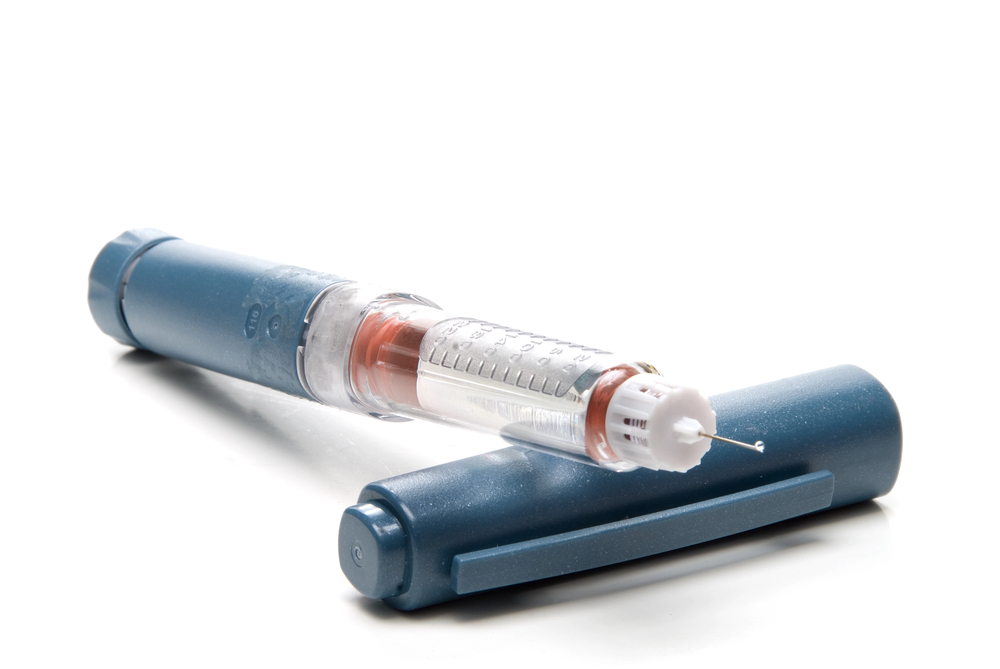
This medication can cost over $300 per vial in the United States, translating to roughly $7,500 per gallon. People with diabetes need it to survive, injecting it daily to regulate blood sugar.
In other developed countries, the same insulin costs a fraction of the American price. The high cost in America reflects patent games and lack of generic competition.
Drug companies make minor tweaks to formulations, extend patents, and keep prices high. Insurance covers some of the cost for many people, but those without coverage face impossible choices. Some ration their insulin, skipping doses to stretch supplies.
People have died from these decisions. The insulin itself isn’t expensive to manufacture.
The markups happen because the market allows them. Other countries negotiate drug prices nationally, limiting what companies can charge.
America leaves pricing largely to market forces, and the forces don’t work in patients’ favor.
Gamma Hydroxybutyrate
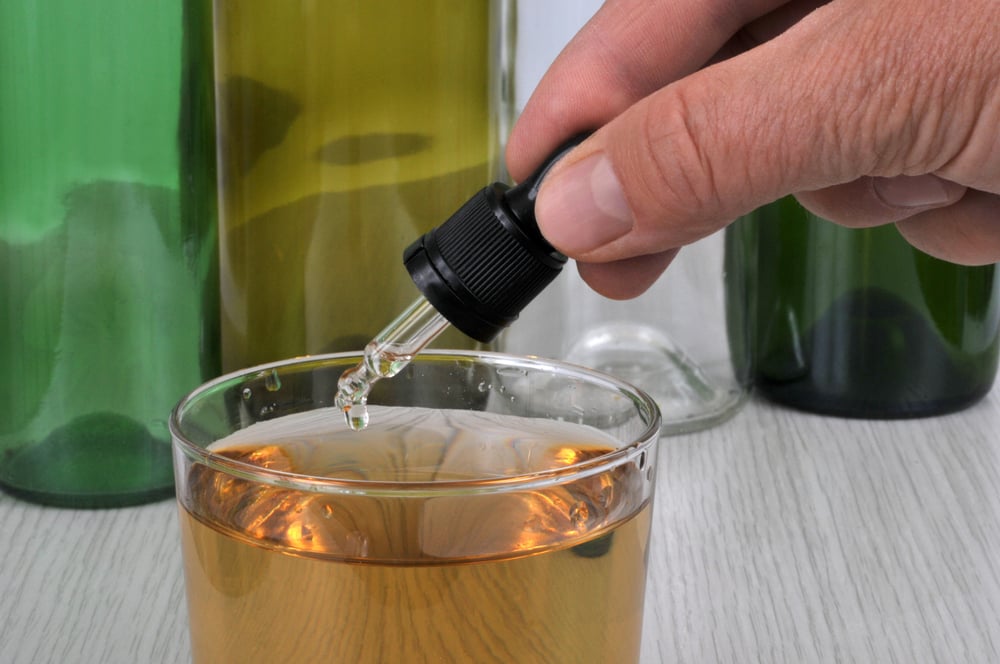
This chemical sells for about $2,500 per liter in medical contexts—roughly $10,000 per gallon. Doctors prescribe it for narcolepsy under the brand name Xyrem.
It helps patients stay awake during the day by improving nighttime rest. The compound also has a darker reputation.
People use it recreationally for its effects, and it’s been involved in assault cases. The dual nature means strict controls and high prices.
Every prescription gets tracked, every shipment monitored. Manufacturing GHB isn’t particularly difficult from a chemistry standpoint.
The price reflects legal controls and limited legitimate demand. Most people with narcolepsy need only small amounts, and other treatments often work first.
The pharmaceutical company that makes Xyrem has a monopoly on legal GHB, which keeps prices elevated.
Perfume Base Notes
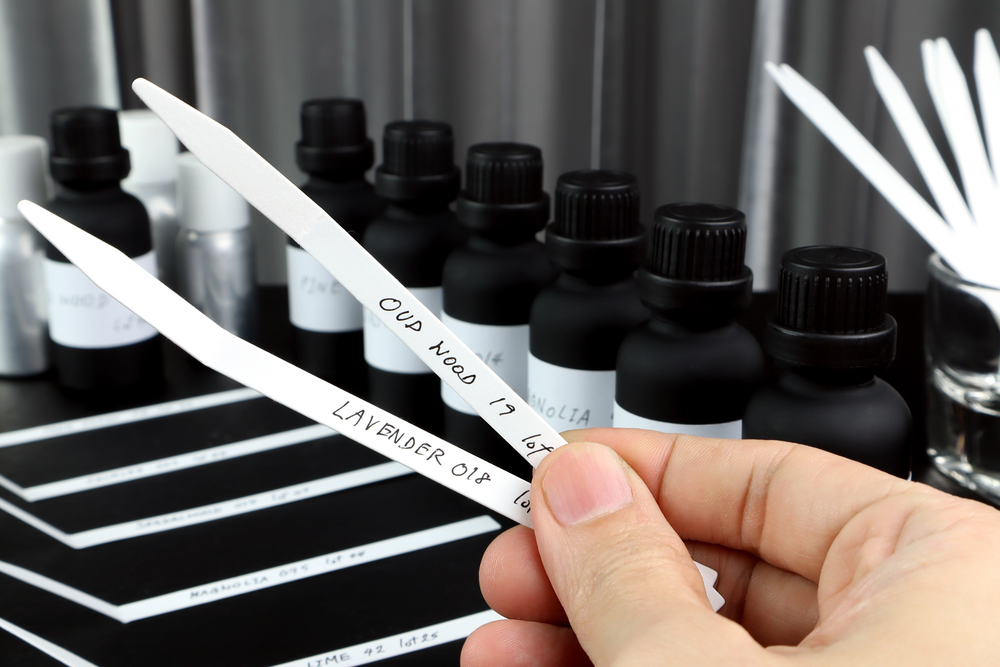
The raw materials that make up luxury perfumes cost staggering amounts. Real ambergris—a waxy substance from sperm whale intestines—can sell for $10,000 per pound when you find it.
Natural musk from deer glands costs even more. Oud oil from agarwood trees runs about $5,000 per pound.
These ingredients form the base notes of expensive perfumes. They last longest on your skin and give fragrances their depth.
Synthetic versions exist and work well, but luxury brands insist on natural materials to justify premium prices. The supply of natural ingredients keeps shrinking.
Hunting musk deer is banned in most places. Sperm whales are protected.
Agarwood trees take years to develop the fungal infections that produce oud. As these materials become scarcer, prices keep rising.
Perfume houses hoard their supplies and reformulate fragrances rather than admit they’re using substitutes.
Aviation Fuel for Research
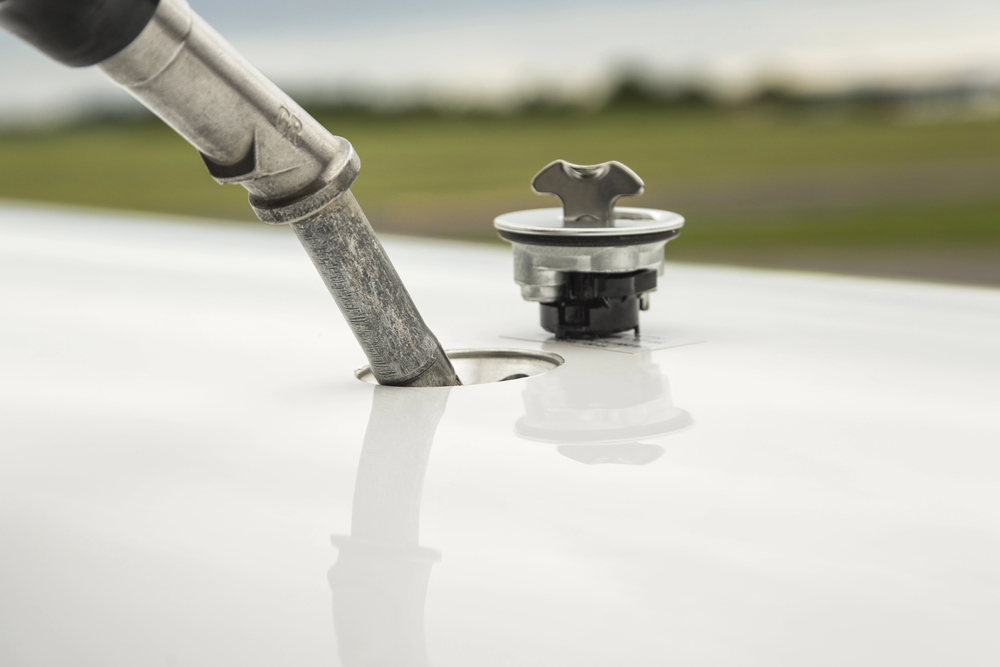
Specialty jet fuels for testing and research can cost $30 to $60 per gallon. These aren’t the fuels your commercial flight uses.
They’re custom blends with specific properties, made in small batches for engine testing, military research, or specialty aircraft. Creating these fuels requires precise chemistry.
Researchers need fuels that perform consistently across temperature ranges, resist degradation, or test how engines handle different compositions. Each batch gets certified and documented.
Quality control costs more than the fuel itself sometimes. The aerospace industry burns through these specialty fuels during development programs.
Testing a new engine design or fuel efficiency improvement means running hundreds of test flights. Those costs add up quickly, but they’re necessary to ensure safety and performance before any plane carries passengers.
Patchouli Oil
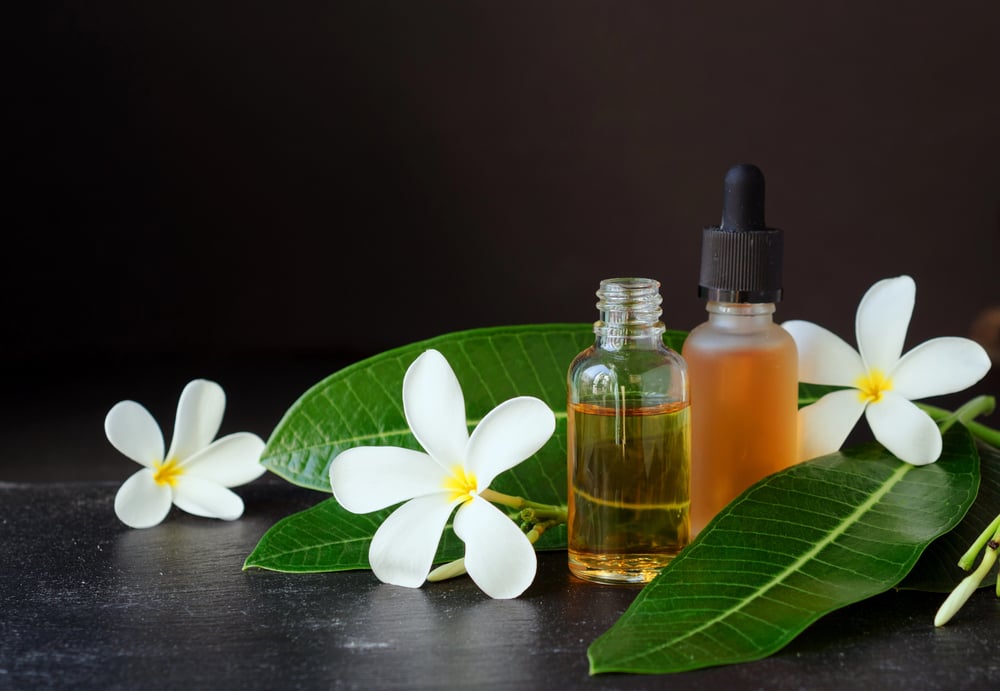
High-quality patchouli essential oil costs about $600 per pound, roughly $1,200 per gallon. The oil comes from the leaves of patchouli plants grown mainly in Indonesia, India, and China.
Steam distillation extracts the oil, but you need massive amounts of plant material to produce small quantities. Perfume makers value patchouli for its earthy, lasting scent.
The oil improves with age, unlike most essential oils that degrade. Bottles that sit for years develop richer, more complex aromas.
Perfumers often blend vintage patchouli from their private stocks, treating it like fine wine. The price stays high because demand outpaces supply.
Fashion houses want natural patchouli, not synthetic substitutes. The plants need specific growing conditions and take time to mature.
Farmers in producing countries can make decent money growing patchouli, but they’re at the mercy of global market fluctuations and weather patterns that affect yield.
Pharmaceutical Compounds

A single liter of experimental medicine might run from fifty to a hundred thousand dollars while still in testing. Through tubes in lab rooms at universities and drug companies, these fluids move quietly – treatments not yet given to anyone.
What sits inside those vials could change lives one day, though right now it only waits. A few batches mean high costs per liter, simply because machines and specialists do not scale down.
Though the tank size changes, the team and tools stay just as involved. Each run still demands full paperwork, analysis, measure after measure.
Spreading setup expenses over tiny volumes keeps prices steep. Some of these substances never make it to stores.
Trials stop them cold, strange reactions pop up, yet others simply underperform. Costly breakthroughs cover the losses piling up behind them – this is where high drug prices come from.
Still, every litre tested holds decades of effort, stacks of funding poured in long before approval.
What Money Buys
A single drop can mean survival. Meanwhile, certain fluids cater to extravagant habits or keep factories running.
Some slip through cracks in the law, others are banned completely. Price tags define them more than purpose ever could.
What something costs reveals hidden layers – shortages, dangers, what people crave. Values shift based on what we care about, shaping entire market systems.
When you top off that ink cartridge or dab on fragrance, think differently: these fluids outrank gold, beat silver, surpass the high-grade fuel going into your vehicle.
More from Go2Tutors!

- The Romanov Crown Jewels and Their Tragic Fate
- 13 Historical Mysteries That Science Still Can’t Solve
- Famous Hoaxes That Fooled the World for Years
- 15 Child Stars with Tragic Adult Lives
- 16 Famous Jewelry Pieces in History
Like Go2Tutors’s content? Follow us on MSN.