15 Strangest Edible Insects People Eat
While most people in Western countries might cringe at the thought of munching on insects, about 2 billion people worldwide regularly consume insects as part of their diet. From crunchy crickets to slimy grubs, these protein-packed critters have been feeding humans for thousands of years. What might seem weird to some is actually a normal, nutritious meal for others.
The world of edible insects is vast and fascinating, with some pretty unusual choices on the menu. Here is a list of 15 of the strangest edible insects that people actually eat around the globe.
Fried Tarantulas

In Cambodia, particularly in the town of Skuon, fried tarantulas are a popular snack that tourists and locals alike enjoy. These palm-sized arachnids, known locally as ‘a-ping,’ aren’t technically insects but have earned their place on this list due to their popularity as street food. The practice likely began during the harsh Khmer Rouge years when people ate whatever they could find to survive, but the spiders turned out to be surprisingly tasty. The taste has been described as bland, ‘rather like a cross between chicken and cod,’ with a crispy exterior and soft interior.
Mopane Worms
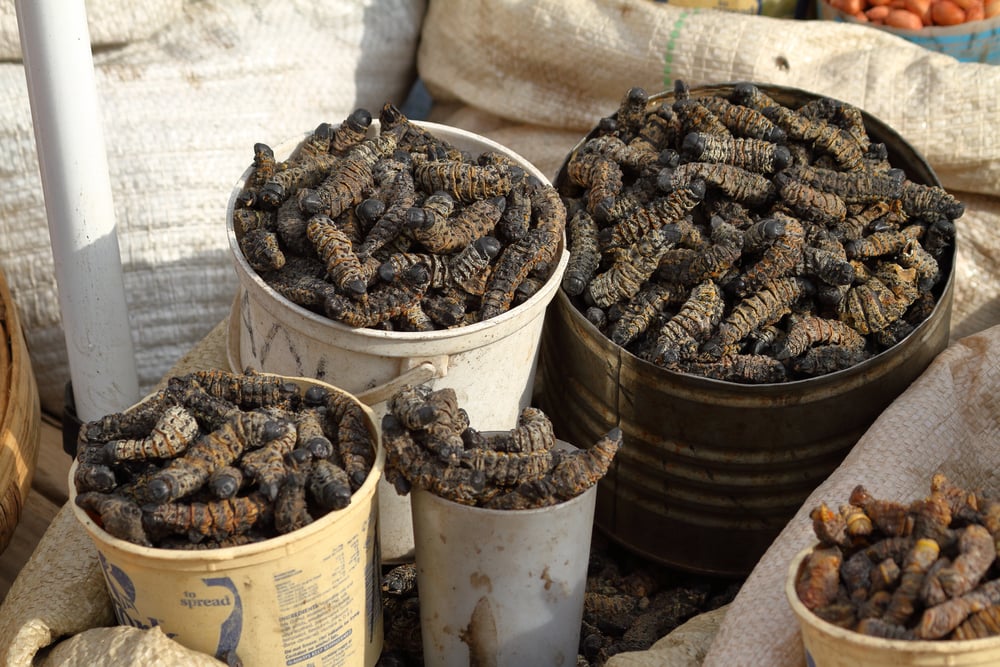
Despite their name, mopane worms are actually the caterpillars of the emperor moth and are an important source of protein for many people in southern Africa. These finger-length caterpillars contain 60% protein and significant amounts of phosphorus, iron and calcium, making them an unrivaled source of free nutrition. They can be eaten dried as a crispy snack or cooked in stews, with some people comparing their taste to jerky or well-done steak.
Witchetty Grubs
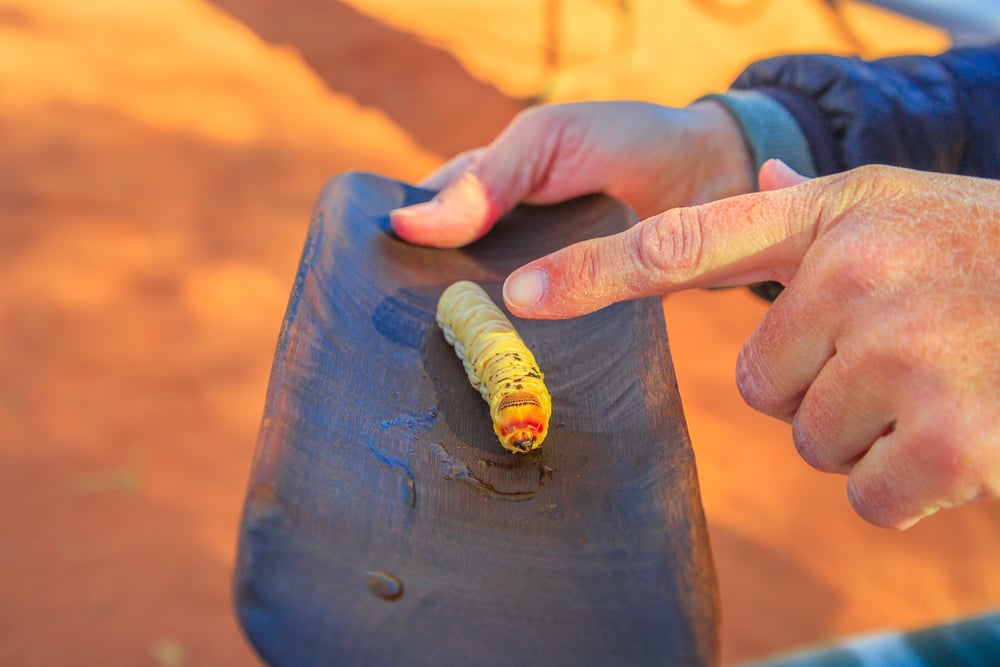
The witchetty grub is the most important insect food of the Australian desert and has been a staple in Aboriginal diets for thousands of years. These large, white, wood-eating larvae taste similar to almonds when raw, but when cooked, the skin becomes crisp like roast chicken while the inside becomes light yellow and tastes like scrambled eggs or chicken. Aboriginal children have traditionally been seen running around with witchetty grubs dangling from their mouths, much like other kids might with candy.
Escamoles
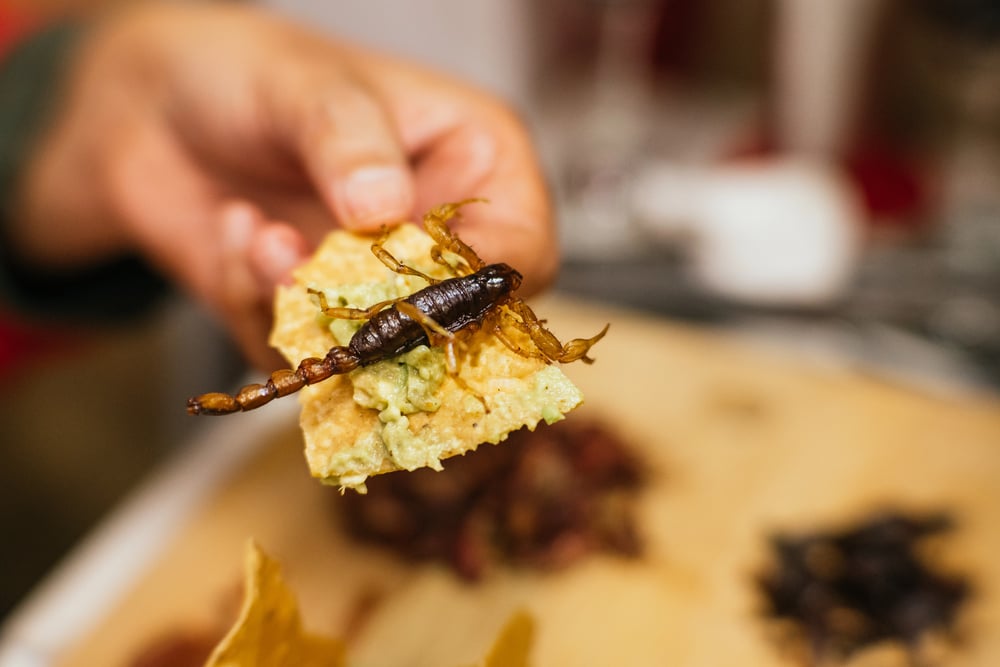
Often called ‘Mexican caviar,’ escamoles are the edible larvae and pupae of ants that have been consumed in Mexico since the age of the Aztecs. The taste is described as buttery and nutty, with a texture similar to cottage cheese. These tiny white eggs can cost between $35 to $100 per kilogram, making them a true luxury ingredient. They’re typically fried with butter and served in tacos or omelets.
Silkworm Pupae
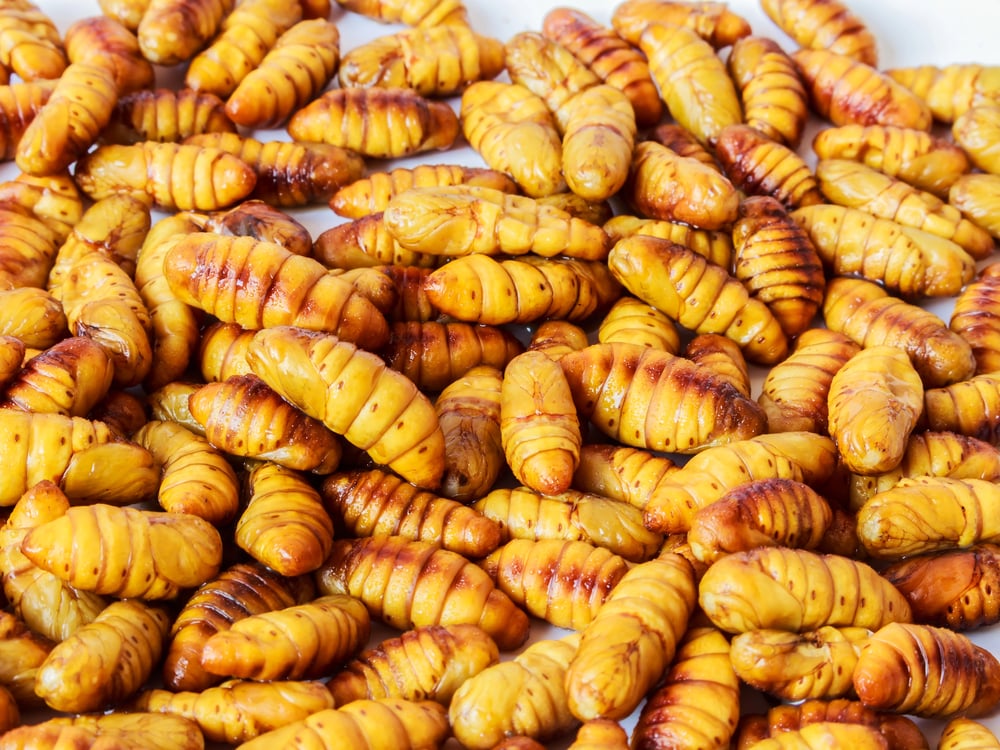
In many Asian countries, particularly Thailand, silkworm pupae (known as ‘non mai’) are commonly sold at traditional markets. These protein-rich morsels are typically boiled or deep-fried and have a nutty, earthy flavor. When eaten, they taste creamy and mild, making them surprisingly palatable for first-time insect eaters.
Cicadas
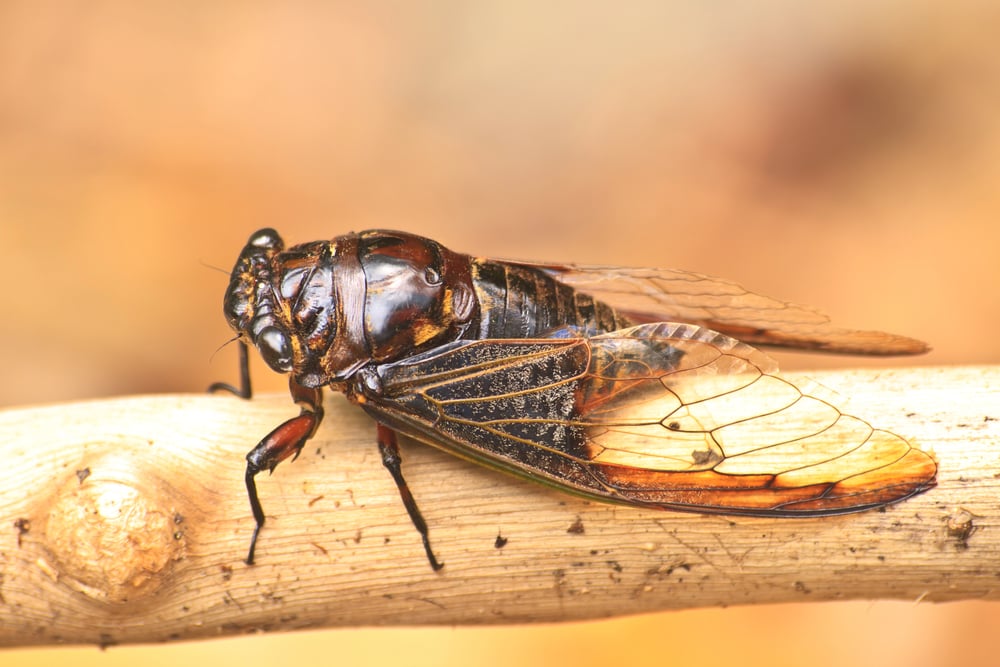
Cicadas are among the insects eaten around the world and are particularly popular in certain cultures. Ancient Romans and Greeks consumed cicadas, and there are references to their consumption in classical literature. These large, noisy insects are typically prepared by removing the wings and legs, then frying or roasting them until crispy. They’re said to have a shrimp-like taste with a satisfying crunch.
Giant Water Bugs

Aquatic edible insects such as water bugs have a fish-like flavor, which makes sense given their aquatic environment. In Thailand and other Southeast Asian countries, these palm-sized insects are considered a delicacy. They’re usually steamed or fried and eaten whole, though some people prefer to extract just the meat from inside the shell. The flavor is often compared to crab or lobster.
Honeypot Ants

These unusual ants have specialized workers called repletes whose abdomens swell with honey-like nectar. In various cultures, these honey-filled ants are sought after as a sweet treat. The honey-filled abdomen bursts with sweet liquid when bitten, providing both protein from the ant and natural sugar from the stored nectar. They’re particularly prized by Aboriginal Australians and some Native American tribes.
Grasshoppers and Crickets
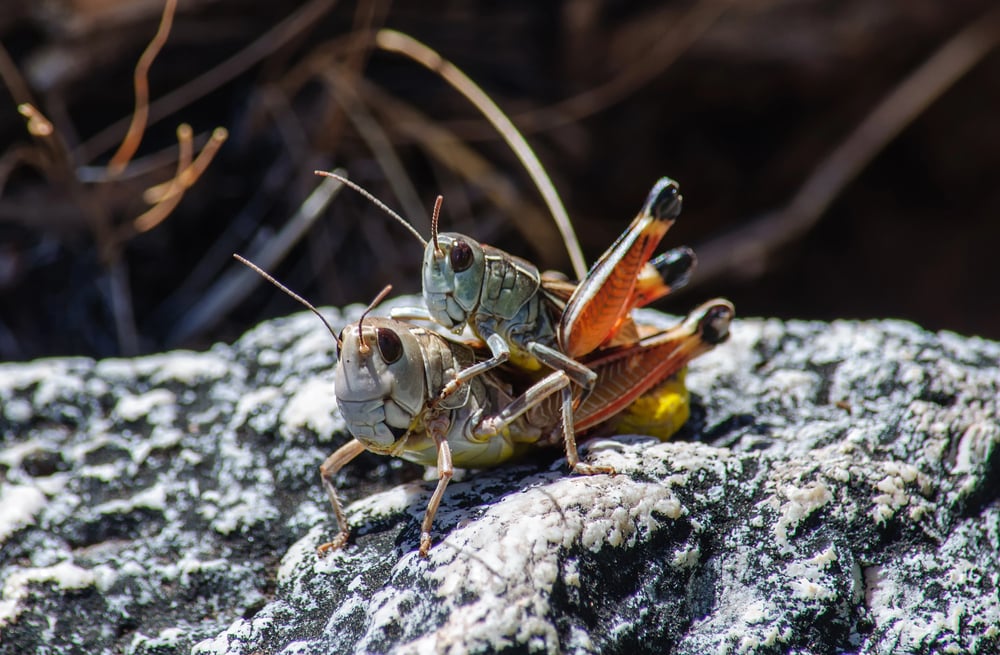
Grasshoppers, crickets and mealworms are rich in protein and contain significantly higher sources of minerals such as iron, zinc, copper, and magnesium than beef. In Thailand, traditional markets often have stalls selling deep-fried grasshoppers and crickets. They’re typically seasoned with salt, pepper, or chili and have a nutty, crunchy texture that many compare to roasted nuts or popcorn.
Termites

Flying termites, particularly the reproductive castes that emerge during certain seasons, are considered delicacies in many African countries. Termites are among the insects commonly consumed, with 39 termite species recorded as edible. They can be eaten raw, roasted, or fried and are said to taste nutty with a slight sweetness. In some cultures, they’re ground into flour for baking.
Bamboo Worms
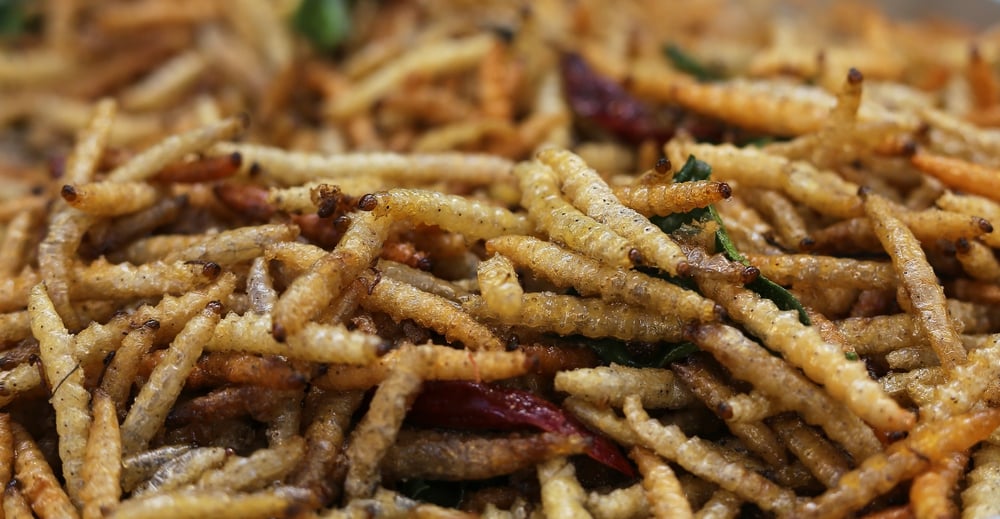
Bamboo worms are among the various species of caterpillar consumed as food. Popular in Thailand and other Southeast Asian countries, these small worms are actually moth larvae that bore into bamboo shoots. They’re typically deep-fried until crispy and seasoned with salt or spices. The taste is often described as similar to corn nuts with a slightly sweet aftertaste.
Diving Beetles

Diving beetles taste more like clams than you might expect, making them a unique addition to the insect menu. These aquatic beetles are popular in parts of Asia, where they’re often fried or boiled. The meat inside the hard shell is tender and has a surprisingly seafood-like flavor, which makes sense given their aquatic lifestyle.
Stink Bugs
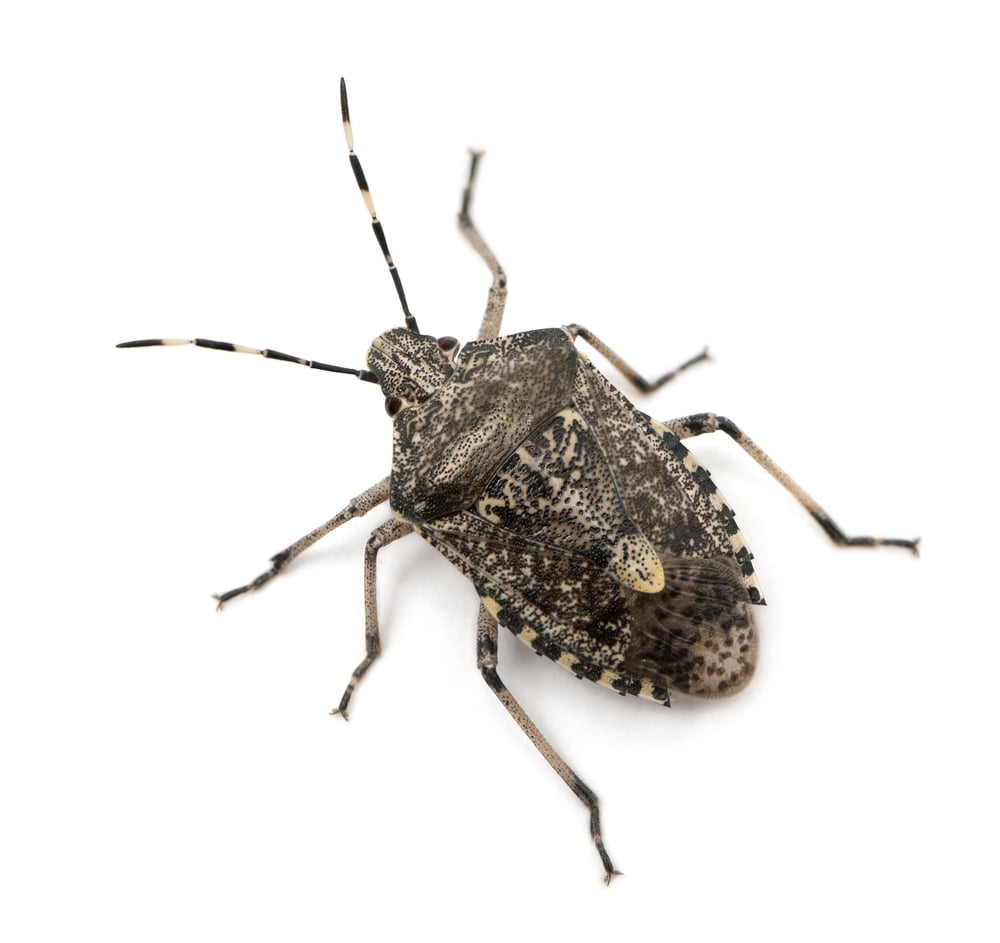
Despite their off-putting name, certain species of stink bugs are actually edible and consumed in various parts of the world. Stink bugs are among the insects with documented consumption, and allergies from eating them have been reported. When properly prepared by removing their scent glands, they can taste nutty or even apple-like. They’re often roasted or fried to eliminate any unpleasant odors.
Dragonflies
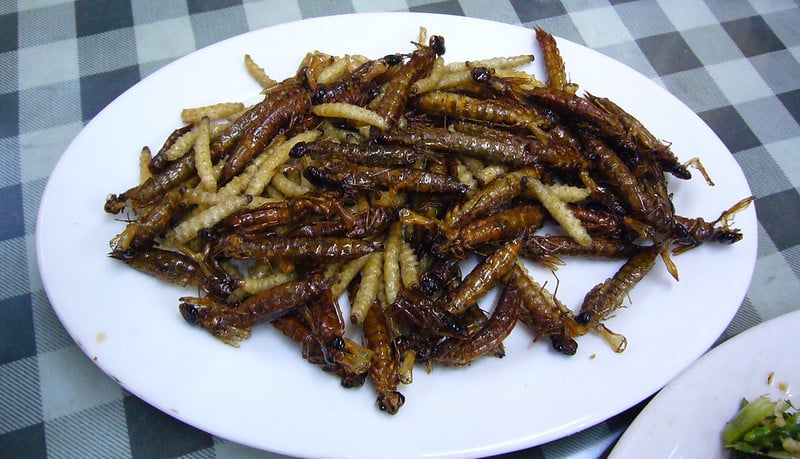
There are 20 dragonfly species recorded as edible insects. In some parts of Asia and Africa, dragonflies are caught and prepared as food. The wings are usually removed, and the bodies are fried or roasted. Dragonflies and damselflies contain about 55% protein on a dry basis, making them quite nutritious. They’re said to have a light, almost chicken-like flavor.
Army Worms
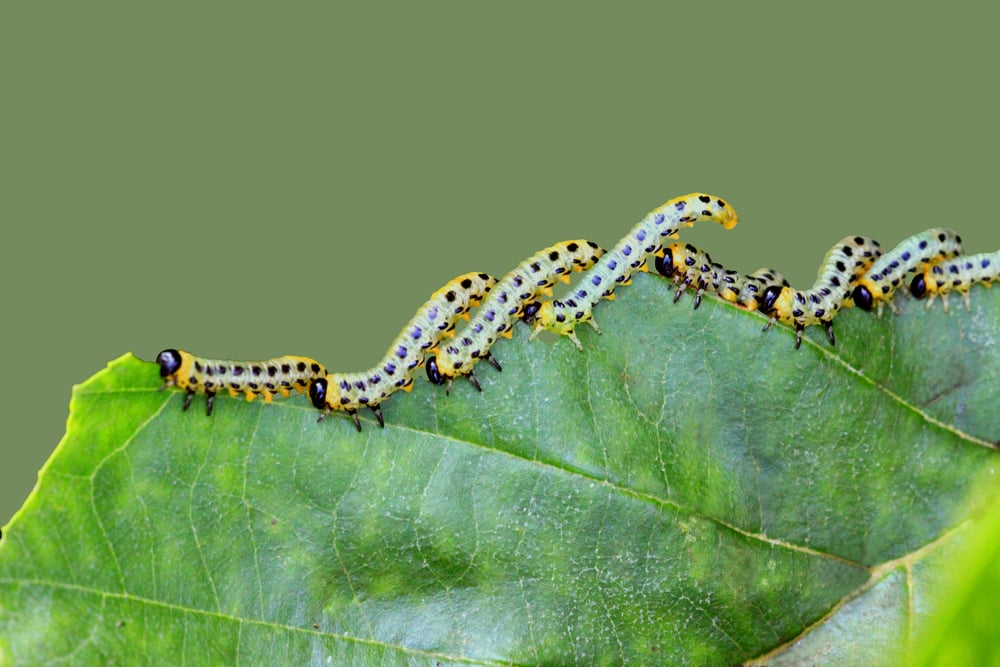
These caterpillars get their name from their habit of traveling in large groups, like an army on the march. In some African countries, army worms are collected during their seasonal appearances and prepared as food. They’re typically dried, roasted, or fried and are considered a good source of protein during times when other foods might be scarce. The taste is often described as earthy with a slightly bitter aftertaste.
From Survival Food to Gourmet Cuisine
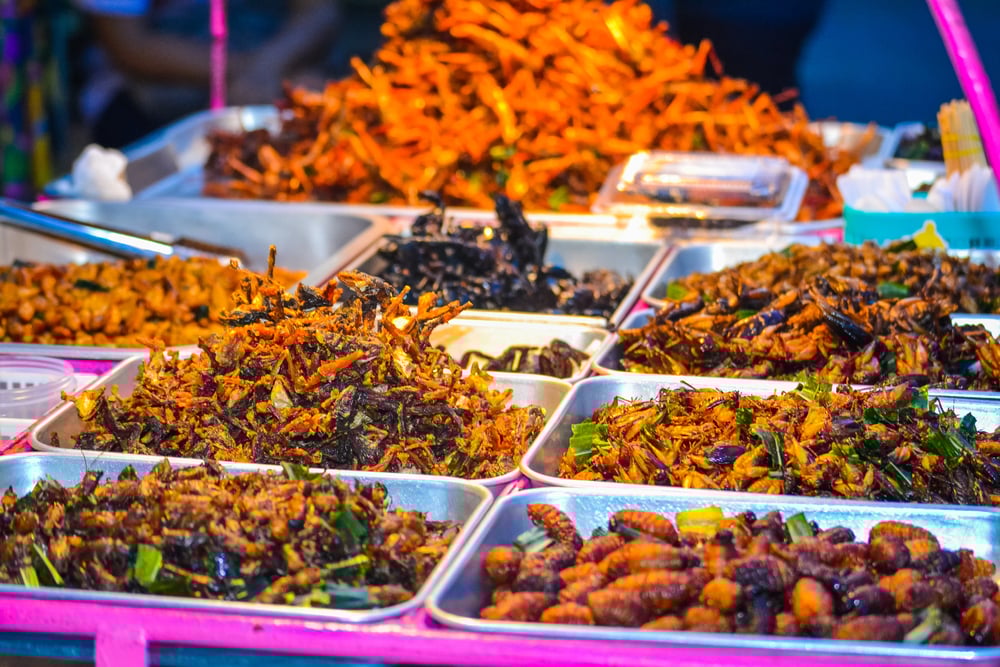
What’s fascinating about this list is how many of these insects started as survival foods during difficult times but evolved into beloved cultural delicacies. Tarantulas in Cambodia likely began as desperation food during the Khmer Rouge period, while witchetty grubs have been sustaining Aboriginal Australians through harsh desert conditions for thousands of years. Today, many of these insects are appearing on upscale restaurant menus and gaining recognition as sustainable protein sources. With the world’s population expected to reach 9 billion by 2050, insects may become an increasingly important part of our global food system, transforming from ‘strange’ foods into mainstream nutrition solutions.
More from Go2Tutors!

- The Romanov Crown Jewels and Their Tragic Fate
- 13 Historical Mysteries That Science Still Can’t Solve
- Famous Hoaxes That Fooled the World for Years
- 15 Child Stars with Tragic Adult Lives
- 16 Famous Jewelry Pieces in History
Like Go2Tutors’s content? Follow us on MSN.