15 Style Rules Jackie Kennedy Broke
Jacqueline Kennedy is remembered as one of America’s most stylish First Ladies, but her impeccable reputation came from consistently breaking the fashion rules of her era. While most women of the 1960s followed strict dress codes and conservative guidelines, Jackie forged her own path with bold choices that shocked society columnists and delighted fashion editors. Here’s a list of fifteen major style conventions that Jackie Kennedy shattered, transforming American fashion in the process.
Wearing White After Labor Day
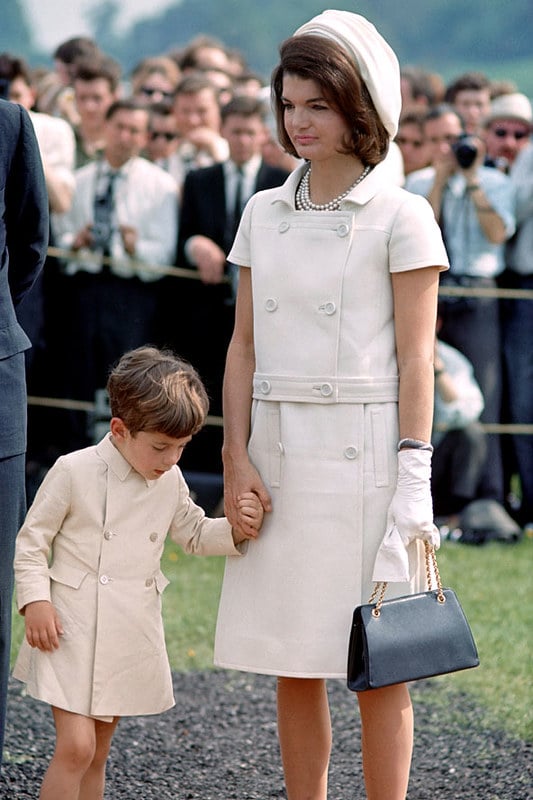
The cardinal rule of mid-century fashion stated that white belonged only to summer months. Jackie ignored this completely.
She wore crisp white coats in November, ivory gowns to winter galas, and snow-white suits well into October. Her famous white Oleg Cassini coat, worn during a December state visit, caused fashion editors to clutch their pearls. But Jackie looked stunning, and suddenly white became acceptable year-round.
Showing Bare Arms at Formal Events
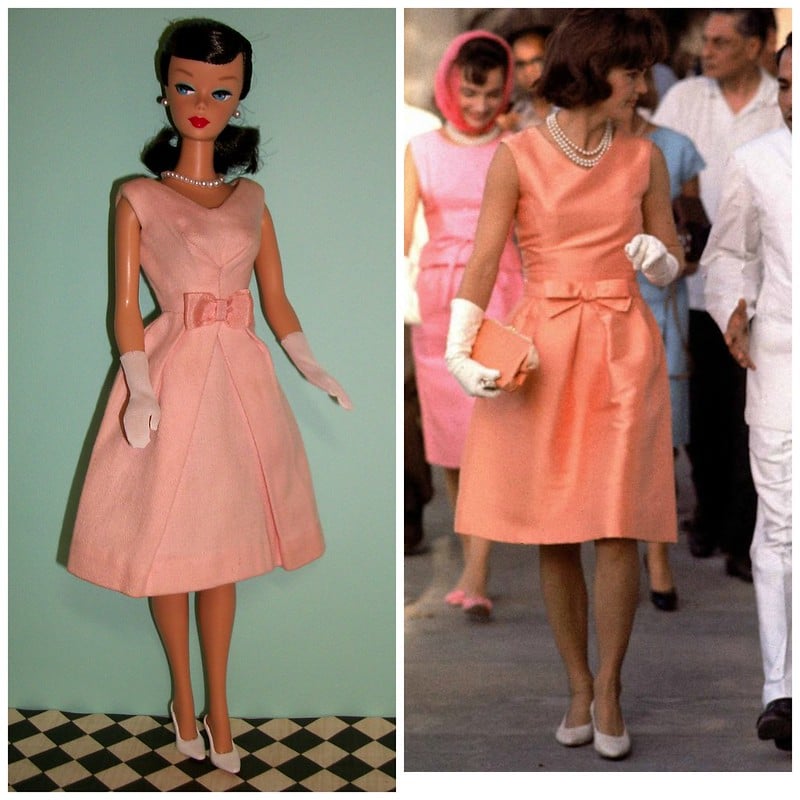
Evening gowns traditionally required gloves or long sleeves for proper ladies. Jackie preferred sleeveless designs that showed off her toned arms. Her strapless pink Cassini gown at a 1962 White House dinner left society matrons gasping.
Even so, she made bare arms look elegant rather than improper. The fashion press initially criticized her “immodest” choices, then started copying them. Within two years, sleeveless formal wear became the new standard.
Mixing High and Low Fashion
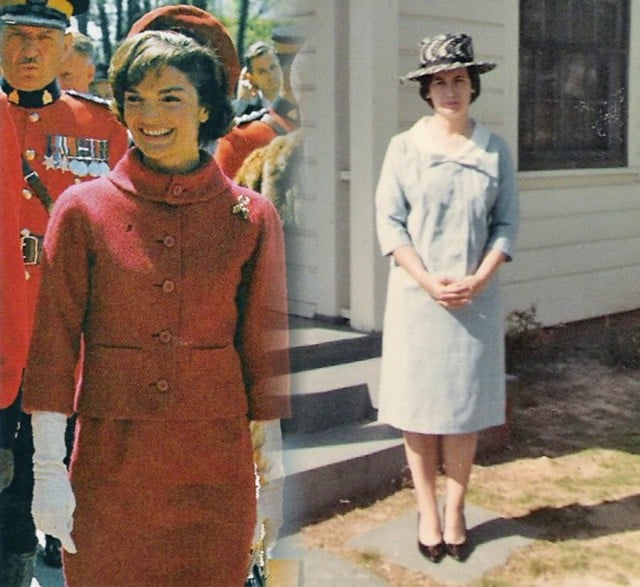
Wealthy women were expected to wear only designer pieces from head to toe. Jackie mixed Chanel suits with department store accessories, paired custom gowns with drugstore jewelry, and wore inexpensive scarves with couture coats.
She once famously wore a $29 dress from Chez Ninon to a state dinner. Nobody could tell the difference. Her approach democratized fashion in ways that horrified traditionalists but thrilled ordinary women who suddenly felt permission to mix expensive and affordable pieces.
Skipping Hats for Evening
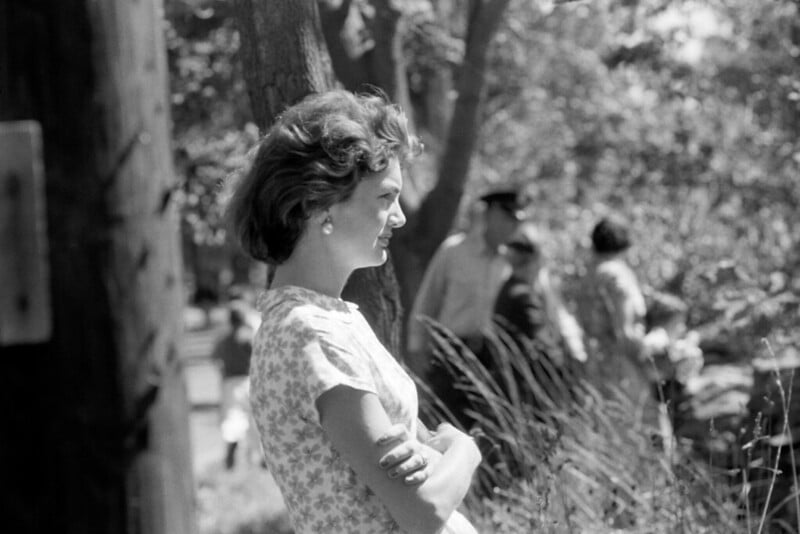
Formal evening events required elaborate headpieces or at least decorative hair accessories. Jackie appeared hatless at countless white-tie dinners and embassy receptions. Her perfectly coiffed bouffant became her signature instead.
The hat industry panicked. Sales dropped dramatically as women followed Jackie’s lead. But her sleek, unadorned hairstyles looked refreshingly modern compared to the fussy confections other ladies balanced on their heads.
Wearing Casual Clothes to Semi-Formal Events

— Photo by melanjurga
Jackie showed up to art gallery openings in simple shift dresses when others wore elaborate cocktail attire. She attended charity luncheons in understated suits while other attendees sported full formal regalia.
Not exactly rebellious by today’s standards. But in the early 1960s, underdressing was considered deeply disrespectful. Jackie made simplicity seem sophisticated rather than careless.
Choosing Bright Colors for Daytime
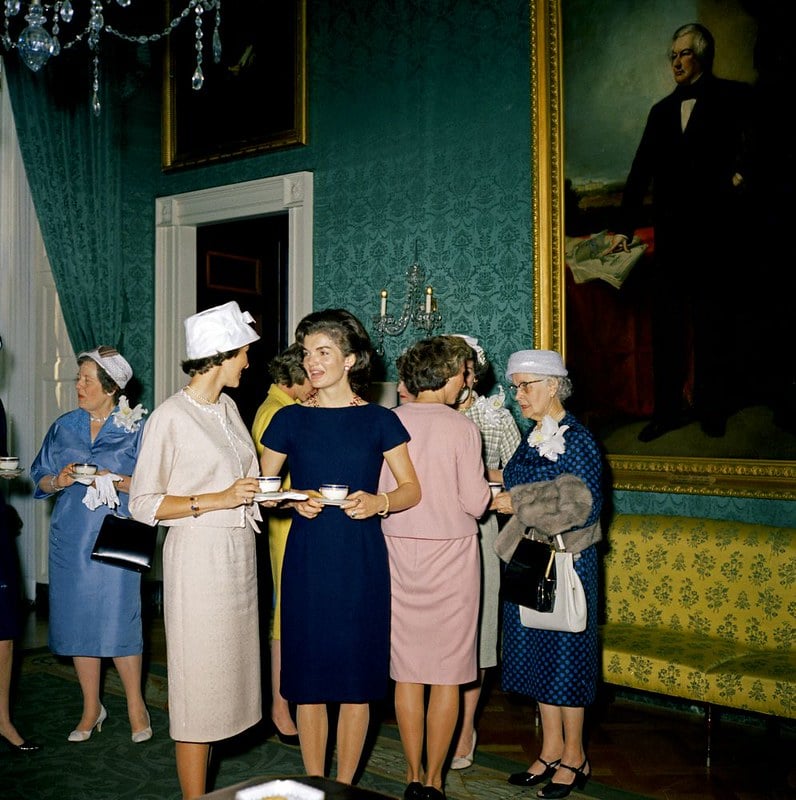
Respectable ladies wore muted tones during daylight hours – navy, beige, gray, and brown dominated proper wardrobes. Jackie embraced shocking pink, electric blue, sunshine yellow, and emerald green for morning events and afternoon appearances.
Her hot pink Chanel suit in India caused international headlines. Some called it inappropriate; others called it magnificent. The controversy didn’t bother Jackie, who continued wearing bold hues that photographers loved and conservative critics despised.
Ignoring Seasonal Color Rules
— Photo by melanjurga
Fashion magazines dictated specific color palettes for each season:
- Pastels for spring
- Bright whites and blues for summer
- Earth tones for autumn
- Deep jewel tones for winter
Jackie wore whatever colors she pleased, whenever she pleased. She paired winter white with autumn leaves, donned spring pastels in December, and made every season work for her personal palette. Revolutionary stuff for the buttoned-up 1960s.
Showing Her Legs
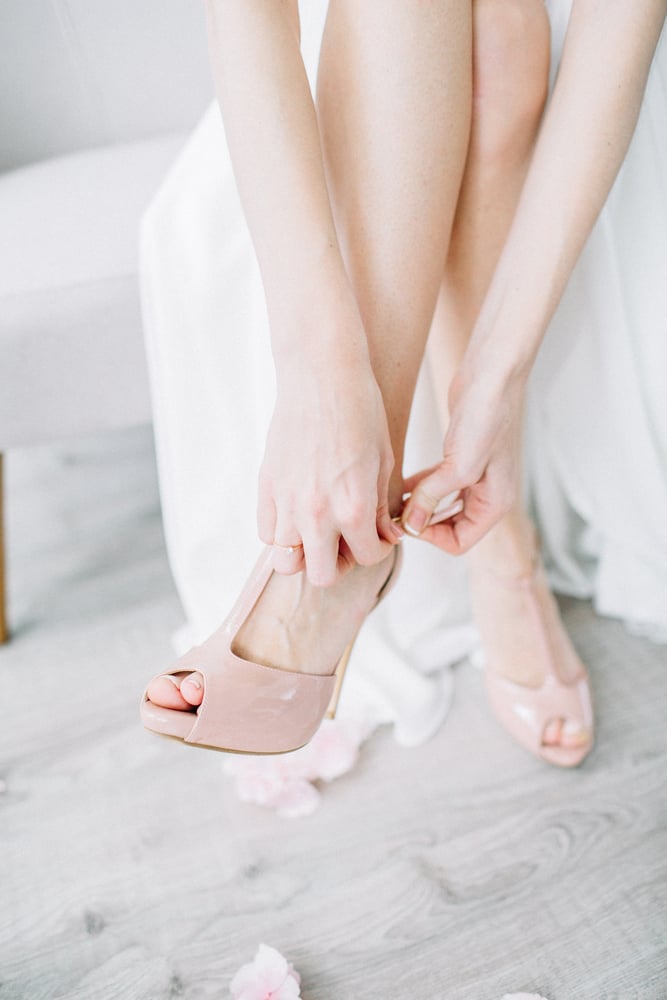
Hemlines in the early 1960s hit well below the knee for respectable women. Jackie’s skirts consistently landed at or slightly above the knee, revealing her famously long legs. Conservative fashion editors called her hemlines “scandalous.”
Still, photographers couldn’t stop capturing those legs. Jackie’s influence helped usher in the mini-skirt revolution that defined the mid-1960s, though she herself preferred moderate above-the-knee lengths.
Wearing Pants in Public
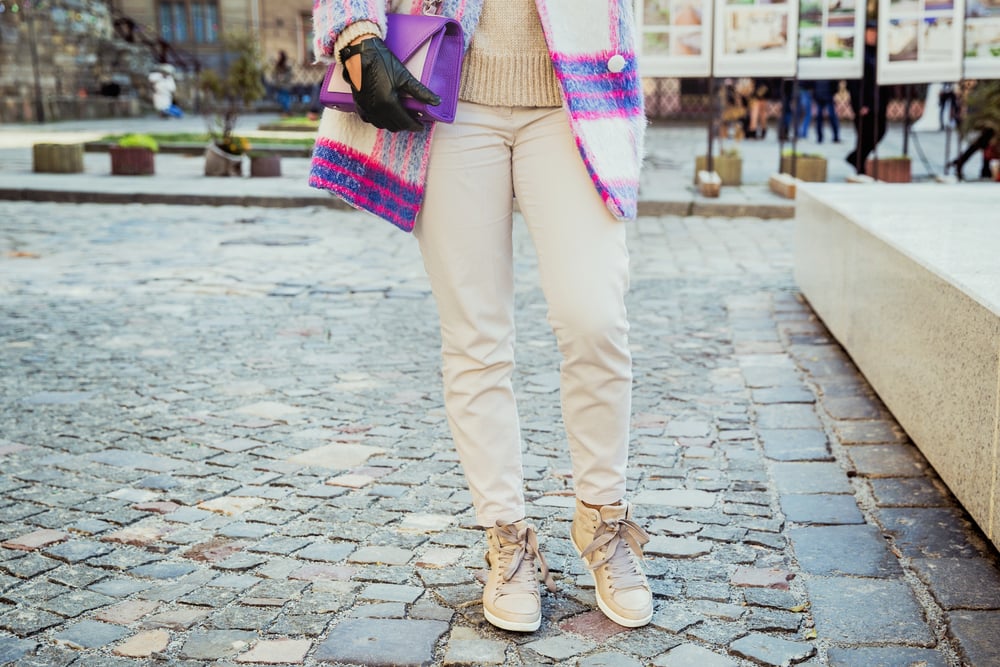
Ladies didn’t wear trousers outside their homes except for specific sporting activities. Jackie appeared in public wearing elegant palazzo pants, fitted capris, and tailored slacks for casual outings and even some semi-formal events.
The sight of the First Lady in pants caused genuine shock. Newspaper editorials debated whether trouser-wearing was appropriate for someone in her position. Jackie didn’t care – she looked fantastic and felt comfortable.
Skipping Undergarments
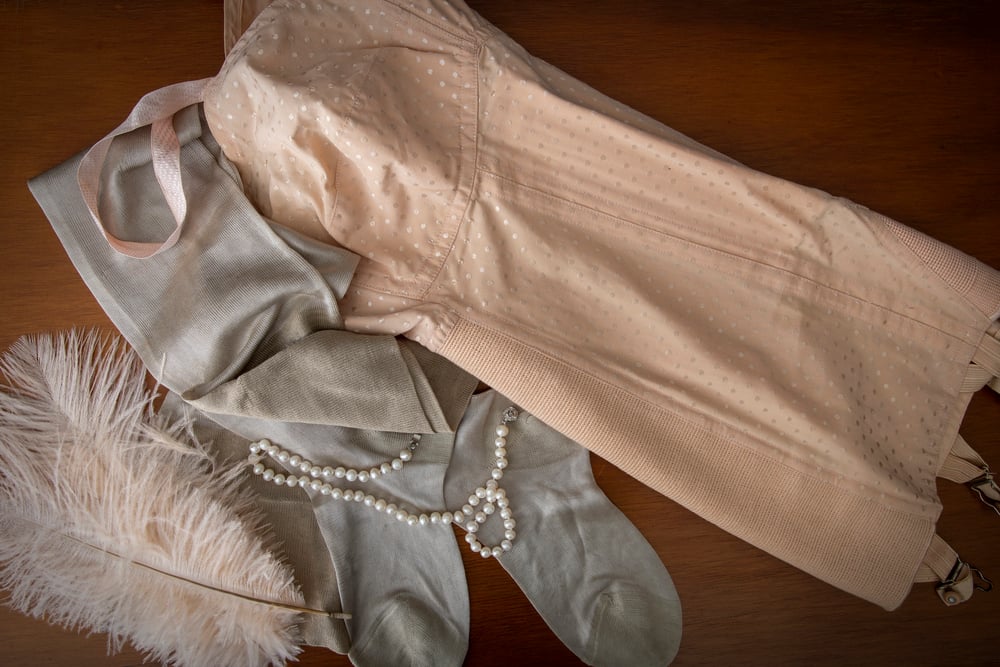
The proper 1960s silhouette required structured undergarments – girdles, slips, and heavily padded bras that created specific shapes under clothing. Jackie often went braless under evening gowns and skipped slips under lightweight dresses.
Her natural silhouette looked refreshingly modern compared to the armor-like undergarments other women endured. This choice required confidence and perfect posture, both of which Jackie possessed in abundance.
Repeating Outfits in Public
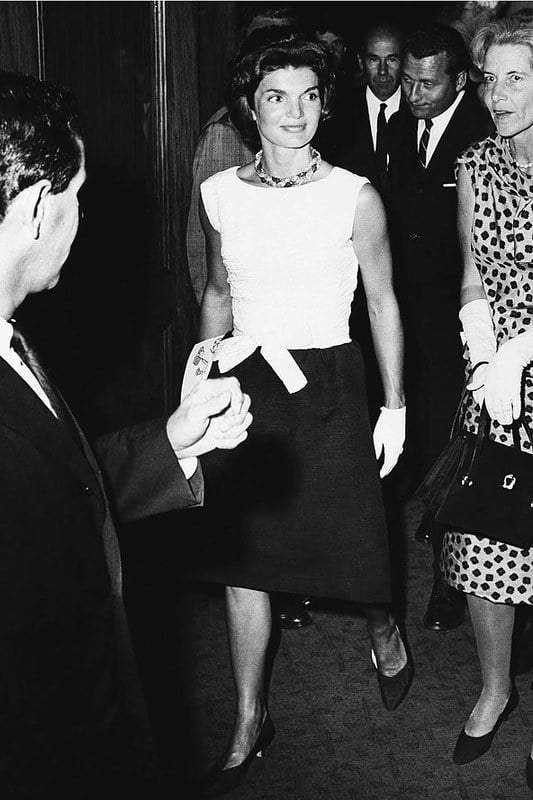
Wealthy socialites never appeared in the same outfit twice at public events. Jackie wore her favorite pieces repeatedly, sometimes appearing in identical outfits at different functions within the same month.
Her pink Chanel suit became practically famous through repetition. But instead of looking cheap or careless, Jackie made outfit repetition seem chic and practical. Why shouldn’t you wear something beautiful more than once?
Wearing Sunglasses Indoors
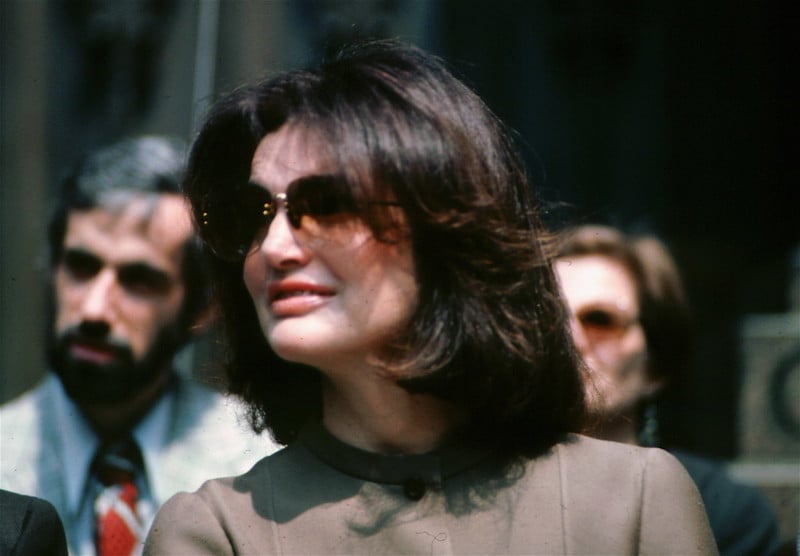
Sunglasses belonged outdoors only, and removing them indoors was basic politeness. Jackie kept her oversized dark glasses on during indoor events, museum visits, and even some formal receptions.
The look became iconic. Those enormous sunglasses added mystery and glamour while protecting her from constant scrutiny. Soon, women everywhere were copying her indoor sunglasses habit, much to their mothers’ horror.
Choosing Comfort Over Convention
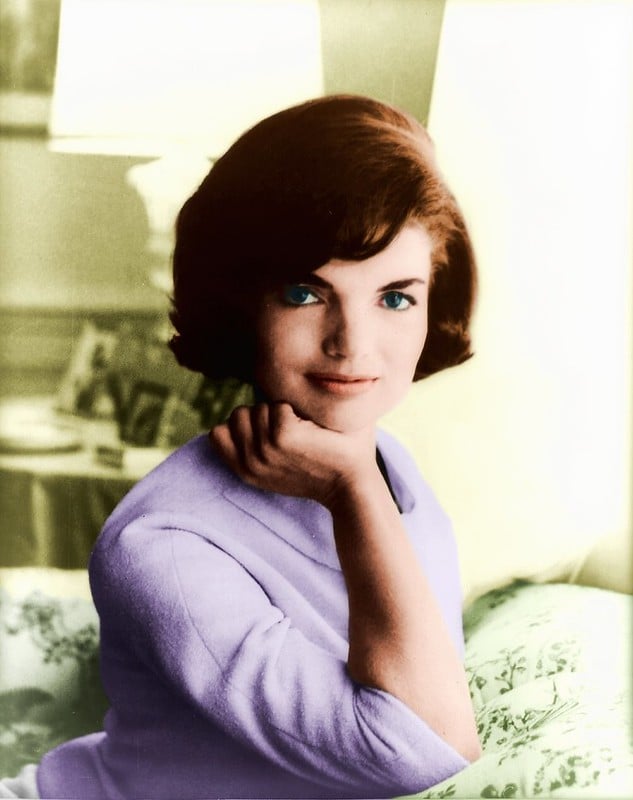
Fashion rules prioritized appearance over comfort – tight-fitting clothes, pointed-toe shoes, and restrictive undergarments were standard. Jackie selected comfortable, well-fitted pieces that allowed natural movement and genuine ease.
She wore flat shoes when others tottered in heels, chose flowing fabrics over stiff ones, and prioritized clothes that moved beautifully rather than just looked impressive while standing still. Comfort became fashionable because Jackie made it so.
Ignoring Age-Appropriate Dressing
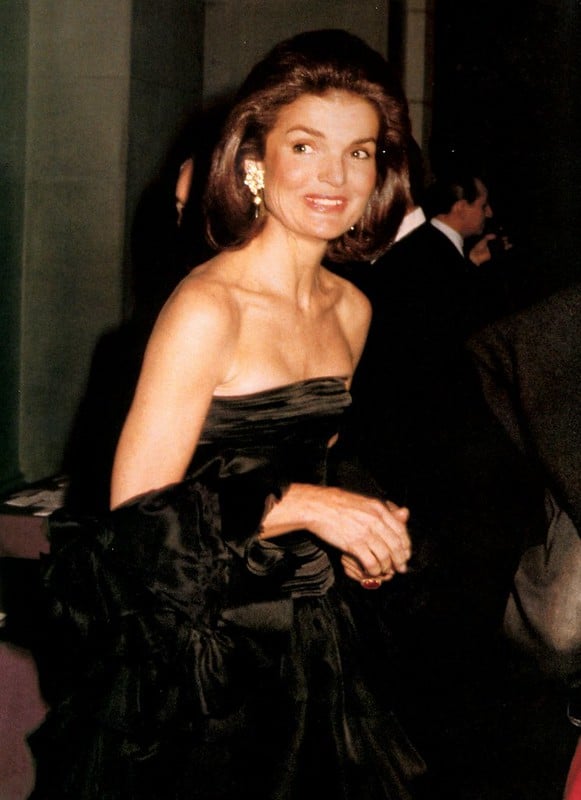
Women in their thirties were expected to dress more conservatively than younger ladies – darker colors, longer hemlines, more coverage overall. Jackie at thirty-one dressed with the same bold confidence she’d shown in her twenties.
Her youthful choices kept her looking vibrant and contemporary while other women her age seemed prematurely matronly. Age became irrelevant when style was executed with enough confidence and grace.
Mixing Formal and Informal Elements
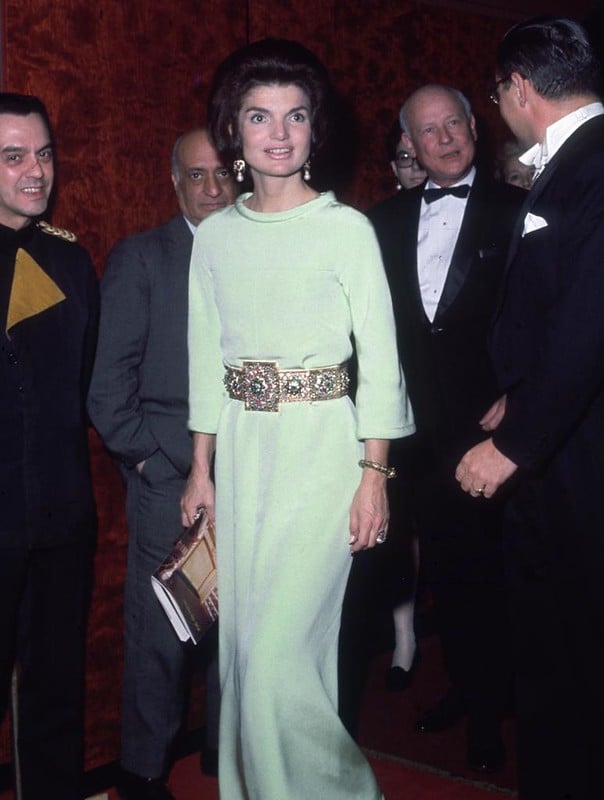
Strict fashion rules prohibited mixing formal and casual pieces in single outfits. Jackie paired evening jewelry with day dresses, wore casual shoes with formal suits, and mixed textures and formality levels that made traditional fashion experts nervous.
A pearl necklace with a simple sweater. Diamond earrings with a cotton sundress. Her ability to blend high and low, formal and casual, created entirely new ways of thinking about getting dressed. These combinations looked effortless but required sophisticated understanding of proportion, color, and style.
The Power of Breaking Rules

Jackie Kennedy’s greatest fashion legacy wasn’t any single outfit or designer collaboration – it was her fearless approach to personal style that ignored arbitrary rules in favor of what looked beautiful, felt authentic, and served her own vision of elegance.
More from Go2Tutors!

- 16 Historical Figures Who Were Nothing Like You Think
- 12 Things Sold in the 80s That Are Now Illegal
- 15 VHS Tapes That Could Be Worth Thousands
- 17 Historical “What Ifs” That Would Have Changed Everything
- 18 TV Shows That Vanished Without a Finale
Like Go2Tutors’s content? Follow us on MSN.