Music Videos That Broke Records
Music videos started as simple promotional tools but grew into something nobody predicted. What began as a way to sell singles turned into an art form that could make or break careers, spark global movements, and rewrite the rules of entertainment.
Some videos didn’t just succeed—they shattered every benchmark in their path.
Thriller Changed Everything About Production
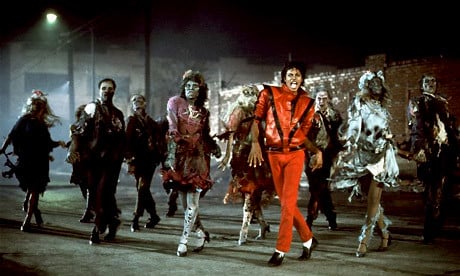
Michael Jackson’s “Thriller” wasn’t just a music video. It was a 14-minute short film that cost $500,000 to produce in 1983. That budget sounds quaint now, but back then it was unheard of for a music video.
John Landis directed it like a Hollywood production, complete with zombie choreography and makeup effects that rivaled feature films. The gamble paid off beyond anyone’s expectations.
MTV played it constantly. VHS copies sold by the millions.
It became the template that showed the industry how much money you could pour into these things and still come out ahead. Every elaborate music video that came after owes something to what Jackson and Landis proved possible.
Gangnam Style Became the First Billion-View Video

When Psy released “Gangnam Style” in July 2012, nobody outside South Korea knew who he was. By December, his video had racked up one billion views on YouTube. That had never happened before.
Not for any video on the entire platform. The dance was silly and easy to copy.
The horse-riding moves spread through schools, offices, and flash mobs worldwide. YouTube’s view counter actually broke because the site’s engineers never programmed it to count past 2,147,483,647 views.
They had to upgrade their systems just to keep tracking how many times people watched a guy in sunglasses dance through Seoul.
Sledgehammer Collected Awards Like Nobody Else
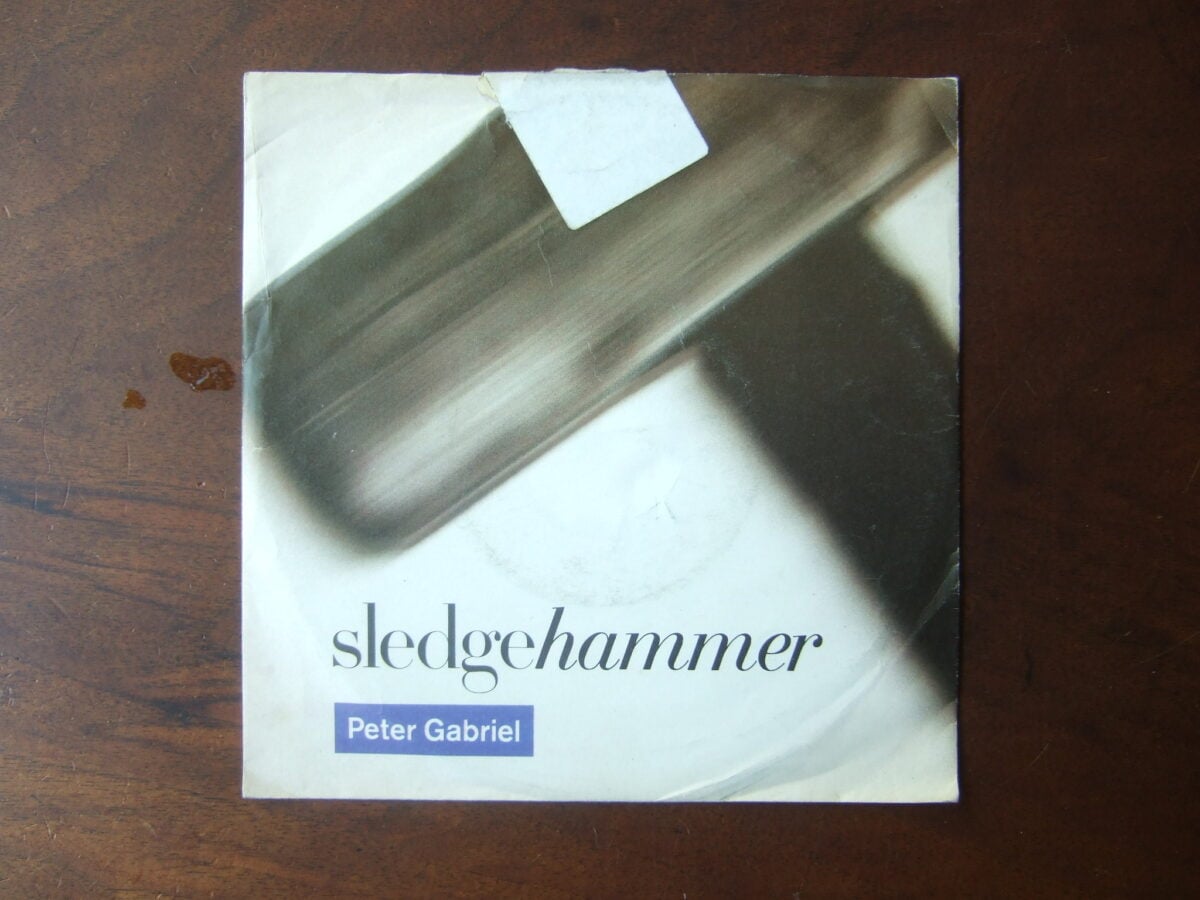
Peter Gabriel’s “Sledgehammer” from 1986 used stop-motion animation and claymation in ways that made viewers rewind their VCRs to figure out how it was done. Stephen R. Johnson directed it, and the video took painstaking weeks to film frame by frame.
The recognition came fast. It won nine MTV Video Music Awards in 1987, a record that still stands.
Sixteen hours of continuous filming produced four minutes of final footage. Gabriel lay on his back under a sheet of glass while animators moved objects around him and shot frame after frame.
The technique paid off in awards, influence, and permanent placement in music video history.
Despacito Dominated the View Count

Luis Fonsi and Daddy Yankee’s “Despacito” dropped in January 2017 and proceeded to break YouTube. The reggaeton track with its Puerto Rico street scenes became the most-viewed video on the platform, hitting numbers that seemed impossible even a few years earlier.
It stayed at the top for years, passing five billion views, then six, then seven. The video itself wasn’t revolutionary in production—just well-shot scenes of the artists performing in colorful locations.
But the song connected globally in a way that proved Latin music could dominate streaming numbers without needing English lyrics or American distribution muscle.
Bad Romance Broke the 24-Hour Record

Lady Gaga’s “Bad Romance” arrived in November 2009 and immediately set a benchmark for first-day views. It pulled in over 10 million views in its first 24 hours online, a record at the time.
The video’s bizarre fashion, unusual choreography, and theatrical staging matched Gaga’s reputation for pushing boundaries. Fashion designers and pop culture critics wrote think pieces about every frame.
The white bodysuit, the diamond-encrusted skull, the bathtub scene—each became a reference point for understanding where pop music was heading in the 2010s. Gaga proved that weird could still be massive, and the view count backed it up.
MTV’s First Video Started It All
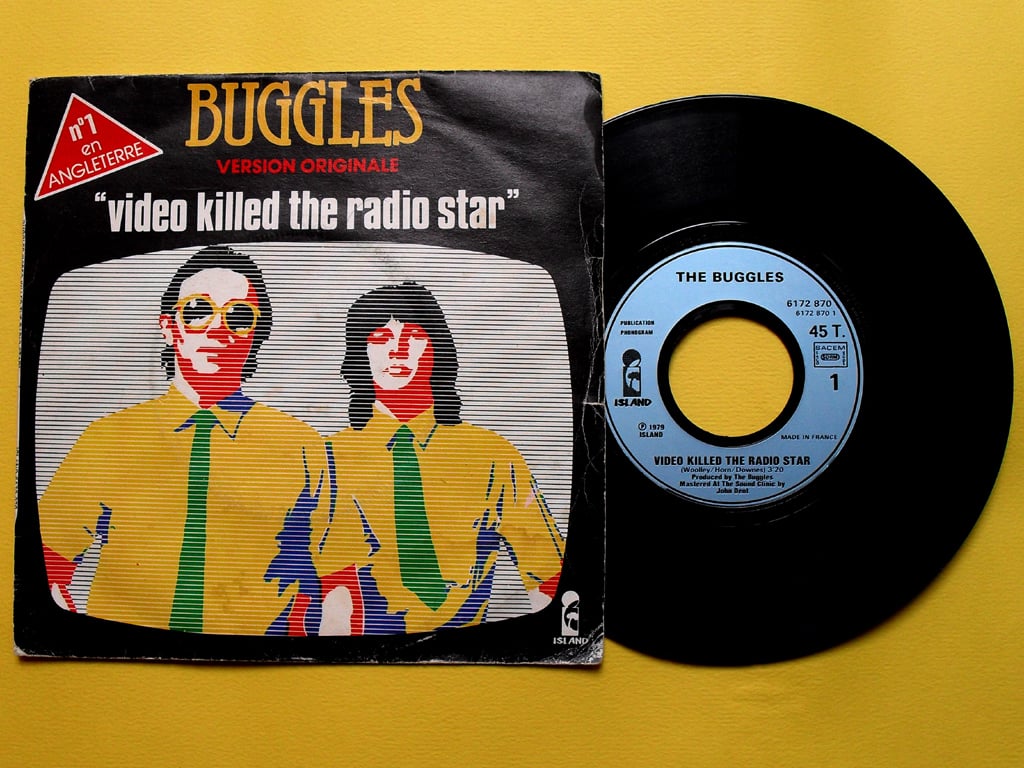
The Buggles’ “Video Killed the Radio Star” earned its place in history by being first. When MTV launched on August 1, 1981, this was the video that kicked off the channel.
That timing alone makes it record-breaking, even if the song itself was modest in its ambitions. The irony wasn’t lost on anyone.
A song about technology replacing old media became the face of a new medium that would replace album-oriented rock radio. MTV would go on to change music forever, and this video sat at the absolute beginning of that transformation.
Take On Me Set the Animation Standard

A-ha’s “Take On Me” used rotoscoping to blend live action with pencil-sketch animation, creating something that looked like nothing else in 1985. Steve Barron directed it, and the video took 16 weeks to produce.
Every frame of animation had to be hand-drawn over the filmed footage. It won eight MTV Video Music Awards and turned a Norwegian band into international stars.
The technique influenced music videos and commercials for decades. You still see that pencil-sketch effect pop up whenever someone wants to reference 80s music video aesthetics. It defined an era.
Single Ladies Changed Dance Forever

Beyoncé’s “Single Ladies (Put a Ring on It)” was shot in black and white, in one location, with minimal editing. The 2008 video featured just Beyoncé and two backup dancers performing intense choreography for three minutes straight.
That simplicity made it iconic. The dance went viral before viral was even a common term.
YouTube is filled with cover versions. Weddings featured it.
Flash mobs performed it. The video won Video of the Year at the 2009 MTV VMAs, prompting Kanye West’s infamous stage interruption.
Beyond controversy, it proved that sometimes stripping everything away and focusing on raw talent creates more impact than any special effects budget could buy.
Butter Set the YouTube Premiere Record
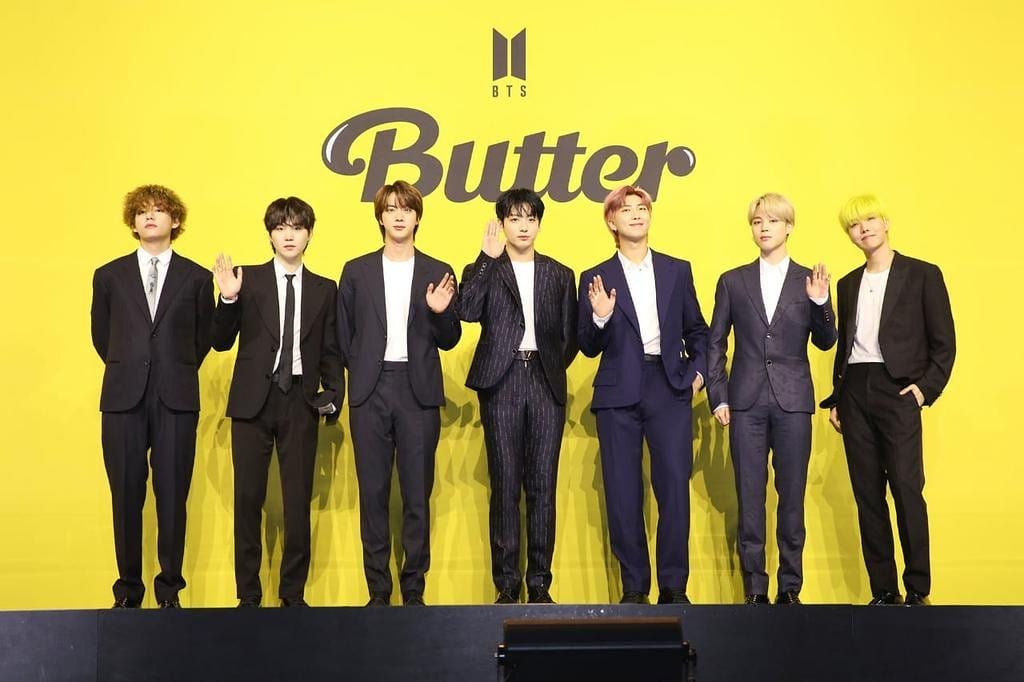
BTS released “Butter” in May 2021, and 3.9 million people showed up for the YouTube premiere. That’s more concurrent viewers than any music video premiere before it.
The seven-member group had built a global fanbase that could mobilize instantly, and this premiere proved it. The smooth summer track and its choreography video went on to break additional viewing records in the hours and days that followed.
K-pop had been building momentum for years, but BTS hitting these numbers showed the genre had fully arrived as a dominant force in global pop culture.
Formation Made a Political Statement

Beyoncé dropped “Formation” the day before her Super Bowl 50 halftime show in 2016, and it immediately sparked debates that had nothing to do with music. The video featured imagery addressing police brutality, Hurricane Katrina, and Black Southern culture.
It was political in ways that mainstream pop music rarely attempts. The video didn’t break technical records, but it broke ground in how major pop stars could use their platform.
It showed millions of YouTube views could coincide with meaningful cultural commentary. You didn’t have to choose between commercial success and artistic statement anymore.
Here It Goes Again Made Treadmills Famous

A single wobbly shot, no money spent – that OK Go clip exploded on the web in 2006. Sliding laterally over conveyor belts, their bodies moved together without pause.
One continuous run held it all: quick steps, broad arm arcs. Nothing was cut, not one splice disrupted the rhythm.
Hours of rehearsal gave it ease, though sore skin waited behind the scenes. A single idea might move quickly if handled well.
Four guys filmed at a gym pulled in countless watchers online. The Grammy win? It stood for more than chance.
What happened next showed shifts brought by sites such as YouTube. Major studios lost grip – clear purpose, perfect moments, bold choices replaced them.
The Bigger Picture They All Paint

Something ties these clips together besides the stats. A shift happened with each – music videos turned into moments everyone remembered, not just ads for songs.
View counts pile up, trophies get handed out, records break fast. Yet what stuck was how they reshaped what viewers thought a video could do.
Following the path of tech, cultural shifts, and how we consume media means looking at these milestones. Starting with MTV’s debut, moving toward YouTube views ticking past limits – each moment shows new ways fans find music, pass it along, reach out.
Videos that set records did more than lift statistics. They stretched boundaries on creativity, changed norms, and shaped what crowds gathered to see.
What counts most isn’t the number – it’s that shift.
More from Go2Tutors!

- 16 Historical Figures Who Were Nothing Like You Think
- 12 Things Sold in the 80s That Are Now Illegal
- 15 VHS Tapes That Could Be Worth Thousands
- 17 Historical “What Ifs” That Would Have Changed Everything
- 18 TV Shows That Vanished Without a Finale
Like Go2Tutors’s content? Follow us on MSN.