15 Surprising Facts About Your Favorite Candies
Candy seems basic at first glance. Bright colors, sugary taste, a quick bite – then it vanishes.
But hidden under shiny foil lies years of trial, error, and surprise. Think chemical tweaks during war, failed products turned hits, ads tested on children.
A few famous sweets came from mistakes nobody planned. Their pasts twist more than their wrappers.
Behind those bright wrappers lies a story far heavier than it seems. A shelf full of sugar hides struggles most never think twice about.
Here’s a closer look at 15 surprising facts about some of the world’s most beloved sweets.
M&M’s Were Inspired by Soldiers’ Rations
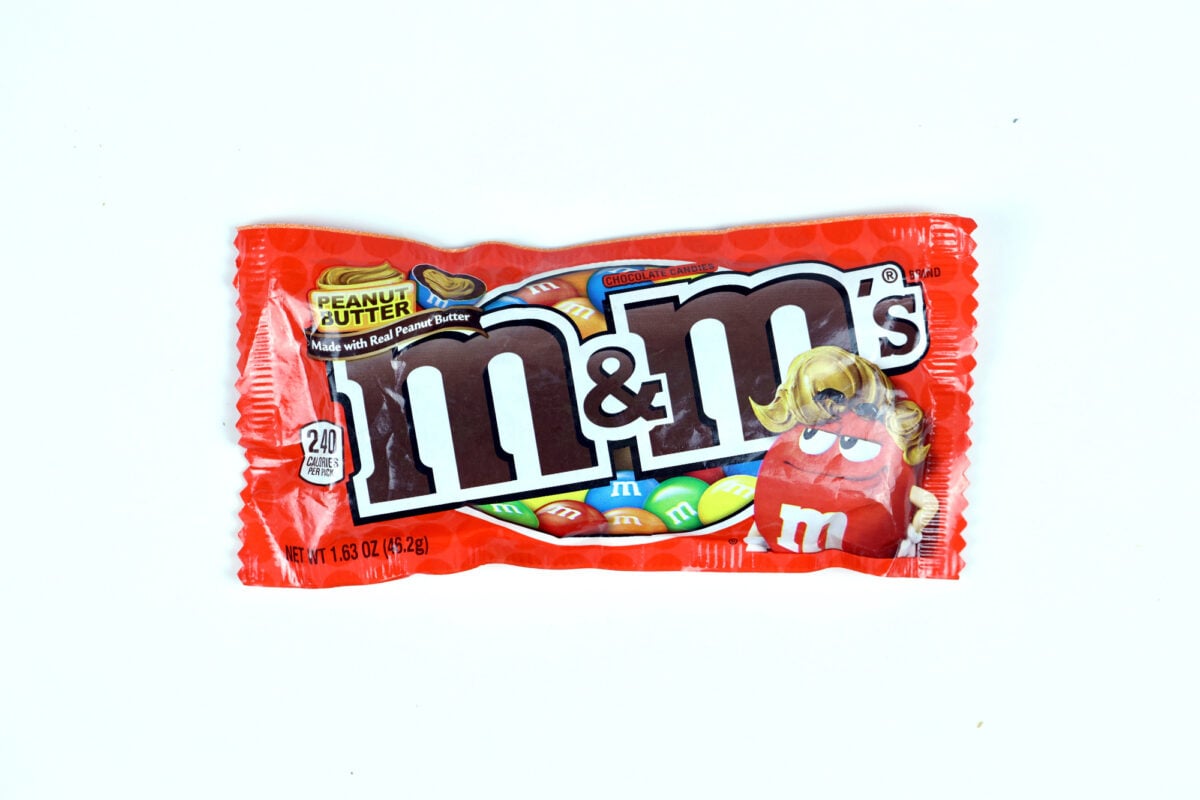
Chocolate bits in a crunchy coat caught a businessman’s eye while war was happening in Spain. That moment sparked something different years later when sweet treats began taking shape inside a factory.
Heat resistance mattered because regular bars turned soft too fast out in the sun. A new kind stayed firm even when temperatures rose without warning.
Back in World War II, M&M’s went only to American soldiers. That well-known line about melting in your mouth but not in your hand?
It started as a real-life benefit, not an ad trick.
Kit Kat Was Designed for Factory Workers

The famous Kit Kat was actually introduced to the United Kingdom, around the 1930s. Initially, it was sold as a convenient snack workers could carry in their lunchbox and have during a break at work.
The name evolved from ‘Rowntree’s Chocolate Crisp’ to Kit Kat. But the purpose remained practical.
Having the break-apart design meant it was easy to share or portion, giving further credibility to the idea of taking a work break – and having a Kit Kat.
Reese’s Peanut Butter Cups Were Created by a Former Dairy Farmer
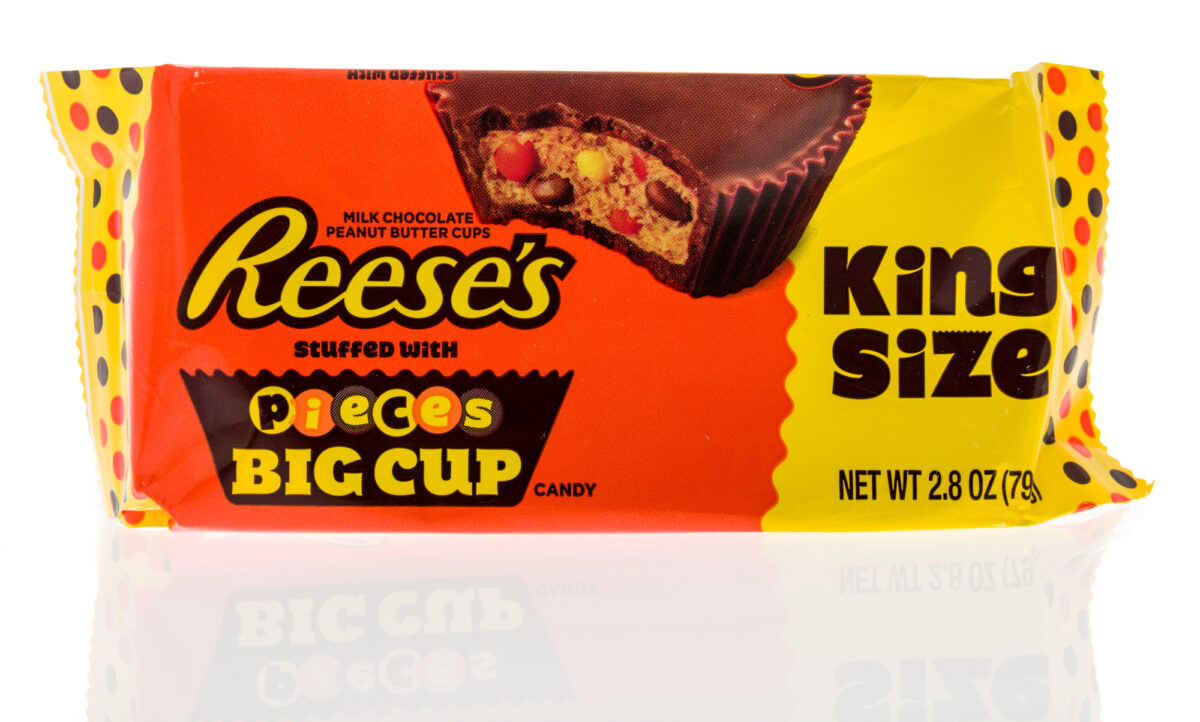
H.B. Reese began making peanut butter cups in his basement in the 1920s after working for the Hershey company. The combination of sweet milk chocolate and salty peanut butter quickly gained popularity.
Hershey later purchased Reese’s brand in 1963 for stock that eventually became far more valuable than the original cash offer. What started as a side business grew into one of the top-selling candies in the United States.
Skittles Were First Made in the United Kingdom
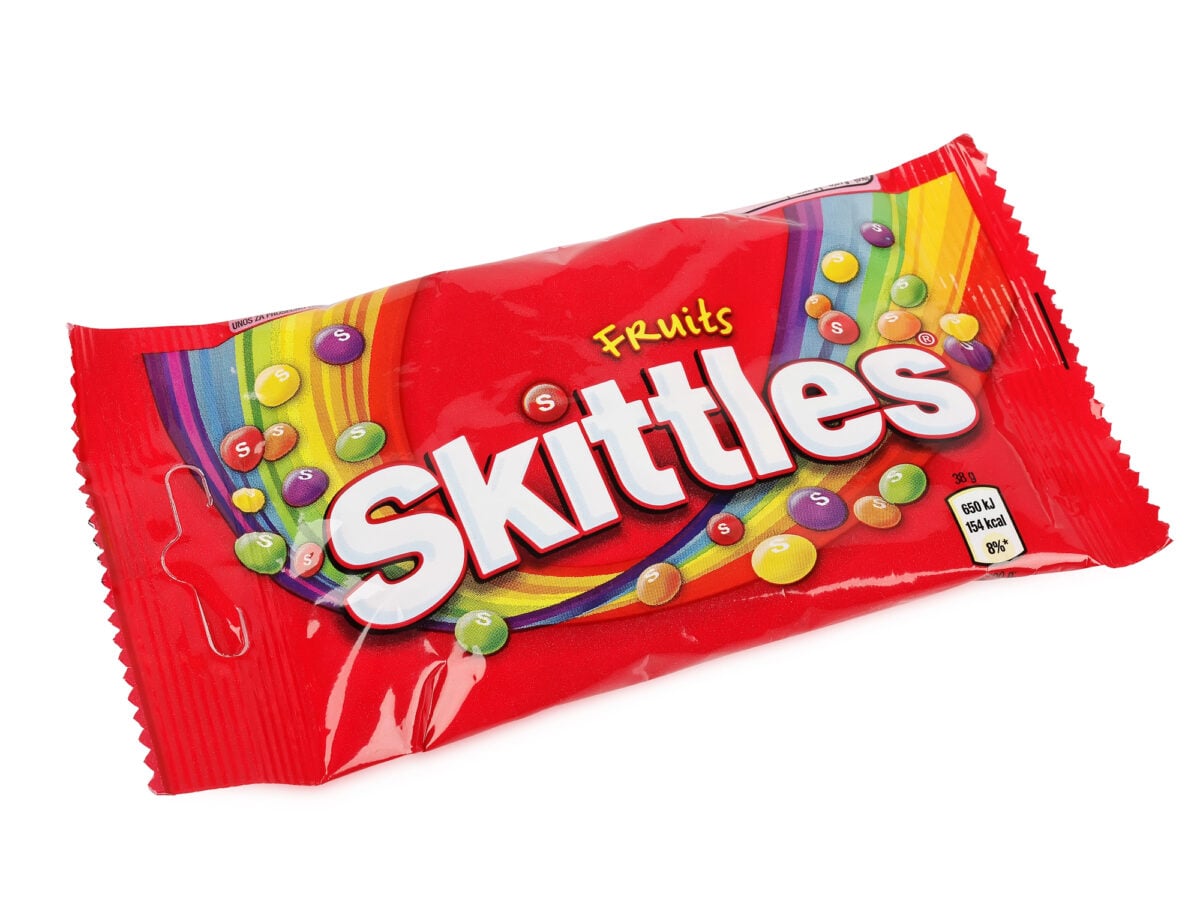
Skittles actually debuted in the U.K. in the 1970s, before launching in the United States several years later. Though often associated with American candy culture, they were originally produced overseas.
Their fruit flavors and bright colors helped define modern chewy candy marketing. Over time, limited-edition flavors and bold advertising campaigns turned them into a global staple.
But their origins can be traced back to the U.K.
Snickers Was Named After a Horse

Snickers, one of the most popular chocolate bars globally, was named after a horse that the Mars family personally loved. The word ‘snicker’ or laughing has nothing to do with this name.
The product was heavily marketed as a hunger-satisfying bar for many decades. However, the real story behind the brand’s birth was a very personal detail rather than a marketing plan.
Jelly Belly Once Made Beans for a U.S. President

Yep, you read that right. Jelly Belly jelly beans became closely associated with President Ronald Reagan in the 1980s.
Reagan kept jars of them in the Oval Office and aboard Air Force One. The company even created custom flavors and packaging for presidential events.
A small candy found itself tied to American political imagery in an unexpected way.
Twizzlers Are Older Than You Might Think

Twizzlers have roots that go back to the 1840s, which is why they can be considered one of the oldest continuously made candies in the United States. The brand has endured almost two hundred years of taste and manufacturing changes.
Although today there are different flavors and forms of the product, the original twisted licorice rope is still the measure of all things. The fact that it has lasted so long is quite rare in a novelty, driven market.
Pop Rocks Caused an Urban Legend
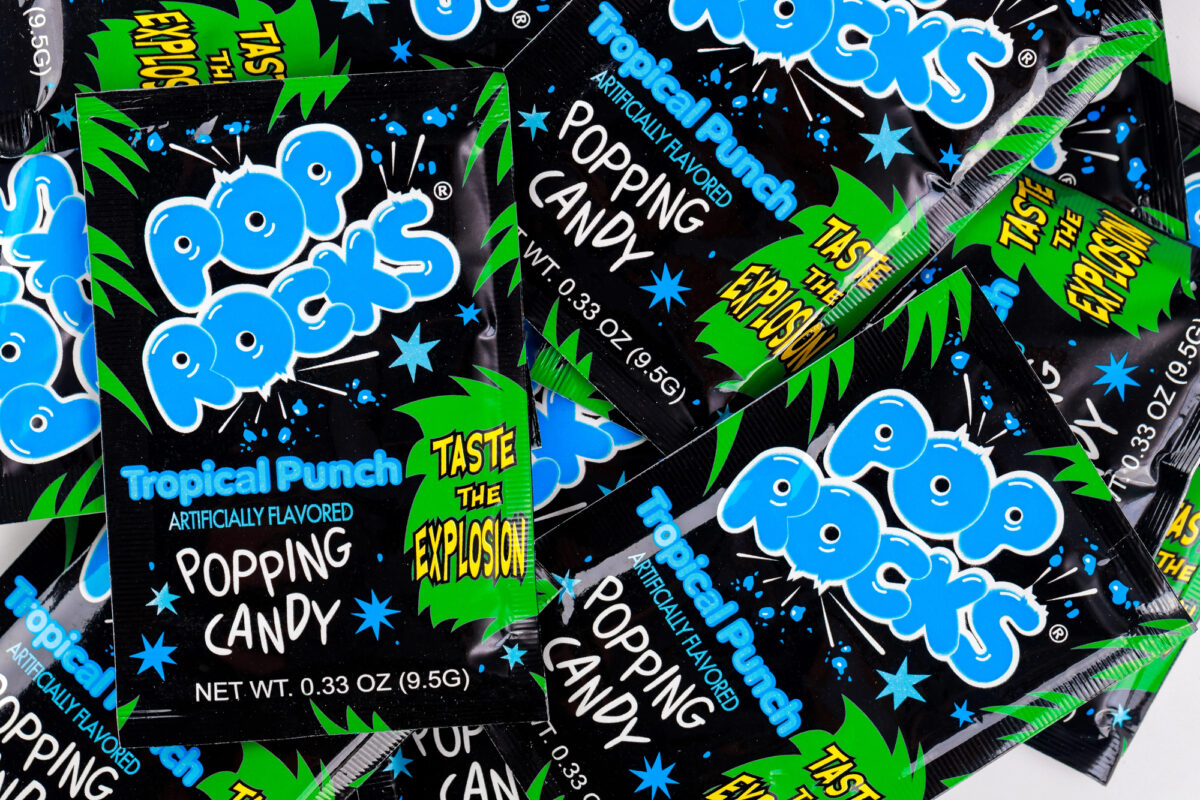
Pop Rocks first appeared in the 1970s and a rumor spread like wildfire that eating them and drinking soda at the same time could be fatal. The myth got so popular that the company had to make a public statement to calm the consumers’ fears.
Actually, the popping sound of the sweet is the result of pressurized carbon dioxide being released when the candy melts in the mouth. The tale was stronger than the scientific explanation and it showed how effortlessly the culture of candy can be mixed with storytelling.
Toblerone’s Shape Has a Hidden Meaning
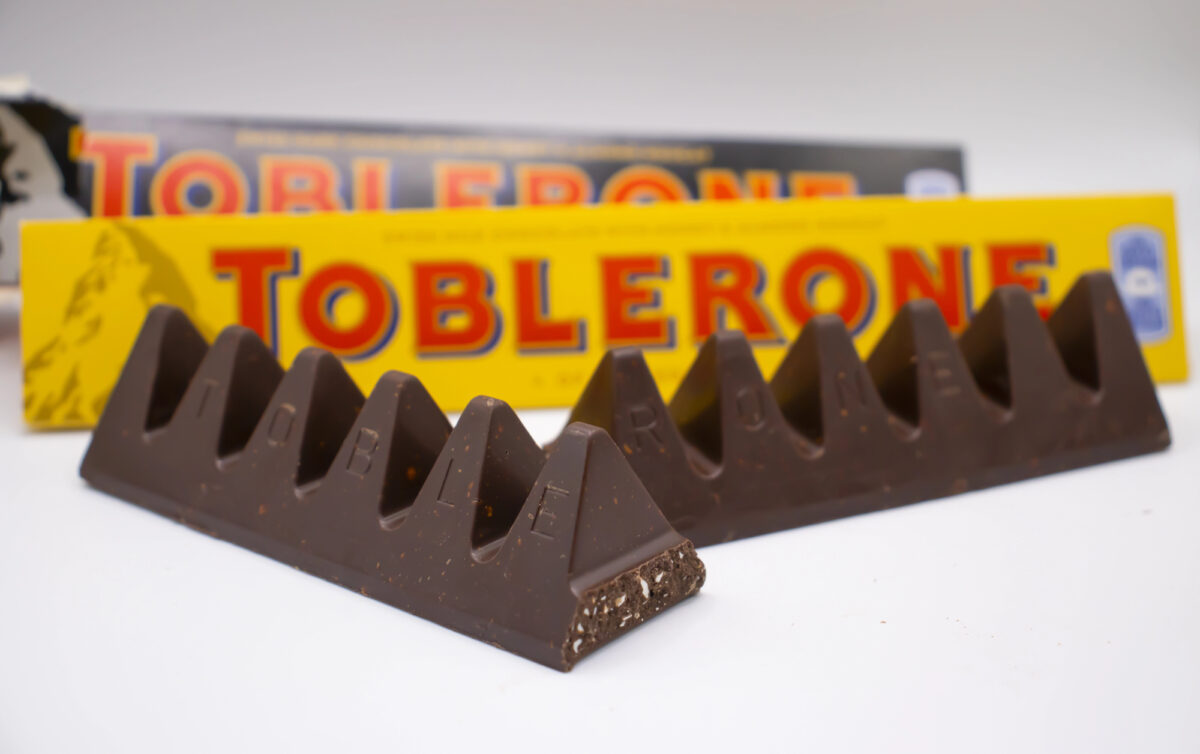
Toblerone’s triangular shape is often linked to the Matterhorn mountain in Switzerland. The company’s logo includes a hidden bear inside the mountain silhouette, referencing the city of Bern.
The shape also makes the bar easier to break into consistent pieces. Design and symbolism intersect in a product that feels both playful and deliberate.
Lollipops Were Once Marketed as Health Aids

In the early 20th century, some candy manufacturers promoted lollipops as throat-soothing remedies. Sugar was framed as comforting rather than indulgent.
While those health claims did not endure, the marketing reveals how cultural attitudes toward sugar have shifted dramatically over time.
Milky Way Is Not the Same Everywhere

In the United States, a Milky Way bar contains nougat topped with caramel and covered in chocolate. In many other countries, Milky Way resembles what Americans know as a 3 Musketeers bar.
The difference highlights how brand names can travel while recipes change. Global marketing does not always guarantee identical ingredients.
Haribo’s Name Is an Acronym

Haribo, famous for gummy bears, is an acronym derived from founder Hans Riegel and his hometown of Bonn, Germany. The name blends personal identity with geography.
Gummy candies were originally shaped like dancing bears, inspired by traditional European festivals. What began as a regional novelty evolved into a worldwide treat.
Hershey’s Kisses Were Named for the Sound They Make
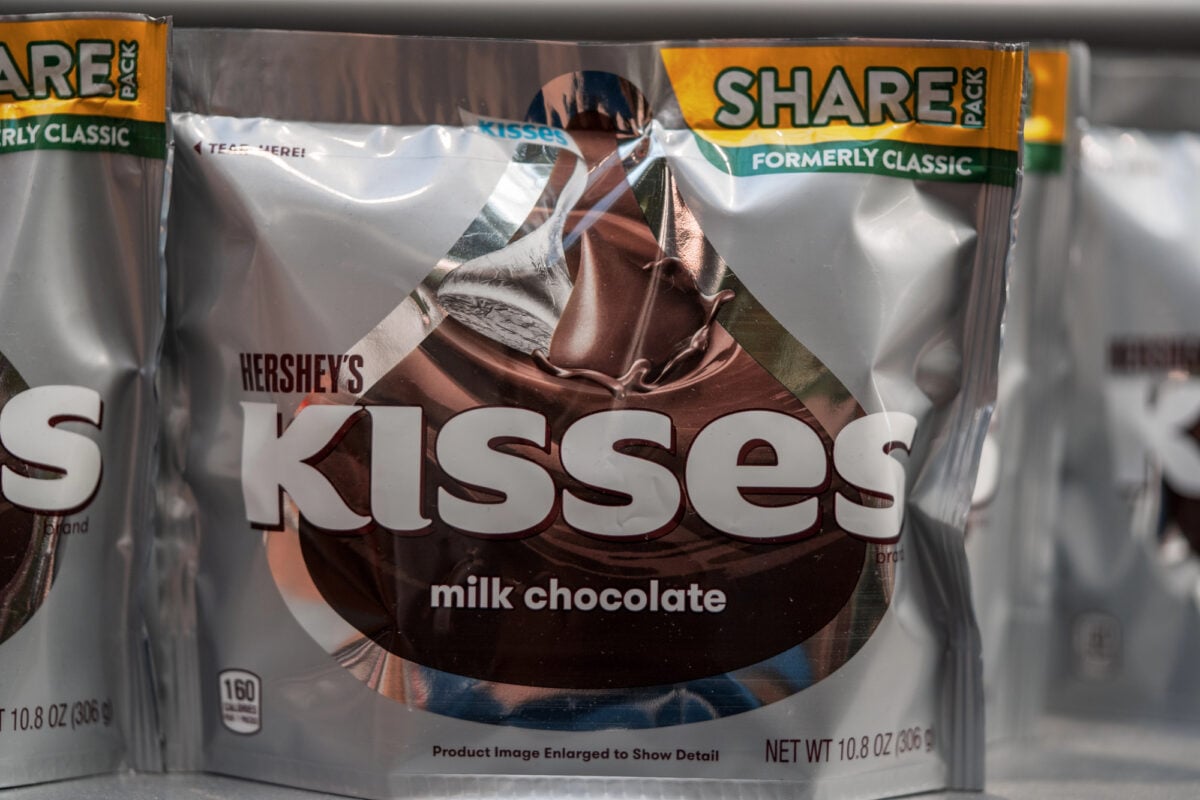
Hershey’s Kisses are believed to have been named after the soft ‘kissing’ sound made by the chocolate as it was deposited onto the conveyor belt during production.
The name reflects manufacturing rather than romance. The small paper plume added later became a distinctive design element that helped prevent imitation.
Cotton Candy Was Co-Invented by a Dentist

Cotton candy, originally called ‘fairy floss,’ was co-invented in 1897 by a dentist named William Morrison. The irony is difficult to ignore.
The recipe used centrifugal force to turn melted sugar to thin strands. It became a carnival staple real quick, highlighting just how tech can transform simple ingredients into a spectacle.
Sour Patch Kids Started as Martians

Back when candies with a cosmic vibe sold well, Sour Patch Kids first appeared as little aliens. Over time, their look shifted – now they resemble kids instead.
Sour on the outside, then a rush of sweetness inside – that’s what set it apart. Culture moved one way; the wrapper just followed along.
Recipe stayed put.
The History of Candy

Candy may seem trivial at first glance but its history reveals the development of manufacturing, consumption, and the social perception of products.
Next time you hear that foil wrapping, don’t overlook it. Besides flavor, history is concealed deeply within.
Every nibble contains the effort, transformation, and accounts of the past, silent witnesses to the fact that what appears to be simple is not necessarily so.
More from Go2Tutors!

- The Romanov Crown Jewels and Their Tragic Fate
- 13 Historical Mysteries That Science Still Can’t Solve
- Famous Hoaxes That Fooled the World for Years
- 15 Child Stars with Tragic Adult Lives
- 16 Famous Jewelry Pieces in History
Like Go2Tutors’s content? Follow us on MSN.