15 Survival Skills Once Taught in Schools
School wasn’t just a precursor to college, not so long ago. It was a precursor to life.
While textbooks and tests were the primary focus, many classrooms served as a background, behind-the-scenes training ground for living life. Children learned how to react to emergencies, how to run a household, how to fix mechanical issues, and how to navigate the world without the aid of technology.
They didn’t refer to this as ‘survival skills.’ They just called it education. But over time, many of these skills have become marginalized, relegated to the background, and sometimes, to the blackboard, with the rise of standardized tests, the emergence of technology, and the decrease in hands-on learning.
Let’s take a look at 15 survival skills that were once part of the fabric of many American schools, and why they matter. Let’s take a look at how survival skills have become part of the fabric of many American schools, and why they matter.
Duck-And-Cover Drills

During the Cold War, American students practiced ‘duck and cover’ drills with regularity. At the sound of a signal, children were instructed to slide under desks, shield their heads, and turn away from windows.
The procedure was rehearsed the way fire drills are today.
The context was geopolitical tension and the very real fear of nuclear conflict. Public service campaigns reinforced the same message outside the classroom.
While modern observers often question how effective the drills would have been, they reflected a broader national emphasis on preparedness. Schools were seen as critical spaces for reinforcing calm responses during crisis.
Civil Defense Preparedness

Beyond desk drills, some schools incorporated broader civil defense education. Students learned about fallout shelters, emergency supply kits, and basic disaster response plans.
Posters outlining survival steps appeared in hallways.
The lessons were woven into science or social studies curricula and connected to federal preparedness initiatives. Preparedness was framed as civic responsibility.
Knowing how to respond to a large-scale emergency was viewed as a skill set, not simply information.
Home Economics

Home economics classes were once staples of middle and high schools. Students learned to cook balanced meals, sew garments, preserve food, and manage household budgets.
The curriculum emphasized competence inside the home.
These lessons were practical, not ornamental. Cooking from scratch reduced costs.
Sewing extended the life of clothing. Canning preserved seasonal harvests.
In an era before meal delivery apps and fast fashion, these were daily survival tools.
Shop Class
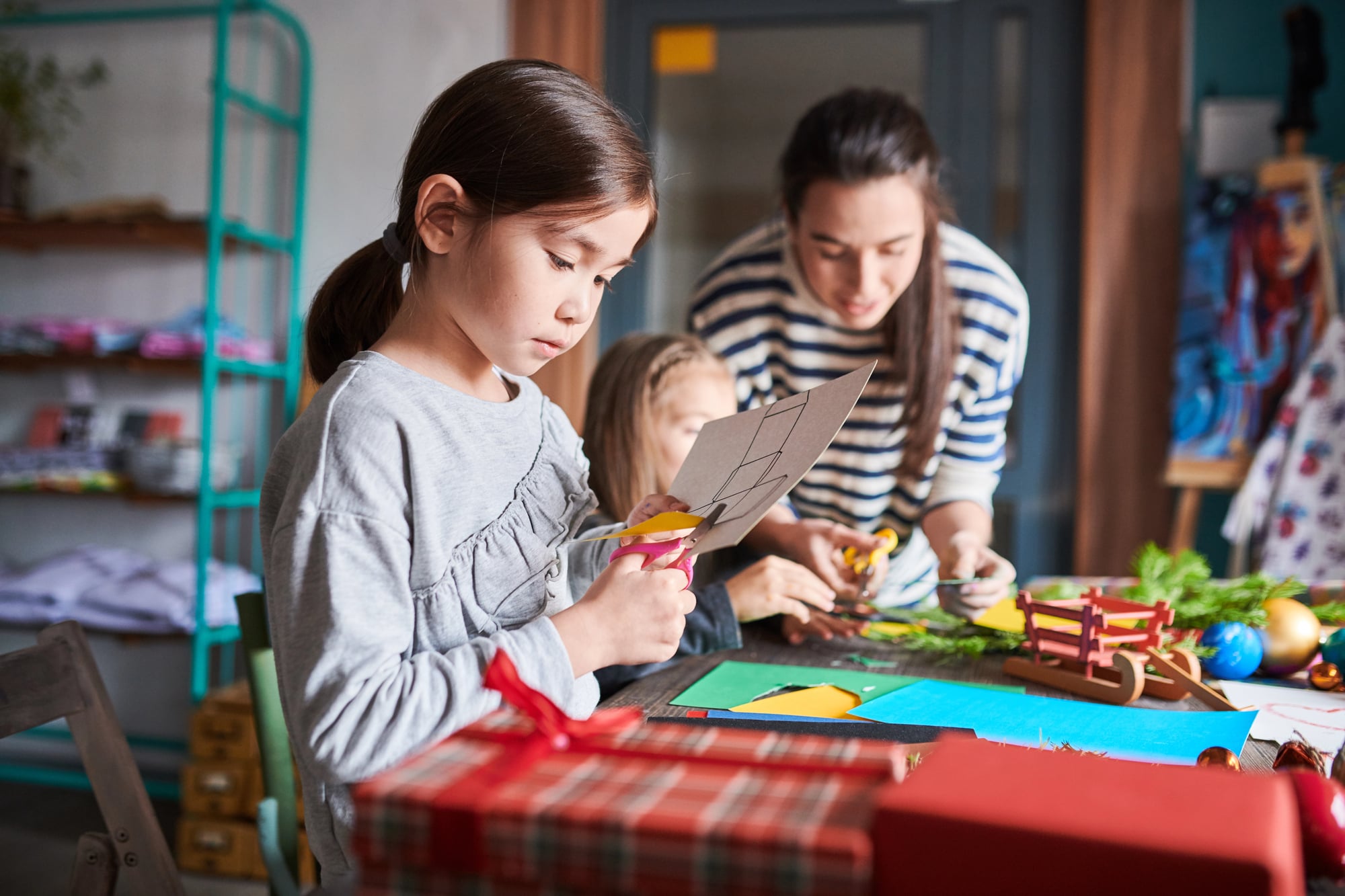
The shop class placed power tools directly into students’ hands — under supervision, but with real responsibility. Teenagers learned to measure wood accurately, operate saws safely, and construct usable objects from raw materials.
The focus was not only craftsmanship but safety. Understanding tools meant understanding risk.
Graduates left with the ability to repair a fence, build shelving, or approach mechanical tasks without hesitation.
Basic First Aid
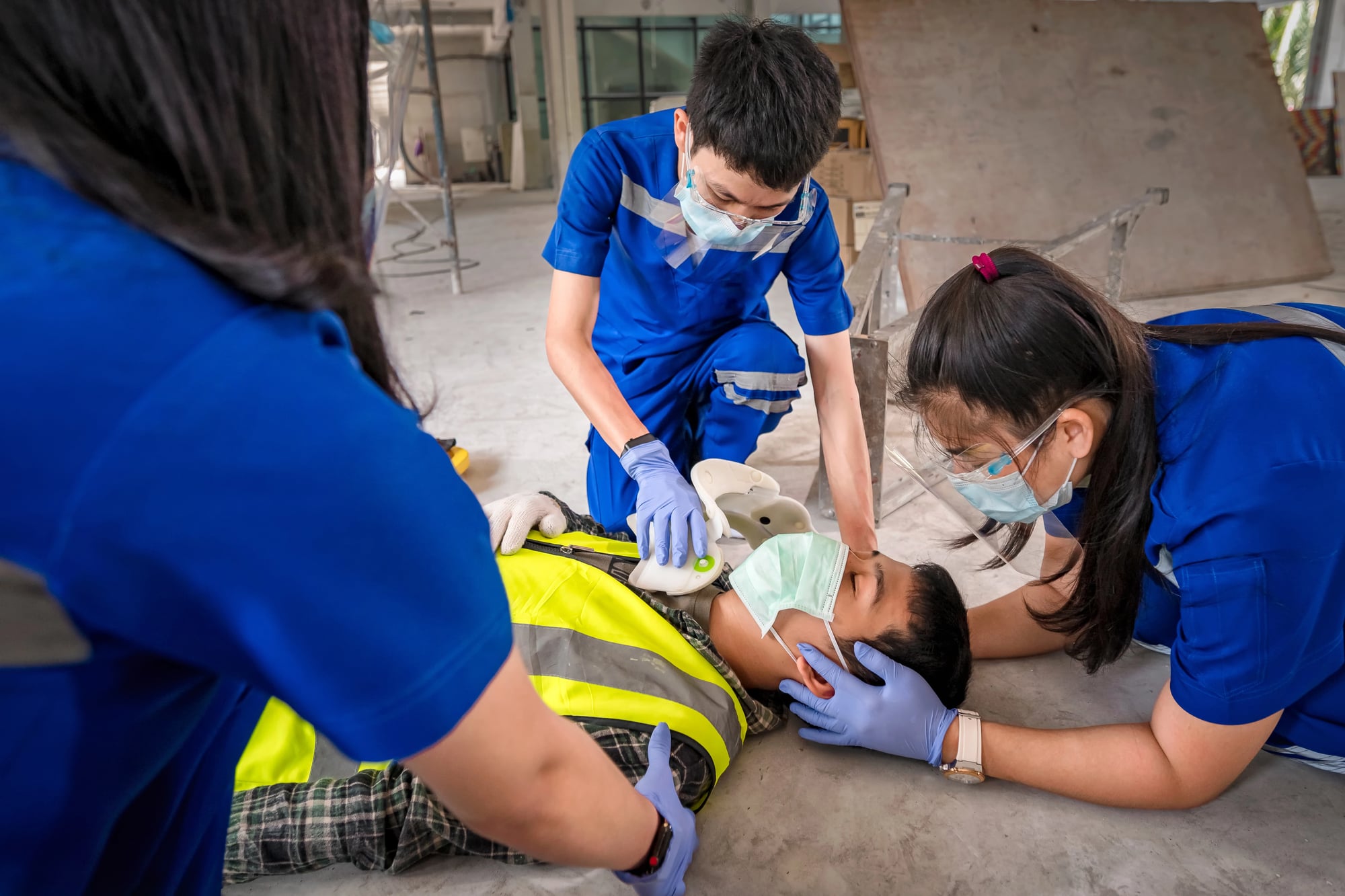
First aid training once extended beyond a brief health lecture. Students learned how to treat cuts, stabilize sprains, and recognize symptoms of shock or dehydration.
Bandaging techniques were practiced, not merely described.
In communities far from immediate medical facilities, this knowledge carried weight. Even in urban areas, early intervention could prevent complications.
Practical medical awareness built confidence during unpredictable moments.
CPR Certification

By the 1970s and 1980s, CPR training became increasingly common in high schools. Students practiced chest compressions and rescue breathing on mannequins, often earning certification before graduation.
The skill bridged the gap between adolescence and civic responsibility. Teenagers were equipped to intervene during cardiac emergencies.
In some cases, that training proved lifesaving outside school walls.
Driver’s Education

Driver’s education was once integrated directly into the school schedule. Students studied traffic laws in classrooms and practiced behind the wheel with instructors.
The programs emphasized defensive driving and hazard recognition.
At a time when car ownership defined mobility, safe driving was treated as public health. The goal was not just passing a test, but reducing accidents and fatalities.
Water Safety And Swimming

In coastal and lakeside regions, swimming proficiency was sometimes required for graduation. Physical education classes included water safety instruction, floating techniques, and rescue basics.
Drowning prevention depended on competence.
Teaching students how to move confidently in water was considered preventative care rather than recreation.
Map Reading And Compass Navigation

Before GPS reshaped navigation, students learned to read topographic maps and use compasses. Geography lessons often extended beyond memorizing capitals into practical orientation skills.
Field trips reinforced the training.
Knowing how to determine direction without electronic assistance fostered independence in outdoor environments.
Outdoor Survival Skills

Certain schools incorporated camping programs or wilderness education components. Students learned how to pack efficiently, build temporary shelters, and manage limited supplies.
The goal was not extreme survivalism but confidence.
Exposure to controlled outdoor challenges encouraged problem-solving under pressure.
Typing On Manual Typewriters

Typing classes trained students to produce clean, error-free documents on manual typewriters. There was no delete key.
Precision mattered. While not life-or-death survival, the discipline built workplace readiness.
Efficiency and accuracy were viewed as essential professional tools.
Mechanical Fundamentals

Vocational tracks often included engine basics. Students learned how combustion worked, how to change oil, and how to diagnose simple mechanical issues.
For families where professional repairs were expensive, these skills reduced financial strain. Mechanical literacy translated directly into household stability.
Agricultural Education
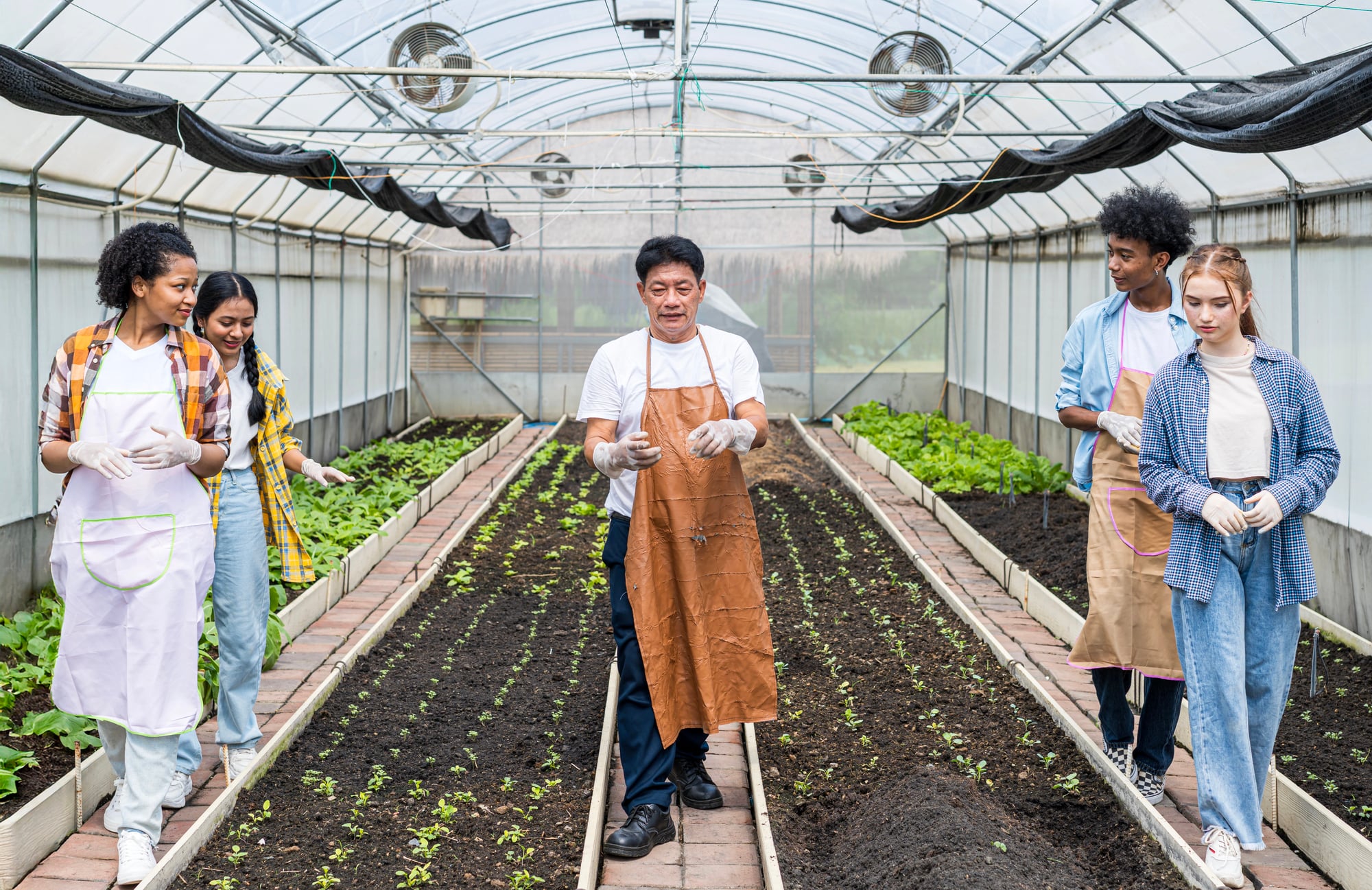
In rural districts, agricultural education covered crop cycles, soil management, and livestock care. Programs connected classroom science to working farms.
Food production knowledge was not theoretical. It sustained communities and reinforced practical sustainability long before the term became fashionable.
Budgeting And Financial Basics

Budgeting exercises once appeared regularly in math and home economics courses. Students practiced balancing checkbooks and calculating interest rates.
These exercises mirrored adult responsibilities. Managing income and expenses was treated as a fundamental life skill.
Fire Safety And Prevention

Fire drills were accompanied by instruction on evacuation planning and basic fire prevention. Firefighters often visited schools to demonstrate equipment and explain hazards.
The message was simple and consistent: preparation reduces damage. Fire safety became muscle memory rather than abstract advice.
Why These Skills Shifted

The priorities in education change with the economic and cultural landscape. When standardized testing came on the scene, time in the classroom became more precious.
Digital literacy was a primary skill set, and liability was a major factor in hands-on learning.
The disappearance of these learning experiences does not diminish their worth in the world. They can be found in community programs, scouting programs, and even in home life.
They have simply moved to a different venue.
The classrooms of previous generations were filled with the concerns of their time: nuclear threats, industrial work, and self-sufficiency. Today’s classrooms are filled with a different world, one that has been shaped by technology and global connectivity.
The basic premise has not changed, however. Resilience is taught through experience.
Whether sewing a seam, reading a topographic map, or administering CPR, survival skills taught quiet confidence in the student. These are not things that will trend on social media, but they will remain with the student long after graduation.
When learning goes beyond the realm of the theoretical and enters the realm of the practical, something is left behind that will endure.
The tools may change, but the necessity does not.
More from Go2Tutors!

- The Romanov Crown Jewels and Their Tragic Fate
- 13 Historical Mysteries That Science Still Can’t Solve
- Famous Hoaxes That Fooled the World for Years
- 15 Child Stars with Tragic Adult Lives
- 16 Famous Jewelry Pieces in History
Like Go2Tutors’s content? Follow us on MSN.