15 Terrifying Reactions People Have Had to Seemingly Normal Foods
Food allergies and intolerances can turn the most innocent meal into a nightmare. What looks like a harmless bite of banana or sip of milk can trigger reactions so severe they land people in emergency rooms.
These aren’t exotic foods from distant lands or questionable street vendor offerings—they’re everyday items sitting in your pantry right now. The scariest part? Many people discover these reactions without warning, transforming routine meals into medical emergencies.
Water

Pure water shouldn’t hurt anyone, right? Tell that to people with aquagenic urticaria, a condition so rare that fewer than 100 cases have been documented worldwide. Contact with water—any water, including their own tears and sweat—triggers painful hives and burning sensations across their skin.
Rachel Warwick from England developed this condition as a teenager. A simple shower became a 10-minute ordeal of agony, and drinking water caused her throat to swell.
She can only consume flavored drinks because the additives somehow reduce the reaction. Even rain feels like acid on her skin.
Bananas
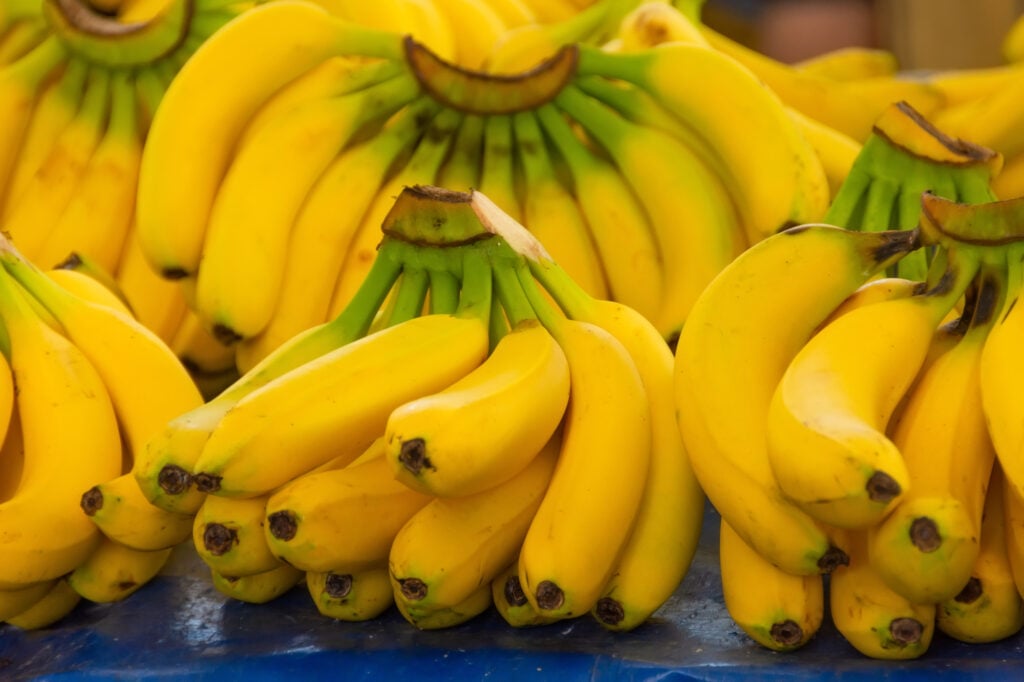
Sarah, a 34-year-old teacher from Portland, bit into a banana during her lunch break and within minutes felt her tongue swelling. By the time paramedics arrived, her throat had closed so completely she couldn’t speak.
She’d eaten bananas her entire life without incident. The culprit was oral allergy syndrome, which can develop suddenly in adults.
The proteins in bananas cross-react with birch pollen, turning a fruit most people consider hypoallergenic into a weapon. Sarah now carries two EpiPens and hasn’t touched a banana in three years.
Raw Carrots

Picture this: you’re crunching through what should be the most innocent vegetable imaginable (well, technically it’s a root, but the point stands), and suddenly your mouth transforms into what feels like a furnace lined with sandpaper. That’s what happened to Mike Chen during a dinner party where he’d volunteered to help with the salad prep—because who thinks twice about raw carrots, especially when you’ve been eating them since childhood without so much as a hiccup?
But food allergies don’t follow logic or personal history. They arrive unannounced. And sometimes they bring friends: Mike’s carrot reaction came with a bonus sensitivity to celery, parsley, and birch trees, because his immune system apparently decided to wage war on anything botanically related.
So now spring pollen season feels like a preview of what happens when he accidentally bites into the wrong crudité.
Ice Cream

Cold urticaria turns frozen treats into torture devices. The condition causes severe allergic reactions to cold temperatures, and ice cream is essentially weaponized cold delivered straight to the most sensitive parts of your mouth and throat.
Emma Rodriguez learned this the hard way during her 16th birthday party. One spoonful of mint chocolate chip sent her into anaphylactic shock.
Her lips turned blue, her breathing became labored, and hives erupted across her face. Now she tests everything with the back of her hand first—cold drinks, air conditioning, even metal doorknobs in winter can trigger reactions.
Sunflower Seeds
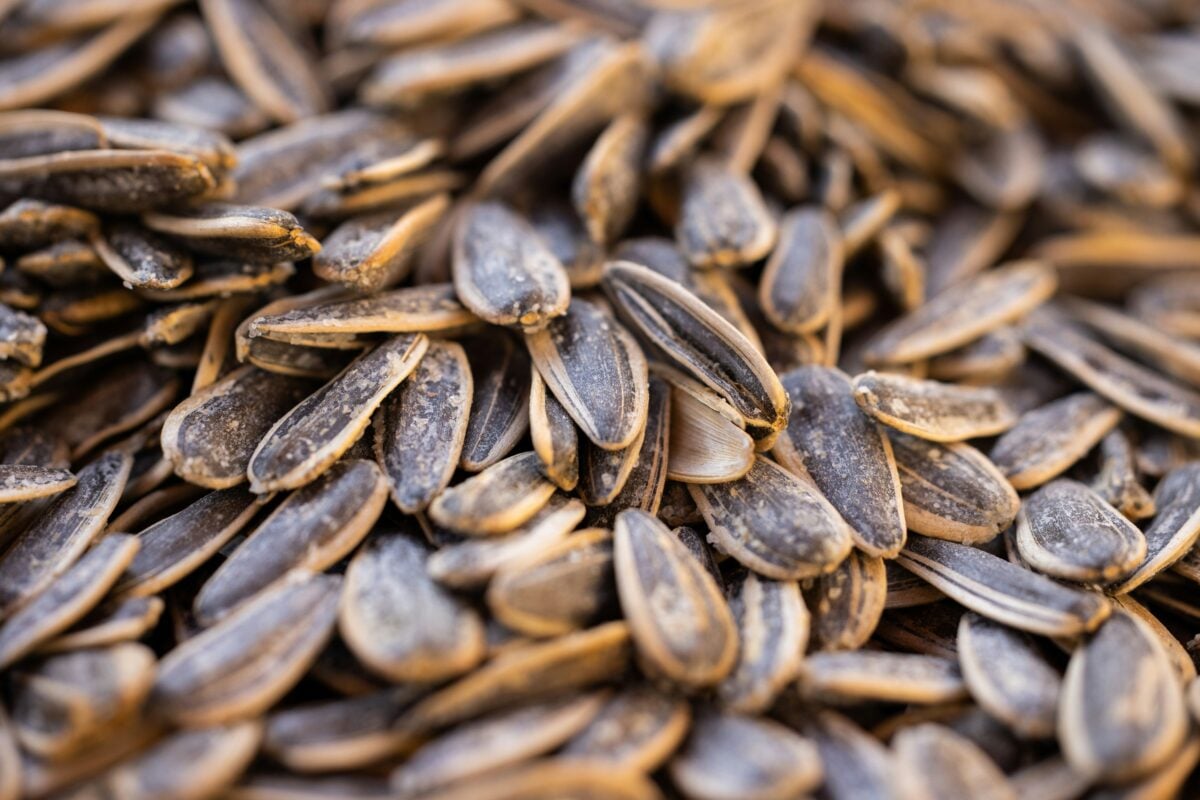
There’s something fundamentally wrong with the universe when baseball’s most iconic snack becomes a medical emergency, but James Patterson discovered this cosmic injustice during the seventh inning stretch of a Cubs game in 2019. He’d been mindlessly cracking shells and eating seeds (the way humans have done at ballparks since approximately the invention of baseball itself) when his face began swelling like a balloon in the Macy’s parade.
The reaction escalated with terrifying speed—his eyes swelled shut, his throat constricted, and breathing became a conscious effort rather than an automatic function. Paramedics had to carry him out past confused fans still focused on the game, and he spent the night in intensive care instead of celebrating what turned out to be a walk-off win.
Baseball will never be the same for him, and frankly, that might be the cruelest part of all.
Garlic
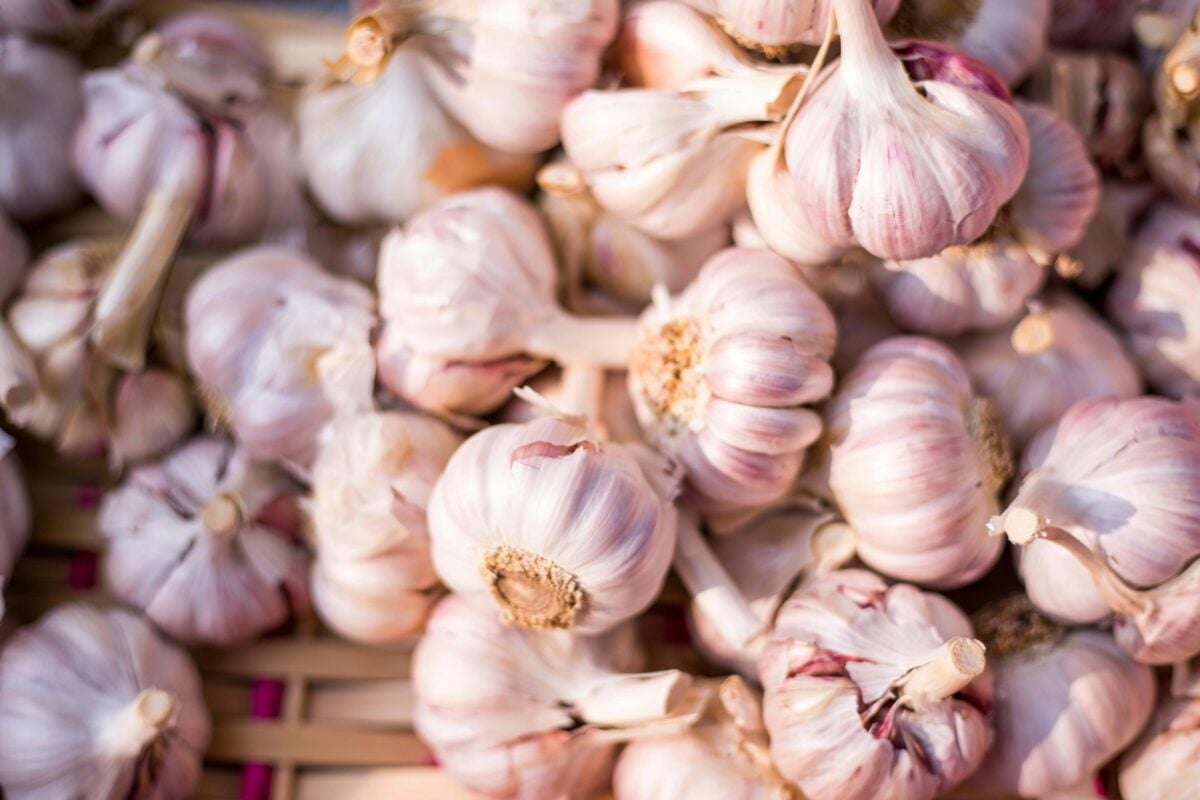
Garlic intolerance destroys more than just social plans—it can make eating anywhere besides your own kitchen nearly impossible. Linda Martinez discovered this when a single bite of garlic bread sent her into hours of violent cramping and digestive distress that she describes as “being turned inside out.”
The reaction wasn’t immediate, which made it worse. She suffered through dinner, drove home, and then spent the next eight hours alternating between her bed and bathroom floor. Italian restaurants became off-limits.
Asian cuisine vanished from her options. Even processed foods required careful label reading, because garlic powder lurks everywhere.
Mushrooms

Mushrooms occupy a strange space between plant and not-plant, and maybe that ambiguity is what makes them so good at betraying people who trust them. Consider what happened to Janet Torres, who ordered what she thought was a safe vegetable stir-fry at a Thai restaurant, only to discover that her body had developed some sort of personal vendetta against fungi.
The reaction started as tingling in her fingertips—subtle enough that she initially blamed it on sitting weird in the restaurant booth. Then came the nausea, followed by waves of dizziness that made the room spin like a carnival ride.
Her dinner companions watched in horror as she went pale, then green, then rushed to the bathroom where she spent twenty minutes convinced she might actually die in a strip mall restaurant restroom. The emergency room doctor later explained that mushroom allergies can appear suddenly in adulthood, often triggered by stress or hormonal changes.
Janet now approaches all fungi with the suspicion they deserve.
Apples
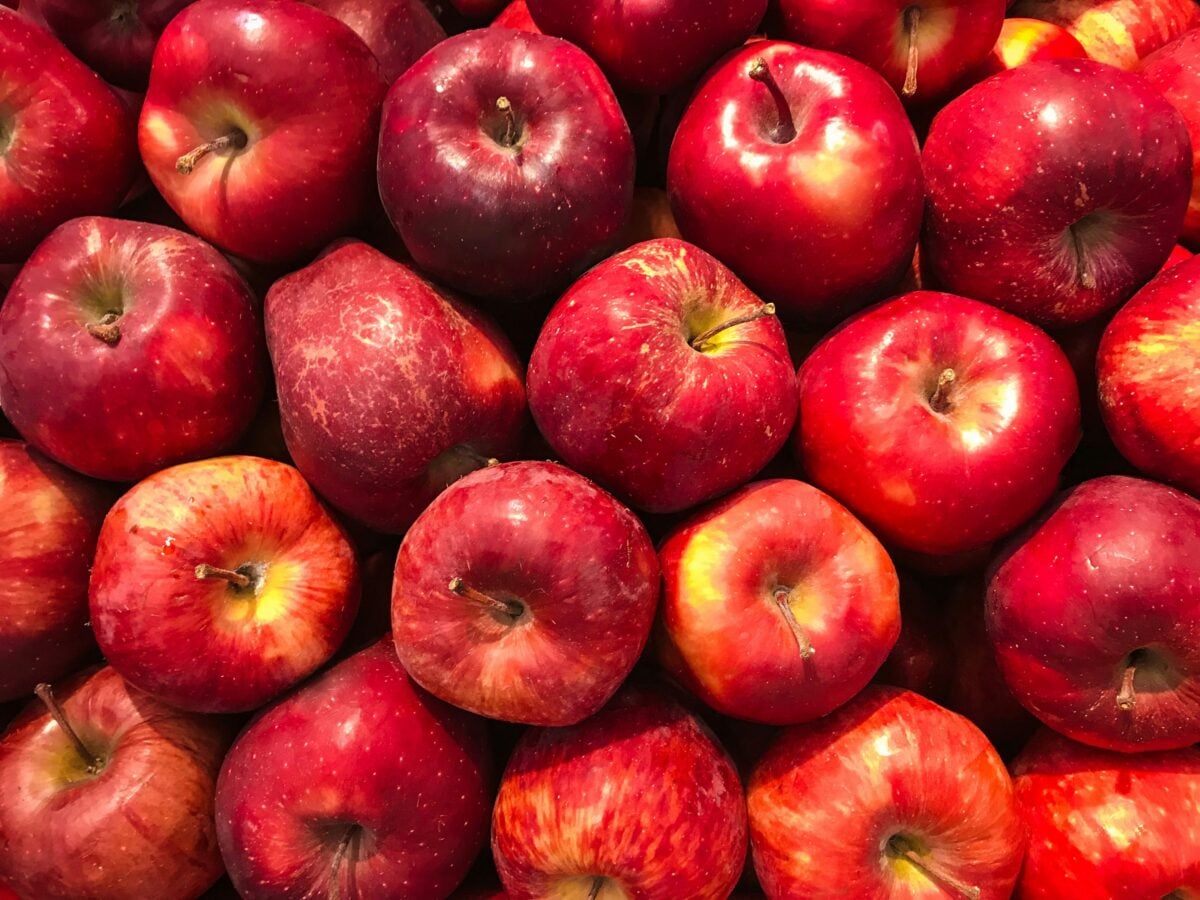
An apple a day keeps the doctor away, unless you have oral allergy syndrome. Then an apple a day sends you straight to the emergency room with a throat closing faster than you can dial 911.
Kevin Thompson bit into a Honeycrisp apple during his afternoon break and immediately felt his mouth catch fire. His tongue swelled, his throat tightened, and breathing became difficult.
The reaction was so severe his coworkers called paramedics before he could protest. He’d eaten thousands of apples in his 28 years without incident, but his immune system had apparently decided that apple proteins looked suspiciously similar to tree pollen.
Chocolate

Sarah Chen thought she was having a heart attack. Her pulse raced, her hands shook, and waves of nausea rolled through her stomach. The emergency room doctor asked about her symptoms, then inquired about what she’d eaten.
The answer seemed absurd: two squares of dark chocolate after dinner. Chocolate contains tyramine and phenylethylamine (compounds that sound like they belong in a chemistry lab rather than a candy bar), and some people’s bodies treat these naturally occurring chemicals like poison.
Sarah’s nervous system went haywire, flooding her with adrenaline and triggering what felt like a panic attack combined with food poisoning. She hasn’t touched chocolate in two years, and Halloween has become a minefield of temptation and terror.
Milk

Lactose intolerance is common enough, but true milk protein allergy can be genuinely dangerous—especially when it develops suddenly in adults who’ve consumed dairy their entire lives. Rachel Kim discovered this when a latte triggered anaphylaxis so severe that her coffee shop coworkers had to perform CPR while waiting for paramedics.
The reaction started as stomach cramping but escalated within minutes to full-body hives, swollen airways, and a blood pressure drop that made her lose consciousness. She’d been a daily latte drinker for fifteen years. Her immune system had apparently been taking notes and finally decided that casein proteins were enemy combatants.
She now carries epinephrine everywhere and has become an expert at reading ingredient labels with the intensity of a legal scholar.
Strawberries
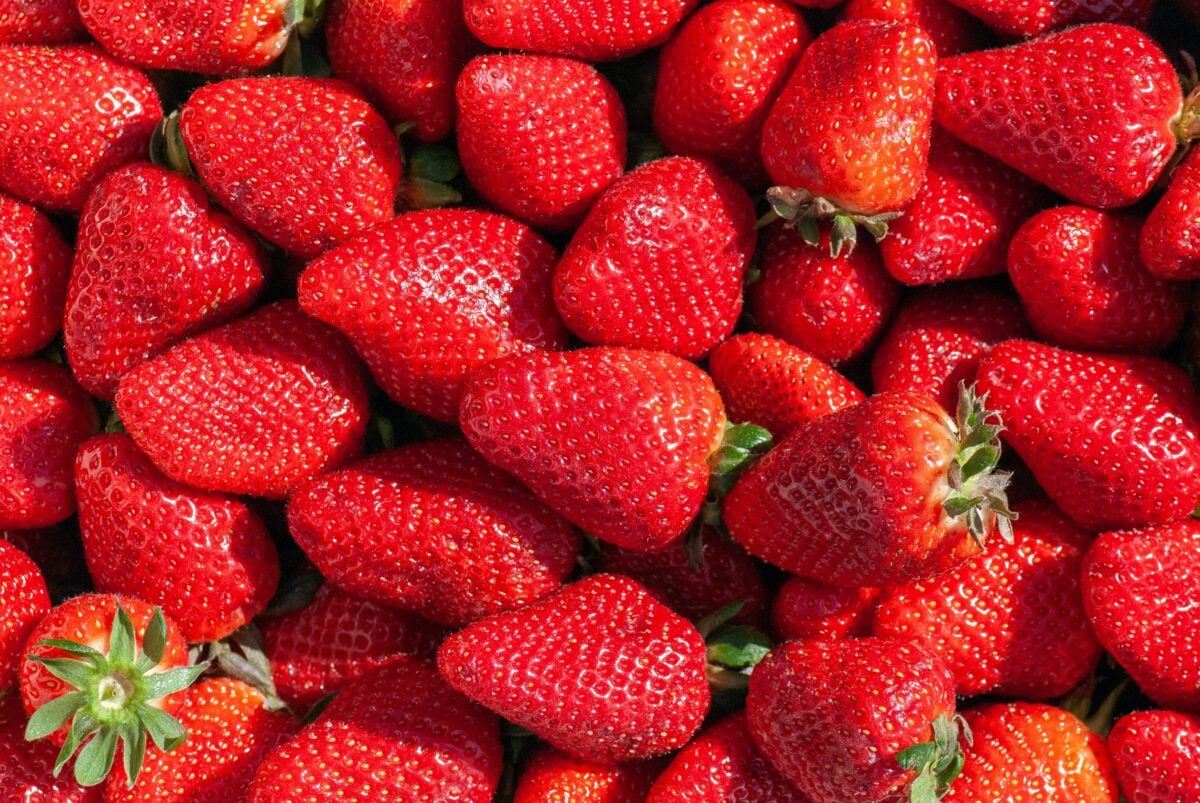
Strawberries seem designed to be harmless—they’re literally heart-shaped, for crying out loud—but they contain proteins that can trigger reactions ranging from mild tingling to full anaphylaxis, and the progression from one to the other can happen without warning or apparent logic.
Tom Bradley learned this during a summer picnic when he bit into what should have been the perfect strawberry: ripe, sweet, and fresh from a local farm. Instead of summer bliss, he experienced what he later described as “swallowing liquid fire.” His mouth erupted in blisters, his throat began closing, and hives spread across his neck and chest like spilled paint.
The volunteer EMT at the picnic recognized the signs of anaphylaxis and administered an EpiPen that probably saved his life. Now strawberry season feels more like a minefield than a celebration, and he approaches berry patches with the caution most people reserve for actual dangerous situations.
Celery

Nobody expects celery to be dangerous. It’s basically crunchy water with delusions of being a vegetable. But celery allergies can be severe, and they often develop alongside sensitivity to ragweed pollen, creating a combination that makes both spring and snack time miserable.
Michelle Parker was preparing a salad when she absentmindedly nibbled on a celery stick. Within minutes, her lips began tingling, then swelling. Her throat tightened, and breathing became difficult. She managed to call 911 before losing consciousness, waking up in the ambulance with paramedics asking what she’d eaten.
The answer—celery—seemed so ridiculous she wondered if she was dreaming.
Eggs

Egg allergies usually develop in childhood, but when they appear suddenly in adults, the reaction can be catastrophic. Brian Foster found this out during Sunday brunch when scrambled eggs triggered anaphylaxis so severe his dining companions thought he was choking.
His throat swelled shut within minutes of his first bite. His face turned red, then purple, as his airways constricted.
Someone at the next table—a nurse, fortunately—recognized the signs and called 911 while others cleared space around him. The paramedics arrived to find him unconscious, his breathing barely detectable.
He spent three days in intensive care and now carries multiple EpiPens everywhere he goes.
Avocados
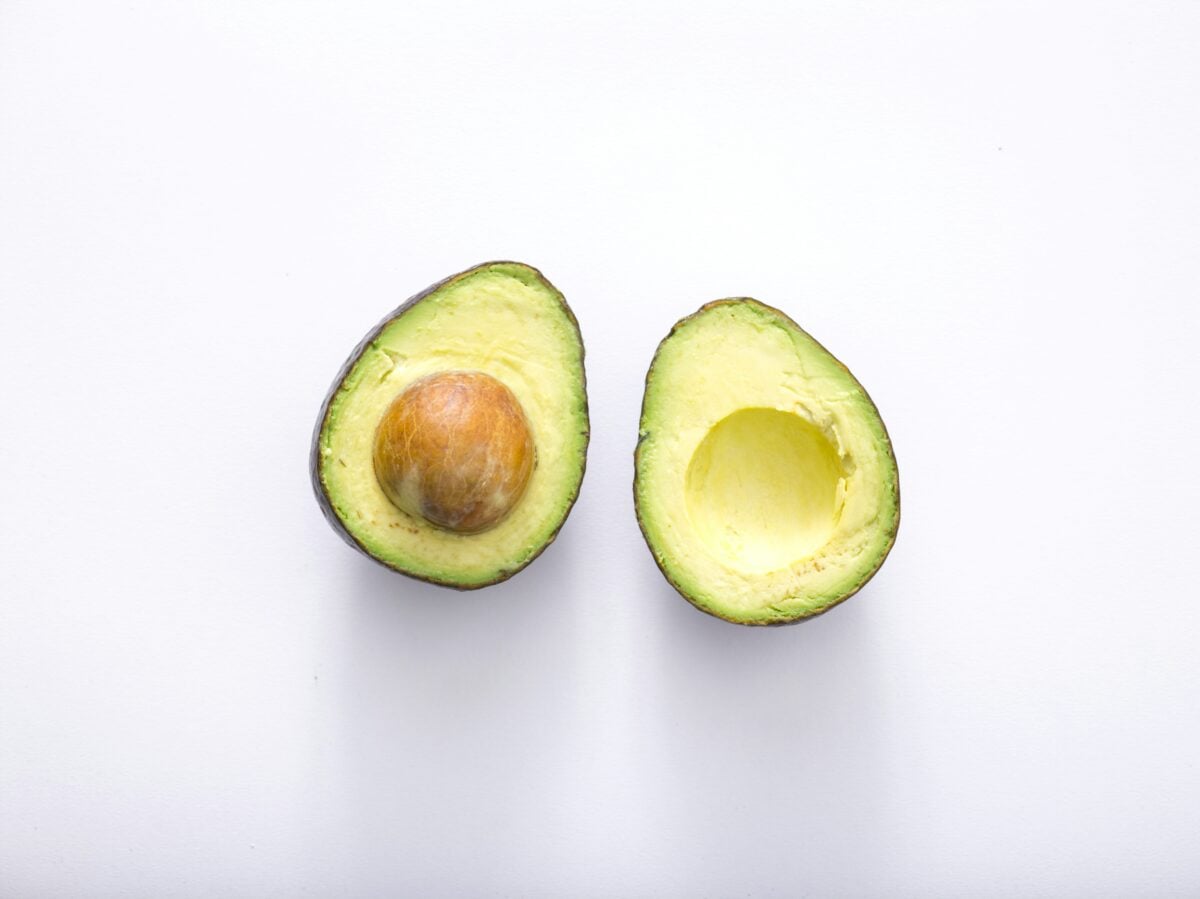
Avocado allergies often come with a side of latex sensitivity, creating a bizarre connection between guacamole and rubber gloves that can catch people completely off guard. Dr. Patricia Vance discovered this connection when she developed hives after eating avocado toast, then had a more severe reaction to her surgical gloves the next day at work.
The proteins in avocados cross-react with latex, meaning people sensitive to one often develop problems with the other. Her reactions escalated from mild tingling to full-body hives to difficulty breathing over the course of several months.
She had to change her entire medical practice, switching to non-latex gloves and avoiding the hospital cafeteria’s trendy avocado-heavy menu.
Salmon
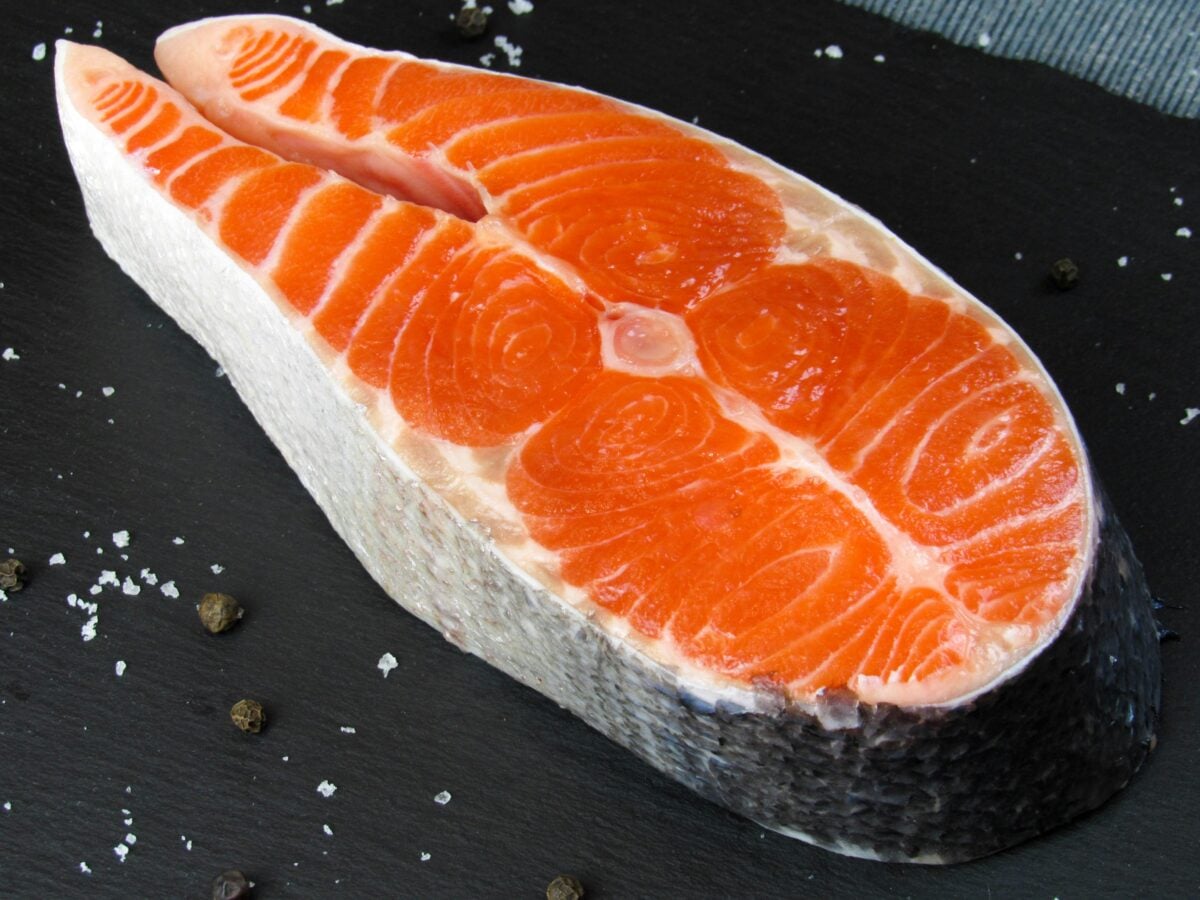
Fish allergies tend to be permanent and severe, often causing reactions that are both immediate and terrifying. Jessica Lin learned this during what should have been a romantic anniversary dinner when her first bite of cedar plank salmon sent her into anaphylactic shock.
Her lips swelled first, then her tongue, then her entire throat began closing. Her husband watched in horror as she struggled to breathe, her face turning blue despite her desperate efforts to get air.
The restaurant staff called 911 while other diners looked on in stunned silence. She spent the night in intensive care, and doctors later explained that adult-onset fish allergies often appear without warning and tend to worsen with each exposure.
When food becomes the enemy

Food allergies don’t follow rules or respect history. They can develop at any age, triggered by stress, hormones, or apparently nothing at all.
One day you’re enjoying your usual snack, and the next day that same food is trying to kill you. The randomness is perhaps the most unsettling part—the knowledge that your next meal could be the one that changes everything.
These reactions serve as stark reminders that our relationship with food is more fragile than most people realize, and that danger can lurk in the most unexpected places.
More from Go2Tutors!

- The Romanov Crown Jewels and Their Tragic Fate
- 13 Historical Mysteries That Science Still Can’t Solve
- Famous Hoaxes That Fooled the World for Years
- 15 Child Stars with Tragic Adult Lives
- 16 Famous Jewelry Pieces in History
Like Go2Tutors’s content? Follow us on MSN.