15 Things Only People Over 60 Remember Doing
Growing up in the 1950s and 1960s meant experiencing a world that operated at a completely different pace. Technology was simpler, communities were tighter, and daily life required more hands-on involvement in tasks we now take for granted.
Here’s a list of 15 experiences that defined childhood and young adulthood for those who lived through America’s mid-century years.
Getting Up to Change the TV Channel
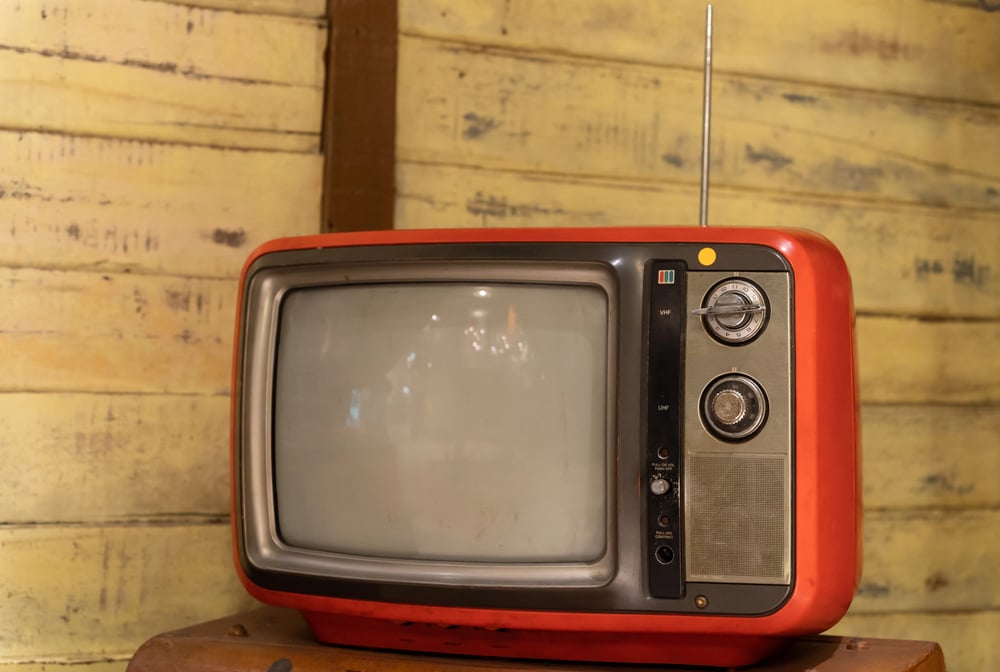
Television sets came with maybe 13 channels, though switching between them meant walking across the room to turn a dial. The youngest family member often became the designated ‘remote control’ — jumping up whenever Dad wanted to see what else was on.
If the reception got fuzzy, someone had to go outside and adjust the antenna until the picture cleared up.
Using a Rotary Phone

Making a phone call required patience and precision as you dialed each number by rotating the wheel — then waiting for it to spin back. Long-distance calls were expensive, so families planned them carefully and kept conversations brief.
Party lines meant you might pick up the phone and hear your neighbors chatting, and everyone knew to hang up quietly.
Like Go2Tutors’s content? Follow us on MSN.
Memorizing Phone Numbers

Without speed dial or contact lists, people carried important phone numbers in their heads. Everyone knew their best friend’s number by heart, along with the local pizza place and maybe the movie theater.
Phone books were thick, heavy directories that arrived on your doorstep annually — and finding someone’s number meant flipping through pages of tiny print.
Trading Stamps at the Grocery Store

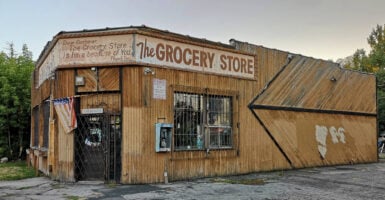
S&H Green Stamps turned grocery shopping into a collecting game where every purchase earned you small stamps to paste into booklets. Families would spend evenings carefully placing stamps in neat rows — then trade completed books for household items from special catalogs.
The local redemption center felt like a treasure trove where patience and persistence paid off in toasters and lawn chairs.
Milk Delivery to Your Door
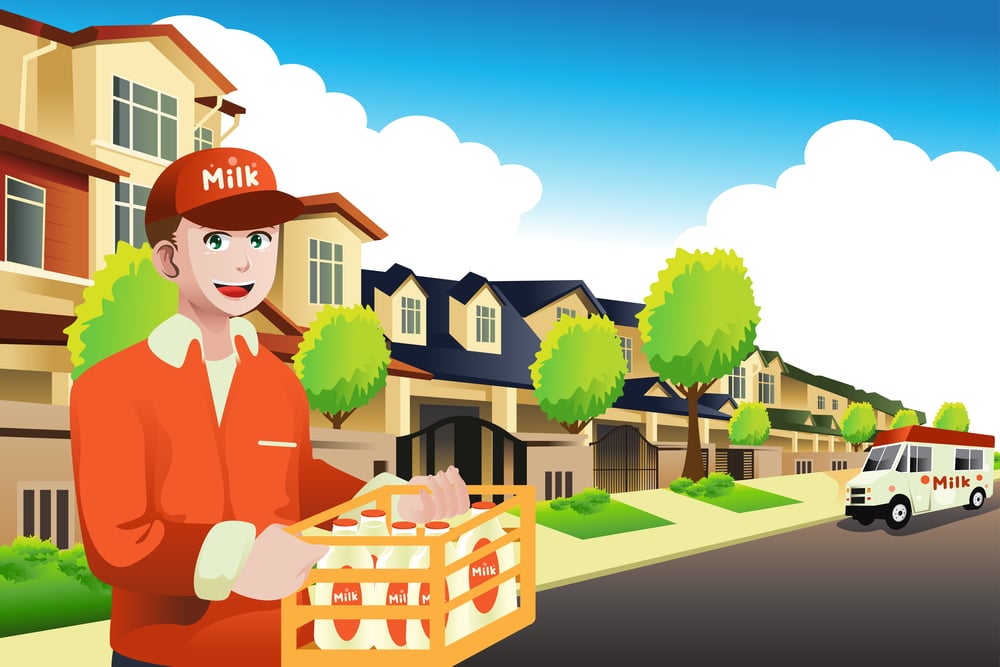
The milkman arrived early each morning, leaving glass bottles on doorsteps while collecting the empties from the day before. Customers left notes in the bottles requesting different quantities or additional items like eggs or butter.
The cream would separate and rise to the top — creating a rich layer that made morning coffee taste completely different from today’s processed milk.
Like Go2Tutors’s content? Follow us on MSN.
Car Hops at Drive-In Restaurants

Restaurants like A&W featured servers on roller skates who’d glide up to your car window to take your order. You’d honk your horn or flash your headlights to signal you were ready — then eat your meal right there in the parking lot.
The trays hooked onto partially rolled-down windows, and everything came in real glass mugs and ceramic plates that the car hops collected when you finished.
Saturday Matinee Double Features

Movie theaters offered two full-length films, cartoons, and a newsreel for one low admission price every Saturday afternoon. Kids would spend entire afternoons in air-conditioned theaters — watching cowboys and adventure serials while munching on popcorn that cost a nickel.
The whole experience felt like a special event rather than just another entertainment option.
Ice Delivered to Your Home

Before electric refrigerators became standard, the ice man delivered large blocks of ice to keep food cold. Families used ice picks to chip off smaller pieces — and the icebox required daily attention to prevent spoilage.
Kids would chase the ice truck on hot summer days, hoping to grab chips of ice that fell from the back as it rumbled down the street.
Like Go2Tutors’s content? Follow us on MSN.
Coal Deliveries for Heating

adamcohn/Flickr
Heating systems ran on coal that arrived by truck and got dumped through basement windows into storage bins. Someone had to shovel coal into the furnace several times a day during winter months.
The coal dust got into everything — and families developed routines around banking the fire at night and stoking it again each morning.
Hand-Crank Car Windows
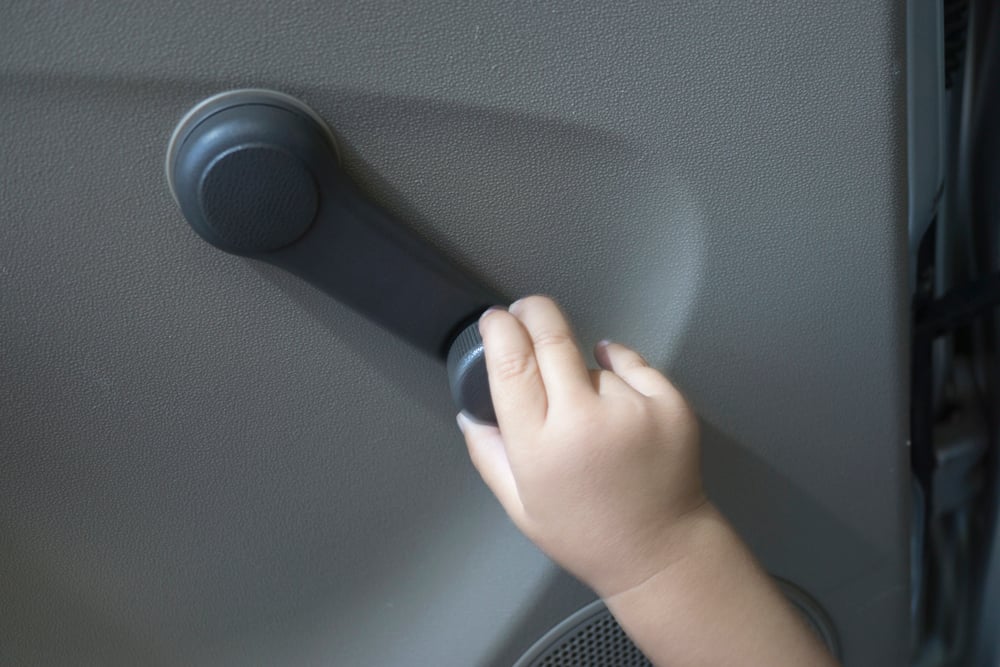
Rolling down car windows required actual muscle power as you turned a handle in circular motions. Air conditioning was a luxury most families couldn’t afford — so summer driving meant windows down and hair blowing everywhere.
The handles would sometimes break or stick, leaving you trapped with a window that wouldn’t budge in either direction.
Cloth Diapers and Diaper Services

Disposable diapers didn’t exist, so babies wore cloth diapers that required washing or professional cleaning services. Diaper trucks made weekly rounds, collecting soiled diapers while delivering fresh, sterilized ones.
New mothers mastered the art of folding cloth diapers and securing them with large safety pins without poking anyone.
Like Go2Tutors’s content? Follow us on MSN.
Carbon Paper for Making Copies

Creating duplicate documents meant inserting sheets of carbon paper between original pages, then typing carefully. Mistakes were permanent since correction fluid hadn’t been invented yet, so typists planned their work meticulously.
The carbon paper left dark smudges on fingers and clothes, though making multiple copies required several sheets layered together.
Rabbit Ear Antennas

Television reception depended on adjusting metal antennas that looked like rabbit ears on top of the TV set. Someone had to stand next to the antenna and move it around while others shouted directions from across the room.
Weather affected reception, and sometimes the best picture required someone to keep holding the antenna in an awkward position throughout the entire show.
Penny Candy Stores

Corner stores sold individual pieces of candy from large glass jars, and kids could buy a substantial amount of sweets for less than a quarter. Store owners knew every child in the neighborhood, letting them take their time deciding between Mary Janes, Swedish fish, and chocolate nonpareils.
The candy came in small paper bags, and making selections felt like an important economic decision.
Like Go2Tutors’s content? Follow us on MSN.
Wringer Washing Machines

— Photo by mtsue
Laundry day meant feeding wet clothes through mechanical rollers that squeezed out water before hanging everything on outdoor lines. The wringer could catch fingers or sleeves if you weren’t careful, so everyone learned to keep their distance from the powerful mechanism.
Clothes came out flattened and needed to be shaken out before hanging, though the whole process took most of the day.
When Simple Meant Something Different

These experiences shaped a generation that understood the value of patience, community connection, and making do with what you had. While modern conveniences have made life easier in countless ways, something was lost in the transition from a world where neighbors knew each other and daily tasks required more human interaction.
Today’s teenagers might find these memories quaint, yet they represent a time when life moved slower and people had to be more resourceful in their daily routines.
More from Go2Tutors!

- 16 Historical Figures Who Were Nothing Like You Think
- 12 Things Sold in the 80s That Are Now Illegal
- 15 VHS Tapes That Could Be Worth Thousands
- 17 Historical “What Ifs” That Would Have Changed Everything
- 18 TV Shows That Vanished Without a Finale
Like Go2Tutors’s content? Follow us on MSN.