Simple Questions with Surprisingly Complex Answers
You ask a question that sounds simple. The person you’re asking pauses. They furrow their brow. They start to answer, then stop.
Then they try again from a different angle. This happens more often than you’d think, and it’s not because people don’t know the answer—it’s because the question itself opens up rabbit pits that go deeper than anyone expected.
What Makes Something Alive?

Biology textbooks give you a list: metabolism, growth, reproduction, response to stimuli. But viruses throw that whole system into chaos. They reproduce and evolve, but only inside other cells. They don’t metabolize.
They don’t grow. Are they alive or not Some scientists say viruses are on the edge of life. Others argue they’re just complex molecules.
Then you have prions—misfolded proteins that can replicate themselves and cause disease.
No DNA, no RNA, but they spread and reproduce. The line between living and non-living gets blurrier the closer you look. Even the basic list falls apart under scrutiny.
Mules can’t reproduce, but they’re definitely alive. Fire grows, consumes energy, and responds to its environment—but nobody calls it a living thing. The more you try to define life, the more exceptions you find.
Why Is the Sky Blue?

Sunlight scatters when it hits molecules in the atmosphere. Blue light scatters more than red light because it has a shorter wavelength. That’s the simple answer you learned in school. But the sky isn’t actually blue everywhere.
Look up when the sun is low on the horizon—oranges, reds, pinks take over.
The light travels through more atmosphere at that angle, scattering away all the blue before it reaches your eyes.
At noon in the tropics, the sky looks almost white because of how intensely the sun beats down.
On Mars, the sky glows red during the day and blue around sunset—the opposite of Earth.
And what about why our eyes even see it as blue?
Human color perception depends on three types of cone cells, and the ratio of signals from those cells determines what color you perceive.
Other animals with different vision systems see the sky as something else entirely.
The blueness isn’t just in the physics—it’s in your brain too.
What Is Consciousness?
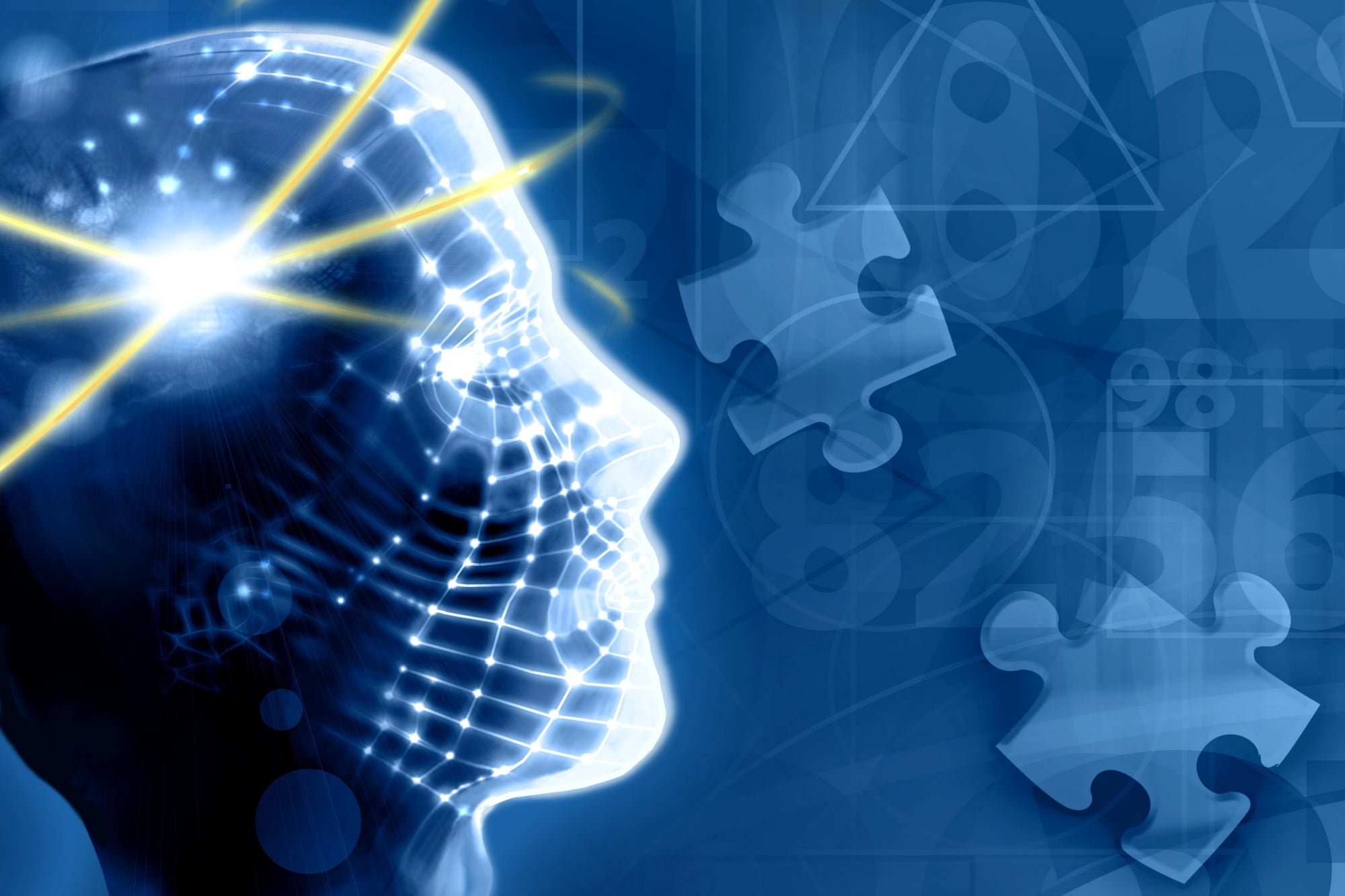
You’re aware of reading these words right now. You know you’re you.
But ask a neurologist to explain exactly how that happens, and they’ll tell you we still don’t know.
Some researchers think consciousness emerges from specific patterns of neural activity.
Others believe it’s fundamental to the universe itself, like space and time.
Then there’s the hard problem: even if we map every neuron and every connection, why does any of it feel like something?
Why isn’t it all just mechanical processes happening in the dark?
You can study brain states, measure neural correlations, identify which regions light up during different experiences.
But none of that explains the subjective experience of being you. Anesthesia switches consciousness off like a light, but we can’t pinpoint exactly what it’s turning off or how.
The question sounds simple—what is consciousness? But it might be the hardest question humans have ever asked.
Is a Hot Dog a Sandwich?
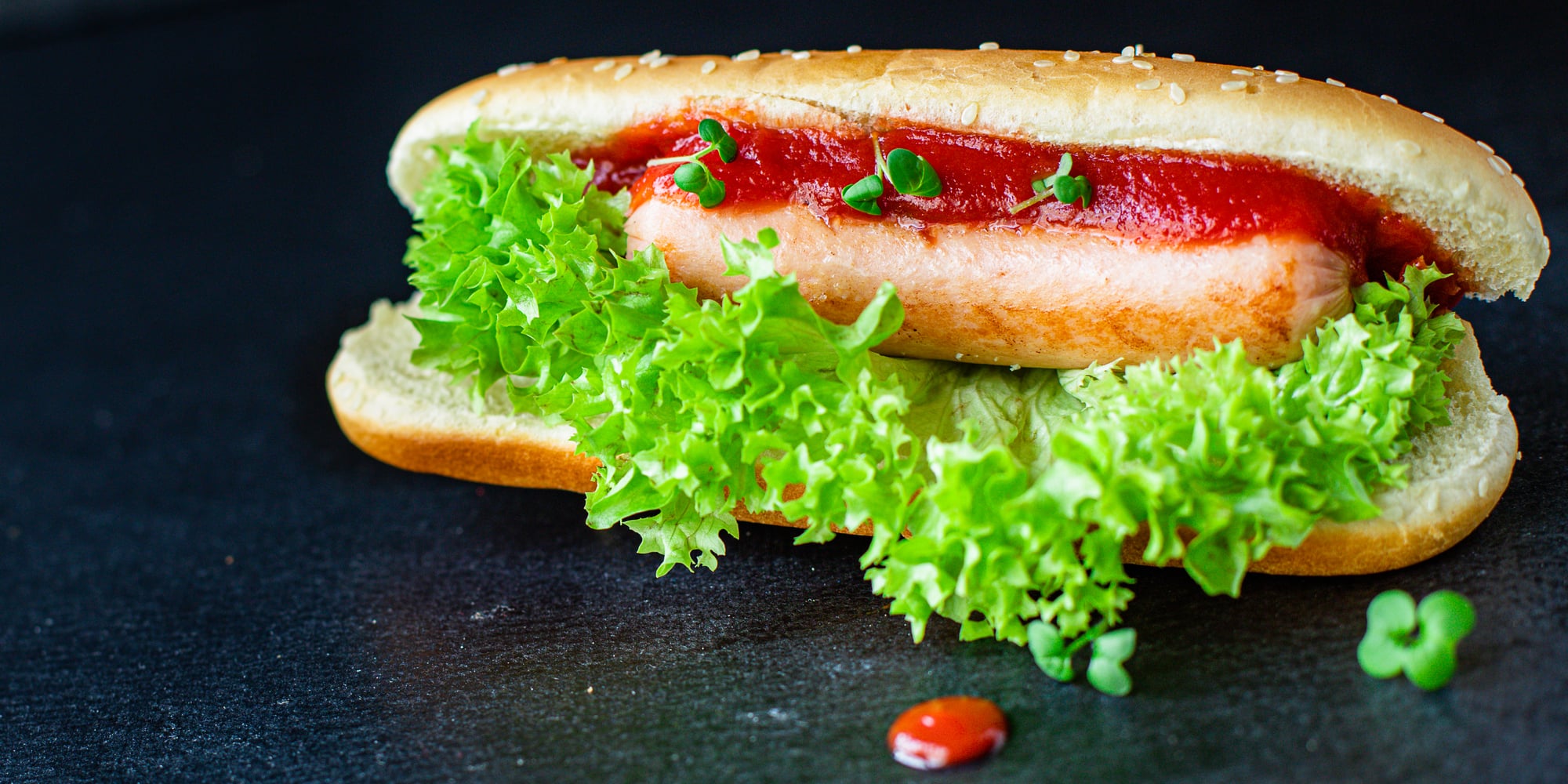
This sounds like a joke question, but it exposes how humans create categories that don’t exist in nature. A sandwich needs bread on opposite sides, right?
But then a submarine sandwich is open on one side along its length. A taco holds fillings in a folded shell.
Where do you draw the line? The USDA classifies hot dogs differently from sandwiches for regulatory purposes. New York tax law has its own definitions. Some argue that the bread’s role matters—does it contain the filling, or does it surround it?
Others focus on cultural context: nobody orders a hot dog when they want a sandwich. This same problem shows up everywhere.
Is a tomato a fruit or a vegetable? Botanically it’s a fruit, culinarily it’s a vegetable, and legally—thanks to a Supreme Court case—it’s a vegetable for tax purposes. Categories exist because they’re useful, not because they’re true. When you push on them, they fall apart.
What Time Is It Right Now?

Check your clock. Simple enough. But that time only matters because everyone nearby agrees on it. Move to a different time zone and “right now” shifts by an hour.
Fly fast enough and time actually slows down relative to people on the ground—not metaphorically, but literally. Your watch will show less time has passed than theirs.
GPS satellites have to account for this.
They orbit fast and experience weaker gravity, which makes their clocks run at a different rate than clocks on Earth.
Without constant corrections for relativity, your GPS would drift off by about 10 kilometers per day.
Time isn’t a universal river flowing the same for everyone.
It bends and stretches depending on how you’re moving and where you are in a gravitational field. Then there’s the question of when “now” actually happens.
Light from the sun takes eight minutes to reach Earth. When you look at it, you’re seeing eight minutes into the past.
Look at a star and you might be seeing light that left thousands of years ago.
The star might not even exist anymore. So what does “now” mean when everything you perceive is always delayed?
How Many Species Exist on Earth?
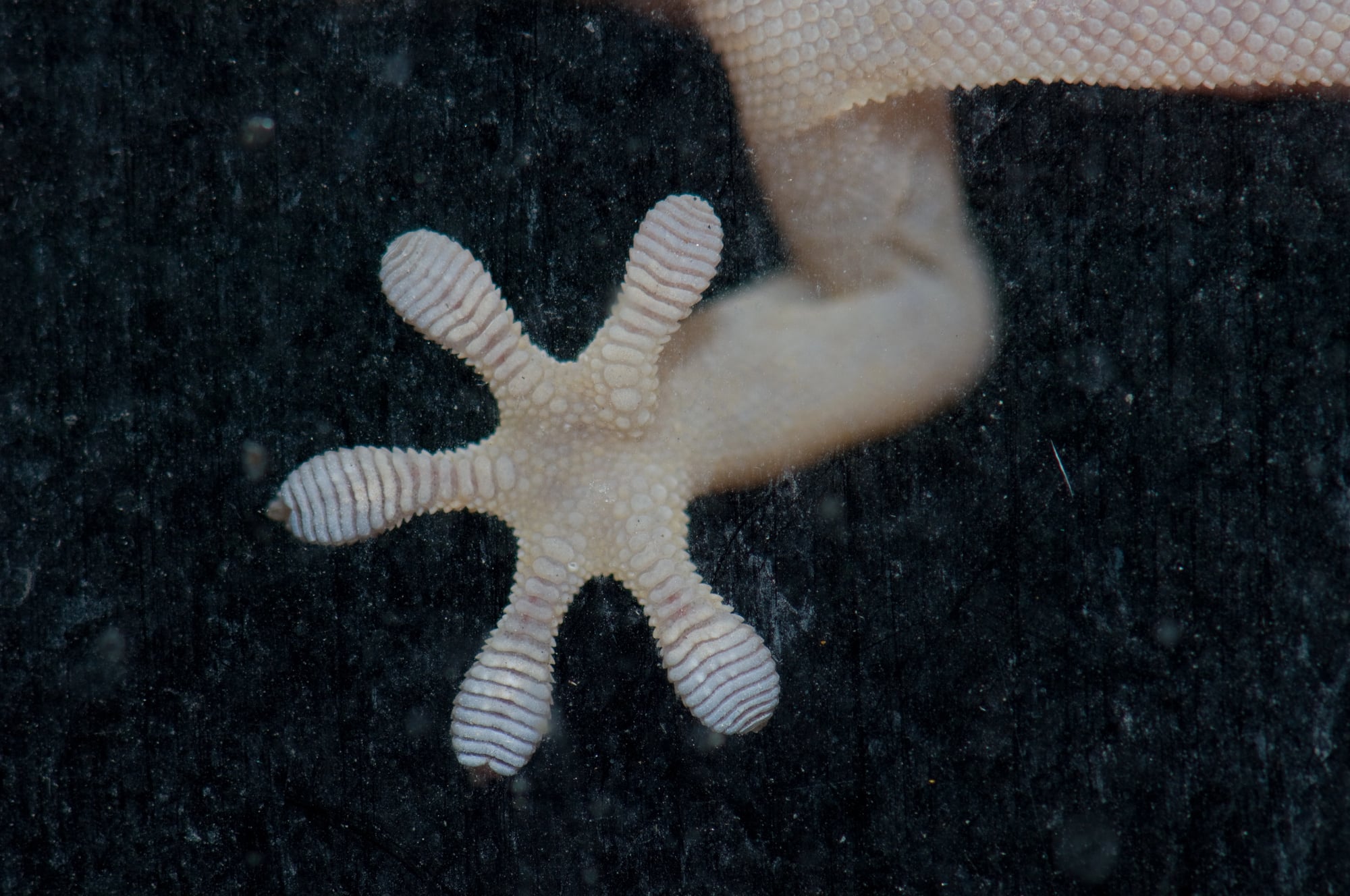
Scientists have documented about 1.7 million species. Estimates for the total number range from 5 million to 100 million.
That’s a pretty big gap. Part of the problem is that species themselves are fuzzy concepts.
The biological species concept says two organisms are different species if they can’t produce fertile offspring together. But ring species break this rule.
Group A can breed with Group B, Group B can breed with Group C, but Group A and Group C can’t breed with each other. Are they all one species or multiple species?
Bacteria don’t reproduce in ways that fit neat categories. They swap genetic material between very different types.
Some organisms clone themselves, so the whole concept of breeding compatibility becomes meaningless.
Defining what counts as a separate species depends on which definition you use.
Different fields use different definitions. The number of species on Earth depends on how you count.
What Is Nothing?

Empty space seems simple. Remove everything and you’re left with nothing. But quantum mechanics says that’s impossible.
Particles and antiparticles constantly pop into existence in empty space, then annihilate each other almost instantly.
These aren’t just theoretical—they create measurable effects like the Casimir effect.
Two metal plates in a vacuum get pushed together by quantum fluctuations.
The vacuum isn’t empty. It seethes with activity at scales too small and too brief to see directly.
Then there’s the question of what space itself is.General relativity treats space as something that can bend and stretch.
If space itself is something, can there be nothing? Or is nothing just the absence of space, which might not even be a coherent concept?
Philosophers and physicists have argued about this for thousands of years. The question hasn’t gotten simpler.
Do Fish Feel Pain?
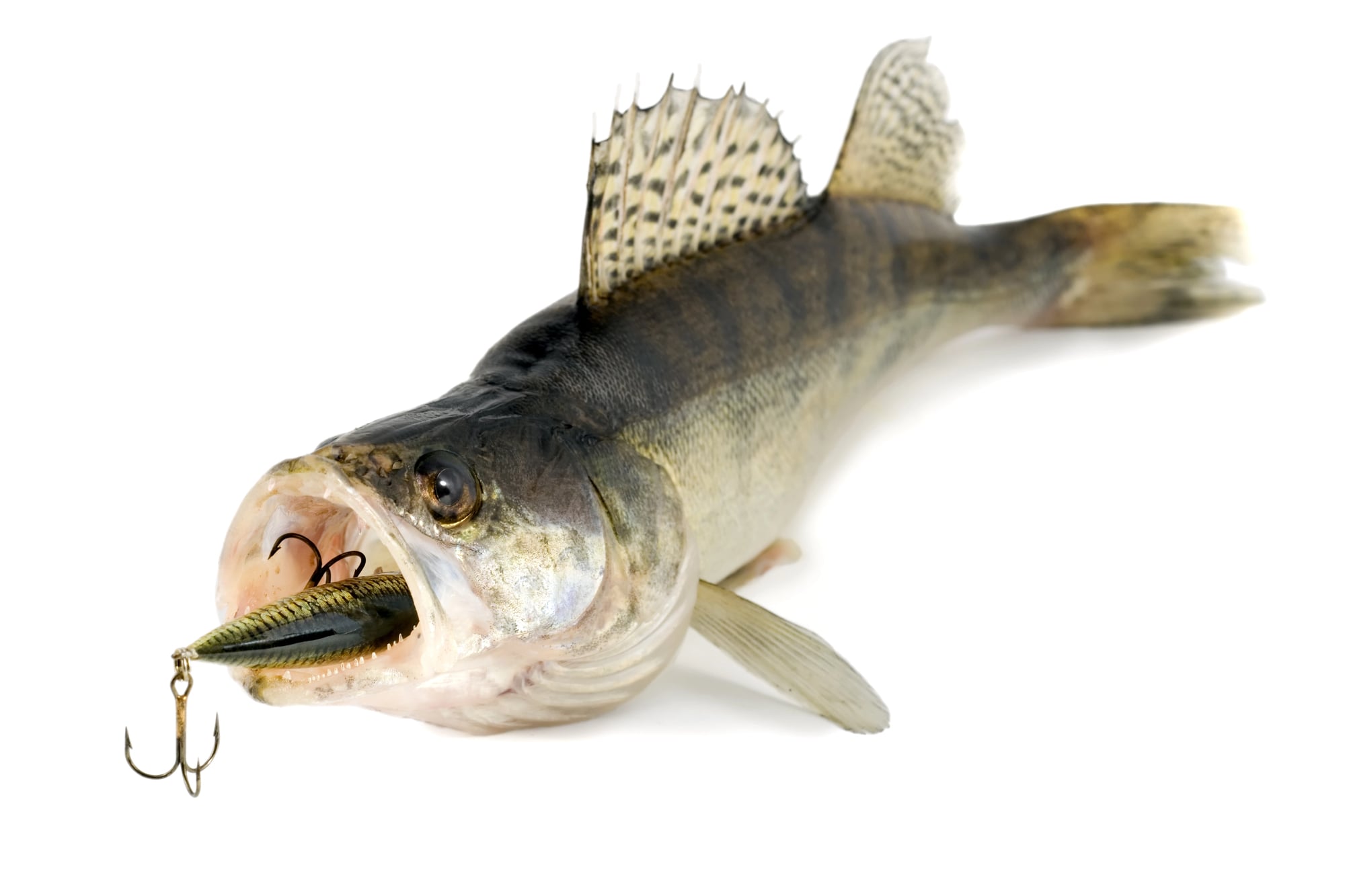
You hook a fish and it thrashes. That looks like pain.
But does it feel pain the way you do, or is it just a mechanical response? Fish have nociceptors—nerve endings that detect damage.
They release stress hormones when injured. Their behavior changes in ways that look like suffering.
But they lack the brain structures mammals use to process pain. Some researchers argue fish experience something pain-like but not pain exactly.
Others say the behavioral evidence is overwhelming—of course fish feel pain. The question matters for ethics and policy.
If fish feel pain, fishing practices need to change. But it’s nearly impossible to know what another creature’s experience feels like from the inside.
You can measure brain activity, track behavioral responses, and study evolutionary biology.
None of it proves subjective experience. The question stays open.
What Makes Water Wet?
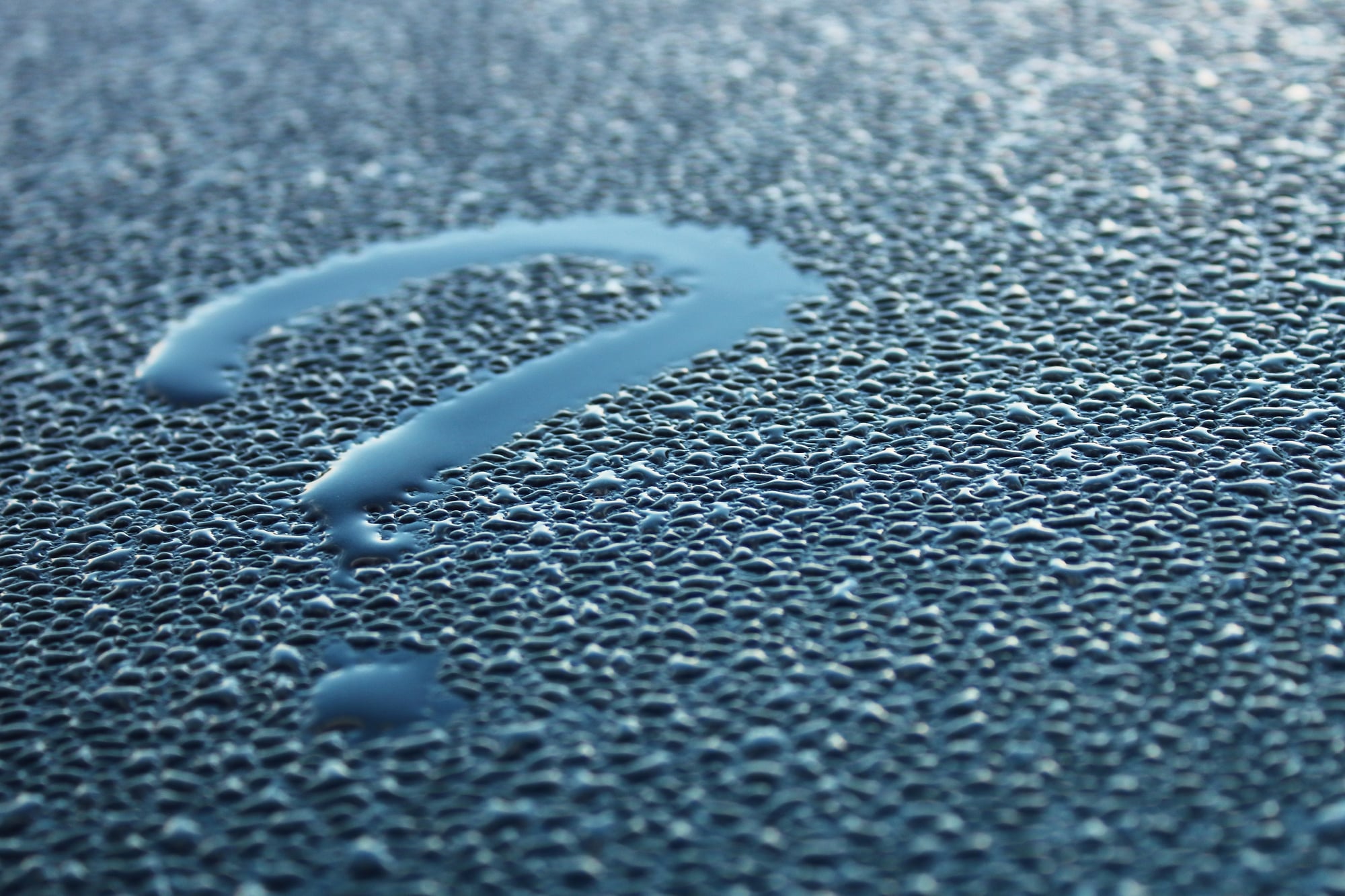
Water makes other things wet. You know what wet means.
But is water itself wet? Wetness is what you feel when water molecules stick to your skin.
It’s a sensation caused by liquid adhering to a surface. A single water molecule doesn’t make anything wet—you need many molecules working together.
So is one molecule of water wet? Most people would say no.
Is a cup of water wet? That depends on whether water can be wet, or if wet is only something water does to other things.
Some argue wetness is a property water has—it’s a liquid at room temperature, it has surface tension, it adheres to surfaces. Others say wetness is the interaction between water and other substances, so water alone isn’t wet.
It’s a debate about definitions more than physics. But definitions matter when you’re trying to communicate precisely what you mean.
Why Do We Yawn?

You’ve yawned thousands of times. You might yawn reading this because yawning is contagious.
But scientists still don’t know why we do it. The old explanation was that yawning brings in more oxygen when you’re tired.
Research disproved that. Breathing pure oxygen doesn’t reduce yawning. Neither does breathing low-oxygen air increase it. So that’s out. Maybe yawning cools the brain. Or signals to others that you’re tired, coordinating sleep in social groups.
Or it wakes you up by stretching facial muscles and increasing heart rate. Or it’s a vestigial reflex from our evolutionary past that doesn’t serve much purpose anymore.
Each explanation has some evidence and some problems. After thousands of years of humans yawning, we still can’t pin down exactly why.
What Is a Chair?

You know a chair when you see one. But try to define exactly what makes something a chair, and you’ll tie yourself in knots. A chair is furniture you sit on. But so is a couch.
A chair has a back and usually four legs. But some chairs have three legs, some have one central support, and bean bag chairs have no legs at all.
You can sit on a table, but that doesn’t make it a chair. A car seat is for sitting but you wouldn’t call it a chair in casual conversation.
The philosopher Ludwig Wittgenstein used this exact problem to argue that most words don’t have fixed definitions. Instead, things that fall under a word share overlapping similarities, like family resemblances.
Some chairs have backs, some have arms, some are designed for specific purposes. No single feature defines all chairs.
You recognize chairs through a cluster of characteristics, not a checklist. Language works through fuzzy boundaries, not clean categories.
How Much Does the Internet Weigh?

Data has no mass. But the infrastructure storing data does.
So does the internet weigh anything? Servers storing information use electricity.
When electrons flow through circuits to store and process data, they have mass. A charged hard drive weighs more than an uncharged one by a tiny, tiny amount—about 10^-22 grams per gigabyte.
The entire internet, by one estimate, weighs about 50 grams. That’s roughly the mass of a strawberry.
But that only counts the electrons representing data. The servers, cables, routers, switches, and everything else physically making up the internet weigh millions of tons.
Does that count? What about the buildings housing the servers?
The power plants generating electricity for them? Where does “the internet” end and everything else begin? The question seems specific but leads into definitional chaos about what counts as part of a system.
When Did the First Human Exist?

Evolution doesn’t happen in jumps. One generation doesn’t suddenly become a different species from their parents.
Change accumulates gradually over thousands of generations. Homo sapiens emerged from earlier hominids around 300,000 years ago, give or take.
But those early humans were different from modern humans. They interbred with Neanderthals and Denisovans.
They had different skull shapes, different tools, different behaviors. Are they the same species as you?
Where exactly do you draw the line? You could pick some arbitrary trait—language ability, tool use, symbolic thinking.
But each of those emerged gradually. You could choose the first individual with a certain genetic mutation.
But that person would have been virtually identical to their parents. There’s no clean answer because speciation is a process, not an event. The first human is whoever you decide to call the first human, based on which definition you choose.
What Makes Something Art?

Marcel Duchamp once grabbed a bathroom fixture, slapped his name on it – suddenly it’s artwork. Some galleries hang empty paintings like they mean something.
Then there’s John Cage, who made “music” by not playing notes for over four minutes straight. Does any of this count as real art?
Some explanations center on purpose – if you made it to be art, then it counts. Yet this means anything goes, just say so.
Others look at how it looks, yet what’s beautiful differs from person to person.
Usefulness doesn’t decide either; a chair might be art, while some artworks serve a role.
The time and place shape things – a toilet became bold back in 1917, though doing the same today would feel flat. The idea behind institutional theory?
Art’s just stuff people in the art scene treat like art. Not critics alone – curators, galleries, museums – all play a part in calling it real.
So art isn’t some fixed thing you find – it’s built by agreement. Suddenly, it’s less about what art is and more about who gets to say so. And that one? No quick fix there.
The Weight of Questions
Each query mentioned sparked books, arguments, even full subjects at school. Not due to overcomplicating stuff.
But because real life’s messier than words suggest. Language draws lines where none really exist.
When you wonder what something really means, you’re trying to decide where one thing ends and another begins on a smooth scale. Now and then, those borders make sense.
Most times, they get blurry fast. The questions quietly show what it’s like to see reality through human eyes.
Yet our minds crave groups, labels, quick fixes. Life just isn’t built like that – instead, things overlap, twist together, blur at the borders.
Still, even basic queries expose this tangle we live in. They show you this: learning more just proves how little you grasp – maybe even how some things can’t be grasped.
Not annoying at all. That’s exactly why staying curious matters.
More from Go2Tutors!

- The Romanov Crown Jewels and Their Tragic Fate
- 13 Historical Mysteries That Science Still Can’t Solve
- Famous Hoaxes That Fooled the World for Years
- 15 Child Stars with Tragic Adult Lives
- 16 Famous Jewelry Pieces in History
Like Go2Tutors’s content? Follow us on MSN.



