15 Things That Made 90s Magazines Iconic
You know how now you scroll through your phone for news and entertainment? Back in the 90s, people actually waited in line at grocery stores just to grab the latest issue of their favorite magazine.
Magazines were huge back then – like, people would clear space on their coffee tables and everything. Editors could make or break careers with one cover story.
The whole magazine thing was just different then. Here’s a list of 15 things that made 90s magazines so damn good.
Computers Made Everything Look Better
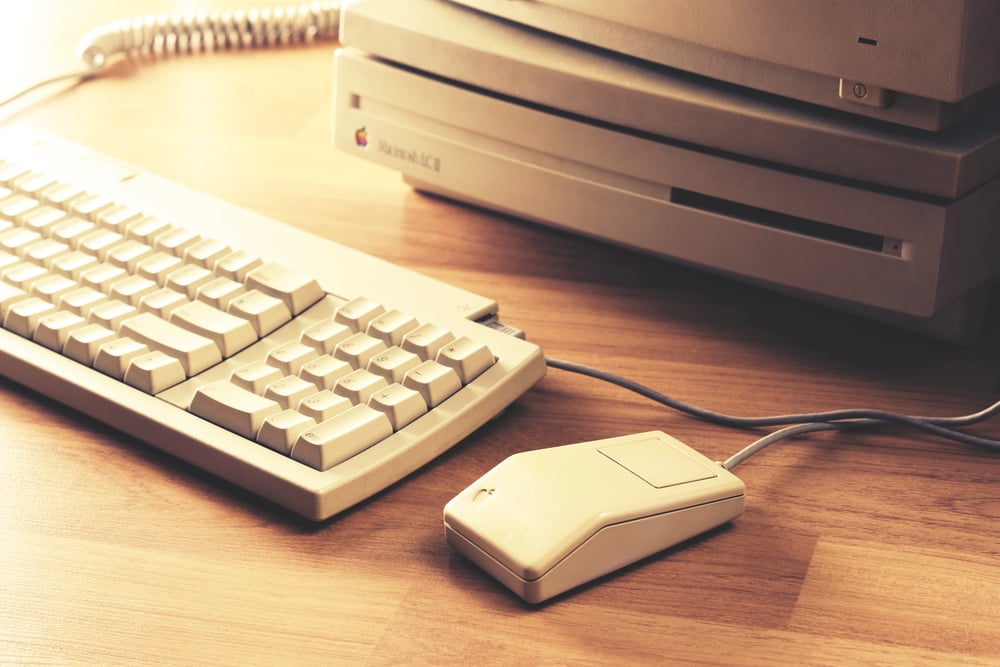
Making a magazine used to be this crazy complicated process. One mistake and you’d have to redo everything by hand.
Then computers came along and changed the whole game. Suddenly even small magazines could make layouts that looked amazing without spending tons of money.
Models Became Famous Like Movie Stars

Kate Moss wasn’t just some random model – she was everywhere. People knew her name, followed her personal life, bought magazines just because she was on the cover.
Same with Cindy Crawford and Naomi Campbell. These women were celebrities in their own right, and magazines knew exactly how to use that.
Catching Celebrities Off Guard Was Big Business
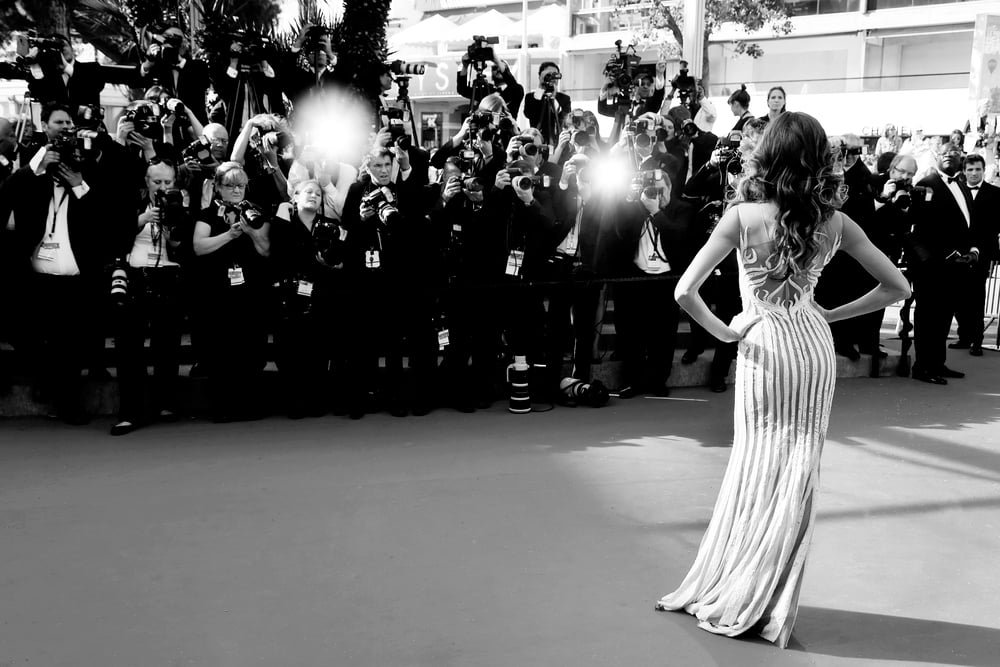
Nobody cared about perfect posed photos anymore. People wanted to see celebrities looking normal – at the beach, walking their dogs, buying coffee.
Magazines like People made millions just by showing famous people doing regular stuff. Sounds boring now, but back then it was revolutionary.
The Grunge Look Took Over Everything

When bands like Nirvana got popular, magazines started copying their messy, don’t-care attitude. Even fancy fashion magazines ditched their clean looks for something grittier.
Torn edges, rough fonts, layouts that looked like they were put together in someone’s garage – it was everywhere.
Tech Magazines Made Computers Cool

Most people were scared of computers in the early 90s. Then magazines like Wired came along and made technology seem exciting instead of intimidating.
They wrote about the internet like it was this amazing adventure instead of something only computer geeks could understand.
Magazines Finally Got Young People

Gen X had money and attitudes, and magazines figured that out fast. Instead of talking down to younger readers, they started writing like they actually got it.
Magazines could be sarcastic, cynical, whatever – because that’s how their readers felt anyway.
Your Magazine Stack Said Everything About You

People treated their coffee table magazines like decoration. The right mix of Vogue, Rolling Stone, and some artsy publication nobody had heard of told visitors exactly what kind of person you were.
It was like showing off your personality without saying a word.
Every Hobby Got Its Own Magazine

There were magazines for everything you can think of. Skateboarding, specific dog breeds, collecting vintage toys – if enough people cared about something, someone would start a magazine about it.
The internet didn’t exist to connect these communities yet, so magazines were how people found others with the same weird interests.
Magazines Felt Like Luxury Items

The paper got thicker, the photos got sharper, everything just felt more expensive. When you picked up a magazine, you knew you were holding something special.
That glossy cover and heavy paper made the whole experience feel worth the money you spent on it.
Alternative Music Finally Got Attention

Before the 90s, if your band wasn’t on the radio, good luck getting noticed. Magazines changed that by covering indie bands, underground scenes, music that mainstream media ignored.
Getting written about in the right magazine could turn a nobody band into the next big thing overnight.
Designer Fashion for Regular People

Magazines realized most readers couldn’t afford thousand-dollar outfits, so they started showing cheaper ways to get the same look. Every fashion spread came with budget alternatives.
Suddenly you didn’t need to be rich to look stylish – you just needed to know where to shop.
TV and Movies Got Serious Analysis
Entertainment Weekly didn’t just list what movies were coming out – they explained why you should care. TV shows got reviewed like important art.
Pop culture wasn’t just fun anymore; it was something smart people talked about seriously.
Readers Actually Talked Back
The letters section was huge back then. People wrote in, magazines printed the responses, other readers responded to those.
Some magazines had contests, pull-out posters, even scratch-and-sniff perfume samples. It felt interactive in ways that seem quaint now.
Magazines Became Shopping Experiences

Martha Stewart didn’t just show you how to decorate – she sold you the stuff to do it with. Magazines realized they could make way more money by selling products instead of just information.
Pretty smart business move, actually.
Editors Had Real Power

Anna Wintour could destroy a fashion career with one bad review. Tina Brown appeared on TV like she was running for president.
These editors didn’t just report on culture – they decided what culture was. That kind of influence is hard to imagine now.
Everything We Do Online Started Here
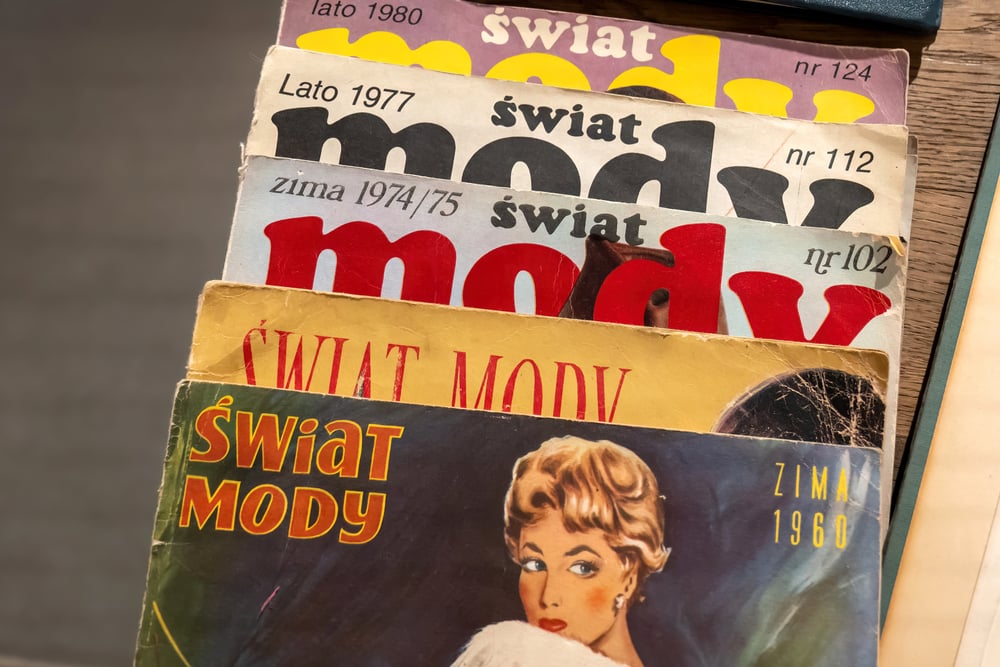
Instagram stories? Magazines were doing visual storytelling first. Influencers selling products? Martha Stewart figured that out in the 90s.
Even internet comment fights started in magazine letters sections. The internet just made everything faster and more personal.
Back then, magazines had this power to make people feel connected to something bigger. They didn’t just give you information – they gave you an identity.
Sure, everything’s instant now and nobody waits around for monthly issues, but those 90s magazines created the template we’re still following today.
More from Go2Tutors!

- The Romanov Crown Jewels and Their Tragic Fate
- 13 Historical Mysteries That Science Still Can’t Solve
- Famous Hoaxes That Fooled the World for Years
- 15 Child Stars with Tragic Adult Lives
- 16 Famous Jewelry Pieces in History
Like Go2Tutors’s content? Follow us on MSN.



