Biggest Fashion Disasters in Movie History
Movies transport us to different worlds, different times, and different realities. The costumes play a massive role in making those worlds believable.
When costume designers get it right, we barely notice because everything feels natural. When they get it wrong, though, it can pull us right out of the story.
Sometimes the mistakes are subtle historical inaccuracies that only experts catch. Other times, the fashion choices are so spectacularly bad that even casual viewers can’t help but cringe.
Here is a list of the biggest fashion disasters in movie history, from superhero suits that missed the mark to historical epics that got their centuries completely mixed up.
Braveheart’s Premature Kilts
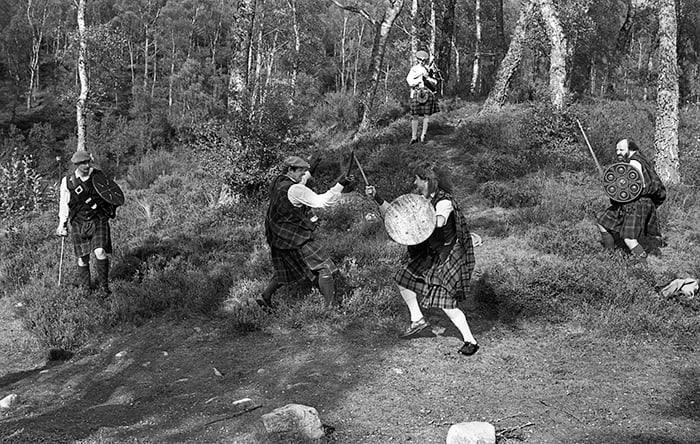
Mel Gibson’s Scottish warriors looked fierce charging into battle wearing their clan tartans and blue face paint, but they were about 300 years ahead of their time. The film is set in the late 13th century, yet kilts didn’t become part of Scottish fashion until the 16th century at the earliest.
The modern kilts we recognize today didn’t appear until the 18th century. To make matters worse, the whole concept of clan tartans was largely a romantic 19th-century invention that didn’t exist during William Wallace’s time.
Scottish author Peter Traquair called it a farcical representation, noting that Wallace wasn’t a wild highlander running around in a kilt 500 years too early. The blue face paint was also historically inaccurate by about 1,000 years, referencing ancient Pict warriors rather than medieval Scots.
Like Go2Tutors’s content? Follow us on MSN.
Catwoman’s Leather Lingerie

Halle Berry graciously accepted her Razzie Award for this 2004 film, but the costume designer probably should have joined her on stage. Instead of creating a practical outfit for a cat burglar, the designers put Berry in what essentially amounted to a leather bra and strategically ripped pants that exposed her midriff.
The costume turned a potentially fierce character into something that looked more appropriate for an adult entertainment venue than superhero action. Previous iterations of Catwoman managed to be alluring while still looking functional, but this version crossed the line into pure exploitation.
How exactly is a leather bra supposed to protect someone during rooftop fights and dangerous stunts? The high heels didn’t help matters either, making the whole ensemble look like someone raided a costume shop five minutes before filming.
Gladiator’s Lycra Shorts

Ridley Scott’s epic won the Oscar for Best Costume Design, which makes the occasional glimpses of Russell Crowe’s modern undergarments even more jarring. In various battle scenes, when Maximus’ tunic rides up, you can clearly see he’s wearing Lycra cycling shorts underneath.
Ancient Romans definitely didn’t have access to synthetic fabrics, and these glimpses of 20th-century athletic wear pull viewers right out of the immersive world Scott created. The costume department went to such lengths to make everything else feel authentic, from the armor to the leather straps, that having modern compression shorts visible in multiple scenes feels like a preventable oversight.
It’s the kind of detail that once you notice it, you can’t unsee it.
Green Lantern’s CGI Disaster
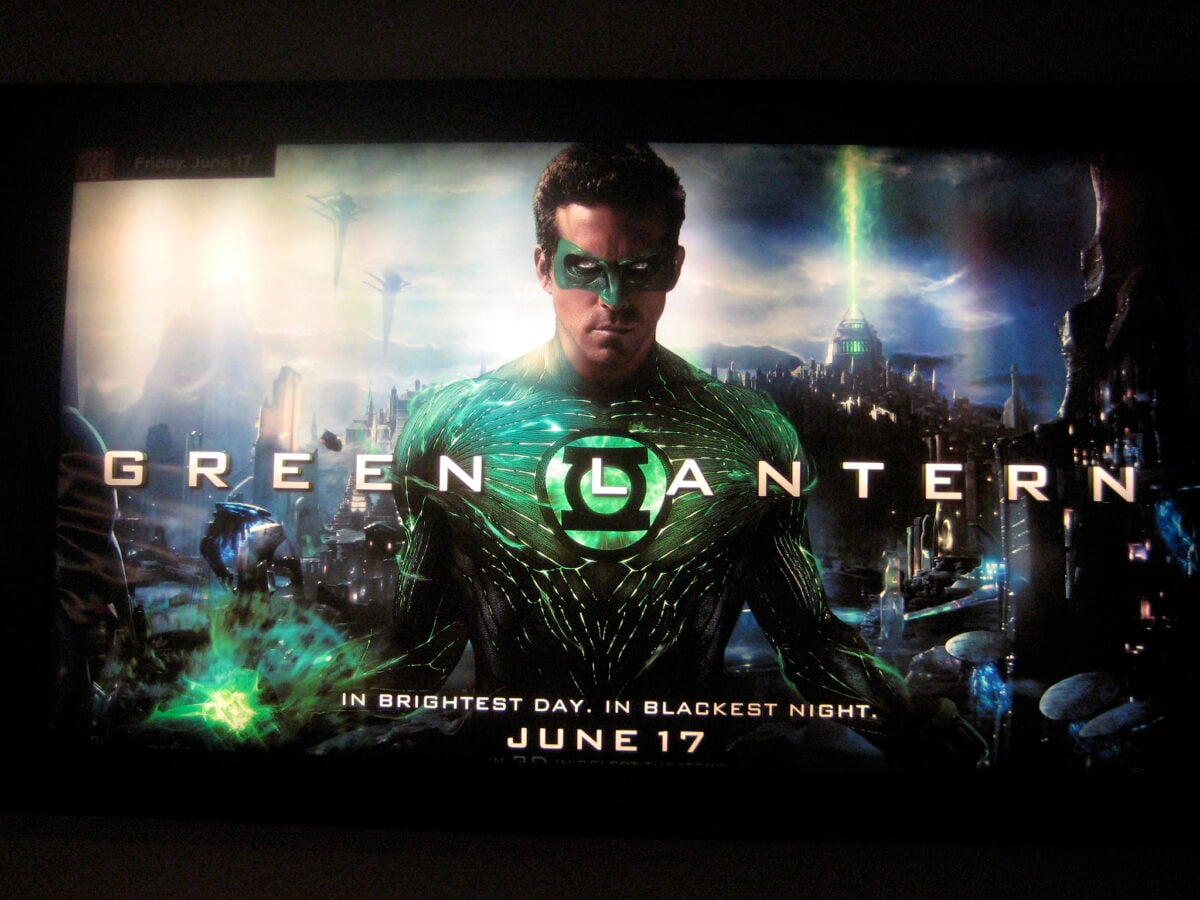
Ryan Reynolds has made plenty of jokes about this 2011 film, and the all-CGI costume is a big part of why it failed. Instead of creating a practical suit that actors could wear, the filmmakers decided to render Hal Jordan’s entire outfit in computer graphics.
The result was a costume that never quite looked like it existed in the same physical space as the actors around it. The poorly rendered green mask on Reynolds’ face was particularly distracting, looking more like a filter than an actual piece of superhero gear.
While CGI can enhance costumes, relying on it entirely removes the tactile quality that makes superhero suits feel real. The design might have worked better in comic books, but translating it directly to screen without any physical elements was a costly mistake.
Like Go2Tutors’s content? Follow us on MSN.
The Phantom’s Spirit Halloween Special
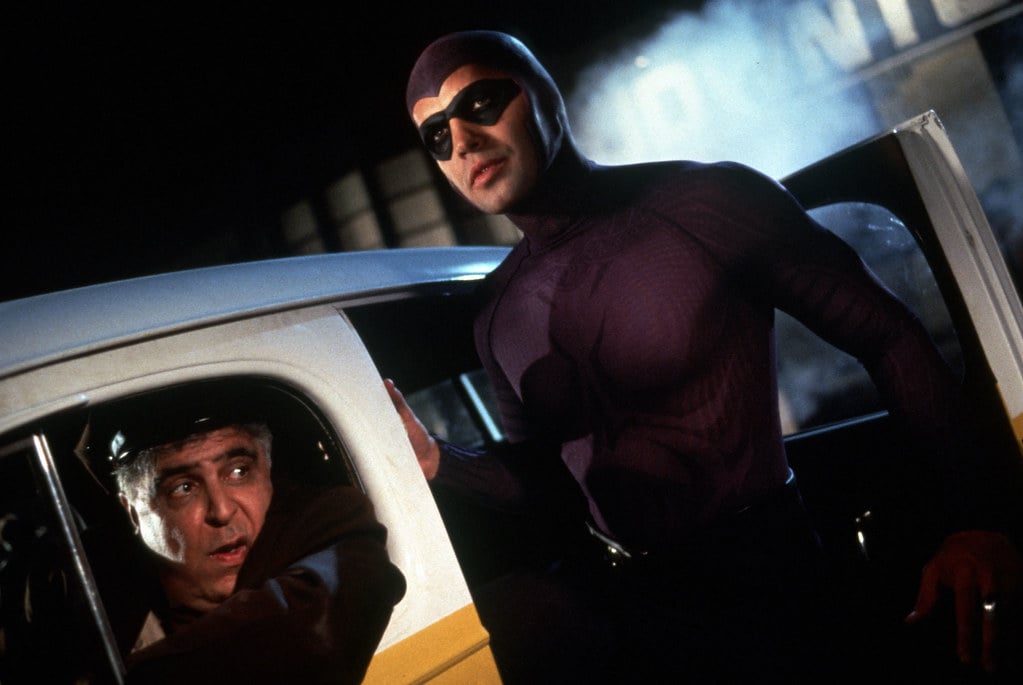
Billy Zane’s 1996 take on this classic character looked like he’d grabbed a costume off the clearance rack at a party supply store. The purple skintight suit and domino mask might have worked in the original 1930s comic strips, but seeing them realized in live action made the whole thing feel cheap and unconvincing.
The Phantom is supposed to be a mysterious crime-fighter who strikes fear into the hearts of criminals, but this outfit made him look more like someone heading to a themed birthday party. The fact that the character has no superpowers made the impractical costume even worse since there’s nothing protecting him during combat except skin-tight purple fabric.
The film has gained a cult following over the years, but even die-hard fans have to admit the costume didn’t translate well from page to screen.
Steel’s Bargain Bin Armor

Shaquille O’Neal’s superhero vehicle was a disaster on multiple levels, and the costume certainly didn’t help. The bulky suit looked like it was assembled from dull matte fiberglass pieces that barely fit together properly.
Where the comic book version features sleek, gleaming armor that looks advanced and powerful, the movie version resembled a rejected prop from a low-budget science fiction film. The clunky helmet was particularly bad, looking more like something from a children’s cartoon than serious superhero gear.
Because the film removed all connections to Superman, they also stripped away iconic elements like the red cape and the S symbol, leaving viewers with generic armor that looked difficult to walk in, let alone fight crime while wearing.
Amadeus and the Zipper Problem

This 1984 film won eight Academy Awards including Best Costume Design, which makes the presence of metal zippers throughout the movie all the more puzzling. The story is set in 18th-century Vienna, but metal zippers weren’t invented until the early 20th century.
While the wardrobes were otherwise excellent and helped bring Mozart’s world to life, seeing modern fasteners on period costumes is the kind of detail that takes historians right out of the experience. The filmmakers likely chose zippers for practical reasons since they made it easier for actors to get in and out of their elaborate costumes between takes.
Still, for a film that won the top prize for costume design, having such an obvious anachronism visible throughout feels like a significant oversight.
Like Go2Tutors’s content? Follow us on MSN.
Troy’s Temporal Mix-Up
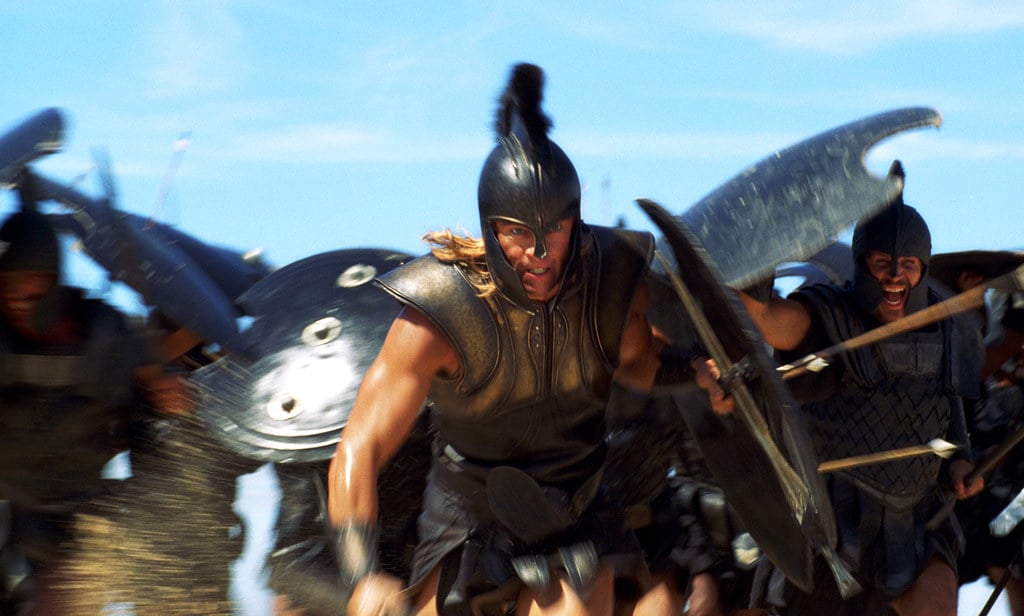
Wolfgang Petersen’s 2004 epic had costumes that looked impressive but pulled from wildly different time periods. Helen’s flowing outfits resembled an Indian sari more than anything a woman in the Bronze Age would have worn.
The beautiful floral crowns worn by Helen and Andromache were inspired by Greek designs from around 300 BCE, nearly a thousand years after the Trojan War supposedly took place. The Trojans wore armor clearly inspired by the Hittites, which was at least contemporaneous, but they threw in greaves that the Hittites never actually used.
The costumes created a visually striking film, but anyone familiar with ancient history could see that the designers were cherry-picking elements from across centuries without much concern for accuracy.
The Warriors’ Angry Mimes

Most of the gangs in this 1979 cult classic got memorable, distinctive looks that have become iconic. The Warriors themselves had cool leather-tribal wear, and the Baseball Furies created genuinely frightening opponents with their corpse-like makeup and pinstriped uniforms.
Then there were the Hi-Hats, who for reasons that remain mysterious decided to dress as extremely aggressive mimes. The full mime getup complete with white faces and striped shirts made them look more silly than threatening. In a film where each gang’s costume helped establish their personality and territory, the Hi-Hats ended up looking like they got lost on their way to a street performance.
The Jones Street Boys weren’t much better with their striped shirts that suggested angry waiters at a sports bar rather than dangerous gang members.
Captain America’s Earpiece Anachronism
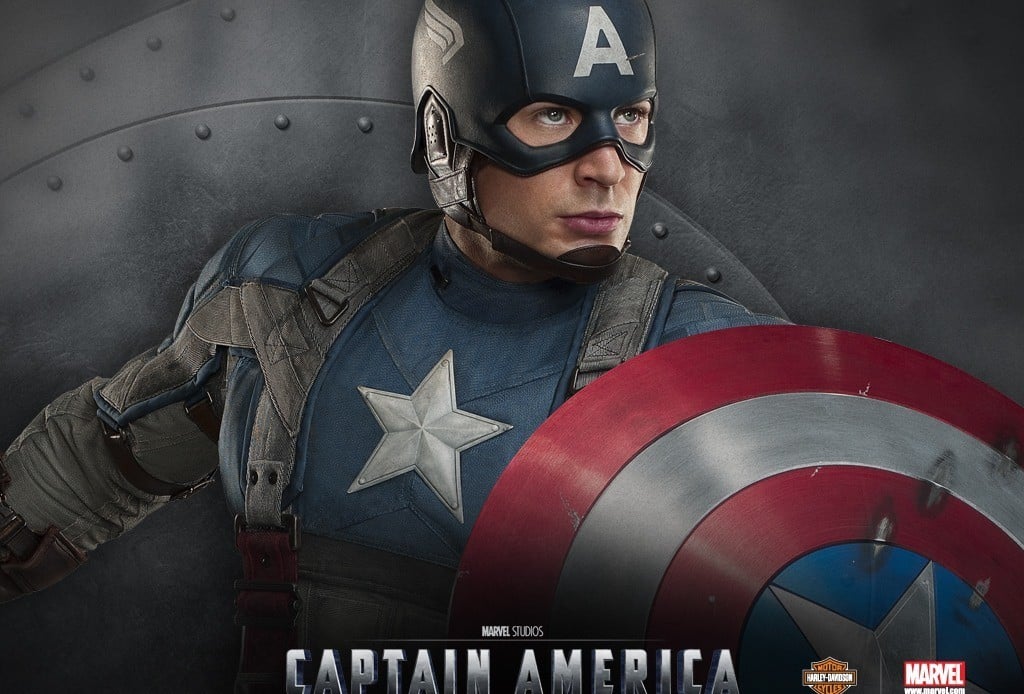
The Marvel Cinematic Universe usually pays attention to period details, which makes this error from the first Captain America film stand out. Jim Morita, one of the Howling Commandos, wears a prominent military earpiece that looks perfectly normal until you realize the technology didn’t exist yet.
The film is set in the 1940s during World War II, but the type of communications gear Morita is sporting wouldn’t be developed until the 2000s. It’s a small detail that most viewers probably missed, but for anyone familiar with military technology, it’s a glaring anachronism.
Perhaps Morita had access to some of Howard Stark’s advanced technology, but that explanation was never provided in the film.
Like Go2Tutors’s content? Follow us on MSN.
Django Unchained’s Sunglasses Problem
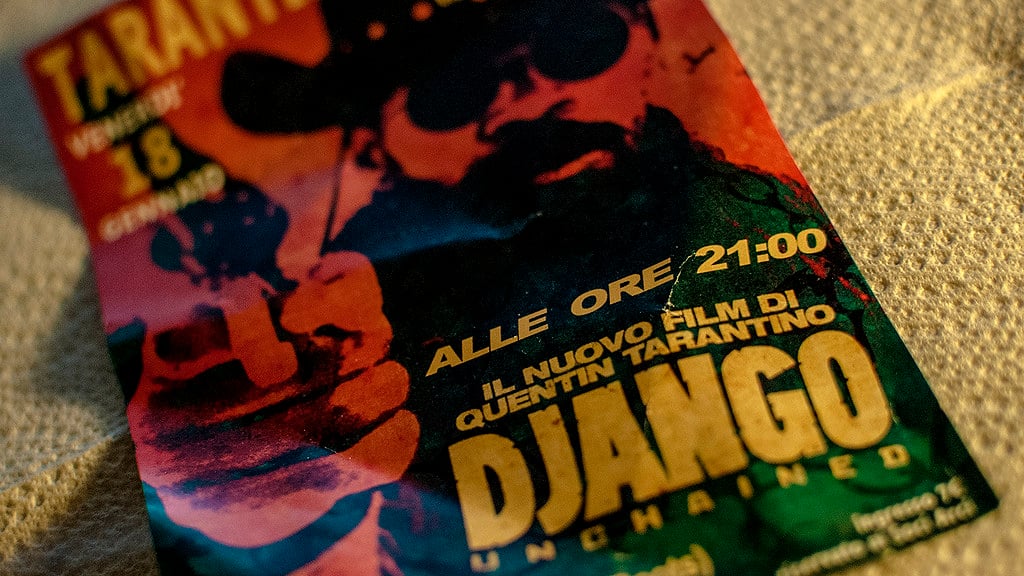
Quentin Tarantino’s 2012 film is set in 1858, and Jamie Foxx’s Django looks undeniably cool in his stylish sunglasses. The only problem is those particular shades didn’t exist yet.
The sunglasses became such an iconic part of the character’s look that they appeared prominently on the movie poster, making the anachronism impossible to miss once you know about it. While sunglasses in various forms did exist in the 19th century, Django’s specific style is distinctly modern.
Tarantino is known for prioritizing style over strict historical accuracy, and in this case, he clearly decided that Django looking cool was more important than period authenticity.
Grease’s Leisure Suit Blues

This 1978 musical is supposed to be set in the 1950s, but the costumes couldn’t help drifting into the decade when it was actually filmed. During the big dance scene at Rydell High, Danny Zuko shows up wearing a pink, big-collared dress shirt under a leisure suit. That’s a quintessentially 1970s look that no tough guy teenager in the 1950s would have been caught dead wearing.
Later in the “Born to Hand Jive” number, you can see Marty Maraschino sliding across the floor with a very visible kneepad, a practical safety measure for the actor but certainly not a fashion choice for the character. The film embraced its fun, theatrical nature rather than strict period accuracy, but these costume choices definitely date it to the disco era.
Seabiscuit’s Safety-First Helmet

Tobey Maguire charmed audiences as jockey Red Pollard in this 2003 film about the famous racehorse, but his helmet was ahead of its time. The story takes place during the 1930s and 1940s, yet Pollard wears a modern strapped helmet that hadn’t been invented yet.
The filmmakers were probably thinking about safety, wanting to show responsible protective gear even if it wasn’t historically accurate. It’s hard to fault them for promoting safety consciousness, but it does create a disconnect for viewers who know their horse racing history.
The helmet is such a prominent part of the jockey’s outfit that it appears in nearly every racing scene, making it a consistently visible anachronism throughout the film.
Like Go2Tutors’s content? Follow us on MSN.
Pearl Harbor’s Missing Seams
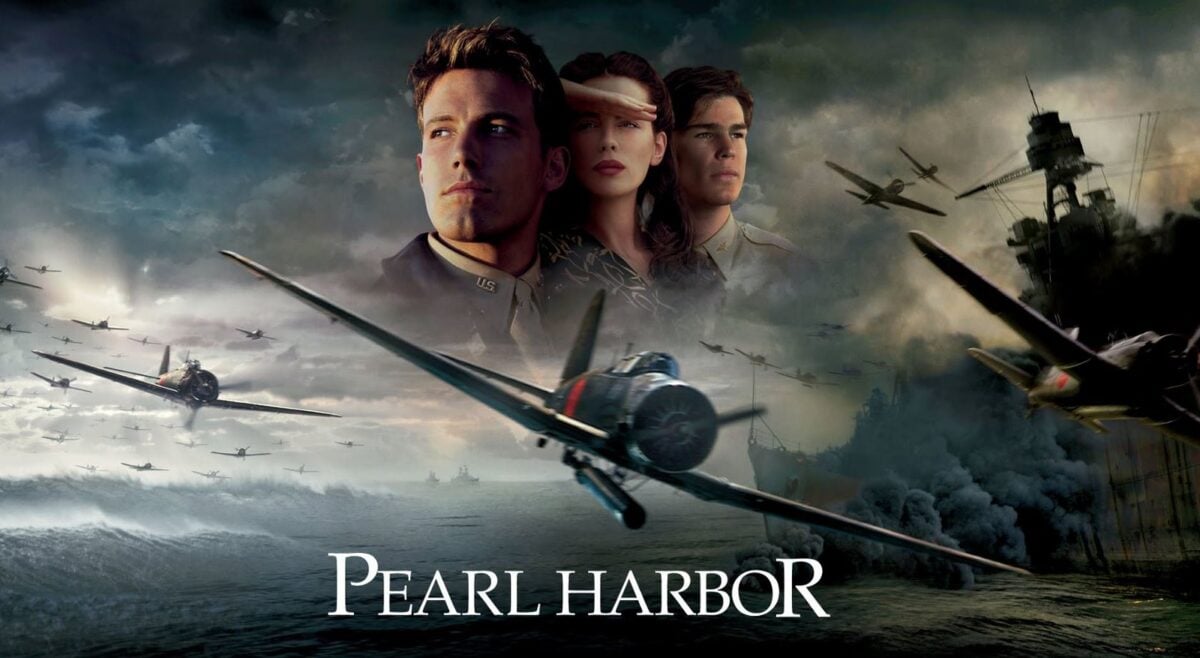
The women waiting at Pearl Harbor in 2001’s film look picture-perfect in their period dresses and leis, but their bare legs reveal a subtle costume failure. During the 1940s, women would never have appeared in public with completely bare legs.
Nylon stockings were in short supply during the war, but women would have at least painted seams onto the backs of their legs to maintain a modest, put-together appearance. This attention to detail was an important part of women’s fashion during that era, and its absence makes the supposedly authentic 1941 scene feel incomplete.
It’s the kind of small touch that would have enhanced the period setting without requiring much additional effort or expense.
Titanic’s Wandering Mole

Kate Winslet’s portrayal of Rose included a distinctive beauty mark that added to her character’s elegance. The costume and makeup departments did incredible work bringing the era to life, winning the film well-deserved acclaim.
However, Rose’s mole had a peculiar habit of migrating between the left and right sides of her face in different scenes. It starts on one side and mysteriously appears on the other before eventually returning to its original position.
This is such an obvious continuity error that it’s surprising it made it through to the final cut. Makeup errors are usually easy to catch and fix during editing, but somehow this one slipped through despite the film’s massive budget and attention to detail in almost every other aspect.
The Apple’s Disco Nightmare

This 1980 rock musical deserves special recognition for creating costumes so bizarre they’ve helped the film top numerous “worst movie ever” lists. Set in a dystopian future, the movie features outfits that look like someone raided a disco costume warehouse during a fever dream.
The fashion choices are aggressively weird, combining glitter, metallic fabrics, and designs that seem to have no connection to any recognizable style or era. While the film was clearly trying to create a distinctive futuristic aesthetic, the results were so over-the-top and poorly executed that they became unintentionally hilarious.
The costumes perfectly match the movie’s reputation as a spectacular misfire that has to be seen to be believed.
Like Go2Tutors’s content? Follow us on MSN.
The Fashion Lives On

These costume disasters remind us that getting the details right matters more than many filmmakers realize. Whether it’s a superhero suit that looks ridiculous or a historical drama that gets its centuries mixed up, poor costume choices can undermine even the best performances and storylines.
The films that have become cautionary tales teach an important lesson about balancing creative vision with authenticity and practicality. Modern productions have access to more resources and research than ever before, yet costume mistakes continue to happen.
The difference now is that eagle-eyed viewers armed with pause buttons and internet forums catch every single error, ensuring that fashion disasters in movies become part of cinema history in ways the creators never intended.
More from Go2Tutors!

- 16 Historical Figures Who Were Nothing Like You Think
- 12 Things Sold in the 80s That Are Now Illegal
- 15 VHS Tapes That Could Be Worth Thousands
- 17 Historical “What Ifs” That Would Have Changed Everything
- 18 TV Shows That Vanished Without a Finale
Like Go2Tutors’s content? Follow us on MSN.