15 Things the 1990s Generation Will Never Be Able to Explain
Growing up in the ’90s meant living through one of the most peculiar decades in modern history. Not peculiar in a bad way—just uniquely bizarre in ways that feel impossible to translate to anyone who wasn’t there.
The technology was clunky, the fashion defied logic, and the entertainment existed in a strange bubble that somehow made perfect sense at the time. Try explaining any of it to someone born after 2000, and watch their face contort in confusion.
Dial-Up Internet Sounds
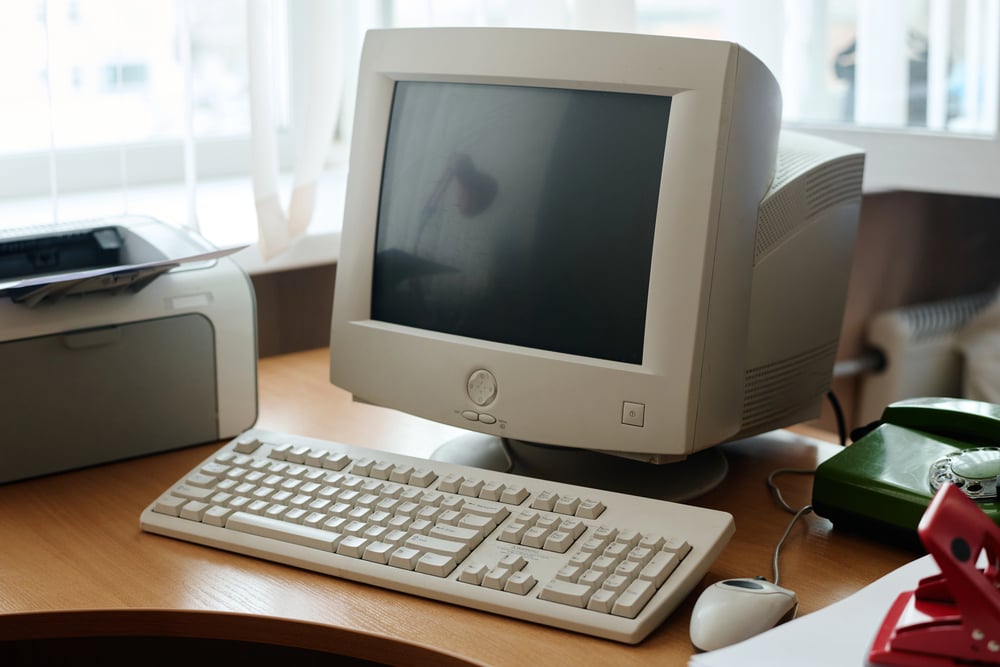
The screech wasn’t annoying. It was hopeful. That mechanical symphony of beeps and static meant connection was happening, that the digital world was about to open up through a phone line.
Sure, it took forever, and someone picking up the phone could ruin everything, but patience felt different then.
Rewinding VHS Tapes
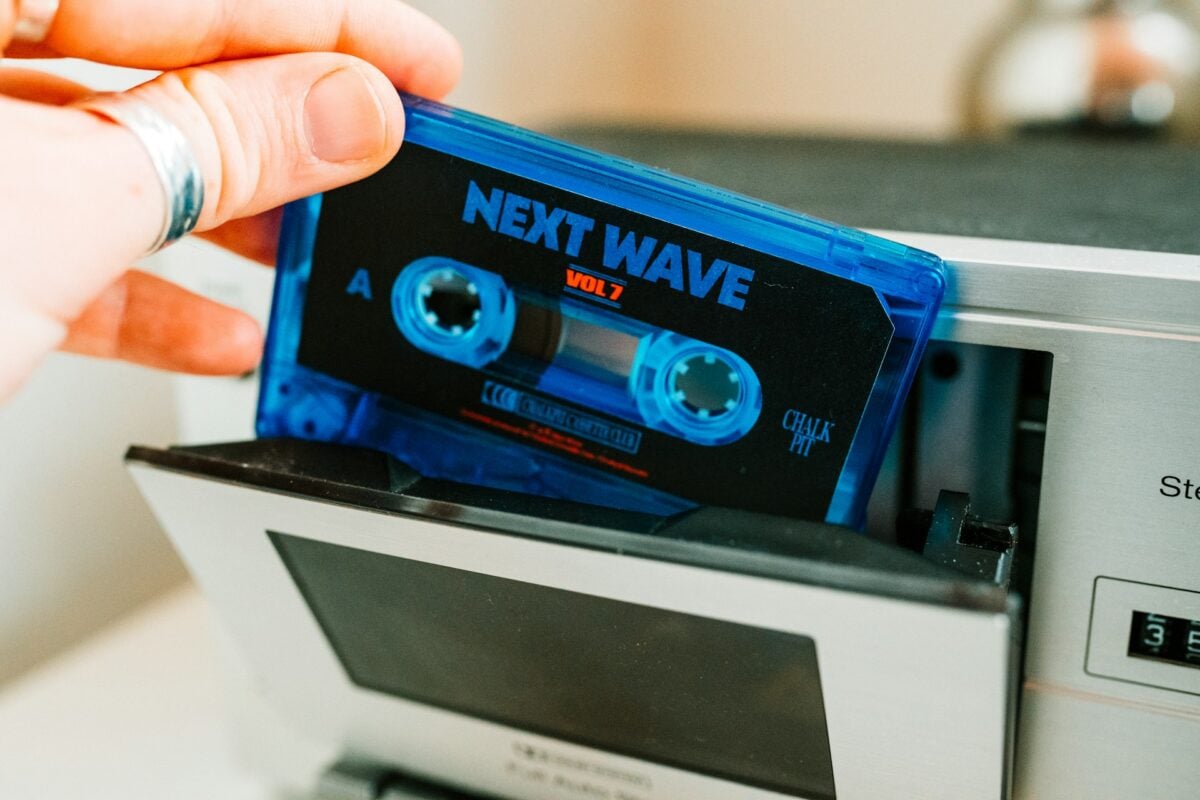
Be kind, rewind. Those four words carried the weight of social responsibility in a way that sounds ridiculous now (and the video store charged you a dollar if you forgot).
But there was something almost ritualistic about the process—sliding the tape in, hearing that mechanical whir, watching the counter numbers blur backward. The courtesy extended to the next person, the small act that kept the whole system functioning.
Memorizing Phone Numbers
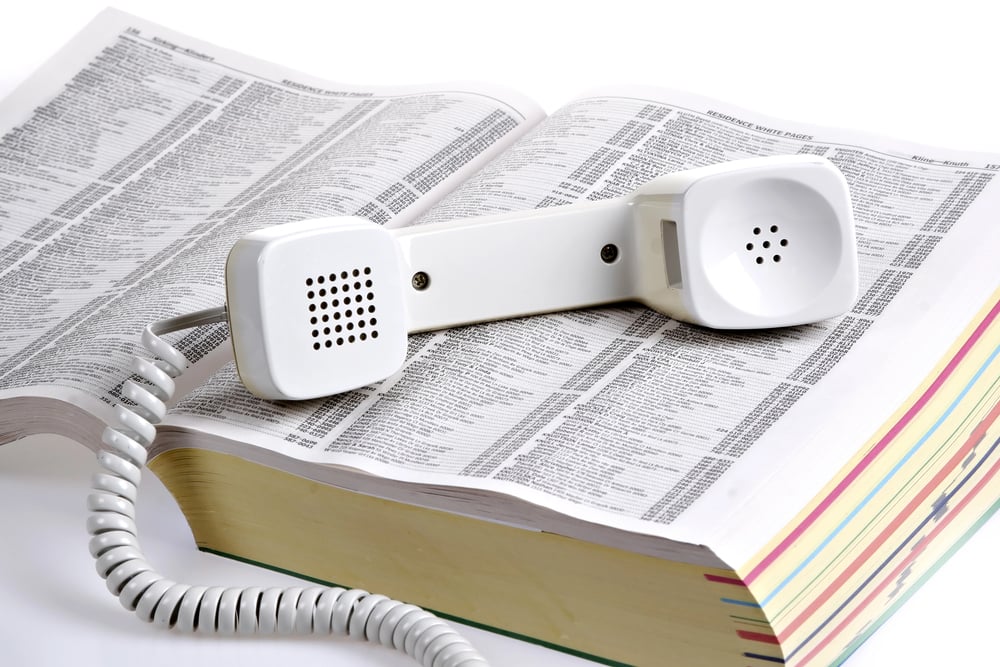
So your brain became a contact list, and somehow that worked perfectly fine. You could rattle off your best friend’s number, your pizza place, that one person you had a crush on—all committed to memory because you had to, because there wasn’t another option.
And when you moved away or lost touch, those numbers stayed lodged in your head like archaeological artifacts, still perfectly intact decades later, pointing toward friendships that existed before everyone became searchable. But here’s the thing nobody talks about: forgetting a phone number meant something.
It was the natural way relationships faded—not blocked or unfriended, just gradually erased from the working memory of daily life. Which, as it turns out, might have been healthier than carrying everyone you’ve ever known in your pocket forever.
Mix Tapes as Love Language

Creating the perfect mix tape required the emotional intelligence of a therapist and the technical precision of a sound engineer. You had to consider song order, emotional flow, the exact moment to hit the record when the DJ stopped talking.
One wrong move—recording over something important, mistiming the pause button—and you started over. The whole process took hours.
You’d sit by the radio with a finger hovering over the record button, waiting for that one song to come on. Or you’d carefully curate from your CD collection, calculating exactly how much time remained on each side.
The finished product wasn’t just music; it was a handmade artifact that said things you couldn’t figure out how to say with words.
Blockbuster on Friday Nights
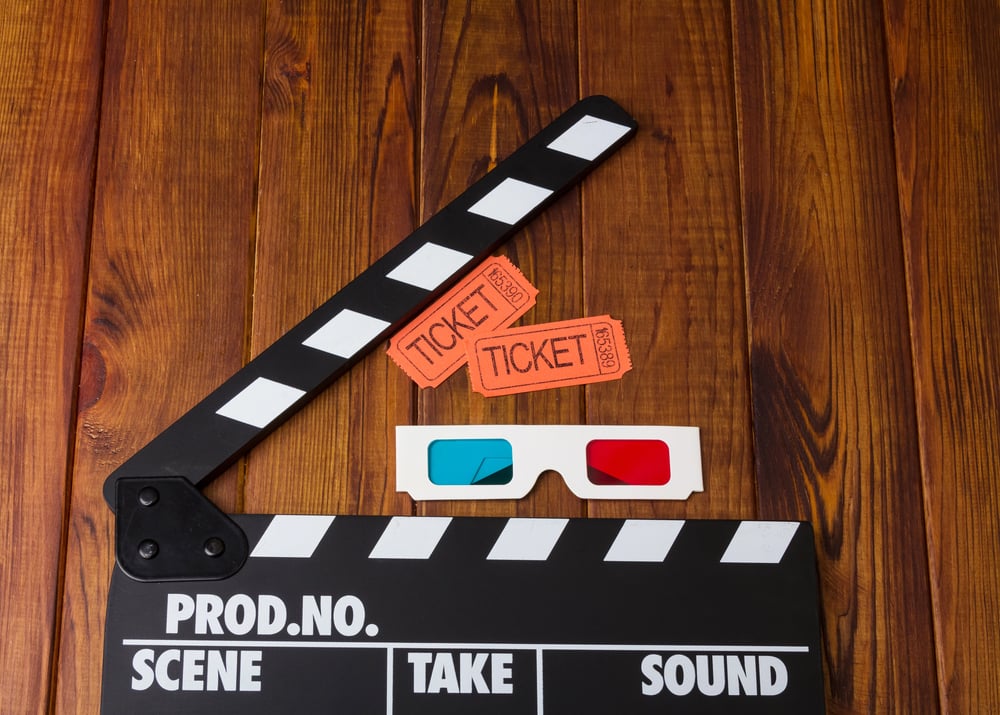
Friday evening at Blockbuster felt like the social event of the week. Families wandered the aisles together, couples negotiated movie choices, kids begged for candy from the checkout display.
The new releases were always gone, so you’d spend twenty minutes browsing, holding three different movies you weren’t sure about. But the whole ritual mattered more than the movie itself.
The anticipation built from the moment you walked in until you finally committed to something—usually settling for your fourth choice because everything else was rented. And if you didn’t return it by midnight Sunday, you faced the financial consequences of your procrastination.
Answering Machines
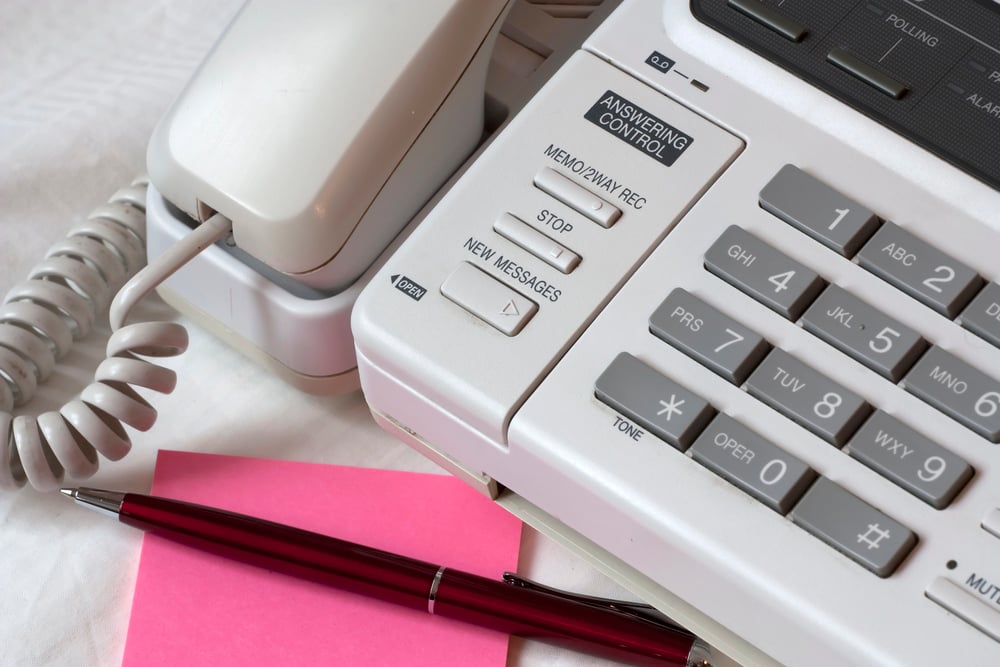
The outgoing message was your first impression, recorded and re-recorded until it struck the right tone between friendly and casual. Too formal sounded weird, too casual seemed unprofessional.
You’d practice it a few times, then inevitably hate how your voice sounded when you played it back. But the real art was in leaving messages.
You had to be concise but complete, knowing the person might not call back for hours or even days. The red blinking light meant someone had tried to reach you—could be important, could be a telemarketer, could be that person you’d been hoping would call. The anticipation was everything.
TV Show Appointment Viewing

Missing your show meant missing your show—period. No reruns until summer, no streaming, no DVR to catch it later.
You planned your Thursday nights around “Friends” or cleared your schedule for “The X-Files.” If you had plans during your show, you’d either cancel them or accept that you’d be lost when you returned next week.
This created a weird kind of cultural synchronicity. Everyone watched the same thing at the same time, so Friday morning conversations at work or school revolved around what happened the night before.
Television was genuinely communal in a way that seems almost impossible now.
Encyclopedias for School Reports

The family encyclopedia set lived on a shelf like a monument to knowledge—twenty-four volumes of everything humans had figured out up to 1987 or whenever your parents bought them. When you needed information for a school report, you’d pull down the relevant volume and copy paragraphs by hand, maybe paraphrasing if you were feeling ambitious.
The information was fixed, authoritative, and often outdated, but nobody questioned it because questioning it meant a trip to the library, and that felt like a lot of work for a seventh-grade report on pandas. So you trusted the encyclopedia, cited it properly, and turned in something that looked exactly like everyone else’s report because you all used the same source.
Pagers and Their Secret Codes

Having a pager meant you were important enough that people needed to reach you immediately—or at least that’s how it felt. The little device clipped to your belt would beep, you’d check the number, then find the nearest payphone to call back.
But the real sophistication was in the codes: 143 meant “I love you,” 07734 spelled “hello” upside down, 911 meant urgent. These weren’t just shortcuts; they were a whole communication system that felt secret and efficient.
You’d get a page with a number followed by 411, meaning call me back for information. The constraints forced creativity, and everyone understood the language because everyone had to learn it to participate.
Photo Development Anticipation
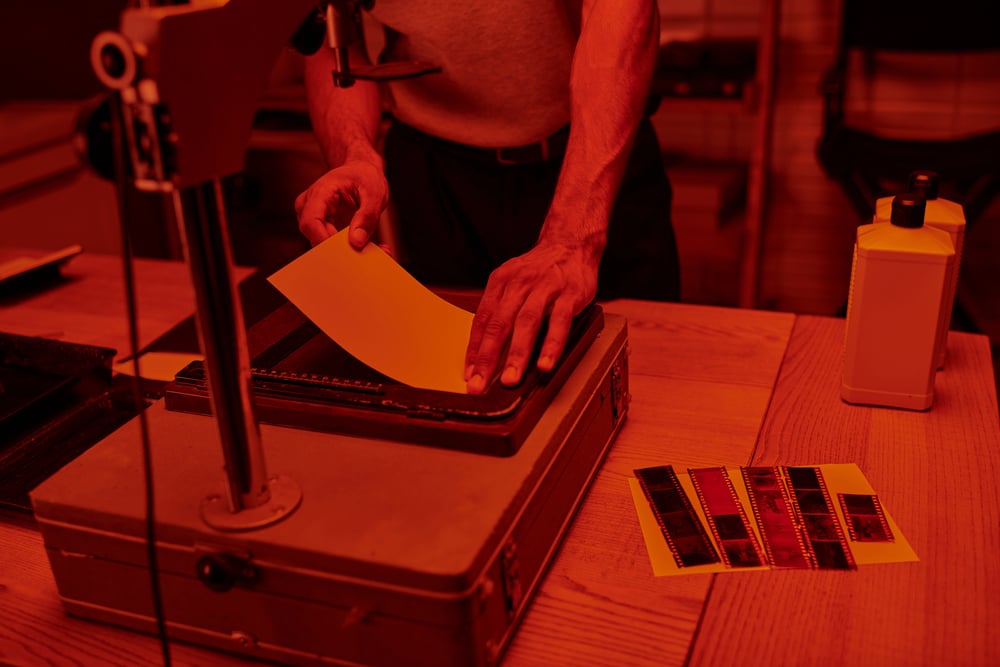
Taking pictures required strategy because film was limited and developing cost money. You had twenty-four or thirty-six shots, so each one mattered.
No preview screen, no delete button, no instant gratification—just hope that you framed it right and the lighting was decent. The real payoff came a week later when you picked up your photos from the one-hour photo place (which never actually took one hour).
Opening that envelope felt like Christmas morning. Some photos turned out better than expected, others were complete disasters, and there were always a few that captured something you’d completely forgotten about.
The physical prints had weight and texture, and the bad ones were just as permanent as the good ones.
Saturday Morning Cartoons

Saturday morning was sacred television time, and missing it meant waiting a whole week for another chance. You’d wake up early—not because anyone made you, but because you wanted to—and claim the TV for three straight hours of cartoons.
The lineup was fixed, predictable, and somehow perfect. The commercials were part of the experience, advertising toys and sugary cereal with the kind of enthusiasm that made everything seem essential.
You’d sit there in your pajamas, eating cereal from a mixing bowl, completely absorbed in a world that existed only on Saturday mornings and nowhere else.
Paper Maps in Cars
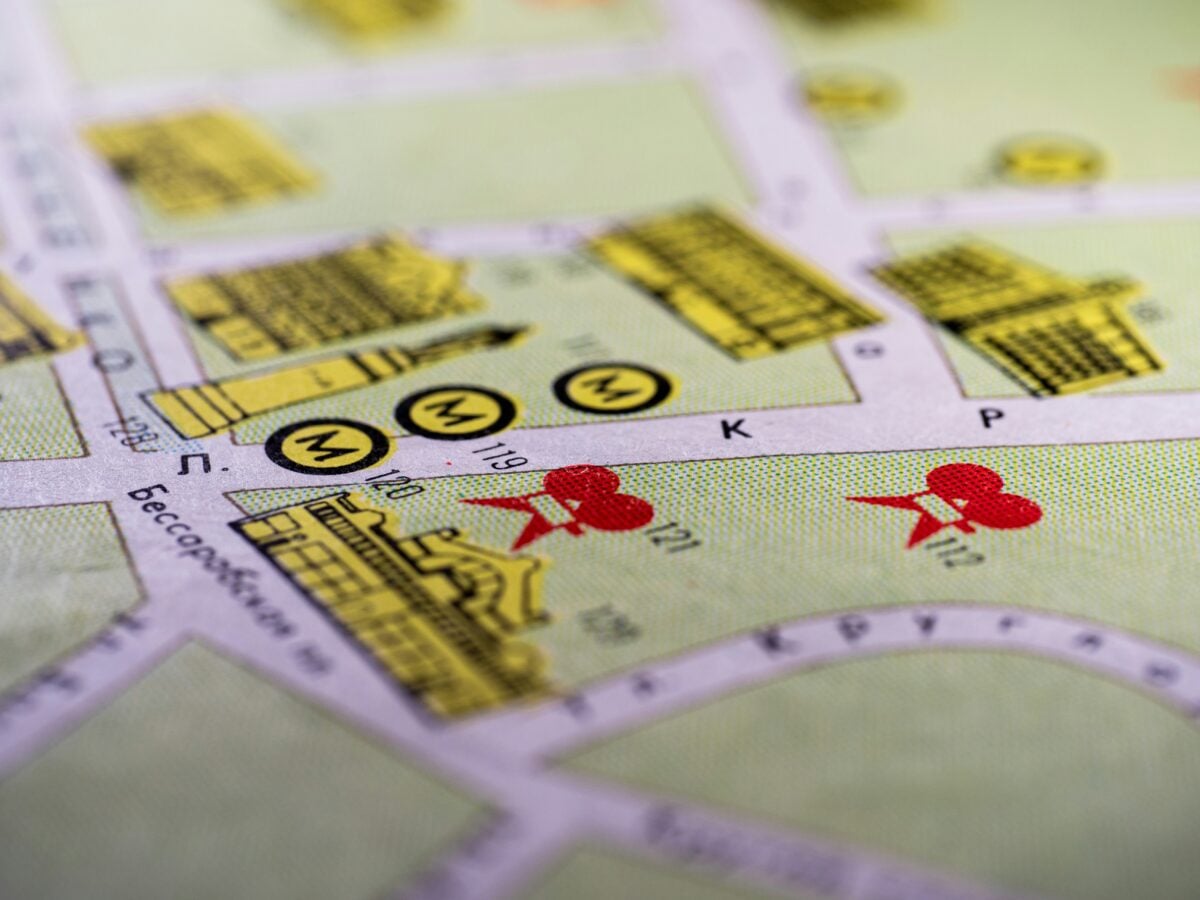
Getting lost was a legitimate possibility every time you drove somewhere new. You’d spread the map across the dashboard, trying to trace your route while someone else drove, and inevitably fold it wrong when you were done.
The glove compartment held a collection of these maps—some for cities you’d visited once, others for states you’d driven through on vacation. But there was something satisfying about figuring it out yourself, about the moment when the street signs matched what you were seeing on the paper.
Getting lost meant exploration, meant finding things you weren’t looking for, meant arriving with a story about the detour you took through that interesting neighborhood.
Music Store Listening Stations
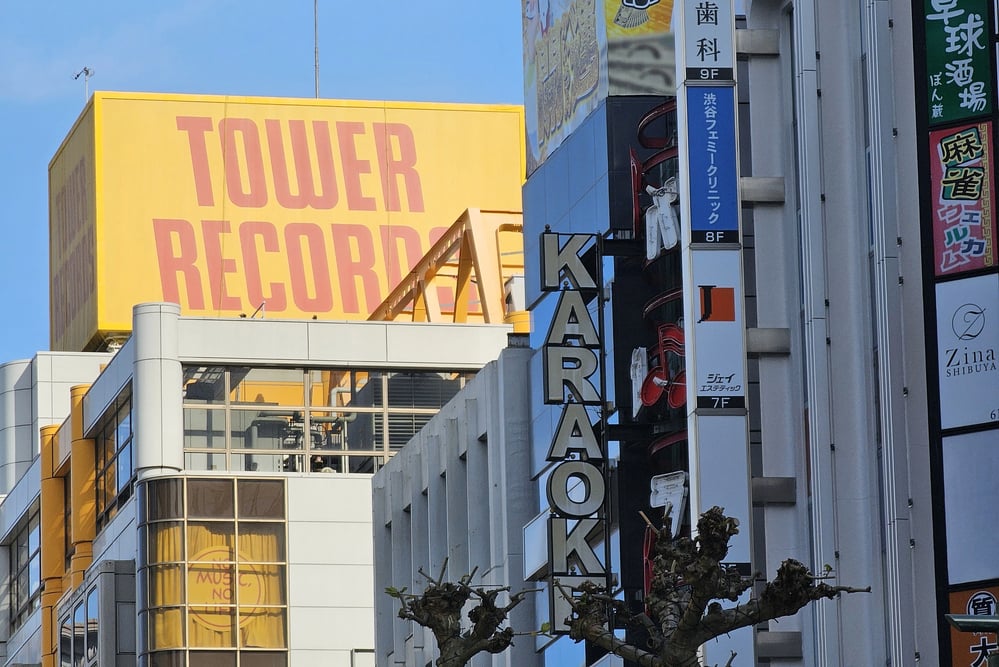
Tower Records and Sam Goody had those plastic headphone stations where you could preview albums before buying them. You’d scan the barcode or type in a code, then listen to thirty-second clips from each track, trying to determine if the whole album was worth fifteen dollars.
The headphones were uncomfortable and probably not very clean, but it was the only way to discover new music without taking a complete gamble. The whole process felt ritualistic—browsing the racks, reading album credits, studying cover art, then finally committing to a purchase.
You’d drive home with your new CD, tear off the cellophane, and listen to the whole thing from start to finish because that’s how albums were meant to be experienced.
Bank Hours and ATM Fees
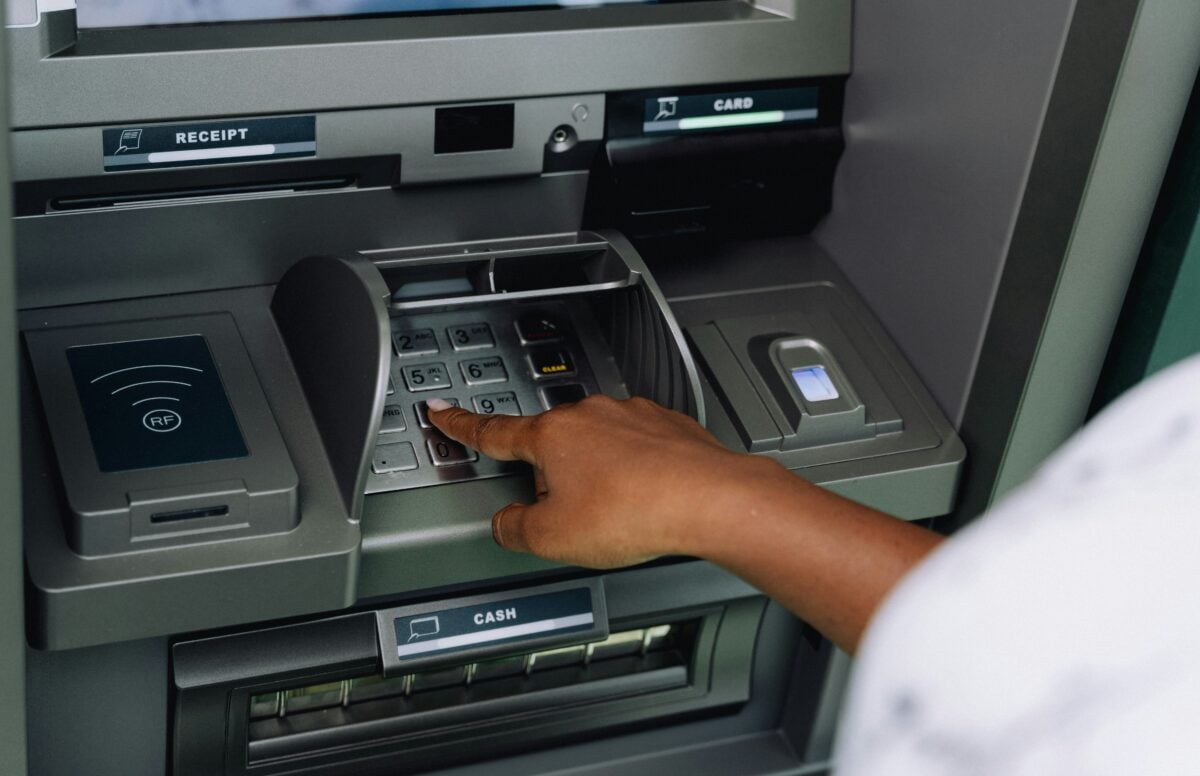
Banks closed at 3 PM on weekdays and weren’t open on weekends, so you had to plan your money needs in advance. Running out of cash on Saturday meant either finding an ATM and paying the fee or waiting until Monday to visit your actual bank.
The ATM fee was usually two dollars, which felt outrageous for accessing your own money. This created a weird relationship with cash flow.
You’d withdraw more than you needed to avoid multiple fees, then spend it because you had it. The twenty-dollar bill was the standard withdrawal, and breaking it required actual thought about whether the purchase was worth it.
Calling Movie Theaters for Showtimes
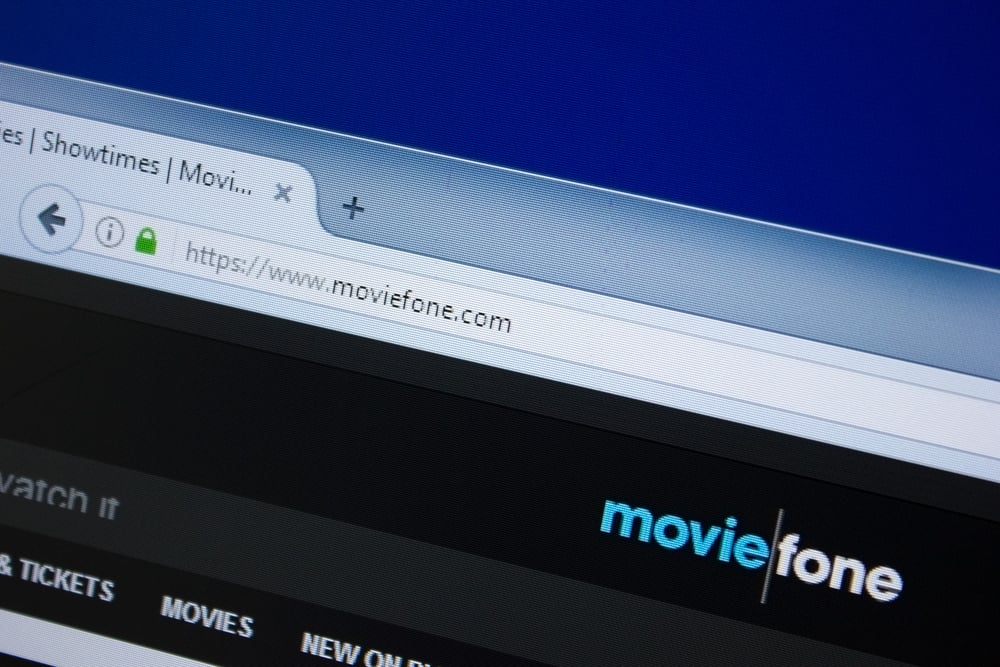
MovieFone was a phone number you’d call to hear a recorded list of all the movies playing at local theaters, along with showtimes read in a monotone voice that somehow made every film sound equally appealing. You’d listen through the whole list, trying to remember the times for the movie you wanted to see, sometimes calling back because you forgot to pay attention.
Planning a movie night required coordination and commitment. You’d have to agree on a time, meet at a specific location, and buy tickets without knowing if the show was sold out until you got there.
The whole evening hinged on that one decision, made hours earlier, with no easy way to change your mind.
Embracing the Beautiful Inconvenience
These weren’t the good old days—they were just different days, filled with limitations that somehow created their own kind of freedom. The inconveniences forced patience, planning, and genuine human interaction in ways that feel almost quaint now.
Maybe that’s what makes them so hard to explain: they weren’t better or worse, just irreplaceable in their own stubborn, analog way.
More from Go2Tutors!

- The Romanov Crown Jewels and Their Tragic Fate
- 13 Historical Mysteries That Science Still Can’t Solve
- Famous Hoaxes That Fooled the World for Years
- 15 Child Stars with Tragic Adult Lives
- 16 Famous Jewelry Pieces in History
Like Go2Tutors’s content? Follow us on MSN.