14 Unusual Animal Friendships That Have Been Observed in the Wild
Nature often surprises us with unexpected connections between species that, according to conventional wisdom, should be enemies or at least indifferent to each other. These cross-species relationships demonstrate that the animal kingdom is far more complex and nuanced than we typically assume.
Mutual benefit, companionship, and even what appears to be genuine affection can bridge the gap between very different creatures. Here is a list of unusual animal friendships that scientists and wildlife photographers have documented in natural settings around the world.
Baboons and Gazelles
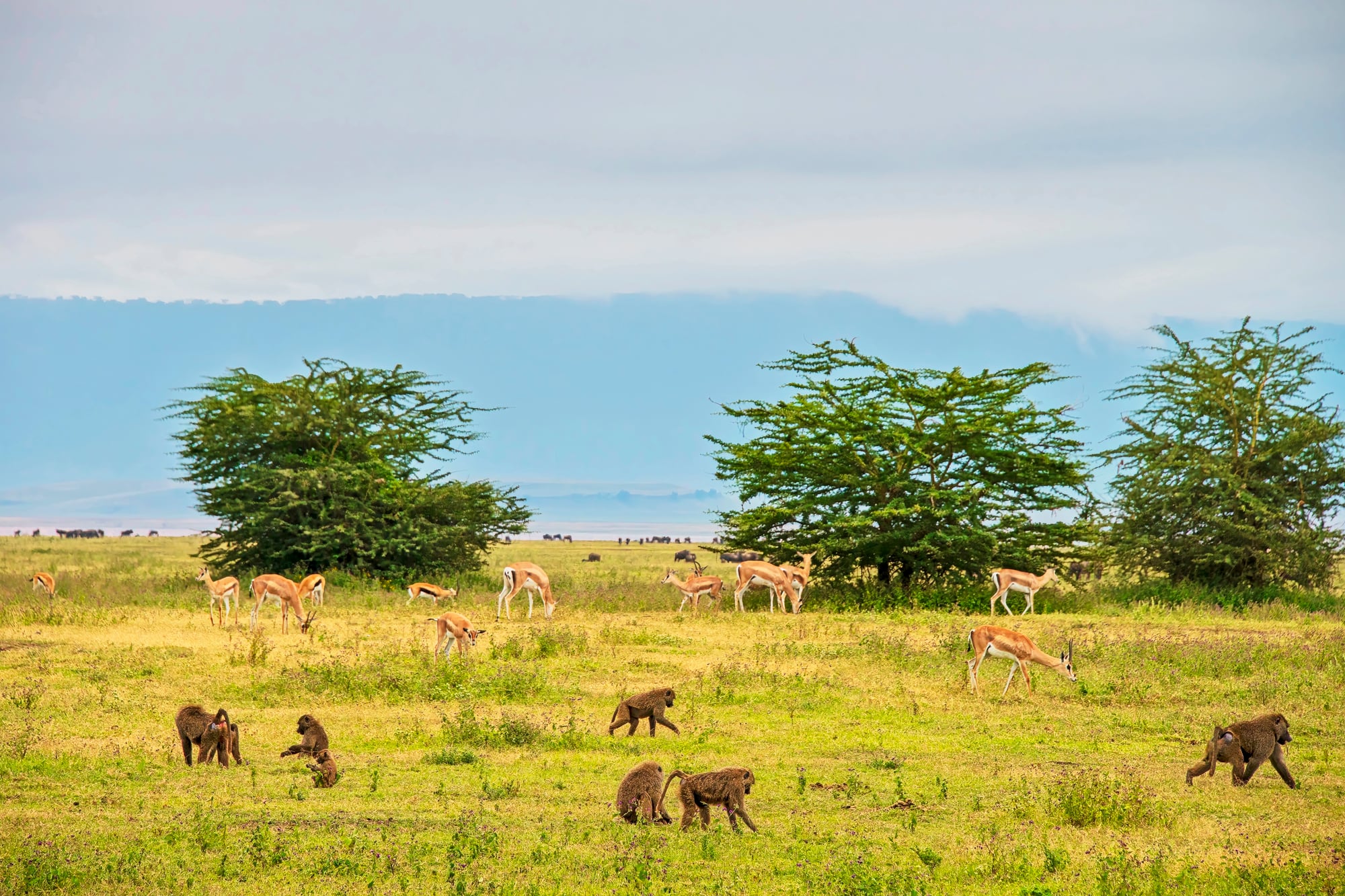
Male baboons in the African savanna have been observed forming protective relationships with young gazelles. Instead of seeing the young ungulates as potential meals, certain baboons adopt them, protecting them from predators and even grooming them as they would fellow troop members.
This unexpected bond benefits both species as the gazelles gain protection while baboons gain loyal companions that will eventually help spot approaching predators.
Crocodiles and Plovers
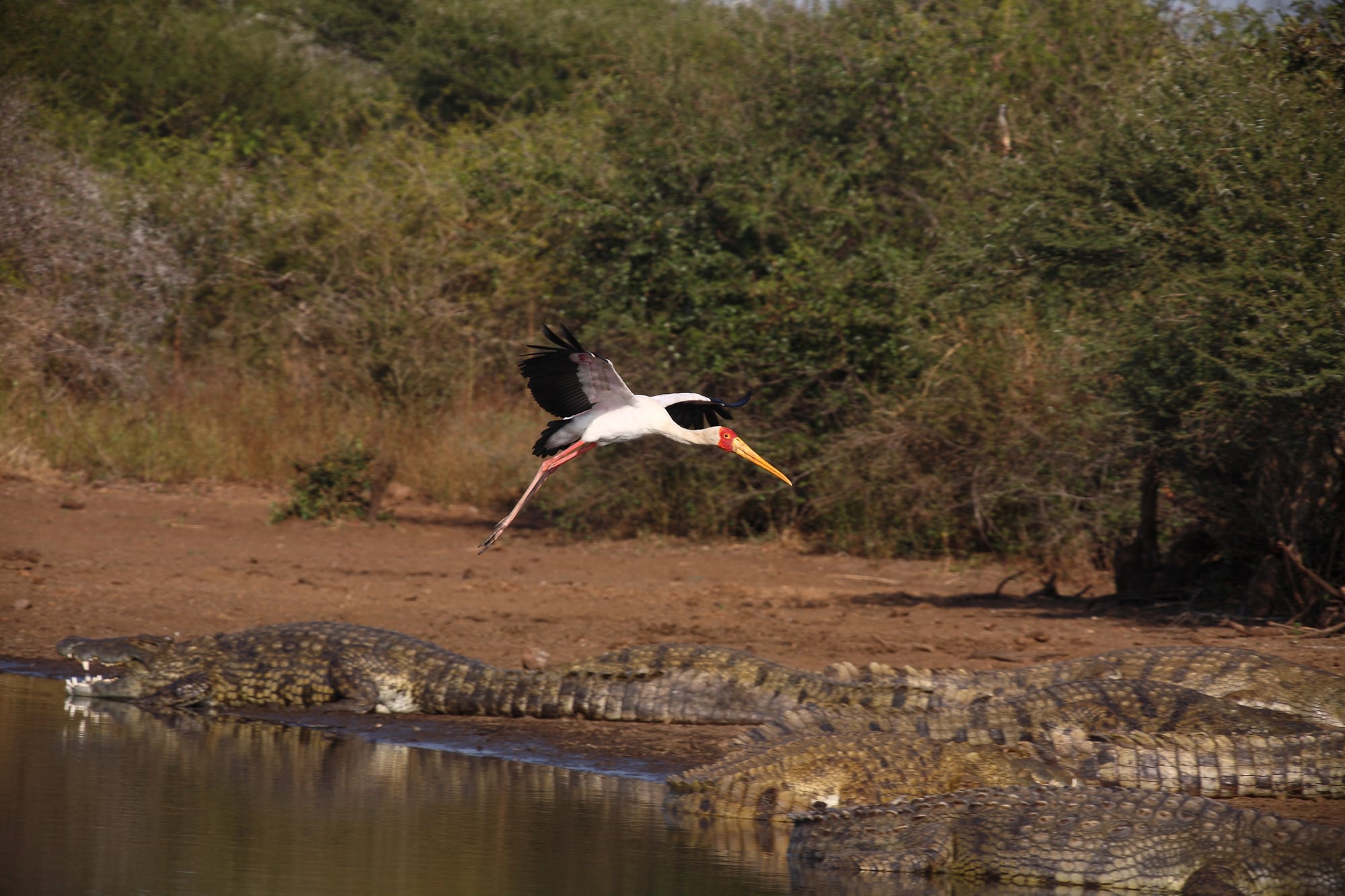
The Nile crocodile, with its fearsome reputation, engages in one of nature’s most surprising partnerships. These massive reptiles allow tiny plover birds to hop inside their mouths to clean food debris from between their teeth.
The crocodile gets dental hygiene while the plover gets an easy meal, creating a classic example of mutualism that defies our expectations of predator-prey dynamics.
Wolves and Ravens
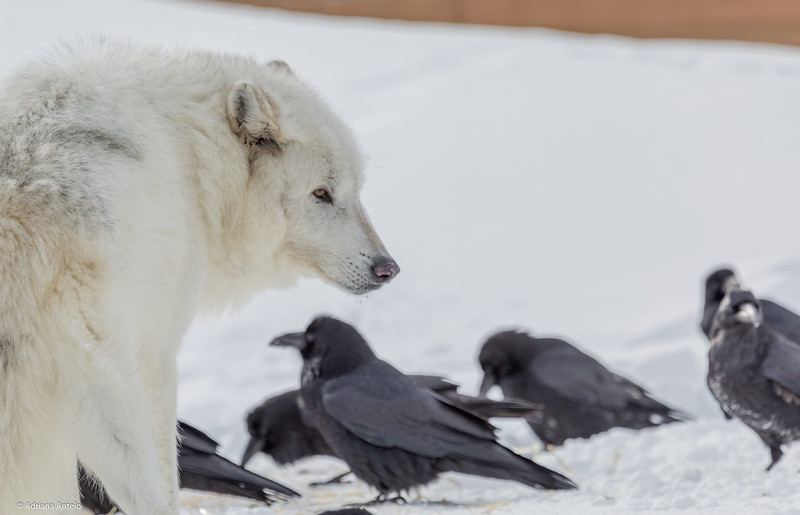
Ravens and wolves have developed a complex working relationship across the northern hemisphere. These clever birds often lead wolves to potential prey too large for ravens to kill themselves.
After the wolves finish feeding, the ravens get access to the remains. Researchers have even documented ravens playing with wolf pups, suggesting the relationship extends beyond mere food acquisition.
Hippos and Fish
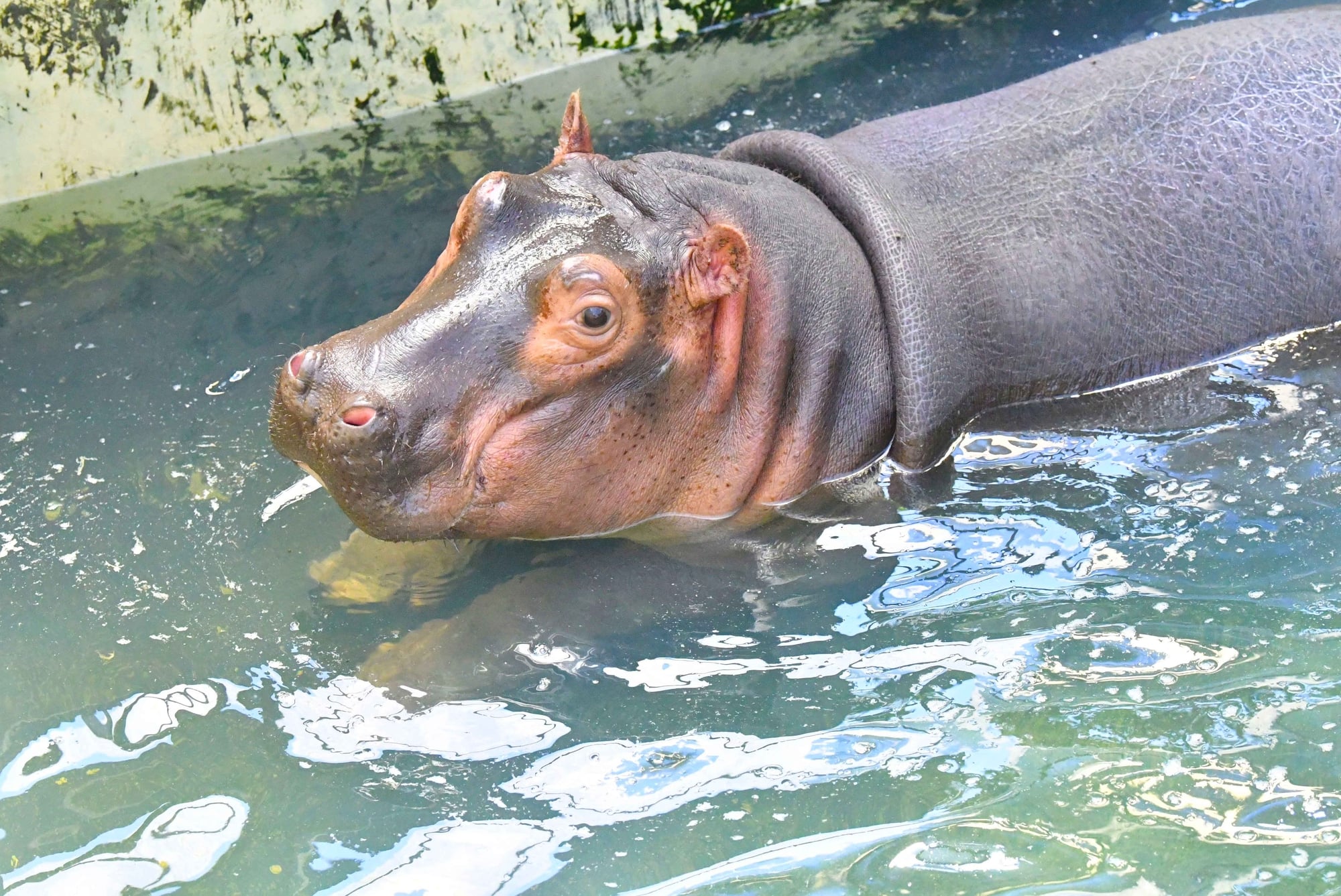
Some fish species use hippos as swimming platforms and cleaning stations despite their hostile territorial nature. Like a technician may maintain a car, the fish consume parasites and dead skin from the hippo’s body.
This collaboration gives the fish a plentiful supply of food while also assisting hippos in maintaining healthier skin.
Coyotes and Badgers
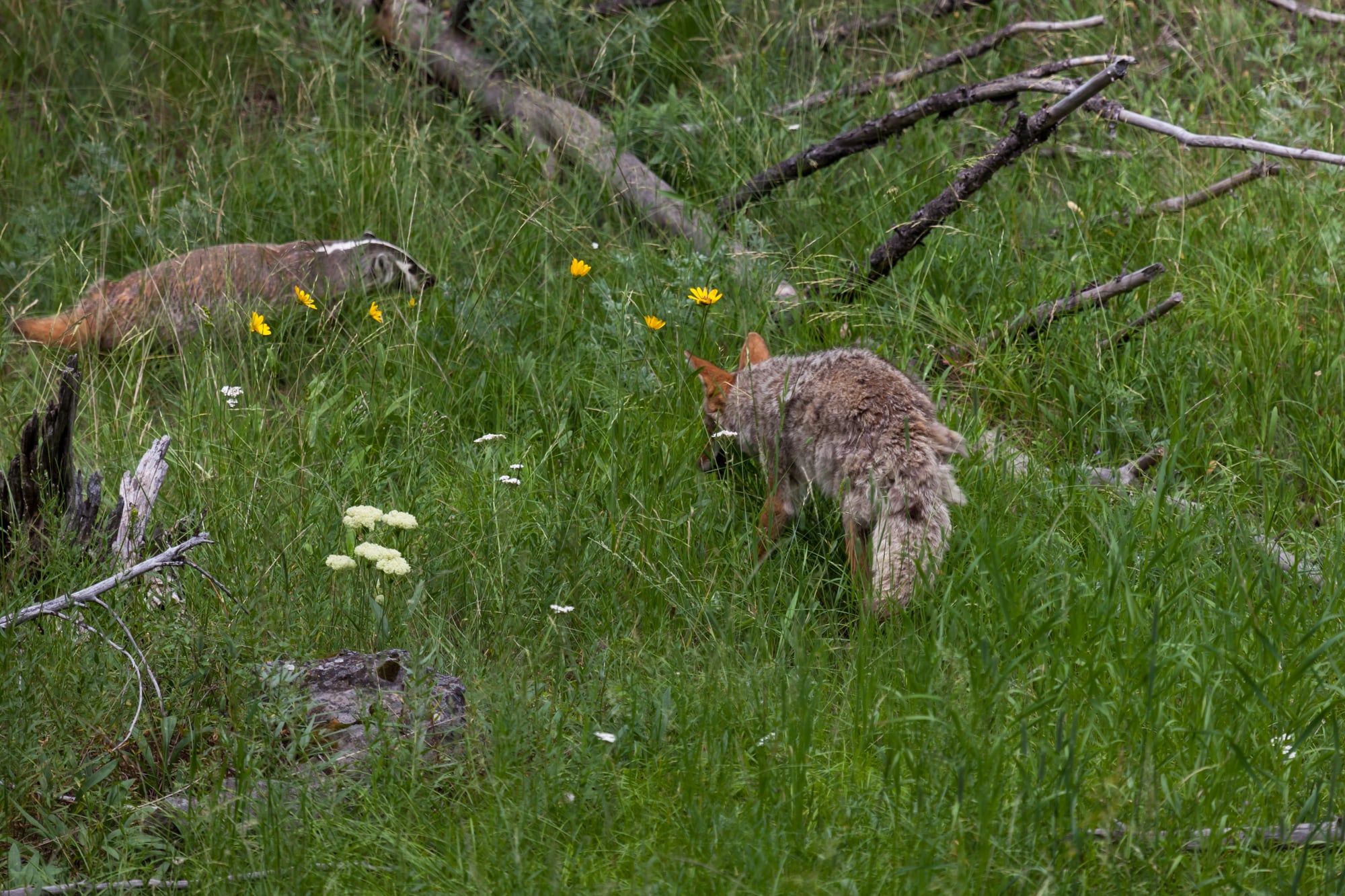
Western American coyotes and badgers form hunting partnerships that increase success rates for both animals. Badgers can dig out burrowing prey while coyotes can chase down animals that escape.
Studies show that both species catch significantly more food when working together than when hunting solo, proving that teamwork makes the dream work even in the wild.
Elephants and Impalas
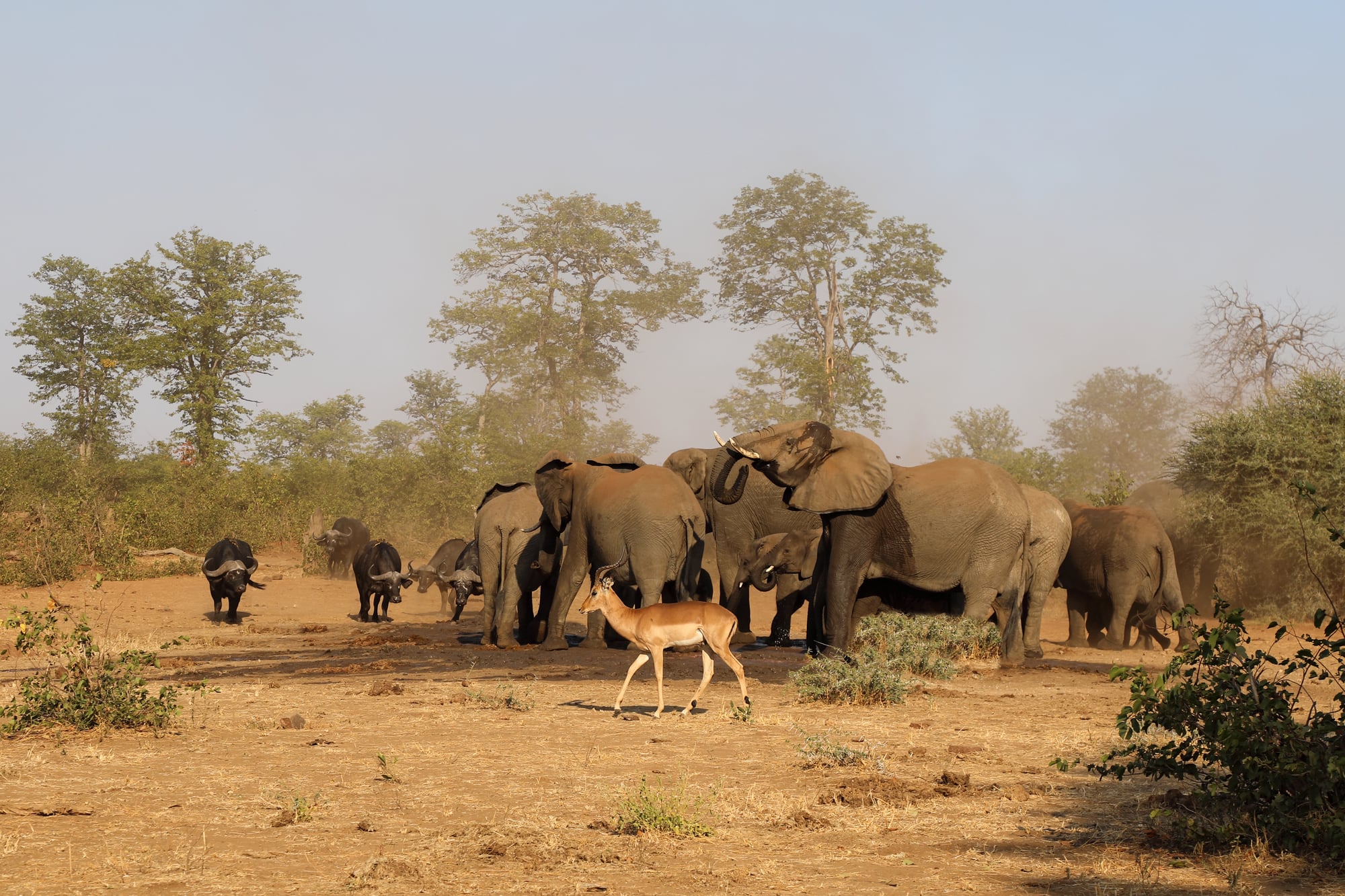
African elephants create natural water sources when they dig holes to access underground water during dry seasons. Impalas and other antelope species have learned to wait nearby, knowing the elephants will eventually finish drinking and move on.
This indirect relationship benefits smaller animals that would otherwise lack access to water during drought conditions.
Ants and Aphids
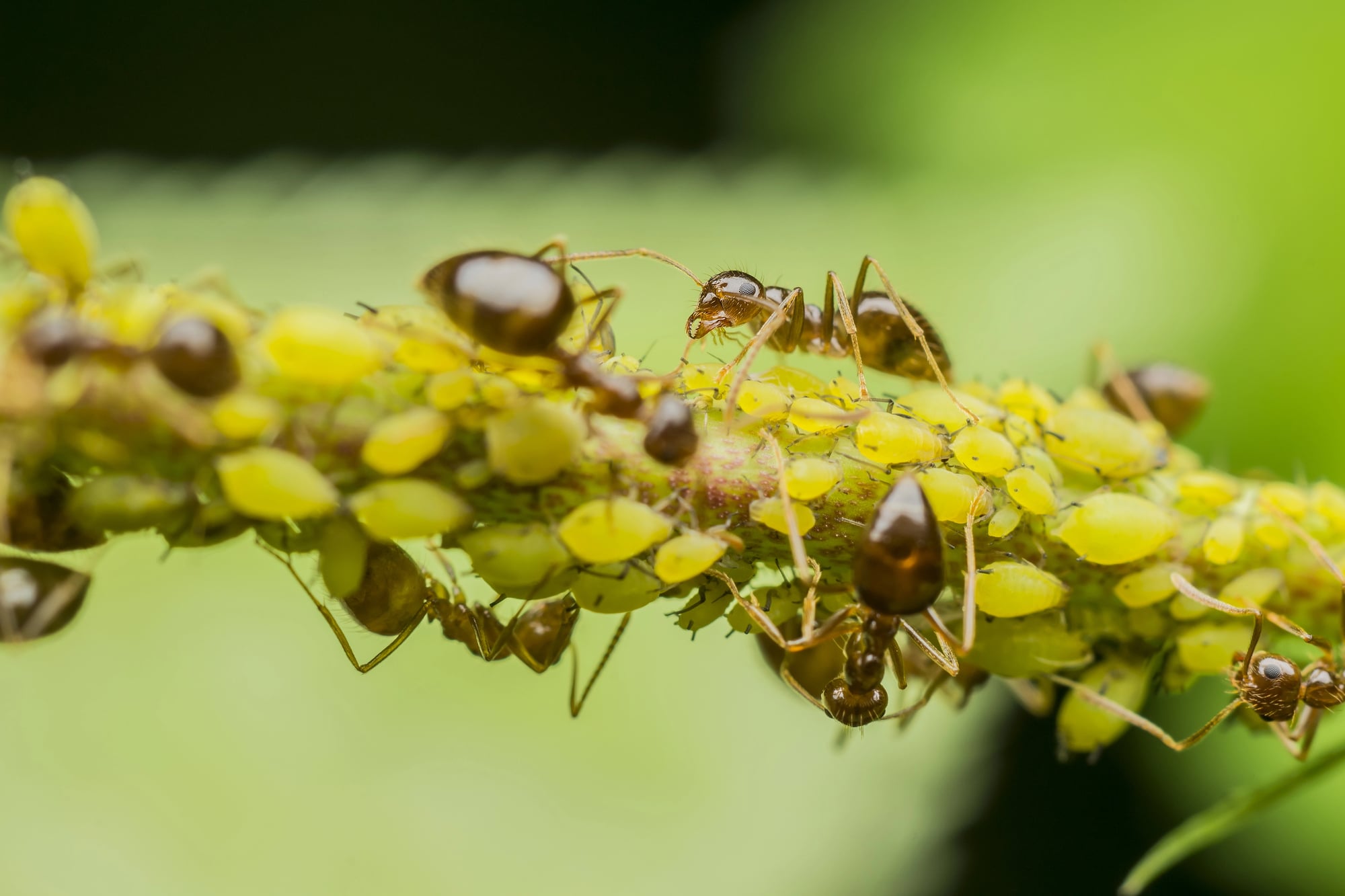
In what scientists call a form of animal agriculture, certain ant species actively protect and care for aphids. The ants defend these tiny insects from predators, transport them to new feeding locations, and even shelter them during bad weather.
In return, the aphids secrete a sweet substance that ants harvest as food, essentially ‘milking’ their tiny companions.
Honeyguide Birds and Humans
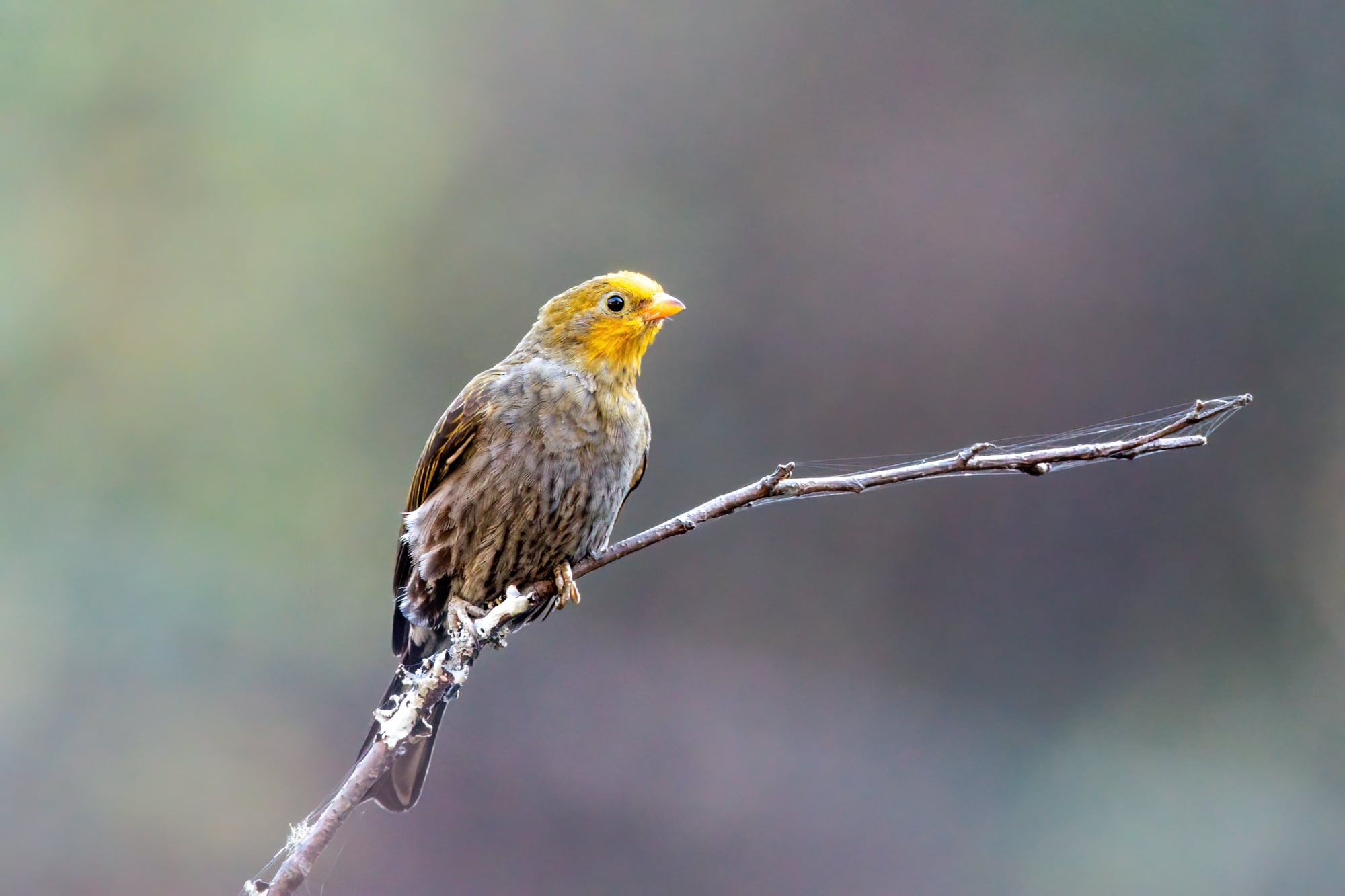
The greater honeyguide bird leads humans directly to beehives in parts of Africa. This remarkable partnership crosses the species barrier entirely.
The humans use smoke to subdue the bees and harvest honey, leaving beeswax for the birds. This relationship has evolved over thousands of years and represents one of the few documented examples of wild animals actively seeking human cooperation.
Tarantulas and Frogs
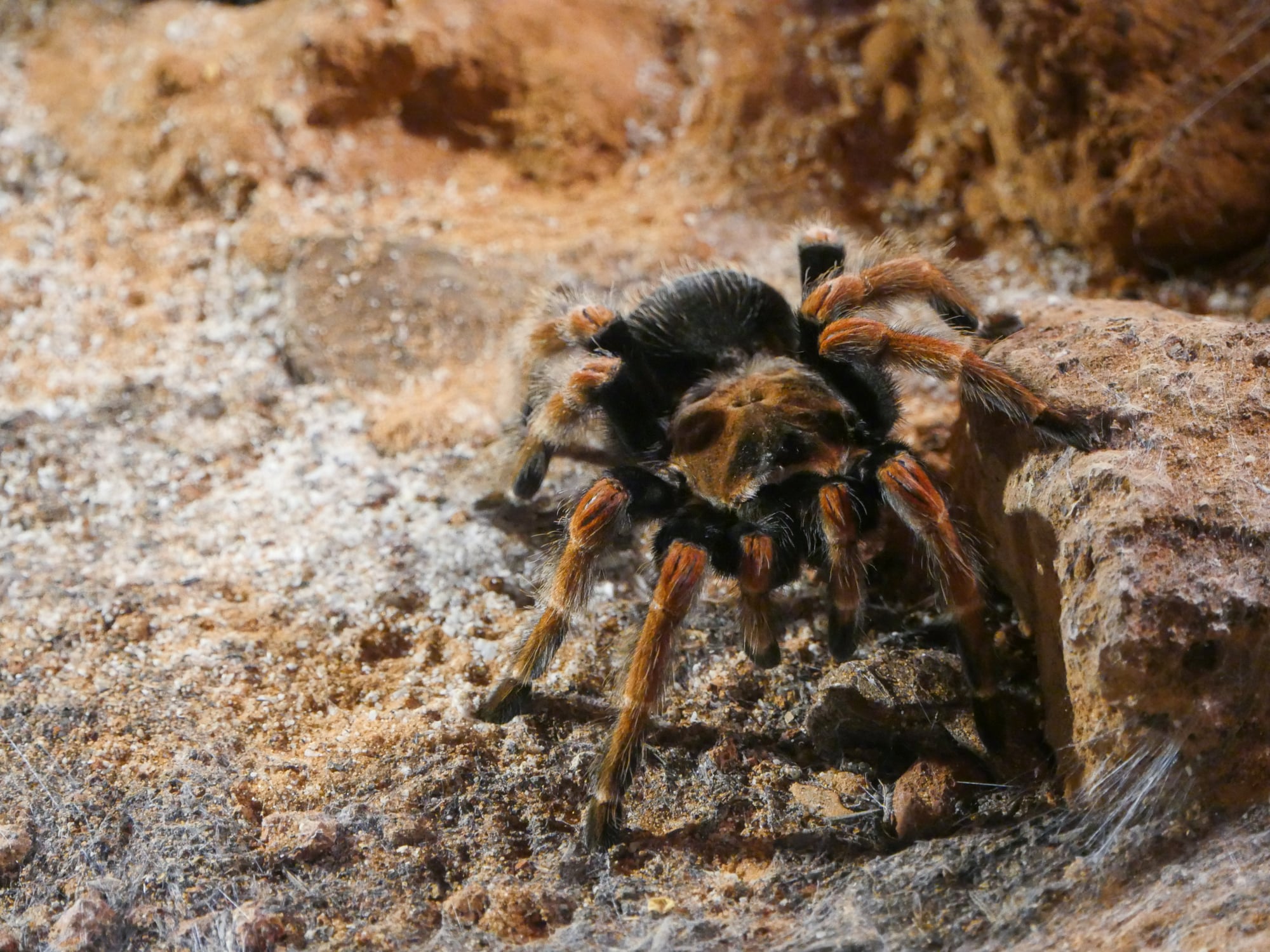
Certain tarantula species keep tiny frogs as ‘pets’ in their burrows. Rather than eating these miniature amphibians, the spiders protect them.
The frogs eat small insects that might damage the tarantula’s eggs, functioning like a living pest control system. This unlikely roommate situation demonstrates that even predators can form beneficial relationships with potential prey.
Oxpeckers and Rhinos
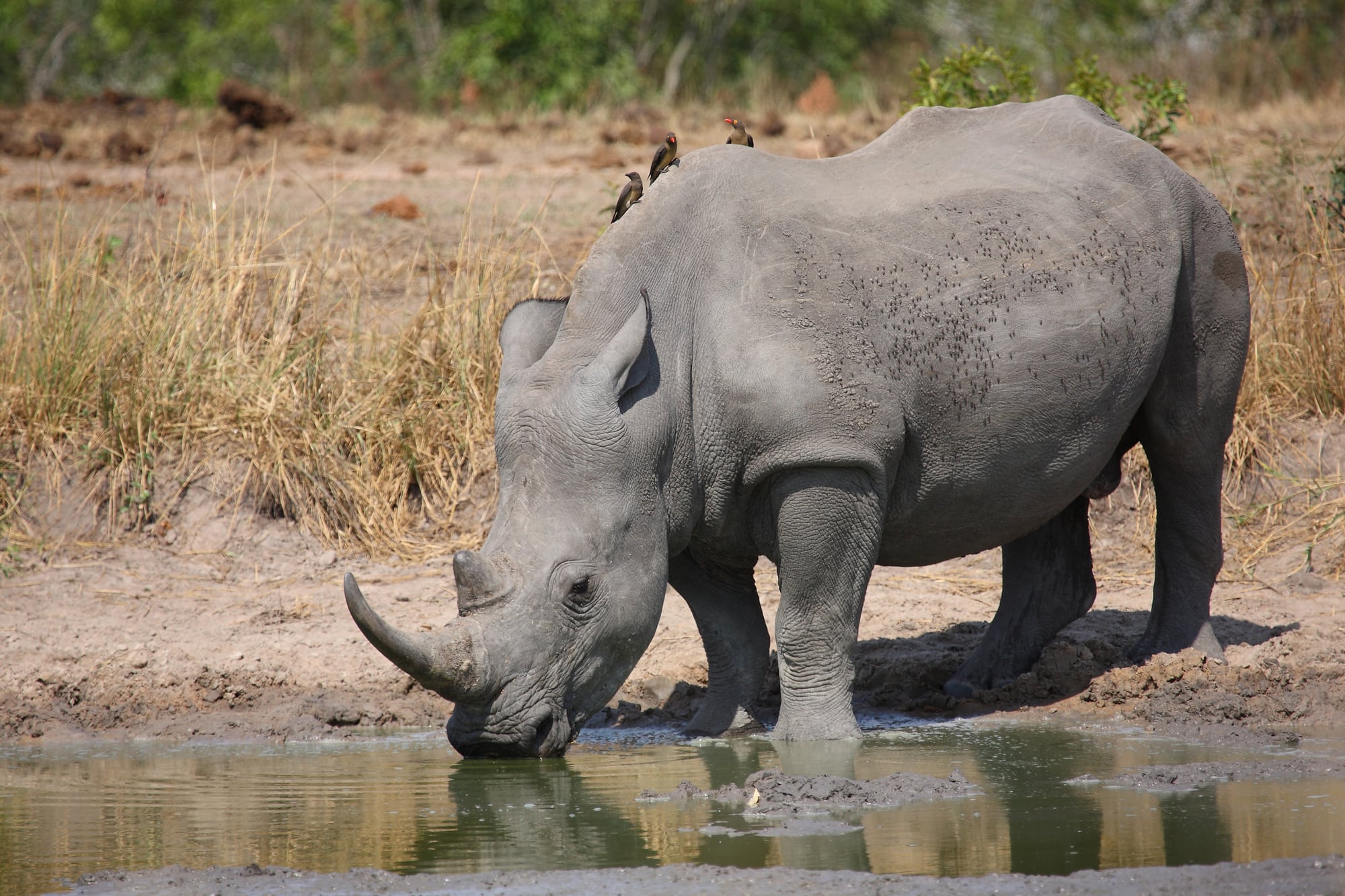
Oxpeckers are nature’s pest control experts for rhinos. These tiny birds remove ticks and other parasites from rhinos’ tough hides, reaching places the mammals cannot scratch themselves.
Aside from that, they warn of danger and even act as an early warning system—turning this odd duo into a perfect team.
Clownfish and Sea Anemones
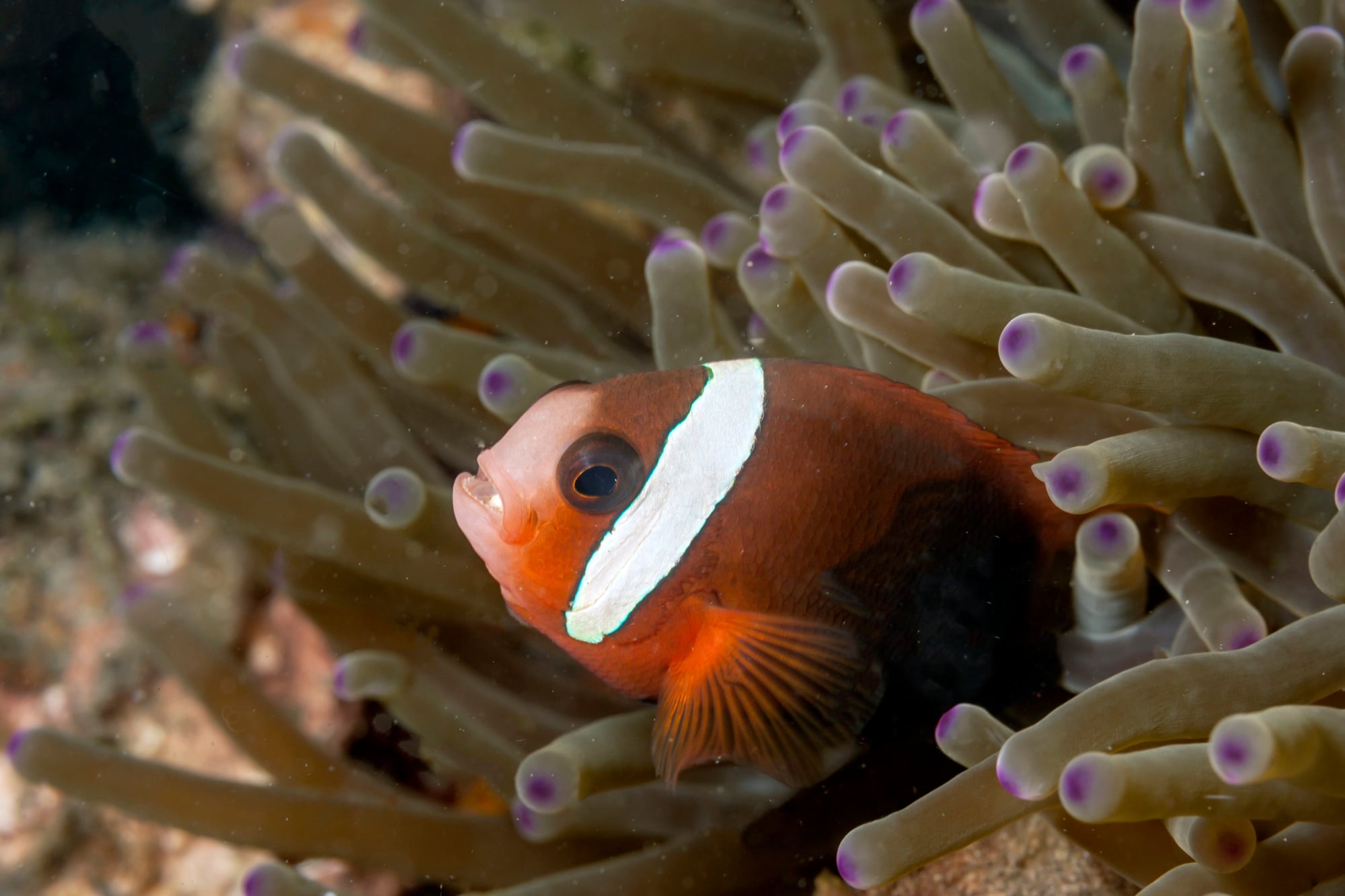
Clownfish make their homes among the venomous tentacles of sea anemones, a partnership made famous by certain animated films. The fish gradually build immunity to the anemone’s sting through a careful acclimation process.
The clownfish drives away anemone-eating fish and provides nutrients through its waste, while the anemone offers protection from predators that the clownfish cannot handle alone.
Monitor Lizards and Mongooses
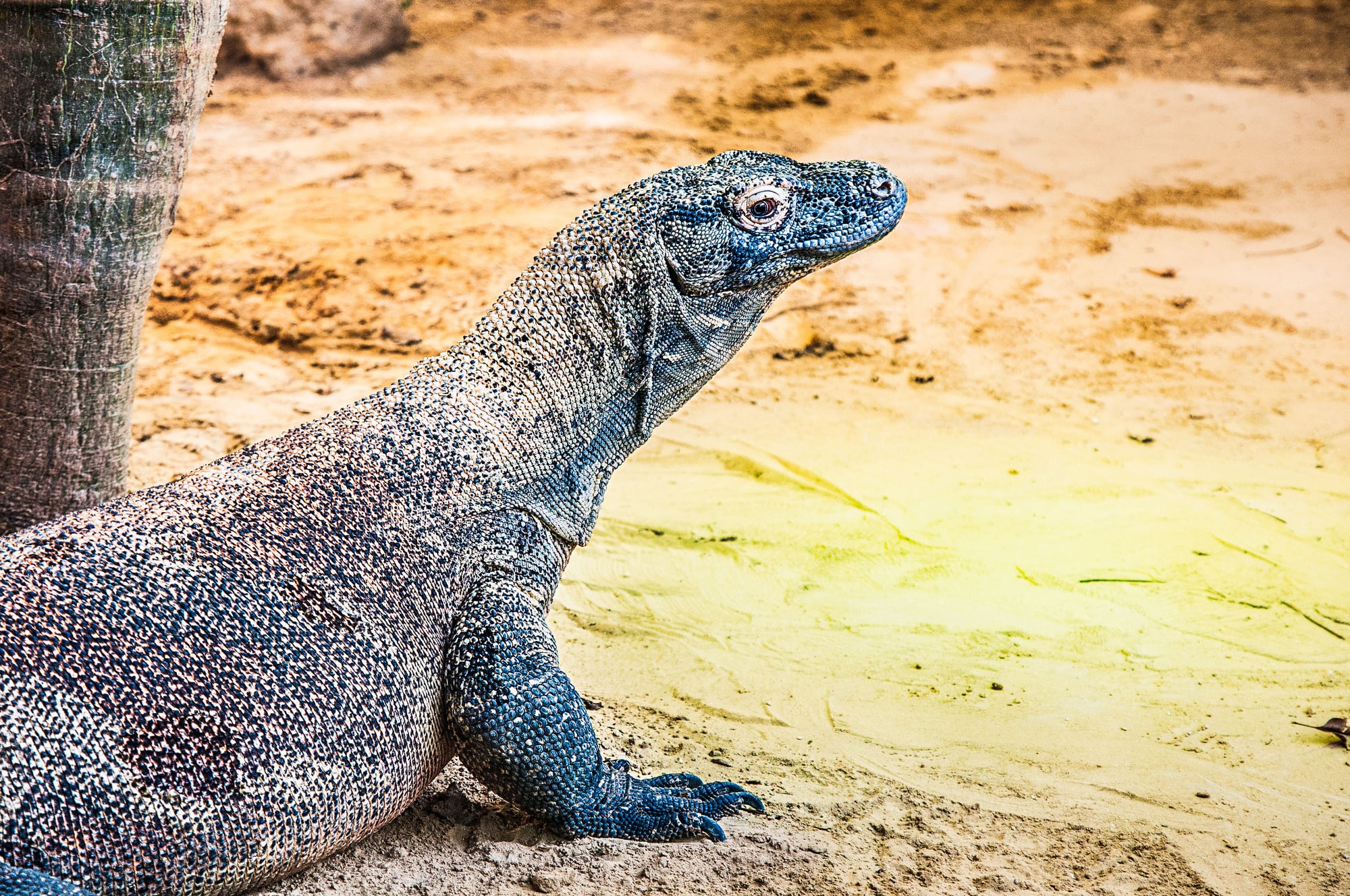
In certain Asian forests, monitor lizards and mongooses form temporary hunting alliances. The larger lizards flush prey from hiding places while the nimble mongooses catch animals attempting to escape.
This partnership works because each animal specializes in different hunting techniques, creating efficiency through specialization rather like workers in a factory.
Zebras and Ostriches
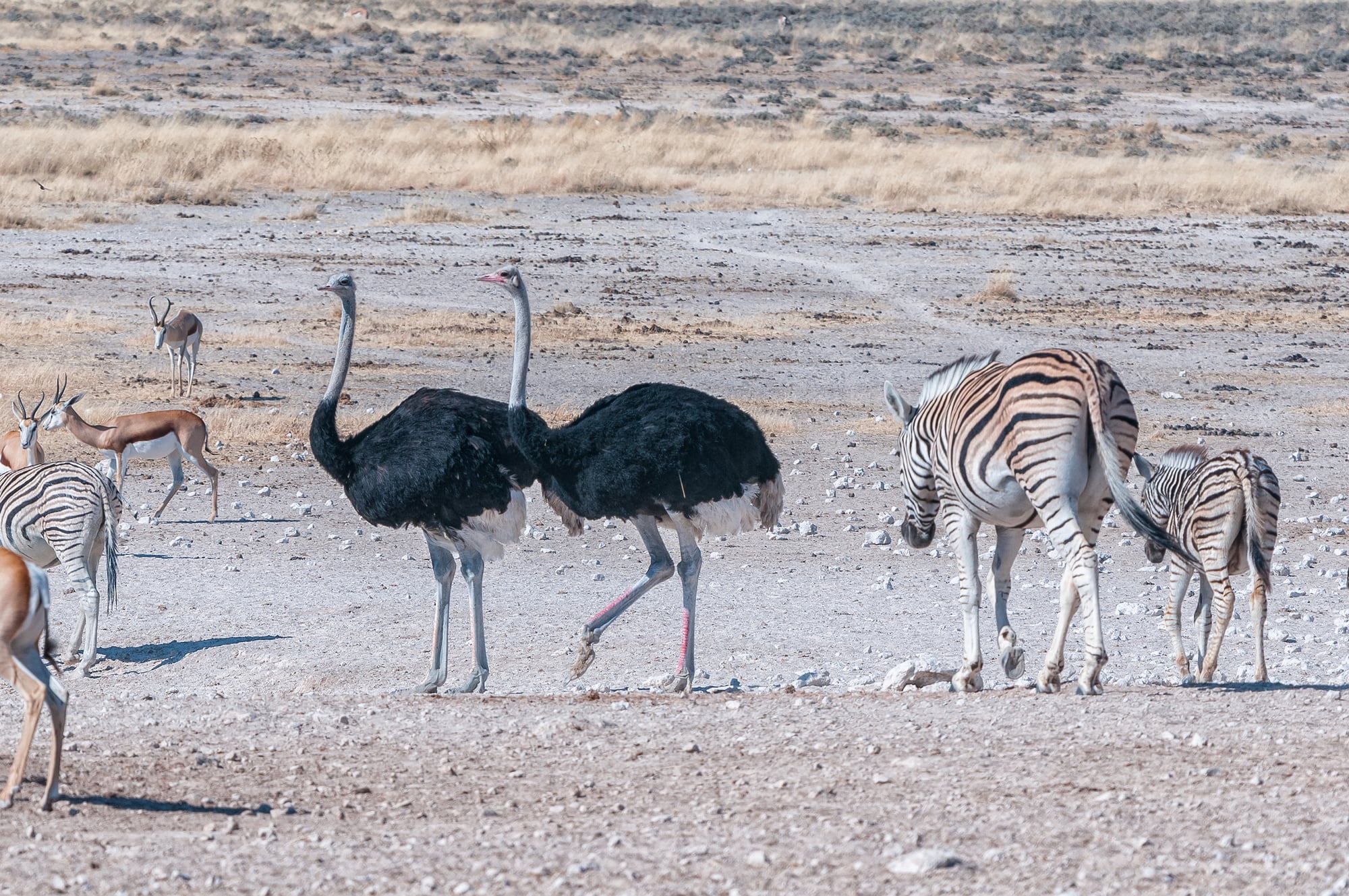
Zebras and ostriches frequently travel together across African grasslands in a security partnership that leverages their complementary senses. Zebras have excellent night vision while ostriches can see great distances during daylight.
Together, they create a more effective early warning system against predators than either species could maintain alone, showing how different evolutionary adaptations can work together.
Goby Fish and Pistol Shrimp
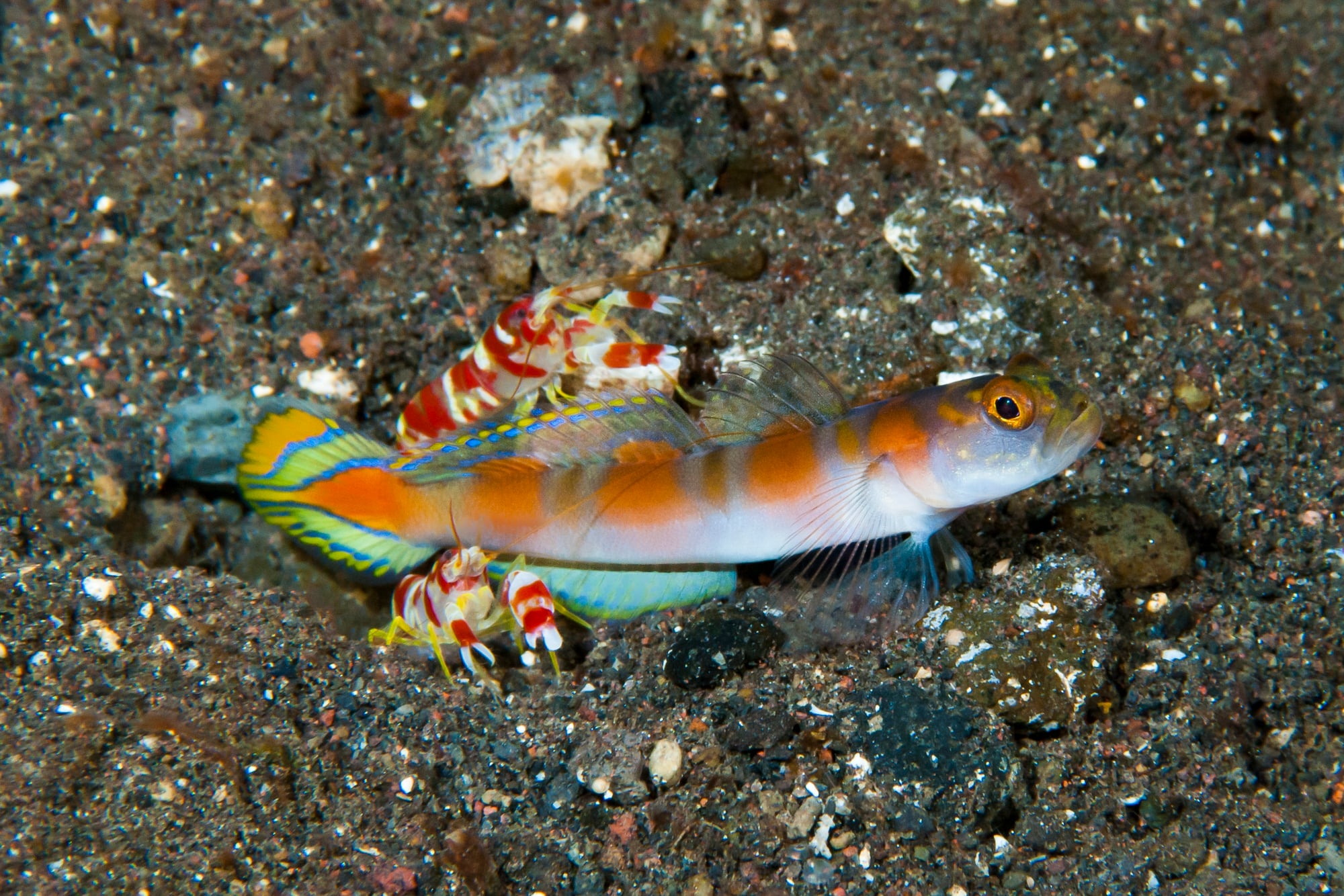
The industrious pistol shrimp and vigilant goby fish exemplify cooperation through shared housing. The nearly blind shrimp digs and maintains a burrow while the fish stands guard, alerting its roommate to approaching dangers through specific tail movements.
When threatened, both animals retreat to safety in their shared home, demonstrating that even in nature, good neighbors look out for each other.
The Interconnected Web of Life
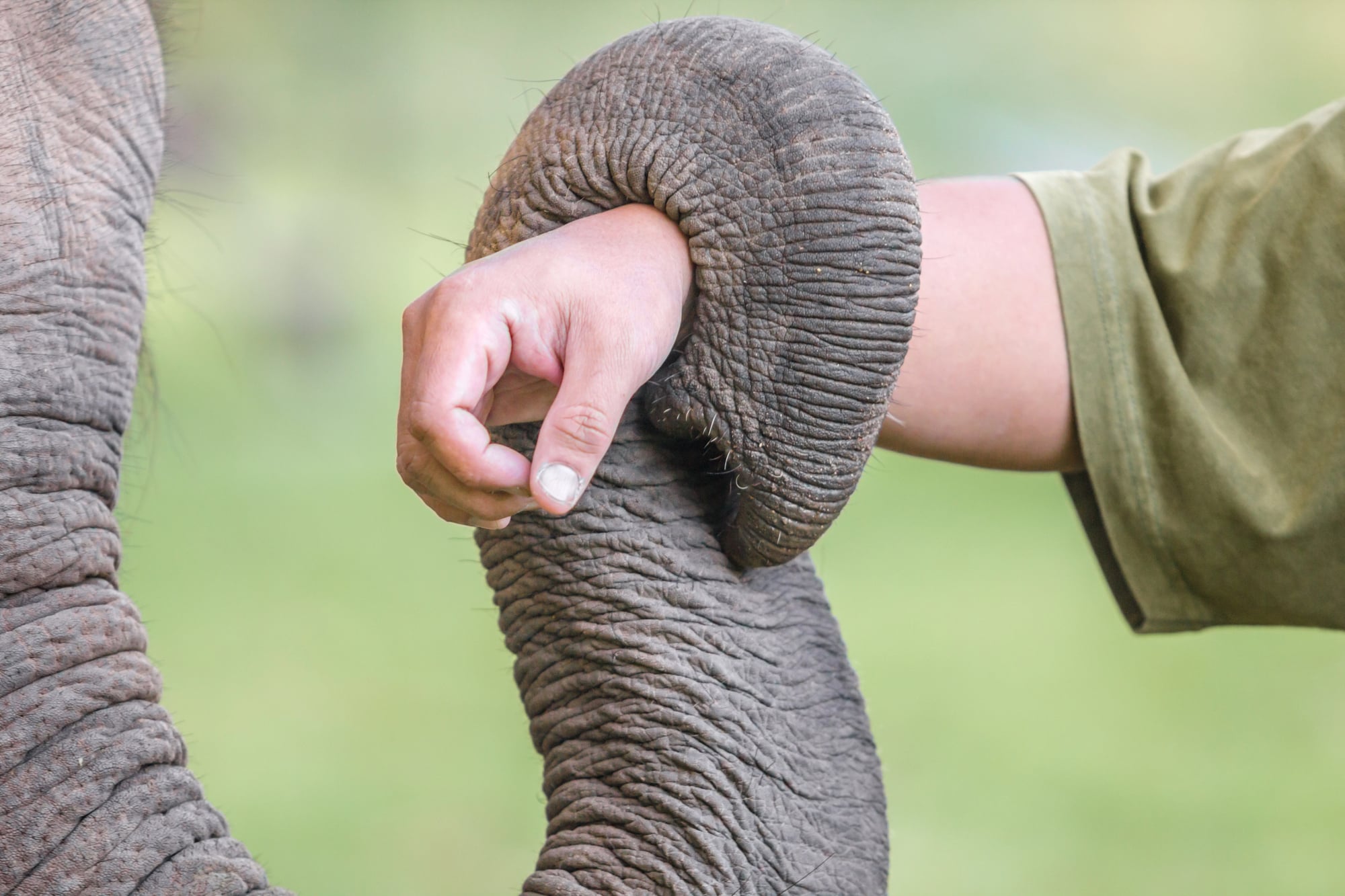
These remarkable partnerships reveal how interconnection rather than isolation drives evolution and ecosystem stability. Just as humans benefit from diverse relationships and cooperation, many animal species find strength in unusual alliances.
These examples remind us that nature’s solutions to survival challenges often involve cooperation across boundaries, creating bonds that defy our expectations and enrich our understanding of life on Earth.
More from Go2Tutors!

- The Romanov Crown Jewels and Their Tragic Fate
- 13 Historical Mysteries That Science Still Can’t Solve
- Famous Hoaxes That Fooled the World for Years
- 15 Child Stars with Tragic Adult Lives
- 16 Famous Jewelry Pieces in History
Like Go2Tutors’s content? Follow us on MSN.



