Liquids That Defy Gravity Rules
Gravity pulls everything down, right? That’s what most people learn in school.
Drop a glass of water, and it splashes on the floor. Tilt a bottle, and the liquid pours out.
But some liquids don’t play by these rules. They climb up walls, float in mid-air, or refuse to fall when they should.
Scientists have discovered liquids that seem to ignore gravity completely. Let’s look at these strange fluids that break all the normal rules.
Liquid helium crawls up container walls

Liquid helium does something no other liquid can do when it gets cold enough. Cool it down to about minus 456 degrees Fahrenheit, and it becomes what scientists call a superfluid.
At this temperature, liquid helium will climb up the sides of its container, flow over the edge, and drip down the outside. Put it in a cup, and it literally escapes on its own.
The atoms in superfluid helium move without any friction at all, which lets them defy gravity in ways that seem impossible. This happens because the helium atoms all start acting like one giant quantum particle instead of millions of individual ones.
Ferrofluids stand up in spikes
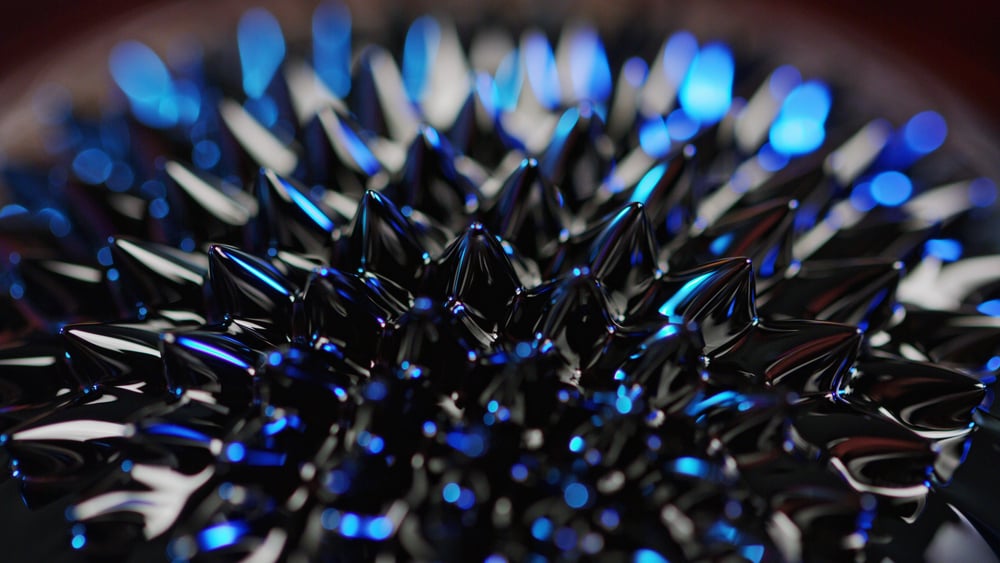
Ferrofluids are liquids packed with tiny magnetic particles that respond to magnets in wild ways. Place a magnet near a pool of ferrofluid, and the liquid rises up in sharp spikes that look like a porcupine.
The spikes can stand several inches tall without collapsing. Engineers created these fluids by mixing microscopic iron particles into oil, and each particle is coated so it doesn’t clump together.
NASA has used ferrofluids in space to control liquids without gravity, and they also show up in high-end speakers to keep them cool.
The Leidenfrost effect makes droplets hover

Drop water on a surface that’s hot enough, and something strange happens. The water doesn’t instantly boil away like you’d expect.
Instead, it forms little orbs that skitter across the surface like marbles. A thin layer of vapor forms under each droplet and holds it up, creating a cushion that keeps the water from touching the hot surface.
The droplets can float around for several minutes before finally evaporating. This effect works with any liquid and has the same name as the scientist who discovered it back in 1756.
Non-Newtonian fluids walk up vibrating rods

Mix cornstarch and water together, and you get a fluid that acts solid when you hit it but liquid when you leave it alone. Put this mixture on a speaker playing loud bass notes, and it does something even weirder.
The vibrations make the fluid climb up any rod or object sticking out of it, flowing upward against gravity. The liquid moves up because the vibrations constantly compress it, and compression makes it act more solid and less like a normal flowing liquid.
People have even walked across pools of this stuff without sinking.
Superfluids flow through solid objects
Superfluid helium doesn’t just climb walls. It also leaks through materials that should be completely sealed.
Pour it into a container with walls so thin that atoms can barely fit between them, and the helium will seep right through. It moves through impossibly tiny spaces because its atoms have zero friction and zero viscosity.
Scientists have to use special containers with no microscopic pits at all, or the helium simply vanishes. This property makes it one of the hardest substances to store.
Diamagnetic liquids levitate in magnetic fields

Water itself can float in mid-air if the magnetic field is strong enough. Water is slightly diamagnetic, which means it creates a weak magnetic field that opposes other magnetic fields.
Put a small amount of water between two powerful magnets, and the water will hover between them. A frog famously floated this way in a lab experiment in 2000, proving that even living things can levitate with strong enough magnets.
The effect works because the magnetic field pushes equally on all parts of the water.
Superhydrophobic surfaces make water roll uphill

Coat a surface with special water-repelling chemicals, and water droplets will bounce off it like rubber orbs. Tilt this surface at a slight upward angle, and vibrate it just right, and water droplets will actually roll uphill.
The surface is so slippery that the droplets barely touch it, and the vibrations give them enough energy to overcome gravity. Lotus leaves naturally have this property, which keeps them perfectly clean even in muddy ponds.
Engineers copy this design to create self-cleaning windows and water-resistant fabrics.
Acoustic levitation holds droplets in sound waves

Powerful speakers pointed at each other can trap liquid droplets in mid-air using nothing but sound. The sound waves create areas of high and low pressure, and droplets get caught in the low-pressure zones.
Scientists use this trick to study how liquids behave without containers touching them. The droplets rotate slowly while they float, and researchers can watch chemical reactions happen in real time.
This technology might help make better medicines by mixing ingredients in ways that weren’t possible before.
Capillary action pulls water up narrow tubes
Stick a thin glass tube into water, and the water climbs up inside the tube by itself. This happens because water molecules stick to glass better than they stick to each other.
The narrower the tube, the higher the water rises. Plants use this same principle to pull water from their roots all the way up to their leaves, even in trees that stand hundreds of feet tall.
The effect works against gravity for as long as the tube stays wet and the molecules keep pulling on each other.
Marangoni effect creates upward flow
Heat one part of a liquid’s surface, and the liquid will flow from cold areas toward hot areas. This seems backward because heat usually makes things spread out.
But surface tension changes with temperature, and liquids flow toward areas where surface tension is higher. Wine tears on a glass show this effect perfectly.
The alcohol evaporates from the thin film on the glass, making that area cooler, and the wine flows upward to replace it. Eventually, enough wine collects that drops form and run back down.
Magnetic liquids climb toward magnets
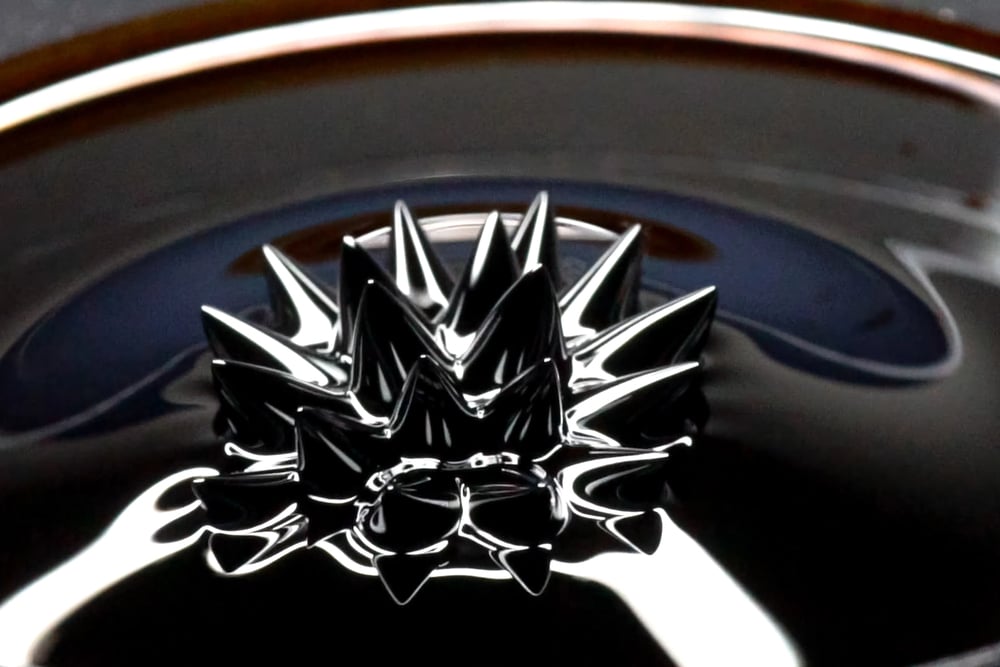
Some liquids contain dissolved salts that make them magnetic. Hold a magnet above the surface, and the liquid will bulge upward, trying to reach it.
Strong enough magnets can pull a stream of liquid several inches into the air. The magnetic force overcomes both gravity and surface tension.
Scientists use magnetic liquids to separate different types of cells in medical research. The cells stick to magnetic particles, and magnets pull them out of the sample.
Hydrophobic sand forces water up
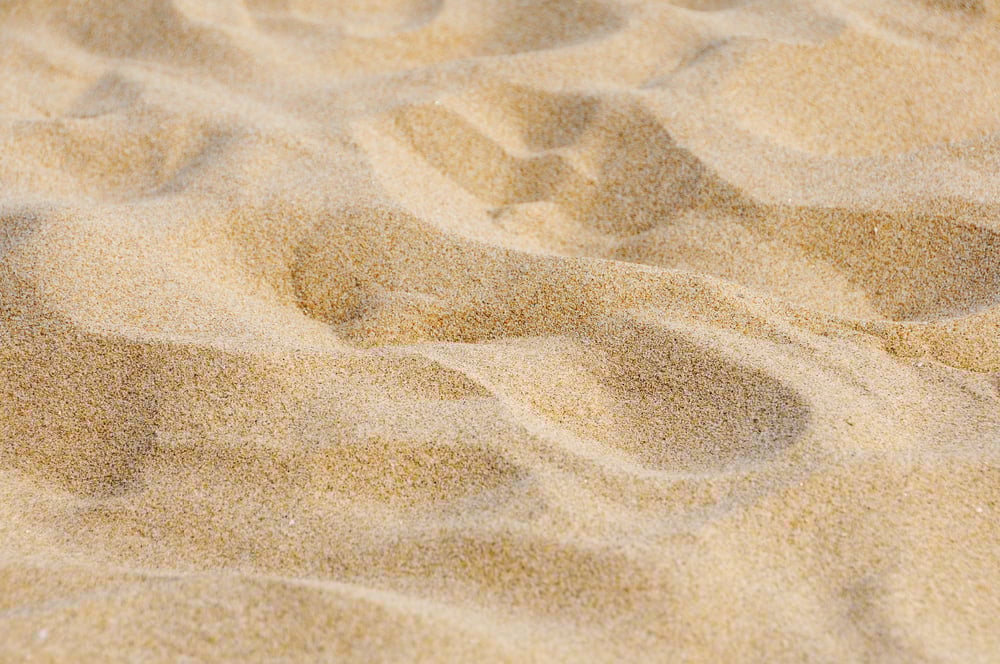
Regular sand soaks up water immediately. But coat sand with special water-repelling chemicals, and it does the opposite.
Pour water over this treated sand, and the water flows around the grains without soaking in. Push the sand underwater, and it stays completely dry with a silver coating of air around it.
Stack this sand in a tube with regular sand on top, and the trapped water will actually flow upward through the regular sand because it can’t go down through the hydrophobic layer. The effect creates underground reservoirs in nature where certain rock layers repel water.
Electrowetting makes droplets climb electrodes

Apply an electric charge to a surface, and water droplets will move toward the charged area. The electricity changes how strongly water sticks to the surface.
Create a path of electrodes, and you can make droplets flow upward, sideways, or in any direction. E-readers with color displays use this principle to move colored oil droplets around.
Lab equipment uses it to move tiny amounts of liquid for medical tests. The droplets move quickly and precisely, making this useful for any device that needs to control small amounts of fluid.
Reverse waterfalls happen when winds get really gusty
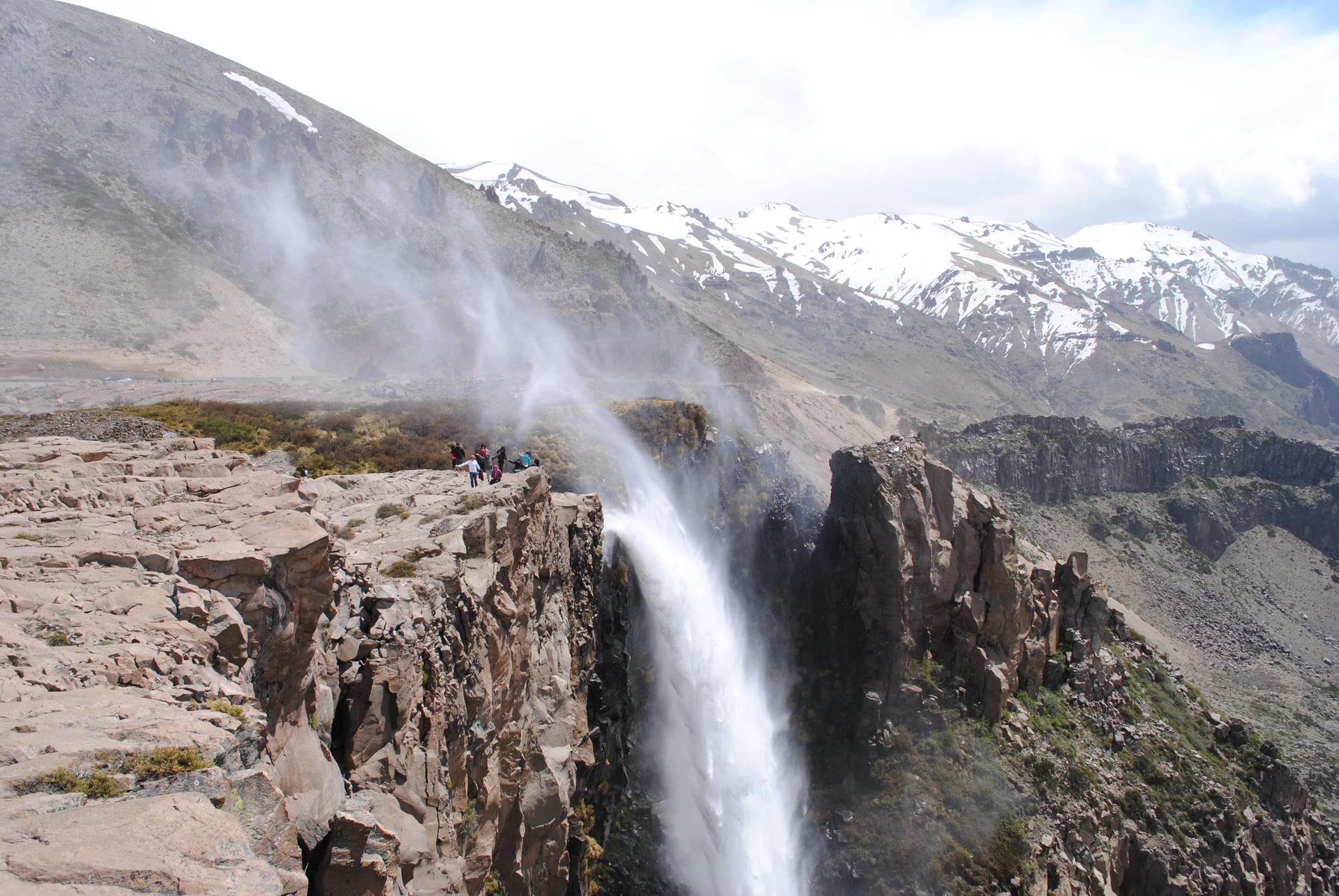
Wind rushing up a steep rock face may lift droplets mid-fall, tossing them skyward again. Water pours down, only to be grabbed by rising air currents that fling it upward instead.
You’ll see this often at some waterfalls across Iceland, places in Hawaii, or spots along Scotland’s coast. When gusts go wild, the liquid stays airborne – never touching ground below.
It changes into vapor then drifts off with the breeze. This happens just if airflow equals how fast drops fall, balancing pull from below with push above.
Frozen fluids float weirdly when there’s almost no gravity

Liquid nitrogen or liquid oxygen act weird in low-gravity environments. Super-chilled fluids cling to walls instead of drifting around loose.
They form slick layers covering whatever they land on. These substances crawl across materials heading into hotter zones – making storage inside ships a real headache.
Builders must create unique containers stopping fluids from touching the sides. That behavior happens because it’s super cold, also there’s no gravity to form drops.
Surface tension holds bugs up so they can move across water without sinking

Water striders stay afloat thanks to surface tension. Flip one beneath the surface – it still moves around without trouble.
That force pulls either way. Underwater air bubbles act similarly.
They press flat when near overhead edges, then glide across inverted surfaces. The water bits stick close, strong enough to hold up weight no matter the angle.
Still, it’s not only water – other fluids do this as well.
Quantum liquids climb up tight spaces

In super narrow tubes – only a few atoms across – fluids don’t behave normally. Instead of sticking together, water climbs up since its molecules stick better to the surface than to themselves.
This only happens when the space is under 100 nanometers wide. In carbon nanotubes, where this shows up strong, water zips through way quicker than expected – like hundreds or even thousands of times faster.
Researchers believe it works when water molecules form neat rows, slipping through smoothly. Down the road, new filters could take advantage of this trait – purifying liquids while saving power.
From labs to nature

These weird liquids float around both in nature and science labs. Researchers are always finding fresh tricks where fluids climb upward instead of sinking.
A few only act this way when it’s nearly as cold as possible, but some pull stunts at room temperature. Figuring out their behavior lets builders improve gadgets – like gear for astronauts or tools used in hospitals.
So if a tiny drop acts odd next time, think again – it’s not just about things dropping straight down.
More from Go2Tutors!

- The Romanov Crown Jewels and Their Tragic Fate
- 13 Historical Mysteries That Science Still Can’t Solve
- Famous Hoaxes That Fooled the World for Years
- 15 Child Stars with Tragic Adult Lives
- 16 Famous Jewelry Pieces in History
Like Go2Tutors’s content? Follow us on MSN.