15 Things You Never Knew About Crows
For centuries, Crows have been enigmatic birds, long viewed as omens of ill fortune or dismissed as raucous pests. But these intelligent corvids have fascinated scientists for centuries with their remarkable abilities and complex social structures.
Their adaptability has allowed them to thrive in cities among humans, but much of their most fascinating nature is a mystery to the general public. Here are 15 interesting facts about crows that can help change your mindset when you witness such intelligent birds appearing around you the next time.
Tool Users Extraordinaire
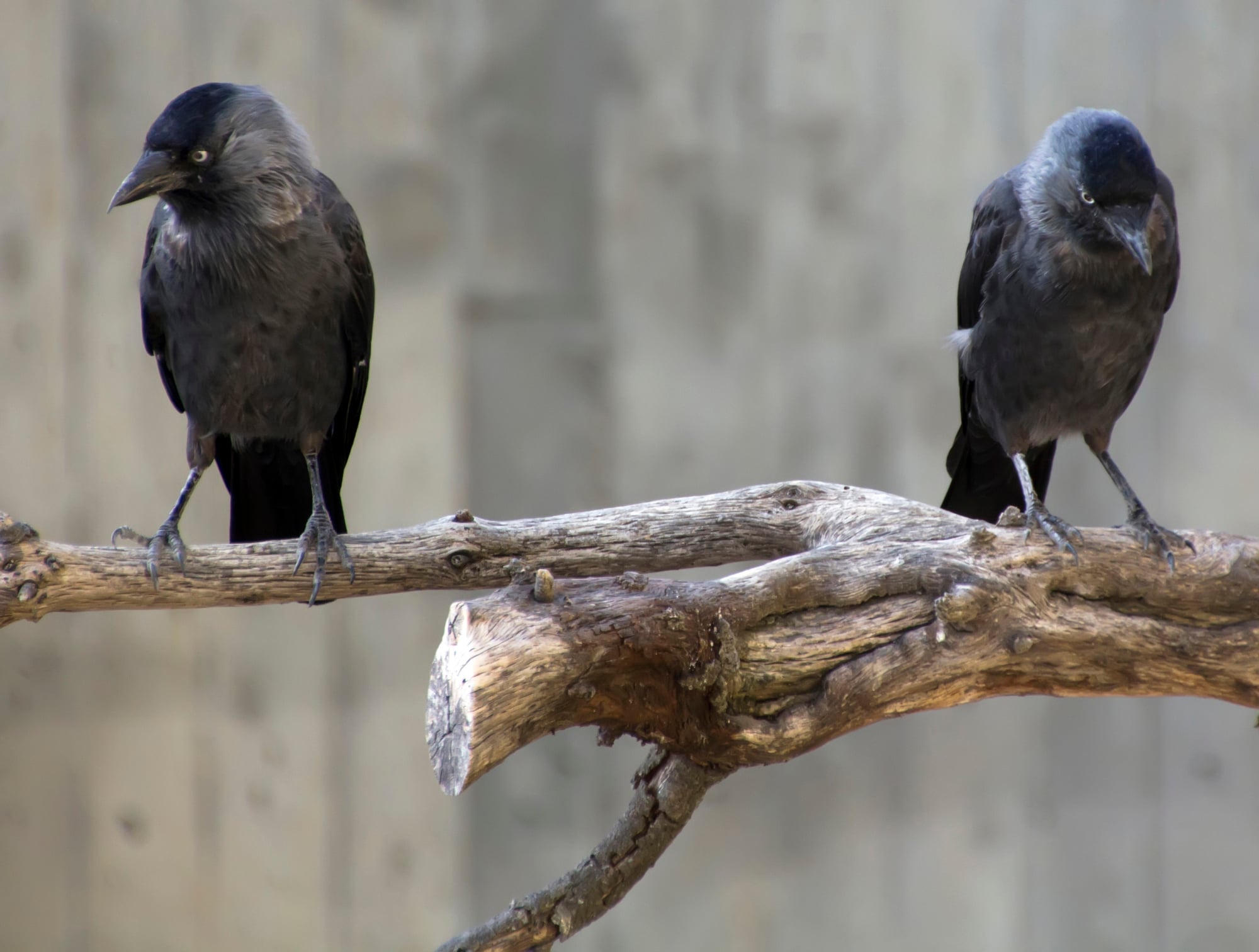
Crows don’t just use tools, they craft them with specific purposes in mind. New Caledonian crows bend twigs into hooks to extract insects from hard-to-reach places, and some urban crows have been observed dropping nuts onto crosswalks so passing cars will crack them open.
They’ll even wait for the pedestrian signal before safely retrieving their snack.
Incredible Facial Recognition
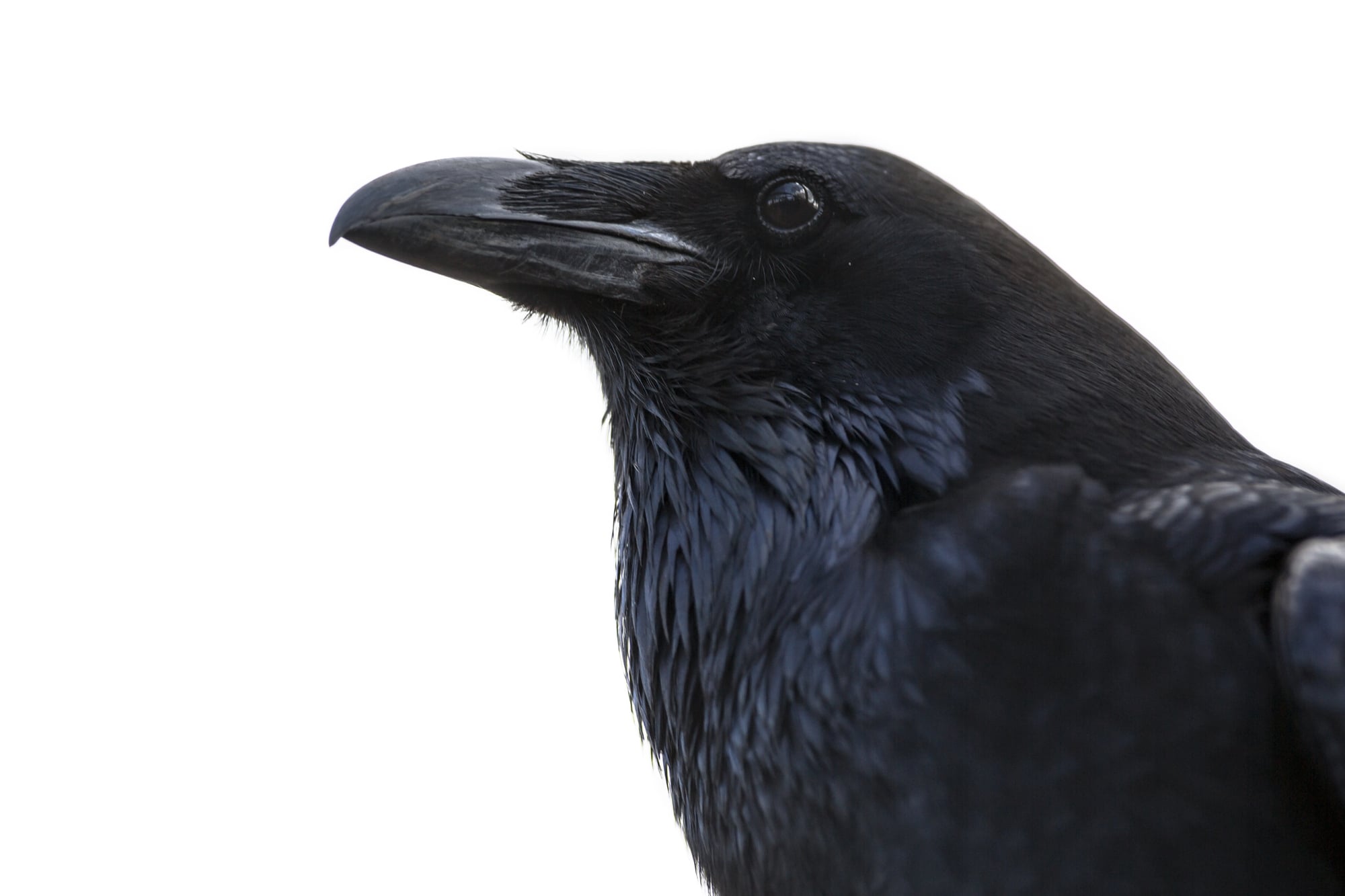
Crows can recognize individual human faces and remember them for years to come. Researchers who trapped and banded crows for study found that those specific birds would scold and dive-bomb them whenever they returned to the area, even when wearing different clothes.
This facial recognition ability gets passed to other crows who have never experienced the negative interaction firsthand.
Like Go2Tutors’s content? Follow us on MSN.
Complex Language Skills
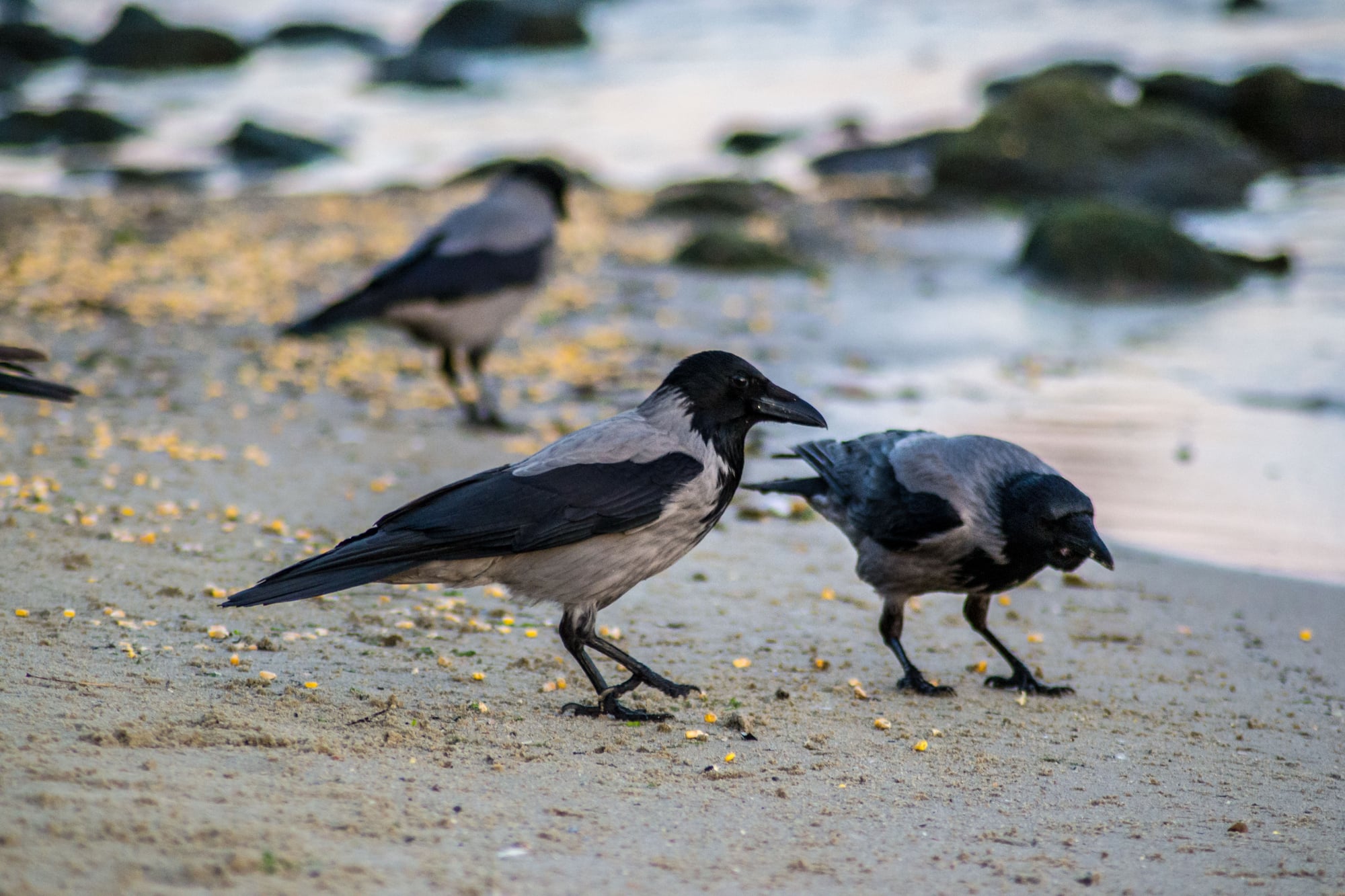
The vocalizations of crows go far beyond simple cawing. These birds have developed regional dialects and use over 20 different calls to communicate everything from danger to food sources.
Their language is amazingly super sophisticated that specific calls can describe the type of predator approaching and its location relative to the group.
Grief Rituals
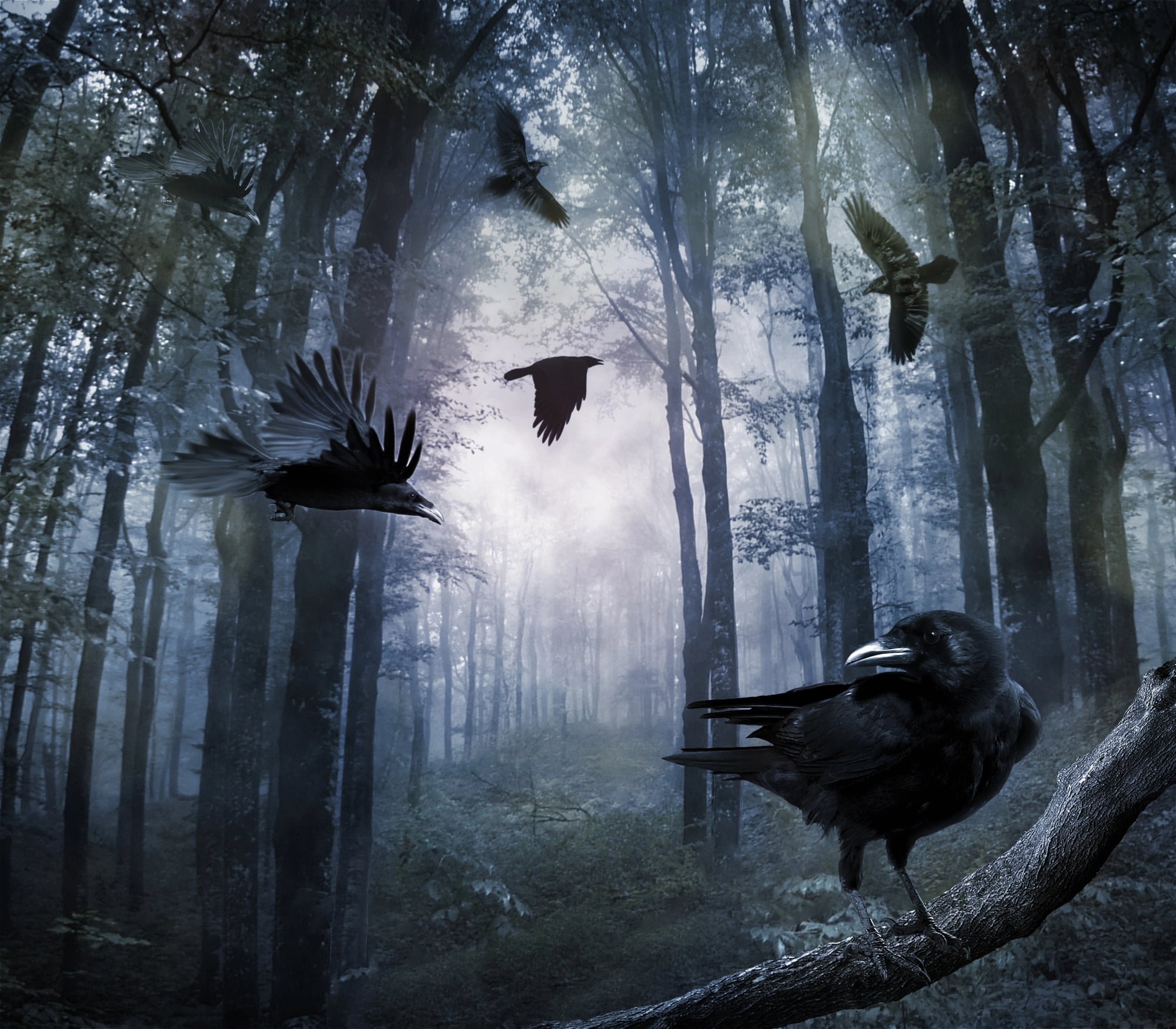
When a crow dies, other crows will gather around the deceased in what appears to be a funeral ceremony. They’ll call to each other in distinct patterns and sometimes leave trinkets or objects near the body.
This behavior strongly suggests emotional complexity and social bonding that extends beyond mere survival instincts.
Problem-Solving Prodigies

It’s amazing how Crows are able to solve multi-step challenges that would stump a 7-year-old kid. In a well-known experiment, crows solved how to drop stones into a watery tube to lift the water level and retrieve food floating on the water, possessing knowledge of displacement principles that show causal reasoning.
They solved it on their own without training.
Like Go2Tutors’s content? Follow us on MSN.
Impressive Memory Capacity

These birds can remember where they’ve hidden thousands of food items over extended periods. Their spatial memory allows them to create mental maps of food caches across large territories, and they’ll even pretend to hide food when they feel they’re being watched by potential thieves.
This deceptive behavior also indicates both memory skills and the theory of mind.
Multigenerational Family Units
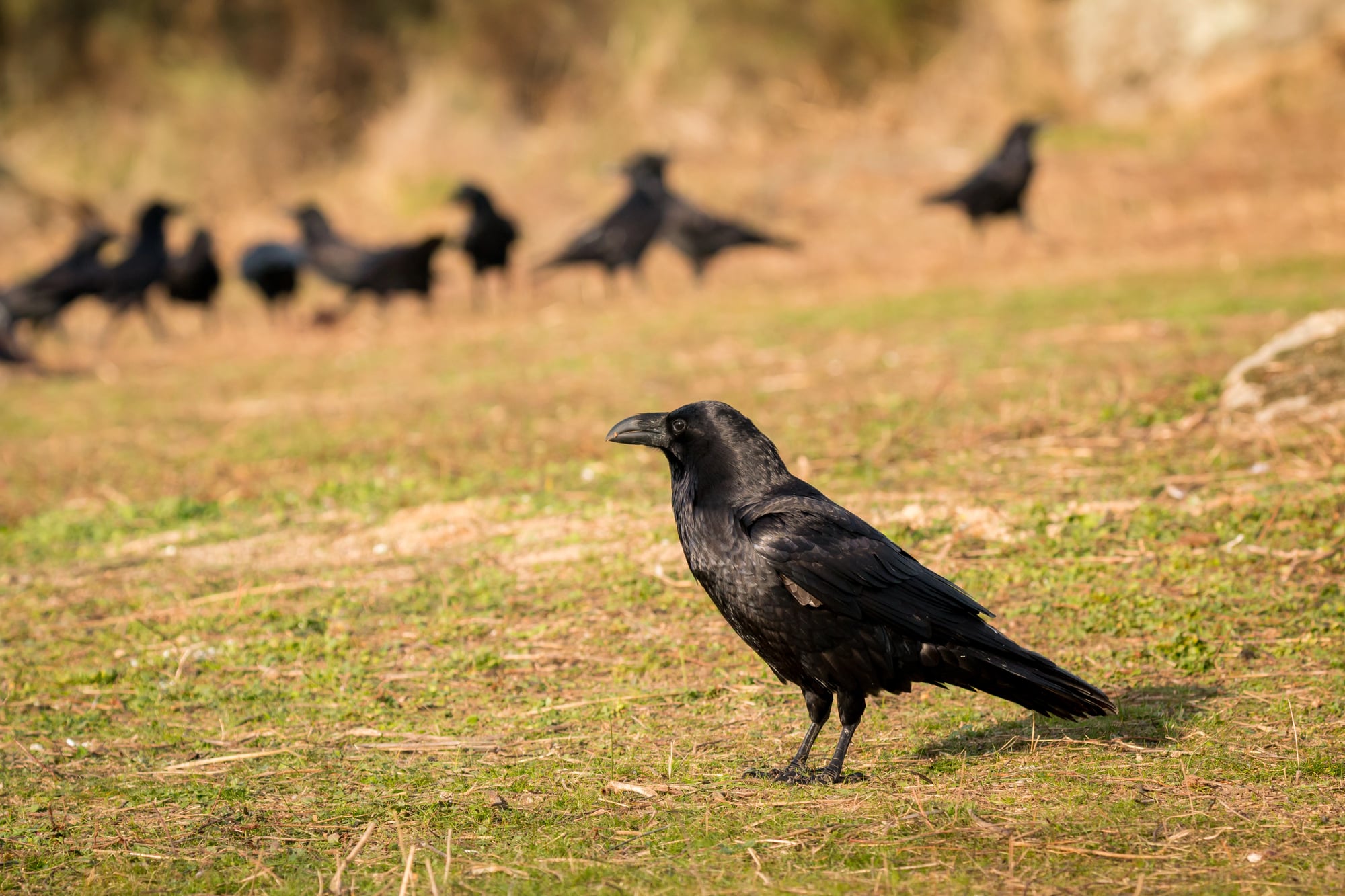
Crow families often stay together for years, with older siblings helping parents raise new chicks. Young adult crows might remain with their parents for up to five years before establishing their own territories.
Their cooperative breeding strategy creates complex social dynamics where knowledge and skills are passed through generations.
Culture and Tradition

Crows learn cultural traditions transmitted from population to population. The carrion crows in Japan learned to place walnuts in front of parked cars at intersections, and the cultural behavior was passed on from crow to crow populations within urban areas.
These cultural innovations represent social learning rather than being genetic.
Like Go2Tutors’s content? Follow us on MSN.
Playful Nature
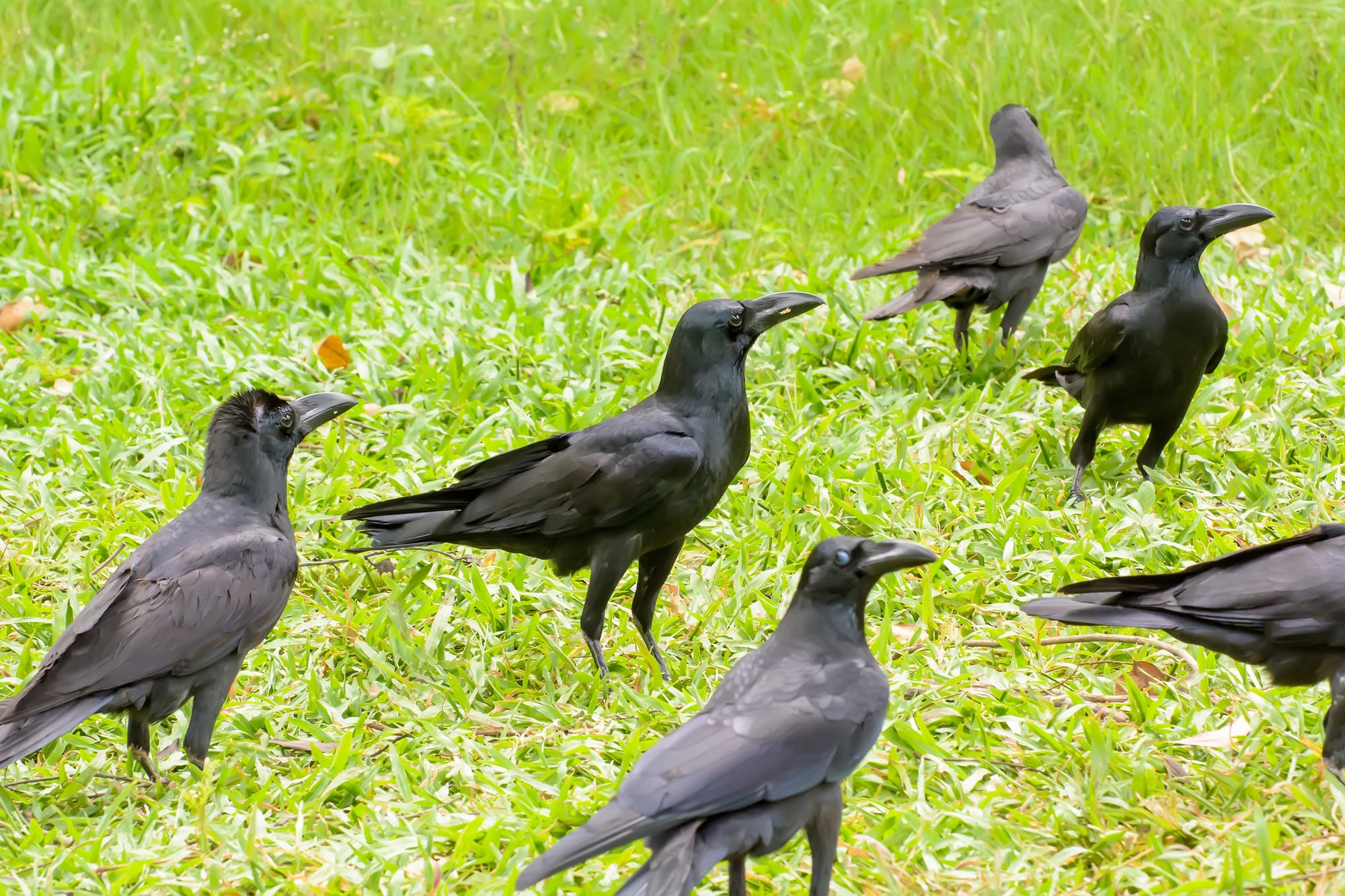
Despite their serious reputation, crows are remarkably playful birds. They’ve been documented sliding down snowy rooftops repeatedly, seemingly for enjoyment.
Some crows fashion toys from available objects, toss items between each other, and even engage in acrobatic flight patterns that serve no apparent purpose beyond mere play.
Adaptable Diet

While often thought of as scavengers, crows maintain an incredibly diverse diet that changes with their environment. They eat over 1,000 different food items including fruits, nuts, insects, small mammals, bird eggs, carrion, fast food leftovers, and even fish they catch themselves by dropping bait onto water surfaces.
Sophisticated Communication Networks

Crows form information-sharing networks that function like neighborhood watch programs. When one crow spots a potential threat, the news spreads quickly through the community via alarm calls.
This communication can travel at speeds of up to 4 miles in under an hour as the message passes from crow to crow.
Like Go2Tutors’s content? Follow us on MSN.
Environmental Adaptation
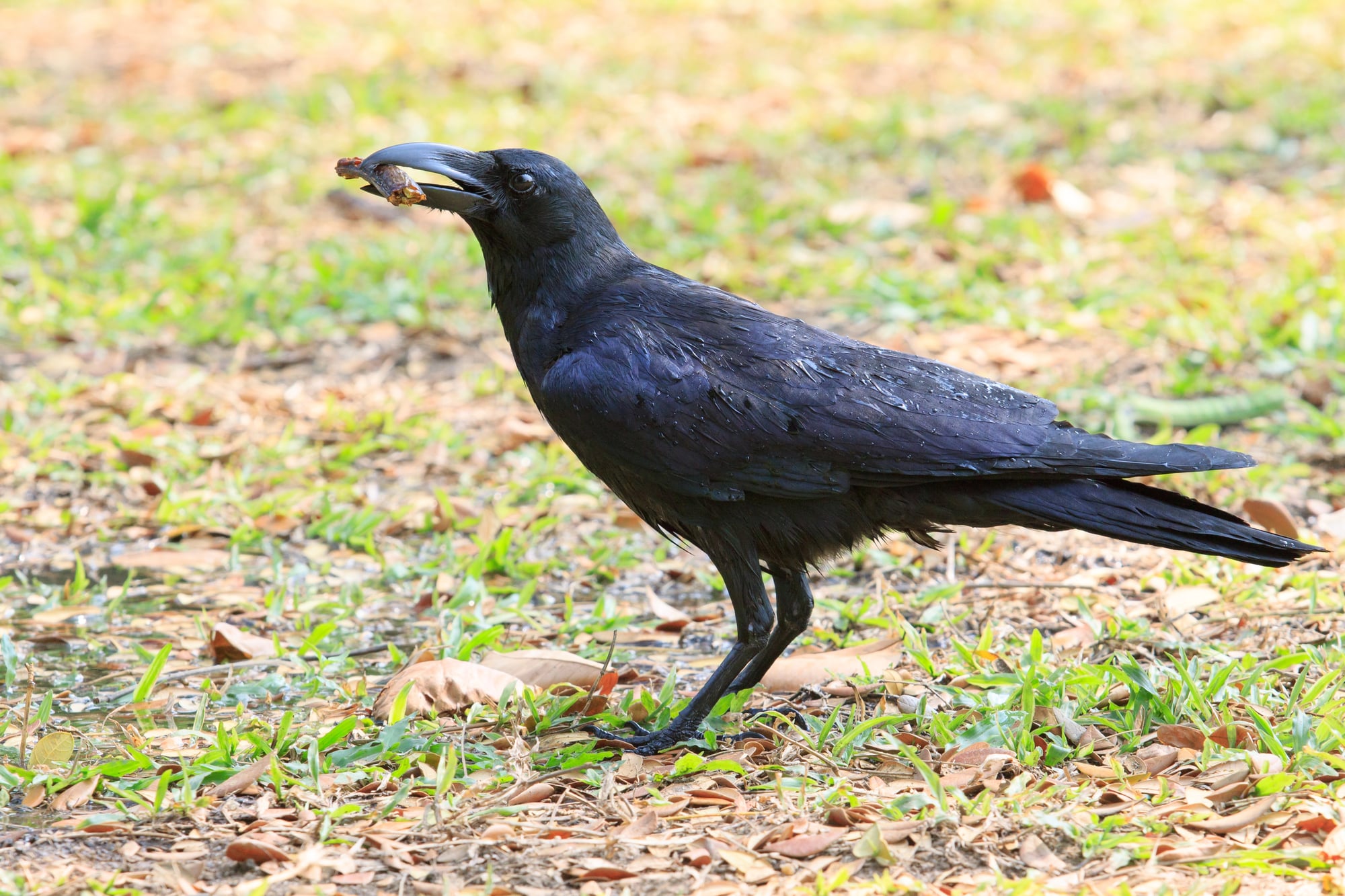
These adaptable birds have established populations on every continent except Antarctica. From the scorching deserts of Arizona to the frigid forests of Alaska, crows have developed specialized behaviors to thrive in vastly different conditions.
Urban crows even time their morning movements to avoid rush hour traffic.
Cooperative Hunting Techniques
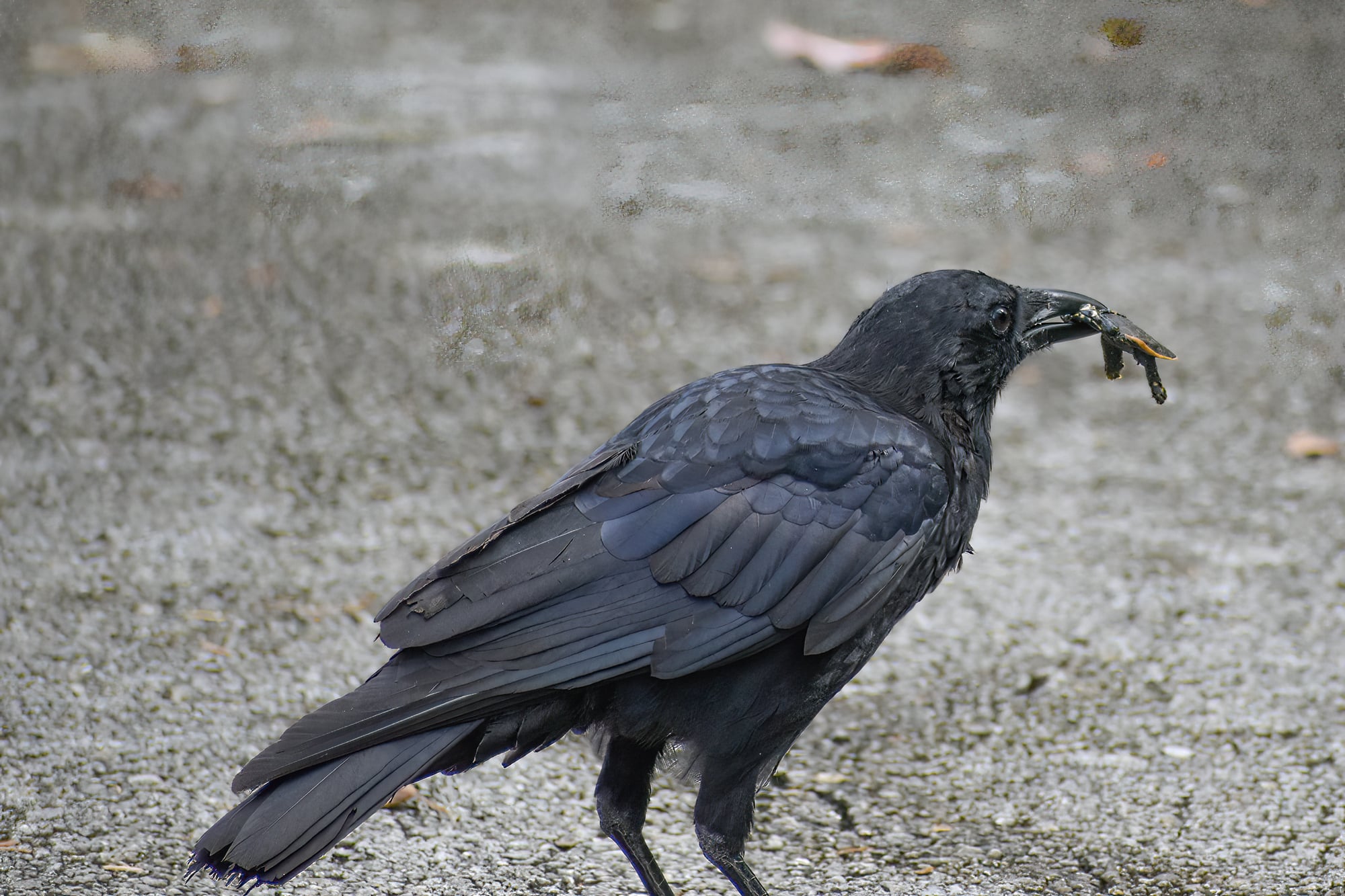
Crows often work together as teams when hunting larger prey. They’ll usually coordinate attacks from multiple angles, with some individuals distracting the target while others approach from behind.
This strategic cooperation requires serious planning and communication that reflects their social intelligence.
Tool Maintenance and Storage
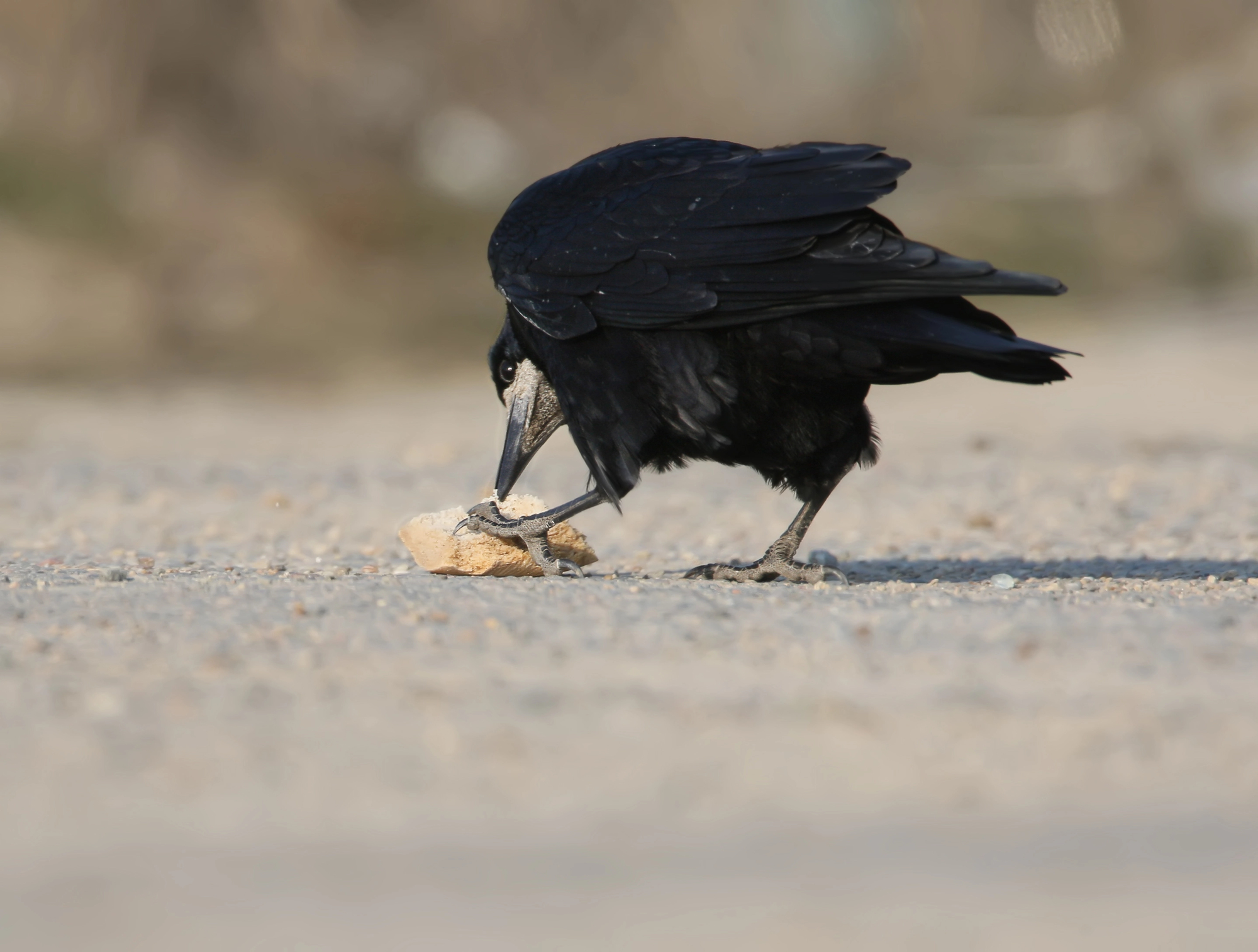
Not only do crows craft tools, but they also maintain and store their favorites for future use. New Caledonian crows have been observed carefully modifying their stick tools to improve functionality and keeping particularly effective tools for repeated use.
Some even store their preferred tools in specific locations, essentially creating a primitive toolbox.
Like Go2Tutors’s content? Follow us on MSN.
Mathematical Understanding
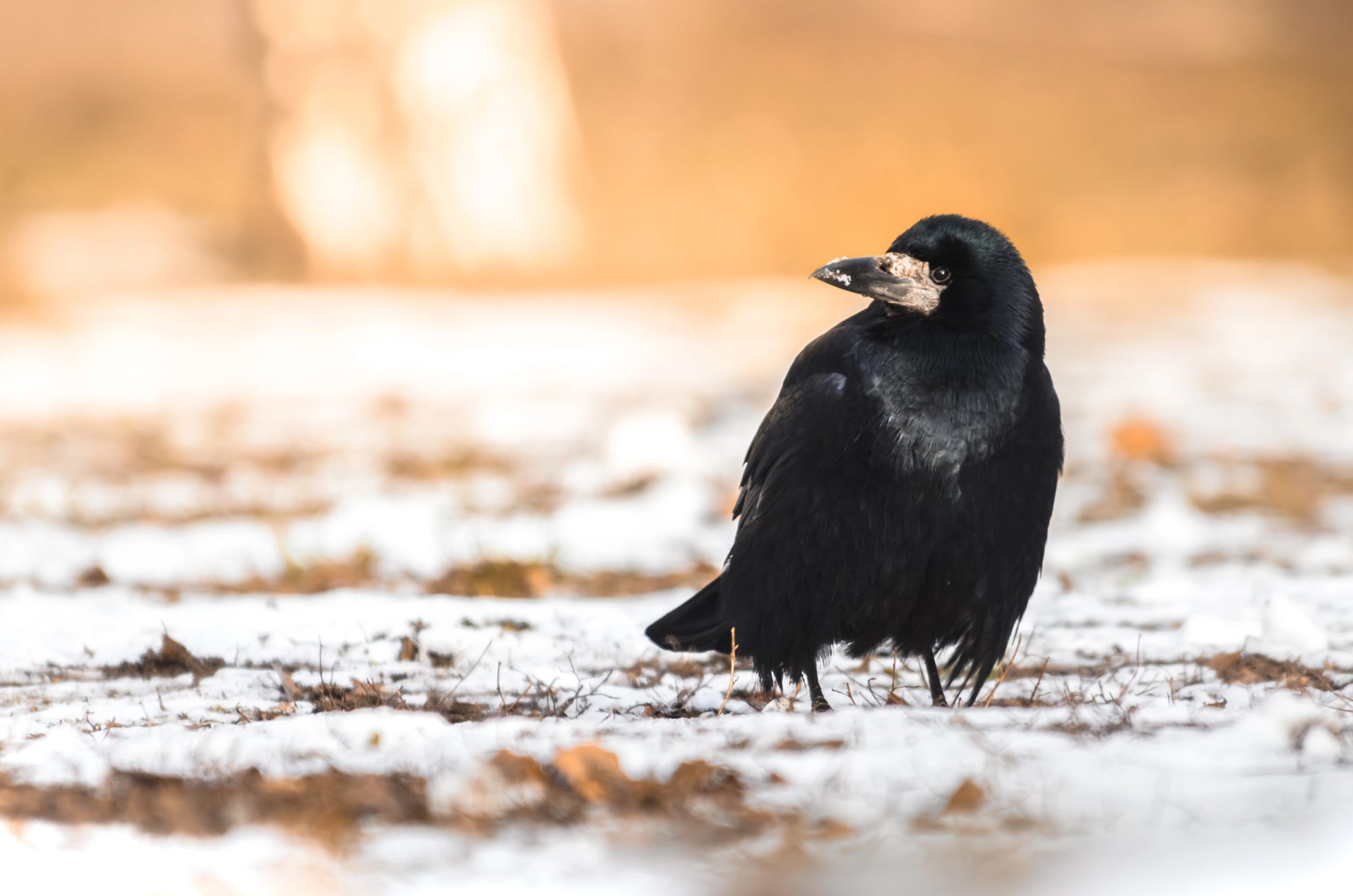
Crows demonstrate an understanding of numerical concepts that rivals many primates. They can distinguish quantities, understand the concept of zero, and perform simple arithmetic tasks.
This mathematical ability also helps them make complex decisions about resource allocation and group dynamics.
Beyond the Black Feathers
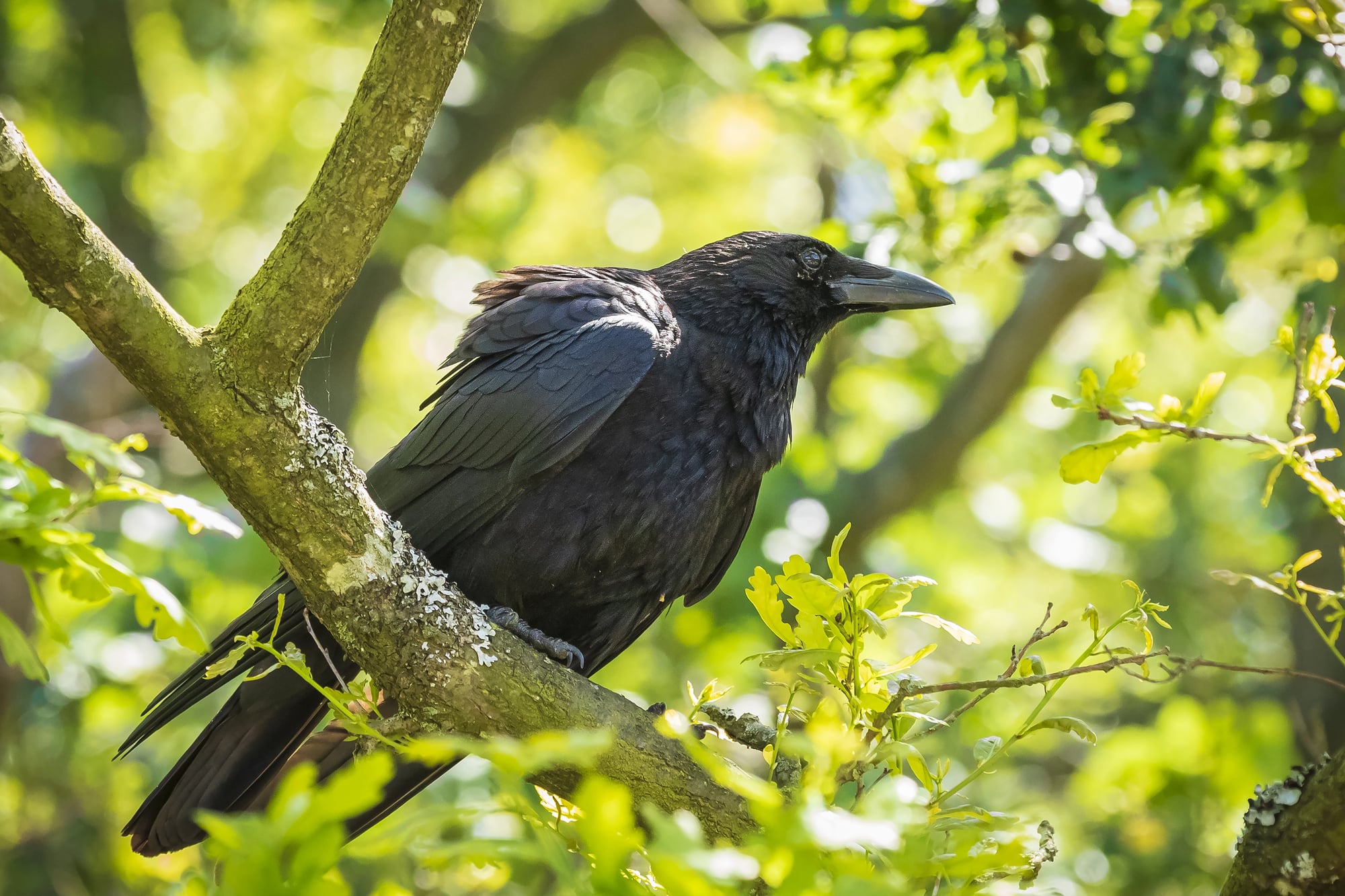
Far from being simple scavengers or pests, crows represent one of nature’s greatest success stories in adaptability and intelligence. Their cognitive abilities continue to surprise researchers, challenging our understanding of animal consciousness and raising important questions about the evolution of intelligence.
The next time you hear a chorus of caws outside your window, remember that you’re listening to a sophisticated communication network of problem-solving neighbors who recognize your face and might just be discussing your habits.
More from Go2Tutors!

- 18 Unexpectedly Valuable Collectibles You Might Have Lying Around
- 20 Little-Known Historical Battles That Had Huge Consequences
- 20 Historical Artifacts That Scientists Can’t Explain
- 15 Inventions That Were Immediately Banned After Being Created
- 20 Actors Who Were Almost Cast in Iconic Roles
Like Go2Tutors’s content? Follow us on MSN.



