Fun Facts About Santa Claus You Probably Didn’t Know
Santa Claus is one of those figures everyone thinks they know inside and out. The red suit, the reindeer, the North Pole workshop—it all seems pretty straightforward.
But the jolly gift-giver has a much stranger history than most people realize, with connections to ancient saints, corporate advertising, and even Cold War politics.
Here are some surprising truths about Santa that might change how you see him this Christmas season.
Saint Nicholas actually existed – he stayed in what’s now Turkey
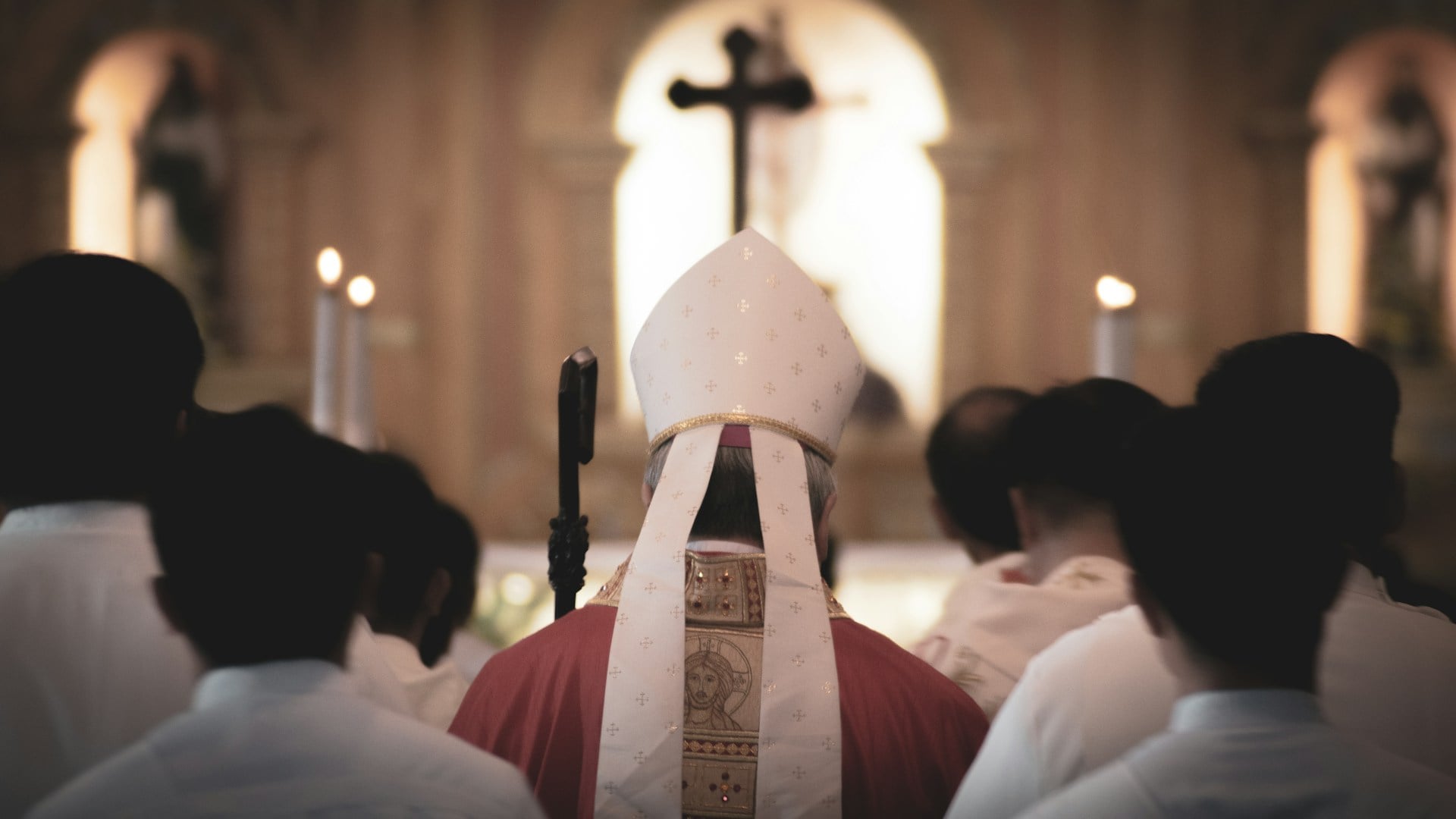
The real Santa started off as Bishop Nicholas, a follower of Christ living centuries ago in Myra – today’s Turkey. Born near the year 280 into money, he gained fame by helping kids and those struggling.
People said he’d quietly drop coins into footwear left outside overnight. When he passed, tales of his goodwill traveled across Europe, making him a top beloved saint.
Folks honor him every December 6th, a date still marked apart from Christmas in several European places.
Coca-Cola never created the red outfit
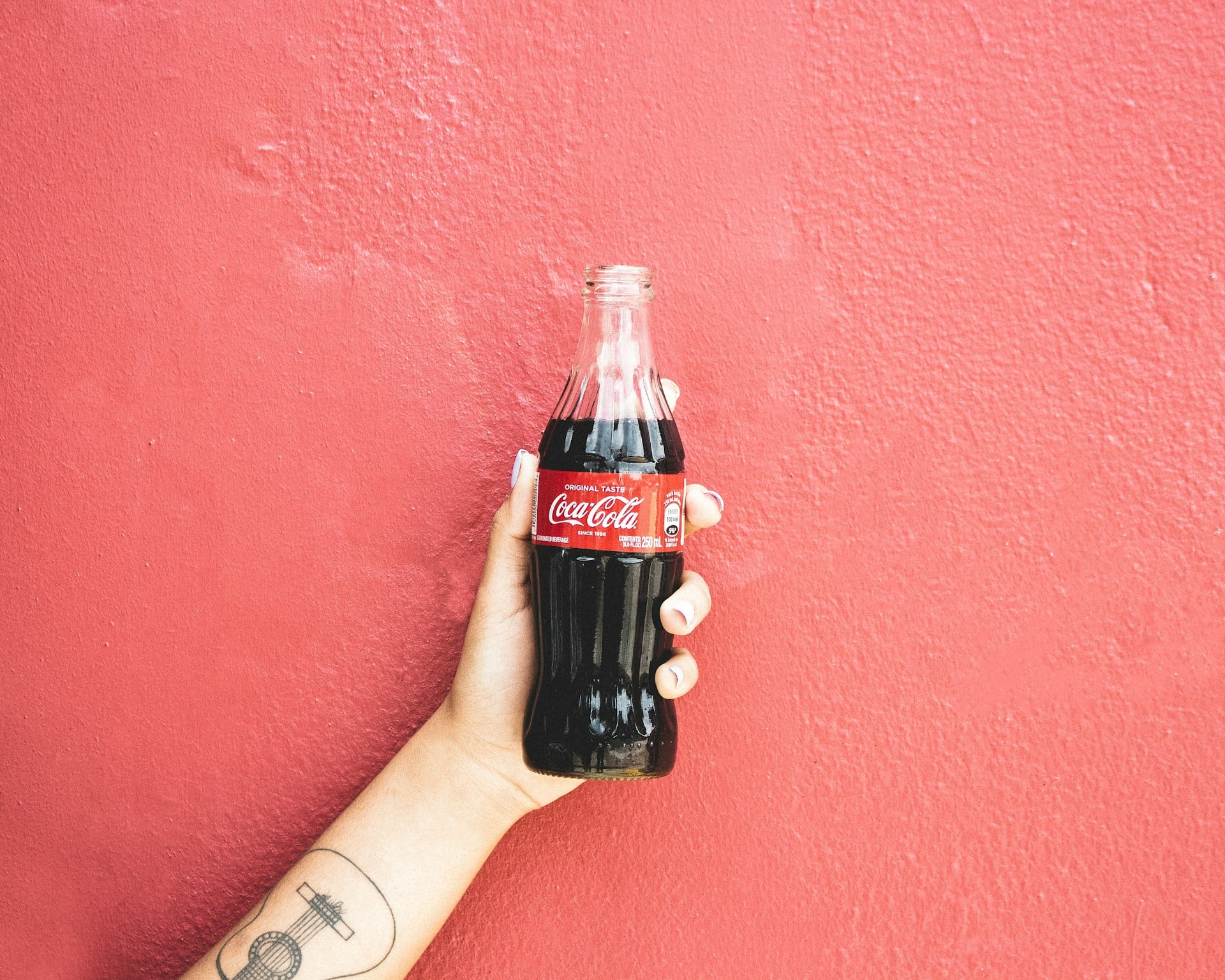
Plenty think Coke dreamed up Santa’s famous red-and-white look during ads back in the 1930s. But actually, he’d been rocking red before soda brands jumped in.
Way back in the 1860s, a political artist named Thomas Nast sketched him wearing red for Harper’s Weekly. Over time, different artists showed Santa in all sorts of shades – green, blue, even brown – during the 1800s.
Coca-Cola’s guy, Haddon Sundblom, cleaned up an older red-suit look that’d been around a while. Thanks to the brand’s huge ad power, this take ended up sticking front and center for most people.
The Dutch brought Santa to America
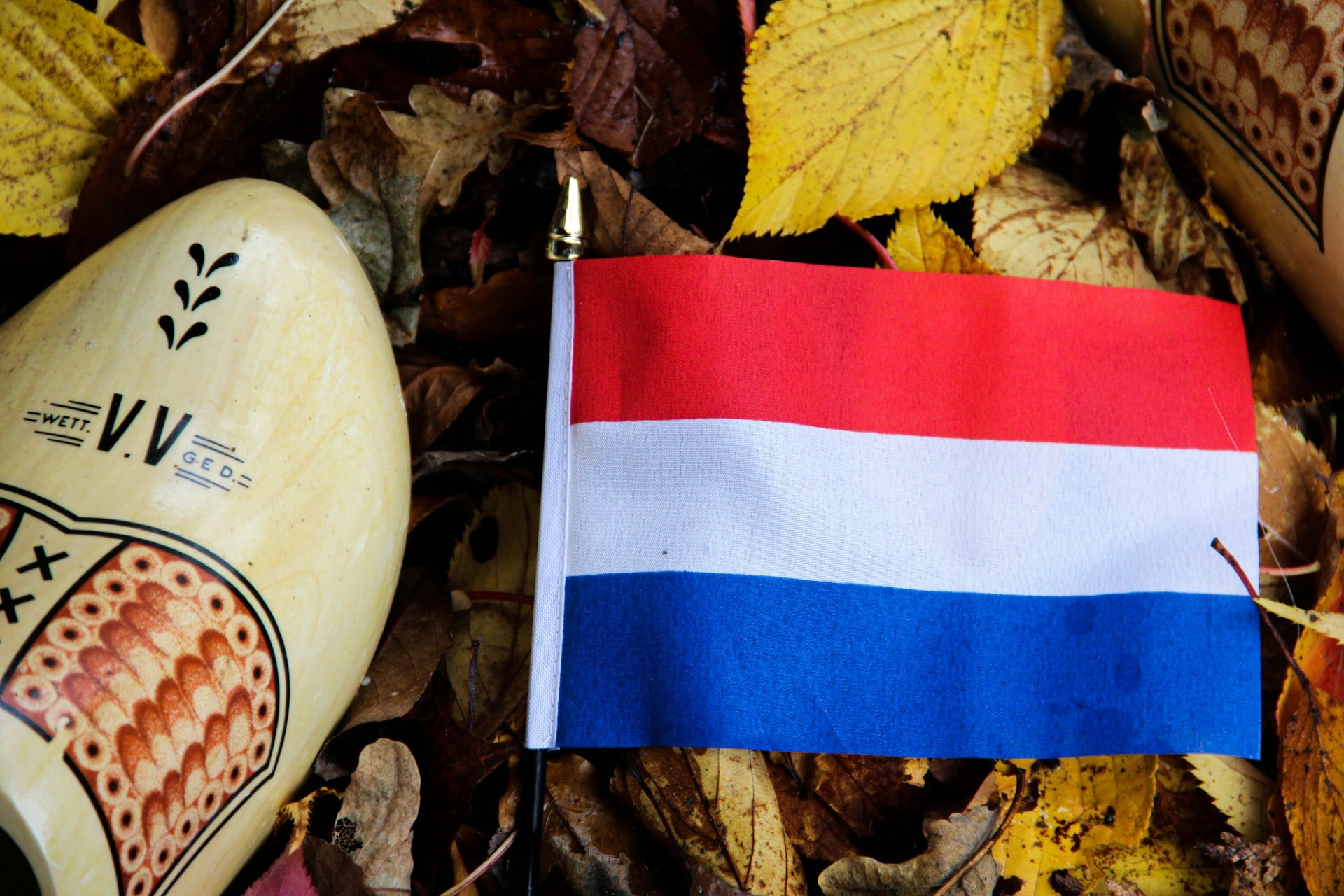
Dutch folks landed in New Amsterdam – later NYC – carrying Sinterklaas traditions back in the 1600s. Their take on Saint Nicholas showed up each December during festive gatherings.
Over the years, English speakers have tweaked “Sinterklaas” into “Santa Claus.” This early character wasn’t jolly; he meant business, giving treats to well-behaved kids while scolding rowdy ones.
The U.S. turned this figure into the gentler, kinder Santa familiar now. Meanwhile, Washington Irving’s 1809 tale on New York boosted that updated image across the country.
Santa once delivered presents on a donkey

Long ago, folks pictured Santa moving around in lots of ways – reindeer weren’t always involved. Some old European tales show Saint Nick hopping between homes on a pale horse or maybe a gray mule.
Over in places where Spanish is spoken, gift-giving still happens via three wise travelers who roll up on camels every January sixth – not during Christmas night. Then this shift happened when Clement Clarke Moore dropped his famous 1823 poem, often called ‘Twas the Night Before Christmas.
That’s where reindeer got tied into the myth, thanks to stories from northern Europe about sky-soaring stags.
Rudolph was created for a department store

Montgomery Ward department store invented Rudolph the Red-Nosed Reindeer in 1939 as a marketing gimmick. Store employee Robert L. May wrote a poem about the glowing-nosed reindeer for a promotional coloring book.
Montgomery Ward gave away millions of copies to children visiting their stores during the Christmas season. May’s brother-in-law, songwriter Johnny Marks, turned the story into the famous song in 1949.
Gene Autry recorded it and the song became the second best-selling Christmas single of all time, right after ‘White Christmas.’
The North Pole location is a recent addition

Early Santa stories never specified exactly where he lived. Some versions placed his workshop in Spain, others in Scandinavia, and some didn’t mention a home base at all.
American cartoonist Thomas Nast first drew Santa’s home at the North Pole in an 1866 illustration for Harper’s Weekly. The remote, icy location made sense because it explained why nobody could ever find Santa’s workshop.
It also fit with the growing fascination Americans had with Arctic exploration during that era. Finland now claims Santa lives in Lapland, creating an ongoing friendly dispute about his true address.
Santa has different names around the world
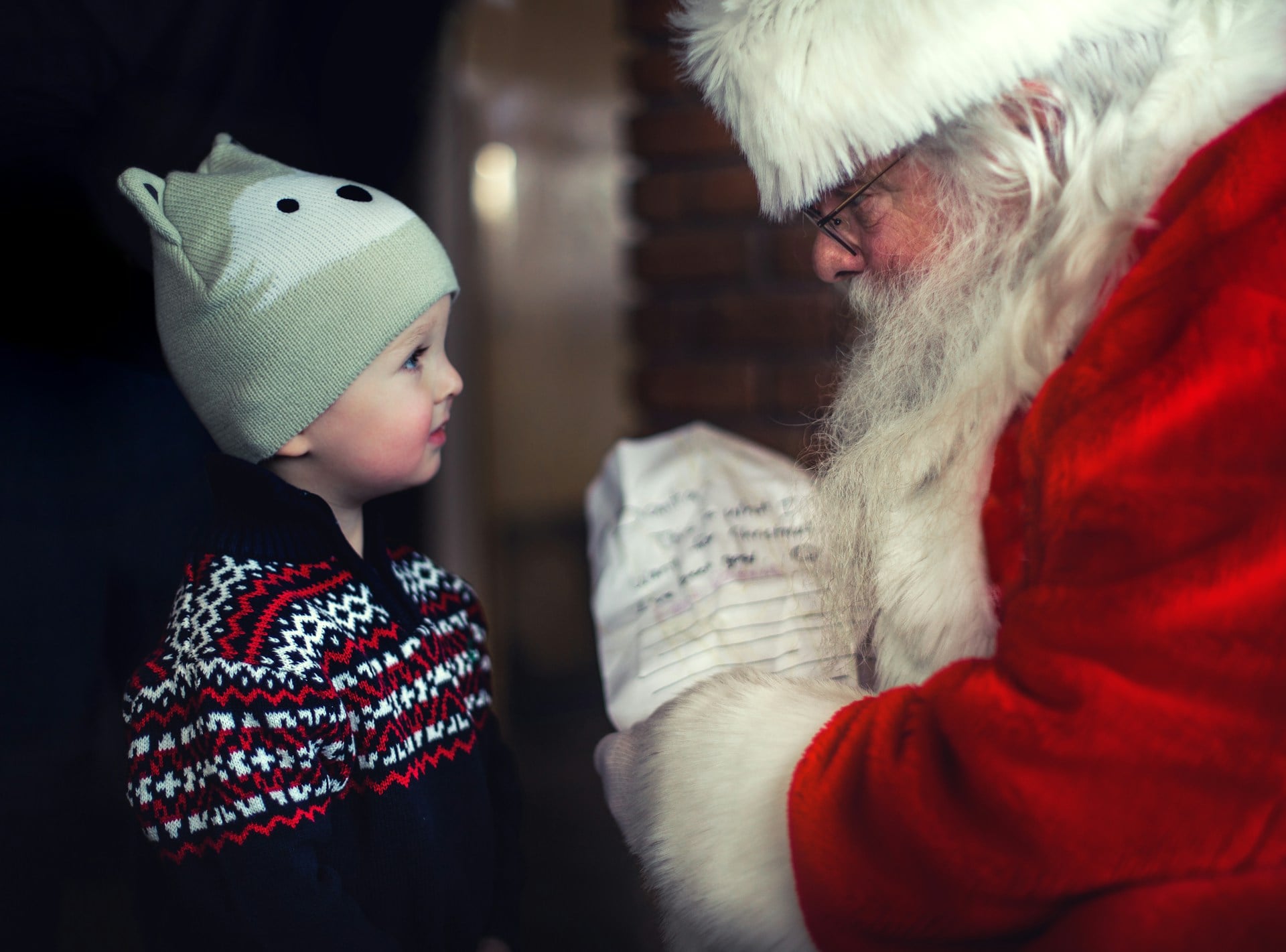
Father Christmas in England predates the American version of Santa and focuses more on general holiday spirit than gift-giving. France calls him Père Noël, while Italy has Babbo Natale.
Russia’s version, Ded Moroz or ‘Grandfather Frost,’ wears blue instead of red and brings gifts on New Year’s Eve rather than Christmas. Japan adopted Santa as part of their winter celebrations despite Christmas not being a major holiday there.
These various names and traditions show how different cultures adapted the basic Saint Nicholas story to fit their own customs and beliefs.
Department store Santas need special training

Professional Santas attend schools where they learn everything from proper ‘ho ho ho’ technique to handling difficult situations with children. The courses cover beard maintenance, costume care, child psychology, and sign language for deaf children.
Many training programs teach Santas how to pose for photos, remember gift requests, and stay in character even when kids ask tough questions. Some schools cost several hundred dollars and last multiple days.
Graduates often work the same mall locations year after year, building relationships with families who return to see their favorite Santa.
NORAD tracks Santa because of a wrong phone number
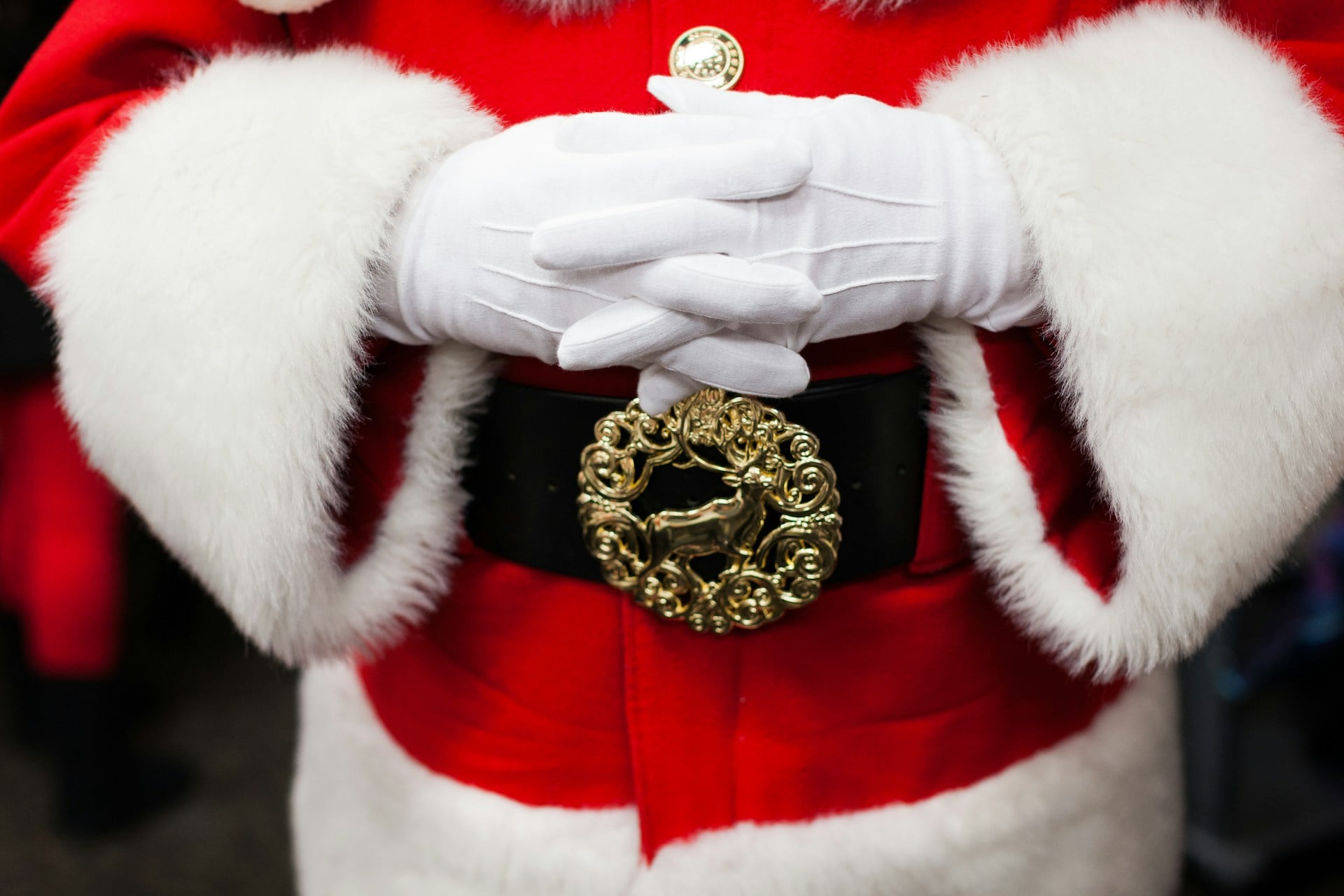
In 1955, a Sears store in Colorado Springs ran an advertisement telling kids to call Santa. The ad accidentally printed the phone number for CONAD, the Continental Air Defense Command, which later became NORAD.
Colonel Harry Shoup received calls from children on Christmas Eve and, instead of dismissing them, he had his staff give location updates on Santa’s journey. The tradition stuck, and now NORAD uses radar, satellites, and fighter jets to track Santa every December 24th.
Volunteers answer calls, emails, and social media messages from millions of children worldwide asking where Santa is currently flying.
Santa’s elves came from German folklore

The idea of elves helping Santa originated from Germanic folklore about household spirits who did work while families slept. These creatures were quite different from the cheerful toy-makers in modern stories.
Early versions depicted elves as sometimes mischievous or even scary figures. The transformation into friendly workshop assistants happened gradually through the 1800s and early 1900s.
The 1964 television special ‘Rudolph the Red-Nosed Reindeer’ cemented the modern image of elves as cute, happy workers in Santa’s toy factory.
Mail services actually respond to letters addressed to Santa

The United States Postal Service has a program where postal workers and volunteers respond to letters children send to Santa. Canada Post assigns Santa his own postal code, H0H 0H0, and guarantees responses to letters written in any language.
Thousands of volunteers help answer hundreds of thousands of letters each year. Some countries organize programs where charities adopt letters from children whose families can’t afford gifts and fulfill their wishes.
These programs started informally when postal workers felt bad about throwing away children’s letters.
Santa appears in summer in Australia
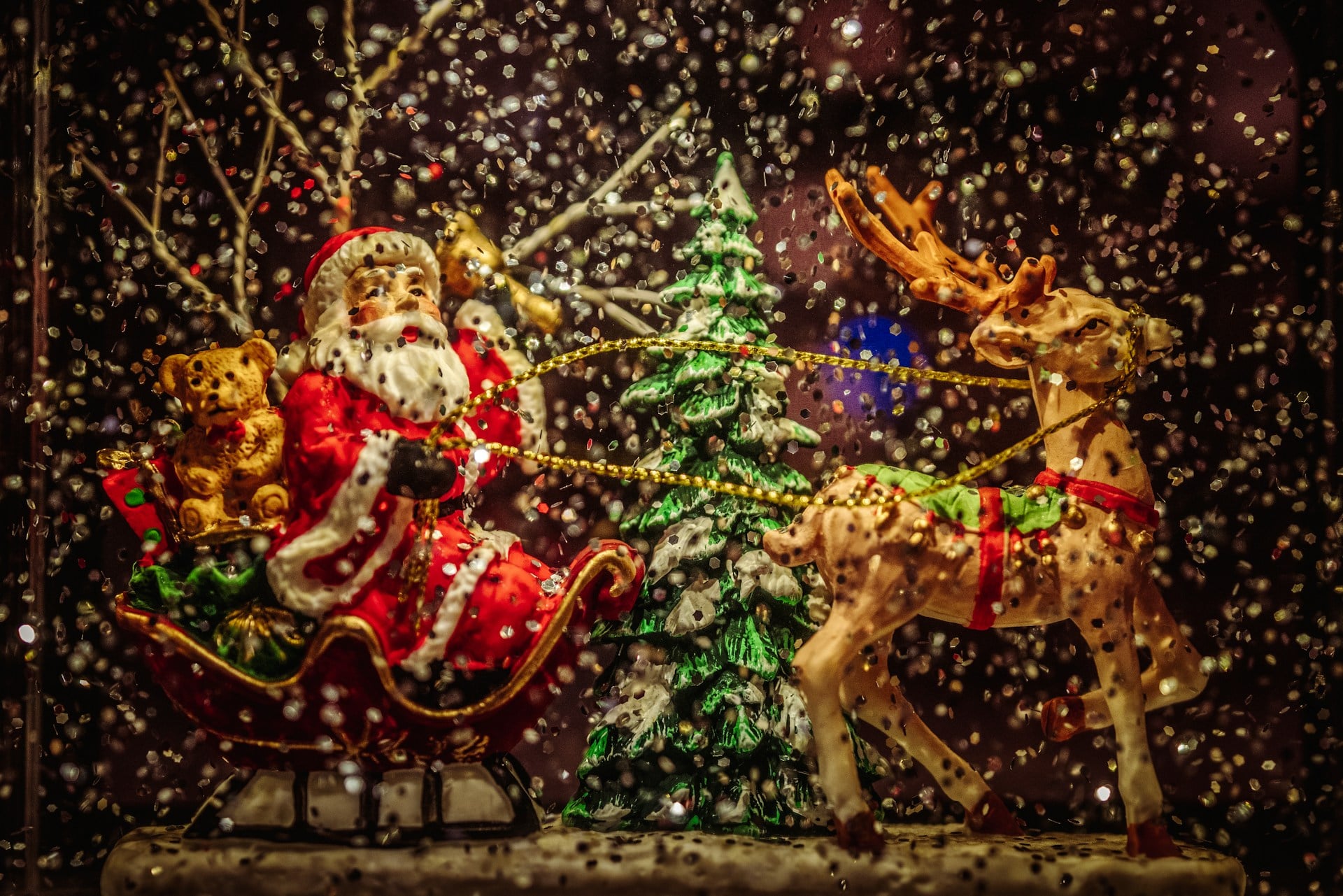
Australian Santa faces the challenge of delivering presents during their summer season when temperatures often exceed 100 degrees Fahrenheit. Some Australian department stores feature ‘Santa in shorts’ or show him arriving on a surfboard instead of a sleigh.
The traditional heavy red suit makes little sense in the summer heat, leading to creative adaptations. Beach-themed Christmas decorations and Santa imagery have become common in the Southern Hemisphere.
Despite the seasonal difference, Australian children still expect the same Santa to visit them at the same time he visits kids in the Northern Hemisphere.
Santa was used in World War II propaganda

Both Allied and Axis powers used Santa imagery in their wartime propaganda efforts. American posters showed Santa supporting war bonds and encouraging families to ration resources.
Nazi Germany tried to secularize Christmas by replacing religious and Santa imagery with their own symbols. The Soviet Union banned Santa and Christmas celebrations entirely for decades, viewing them as religious and Western traditions.
After the war, Santa became a symbol of American prosperity and generosity during the Cold War era. The character appeared in countless advertisements promoting American consumer culture abroad.
Mrs. Claus didn’t exist until the 1800s

Santa’s wife never appeared in the original Saint Nicholas stories or early American versions of the tale. Katherine Lee Bates first mentioned Mrs. Claus in an 1889 poem, though the character didn’t catch on immediately.
The 1956 book ‘How Mrs. Santa Claus Saved Christmas’ by Phyllis McGinley helped establish her as a permanent fixture. Television specials in the 1960s and 1970s finally made Mrs. Claus a standard part of Santa lore.
Even today, she remains far less defined than Santa himself, with different stories giving her different names, appearances, and roles.
Santa’s weight has increased over the decades

Early illustrations showed Saint Nicholas as a thin, sometimes stern bishop in traditional religious robes. The character gradually gained weight throughout the 1800s as he transformed into the modern Santa.
By the early 1900s, most depictions featured a plump, grandfatherly figure. This change reflected changing attitudes about body size during a time when weight indicated prosperity and health.
Modern concerns about childhood obesity have led some groups to suggest slimming Santa down, but the round belly remains firmly attached to his image. The ‘bowl full of jelly’ description from ‘Twas the Night Before Christmas’ sealed his physique in popular imagination.
Shopping malls once had competing Santas
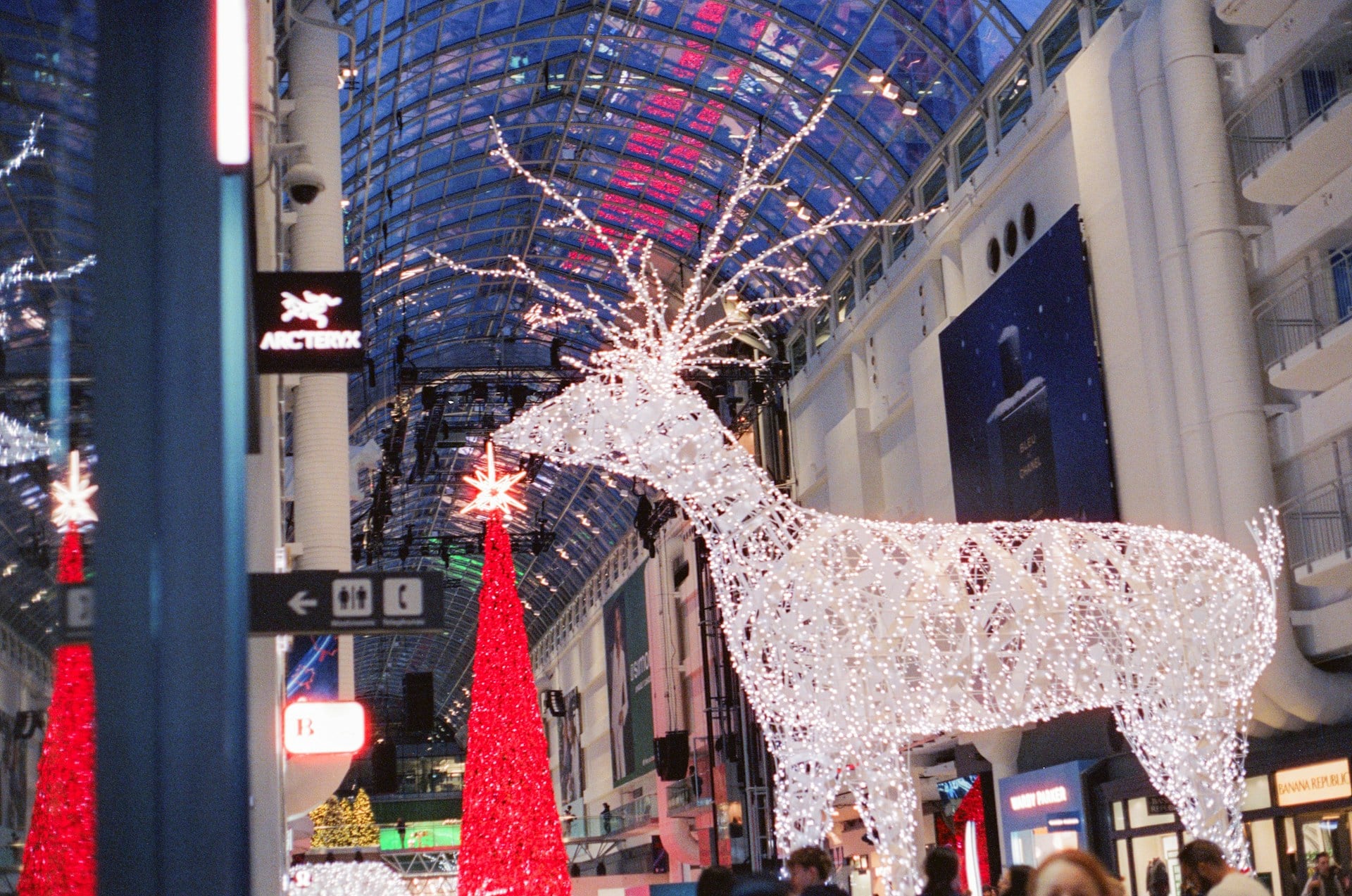
In the mid-1900s, department stores within the same mall sometimes hired their own Santas, leading to multiple Santas appearing in one location. This created confusion for children who wondered why Santa looked different at each store.
The International Brotherhood of Real Bearded Santas was eventually founded partly to address these inconsistencies. Most malls now feature only one official Santa per location.
Some parents still have to explain why they see different Santas at different places, usually by saying the mall Santas are Santa’s helpers or representatives.
Traditions evolve while the spirit stays the same

Santa has transformed dramatically from a Turkish bishop to a global icon recognized in nearly every country. Each generation reimagines him slightly, adding new details while keeping core elements that people love.
Technology has given him email addresses, social media accounts, and GPS tracking, yet the basic story about generosity and childhood wonder remains unchanged. The various versions of Santa across cultures and throughout history show how adaptable the character is while still maintaining his essential purpose.
That combination of change and consistency explains why Santa has lasted so long and will likely continue delighting children for many more centuries.
More from Go2Tutors!

- The Romanov Crown Jewels and Their Tragic Fate
- 13 Historical Mysteries That Science Still Can’t Solve
- Famous Hoaxes That Fooled the World for Years
- 15 Child Stars with Tragic Adult Lives
- 16 Famous Jewelry Pieces in History
Like Go2Tutors’s content? Follow us on MSN.



