The Highest Observation Decks in Major Cities Around the World
There’s something that happens when you get high enough above a city. The noise fades, the scale shifts, and everything you thought you knew about a place rearranges itself.
Streets become patterns. Rivers look like brushstrokes.
And for a few minutes, you stop being a person on the ground and start being someone who finally understands the whole picture. Observation decks have been pulling people upward for over a century.
Some sit on towers built purely for the view. Others perch atop skyscrapers that were designed for offices but opened a floor or two to the public anyway.
Either way, the draw is the same: height, perspective, and the strange satisfaction of looking down at a place you normally look across. Here are the highest ones worth knowing about.
Burj Khalifa, Dubai — 555 Metres
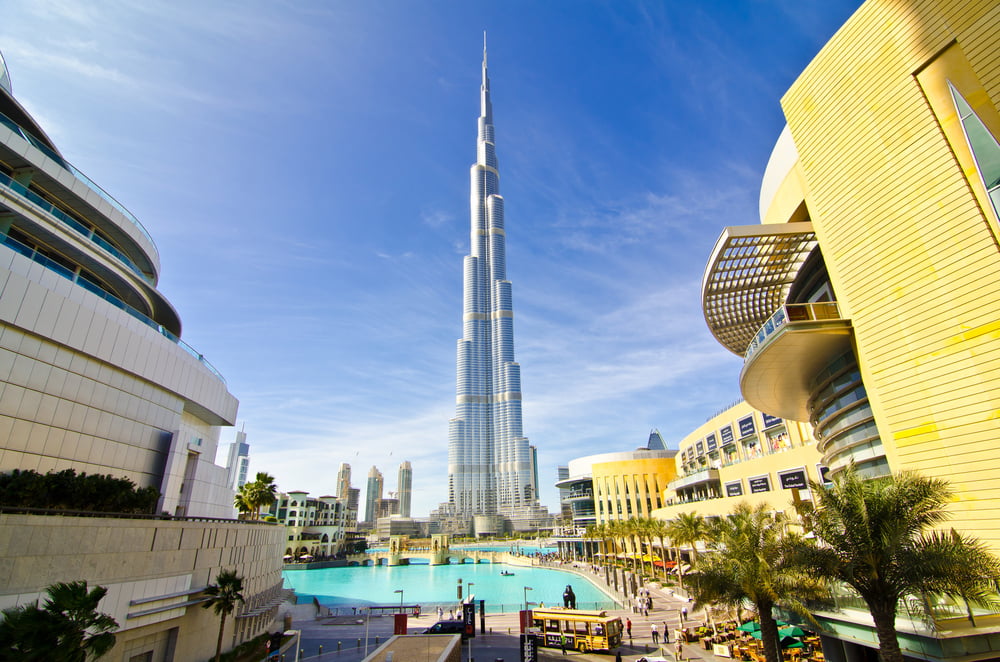
The Burj Khalifa holds the title of tallest building in the world, and its observation deck at level 148 sits at 555 metres. At that height, the curvature of the horizon becomes genuinely visible on clear days.
Dubai spreads out below in every direction — the artificial palm islands, the geometric grid of Downtown, the desert beyond the edges of development. There are two observation levels.
The lower one at floor 124 is more accessible and still breathtaking. The upper deck on 148 is known as “At the Top SKY” and requires a separate, pricier ticket.
Both offer outdoor terraces, which matters because standing behind glass at this height feels like cheating.
Shanghai Tower, Shanghai — 561 Metres

Shanghai Tower edges past the Burj Khalifa’s observation level with its deck at 561 metres on floor 118. The building twists as it rises, and the deck reflects that — the views rotate around you as you walk the floor’s perimeter.
On clear days you can see the Pudong skyline almost as a diagram, with the Jin Mao Tower and the Shanghai World Financial Center right next door. The building also holds a claim to something more unusual: it houses a high-altitude hotel inside the tower itself, accessible via what is one of the fastest elevators on earth.
The ascent takes less than a minute from the lobby to the observation level.
Lotte World Tower, Seoul — 500 Metres

Seoul’s Lotte World Tower stands at 555 metres overall, with its observation floors running from 117 to 123. The top two floors — named “Sky Deck” — feature glass floors and an outdoor terrace that puts you directly in the open air above 500 metres.
The Han River cuts through the city below, and on a good day the mountains ringing Seoul’s basin come into full view. The building opened in 2017 and quickly became the tallest in South Korea.
It also contains a mall, hotel, aquarium, and concert hall, which makes it the kind of structure that a city organises itself around rather than just looking at from a distance.
Canton Tower, Guangzhou — 488 Metres

Canton Tower is unusual because it looks different depending on where you stand. The hyperboloid structure — a kind of hourglass lattice — narrows in the middle and widens again at the top, which means the outer observation ring is actually higher than the widest point of the building.
The Sky Drop ride at the top sends visitors around the outer rim of the roof, 488 metres up. Guangzhou doesn’t get the same international attention as Beijing or Shanghai, but the city is enormous, and seeing it from this height makes that scale undeniable.
CN Tower, Toronto — 447 Metres
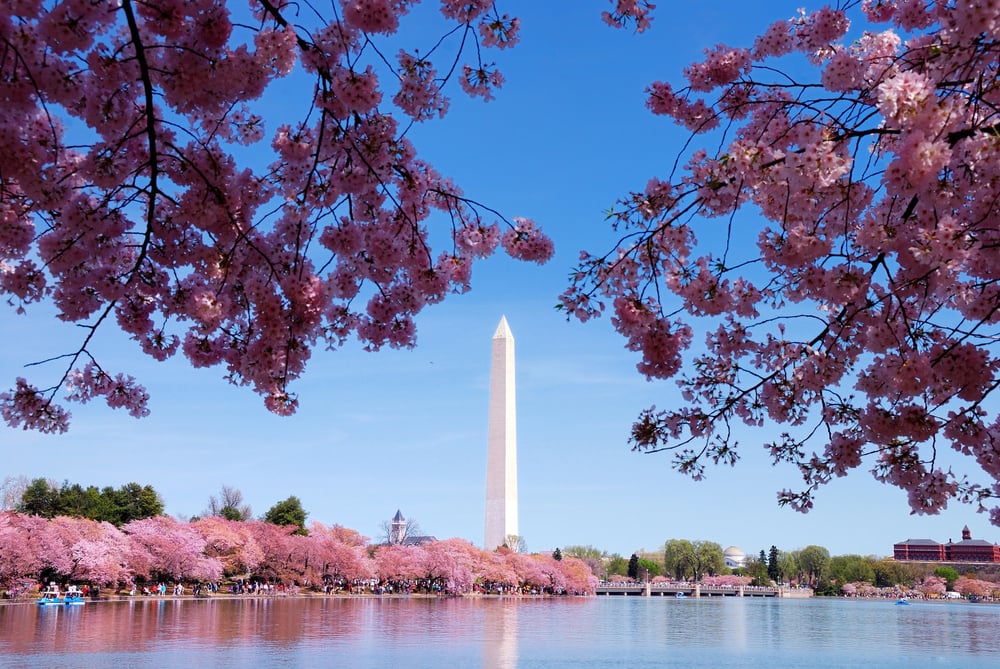
The CN Tower dominated the global height rankings for over three decades before modern skyscrapers started outpacing it. Its observation level sits at 447 metres, with a glass floor section that still produces a reliable reaction from visitors who thought they’d be fine with it until they weren’t.
The EdgeWalk experience allows visitors to walk around the exterior of the tower’s main pod on a harness, fully outdoors, with nothing between them and the city except open air. It’s one of the more memorable things you can do on any observation deck anywhere in the world.
The view itself covers Lake Ontario and, on clear days, reaches across the water into New York State.
Tokyo Skytree, Tokyo — 450 Metres
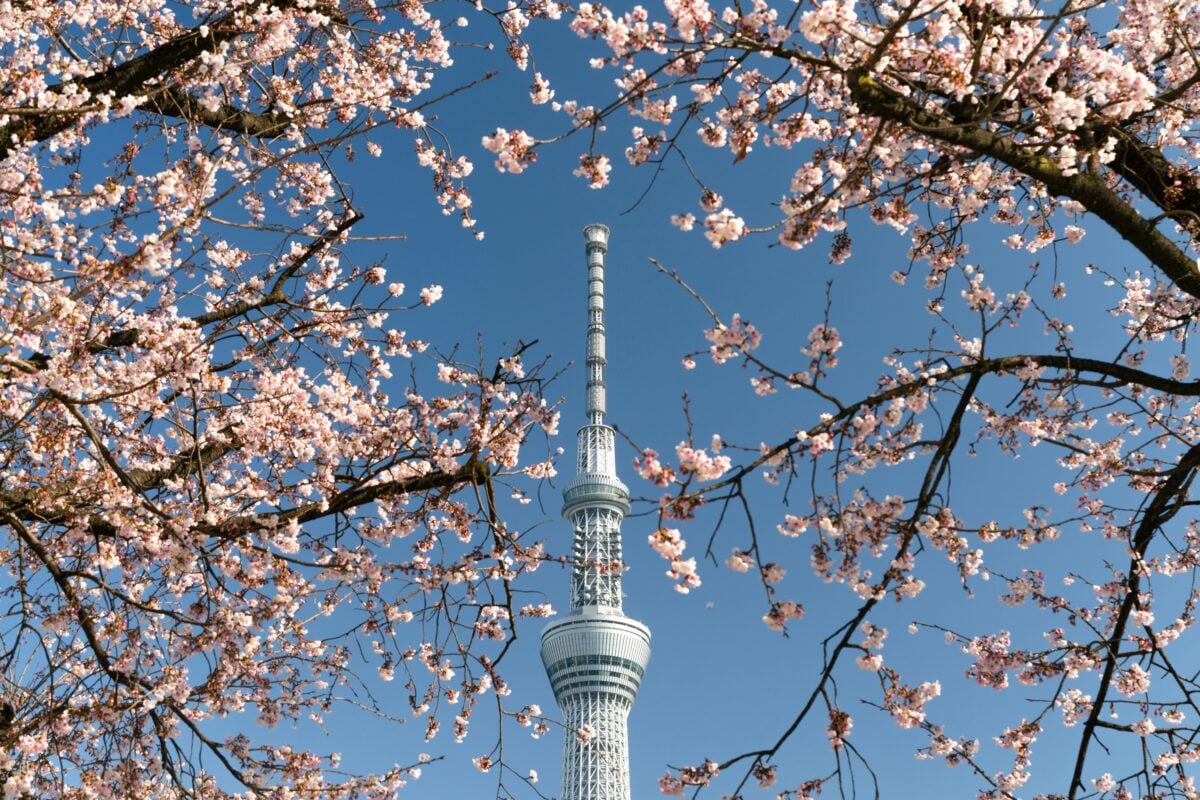
Tokyo Skytree opened in 2012 as the world’s tallest tower, separate from skyscrapers. Its upper observation deck sits at 450 metres, with a lower deck at 350. On a clear winter day, Mount Fuji appears in the distance to the southwest — a genuinely surprising thing to see from inside a major city.
Tokyo’s density and scale are hard to grasp from the ground. From this height, the city runs to every edge of the horizon without interruption. It’s one of those views that changes how you think about urban scale.
One World Trade Center, New York — 387 Metres

One World Trade Center’s observation deck sits at 387 metres on the 102nd floor. The views cover Manhattan in every direction, with the Hudson to the west and the East River to the other side, the boroughs beyond, and on clear days, distant patches of New Jersey and Long Island.
The building carries obvious weight given its location and history, and that context does something to the experience of being at the top that a purely visual description doesn’t quite capture. The deck itself is thoughtfully designed — the ascent features a time-lapse projection of Manhattan’s history from the 1600s to the present.
Taipei 101, Taipei — 391 Metres

For several years after it opened in 2004, Taipei 101 was the tallest building in the world. Its outdoor observation deck is on the 91st floor at 391 metres.
The indoor deck one floor below is enclosed and more manageable in bad weather, but the outdoor platform — when the weather cooperates — offers unobstructed views over Taipei’s basin and the surrounding green hills. Inside the building, on the 89th floor, hangs a massive tuned mass damper: a gold-coloured steel sphere weighing 660 tonnes that sways to counteract wind movement in the building.
It’s fully visible to visitors and becomes its own attraction.
Willis Tower, Chicago — 412 Metres

Chicago’s Willis Tower — still called the Sears Tower by most people in the city — has the Skydeck on the 103rd floor at 412 metres. The most notable feature is the Ledge: four glass boxes that extend out from the building’s face, allowing visitors to stand on a clear platform with nothing visible below their feet except the city streets far below.
The view over Lake Michigan from this height is particularly striking. The lake looks oceanic — no visible far shore, just open water to the east.
Empire State Building, New York — 373 Metres

The Empire State Building’s main observation deck is on the 86th floor at 373 metres. There’s a higher deck at the 102nd floor, though that one is smaller and enclosed.
The 86th floor outdoor terrace is the classic experience — open to the wind, with the Midtown skyline at close range and Central Park stretching north. The building has been an observation destination since 1931.
There’s a certain weight to that continuity: people have been standing on that deck through nearly a century of the city’s changes, watching the same island rearrange itself decade by decade.
Sky100, Hong Kong — 393 Metres
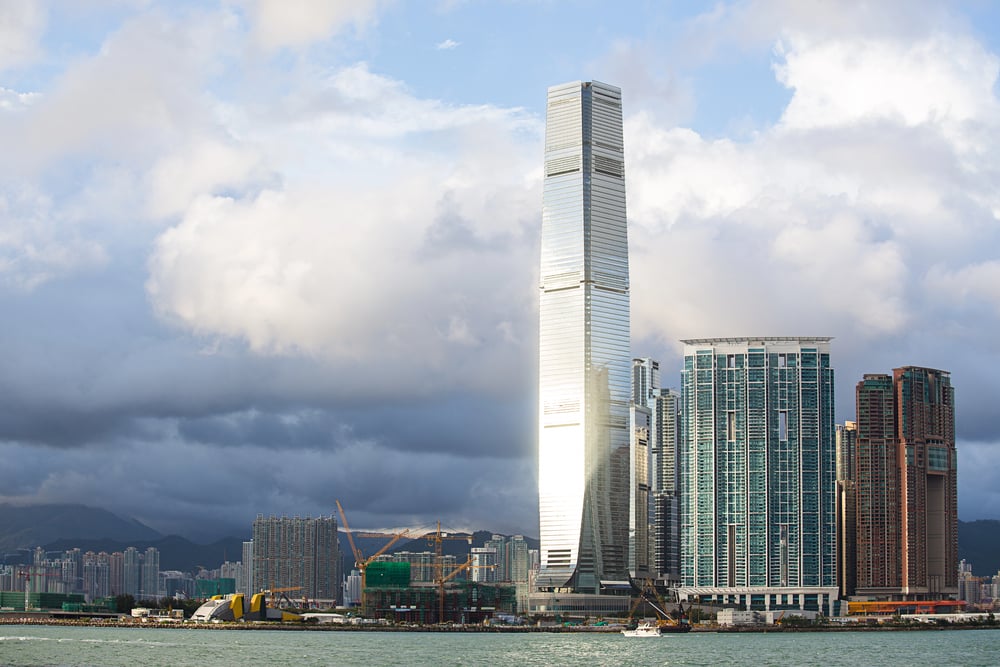
High above Hong Kong, the International Commerce Centre reaches 484 metres into the sky. On its 100th floor, found at 393 metres, lies the Sky100 viewing area. From this height, the scene unfolds sharply – Victoria Harbour dominates below.
Beyond it, Kowloon spreads outward toward the north. When the air is clear, distant islands appear faintly to the south and west.
Up high, Hong Kong reveals itself through tangled peaks, open bays, tightly packed towers. What you notice first isn’t just the skyline – it’s how land folds into the sea while buildings climb straight up from rock.
Few places mix steep slopes, wide harbors, and towering structures like this do. From above, the city feels both wild and precise at once.
Height changes everything here because the ground never stays flat for long.
Petronas Towers Skybridge at 170 Metres Top Deck at 360 Metres
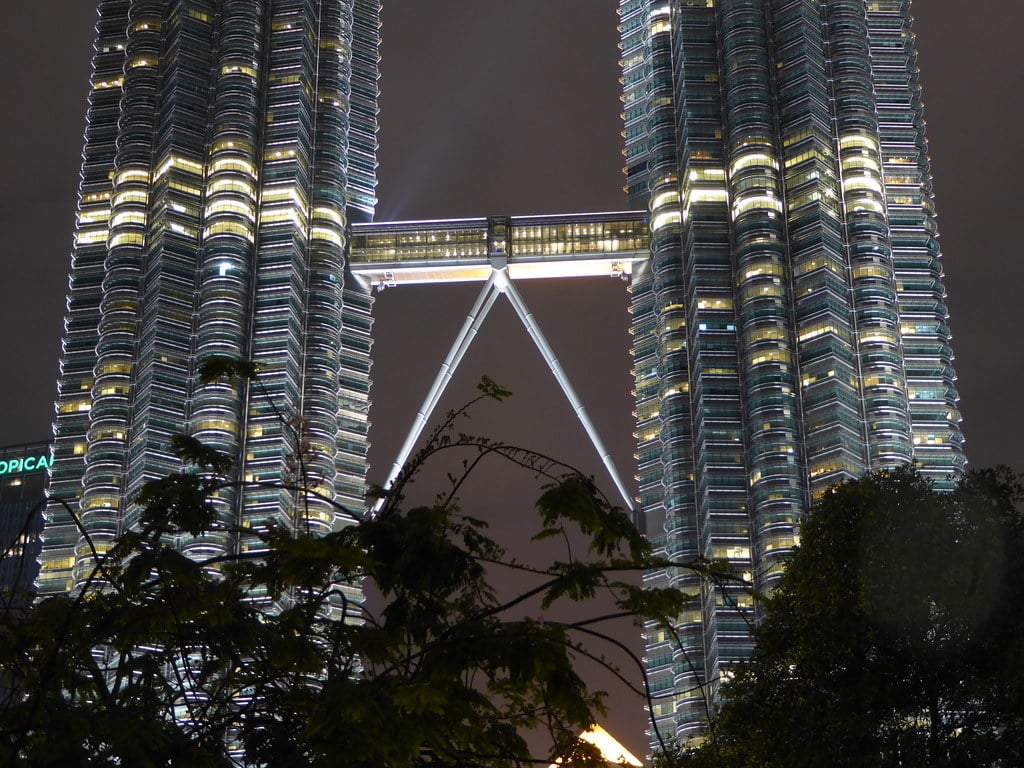
Between the twin towers, a skybridge links floors 41 and 42, lifting visitors 170 metres into the air inside a narrow glass passage. Instead of being on top, you’re suspended mid-air, caught between structures.
Two separate visits unfold here – one high above ground, another within the span of steel and glass connecting them. Away above the streets, the higher viewing platform appears at 360 metres, perched on the 86th level, welcoming visitors again in 2021 after sitting shut for a long stretch.
Sightlines spread outward from this point, revealing how Kuala Lumpur stitches together aged colonial buildings with sharp new high-rises – proof of a place shaped by opposing eras.
Tokyo Tower Reaches 250 Metres High
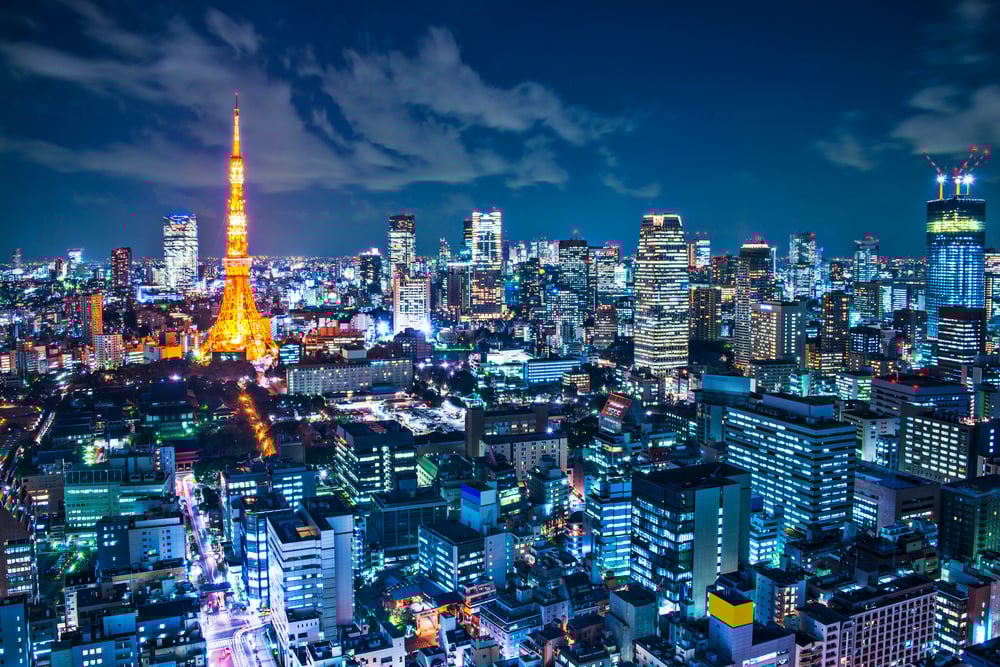
Around fifty years stood between Tokyo Tower and the Skytree before the second arrived. Its main viewing area sits high at 150 metres, another one even higher near 250.
What you notice first might be its color – orange mixed with white – not chosen for looks but because rules say so. Because of those tones, it doesn’t blend in with the usual glass-heavy giants found elsewhere.
Instead, something about it feels lived-in, older, quieter than what came after. When darkness falls, Tokyo Tower shifts into something more than steel and lights – it shapes the horizon itself.
From surrounding streets, eyes turn toward its glow instead of climbing within – seeing it from afar turns into a different way to watch.
Eiffel Tower in Paris stands 276 metres tall
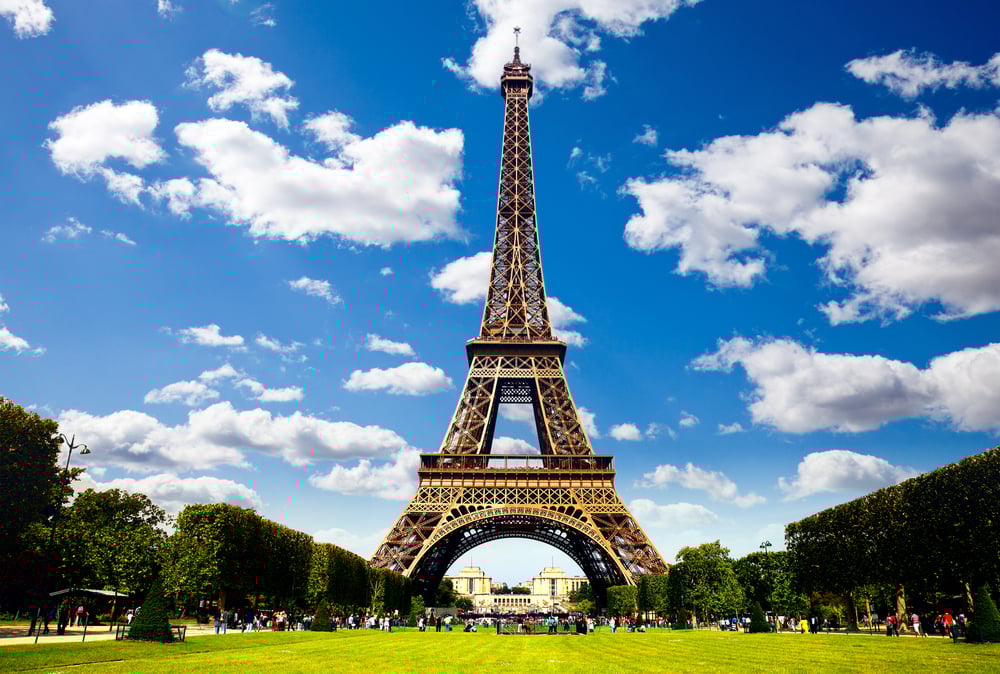
At 276 metres, the tip of the Eiffel Tower doesn’t reach very high today, yet back in 1889 it held the title of world’s tallest. Up there, space is tight – only a handful can stand together, exposed to sky and wind.
Views unfold across Paris, where rooftops roll like waves broken now and then by church spires. Down under, the Seine winds slowly through streets laid out beneath.
The way it feels isn’t like going up one of today’s tall buildings. As you climb, the iron frame shows itself on every side.
Old lifts move at a deliberate crawl instead of rushing ahead. This closeness to how things are made gives the structure weight, even now.
Being able to see how it stands has helped it stay interesting long past most others from its time.
Where the Ground Vanishes
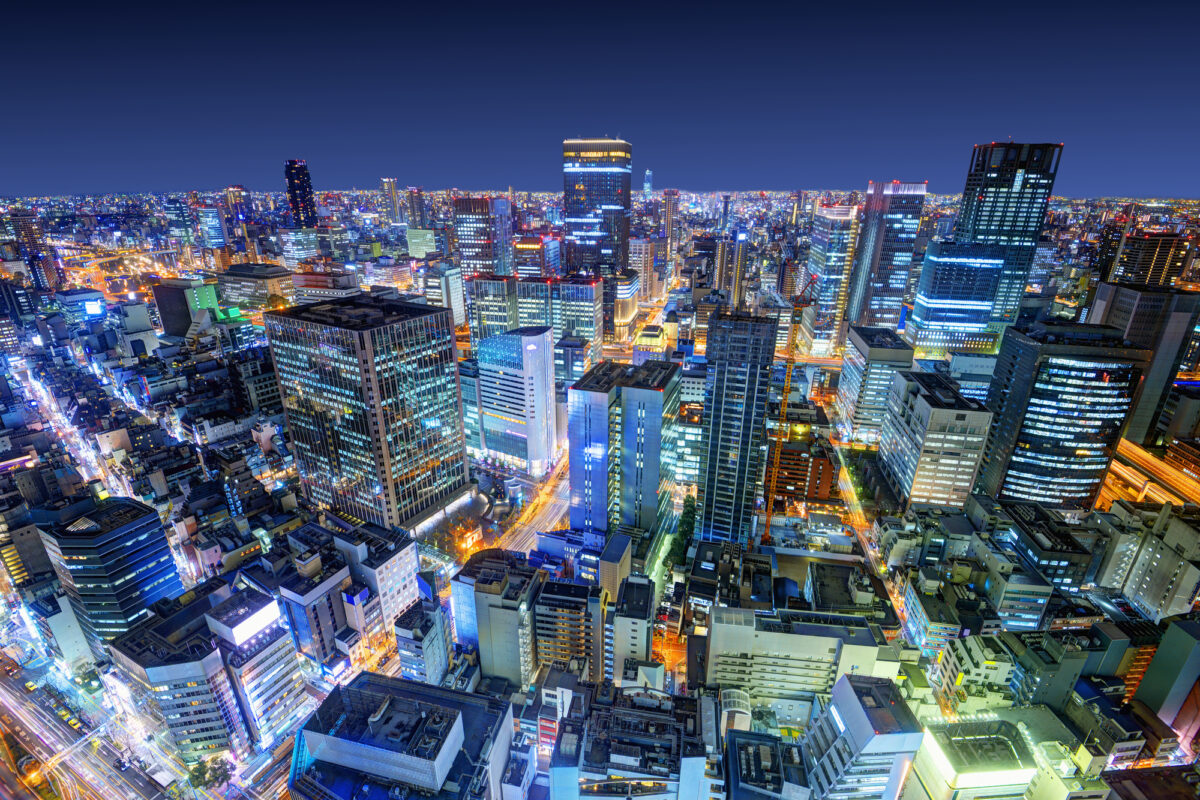
Up high, cities reveal shapes you never notice down below. From above, they transform – not merely shrink. Patterns emerge that stay hidden on foot.
Water touches some districts more than others, revealing priorities over time. Factories cluster in stubborn patches, resisting change.
Green spaces bunch together like held breaths. Roads fan out from ancient hearts, telling stories without words.
Few need to check each viewpoint here. Still, choosing just one – reaching the tallest spot open to you in a town you’re exploring or calling home – often repays the effort strangely, something words can’t quite capture till you stand above it, seeing familiar streets from an angle you didn’t expect.
Looking up from below misses what lies beyond sight.
More from Go2Tutors!

- The Romanov Crown Jewels and Their Tragic Fate
- 13 Historical Mysteries That Science Still Can’t Solve
- Famous Hoaxes That Fooled the World for Years
- 15 Child Stars with Tragic Adult Lives
- 16 Famous Jewelry Pieces in History
Like Go2Tutors’s content? Follow us on MSN.