15 Times a Product Became Popular Because of One Clever Detail
Great products rarely succeed by accident. Behind most runaway successes is at least one brilliant design choice or feature that captivated consumers and set the product apart from competitors. While marketing certainly plays a role, sometimes it’s a single ingenious detail that transforms an ordinary item into a household name.
Here is a list of 15 products that skyrocketed to popularity largely because of one clever feature or design element that changed everything.
The Post-it Note’s Imperfect Adhesive

The Post-it Note became a staple of offices worldwide thanks to one “failed” experiment. In 1968, scientist Spencer Silver at 3M accidentally created an adhesive that stuck to surfaces but could be peeled off without leaving a residue.
Initially considered too weak to be useful, this “low-tack” adhesive found its perfect application when another 3M employee, Art Fry, needed bookmarks that wouldn’t fall out of his hymnal. The repositionable sticky note was born, and its deliberately imperfect stickiness became its most valuable feature.
iPhone’s Multi-Touch Interface
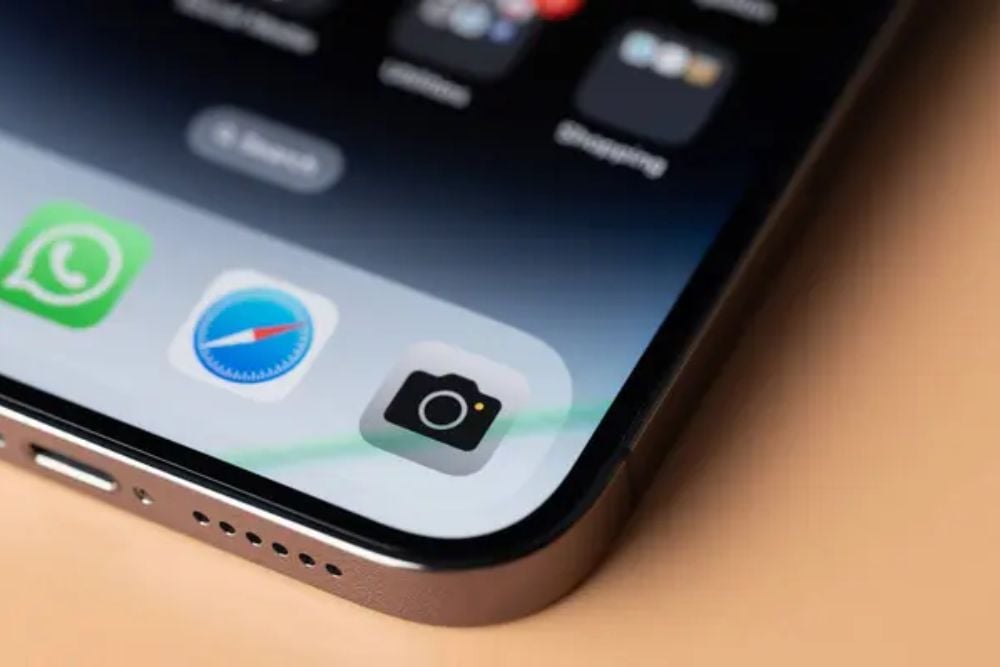
Many of Apple’s rivals had touchscreens when the original iPhone was released in 2007, but Apple’s multi-touch technology completely changed smartphones. Compared to alternatives that relied on a pen, the interface felt magical because it was possible to pinch-to-zoom and use intuitive movements.
This one invention helped Apple dominate the market for years by making iPhones affordable for everyone, not just tech geeks.
Dyson’s Cyclone Technology
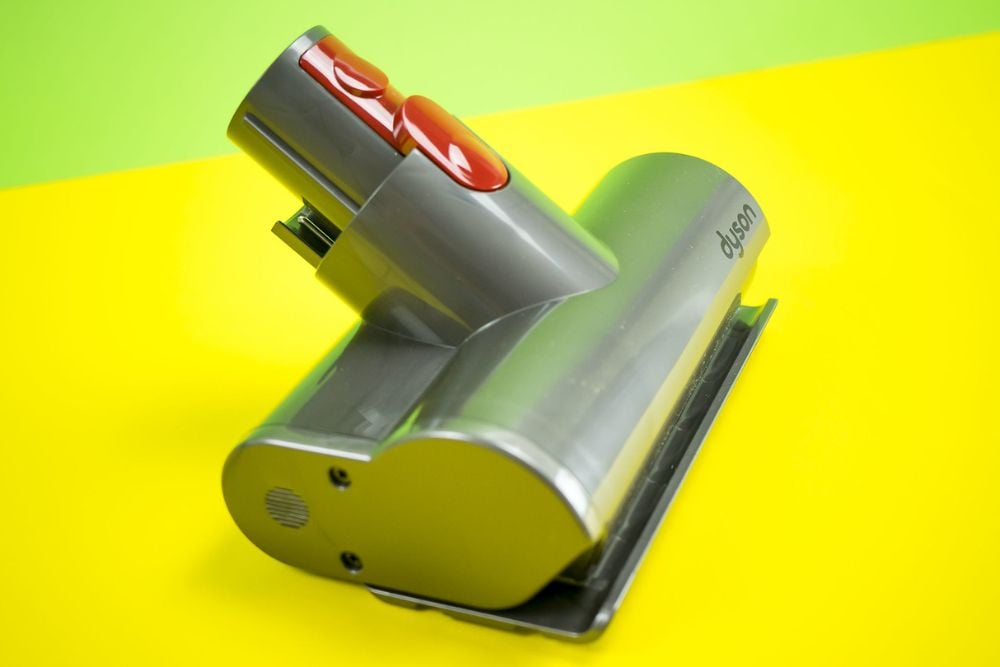
Cyclonic separation was James Dyson’s single major invention that revolutionized the vacuum cleaner industry. Dyson created a method that employs centrifugal force to separate dust from air without the need for filters or bags after observing how traditional vacuum bags lost suction as they filled.
This ensured steady suction power during operation. Customers flocked to Dyson because of its greater performance, even though it was more expensive than its rivals. As a result, the company is now worth billions.
Sriracha Hot Sauce’s Green Cap

Huy Fong Foods’ Sriracha sauce became a cultural phenomenon partly because of its distinctive green cap. While the sauce’s flavor was certainly important, the unique cap design allowed precise control over how much sauce was dispensed.
This seemingly minor detail transformed hot sauce from a condiment that was poured to one that could be used for detailed flavor application or artistic food presentation, expanding its appeal to chefs and home cooks alike.
LEGO’s Perfect Clutch Power

LEGO bricks dominate the toy market largely because of their perfectly calibrated ‘clutch power’ – the exact amount of force needed to connect and disconnect bricks. Engineers spent years perfecting this balance between being secure enough to build complex structures yet loose enough for easy disassembly.
This precision engineering created a building system with endless possibilities that appealed to both children and adults, driving LEGO’s continued success across generations.
Starbucks’ Cup Design

The Starbucks cup became a cultural icon because of one clever detail – its design turns customers into walking advertisements. The distinctive green logo on a plain white cup is instantly recognizable from a distance.
Starbucks understood that portable beverages would be carried throughout cities, effectively turning every customer into a brand ambassador. This passive marketing strategy helped Starbucks expand rapidly without traditional advertising campaigns.
Ziplock Bags’ Colored Seal Indicator

Ziplock bags revolutionized food storage with their simple yet brilliant colored seal indicator. When properly closed, the yellow and blue sides form a green line, providing instant visual confirmation of an airtight seal.
This intuitive design eliminated uncertainty about whether food was stored correctly, addressing a common frustration with food storage containers. The design was so effective that it became the standard for all resealable bags in the industry.
OXO Good Grips’ Rubber Handles
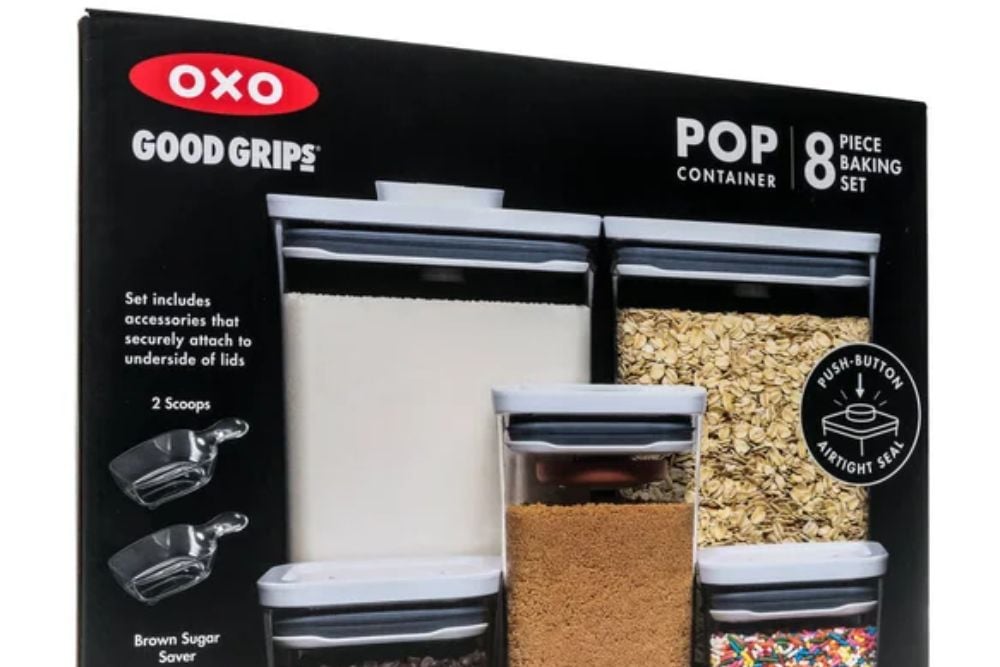
OXO transformed kitchen utensils with one simple innovation: rubber-covered handles. Founder Sam Farber created the line after watching his wife struggle with traditional metal utensils due to arthritis.
The soft, non-slip grips made tools comfortable for everyone, not just those with hand limitations. This universal design principle helped OXO grow into a kitchen empire, proving that accessibility features often benefit all users, not just those with specific needs.
Heinz Ketchup’s Glass Bottle Design

Heinz ketchup’s iconic glass bottle design, with its narrow neck and wide base, became famous precisely because it made the condiment difficult to pour. This frustration became part of the product experience – hitting the ’57’ on the bottle’s neck to release the ketchup became a shared cultural knowledge.
The anticipation created by the slow pour actually enhanced perceived value, making the ketchup seem thicker and more premium than competing brands.
Honda Civic’s VTEC Engine

Honda transformed the economy car market with its Variable Valve Timing and Lift Electronic Control (VTEC) engine. This innovation allowed small engines to deliver fuel efficiency at low RPMs but switch to performance-oriented valve timing at higher speeds.
The technology gave modest Honda Civics unexpected performance capabilities, creating an entire car culture around modifying these vehicles. One clever engineering detail turned an ordinary commuter car into a performance icon with massive cultural impact.
Nintendo Wii’s Motion Controls
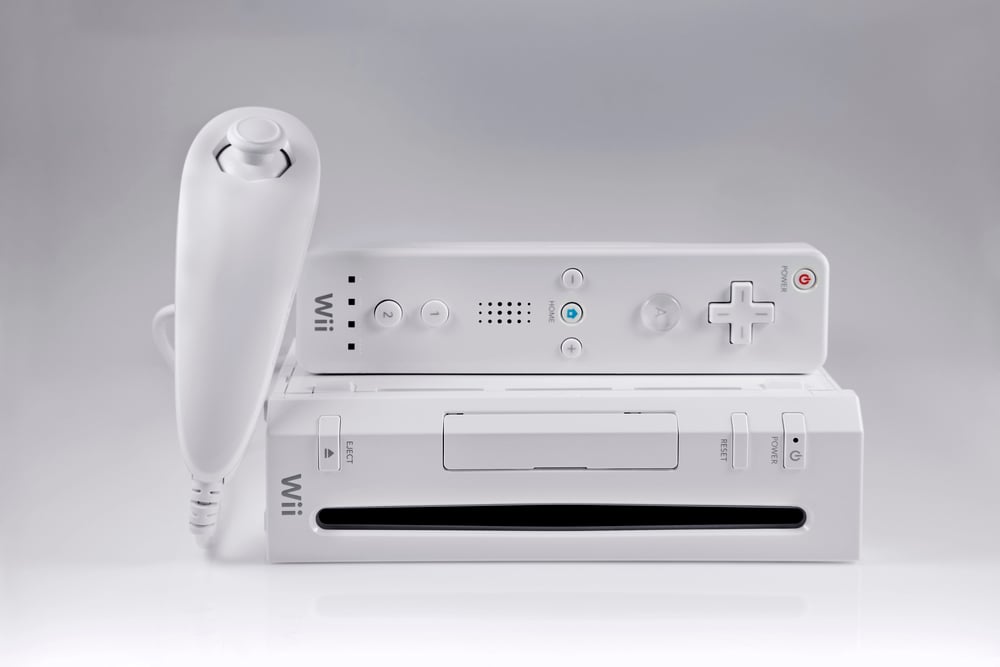
Nintendo revitalized its gaming business with the Wii’s motion-control system. At the same time, competitors Sony and Microsoft focused on graphical power, and Nintendo bet on a completely different kind of immersion through physical movement.
The intuitive control scheme made gaming accessible to non-gamers, from young children to grandparents. This single innovation expanded Nintendo’s market far beyond traditional gamers and made the Wii one of the best-selling consoles of all time.
Swiffer’s Disposable Pads
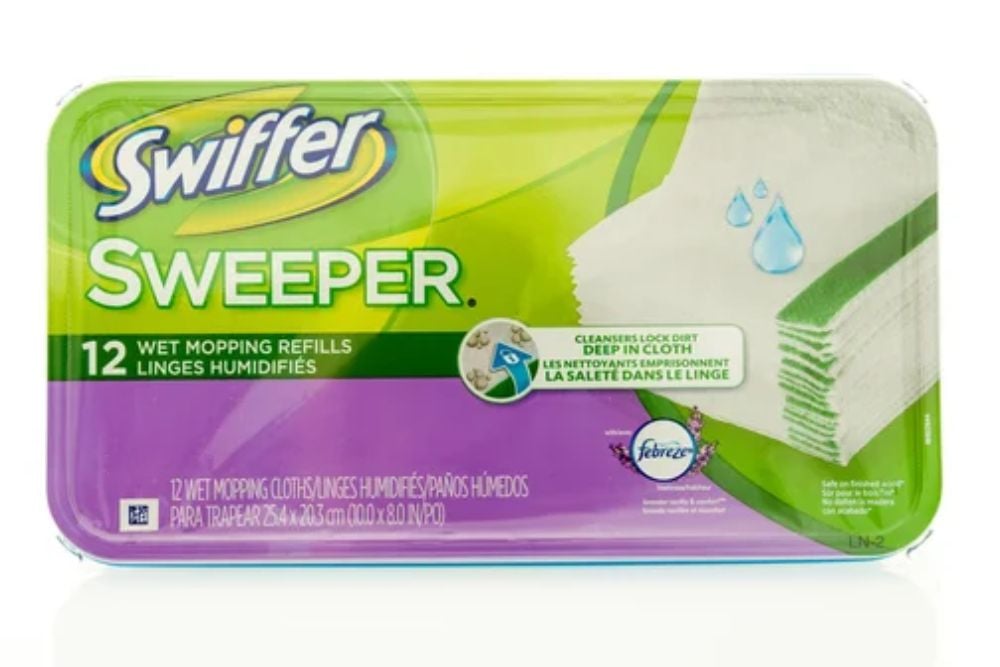
Procter & Gamble revolutionized home cleaning with the Swiffer’s disposable cleaning pads. The innovation wasn’t just the mop itself but the recurring revenue model created by the replaceable pads.
Consumers were willing to pay premium prices for the convenience of throwing away dirty pads rather than washing traditional mops. This clever business model detail transformed a simple cleaning tool into a billion-dollar product category that continues to expand decades later.
Spotify’s Discover Weekly Playlist

Spotify separated itself from streaming competitors with one brilliant feature: the personalized Discover Weekly playlist. By algorithmically curating new music based on listening habits, Spotify solved a fundamental problem – helping users discover new music they would enjoy without requiring effort.
This single feature created a weekly ritual for millions of users and established Spotify as the service that understood musical taste better than its competitors.
AirPods’ Seamless Pairing
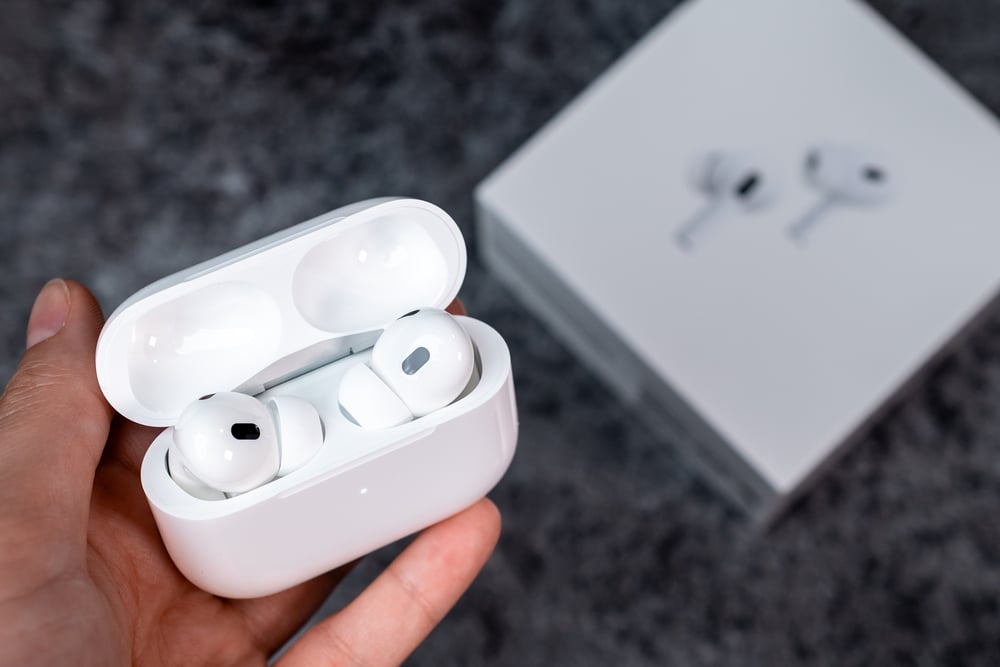
Apple’s AirPods dominated the wireless earbud market largely because of their frictionless pairing process. While competing products required complicated Bluetooth setups, AirPods connected to iPhones instantly when the case was opened nearby.
This seemingly small detail eliminated the frustration typically associated with wireless devices and made AirPods feel like magic compared to alternatives, justifying their premium price for millions of consumers.
Instant Pot’s Multiple Functions

The Instant Pot became a kitchen phenomenon because it consolidated numerous appliances into one through clever engineering. Rather than creating just another pressure cooker, the device integrated multiple cooking functions: pressure cooker, slow cooker, rice maker, steamer, and more.
This space-saving design addressed a common kitchen frustration – limited counter and storage space – while offering versatility that justified its cost, creating a dedicated community of enthusiastic users.
The Impact of Thoughtful Design

These 15 examples demonstrate how seemingly small design decisions can transform ordinary products into cultural icons. The most successful innovations often solve problems consumers didn’t even realize they had or create entirely new experiences that quickly become essential.
What these companies understood is that true innovation isn’t always about radical reinvention but can come from perfecting a single detail that changes how people interact with everyday objects.
More from Go2Tutors!

- The Romanov Crown Jewels and Their Tragic Fate
- 13 Historical Mysteries That Science Still Can’t Solve
- Famous Hoaxes That Fooled the World for Years
- 15 Child Stars with Tragic Adult Lives
- 16 Famous Jewelry Pieces in History
Like Go2Tutors’s content? Follow us on MSN.