15 Times an “Architectural Marvel” Ended Up Being a Total Bust
Throughout history, architects and developers have pushed boundaries with designs promising to revolutionize skylines and redefine what buildings can achieve. Lauded in design magazines and praised by critics before completion, these ambitious projects often attract significant investment and public attention. Yet despite the initial excitement, not every architectural vision translates into practical success once constructed.
Here is a list of 15 structures that were celebrated as architectural marvels during their planning and construction phases, only to fall dramatically short of expectations after completion.
Ryugyong Hotel

North Korea’s 105-story pyramid-shaped skyscraper was heralded as a revolutionary design that would showcase the nation’s prosperity when construction began in 1987. After the concrete shell was completed, the project stalled for 16 years due to economic difficulties and engineering concerns.
Despite finally receiving a glass exterior in 2011, the interior remains largely unfinished, and the building has never opened to guests. This 1,080-foot empty shell has instead become a symbol of failed ambition rather than national achievement.
Millennium Dome
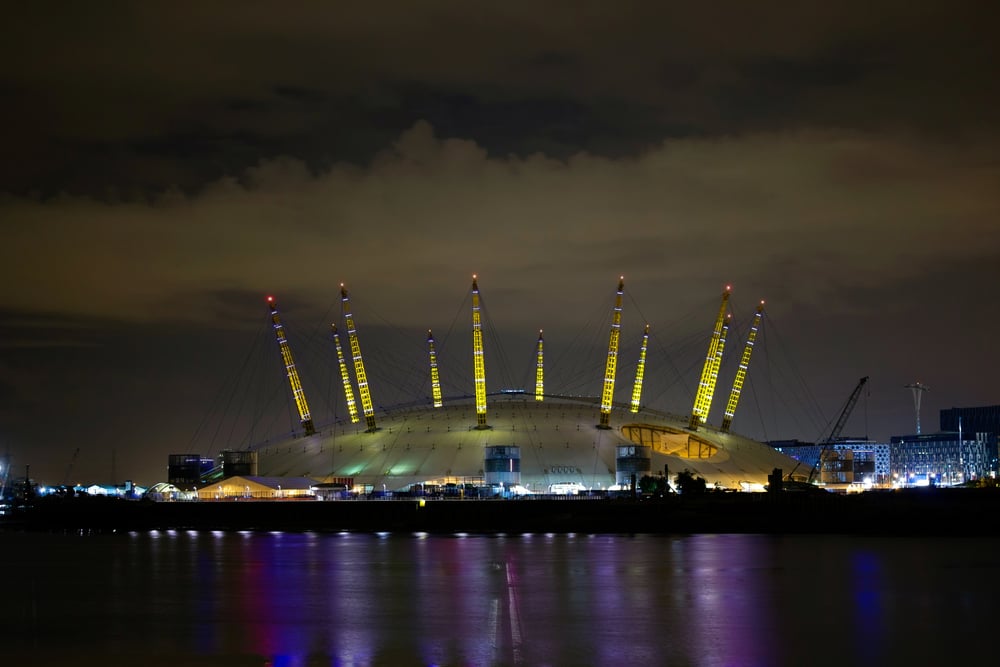
This massive circular structure in London was built to celebrate the turn of the millennium with a diameter of 1,180 feet, making it temporarily the largest single-roofed structure in the world. The £789 million project opened as planned on December 31, 1999, but attracted only half the projected 12 million visitors during its year-long exhibition.
The underwhelming content inside the impressive exterior led to widespread public disappointment and political embarrassment for the government that championed its construction.
New South China Mall
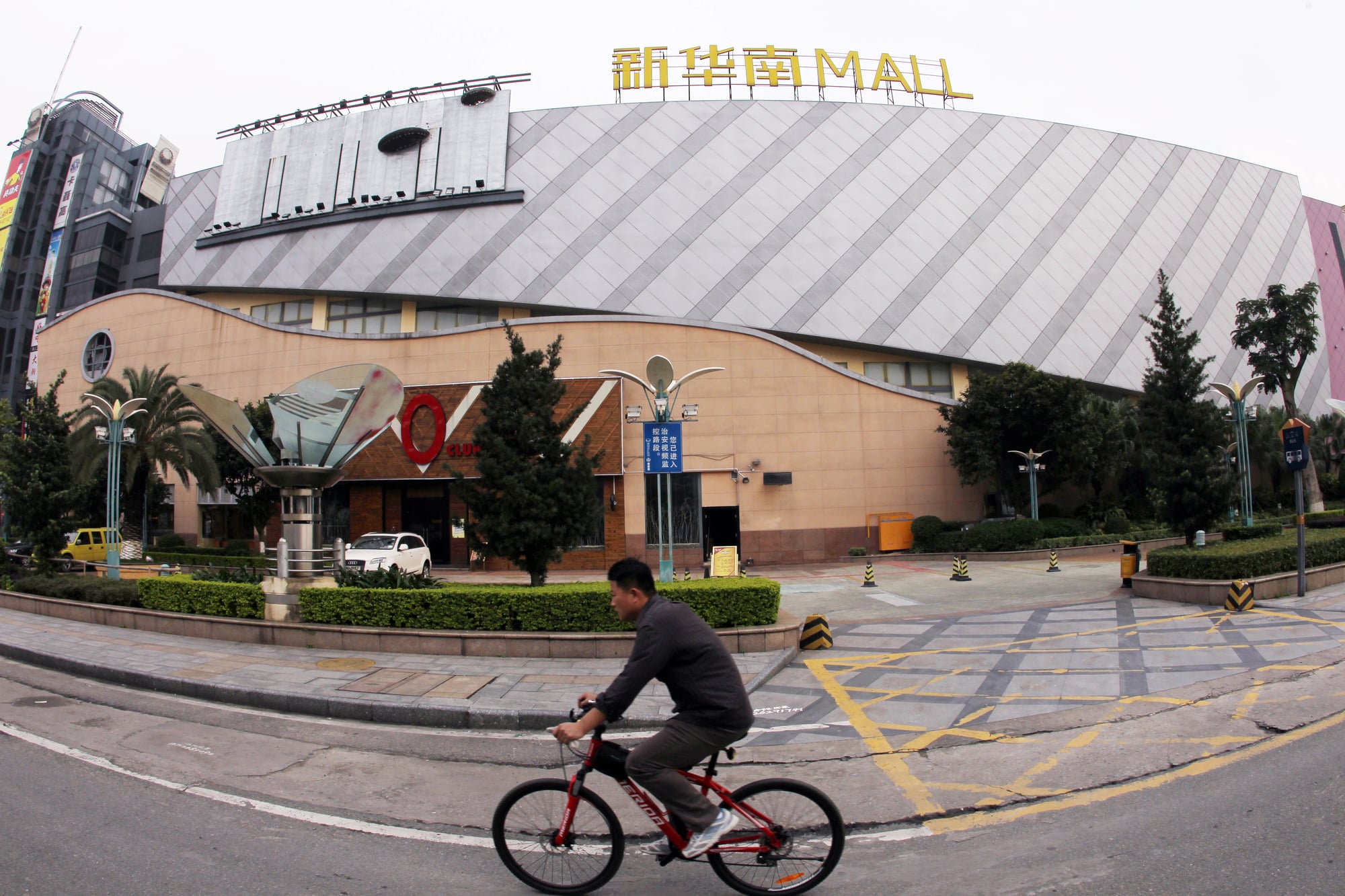
Opened in 2005 as the world’s largest shopping mall with 7.1 million square feet of leasable space, this retail behemoth in Dongguan, China, featured seven international-themed zones complete with replicas of global landmarks. Despite its record-breaking size and architectural ambition, the mall sat nearly empty for over a decade, with occupancy below 10% for years.
The combination of remote location and overestimated consumer demand transformed what was meant to be a retail paradise into a largely vacant monument to excess.
Walt Disney Concert Hall
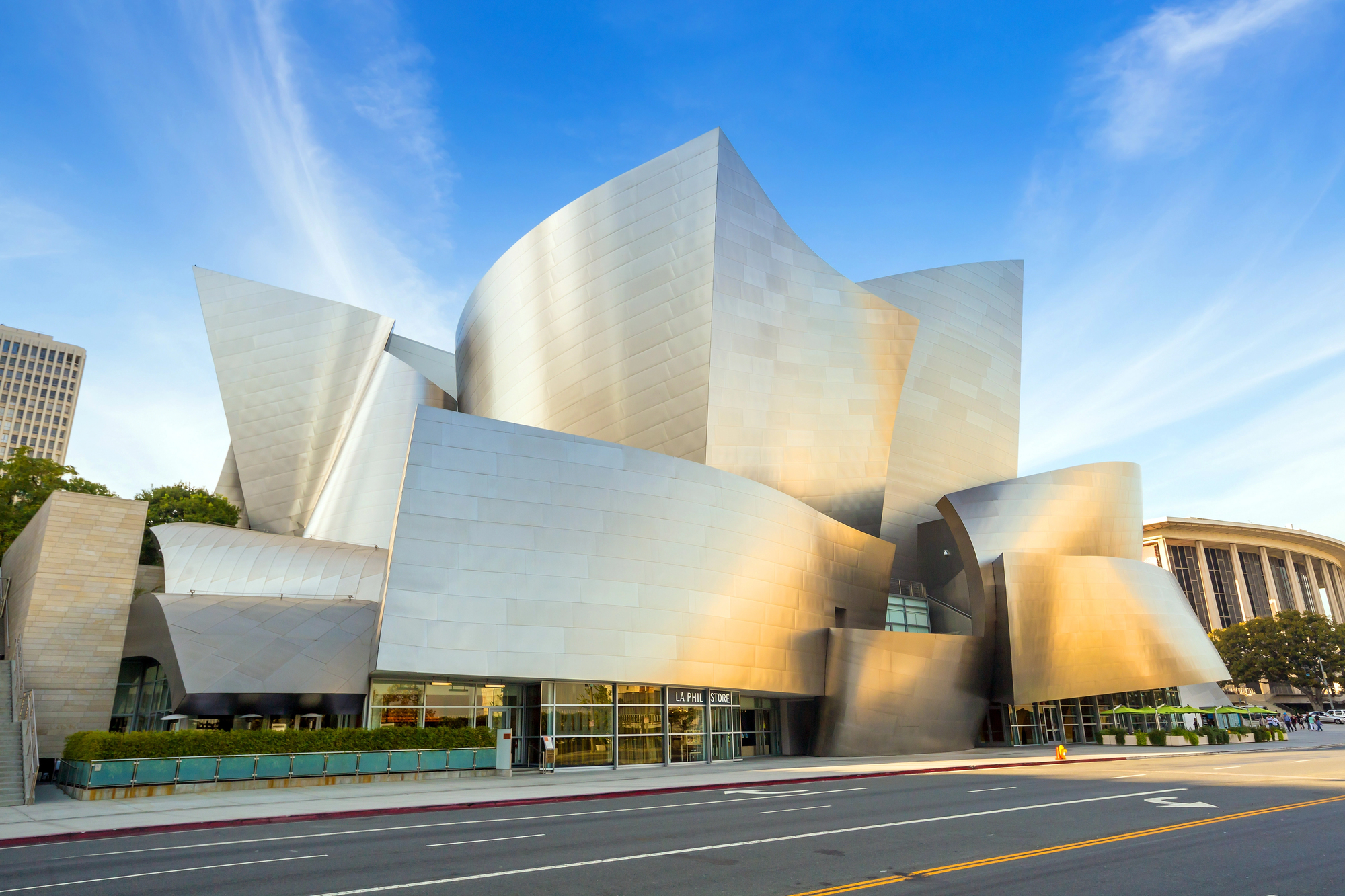
Frank Gehry’s shimmering stainless steel masterpiece in Los Angeles was initially celebrated for its bold, undulating forms and acoustic perfection when it opened in 2003. However, the building’s reflective surfaces concentrated sunlight onto nearby sidewalks and buildings, raising temperatures by up to 15 degrees and creating blinding glare that affected drivers and neighbors.
Portions of the building had to be sanded to a matte finish to reduce reflectivity, literally dulling the shine of this architectural marvel at considerable expense.
20 Fenchurch Street (Walkie Talkie)
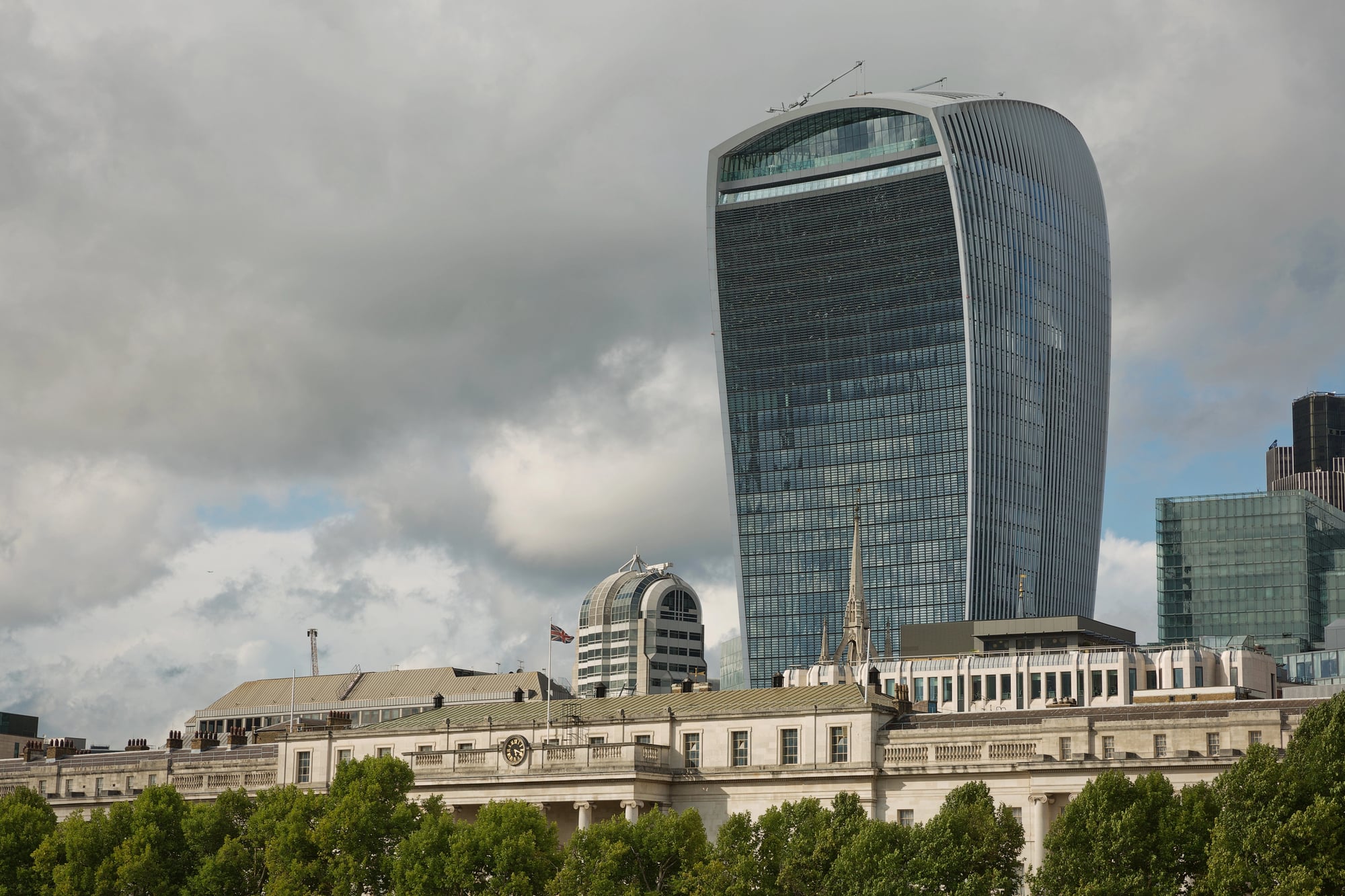
This distinctively shaped London skyscraper designed by Rafael Viñoly was meant to be an iconic addition to the skyline when completed in 2014. The building’s concave glass exterior created an unexpected problem – it focused sunlight into a concentrated beam that melted car parts, damaged shopfronts, and reportedly could fry eggs on the sidewalk.
This design flaw earned it the nickname ‘Walkie Scorchie’ and required the addition of permanent sunshades to prevent further damage. The building also creates a wind tunnel effect at its base that has knocked people off their feet on particularly gusty days
Intempo Skyscraper
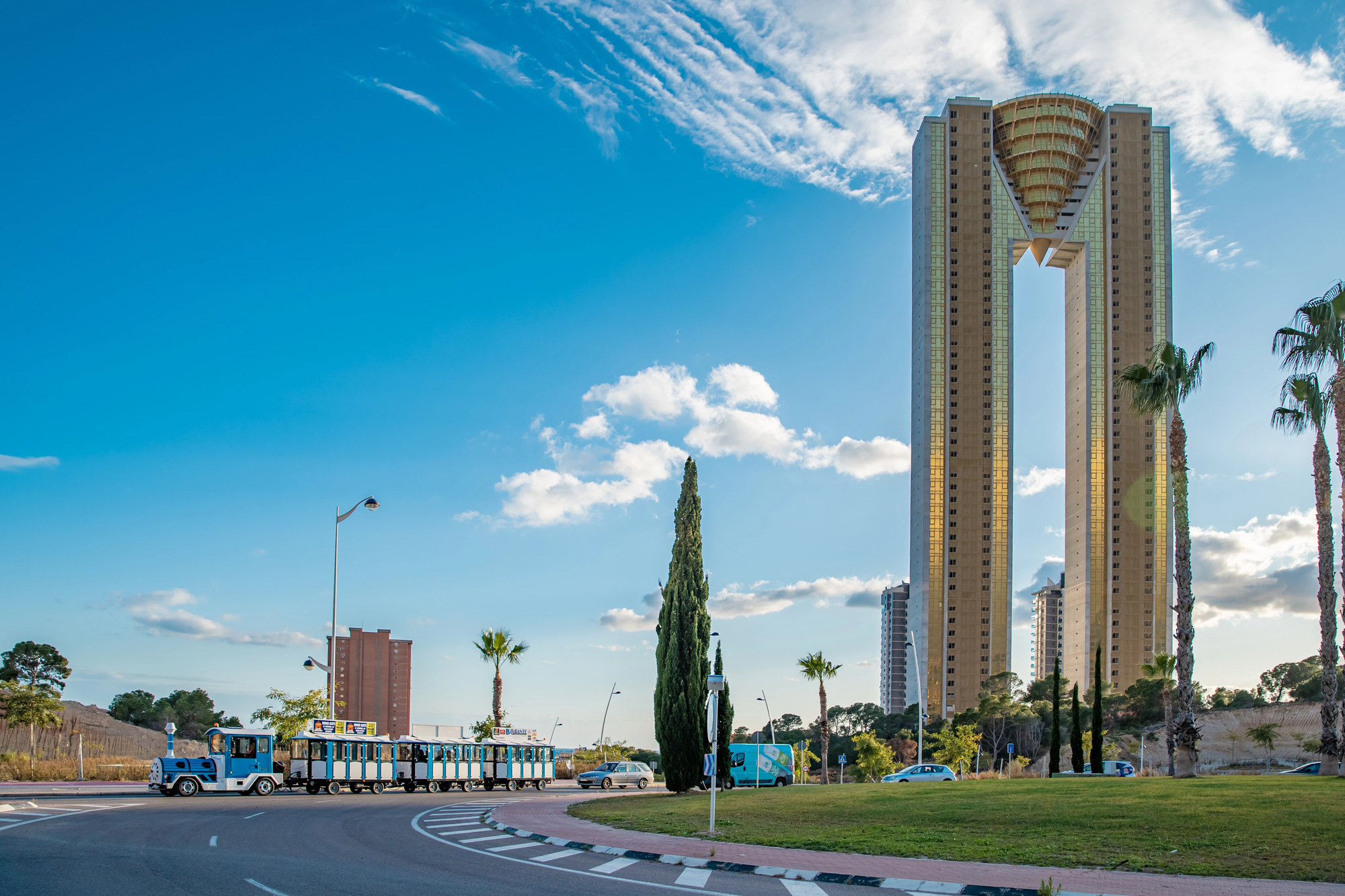
This residential tower in Benidorm, Spain was designed to be Europe’s tallest residential building and a symbol of Spanish economic prosperity. During construction, developers realized the original plans had a critical flaw – they forgot to include an elevator shaft that could reach the top floors of the 47-story building.
Engineers had to scramble to reconfigure the entire structure midway through construction, significantly increasing costs and delaying completion by years. The financial crisis further complicated matters, turning what was meant to be a landmark achievement into a drawn-out construction nightmare.
Harmon Hotel
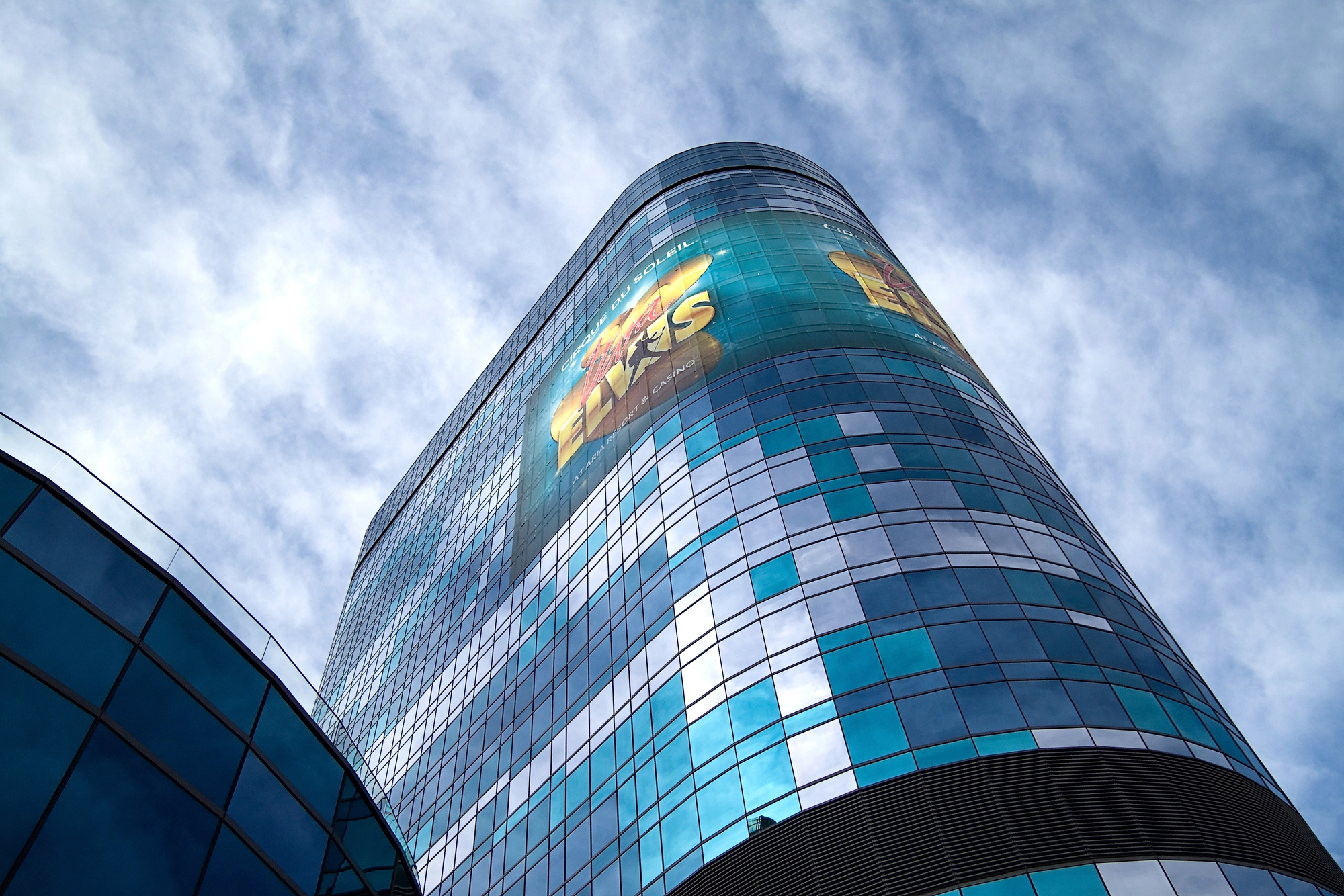
Designed as a centerpiece of the CityCenter complex in Las Vegas, this 49-story oval-shaped blue glass tower was intended to be a sophisticated luxury hotel and condominium. Construction defects discovered in 2008 revealed that reinforcing steel had been installed incorrectly on 15 floors, compromising the building’s structural integrity.
The incomplete building stood empty for five years while legal battles ensued before being demolished floor by floor in 2015 without ever hosting a single guest. The project wasted approximately $279 million on a building that served only as an expensive billboard structure.
Vdara Hotel (Death Ray)
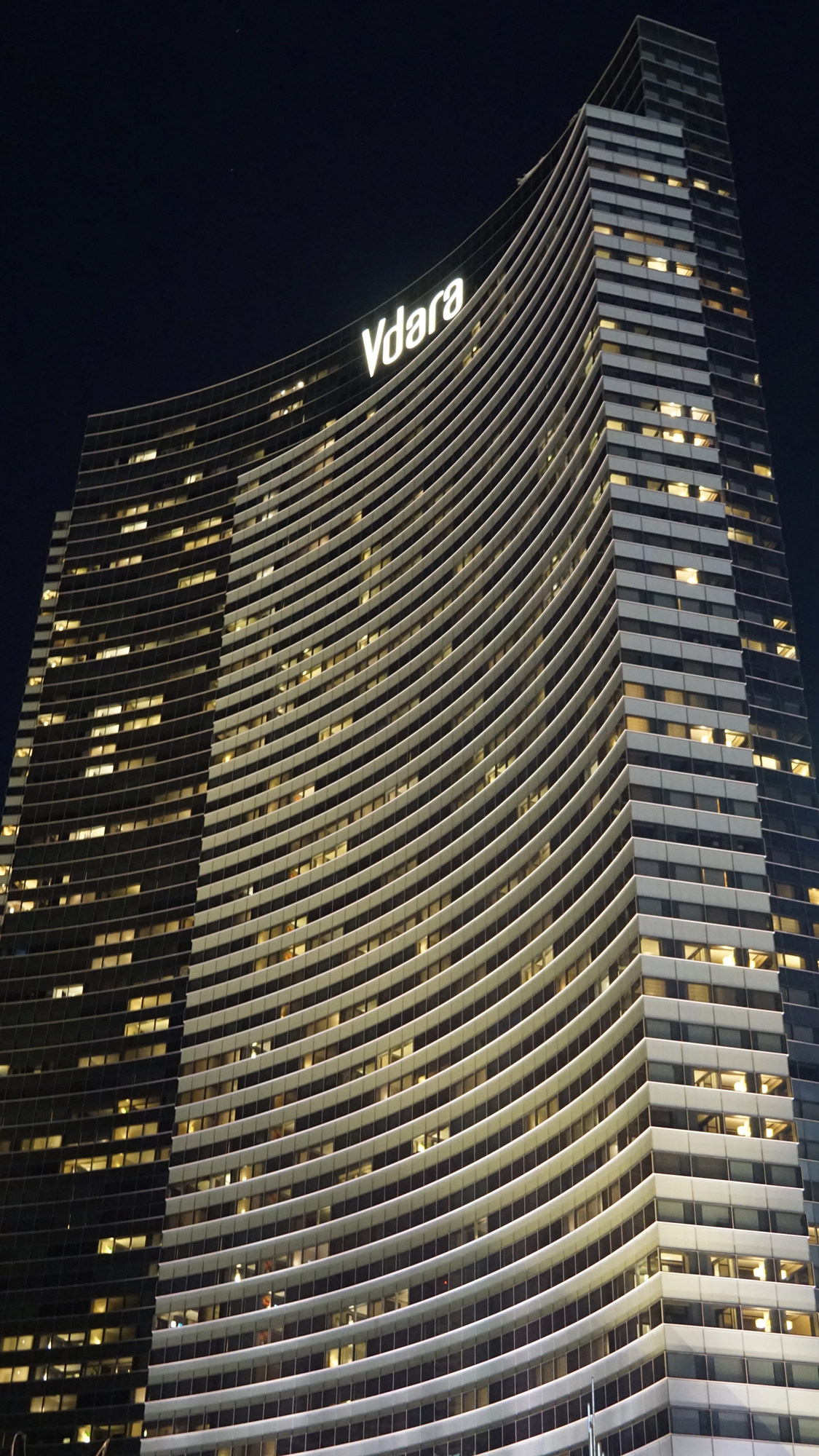
This curved glass hotel in Las Vegas, part of the CityCenter complex, created an unexpected solar phenomenon that staff dubbed the ‘Vdara death ray.’ The building’s concave shape focuses sunlight onto the pool area during certain hours, creating hot spots that have reportedly melted plastic bags and severely burned guests.
Despite adding larger umbrellas and trees to provide shade in the affected areas, the fundamental architectural issue remains, forcing pool staff to track the hot spot’s movement throughout the day and warn guests accordingly.
Lotus Riverside Complex
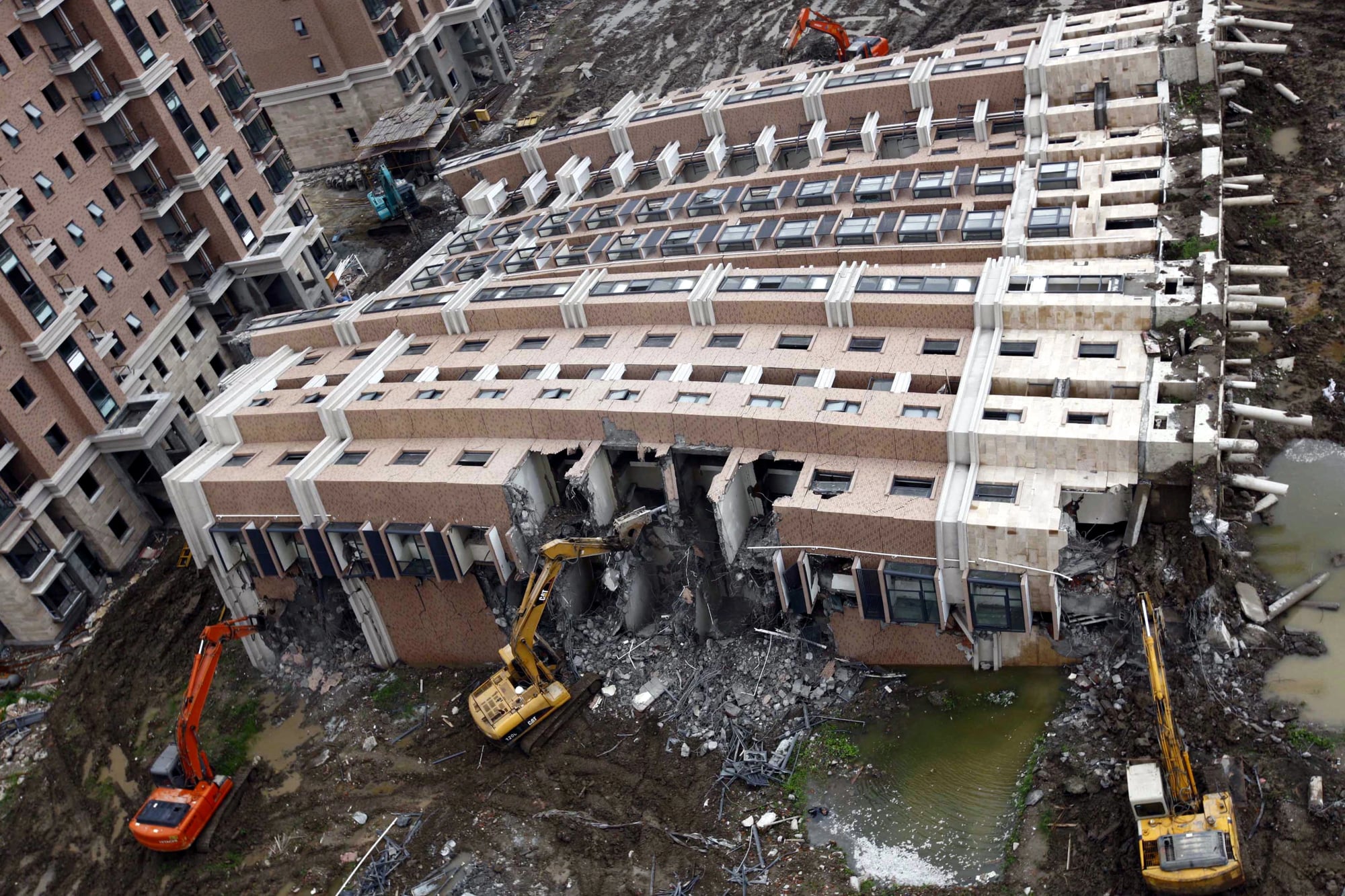
This residential development in Shanghai made headlines in 2009 when one of its nearly completed 13-story apartment buildings toppled over entirely – while remaining largely intact. Investigation revealed that the building’s innovative design elements were compromised by improper construction methods, including the removal of soil from one side of the building that destabilized its foundation.
The spectacular failure killed one worker and led to the abandonment of the entire project despite the other buildings being structurally sound, wasting millions in investment.
CNA Center
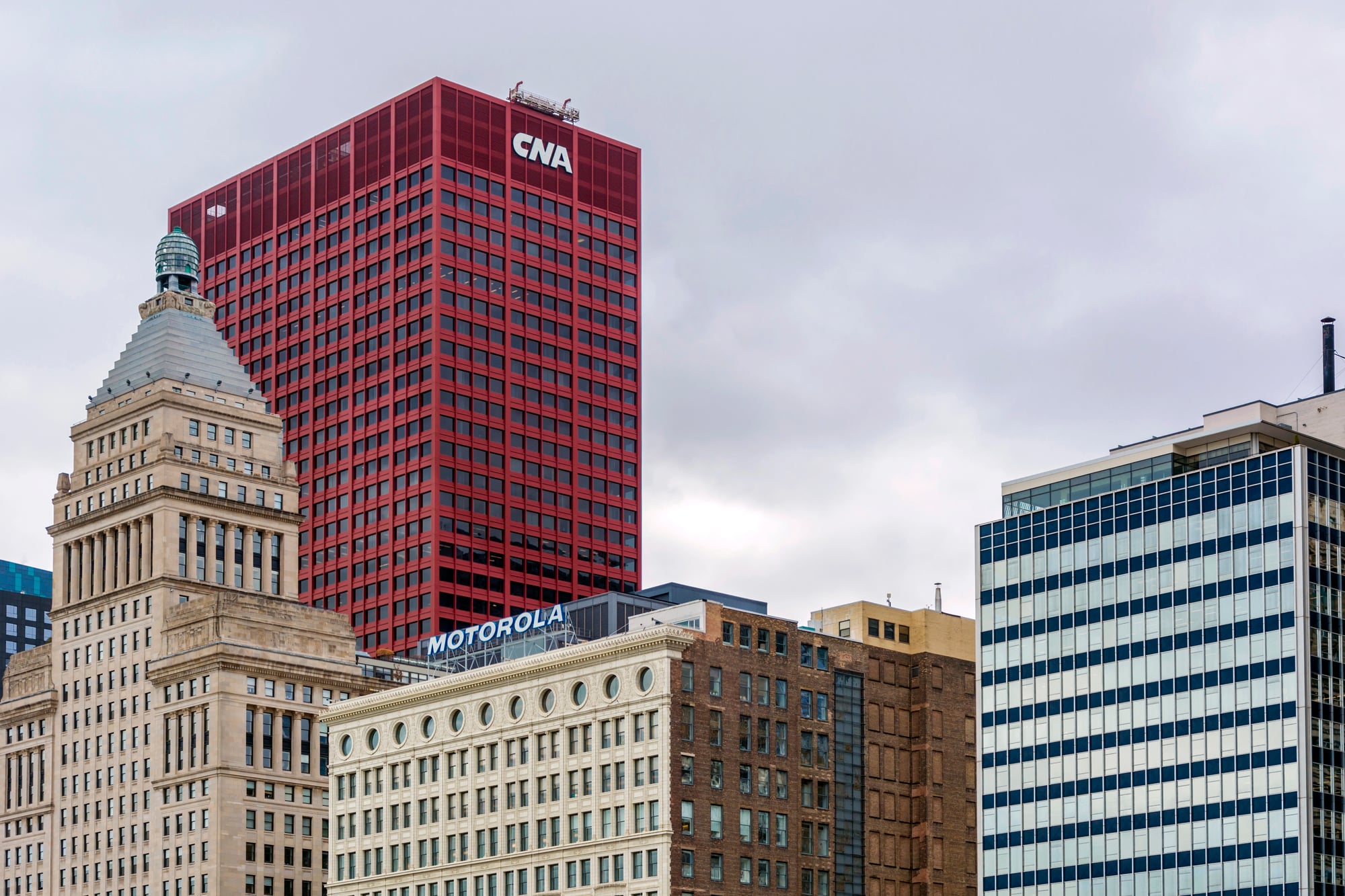
This striking red office tower in Chicago was considered an innovative use of color and form in corporate architecture when completed in 1972. However, its distinctive windows proved disastrous; the double-paned glass units began failing in the 1990s, leading to numerous incidents of windows dislodging and plummeting to the streets below.
In one tragic case, a falling window killed a woman passing by. The entire facade had to be replaced at a cost of over $18 million, turning this architectural statement piece into a case study in dangerous design failure.
Library Tower
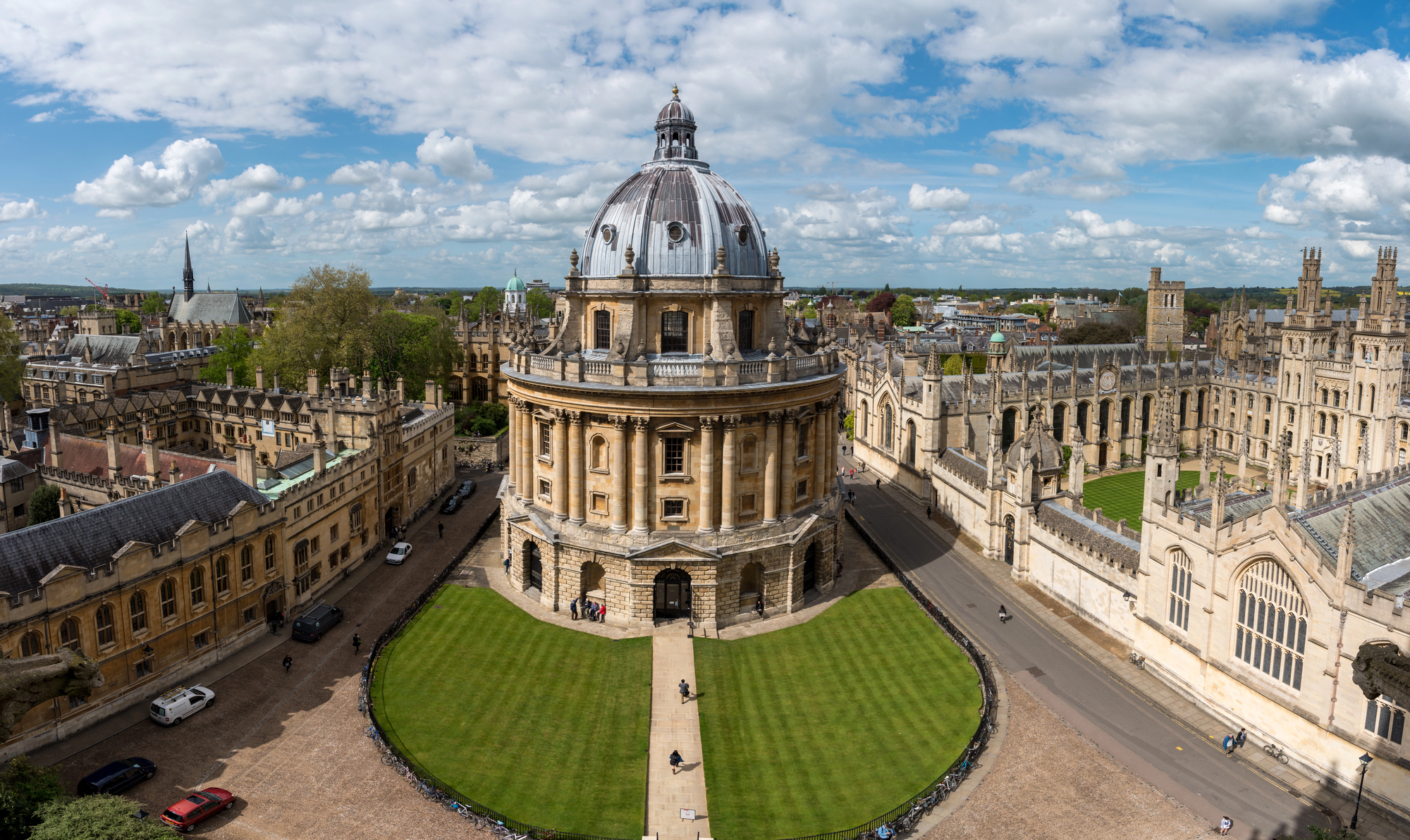
Seattle’s distinctive diamond-shaped central library garnered international architectural acclaim when it opened in 2004, winning awards for its bold geometric glass and steel design. However, practical problems quickly emerged – confusing wayfinding led to patrons getting lost, steep ramps between floors proved hazardous in rainy weather when water was tracked in, and the unusual floor plan made shelving books and finding materials counterintuitive.
The building prioritized visual impact over library functionality, creating an environment that librarians and patrons continue to struggle with despite its photogenic appearance.
Torre de David

This 45-story skyscraper in Caracas, Venezuela was abandoned during construction after the financial crash of 1994 and the death of its developer. The unfinished concrete structure, lacking elevators, permanent electricity, and water connections, was subsequently taken over by squatters who created an improvised vertical community housing approximately 3,000 residents.
What was designed to be a symbol of Venezuela’s financial prominence instead became the world’s tallest slum, functioning with makeshift infrastructure until government relocation efforts began in 2014.
Aon Center
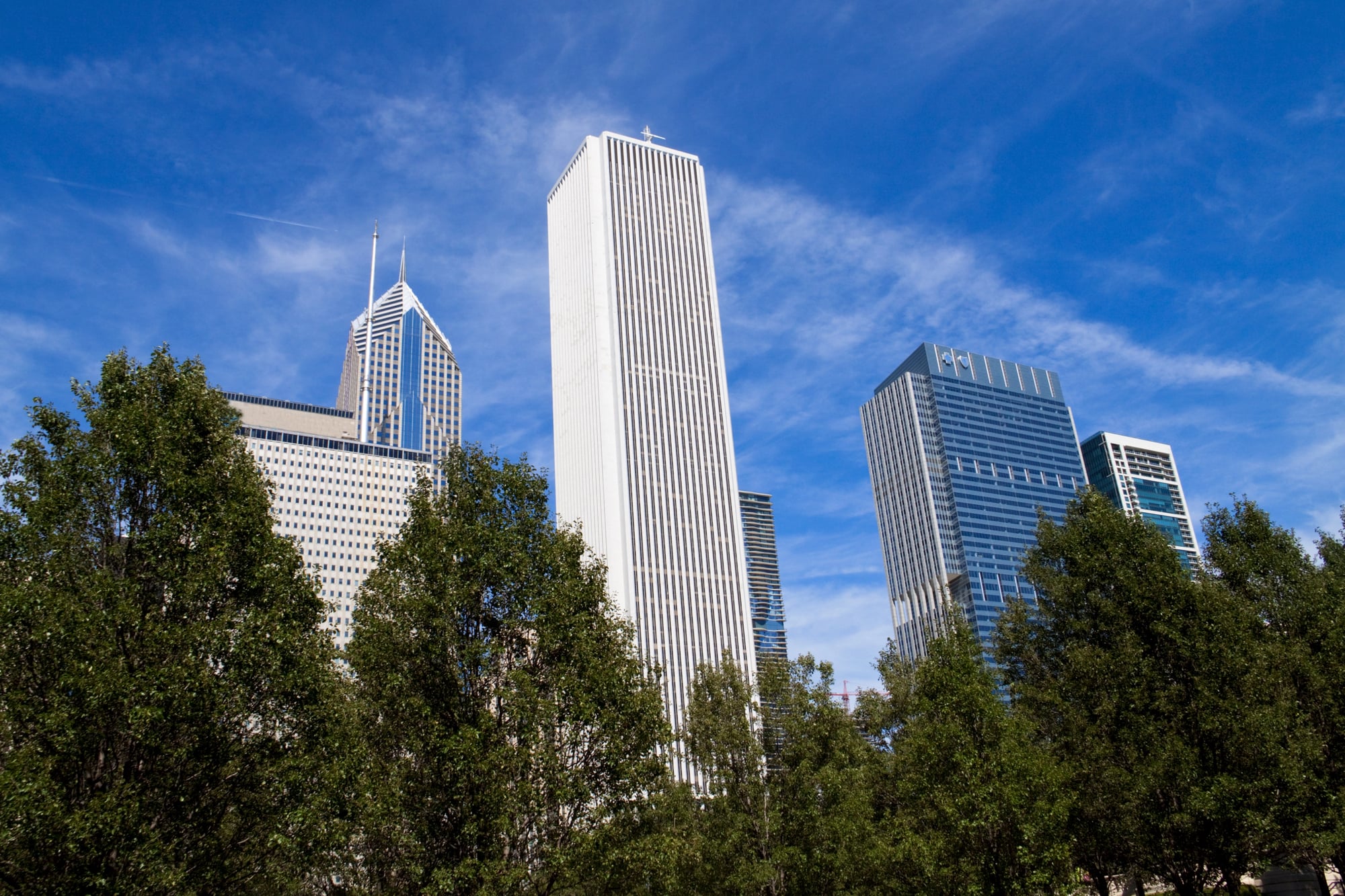
Chicago’s Aon Center (formerly the Standard Oil Building) was originally clad in 43,000 slabs of Italian Carrara marble, the same material used for Michelangelo’s David statue. This prestigious material was cut too thin to withstand Chicago’s extreme weather cycles, leading marble panels to bow, crack, and eventually detach from the building.
After one 350-pound marble slab detached and crashed through the roof of a neighboring building in 1974, the entire facade had to be replaced with granite at a cost of over $80 million, dramatically altering the appearance of what was meant to be a gleaming white architectural achievement.
Millennium Bridge
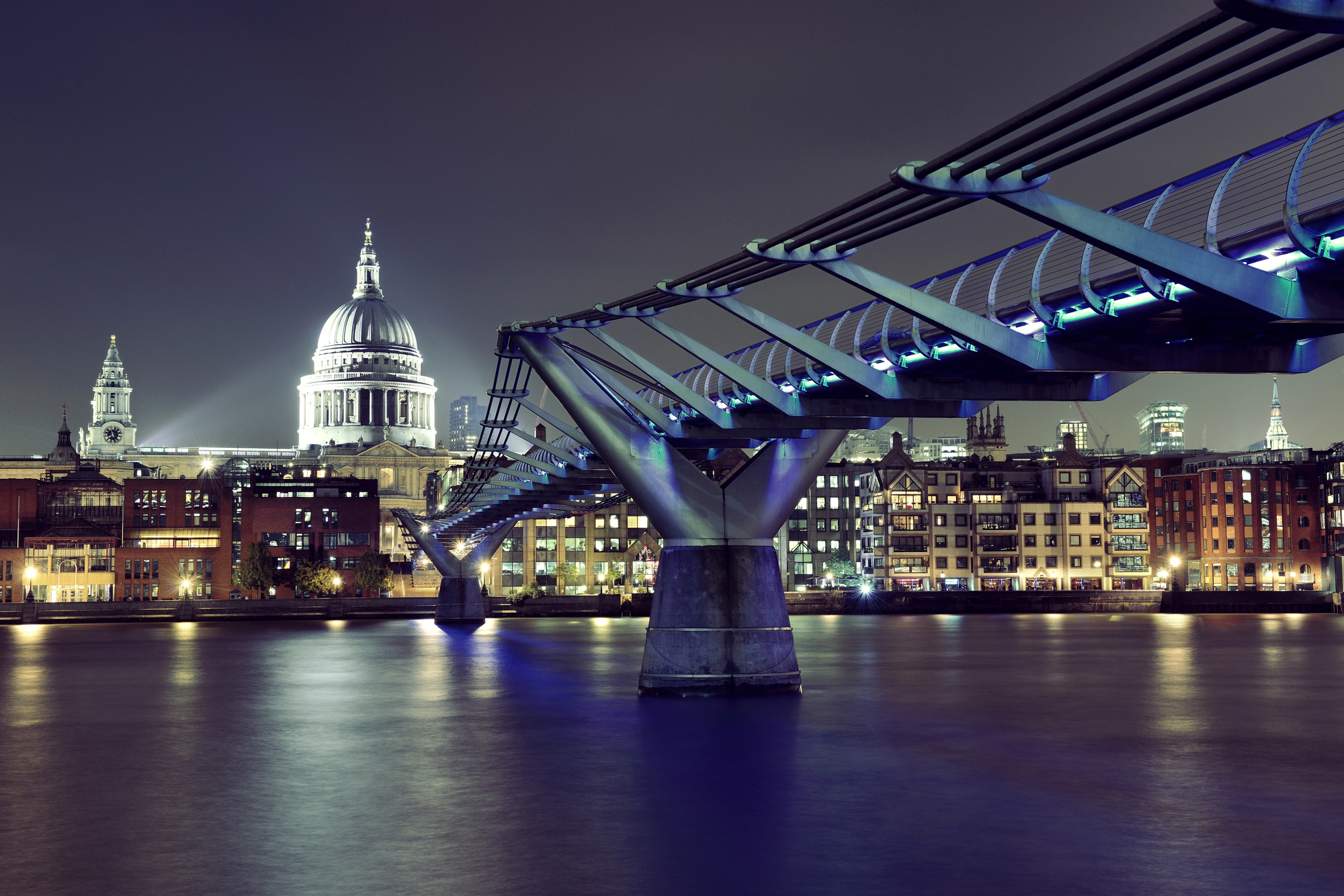
London’s first new Thames crossing in over a century was designed as a sleek, modern ‘blade of light’ connecting St. Paul’s Cathedral with the Tate Modern gallery. When it opened in June 2000, thousands of pedestrians caused the bridge to develop an alarming lateral swaying motion, earning it the nickname ‘Wobbly Bridge.’
The structure was closed just two days after opening and remained shut for nearly two years while engineers installed dampers to correct the unforeseen resonance problem at a cost of £5 million. This engineering oversight transformed what should have been an instant landmark into a temporary embarrassment.
Ciudad de las Artes y las Ciencias
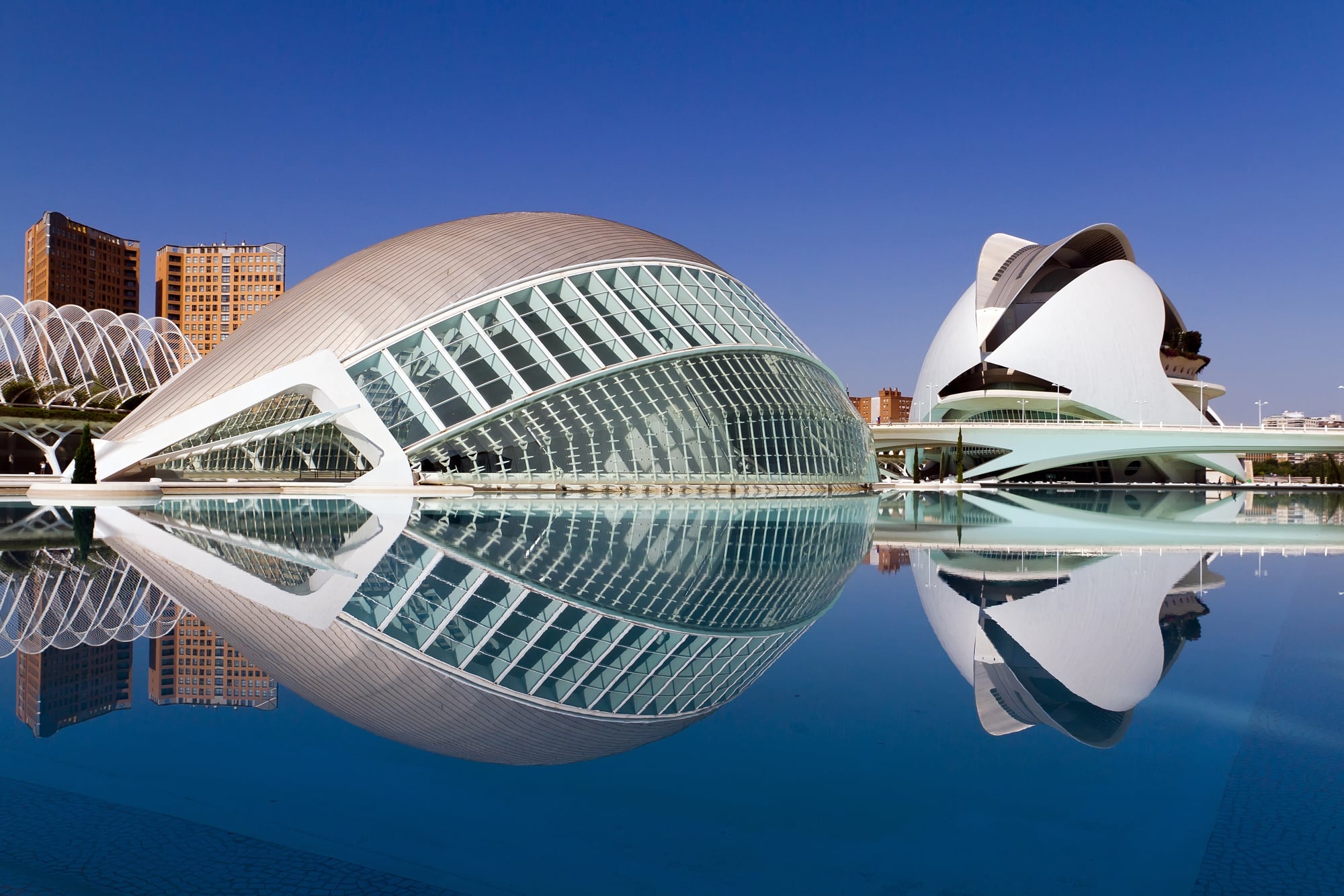
Valencia’s City of Arts and Sciences complex was designed by Santiago Calatrava as a futuristic cultural centerpiece for the Spanish city, featuring dramatic white structures resembling skeletons and hulls. The project exceeded its budget by nearly three times, costing over €1 billion, and has suffered numerous structural issues including falling mosaic tiles, leaking roofs, and pools that had to be rebuilt.
Less than a decade after completion, extensive repairs were already necessary, draining public funds while portions of the complex remained underutilized due to excessive operating costs.
The Bigger Picture

These architectural disappointments remind us that successful buildings require more than striking visuals or record-breaking statistics. The gap between rendered vision and lived reality often reveals the tensions between architectural ambition and practical functionality.
What appears revolutionary on an architect’s computer screen may create unforeseen problems when translated into physical space. Perhaps the most successful buildings aren’t those that make the boldest statements, but those that quietly serve their users’ needs year after year without making headlines for failures. True architectural achievement lies not just in breaking visual ground but in creating spaces that genuinely enhance the lives of those who use them.
More from Go2Tutors!

- The Romanov Crown Jewels and Their Tragic Fate
- 13 Historical Mysteries That Science Still Can’t Solve
- Famous Hoaxes That Fooled the World for Years
- 15 Child Stars with Tragic Adult Lives
- 16 Famous Jewelry Pieces in History
Like Go2Tutors’s content? Follow us on MSN.



