Luxury Hotels With Sky-High Rates
Price tags have weight when luxury steps in, yet at the peak of travel comfort, spending blends into the story. Not built for ease or typical treats, these spots guard quiet, roominess, attention, and scenery like hidden treasures – scarce by choice, shaped with intent.
What shows on the bill does not cover nights alone. It hints at distance from everyday life, measured in exclusivity.
High prices at certain hotels aren’t just about showing off. Scarcity plays a role, along with prime spots, skilled staff, bold design, and attention to detail that resists mass production.
Rooms are limited, travelers come from everywhere, standards stay rigid. These factors shape stays at the planet’s priciest lodgings – places where one night can cost tens of thousands when business booms – and explain why people still book anyway.
Focusing on price tags reveals more than just cost – it shows what guests receive when comfort meets high expectations. Step inside, and every detail reflects deliberate choices behind the scenes.
Burj Al Arab
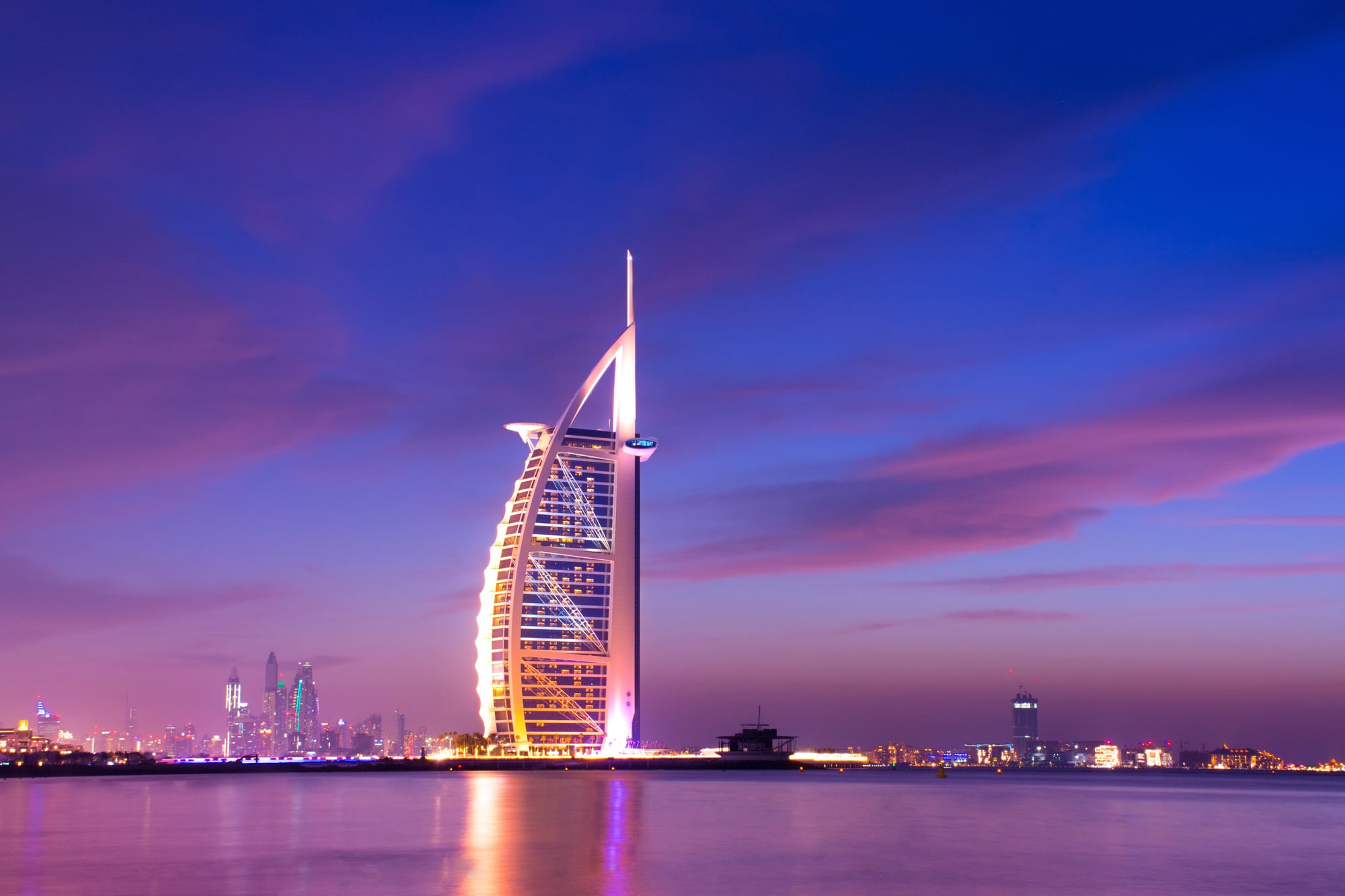
Rising from its own artificial island, the Burj Al Arab has become shorthand for extreme luxury. Often associated with nightly rates that can exceed $20,000 for its top suites, the hotel was designed to be iconic before it ever welcomed a guest.
Every accommodation is a duplex suite, many with sweeping views of the Persian Gulf.
The price reflects more than architecture. Guests receive round-the-clock butler service, chauffeured transfers, and access to spaces designed to feel entirely removed from the city outside.
The Burj Al Arab sells an idea of spectacle and exclusivity, where staying there feels like participating in a global symbol rather than simply booking a room.
Hotel President Wilson

On the shores of Lake Geneva, the Hotel President Wilson is home to one of the most expensive hotel suites in the world. The Royal Penthouse regularly commands rates in excess of $80,000 per night during high-demand periods.
Its appeal lies in discretion as much as scale.
The suite occupies an entire floor, with reinforced windows, private security options, and panoramic lake views. This is a hotel designed for diplomats, executives, and public figures who value privacy above all else.
The rate reflects not just luxury, but control over environment, access, and visibility.
The Mark Hotel

Located on Manhattan’s Upper East Side, The Mark Hotel is understated from the outside, but its Grand Penthouse tells a different story. At peak times, rates can climb beyond $75,000 per night.
Spanning multiple levels, the suite offers terraces overlooking Central Park, a private ballroom, and bespoke interiors.
What guests pay for here is space in a city where space is the rarest luxury of all. The Mark blends residential comfort with hotel service, creating an environment that feels personal rather than performative.
Its pricing reflects Manhattan’s unique economics as much as the hotel’s design.
The Palms Casino Resort

Las Vegas is known for spectacle, and The Palms Casino Resort embraces that reputation at the highest end. Its Empathy Suite, designed by artist Damien Hirst, has reportedly reached rates of $100,000 per night.
The suite includes curated artwork, a private pool overlooking the Strip, and dedicated service staff.
Unlike traditional luxury hotels, The Palms leans into excess as an experience. The pricing is intentionally provocative, aimed at guests who want something memorable and unconventional.
Here, cost is part of the narrative, reinforcing the idea that the stay itself is a once-in-a-lifetime event.
Four Seasons Hotel New York Downtown
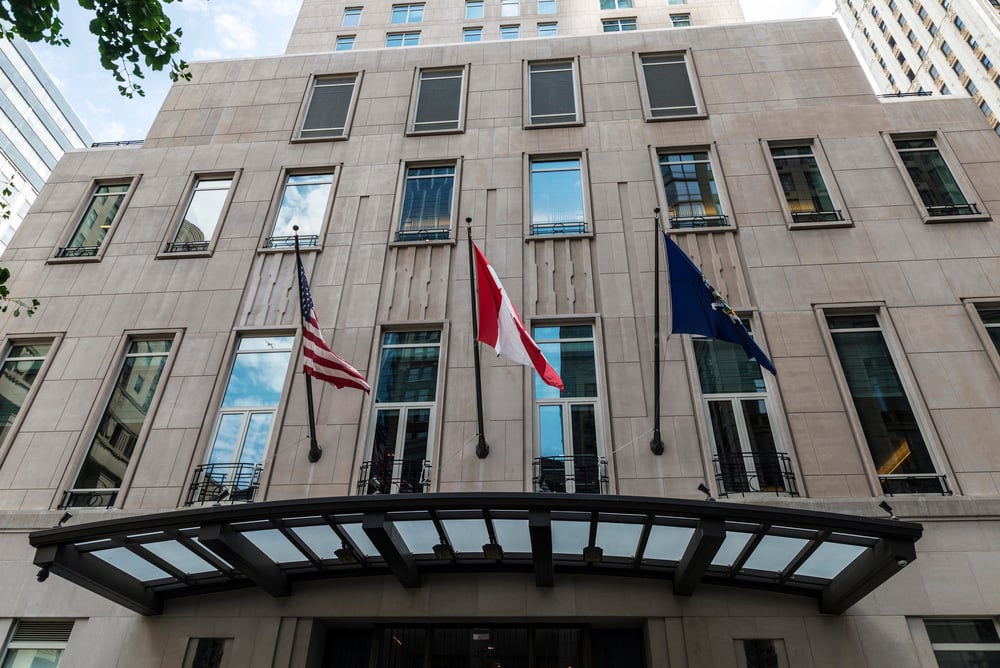
The Four Seasons brand is synonymous with consistency, but its most exclusive suites can reach eye-watering rates. In New York, the Royal Suite at peak times has been listed in the $50,000-plus range per night.
The appeal lies in refinement rather than shock value.
Guests receive discreet service, expansive living areas, and panoramic city views without theatrical excess. The Four Seasons approach to luxury is about eliminating friction entirely.
The price reflects a promise that nothing will feel improvised or out of place, even under extraordinary demands.
Laucala Island Resort

Laucala Island Resort in Fiji operates on a different logic altogether. With nightly rates for its villas often exceeding $40,000 during peak periods, the resort offers something most hotels cannot: near-total isolation.
Guests arrive by private plane and stay in villas spread across a private island.
The cost covers more than accommodation. Meals, activities, and service are highly personalized, and much of what guests consume is produced on the island itself.
Luxury here is framed as escape rather than indulgence, with pricing that reflects the difficulty of maintaining paradise at scale.
The Ritz-Carlton Kyoto
In Kyoto, the Ritz-Carlton offers a quieter form of high-end hospitality. While standard rooms are expensive, its most exclusive suites can reach well into five figures per night during peak travel seasons.
The hotel sits along the Kamogawa River, blending contemporary comfort with traditional Japanese aesthetics.
What guests pay for is restraint. Materials, proportions, and service are deliberately understated.
The high rate reflects cultural sensitivity, craftsmanship, and an experience designed to feel seamless rather than showy.
Atlantis The Royal
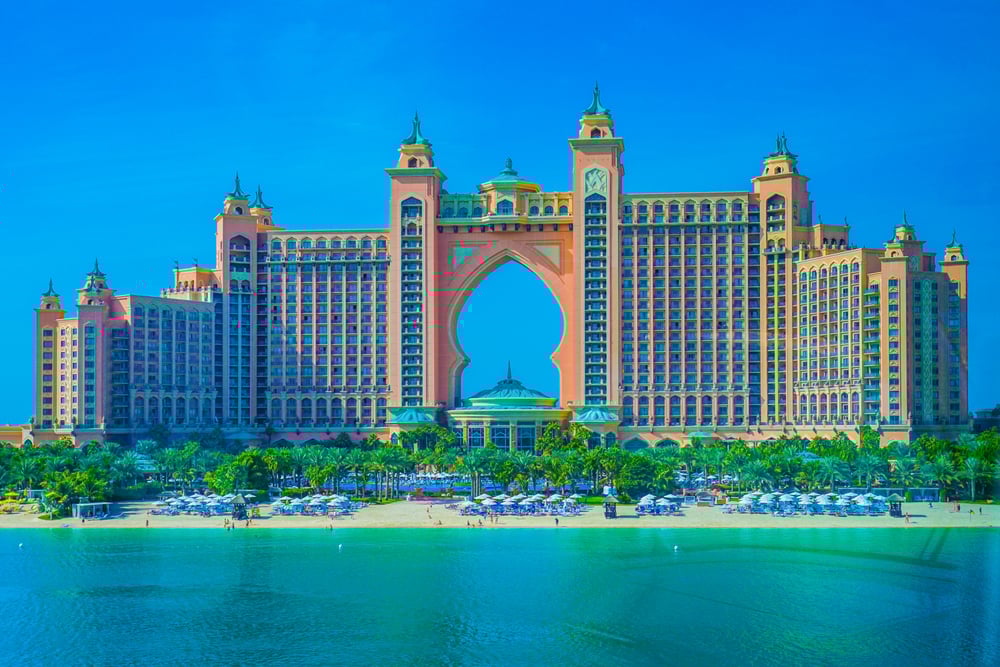
One of Dubai’s newest luxury landmarks, Atlantis The Royal has positioned itself firmly in the ultra-premium category. Its signature penthouses and sky villas can command rates exceeding $25,000 per night, particularly during major events and peak travel windows.
The hotel emphasizes architectural drama, with cantilevered terraces, infinity pools, and expansive views of the Gulf.
Service is tailored to match the scale of the space, with private entrances and dedicated teams. Pricing reflects Dubai’s strategy of competing at the very top of the global luxury market.
Aman Tokyo

Aman Tokyo approaches high pricing through minimalism rather than grandeur. Its largest suites can reach five-figure nightly rates during peak demand, offering vast interiors suspended high above the city.
Floor-to-ceiling windows frame Tokyo’s skyline in near silence.
The Aman philosophy centers on space, light, and privacy. Guests are shielded from the pace of the city below, creating a sense of detachment that feels rare in one of the world’s busiest urban environments.
The price reflects the difficulty of creating tranquility at such altitude and density.
Hotel Cala di Volpe
On Italy’s Costa Smeralda, Hotel Cala di Volpe has long attracted a discreet, affluent clientele. During peak summer weeks, its most exclusive suites can reach rates above $30,000 per night.
The hotel’s design emphasizes organic forms and integration with the coastline.
Luxury here is seasonal and social. Guests pay for access to a specific moment in time, when the Mediterranean is at its most alluring and privacy is still preserved.
The rate reflects limited availability rather than constant opulence.
Why These Prices Persist
High prices at luxury hotels stick around for reasons deeper than just beds. Because these places offer sheltered spaces – where quiet, routine, and tailored service come standard.
Here, travelers aren’t weighing cost against comfort like usual. Instead, peace of mind becomes the main thing paid for.
Some of these hotel names live inside bigger brand names like layers. Priciest rooms sit quietly, more about image than actual guests.
That top price tag isn’t just a number – it keeps certain people out by design. High cost acts like a gate, thinning the crowd without saying so outright.
Luxury spreads wider every day, yet these hotels choose smallness on purpose. Cost keeps many away – this is how they intend it.
Crossing that line changes what you expect. Few places manage to deliver what staying here does: a sense of standing apart, quietly, completely.
More from Go2Tutors!

- The Romanov Crown Jewels and Their Tragic Fate
- 13 Historical Mysteries That Science Still Can’t Solve
- Famous Hoaxes That Fooled the World for Years
- 15 Child Stars with Tragic Adult Lives
- 16 Famous Jewelry Pieces in History
Like Go2Tutors’s content? Follow us on MSN.