15 Times Nature Just Said “Nope”
Nature typically follows predictable patterns that scientists study and document with remarkable precision. Yet occasionally, the natural world throws curveballs so bizarre they seem to defy logic and expectations entirely.
These unusual phenomena remind us that for all our scientific advancement, Mother Nature still maintains her mysteries and can surprise even the most knowledgeable experts with apparent contradictions to established rules.
Here is a list of 15 times when nature seemingly rejected conventional wisdom and did things in its own peculiar way.
Immortal Jellyfish
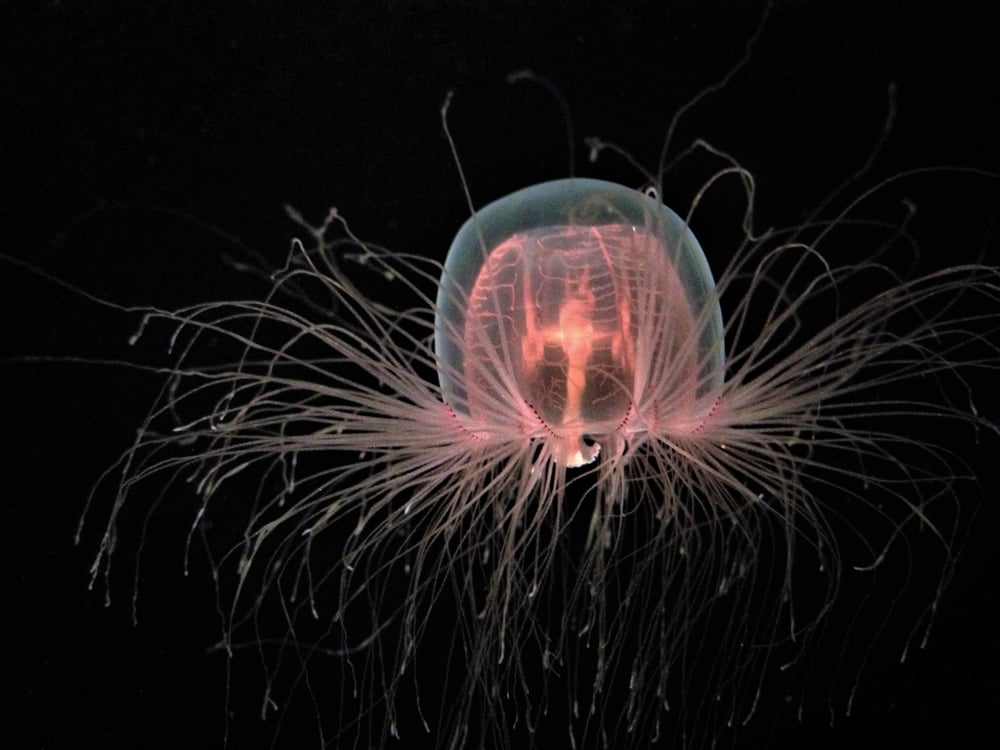
The Turritopsis dohrnii jellyfish essentially laughs in the face of mortality by reversing its aging process when threatened or injured. Instead of dying, this remarkable creature reverts to an earlier developmental stage, essentially restarting its life cycle like hitting a biological reset button.
Scientists have observed these jellies repeating this process multiple times, theoretically making them biologically immortal. This tiny sea creature casually defies one of life’s most fundamental rules – that all living things must eventually die.
Tree Blood
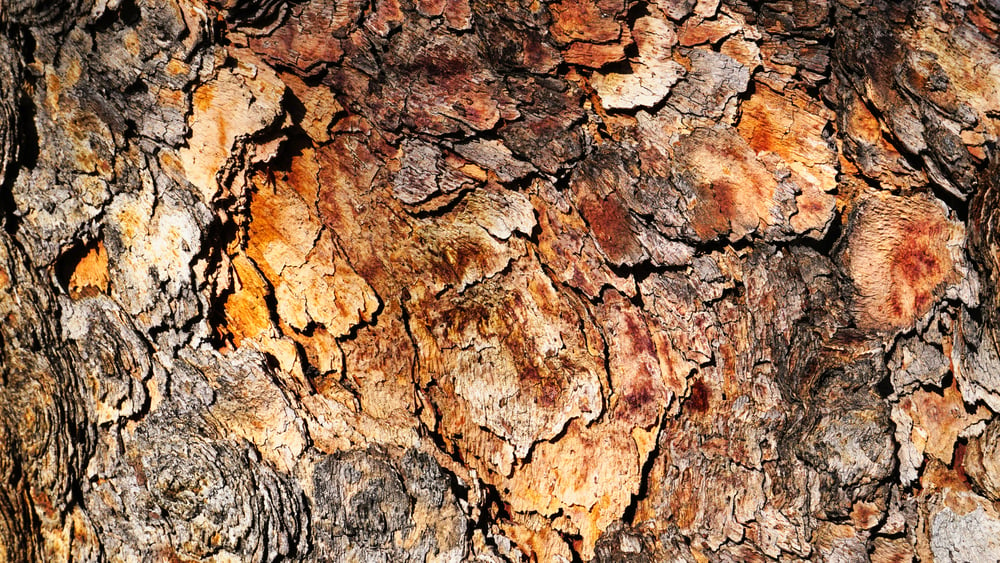
Pterocarpus angolensis, commonly known as the bloodwood tree, produces a dark red sap that looks eerily similar to blood when the bark is cut. This crimson liquid oozes out and coagulates just like a wound healing, giving the unsettling impression of a bleeding plant.
The tree uses this sap as a protective mechanism to seal damage and prevent infection, much like our own bodies respond to injury. Nature apparently decided normal clear tree sap wasn’t dramatic enough for this particular species.
Frozen Alligators
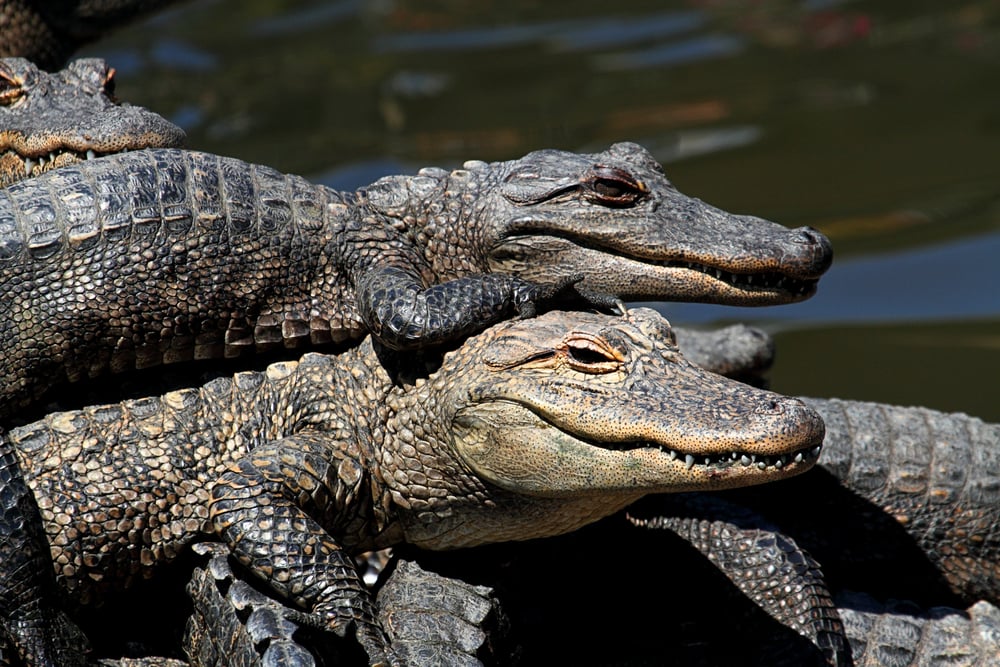
During extreme cold snaps in North Carolina, alligators have been observed frozen in ponds with only their snouts sticking out of the ice. Rather than perishing, these reptiles enter a state called brumation where their metabolism slows dramatically, allowing them to survive being literally frozen in place.
The alligators instinctively know to keep their nostrils above the surface before freezing. When temperatures rise, these prehistoric-looking creatures simply thaw out and continue with their lives as if nothing unusual happened.
Non-Burning Trees
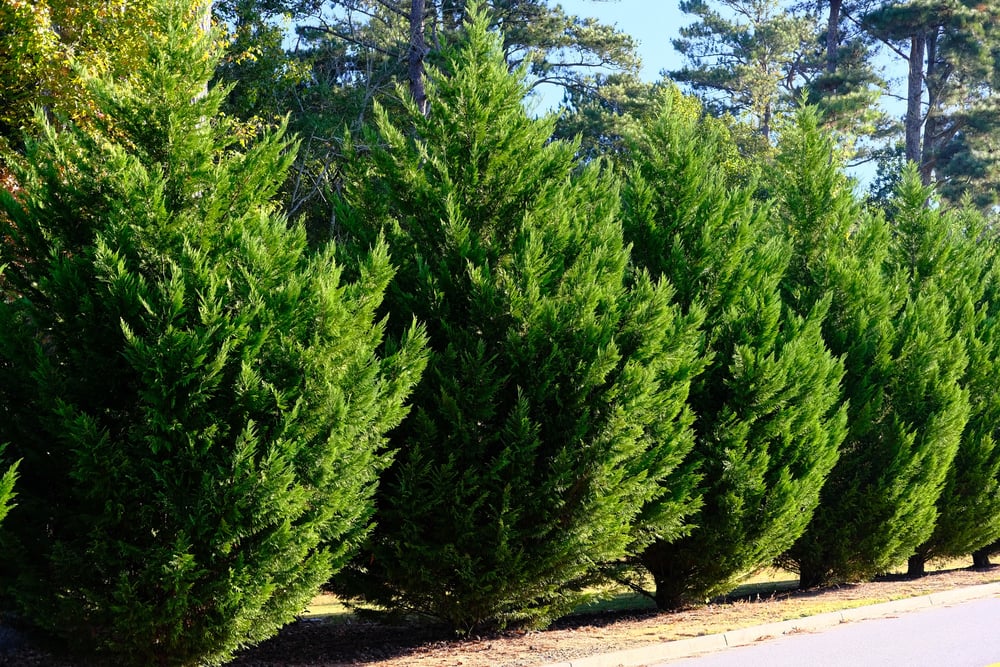
Certain cypress trees in Australia have evolved to be practically fireproof in a country notorious for devastating wildfires. These remarkable trees produce a sap containing fire-retardant compounds that protect them during blazes that destroy surrounding vegetation.
Some species even encourage fires through flammable oils while protecting their core structures, essentially weaponizing fire against competing plants. In environments where fire typically means certain death, these trees simply refused to follow the normal rules of combustion.
Glass Frogs
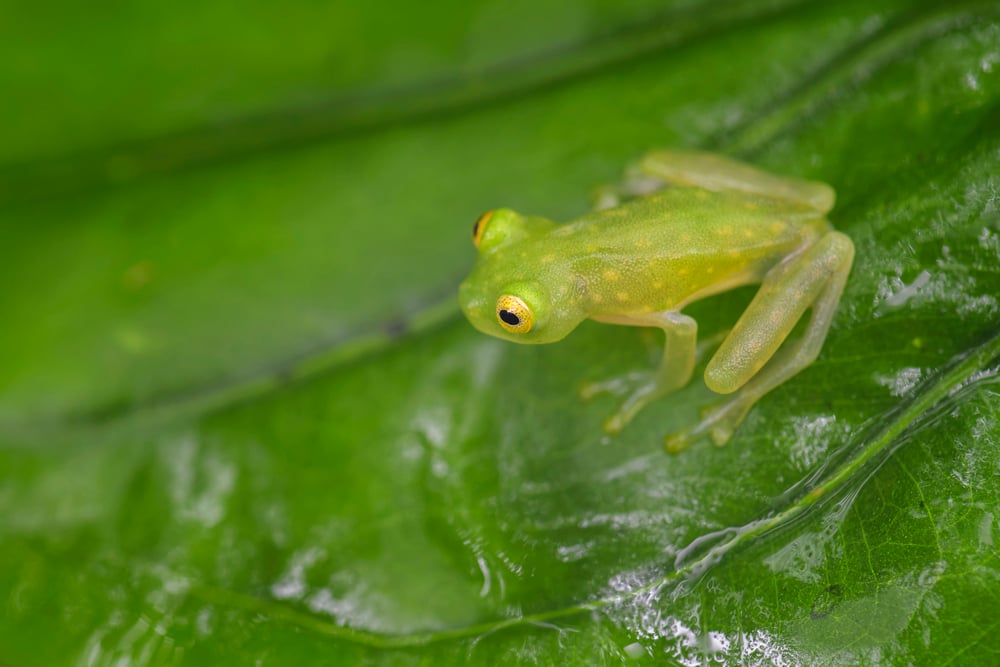
The aptly named glass frog has skin so transparent you can literally see its internal organs working in real time. These Central and South American amphibians have translucent skin on their underside that reveals their beating heart, digestive tract, and other organs in full view.
The frogs use this unusual feature as camouflage, as their internal organs blend with the leaves they rest on. Most animals keep their innards discreetly hidden away, but glass frogs apparently decided privacy was overrated.
Walking Fish
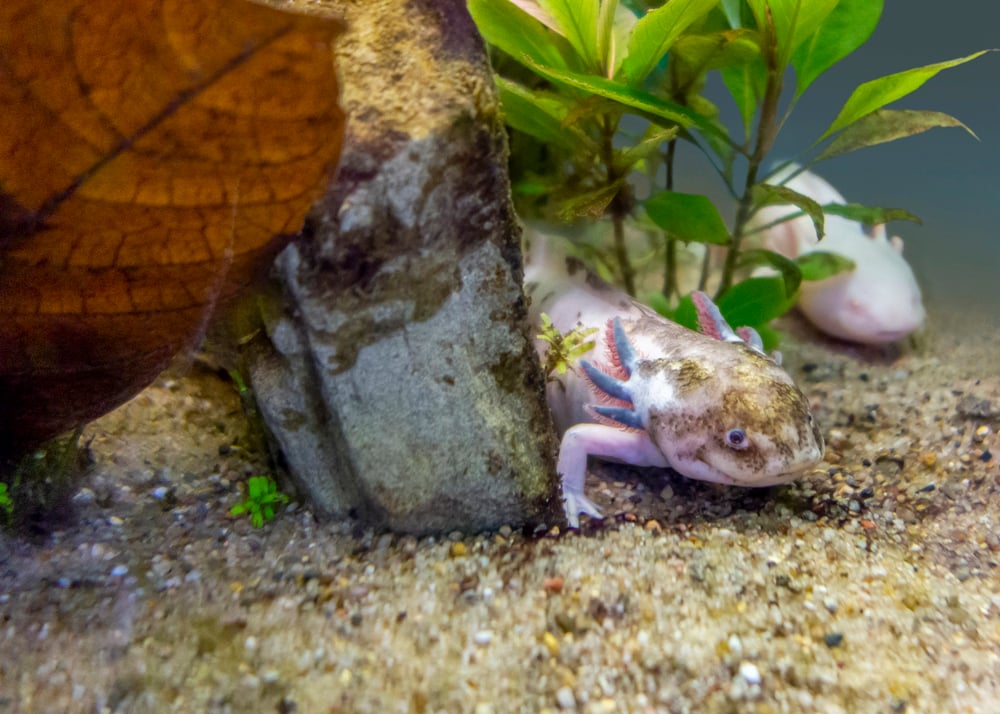
Northern snakehead fish can survive out of water for up to four days and actually travel across land using their pectoral fins. These invasive predators can wriggle their way from one body of water to another when necessary, defying our basic understanding that fish belong exclusively in water.
Their ability to breathe air and move on land makes them formidable invasive species capable of spreading between disconnected waterways. These determined fish simply refused to accept the limitations placed on their aquatic relatives.
Exploding Trees
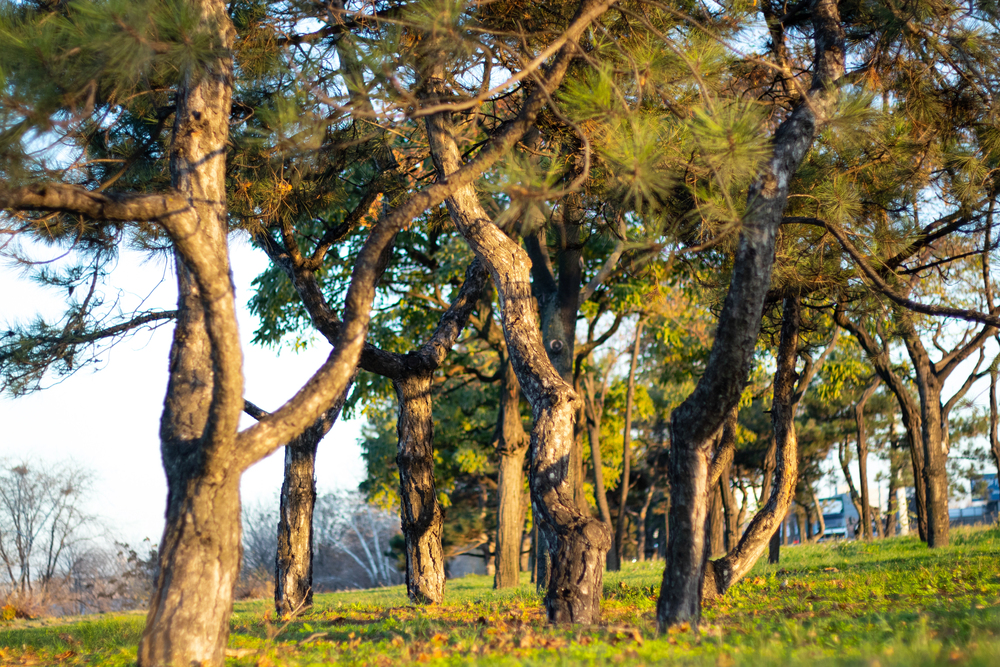
During intense cold snaps, trees can literally explode with sounds resembling gunshots echoing through forests. This alarming phenomenon occurs when sap freezes and expands rapidly inside the trunk, creating tremendous pressure that eventually ruptures the wood with explosive force.
The resulting cracks can run the entire length of the tree and measure several inches wide. Mother Nature apparently decided that peaceful, silent winters weren’t dramatic enough and added spontaneous arboreal explosions to the mix.
Stub-Footed Goats
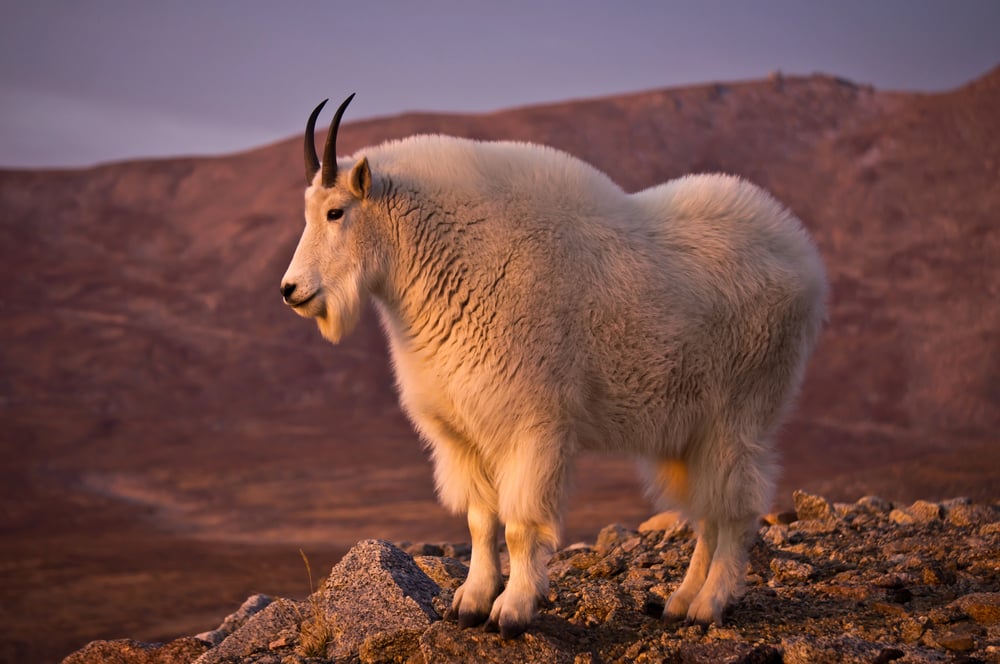
Mountain goats possess seemingly impossible climbing abilities, scaling nearly vertical dam walls and cliff faces that would require technical equipment for humans to ascend. Their specialized hooves feature hard outer shells for durability and soft, grippy centers for traction on minimal ledges barely an inch wide.
These animals casually traverse sheer rock faces where one misstep means certain death, often to reach mineral deposits they crave. While most mammals sensibly avoid cliff edges, mountain goats treat dizzying heights as their preferred habitat.
Upside-Down Lightning

While traditional lightning strikes from clouds to ground, superbolt lightning can actually travel upward from Earth to the atmosphere. These rare, extraordinarily powerful bolts can be up to 1,000 times stronger than normal lightning and appear to defy gravity itself.
Scientists believe they often originate from tall structures like mountains or buildings before racing skyward in spectacular fashion. Nature apparently decided regular downward lightning wasn’t impressive enough and flipped the script entirely for these exceptional electrical discharges.
Volcanic Ice
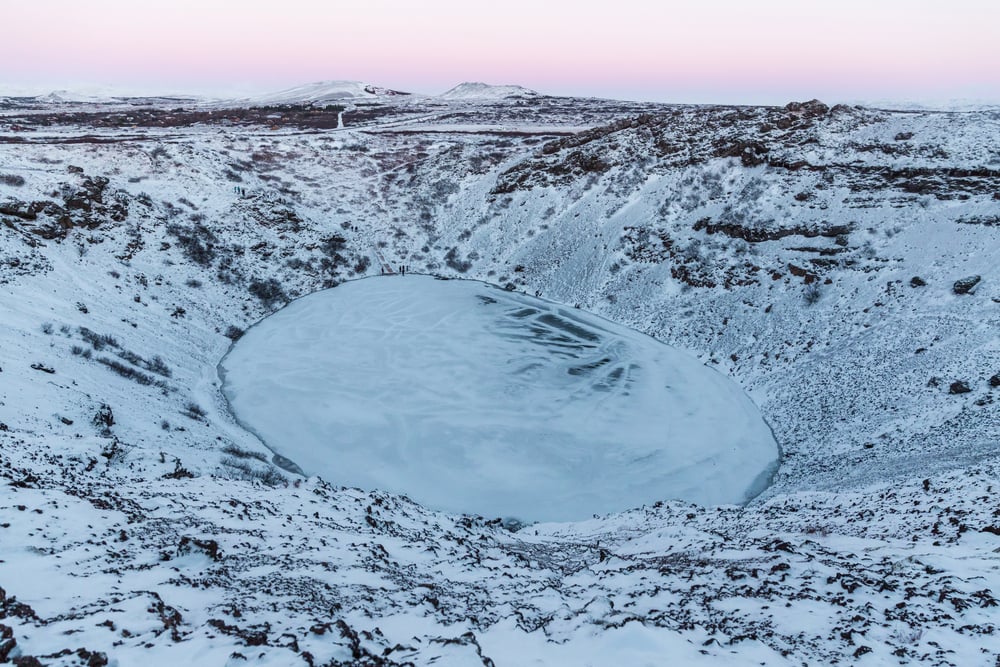
Underwater volcanoes can produce what scientists call “freezing smoke” – a bizarre combination of extreme heat meeting extreme cold. When superheated magma erupts into frigid deep ocean waters, the minerals crystallize instantly into fragile glass structures that look like ice formations emerging from the inferno.
These delicate formations house entirely unique ecosystems that thrive in this contradictory environment. In places where fire and ice coexist impossibly, life finds a way to exploit even these seemingly inhospitable conditions.
Immortal Plants
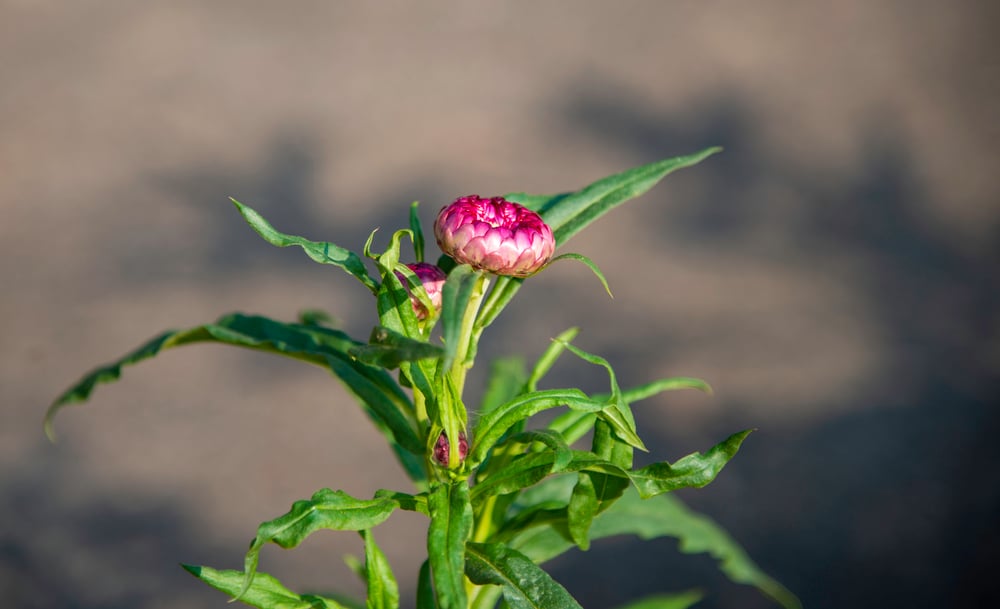
The King’s Holly in Tasmania represents a single plant that has been cloning itself for at least 43,000 years. This ancient shrub predates the last ice age and continues propagating despite losing the ability to reproduce sexually through seeds.
The entire population represents one individual that has persisted by growing new shoots from its expanding root system over millennia. While individual stems may die, the plant as a genetic individual has refused to expire for longer than modern humans have existed.
Rain of Animals
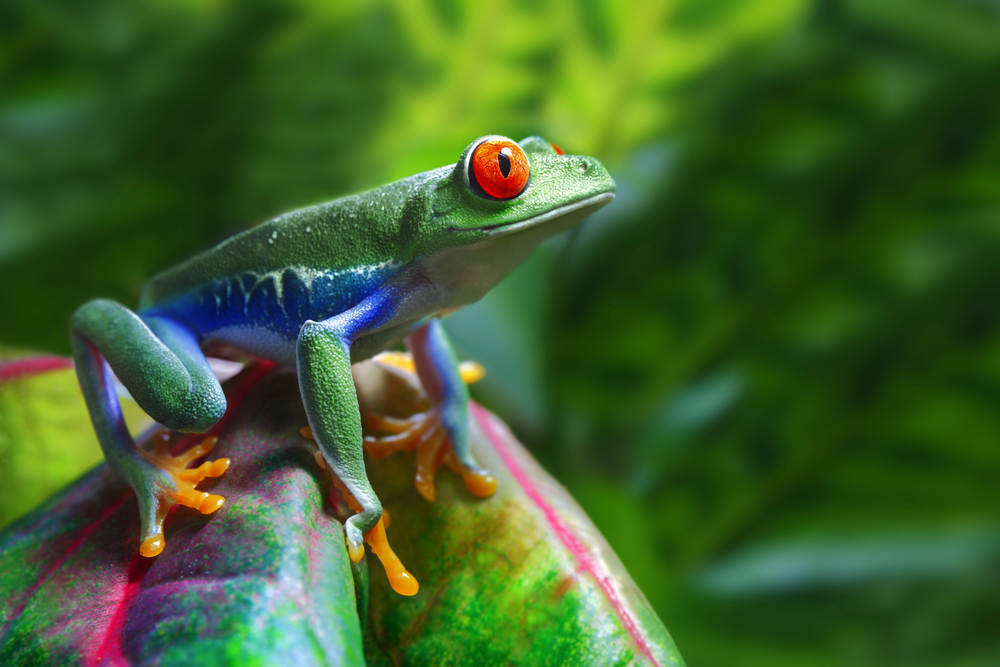
Multiple verified instances exist of fish, frogs, and other small animals raining from clear skies onto surprised communities below. These bizarre animal showers likely occur when waterspouts or powerful updrafts lift creatures into the atmosphere before depositing them elsewhere during rainfall.
Historical accounts describe everything from fish storms in Australia to frog downpours in Serbia. Nature occasionally decides normal raindrops aren’t interesting enough and substitutes live animals instead, thoroughly confusing everyone involved.
Non-Rotting Sharks
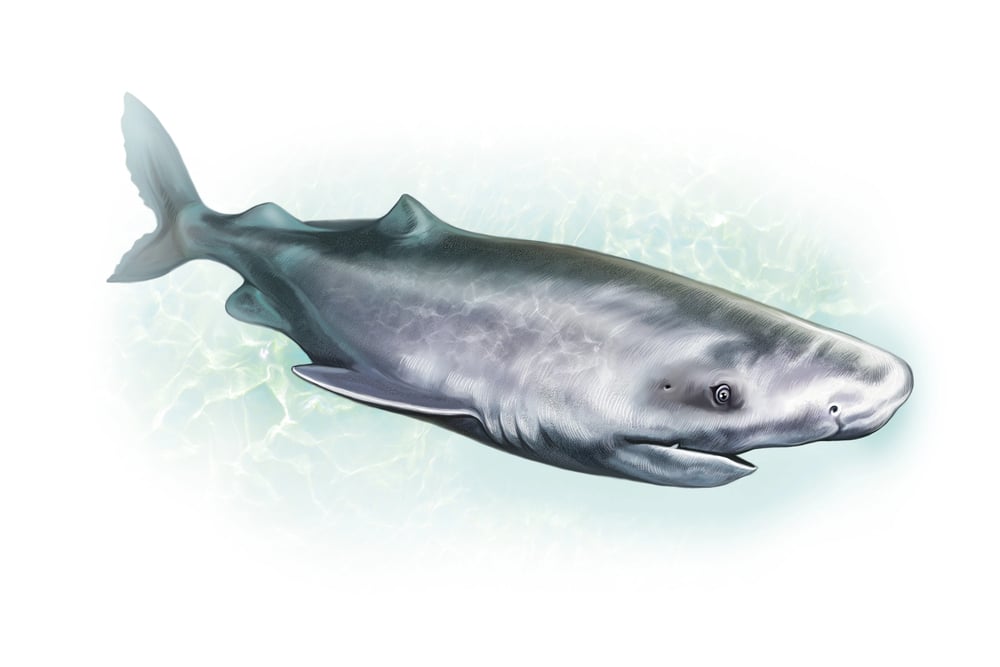
The Greenland shark can live for over 400 years with a metabolism so slow it barely seems alive by normal standards. These sharks grow less than an inch per year and don’t reach sexual maturity until around 150 years old.
Their flesh contains high levels of urea and trimethylamine oxide, making it toxic and essentially non-rotting even after death. These remarkable creatures were swimming Earth’s oceans when Shakespeare was writing plays and may live to see the 25th century through their excruciatingly slow life processes.
Self-Cooking Birds
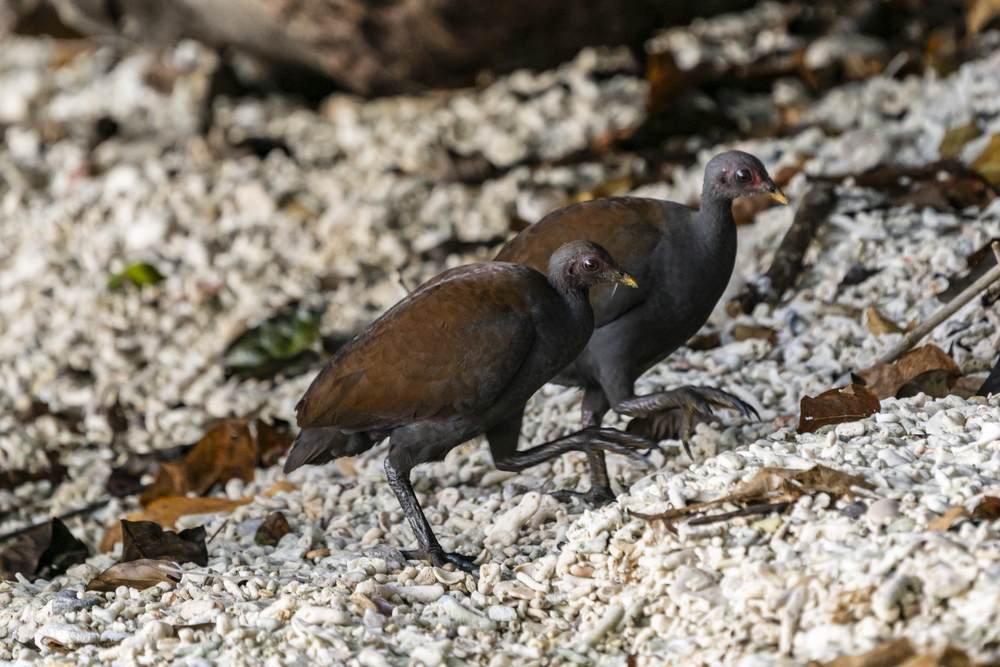
The megapode birds of Australia and Southeast Asia build massive compost heaps to incubate their eggs rather than sitting on them like normal birds. These mounds can reach 16 feet high and 35 feet wide, functioning as natural incubators that maintain precise temperatures through the heat generated by decomposing vegetation.
The male birds obsessively monitor and adjust these compost piles using their beaks as thermometers. When most birds were developing the instinct to sit on eggs, megapodes decided to become composting experts instead.
Magnetic Mountains
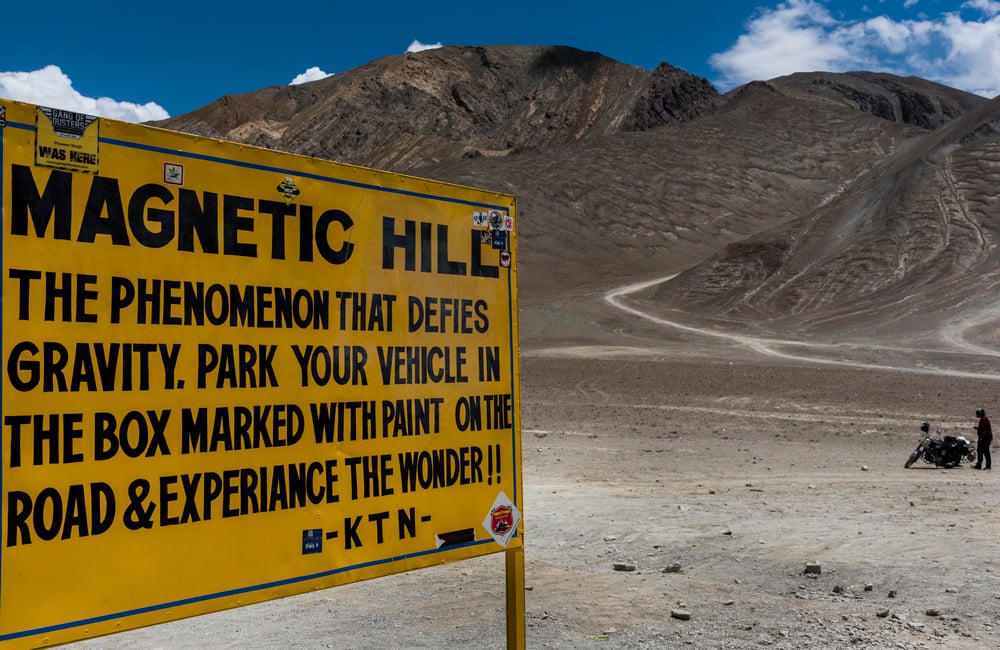
Certain locations like Magnetic Hill in Canada and Gravity Hill in Pennsylvania appear to defy physics, making vehicles roll uphill when placed in neutral. These “gravity-defying” spots are actually clever optical illusions created by the surrounding landscape obscuring the true horizon line.
The road actually slopes downhill while appearing to go uphill, creating the unsettling sensation of objects moving against gravity. Nature occasionally combines geography and human perception to create spots where our senses insist the impossible is happening right before our eyes.
When Nature Rewrites Its Own Rules
These extraordinary examples remind us that the natural world operates on principles far more complex and flexible than our textbooks might suggest. What we perceive as nature saying ‘nope’ to conventional wisdom often represents evolutionary innovations millions of years in the making or physical phenomena operating exactly as they should under unusual circumstances.
Our surprise at these oddities reveals more about the limitations of human understanding than any actual contradiction in natural law. The next time you encounter something in nature that seems impossible, remember these examples of the extraordinary existing within the ordinary all around us.
More from Go2Tutors!

- The Romanov Crown Jewels and Their Tragic Fate
- 13 Historical Mysteries That Science Still Can’t Solve
- Famous Hoaxes That Fooled the World for Years
- 15 Child Stars with Tragic Adult Lives
- 16 Famous Jewelry Pieces in History
Like Go2Tutors’s content? Follow us on MSN.