15 Times Smart Home Tech Failed
Smart homes promise convenience, security, and a touch of futuristic living right in your own house. Yet sometimes these high-tech gadgets turn into expensive paperweights or create problems nobody saw coming.
The reality is that even the most advanced technology can glitch, freeze, or just plain refuse to work when you need it most.
Let’s look at some real situations where smart home devices left their owners scratching their heads instead of enjoying modern comfort.
Amazon Alexa Started Laughing Randomly
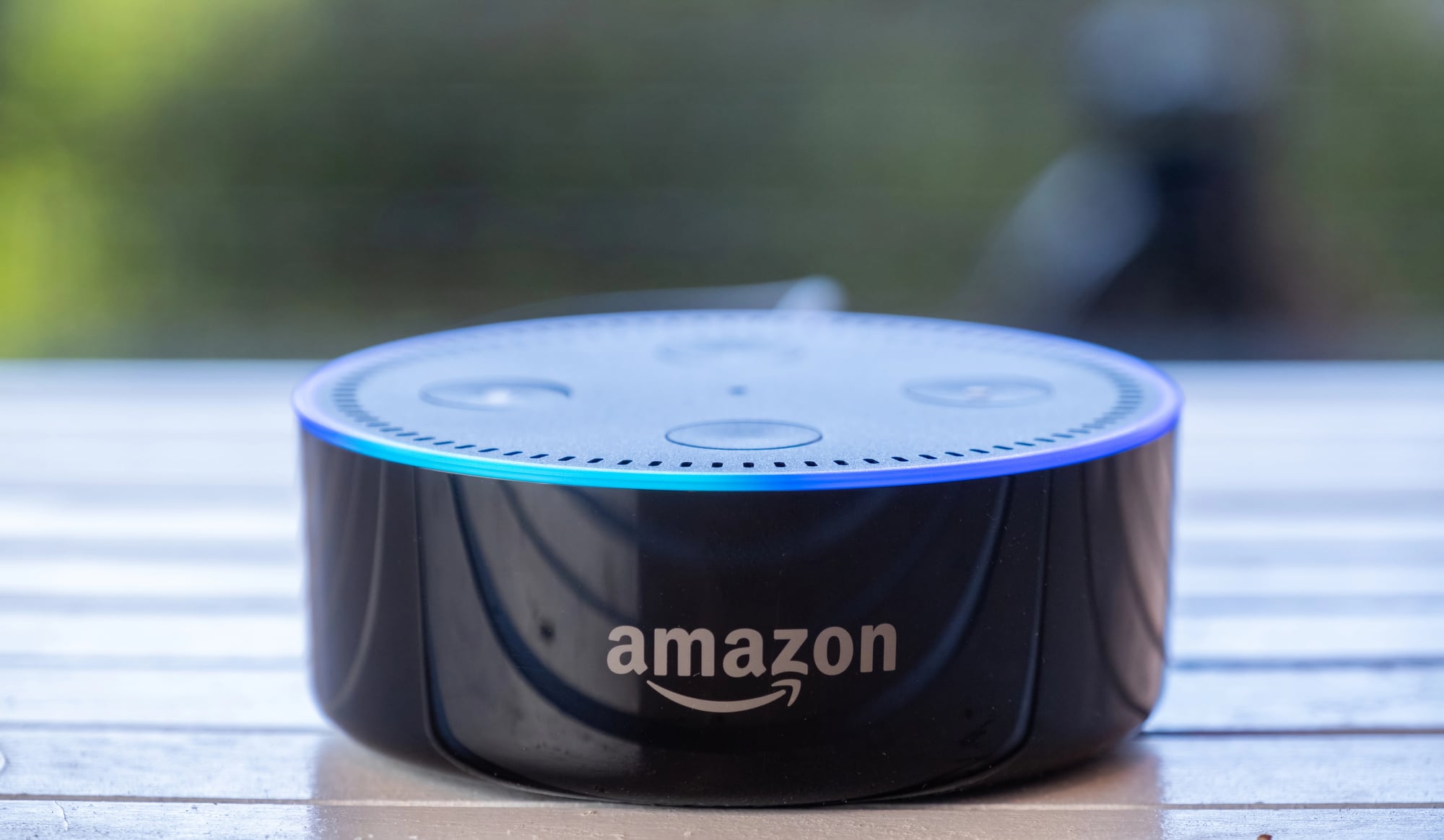
Back in 2018, people reported their Alexa devices suddenly bursting into laughter without any prompting. Imagine sitting quietly on your couch when your smart speaker decides to cackle like a villain from a horror movie.
Amazon quickly acknowledged the creepy issue and pushed out a fix, but thousands of users had already experienced this unsettling behavior. The problem stemmed from Alexa mishearing commands and interpreting background noise as a laugh request.
Smart Locks Trapped People Outside Their Homes
Several smart lock brands experienced server outages that left homeowners stranded on their doorsteps. August Smart Locks had a particularly bad incident where their cloud service went down during a workday, meaning people couldn’t unlock their doors through the app.
Some folks had to call locksmiths or break windows to get back inside. The irony of being locked out by a device meant to make entry easier wasn’t lost on anyone involved.
Nest Thermostats Caused A New Year’s Freeze
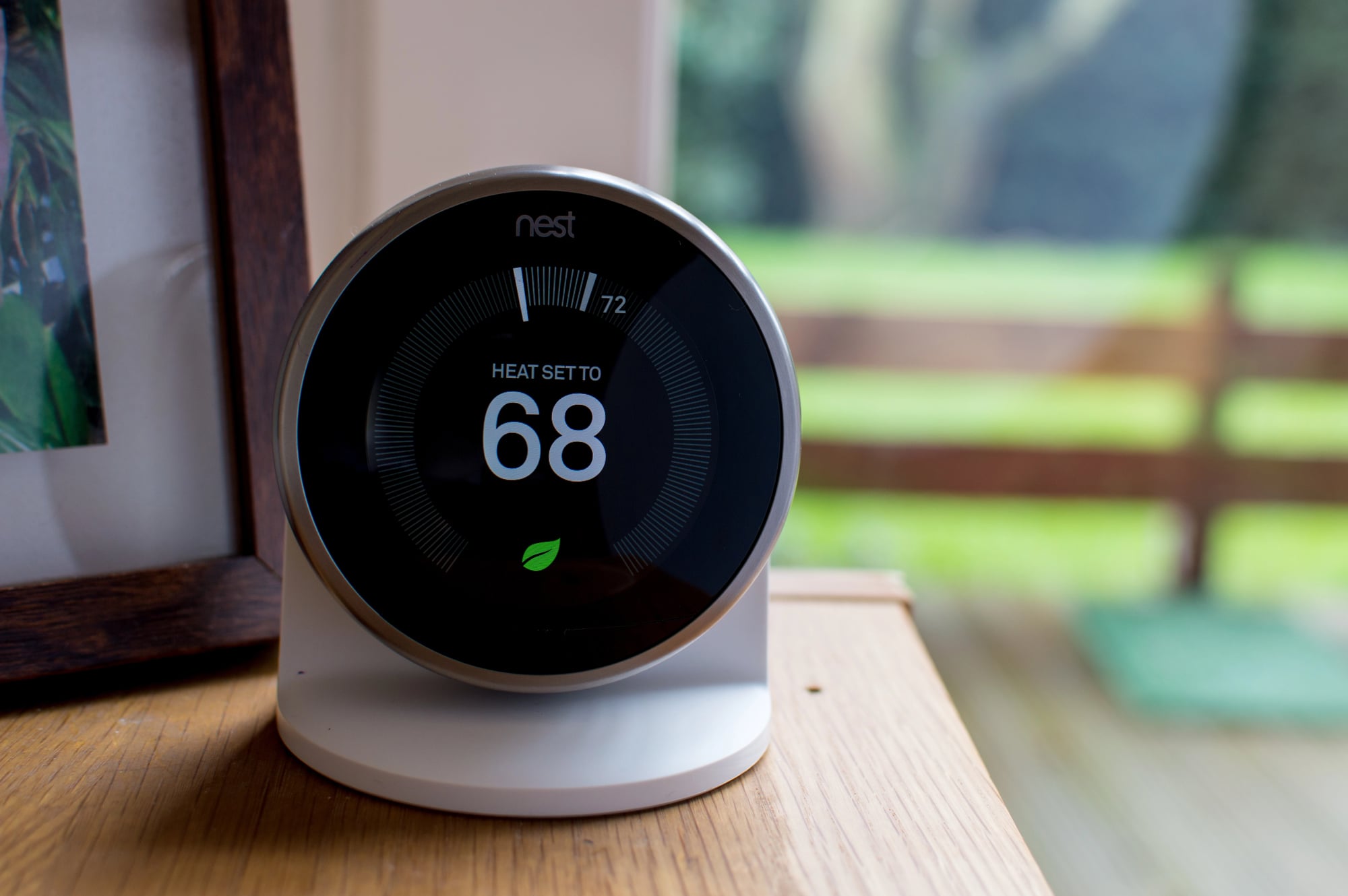
During one of the coldest weeks in January 2016, some Nest thermostats stopped working due to a software glitch. The devices displayed a low battery warning and shut down completely, leaving homes without heat in freezing temperatures.
Nest owners had to manually charge their thermostats using a USB cable, which many people didn’t even know was possible. The company blamed the issue on a bad software update that drained batteries faster than expected.
Ring Doorbells Got Hacked With Creepy Messages
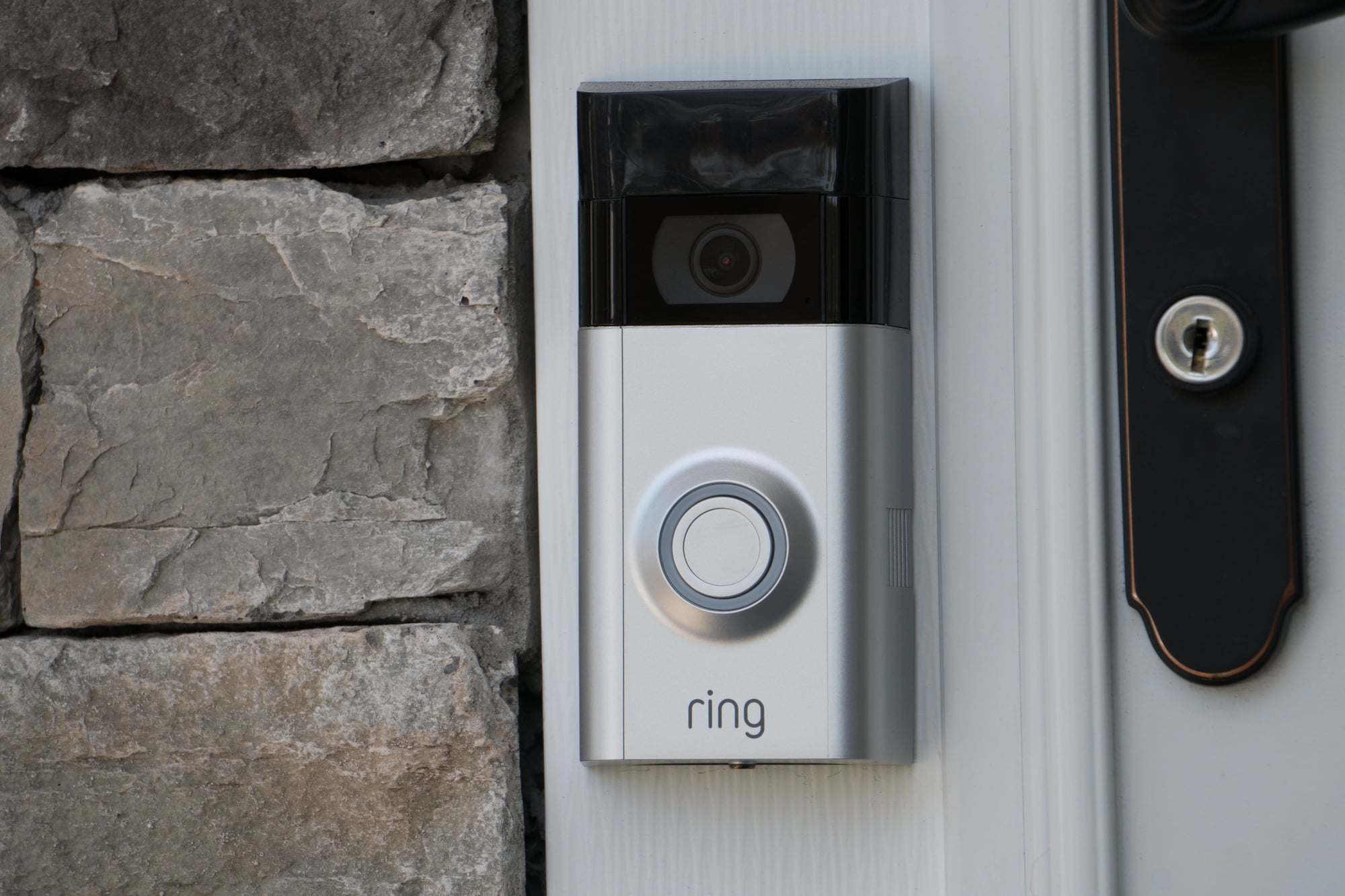
Multiple Ring doorbell owners reported hackers taking control of their devices to shout obscenities or disturbing messages at family members. In one Florida case, a hacker spoke to an eight-year-old girl through her bedroom camera, claiming to be Santa Claus.
These breaches happened because users had weak passwords and didn’t enable two-factor authentication. Ring faced serious backlash for not making security features mandatory from the start.
Smart Refrigerators Leaked Gmail Credentials

Security researchers discovered that certain Samsung smart fridges had a vulnerability that exposed users’ Gmail login information. The fridge’s calendar feature synced with Google accounts but didn’t properly validate security certificates.
Hackers on the same Wi-Fi network could potentially intercept this data and access personal email accounts. Samsung eventually patched the flaw, but it raised serious questions about connecting every appliance to the internet.
Phillips Hue Lights Caused Epileptic Seizures

A researcher found a way to hack Phillips Hue smart bulbs and make them flash rapidly, which could trigger epileptic seizures in susceptible individuals. The attack used a drone to get within range of the bulbs and exploit a wireless protocol weakness.
While this remained mostly theoretical, it showed how smart home devices could potentially be weaponized. Phillips released a firmware update to close the security gap.
Smart Garage Doors Opened By Themselves

Chamberlain MyQ garage door openers experienced a glitch that caused doors to open randomly throughout the day and night. Homeowners woke up to find their garages wide open, exposing their belongings and potentially inviting theft.
The company initially struggled to identify the cause, which turned out to be a software bug in their cloud platform. Some users reported multiple false openings before the issue got resolved.
Google Home Mini Was Secretly Recording Everything
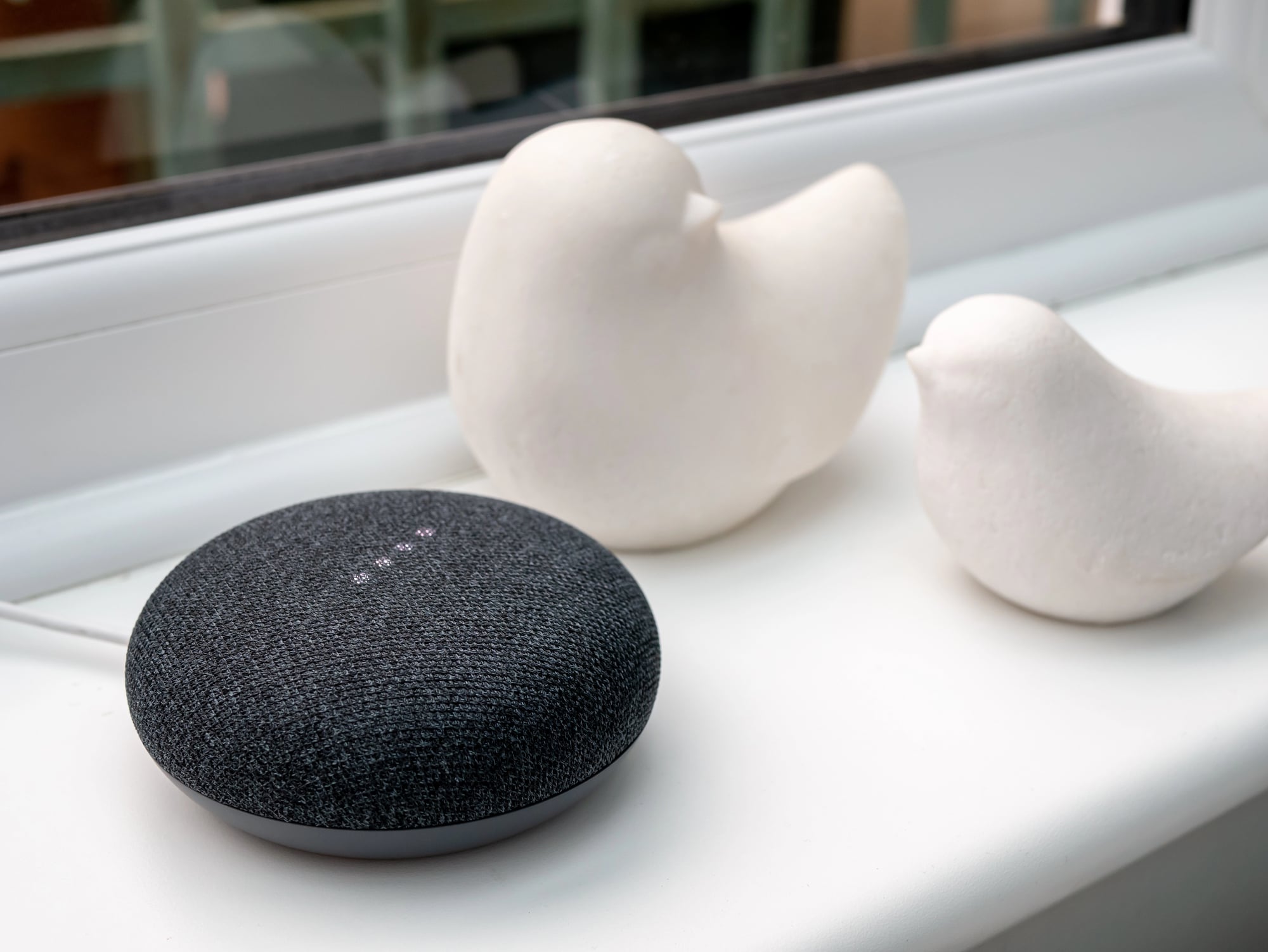
Google had to disable a key feature on millions of Home Mini devices after discovering they were recording conversations constantly. A hardware defect made the device think someone was touching its top button continuously, triggering non-stop recording.
Early reviewers noticed the problem first when they checked their activity logs and found thousands of recordings. Google sent out replacement units and remotely disabled the faulty touch controls.
Smart Ovens Turned On By Themselves

June Oven owners reported their devices preheating randomly, sometimes in the middle of the night. One user shared that they woke up to a house filled with smoke because the oven had turned on while a cutting board sat inside.
The company blamed a bug in their remote preheat feature and quickly disabled it through a software update. Several people questioned whether having an oven connected to the internet was worth the risk.
Wink Hub Suddenly Required A Subscription
After years of free service, Wink announced that users had just seven days to sign up for a monthly subscription or their smart home hubs would stop working. Customers who had paid hundreds of dollars for equipment suddenly faced recurring fees just to use devices they already owned.
The backlash was intense, with many people calling it a ransom situation. Wink eventually extended the deadline but stood by the subscription requirement.
Smart Sprinklers Flooded Yards During Rainstorms

Rachio smart sprinkler controllers experienced a weather integration failure that caused systems to water lawns during heavy rain. Homeowners watched helplessly as their yards turned into swamps while the supposedly intelligent system kept running its cycle.
The devices were meant to check local weather and skip watering during precipitation, but a server issue prevented this data from reaching the controllers. Water bills spiked and landscapes suffered before the company restored proper weather connectivity.
Sonos Speakers Bricked Older Models Remotely
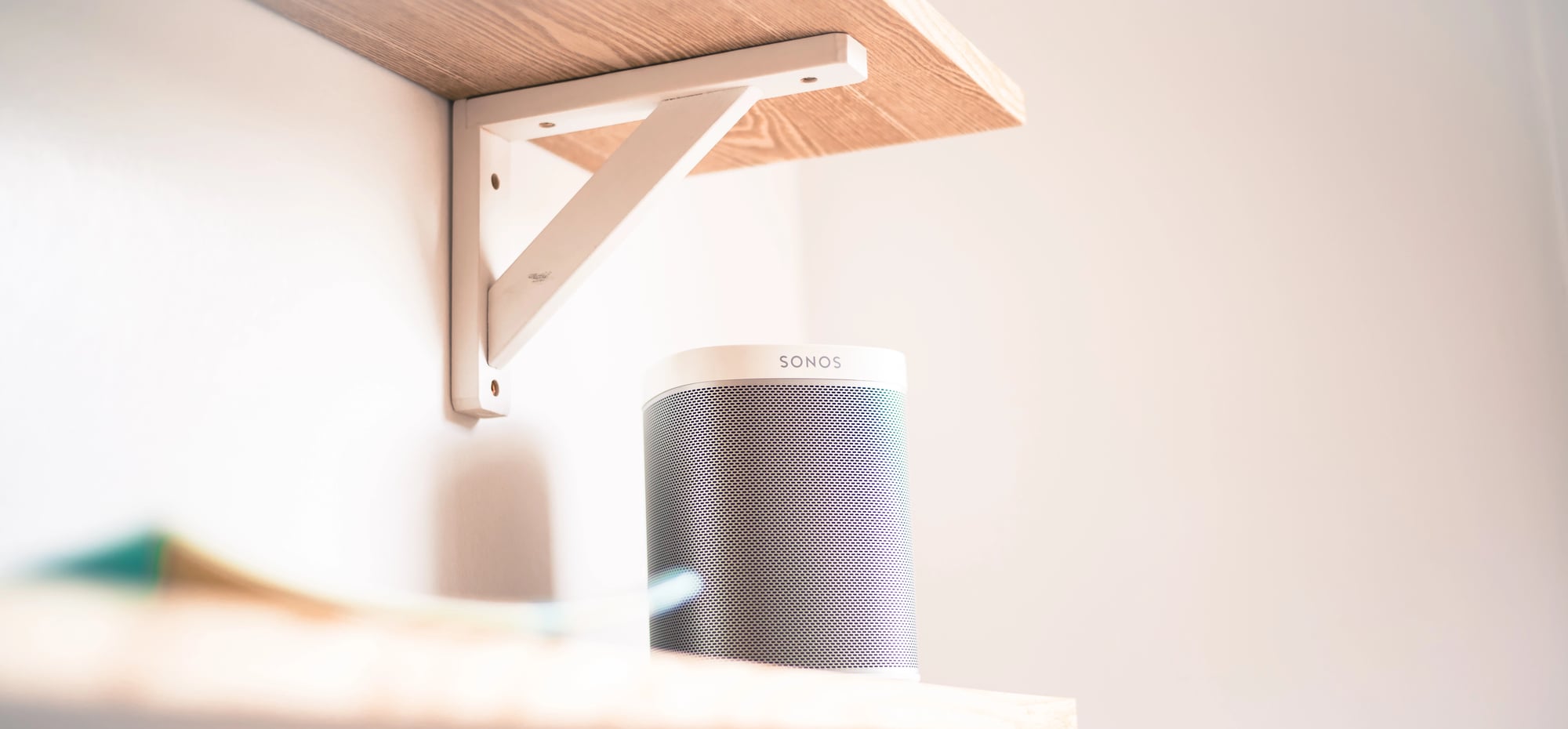
Sonos faced enormous criticism when they announced a trade-up program that would intentionally disable older speakers after a deadline. Devices that worked perfectly fine would stop receiving updates and eventually stop functioning altogether.
Customers felt betrayed that a premium audio company would force obsolescence on products people had spent significant money on. The company partially reversed course after the outcry but damaged their reputation significantly.
Smart Pet Feeders Stopped Dispensing Food
Several brands of automatic pet feeders experienced app connectivity issues that prevented them from dispensing food on schedule. Pet owners who relied on these devices during work trips came home to hungry, distressed animals.
Some feeders jammed mechanically while others simply lost their connection to the cloud and reverted to doing nothing. The incidents reminded people that backup plans remain essential even with smart technology.
Robot Vacuums Spread Dog Poop Everywhere
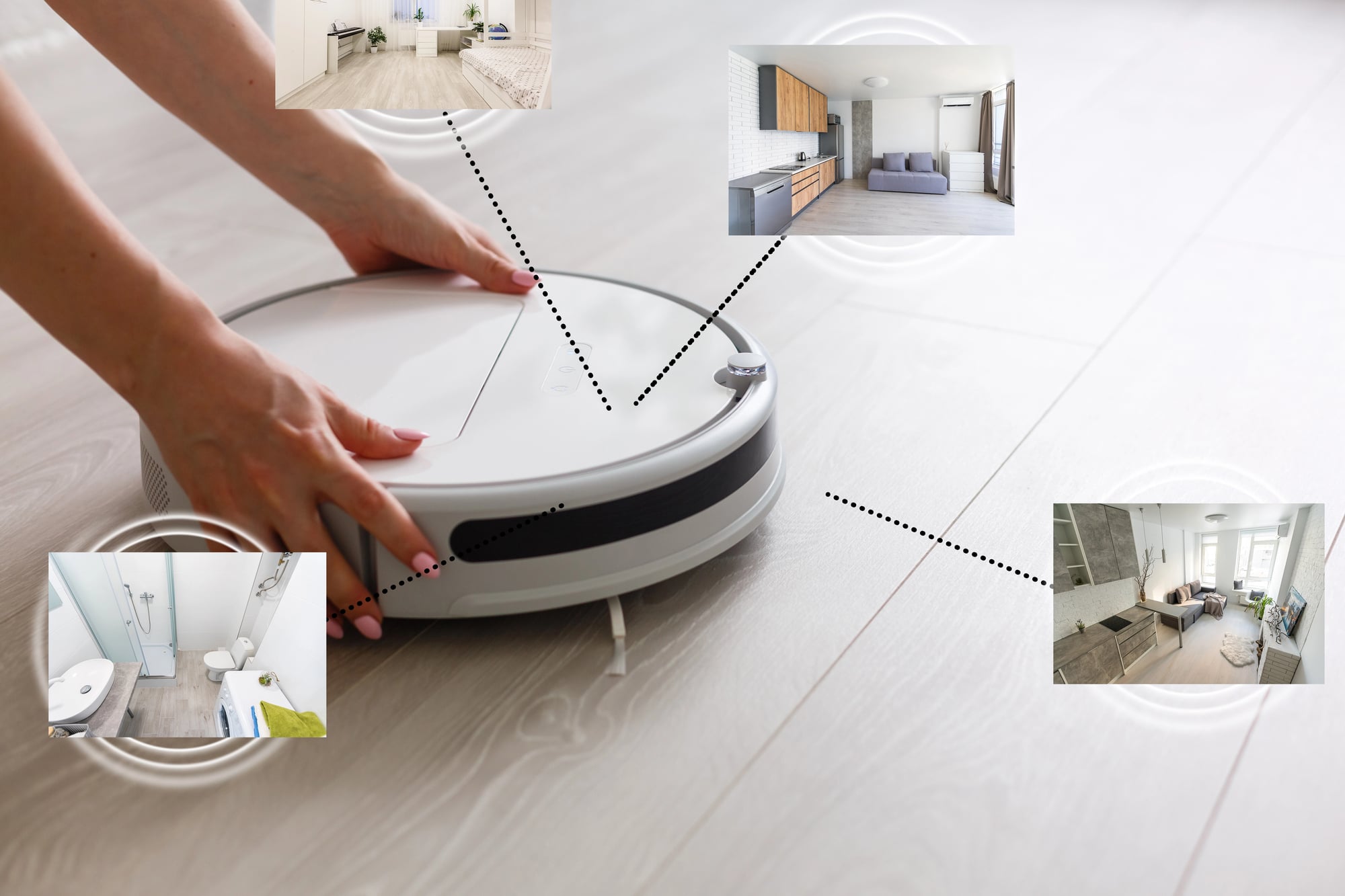
Roomba users tell tales of horror when machines rolled through pet messes, then tracked it room to room. Instead of stopping, they kept going, dragging stains across rugs, behind couches, even into closets.
It wasn’t broken code – just blind obedience doing damage. Lately, certain versions sense such obstacles before contact occurs.
Smart Speakers Sent Private Conversations To Random Contacts
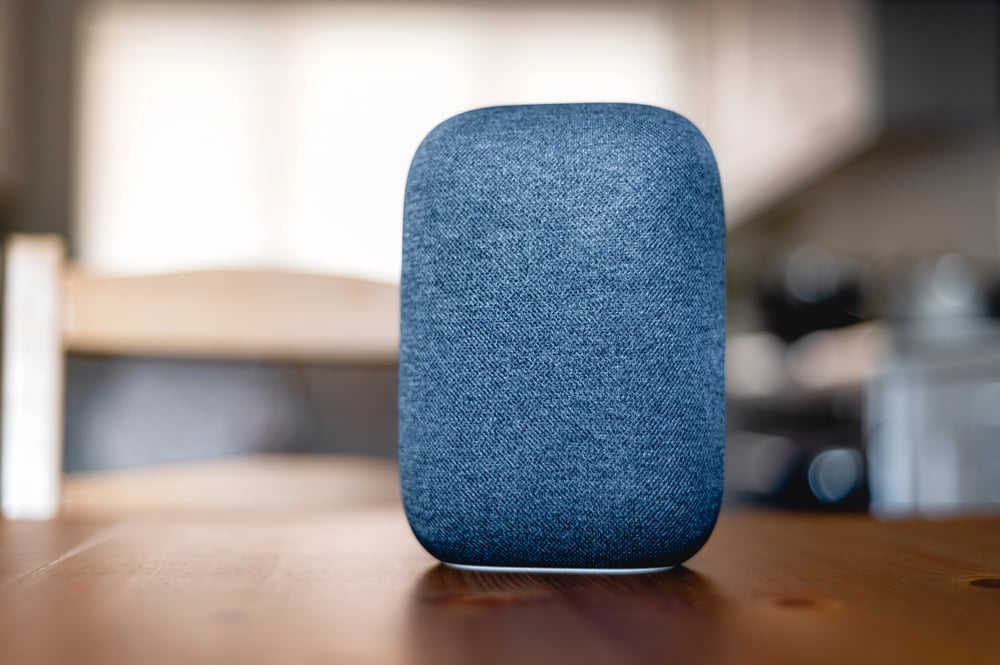
A sound clip from a pair of people talking quietly got captured by an Echo speaker, later landing in someone else’s inbox – someone they knew, but didn’t intend to call. Instead of sitting silent, the gadget thought it caught its trigger name.
Background noise then played like spoken directions, forming what looked like an order to transmit words outward. Even though neither person spoke approval, the system picked a contact, moving ahead without real permission.
Such a mix of errors should almost never line up – but did. Privacy lines blurred when hardware acted on ghost signals.
Homes now hold gadgets waiting to respond, even when humans aren’t addressing them.
Here’s Something Real To Keep Close. Think About It When Things Feel Off Track
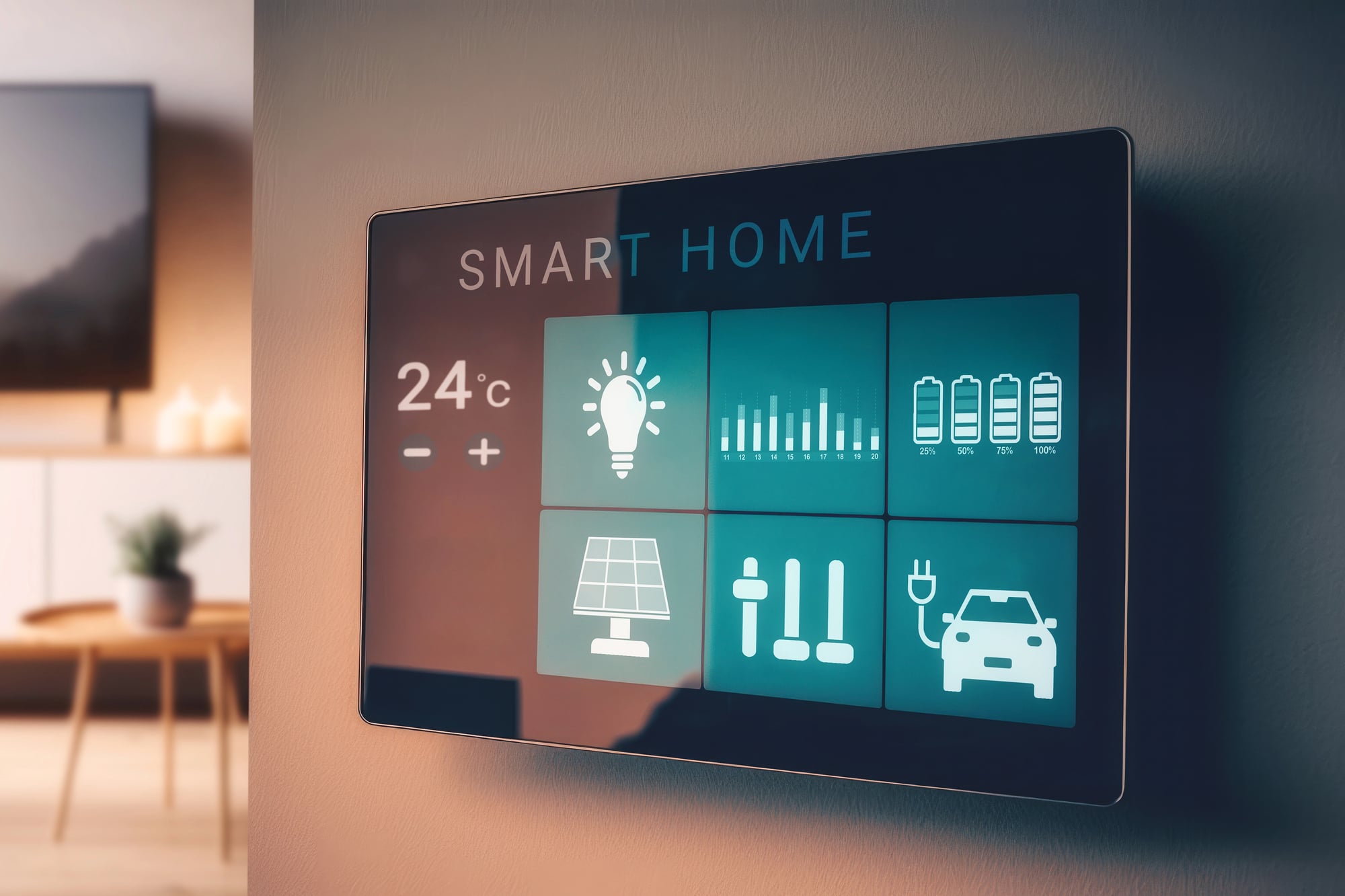
Glitches pop up now and then – proof that slick ads don’t fix real-world hiccups in home tech. When gadgets lean on web links, remote fixes, or distant data centers, they sometimes stall where old-school tools just work.
Still, many find the ease worth the occasional stumble, even if the house feels a bit clueless at times. A fallback plan with physical switches or stand-alone gear?
Not fear-driven thinking. More like staying ready when signals drop or systems freeze.
Living linked means planning ahead, not assuming everything runs smooth.
More from Go2Tutors!

- The Romanov Crown Jewels and Their Tragic Fate
- 13 Historical Mysteries That Science Still Can’t Solve
- Famous Hoaxes That Fooled the World for Years
- 15 Child Stars with Tragic Adult Lives
- 16 Famous Jewelry Pieces in History
Like Go2Tutors’s content? Follow us on MSN.