Richest Athletes and the Fortunes They Earned
Professional sports used to guarantee fame but not necessarily vast wealth. In previous decades, even sports icons would retire with a salary that would be viewed as meager by today’s measures.
Over time, television contracts, sponsorships, international marketing, and business deals created by the athletes themselves significantly changed the financial face of professional sports. This has led to a new generation of professional competitors whose financial success far surpasses their prize winnings or contracts.
The wealthiest professional athletes today did not create their fortunes solely by their success on the field, court, or ring. Rather, they leveraged their fame to create lasting business empires that continued to grow long after their competitive skills declined.
Here is a more detailed look at some of the professional athletes who leveraged their incredible skill to create some of the largest personal fortunes ever.
Michael Jordan
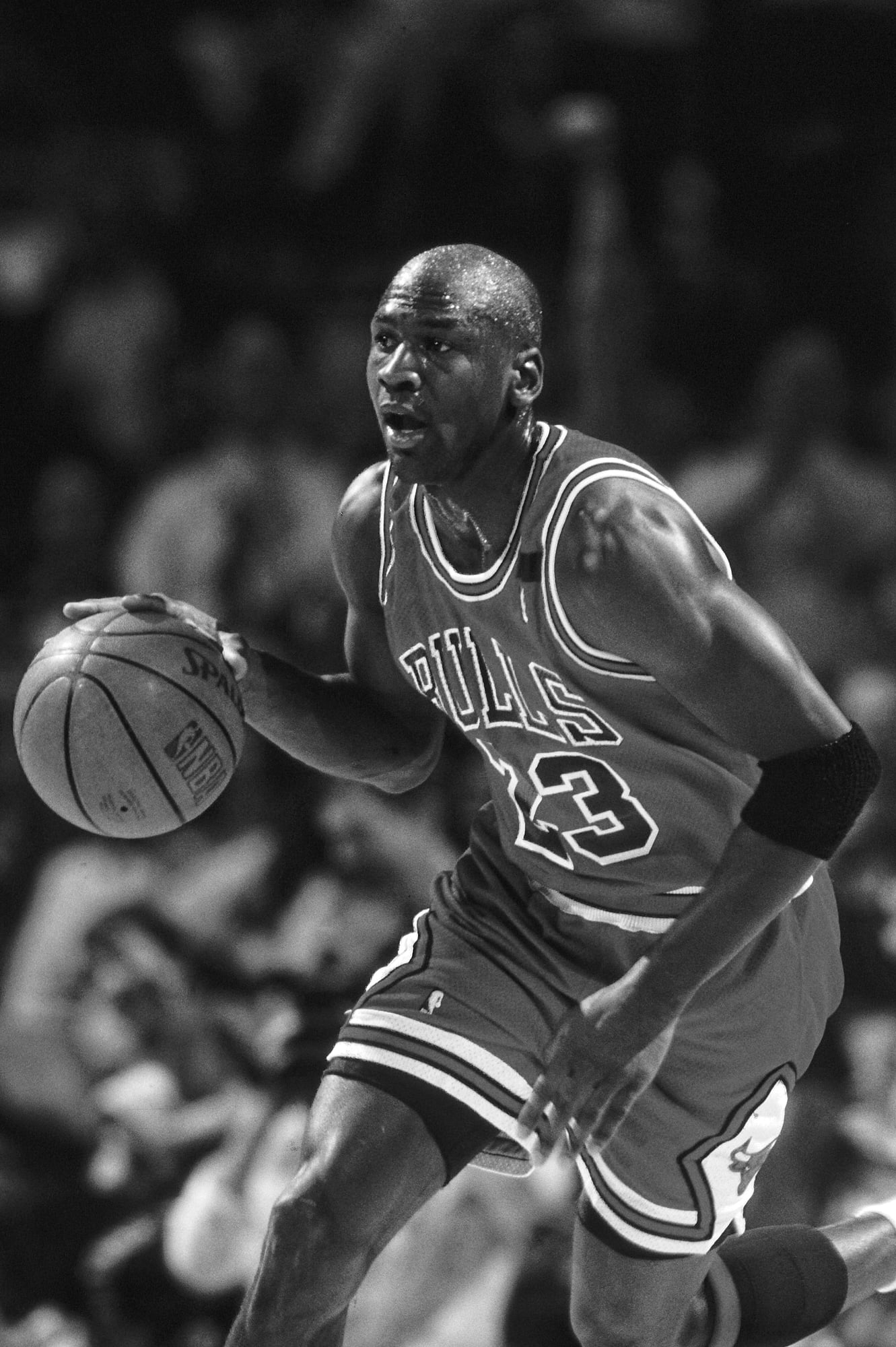
Michael Jordan’s financial success may be the most famous example of how athletic greatness can evolve into a global business empire. During his playing career with the Chicago Bulls in the 1980s and 1990s, Jordan earned impressive salaries and endorsement deals.
Yet the true scale of his fortune came from a partnership that began early in his career with Nike. The Air Jordan line of shoes and apparel quickly grew into a cultural phenomenon, eventually developing into the independent Jordan Brand within Nike.
Decades later, the brand still generates billions in annual sales. Jordan also expanded his financial reach through investments, most notably as the longtime majority owner of the Charlotte Hornets.
His combination of sports dominance, marketing power, and strategic ownership helped turn him into the first athlete widely recognized as a billionaire.
Tiger Woods
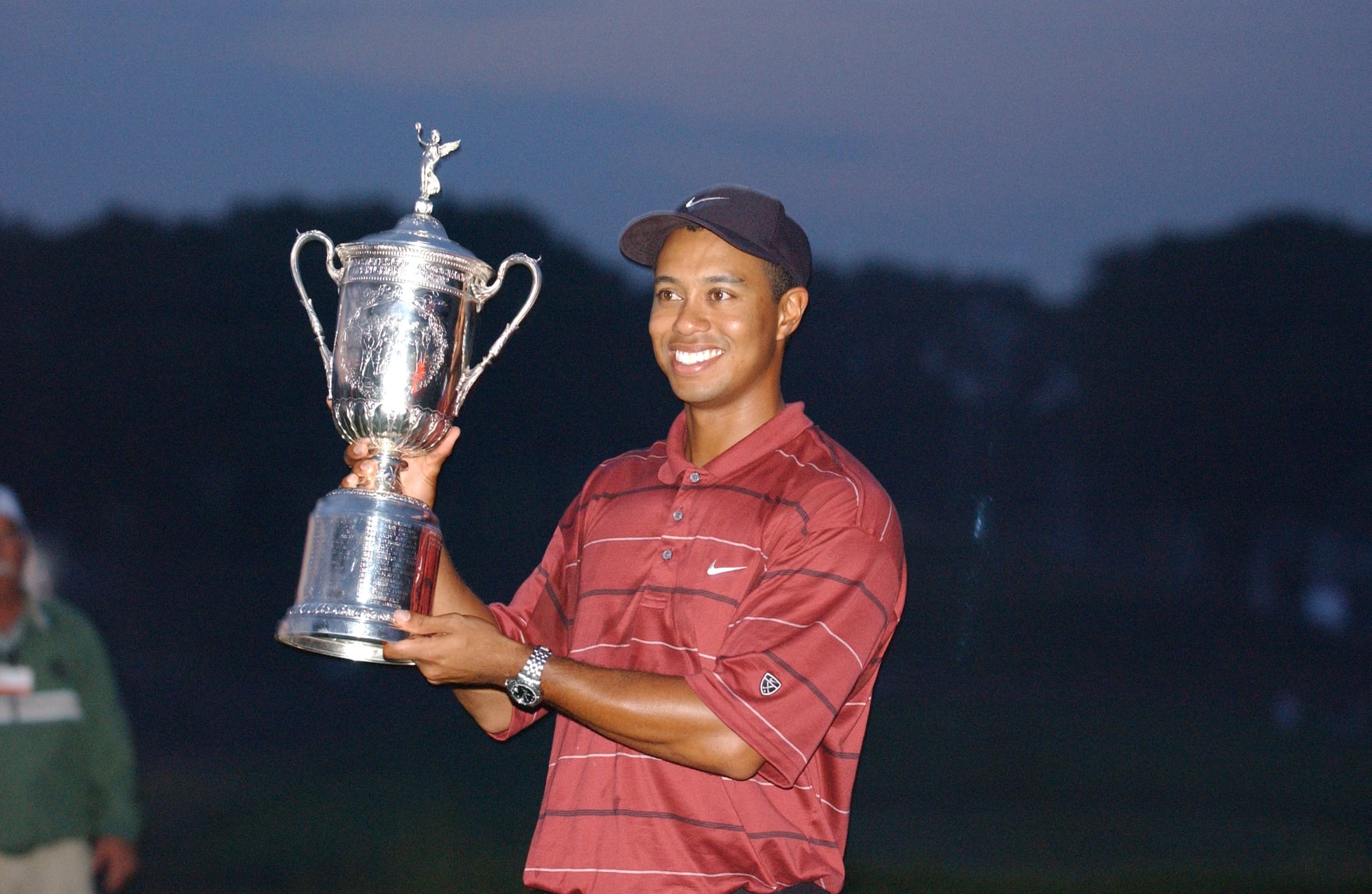
Tiger Woods reshaped both the popularity and economics of modern golf. When he burst onto the professional scene in the late 1990s, his talent and charisma attracted a new global audience to the sport.
Tournament winnings played a major role in his early financial success, but endorsement partnerships soon became the foundation of his wealth. Major brands signed Woods to long-term agreements that reflected his enormous global influence.
Companies such as Nike, Rolex, and various financial firms aligned themselves with his image, producing sponsorship income that far exceeded prize money. Even during periods when injuries limited his playing schedule, Woods continued building wealth through business ventures, golf course design projects, and long-standing brand partnerships that kept his financial standing among the strongest in sports.
Cristiano Ronaldo

Cristiano Ronaldo represents the modern global sports icon. His career across elite soccer clubs—including Manchester United, Real Madrid, and Juventus—brought record-breaking contracts and enormous international attention.
Ronaldo’s on-field performance alone generated vast earnings, but his financial success expanded dramatically through endorsements and personal branding. One of the most recognizable figures in global sports, Ronaldo built a powerful commercial presence across fashion, hospitality, and lifestyle products.
His CR7 brand includes clothing, fragrances, and hotels, turning his personal image into a diversified business platform. Social media also amplified his influence, making him one of the most followed public figures in the world.
That reach significantly increased the value of partnerships with global companies seeking access to his audience.
LeBron James
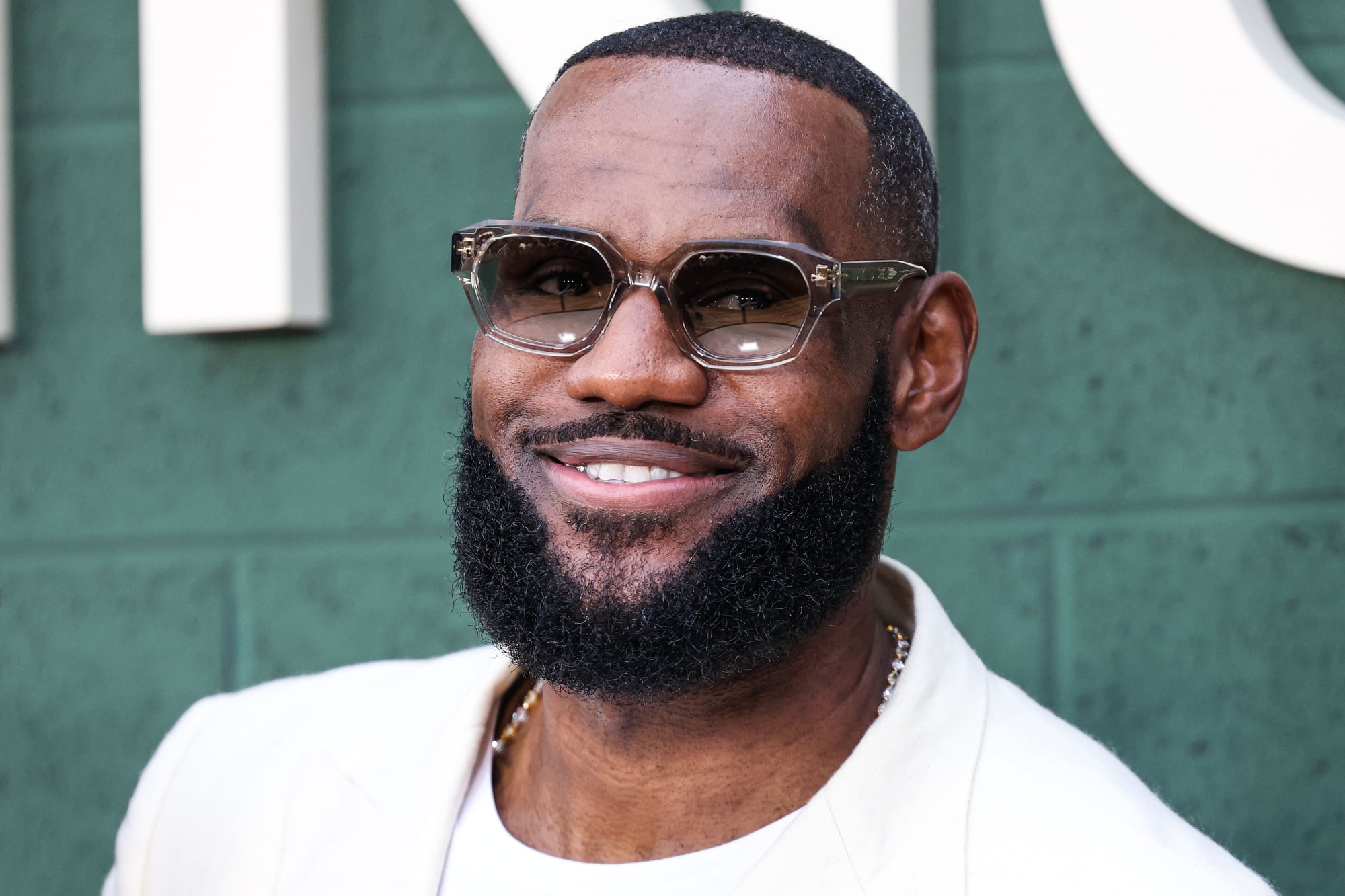
LeBron James entered the NBA as one of the most highly anticipated young players in basketball history, and he quickly proved worthy of the expectations. His career earnings from contracts with teams like the Cleveland Cavaliers, Miami Heat, and Los Angeles Lakers are enormous, yet they represent only part of his financial story.
James built a broad investment portfolio that spans entertainment, technology, and sports ownership. He co-founded a production company responsible for films, documentaries, and television projects, while also investing in businesses ranging from food chains to technology startups.
His ownership stake in the English soccer club Liverpool through Fenway Sports Group further demonstrates his long-term approach to wealth creation. By combining athletic success with entrepreneurial ambition, James created one of the most influential financial profiles in modern sports.
Magic Johnson
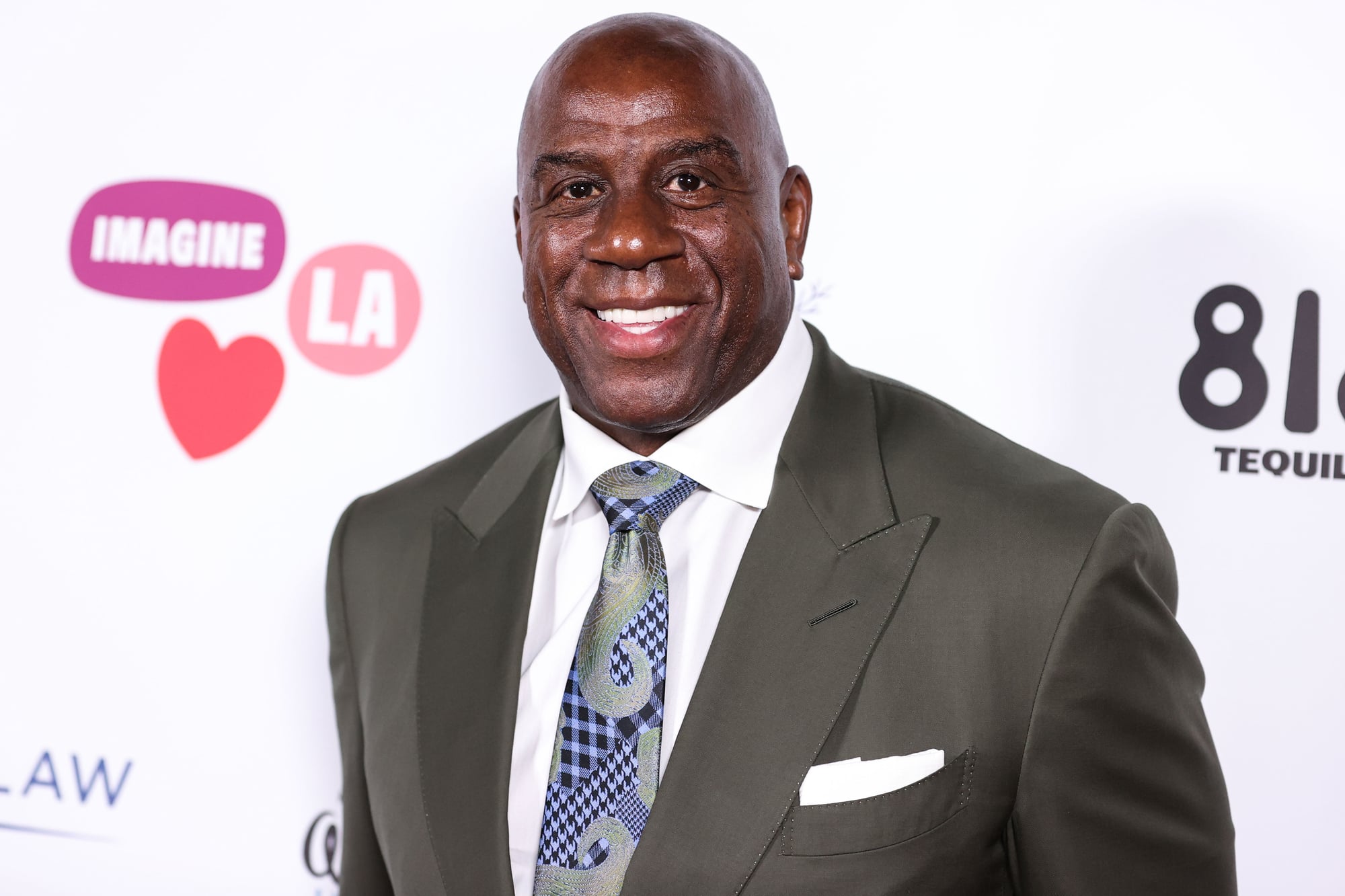
Earvin ‘Magic’ Johnson first gained worldwide fame as the charismatic leader of the Los Angeles Lakers during the NBA’s ‘Showtime’ era in the 1980s. His dazzling passing and leadership helped bring multiple championships to the franchise, making him one of basketball’s most beloved figures.
Still, Johnson’s greatest financial achievements came after his playing career ended. Rather than relying solely on endorsements, he built a large network of investments focused on underserved urban communities.
Through partnerships with major corporations and real estate ventures, Johnson developed theaters, restaurants, and retail projects in cities across the United States. His business approach emphasized long-term development and community engagement, allowing him to transform sports fame into a substantial business empire.
David Beckham
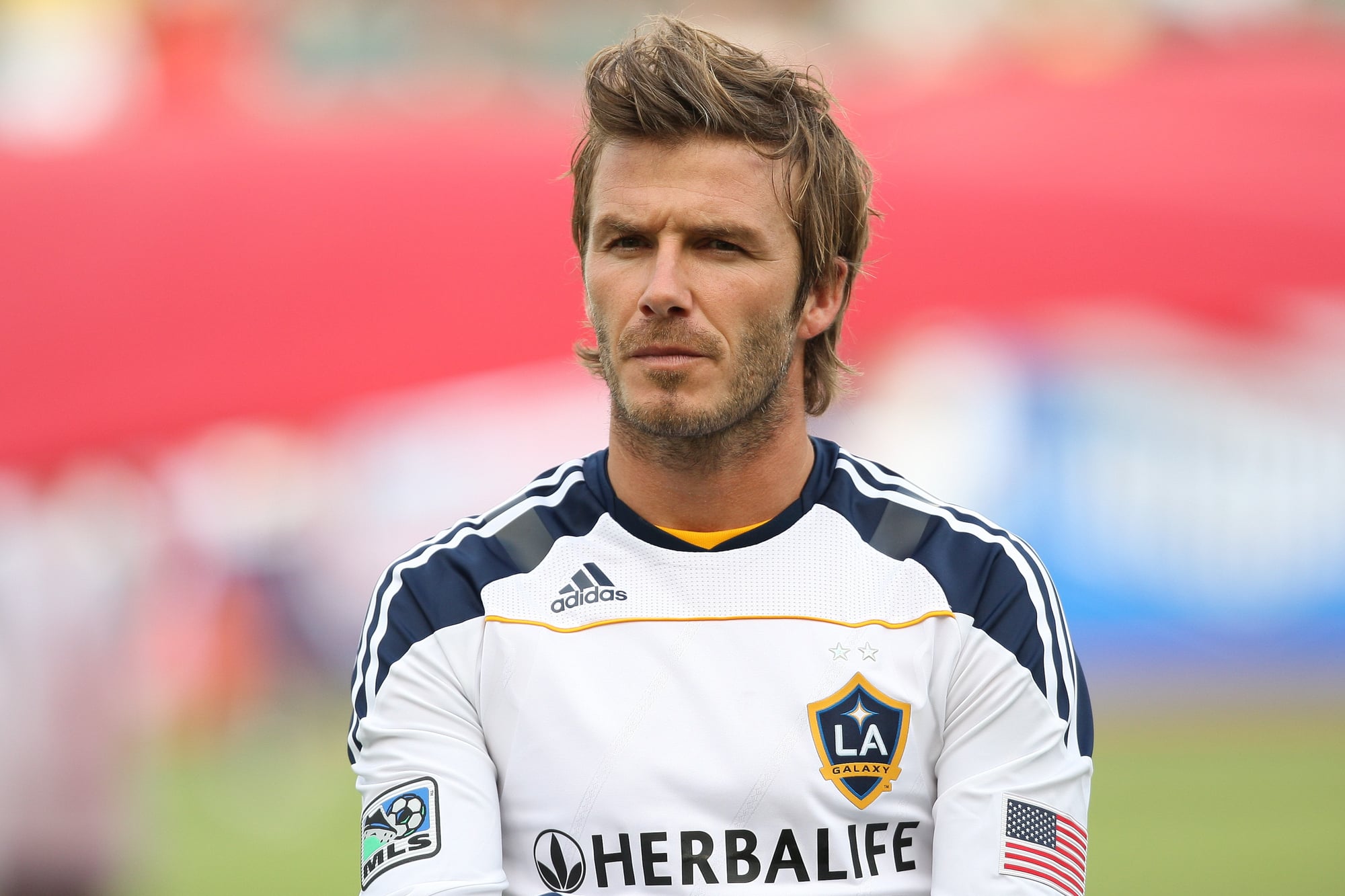
David Beckham’s playing career included major clubs such as Manchester United, Real Madrid, and LA Galaxy, but his influence extended far beyond soccer itself. Beckham’s distinctive style and global recognition made him one of the most marketable athletes of his generation.
Throughout his career, Beckham partnered with fashion brands, beverage companies, and luxury labels that valued his worldwide appeal. These endorsement agreements created a powerful personal brand that remained strong even after retirement from professional play.
Beckham also expanded into sports ownership, becoming a key figure behind Inter Miami CF in Major League Soccer. The club’s growth, along with his ongoing business ventures, continues to strengthen his financial standing years after his final match.
Roger Federer
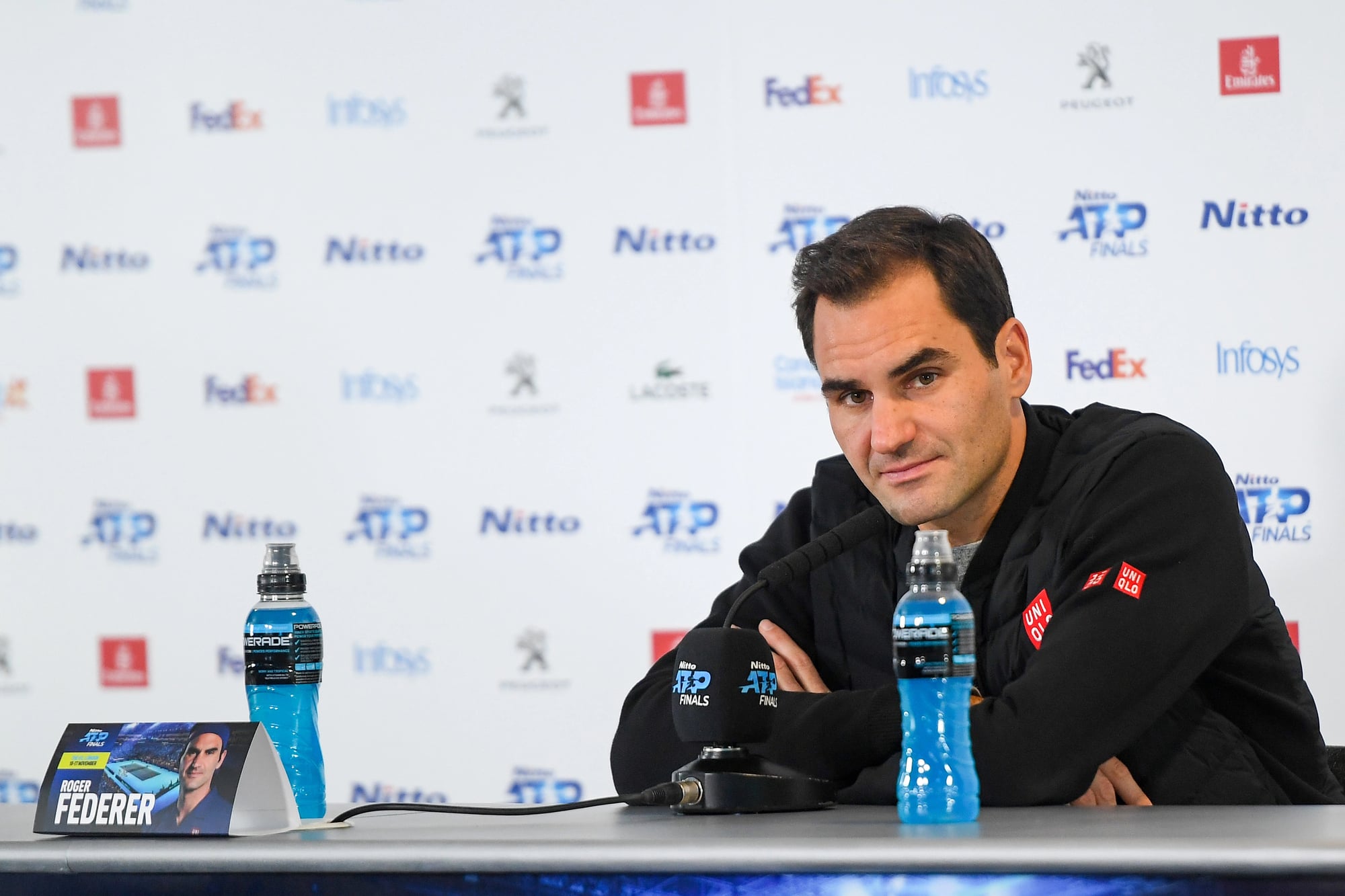
Roger Federer’s elegant style and remarkable consistency helped him become one of tennis’s most celebrated champions. Over two decades, he accumulated numerous major titles and a reputation for sportsmanship that made him widely admired by fans and sponsors alike.
Federer’s endorsement portfolio became one of the most valuable in tennis history. Partnerships with luxury and global consumer brands provided long-term financial stability that extended beyond tournament prize money.
In addition to endorsements, Federer invested in companies that aligned with his reputation for quality and innovation. One particularly notable partnership involved a fast-growing athletic footwear brand that expanded rapidly in global markets, demonstrating how carefully chosen investments can rival traditional endorsement deals in value.
Floyd Mayweather Jr.
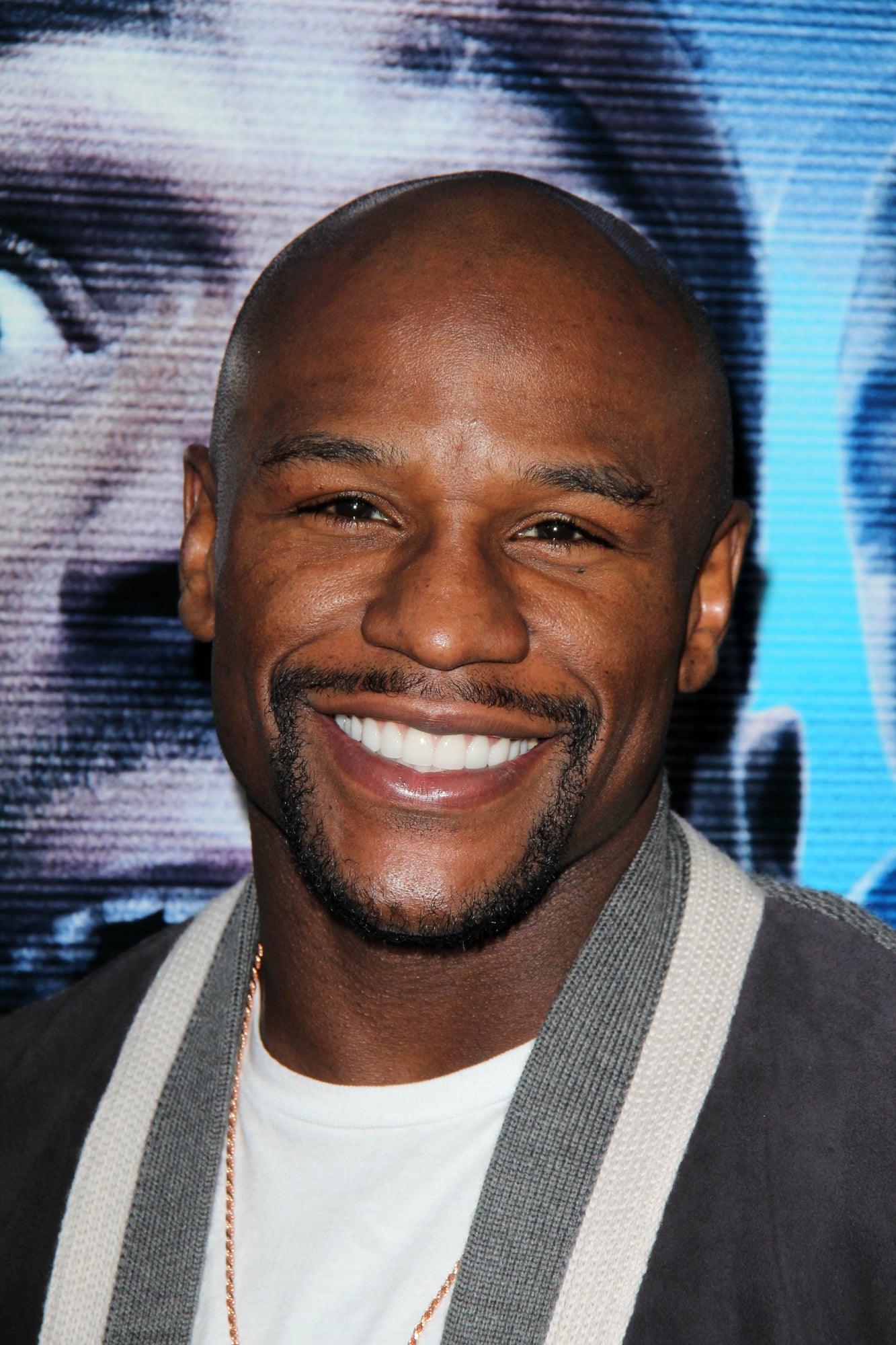
Floyd Mayweather Jr. built his fortune in one of the most financially dramatic sports environments: professional boxing. Known for his defensive mastery and unbeaten record, Mayweather developed a reputation for staging blockbuster fights that generated enormous pay-per-view revenue.
Rather than relying solely on promoters, Mayweather created his own promotional company to maintain control over his events and revenue streams. This decision allowed him to keep a significantly larger share of earnings from major fights.
Several of his bouts produced some of the highest grossing events in boxing history, drawing worldwide audiences and massive broadcast deals. His business strategy demonstrated how athlete-controlled promotion can transform competition into a powerful financial engine.
How Modern Athletes Built Business Empires

The fortunes of these athletes reflect a broader shift in how sports careers generate wealth. Earlier generations often relied mainly on salaries and prize money, which rarely produced the vast fortunes seen today.
Modern athletes operate within a global sports industry where broadcasting rights, sponsorships, and merchandise generate billions in annual revenue. Still, the most successful athletes approach wealth creation with a long-term mindset.
Strategic endorsements, investments, and ownership opportunities allow them to extend their earning power far beyond their competitive years. In many cases, their business ventures eventually surpass the income generated during their playing careers.
The Lasting Impact of Athlete Wealth

The emergence of athlete billionaires is, therefore, a reflection of something larger than their economic success. Rather, it is a reflection of how sports have grown into an important economic entity, where athletes have been able to create their brands, which have, in turn, impacted every aspect of the world’s economy, whether it is related to footwear, sports, or entertainment.
The story of these athletes is, therefore, also a reflection of an important shift in their mindset. Today’s athletes have come to view themselves as not just athletes, but as entrepreneurs who have control over their economic futures, which is why their impact is felt for so much longer than their playing days, on both sports and business.
More from Go2Tutors!

- The Romanov Crown Jewels and Their Tragic Fate
- 13 Historical Mysteries That Science Still Can’t Solve
- Famous Hoaxes That Fooled the World for Years
- 15 Child Stars with Tragic Adult Lives
- 16 Famous Jewelry Pieces in History
Like Go2Tutors’s content? Follow us on MSN.