15 Tools From the Past That Were Built to Last a Lifetime
Recalling a time when artisans made tools that were intended to outlast their creators is invigorating in our contemporary world of deliberate obsolescence. In addition to being useful, these durable works of art were also legacies that had been handed down through the years, carrying with them wisdom and stories.
These 15 outstanding tools from the past show how fine craftsmanship and long-lasting materials produced products that genuinely stood the test of time.
Cast Iron Cookware

Even though they were produced more than a century ago, cast iron pans and Dutch ovens from manufacturers like Griswold and Wagner are still highly valued items in many kitchens today. When properly seasoned, these heavy-duty cooking tools create a naturally non-stick surface and can tolerate temperatures that would ruin contemporary pans.
Cast iron cookware that belonged to their great-grandparents is still used by many families.
Hand-Cranked Egg Beaters

Hand-cranked egg beaters, with their robust gears and cozy wooden handles, made mixing chores swift before electronic mixers took over kitchens. These clever machines had well-engineered gearing systems that effectively transferred power from the hand crank to the beaters.
Since there were fewer points of failure due to their straightforward design, many of them were able to continue operating for decades.
Straight Razors
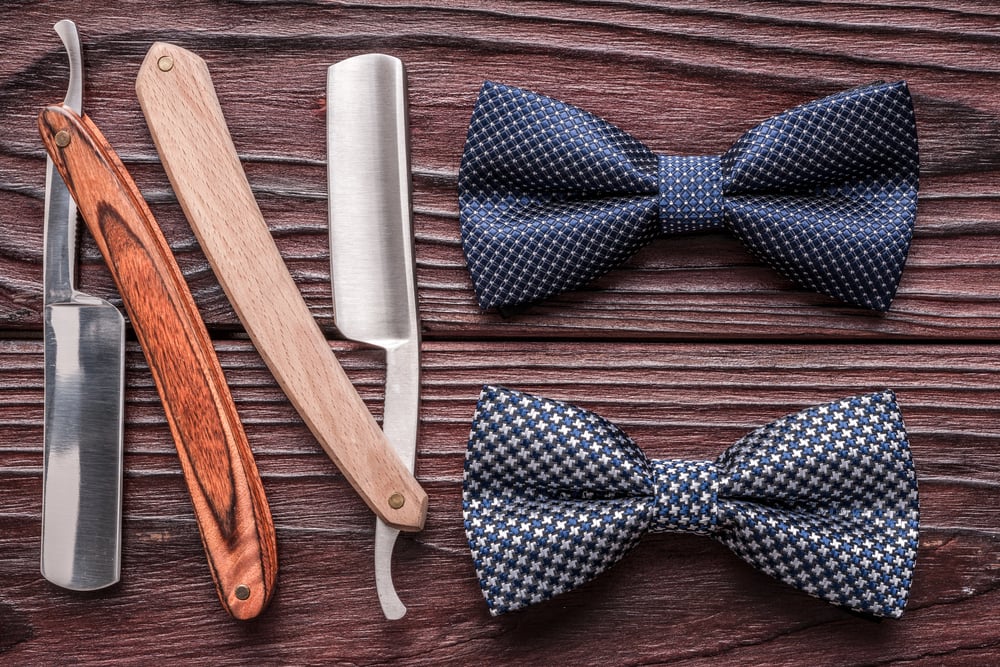
A good straight razor might last a man’s whole life and then be handed on to his son if it is kept up to date. These razors, which were constructed of high-carbon steel that kept an edge brilliantly, were sometimes matched with handles composed of hardwood, mother of pearl, or buffalo horn.
These blades’ lifespan was guaranteed by the custom of stropping and honing them, and their exquisite designs made them cherished personal possessions.
Manual Typewriters
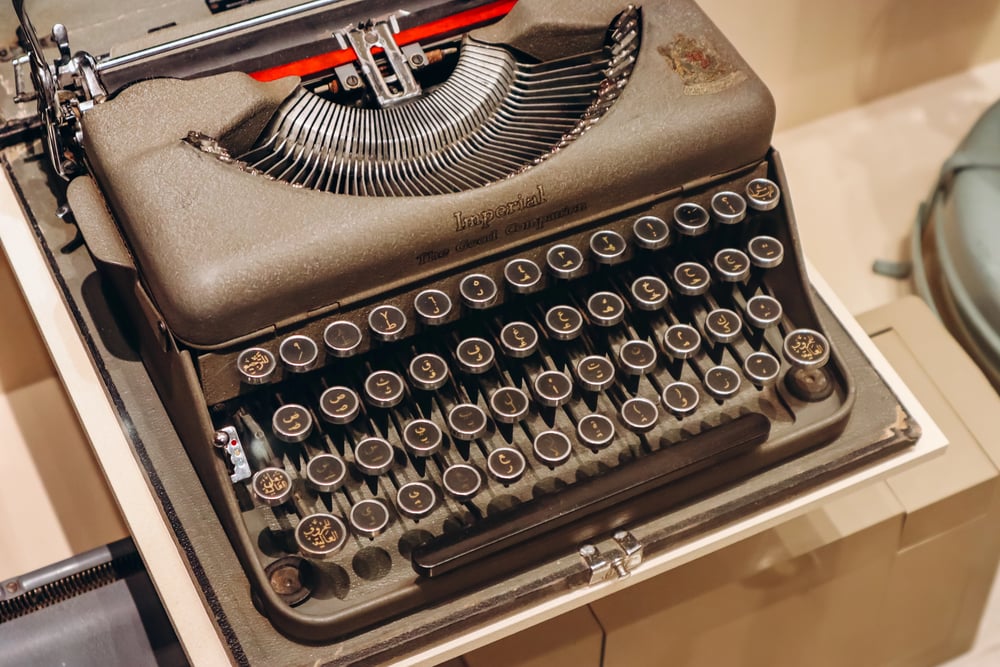
The mechanical marvels known as manual typewriters represented engineering built for perpetual service. Models from manufacturers like Underwood, Remington, and Royal featured intricate systems of levers and springs housed in nearly indestructible frames.
These machines could be maintained indefinitely with occasional cleaning and minor adjustments, unlike today’s disposable electronics.
Hand Planes
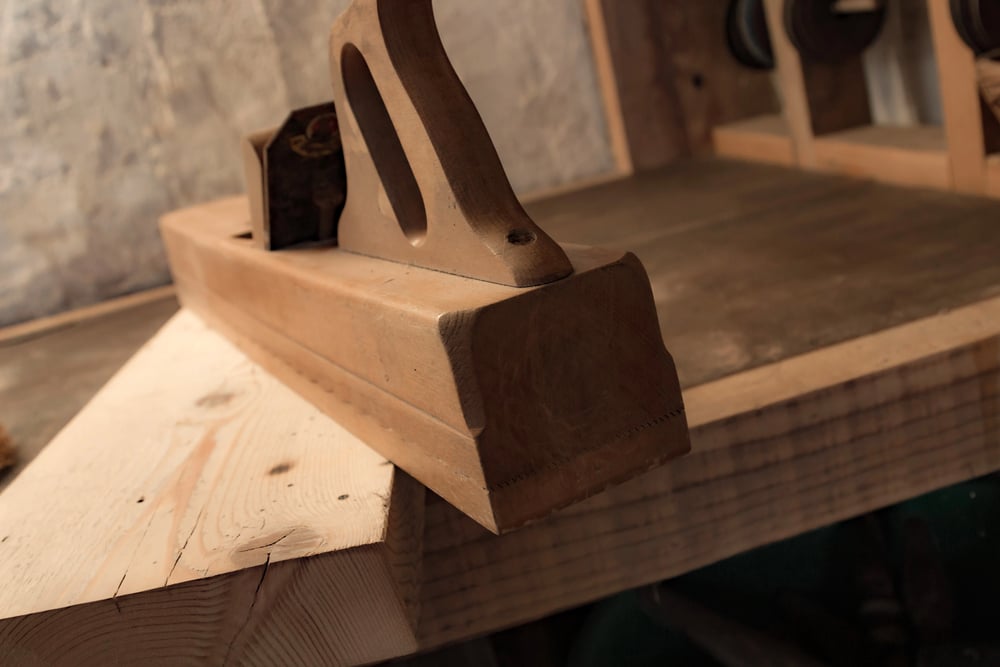
Woodworkers still seek out vintage Stanley and Bailey hand planes for their superior craftsmanship and performance. These precision tools feature bodies made from nearly indestructible cast iron and cutting blades forged from high-carbon steel.
The simplicity of their design—essentially a sharp blade held at a precise angle—meant they could be restored and resharpened indefinitely, making them practical tools for generations of craftsmen.
Mechanical Watches

Before battery-powered timepieces became commonplace, mechanical watches from makers like Hamilton, Elgin, and Waltham kept time through intricate systems of gears and springs. These precisely engineered marvels contained jeweled movements designed to run smoothly for decades with only periodic maintenance.
Many watches made in the late 19th and early 20th centuries still keep accurate time today after more than a century of service.
Oil Lamps

The little oil lamp was the ideal combination of robustness and simplicity. These illumination devices, which were made of hand-blown glass, copper, and brass, might last for generations with just fuel and wick replacement.
Even when electric illumination became available, their exquisite designs made them beloved home ornaments, and their standardized parts made them easy to maintain.
Singer Treadle Sewing Machines

The cast iron Singer sewing machines powered by foot treadles represented a revolution in home production that was built to last centuries. The heavy-duty construction and precision engineering meant these machines could sew through the toughest materials day after day.
Many families still have functional Singer machines from the 1800s, some of which have created everything from wedding dresses to quilts for five or six generations.
Hand Drills

Before power tools dominated workshops, craftsmen relied on manually operated drills with precision-made gearing systems. These elegant tools, often featuring wooden handles and brass fixtures, translated hand power into rotational force through incredibly durable mechanisms.
The simplicity of their design meant they remained functional for decades with minimal maintenance.
Anvils
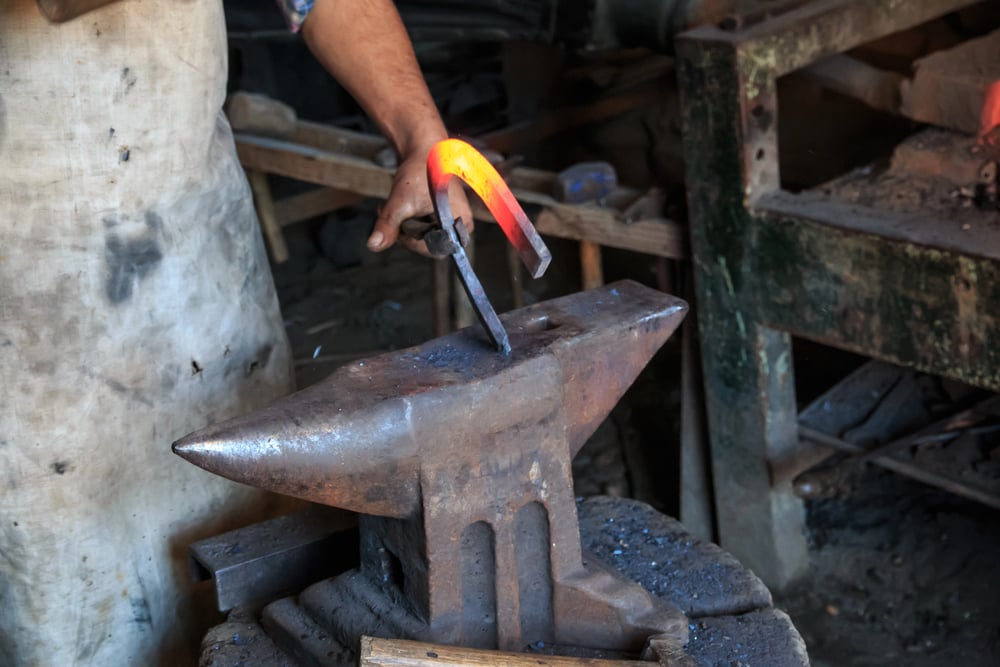
Perhaps no tool better symbolizes generational durability than the blacksmith’s anvil. Forged from solid steel or cast iron, these essential metalworking surfaces could withstand millions of hammer blows without significant wear.
Many anvils made in the 19th century bear the marks of countless projects yet remain perfectly functional today, often serving the great-grandchildren of their original owners.
Pocket Knives
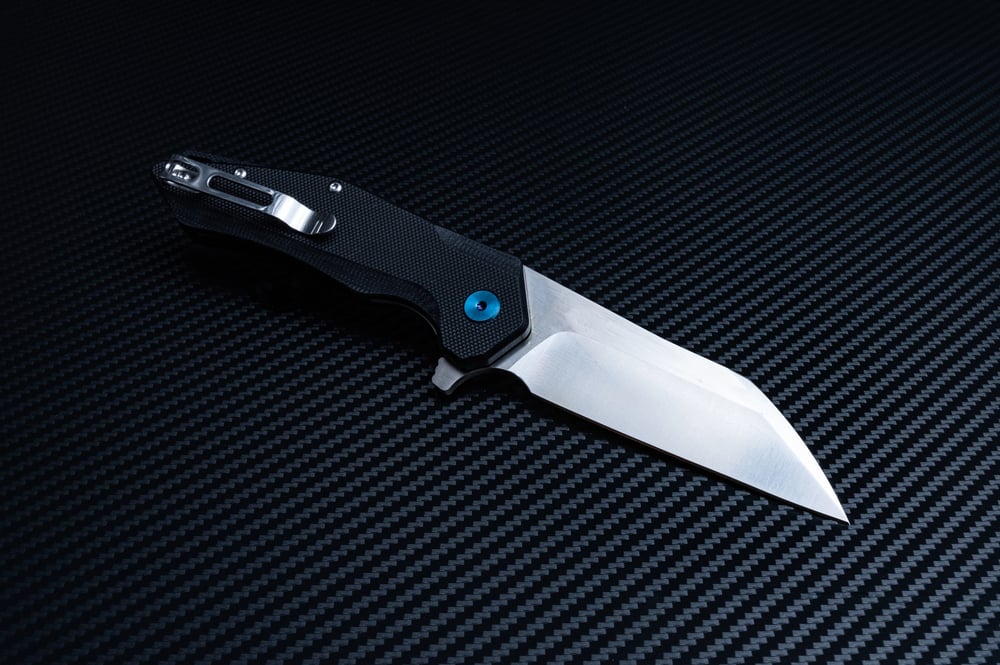
Traditional pocket knives from makers like Case, Schrade, and Buck were designed as daily companions that would last for decades. The high-carbon steel blades could be resharpened countless times, while handles made from materials like bone, wood, or stag horn developed beautiful patinas with use.
These practical tools often became treasured heirlooms, carrying the stories of their owners through time.
Hand Saws
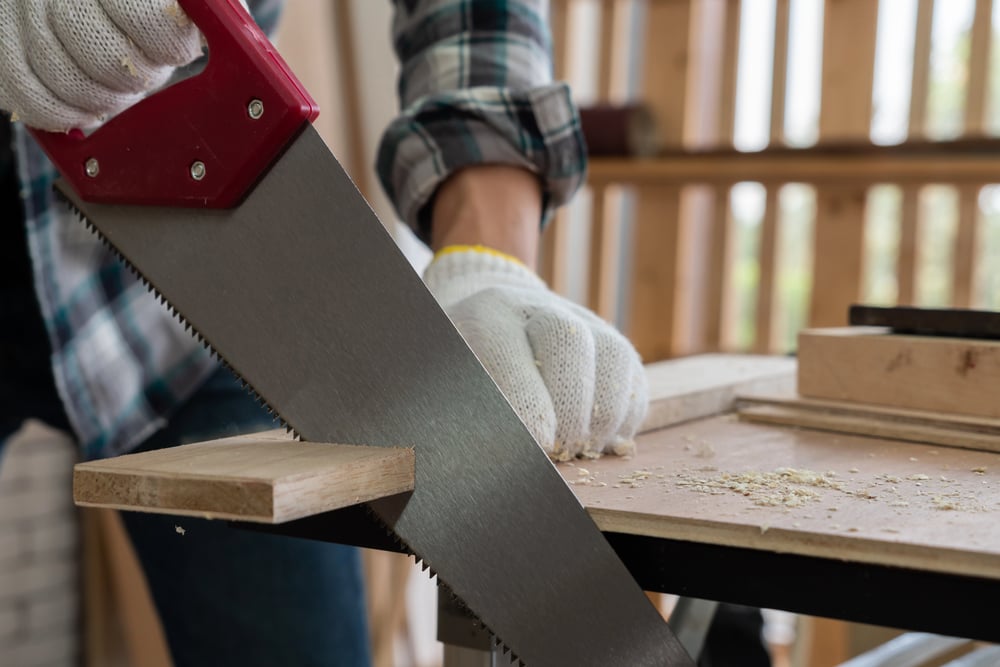
Premium saw makers like Simonds and Disston produced tools that woodworkers could depend on for years of use. Even after hundreds of hours of usage, the handles made of applewood or other hardwoods remain comfortable in the hand, and the spring steel blades may be sharpened dozens of times.
Modern counterparts find it difficult to match the ideal blend of comfort, functionality, and longevity that these tools represented.
Mechanical Pencil Sharpeners
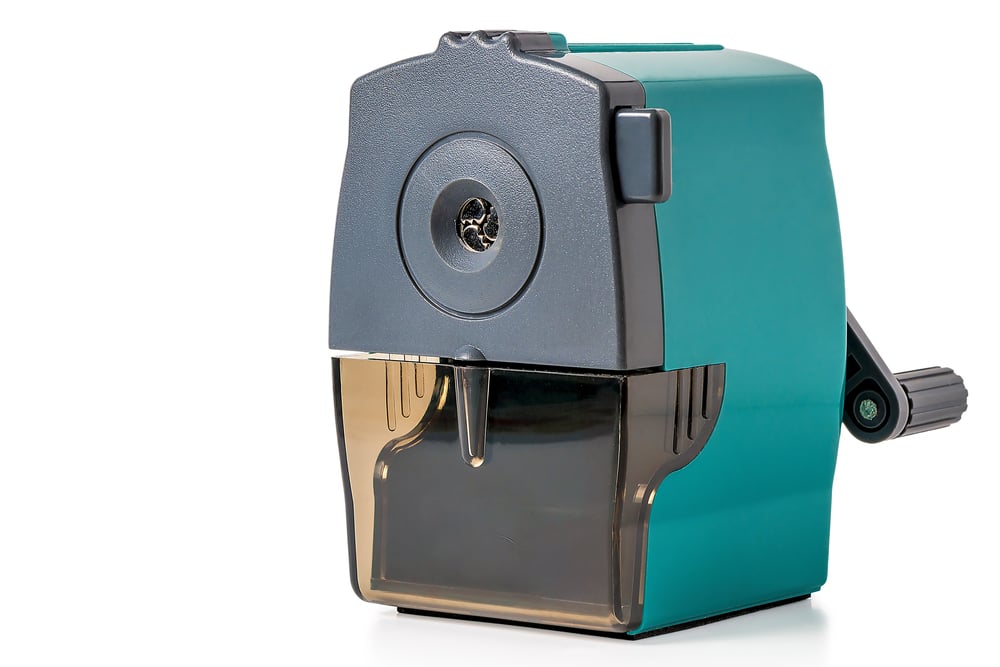
An example of engineering intended for continuous usage was the commonplace pencil sharpener that was installed on the wall in workplaces and classrooms. These straightforward devices could consistently sharpen thousands of pencils because of their precisely crafted cutting heads and nearly unbreakable cast iron housings.
With their mechanics still spinning smoothly after innumerable rotations, several early 20th-century sharpeners can still be found in vintage stores and households.
Glass Milk Bottles

Before single-use containers became the norm, milk was delivered in heavy glass bottles designed for years of reuse. These thick-walled vessels could withstand thousands of washing and sterilization cycles without breaking or wearing down.
The embossed company names and measuring marks on these bottles remain sharp even after decades, testifying to the durability of properly made glass containers.
Leather Work Boots

Premium work boots from companies like Red Wing and Thorogood were constructed using techniques and materials that allowed them to serve for decades. Full-grain leather uppers were molded to the wearer’s feet over time, while Goodyear welt construction meant the soles could be replaced when worn without damaging the upper portions.
These boots weren’t just purchased—they were invested in, with many workers wearing the same pair for 20 years or more.
The Legacy of Lasting Craftsmanship

These timeless instruments serve as a reminder that durability is about making things that are worthy of becoming a part of our history, not merely about saving money or cutting waste. An item that is well-made and long-lasting becomes more than just a tool; it becomes a bridge that unites generations by shared customs and experiences.
We might uncover a way to create a material culture that is more meaningful and sustainable if we rediscover these timeless crafting ideals.
More from Go2Tutors!

- The Romanov Crown Jewels and Their Tragic Fate
- 13 Historical Mysteries That Science Still Can’t Solve
- Famous Hoaxes That Fooled the World for Years
- 15 Child Stars with Tragic Adult Lives
- 16 Famous Jewelry Pieces in History
Like Go2Tutors’s content? Follow us on MSN.