15 Tools That Revolutionized Farming
Agriculture’s journey from primitive soil-scratching to satellite-guided operations represents one of humanity’s most remarkable technological progressions. What started as desperate attempts at survival has morphed into a sophisticated industry where precision meets productivity on an unprecedented scale. Century after century, innovative minds tackled farming’s biggest challenges—boosting yields while reducing backbreaking labor.
These 15 groundbreaking tools didn’t merely assist farmers; they fundamentally rewrote agriculture’s playbook.
The Plow
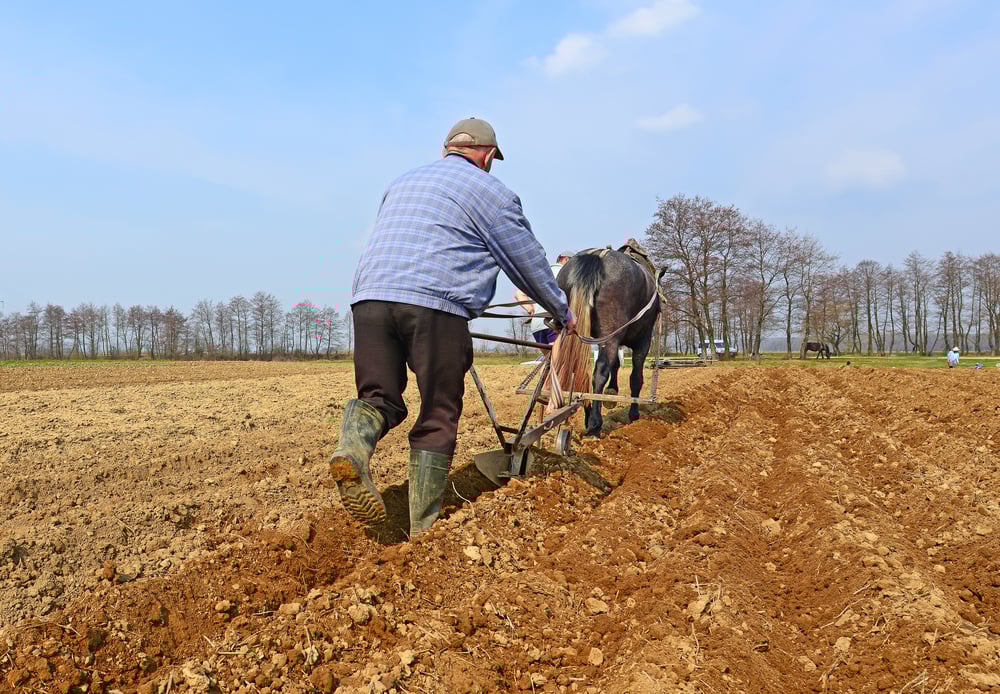
Ancient civilizations around 3000 BCE discovered something revolutionary—breaking up hardened earth with a simple plow made cultivation infinitely easier than using bare hands or sticks. Though it appears rudimentary by today’s standards, this tool established the foundation for organized agriculture that could actually feed growing populations.
The Scythe
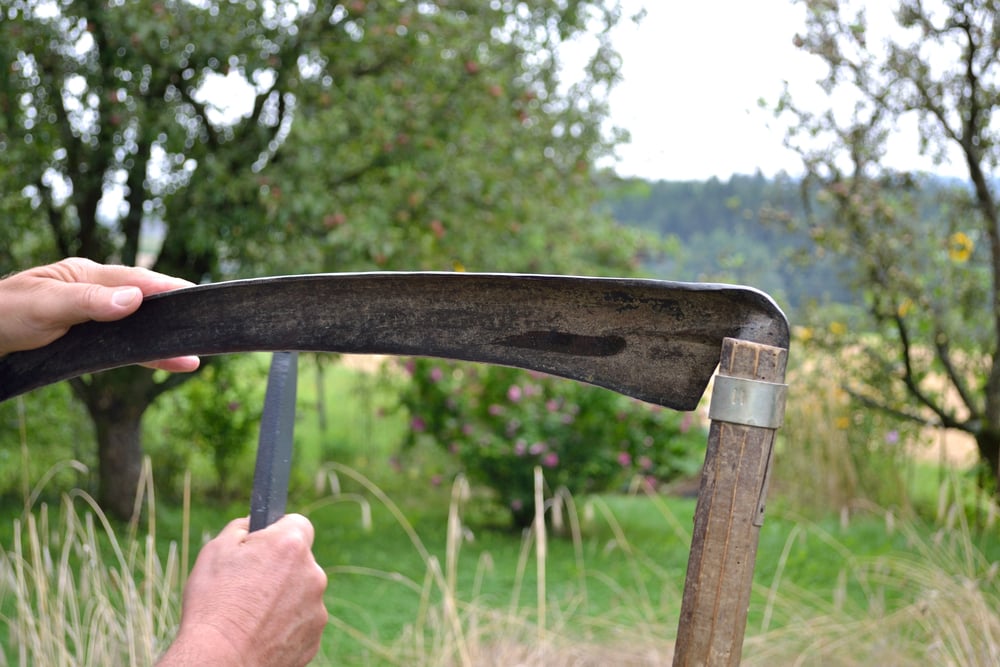
Medieval European farmers finally caught a break when the scythe arrived—ending their reliance on those tiny, exhausting hand sickles that made grain harvesting feel endless. Its gracefully curved blade transformed harvest season from dreaded drudgery into work that could actually be completed efficiently across larger fields.
The Seed Drill
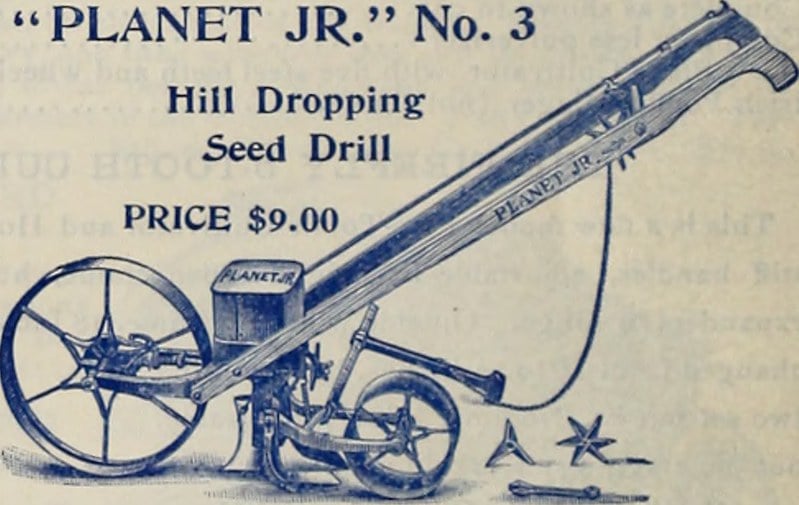
Jethro Tull’s 1701 breakthrough eliminated the wasteful chaos of broadcasting seeds wherever they happened to land. This precision device placed seeds at optimal depths and spacing—resulting in dramatically improved germination rates while conserving valuable seed stock that farmers couldn’t afford to waste.
The Cotton Gin
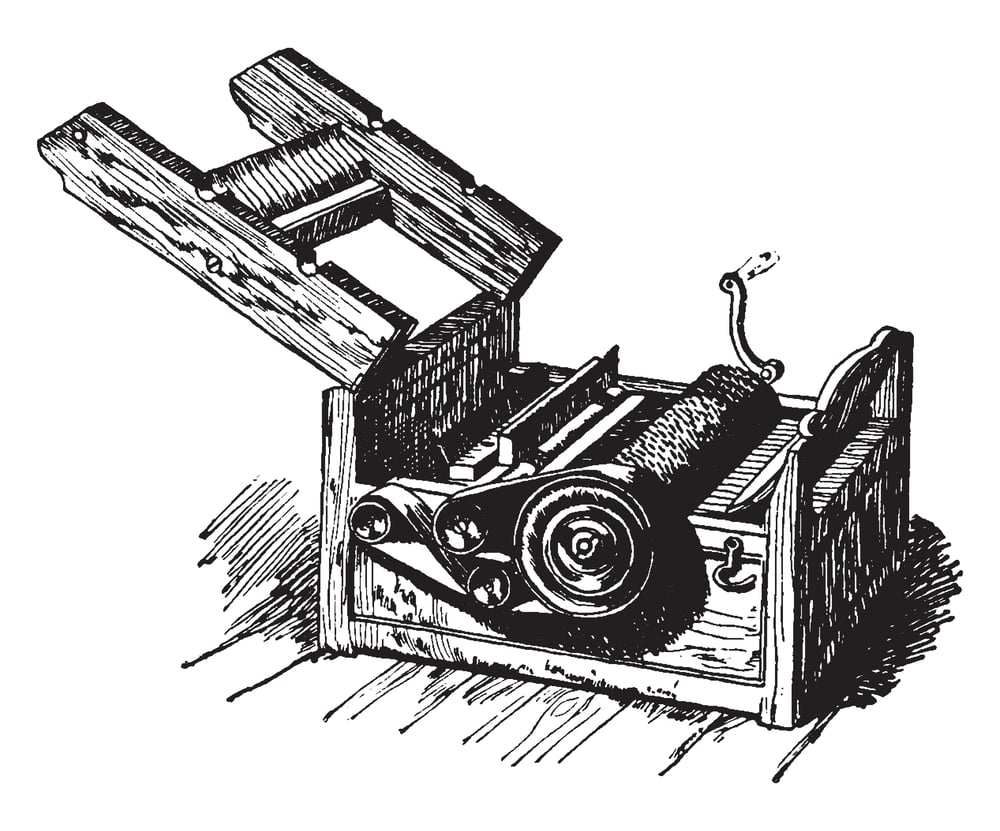
When Eli Whitney introduced his gin in 1793, cotton processing shifted overnight from day-long manual torture to tasks completed within hours. Separating stubborn seeds from cotton fibers had consumed entire workdays—suddenly becoming almost effortless with mechanical assistance.
The Mechanical Reaper
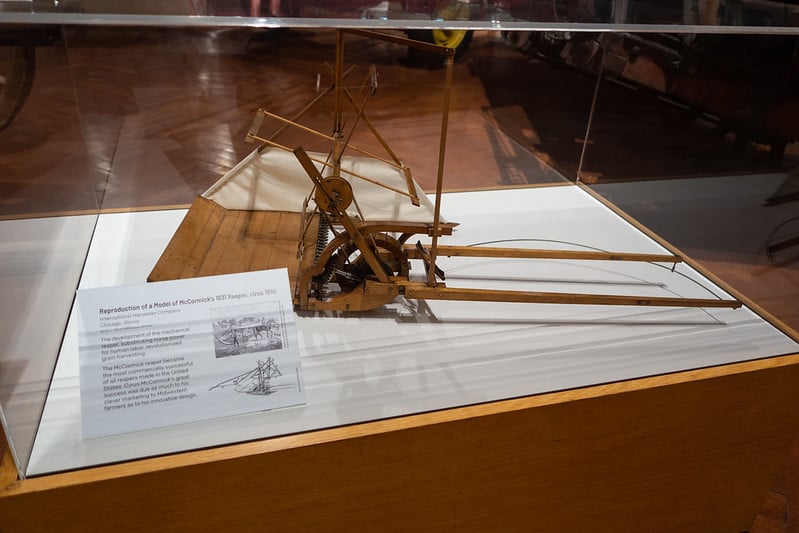
McCormick’s 1830s innovation meant harvest crews could finally shrink from five exhausted workers down to a single operator managing a horse-drawn machine. What once demanded multiple people wielding scythes under blazing sun became manageable work that one person could handle efficiently.
The Steel Plow
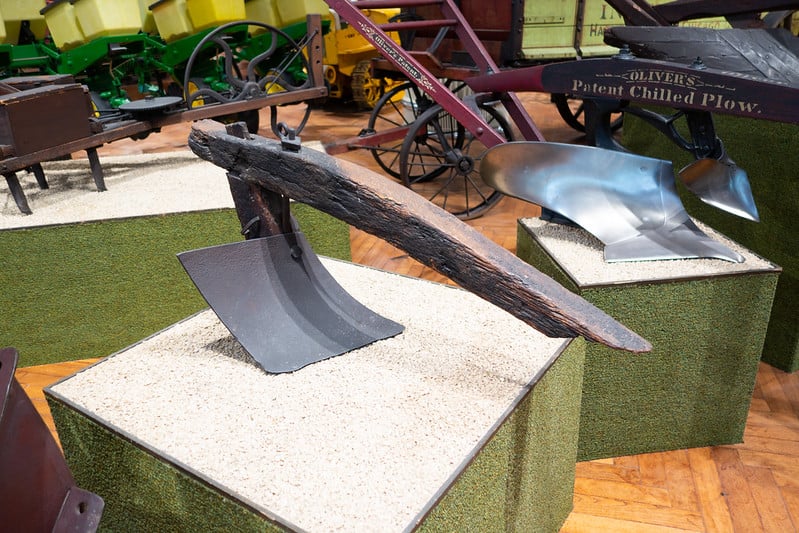
Midwestern prairie soil had a nasty habit of clinging to traditional iron plowshares—clogging them beyond usefulness until John Deere’s polished steel design sliced through tough sod effortlessly. America’s agricultural heartland suddenly became viable farmland rather than an impossible challenge.
The Disc Harrow
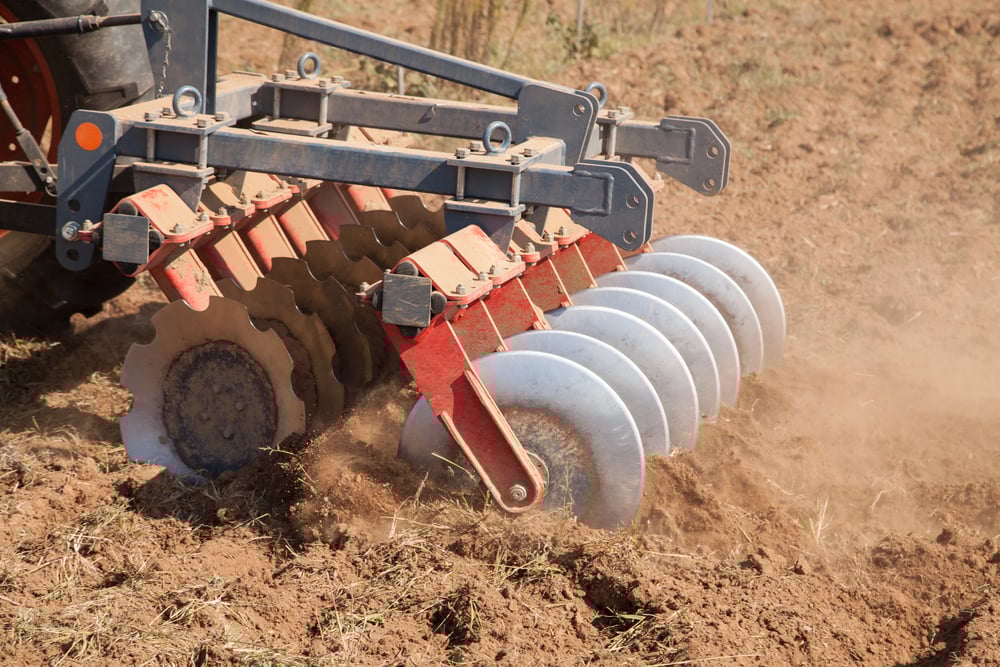
Breaking soil was only half the battle—smoothing it for planting required something better than primitive spike-tooth harrows that left fields lumpy and uneven. Steel disc harrows chopped through clods while incorporating crop residue, creating ideal seedbeds with far less effort.
The Combine Harvester
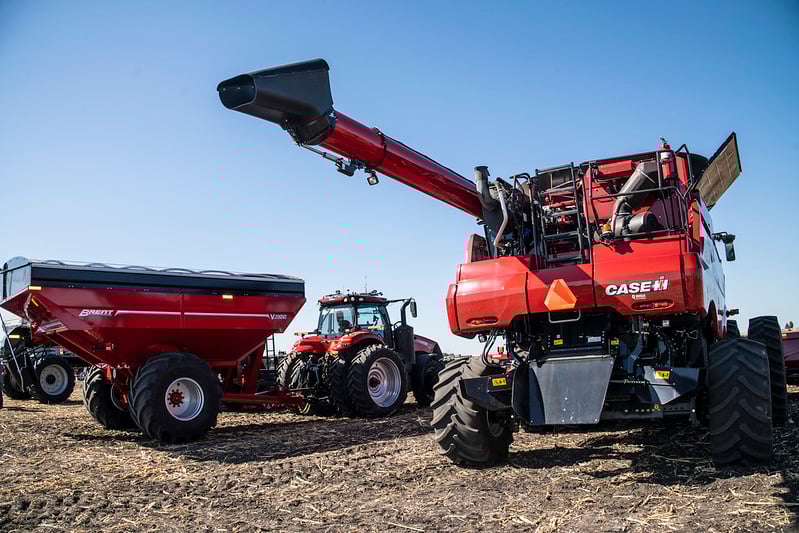
Traditional grain harvesting demanded three separate operations: reaping, threshing, then winnowing to separate grain from chaff. This mechanical marvel condensed all three steps into one continuous process—revolutionizing harvest efficiency during those critical time-sensitive windows.
The Tractor
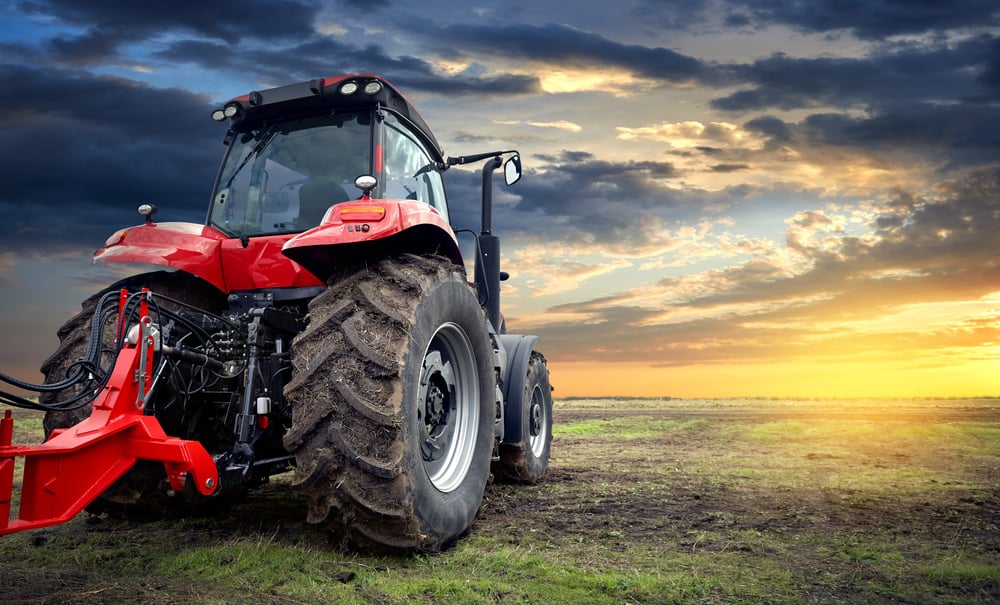
Early 1900s farming reached a turning point when gasoline engines began replacing horses that needed constant feeding, rest, and veterinary care. These mechanical powerhouses could pull implements tirelessly across fields while providing consistent strength for any agricultural task.
Chemical Fertilizers
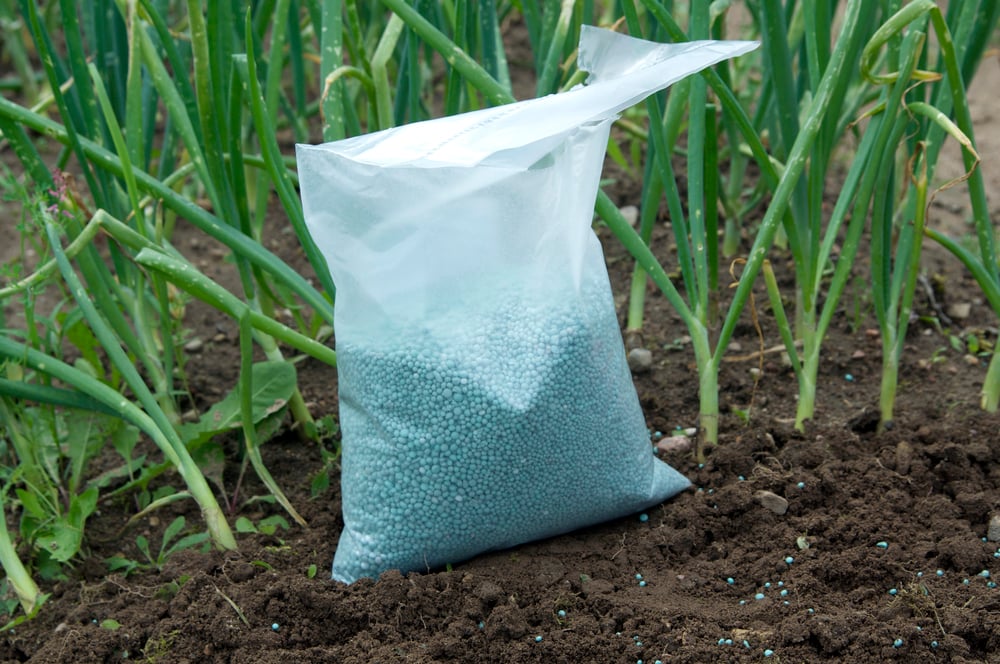
Before synthetic nutrients became available, farmers depended entirely on crop rotation schedules and limited animal manure supplies—severely restricting their productivity potential. Concentrated nitrogen-based fertilizers unlocked intensive cultivation methods that could produce substantially more food from existing acreage.
Irrigation Systems
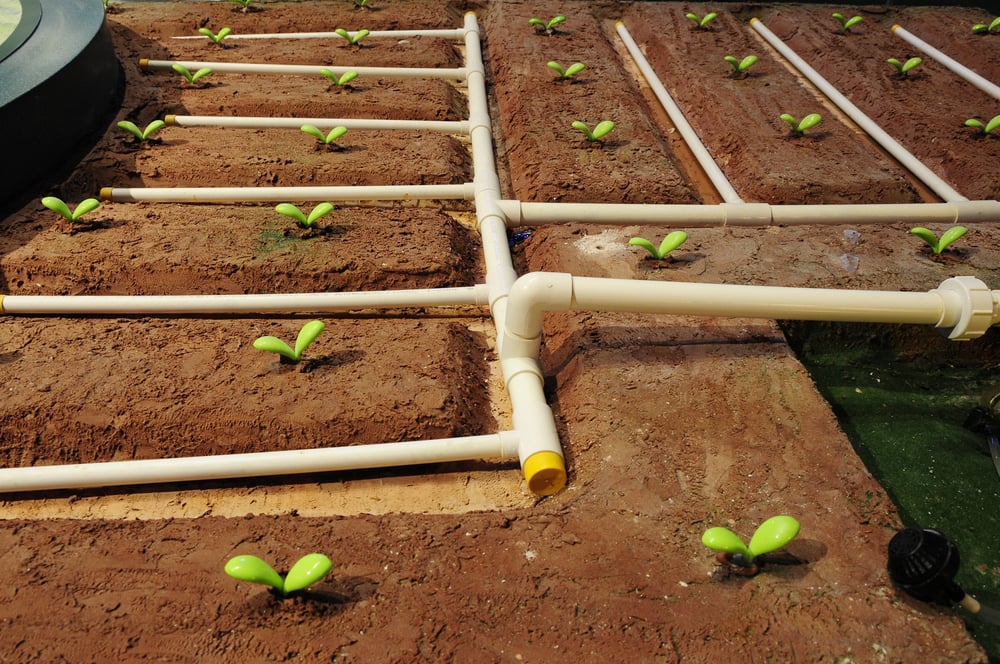
Unpredictable rainfall patterns left many regions unsuitable for reliable crop production until sophisticated water delivery systems changed everything. Controlled irrigation transformed arid landscapes into productive farmland, though it required significant infrastructure investments that many areas still can’t afford.
The Manure Spreader
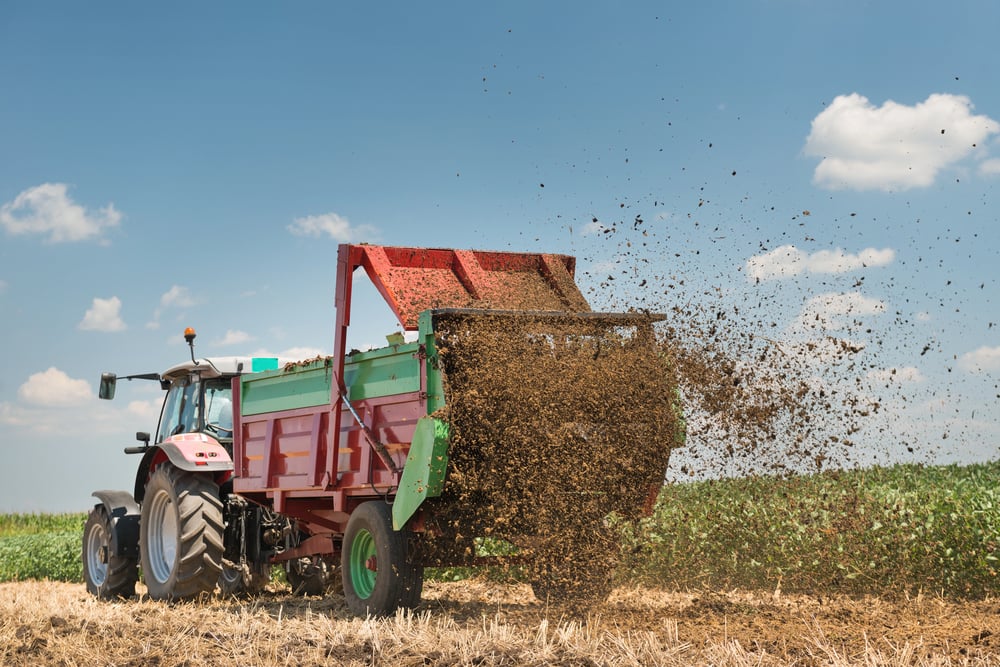
Distributing organic matter by hand across large fields was exhausting, time-consuming work that consumed weeks of valuable labor each growing season. Mechanical spreaders eliminated this drudgery while ensuring even application that improved soil fertility more effectively than random manual distribution.
Pesticide Sprayers
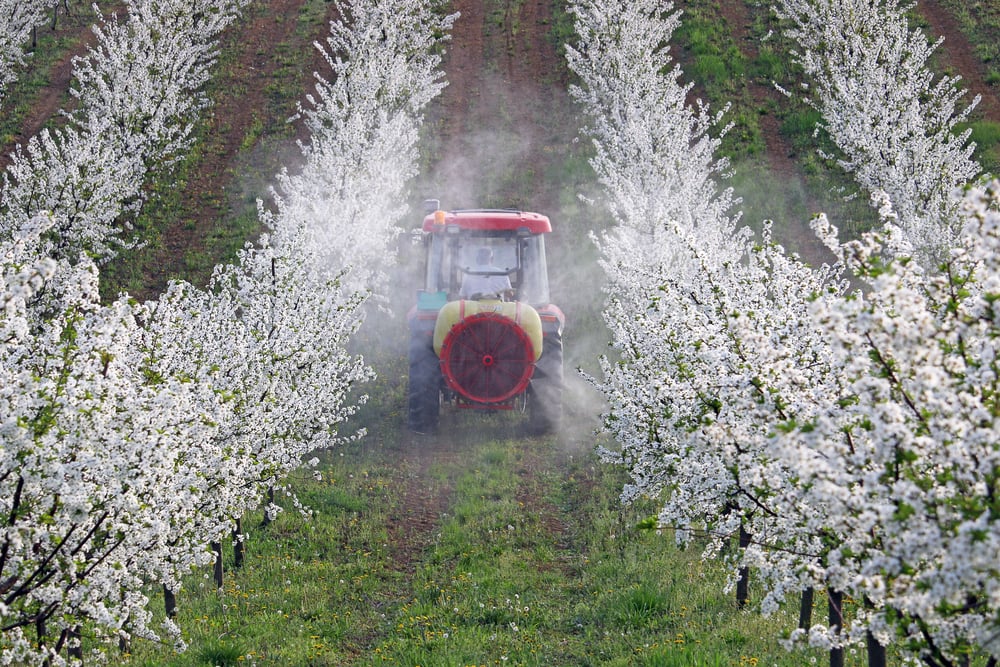
Protecting crops from destructive insects and diseases on foot simply wasn’t practical across commercial-scale operations. Mounted spraying equipment allowed wide-area chemical applications that dramatically reduced crop losses, though environmental concerns about pesticide use continue generating debates today.
GPS Guidance Systems
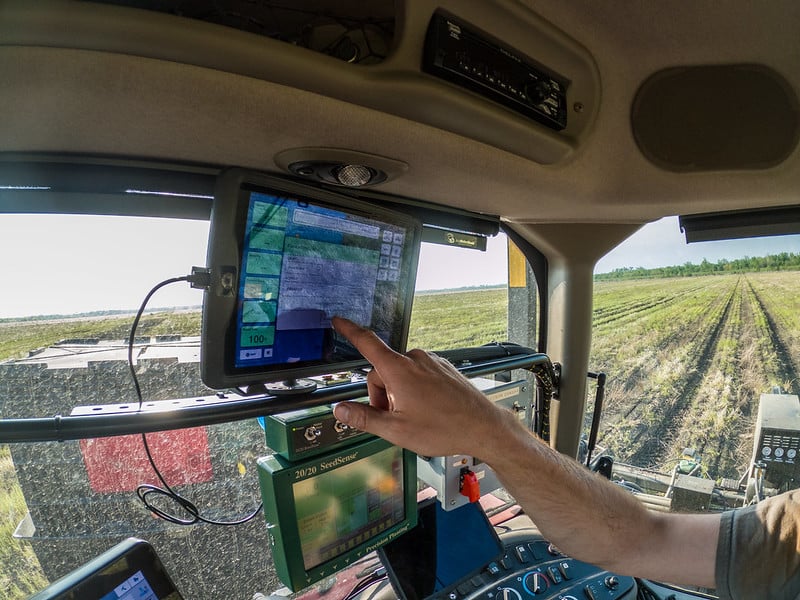
Satellite technology brought unprecedented precision to field operations as GPS-guided machinery began following exact predetermined paths. Modern farmers can now minimize costly overlap while reducing input waste, achieving accuracy levels that seemed like science fiction just decades ago.
Automated Milking Systems

Dairy operations underwent radical transformation when robotic systems began handling repetitive milking tasks without human supervision. These sophisticated machines monitor animal health continuously while maintaining consistent milk quality, though they’ve also reduced employment opportunities in rural dairy communities.
From Simple Beginnings to Complex Solutions
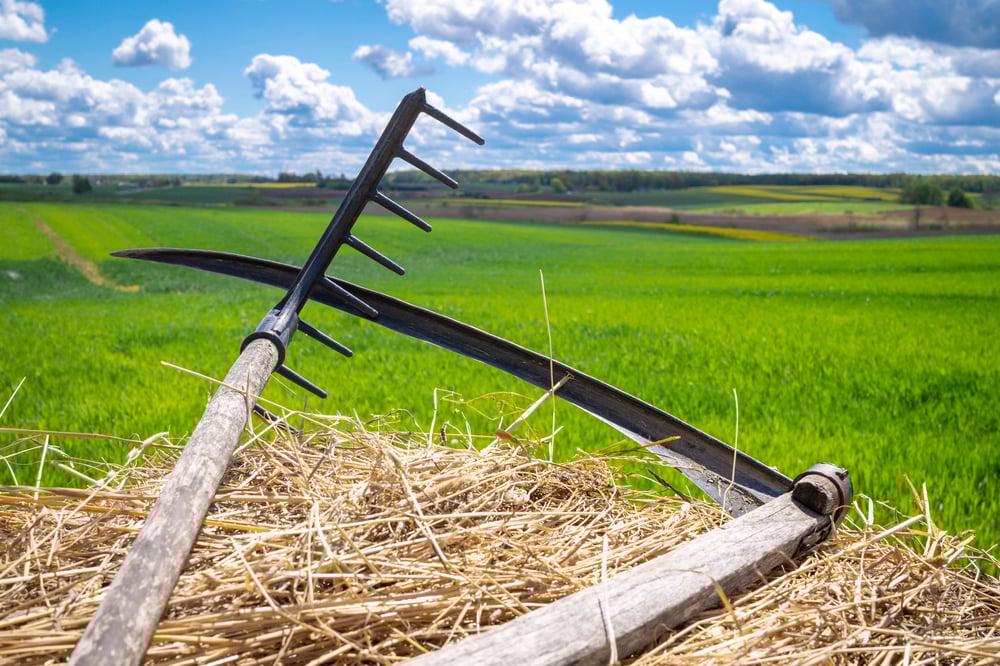
These innovations collectively transformed agriculture from unpredictable manual labor into data-driven scientific operations that feed billions worldwide. Each breakthrough addressed specific limitations while creating new possibilities that previous generations couldn’t have imagined. Emerging technologies like artificial intelligence, drone surveillance, and advanced robotics promise even more dramatic changes ahead—continuing agriculture’s endless evolution from wooden sticks to silicon-powered precision farming. The next revolutionary tool might already be taking shape in someone’s workshop or laboratory, ready to solve problems we haven’t even recognized yet.
More from Go2Tutors!

- 16 Historical Figures Who Were Nothing Like You Think
- 12 Things Sold in the 80s That Are Now Illegal
- 15 VHS Tapes That Could Be Worth Thousands
- 17 Historical “What Ifs” That Would Have Changed Everything
- 18 TV Shows That Vanished Without a Finale
Like Go2Tutors’s content? Follow us on MSN.



