15 Toys from the ’70s and ’80s That Were Stranger Than You Remember
The ’70s and ’80s were remarkable decades for toys, producing some of the most memorable playthings in history. While many classics from this era continue to spark nostalgia, a closer look at some favorites reveals they were considerably odder than our rose-tinted memories suggest.
These decades produced toys that today’s parents might find genuinely perplexing, from questionable concepts to bizarre designs that somehow made it past multiple approval stages. Here is a list of 15 toys from the ’70s and ’80s that were much stranger than you probably remember, showcasing an era when toy safety regulations and marketing sensibilities operated on entirely different wavelengths.
Lawn Darts

Lawn Darts (or Jarts) featured weighted metal spikes with plastic fins that players would toss toward ground targets. These backyard projectiles were essentially handheld missiles marketed as family entertainment.
The combination of heavy, pointed metal objects and the undeveloped coordination of children proved predictably disastrous, leading to thousands of injuries and several deaths before they were banned in 1988. The casual approach to danger makes these a perfect emblem of ’70s toy safety standards.
Shrinky Dinks

Shrinky Dinks consisted of large, flexible plastic sheets that children would color before baking them in an oven to create hard, shrunken versions of their artwork. The concept itself was peculiar – encouraging children to use the family oven as an essential component of playtime.
The magical shrinking process captivated kids, but the requirement of hovering around a hot oven while waiting for plastic to curl, flatten, and eventually shrink seems remarkably odd in retrospect.
Like Go2Tutors’s content? Follow us on MSN.
Madballs
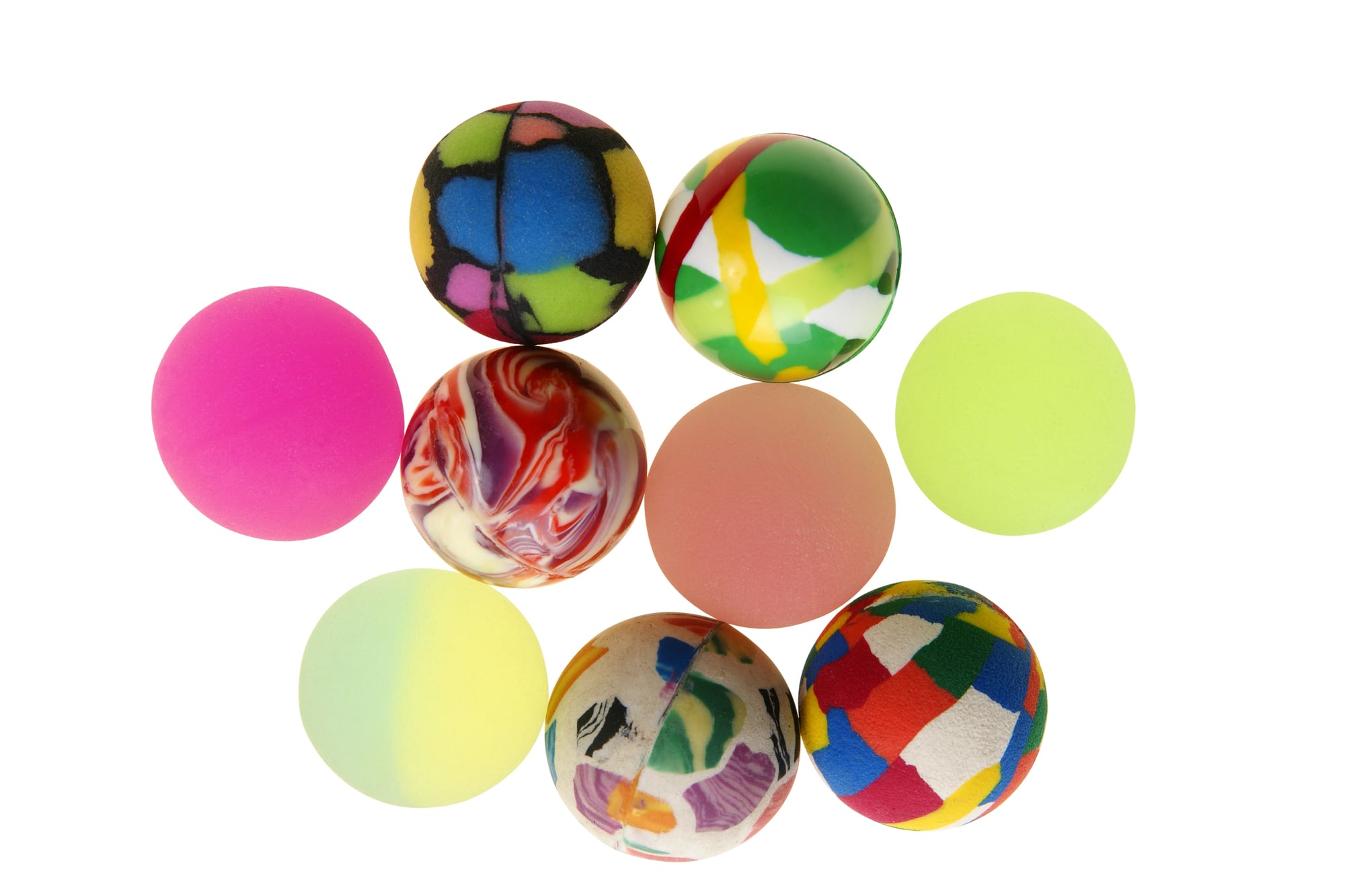
Madballs were grotesque rubber balls featuring disgusting characters with names like Screamin’ Meemie and Horn Head. These toys capitalized on children’s fascination with the gross and revolting, featuring bulging eyeballs, exposed brains, and various oozing wounds.
Their entire appeal centered around being as repulsive as possible – a strange selling point for objects children would be handling repeatedly. The bizarre marriage of sporting equipment and horror aesthetics created playground items that looked like they belonged in a Halloween display.
Stretch Armstrong
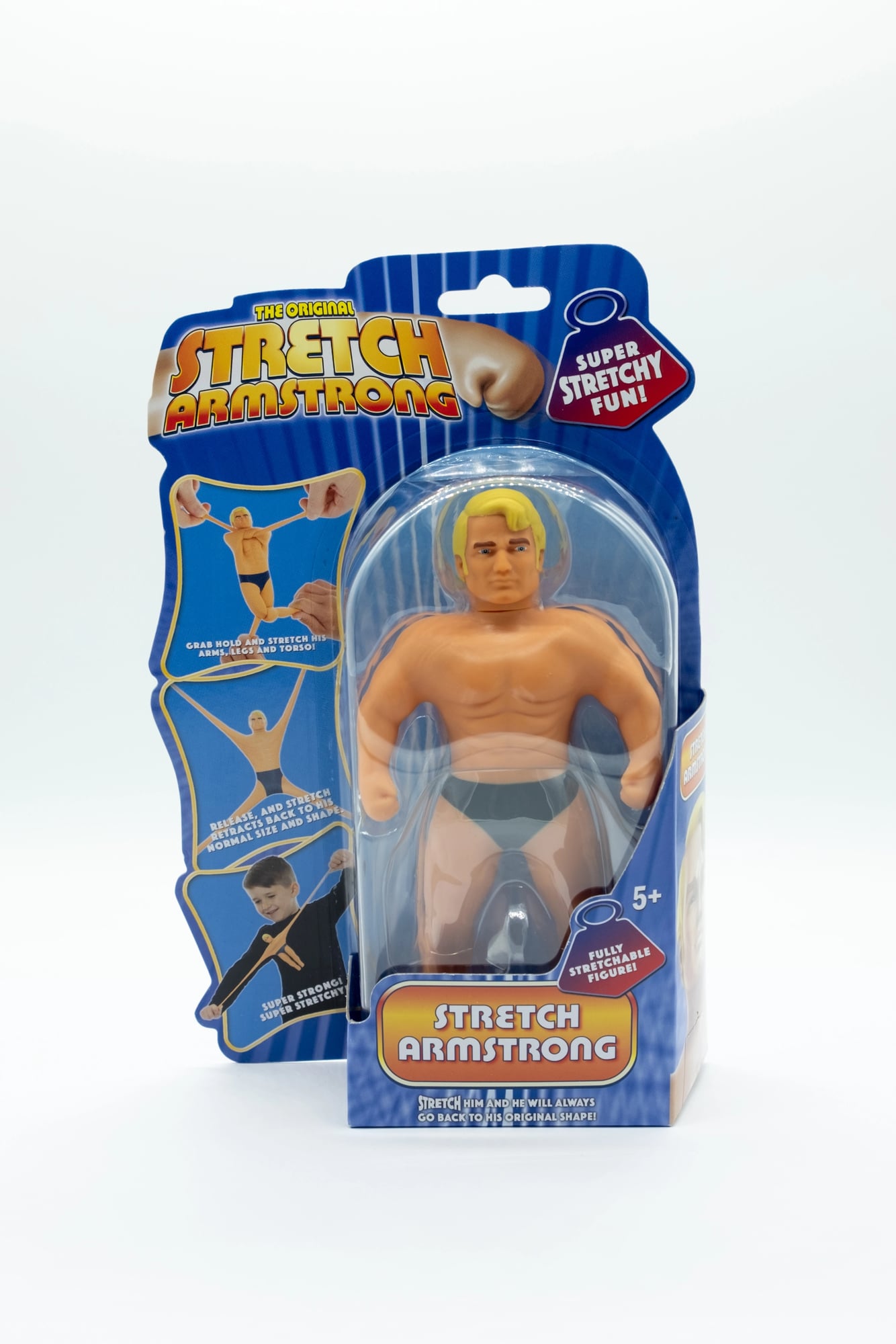
Stretch Armstrong was a gel-filled action figure that could be pulled, twisted, and stretched to several times its normal size before slowly returning to its original shape. The doll contained a strange viscous gel housed inside a rubber skin, creating an uncanny feeling toy that was simultaneously fascinating and mildly disturbing.
When the outer skin inevitably tore (as it often did), the mysterious corn syrup mixture inside would leak out, creating a remarkably sticky catastrophe that was nearly impossible to clean up completely.
Cabbage Patch Kids

Cabbage Patch Kids might seem innocent today, but their original concept was genuinely bizarre. These dolls came with adoption papers and a backstory claiming they were born in a cabbage patch and needed homes.
Each doll had unique facial features and came with birth certificates, complete with an elaborate adoption ritual at purchase. The mania surrounding these dolls led to store riots and even injuries during the 1983 holiday season, with parents literally fighting each other to ‘adopt’ vinyl-headed cloth dolls.
Like Go2Tutors’s content? Follow us on MSN.
Pet Rock

The Pet Rock wasn’t just a rock in a box – it was an ordinary stone marketed as a live pet, complete with a detailed training manual and air holes in its carrying case. Creator Gary Dahl became a millionaire by selling literal rocks for $4 each (about $20 today) and packaging them as low-maintenance pets.
The strange genius of the Pet Rock wasn’t the product itself but the elaborate commitment to the joke, including a multilingual care guide that taught owners how to make their rock ‘sit’ and ‘stay.’
Teddy Ruxpin

Teddy Ruxpin was a storytelling bear with moving eyes and mouth that synchronized with speech from a cassette player embedded in his back. While the technology was impressive for its time, there was something uncanny about this animatronic toy that many children found unsettling rather than comforting.
When the cassette inevitably warped or batteries ran low, Teddy would speak in distorted, slowed-down voices that transformed him from a friendly companion to something straight out of a horror film.
Garbage Pail Kids

Garbage Pail Kids trading cards featured grotesque parodies of Cabbage Patch Kids in various states of distress, decay, or bizarre transformation. These cards showcased children with names like Adam Bomb or Bony Tony in gross or violent scenarios that seemed wildly inappropriate for the elementary school children who collected them.
The cards featured illustrations of children melting, splitting in half, or covered in various bodily fluids – strange content for products specifically targeting young kids.
Like Go2Tutors’s content? Follow us on MSN.
Slime

The original green Slime toy by Mattel came packaged in a plastic trash can and offered children nothing more than a container of cold, viscous goo to play with. Unlike modern slimes with added glitter or scents, the original was simply green ooze that stained fabrics, carpets, and furniture while providing minimal actual play value.
Parents in the ’70s willingly purchased containers of artificial mucus for their children, demonstrating how different toy expectations were compared to today’s feature-packed playthings.
Sky Dancers

Sky Dancers were plastic fairy dolls with foam wings mounted on launcher bases. When pulled and released, they would violently spin upward in unpredictable directions, frequently hitting bystanders or damaging household items.
These airborne hazards were essentially unguided plastic helicopters that could reach impressive heights and speeds before crashing down. After causing numerous injuries including temporary blindness and facial lacerations, they were recalled in 2000, marking the end of their chaotic reign.
Creepy Crawlers

Creepy Crawlers let children create rubber bugs using metal molds heated to high temperatures by a small electric oven called the ThingMaker. This toy essentially combined the dangers of an Easy-Bake Oven with toxic chemicals, as children poured ‘Plastigoop’ into molds that would reach temperatures hot enough to cause serious burns.
The resulting rubbery insects had no purpose beyond their creation, making the entire activity a strange exercise in manufacturing tiny rubber creatures using hazardous equipment.
Like Go2Tutors’s content? Follow us on MSN.
Fashion Plates

Fashion Plates consisted of plastic tiles featuring different tops, bottoms, and heads that children would combine and then create rubbings of to design outfits. While seemingly innocent, the strange aspect was the disembodied, interchangeable nature of the human forms and the mechanical approach to creativity.
Children essentially created paper dolls using a rubbing technique that rendered all designs in the same basic style, regardless of the child’s artistic skill, teaching a strangely automated approach to fashion design.
Popples

Popples were plush creatures that could transform from stuffed animals into fabric balls by pushing them inside-out through a pouch in their back. The concept of inverting a toy to hide it inside itself created a bizarrely anatomical play pattern that feels oddly biological in retrospect.
These toys essentially taught children to turn animals inside-out as their primary play feature, a strange concept that somehow became mainstream enough to spawn an animated series and enduring nostalgic appeal.
Water Wigglies

Water Wigglies were tube-shaped plastic containers filled with water and glitter that would slip out of children’s hands when squeezed. These simple toys offered virtually no play value beyond the strange sensory experience of trying to grip something designed specifically to be impossible to hold.
The entire premise of the toy was built around frustration and failure, as children would repeatedly attempt to grasp an object engineered to escape their grip, creating an oddly metaphorical play experience.
Like Go2Tutors’s content? Follow us on MSN.
Hugo: Man of a Thousand Faces

Hugo was a bald mannequin head that came with various attachments including wigs, glasses, eyebrows, and facial hair that children would arrange to create different characters. The disembodied head sitting in a child’s room watching with its blank stare created an undeniably eerie presence.
The educational justification was teaching about facial features and expressions, but the reality was children playing with a severed head, attaching and removing parts in a play activity that more closely resembled embalming than entertainment.
Wonderfully Weird Nostalgia

These bizarre toys represent an era of experimentation and freedom in the toy industry before stricter safety regulations and helicopter parenting changed childhood play. Their strangeness reflects a time when dangerous, odd, or questionable concepts could make it to market simply because they were novel or interesting.
While many would never pass today’s standards, their peculiar charm continues to fascinate both those who grew up with them and younger generations discovering them for the first time.
More from Go2Tutors!

- 18 Unexpectedly Valuable Collectibles You Might Have Lying Around
- 15 Things Every Teenager in the ’70s Did That Teens Today Wouldn’t Understand
- 15 Strange Things People Have Tried to Ban (And Failed)
- 15 Inventions That Were Immediately Banned After Being Created
- 20 Actors Who Were Almost Cast in Iconic Roles
Like Go2Tutors’s content? Follow us on MSN.