16 Tech Stocks That Made Early Investors Rich
The tech industry has created more millionaires than any other sector in modern history. Early investors who recognized the potential of garage startups and college dorm room projects often saw their modest investments turn into life-changing fortunes. These companies transformed not just technology but entire industries, rewarding those brave enough to bet on unproven ideas and young entrepreneurs.
From computer software to social media platforms, these tech giants started as risky investments that seemed almost too good to be true. Here are 16 tech stocks that made early investors rich.
Apple (AAPL)

Apple’s 1980 IPO at $22 per share was the largest public offering in history at the time, but many thought it was overpriced for a computer company. Early investors who held through Steve Jobs’ departure and return saw incredible returns. A $1,000 investment in Apple’s IPO would be worth over $1.6 million today.
Microsoft (MSFT)
Microsoft went public in 1986 at $21 per share when many thought software companies were overvalued. Bill Gates’ vision of putting a computer on every desk seemed ambitious at the time. A $1,000 investment would be worth over $3 million today, demonstrating the power of riding the personal computer revolution from the beginning.
Amazon (AMZN)
Amazon’s 1997 IPO at $18 per share looked risky since the company was just an online bookstore losing money while competing with established retailers. Jeff Bezos’ vision of e-commerce dominance seemed grandiose to many investors. Early Amazon investors who held through decades of reinvestment saw returns that turned modest investments into retirement-level wealth.
Google/Alphabet (GOOGL)
Google’s 2004 IPO at $85 per share divided investors because many questioned whether internet search could generate sustainable profits. The company’s unconventional auction-style IPO made some Wall Street veterans skeptical. Early investors who recognized the value of organizing the world’s information saw their investments multiply by over 30 times.
Netflix (NFLX)
Netflix went public in 2002 at $15 per share when it was still mailing DVDs and competing with Blockbuster. Reed Hastings’ plan to stream movies over the internet seemed technically impossible to many investors. Early believers in streaming saw their investments grow by over 200 times as Netflix transformed into a global entertainment powerhouse.
Tesla (TSLA)
Tesla’s 2010 IPO at $17 per share was met with skepticism because electric cars had failed repeatedly and Elon Musk was unproven in automotive manufacturing. Many thought Tesla would join the long list of failed car startups. Early investors who believed in the electric vehicle revolution saw returns of over 40 times their initial investment.
Facebook/Meta (META)

Facebook’s 2012 IPO at $38 per share was initially considered a disaster when the stock immediately fell below the offering price. Mark Zuckerberg’s casual appearance and mobile monetization concerns made many investors nervous. Early investors who held through initial volatility were rewarded as Facebook expanded globally and acquired Instagram and WhatsApp.
Intel (INTC)
Intel’s 1971 IPO at $23.50 per share seemed expensive for a semiconductor company most people had never heard of. The idea that microprocessors would power a computer revolution was hard to visualize when computers filled entire rooms. Early investors who understood that smaller, faster chips would transform computing saw massive returns.
Oracle (ORCL)
Oracle went public in 1986 at $15 per share when database software was a niche market few understood outside tech circles. Larry Ellison’s vision of relational databases powering business computing seemed too technical for mainstream investors. Early investors who recognized that businesses would need better data management saw exponential growth.
Cisco (CSCO)

Cisco’s 1990 IPO at $18 per share coincided with early computer networking when most businesses used standalone computers. The company’s focus on routers seemed specialized, but early investors understood that connecting computers would become essential. As the internet exploded, Cisco stock soared over 100 times its IPO price.
eBay (EBAY)

eBay went public in 1998 at $18 per share when online auctions seemed like a novelty rather than a serious business. Pierre Omidyar’s platform for trading collectibles appeared to have limited commercial potential. Early investors who saw peer-to-peer commerce potential were handsomely rewarded as eBay became the foundation of online marketplace trading.
Adobe (ADBE)
Adobe’s 1986 IPO at $18.50 per share seemed risky because desktop publishing was unproven and most people used typewriters. The company’s PostScript technology appeared to target a small professional market. Early investors who understood that computers would transform creative industries saw massive returns as Adobe became essential for digital creativity.
Yahoo (YHOO)
Yahoo’s 1996 IPO at $13 per share was one of the first major internet stock offerings when web-based businesses seemed unproven. David Filo and Larry Yang’s web directory appeared primitive to many investors. Early believers in mainstream internet adoption saw enormous gains, though smart investors sold during the dot-com boom.
Salesforce (CRM)
Salesforce went public in 2004 at $11 per share when cloud computing was theoretical and most business software was installed locally. Marc Benioff’s software-as-a-service vision seemed risky because it required constant internet connections. Early investors who believed in cloud-based solutions saw their investments multiply by over 30 times.
PayPal (PYPL)
PayPal’s early investors saw massive returns when it was acquired by eBay, though the concept of digital payments seemed unnecessary when credit cards worked fine. The idea that online commerce would need secure payment systems wasn’t obvious to most people. Early backers were rewarded when PayPal became the standard for internet transactions and later spun off worth over $100 billion.
Nvidia (NVDA)
Nvidia’s 1999 IPO at $12 per share seemed risky because graphics cards were considered a niche market for gamers and designers. The company’s focus on visual computing appeared to have limited applications beyond entertainment. Early investors who held through multiple cycles were rewarded beyond imagination as Nvidia’s chips became essential for artificial intelligence and data centers.
The Digital Gold Rush Continues
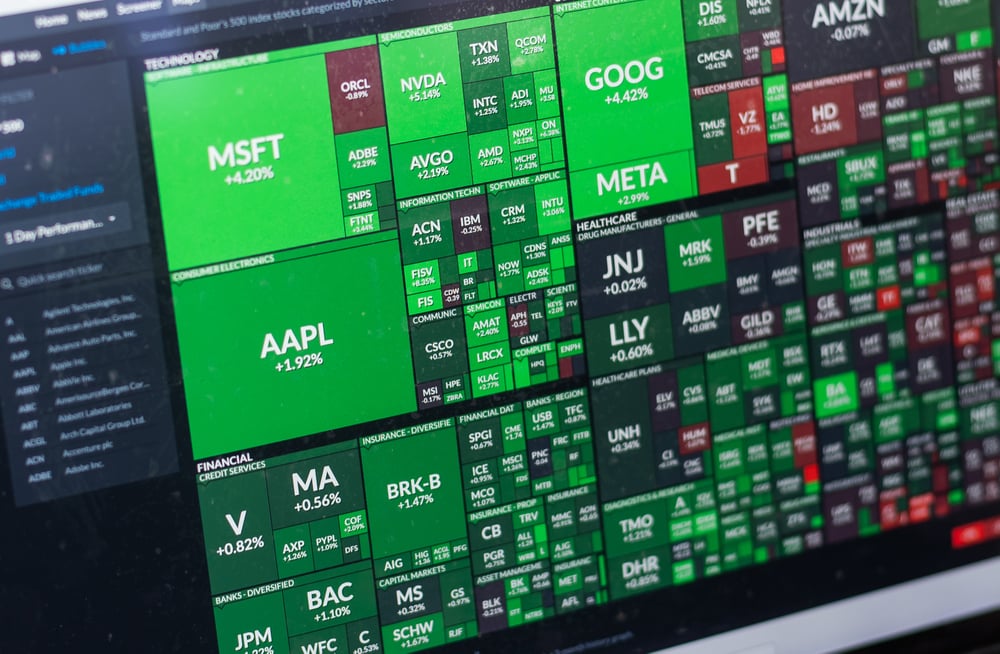
These tech stocks prove that the biggest fortunes often come from investing in ideas that seem impossible or unnecessary at the time. Early investors in these companies didn’t just pick winners—they bet on fundamental changes in how people work, communicate, and live their daily lives. While past performance doesn’t guarantee future results, these success stories continue to inspire new generations of investors looking for the next garage startup that might change the world and create unimaginable wealth along the way.
More from Go2Tutors!

- The Romanov Crown Jewels and Their Tragic Fate
- 13 Historical Mysteries That Science Still Can’t Solve
- Famous Hoaxes That Fooled the World for Years
- 15 Child Stars with Tragic Adult Lives
- 16 Famous Jewelry Pieces in History
Like Go2Tutors’s content? Follow us on MSN.