The Early Video Games That Influenced Today’s Hits
Before games had billion-dollar budgets and lifelike graphics, they had pixels, bleeps, and endless charm. What started as simple fun in arcades or on chunky home consoles slowly shaped the massive gaming world we know today.
Some of the biggest games today owe their success to the quiet genius of early trailblazers—titles that laid the groundwork, whether people remember them or not. It’s kind of wild how a few blocks bouncing on a screen or a tiny plumber jumping gaps led to the global hits people play now.
Let’s go back to where it all began and see which early games helped build today’s giants.
Pong

It was just two paddles and a dot, but Pong set the wheels in motion. Released in 1972, this simple table tennis-style game was one of the first arcade hits.
Its success proved that video games could be more than a side experiment—they could be entertainment. That idea is the foundation of today’s game industry.
Without Pong, the road to modern esports or multiplayer showdowns might not have even started.
Space Invaders

When Space Invaders hit arcades in 1978, it brought something new: tension. The aliens moved faster the fewer there were, making each level more intense than the last.
That rising challenge is now a common feature in games from Call of Duty to Fortnite. The clean layout and steady pressure kept players hooked and also showed how a game could feel thrilling without needing a big story.
Like Go2Tutors’s content? Follow us on MSN.
Donkey Kong

Before he was known for his own island, Donkey Kong was the bad guy in this 1981 classic. But more importantly, the game introduced Mario—back then called Jumpman.
Its platforming setup and clear level design inspired almost every jumping game after it. Donkey Kong taught developers how to blend challenge, character, and fun in one place.
The DNA of this game still lives on in most adventure games today.
Pac-Man

It wasn’t just about gobbling dots. Pac-Man brought color, personality, and something people hadn’t seen before—a lead character with charm.
It also had the first enemies with unique behavior styles. That kind of character-driven design helped shape games like Among Us or Animal Crossing, where design and personality matter just as much as gameplay.
Tetris

Falling blocks. Simple idea. Wild success.
Tetris showed how a game didn’t need a story or characters to keep people glued for hours. Puzzle and mobile games today—like Candy Crush or 2048—follow its lead.
Its clean look and endlessly repeatable play made it a global favorite and a lasting model.
Like Go2Tutors’s content? Follow us on MSN.
The Legend Of Zelda

When Zelda came out in 1986, it changed the idea of what a game could be. Players could explore a wide world, collect tools, and go at their own pace.
That freedom is now expected in most open-world games. Titles like The Witcher and Breath of the Wild owe their structure to this early adventure.
Metroid

Metroid introduced something fresh in 1986: slow, careful discovery. Instead of rushing forward, players had to explore, backtrack, and find hidden paths.
This inspired a whole game style now called “Metroidvania.” Games like Hollow Knight and Ori and the Blind Forest continue this approach with more style but the same heart.
Street Fighter II

Fighting games existed before, but Street Fighter II in 1991 made the genre explode. It brought unique characters, combos, and head-to-head action that felt smooth and fair.
Modern fighting titles like Tekken, Mortal Kombat, and Smash Bros. build on what Street Fighter II perfected.
The idea of balanced matchups and competitive play began here.
Like Go2Tutors’s content? Follow us on MSN.
Super Mario Bros.
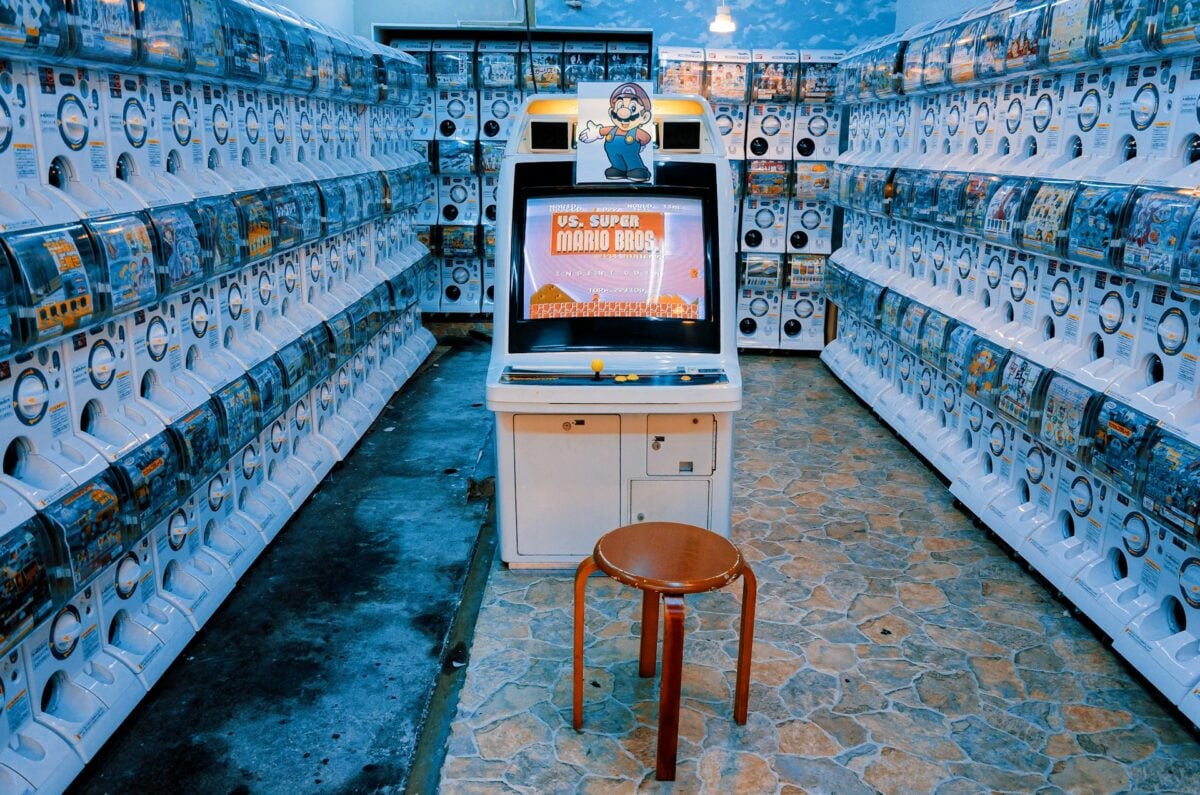
This game didn’t just define a genre—it built it. Super Mario Bros. gave the world crisp controls, colorful worlds, and a sense of joy in movement.
It taught players to explore, retry, and keep going. Its influence is clear in nearly every platformer made since.
The magic lies in how simple but deep it was.
Duck Hunt
Using a light gun, Duck Hunt lets players aim and shoot at moving targets on a TV screen. That idea felt fresh and fun at the time.
Today’s motion-based games like Wii Sports and VR shooting games trace their roots back here. It showed that physical action could blend with digital play in a fun way.
Frogger

Frogger wasn’t about fighting or collecting—it was about timing and movement. Getting a frog safely across roads and rivers might sound silly, but it was smart.
This early idea of timing puzzles inspired endless mobile games where dodging is key. It’s simple, but it taught how rhythm and risk can hook players fast.
Like Go2Tutors’s content? Follow us on MSN.
Gauntlet
With four-player action and different character types, Gauntlet helped shape co-op play. Its dungeon crawling style paved the way for games like Diablo and Left 4 Dead.
It proved that gaming could be social without being a competition. The team-based play and loot chasing remain popular today.
Prince Of Persia

This 1989 title brought smooth animation and tricky platforming to home computers. It showed that movement could feel natural and cinematic.
That idea shaped future action-adventure games like Assassin’s Creed. Even today, its mix of danger and grace still pops up in many side-scrollers.
SimCity

Building cities from scratch was a fresh idea back in 1989. SimCity gave players control over roads, budgets, and disasters.
That planning-based gameplay is now huge in titles like Cities: Skylines or The Sims. It taught players to think long-term and enjoy managing systems.
Like Go2Tutors’s content? Follow us on MSN.
Punch-Out!!

Punch-Out!! gave each opponent a unique style and pattern. It wasn’t just about quick hands—it was about learning.
This idea of studying an enemy and reacting with timing can be seen in games like Dark Souls. The mix of memory and action stuck around long after the ring faded.
Tying The Old To The New

Many of today’s best games didn’t appear from thin air. They were built step by step, often inspired by the simple but smart ideas of early titles.
While graphics and tools have changed, the core fun remains the same. Every time someone picks up a controller, they’re holding a piece of that past.
And it’s clear those early games still have something to teach—about play, about design, and about why people love games in the first place.
More from Go2Tutors!

- 16 Historical Figures Who Were Nothing Like You Think
- 12 Things Sold in the 80s That Are Now Illegal
- 15 VHS Tapes That Could Be Worth Thousands
- 17 Historical “What Ifs” That Would Have Changed Everything
- 18 TV Shows That Vanished Without a Finale
Like Go2Tutors’s content? Follow us on MSN.