15 Trees So Massive They Have Their Own Ecosystems Inside Them
Trees are among the most magnificent living organisms on our planet, with some reaching such enormous proportions that they essentially become living habitats. These botanical giants create their own microclimates, provide shelter for countless species, and function as complete ecosystems unto themselves.
The relationship between these massive trees and the life they support showcases nature’s incredible complexity. Here is a list of 15 trees so massive they have developed their own internal ecosystems.
General Sherman

The world’s largest tree by volume stands majestically in California’s Sequoia National Park, reaching 275 feet tall with a base diameter of 36 feet. General Sherman creates its own precipitation by capturing fog and cloud moisture, which then drips down to nourish ferns, fungi, and countless microorganisms living within its massive structure.
Its branches host specialized lichen communities that exist nowhere else, effectively creating aerial gardens hundreds of feet above the forest floor.
Tule Tree
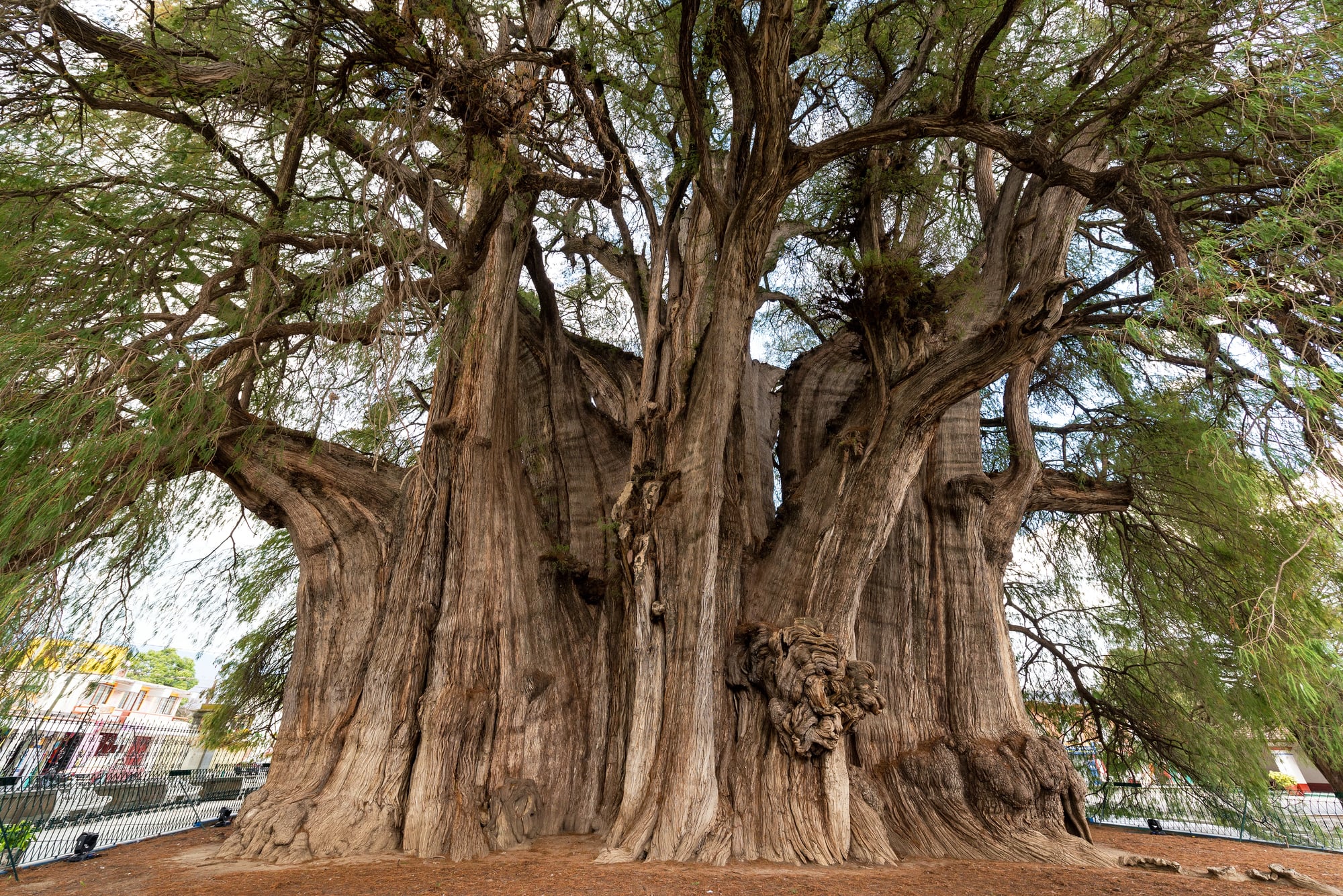
This Montezuma cypress in Oaxaca, Mexico, boasts the widest trunk diameter of any tree on earth at an astonishing 38 feet. The Tule Tree’s massive canopy creates a distinct microclimate beneath it, supporting shade-loving plants that couldn’t otherwise survive in the region’s climate.
Dozens of bird species nest in its enormous branches, while its deep, fissured bark houses countless insects, forming a complex food web entirely within the confines of this single living organism.
Hyperion
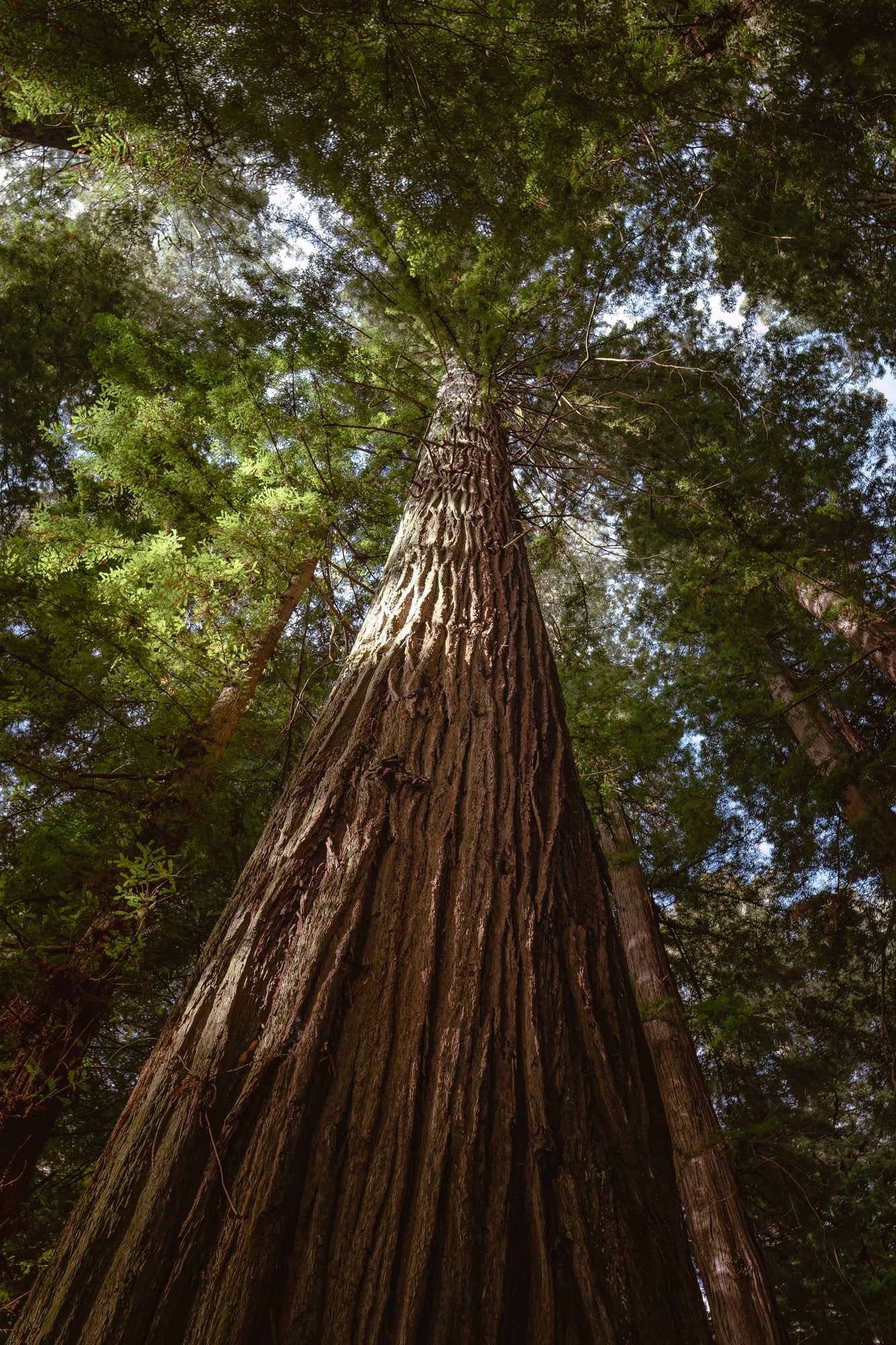
Hidden in California’s Redwood National Park, this coast redwood stands as the tallest living tree on Earth at 379 feet. Hyperion’s extreme height creates distinct climate zones from bottom to top, with temperature, humidity, and wind conditions varying dramatically.
Scientists have discovered complete soil systems in its upper branches, where accumulated debris decomposes into ‘canopy soil’ that supports huckleberry bushes and even other trees growing hundreds of feet above ground level.
Jomon Sugi
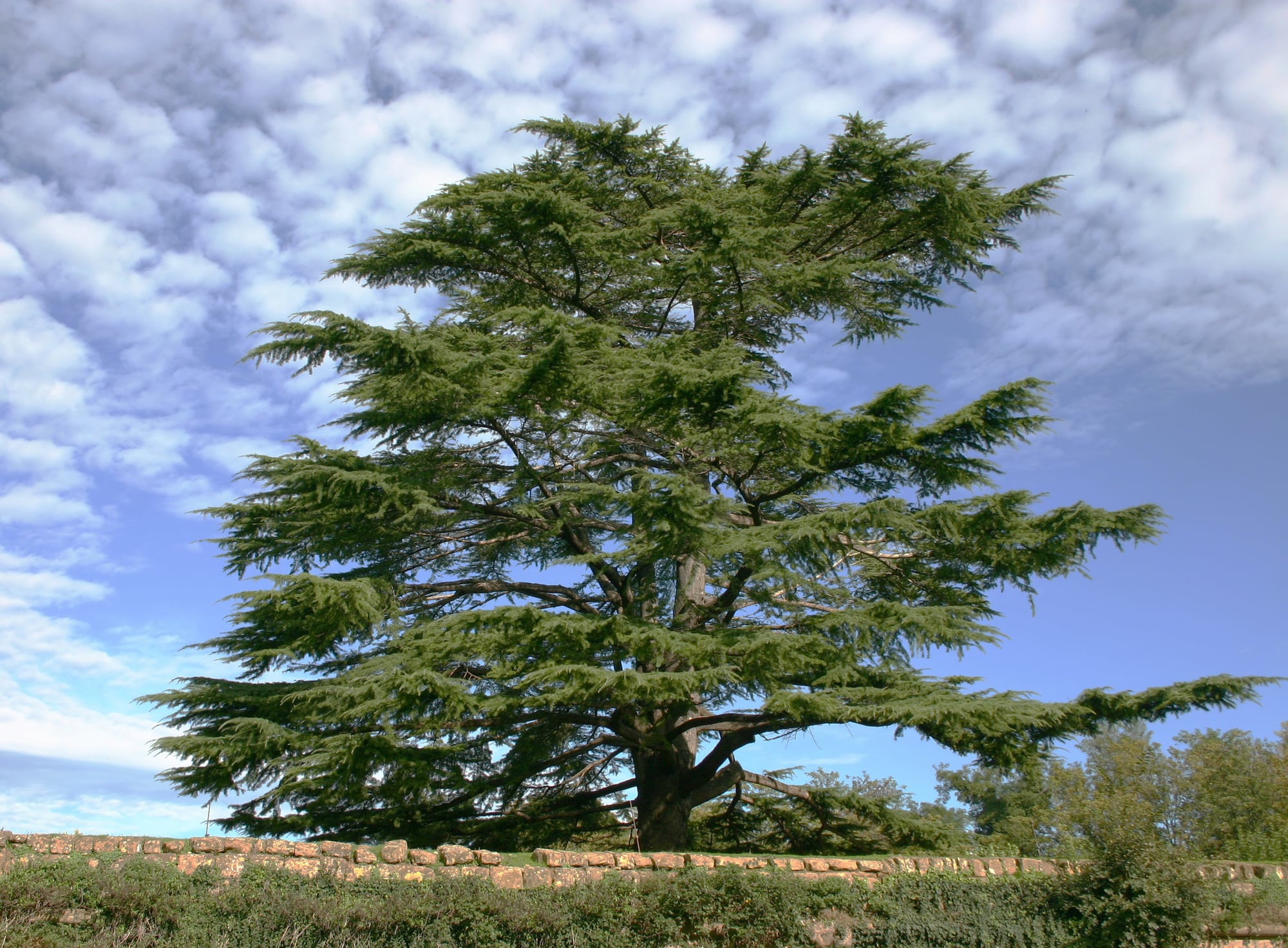
Japan’s oldest living cedar on Yakushima Island dates back between 2,000 and 7,200 years, creating a vertical ecosystem spanning millennia. Its massive hollow trunk serves as shelter for rare endemic wildlife, while the tree’s deep grooves and crevices collect water and organic matter that support mosses found nowhere else on the island.
Researchers have documented over 150 species of insects living exclusively within this ancient cedar’s microhabitat.
Pando
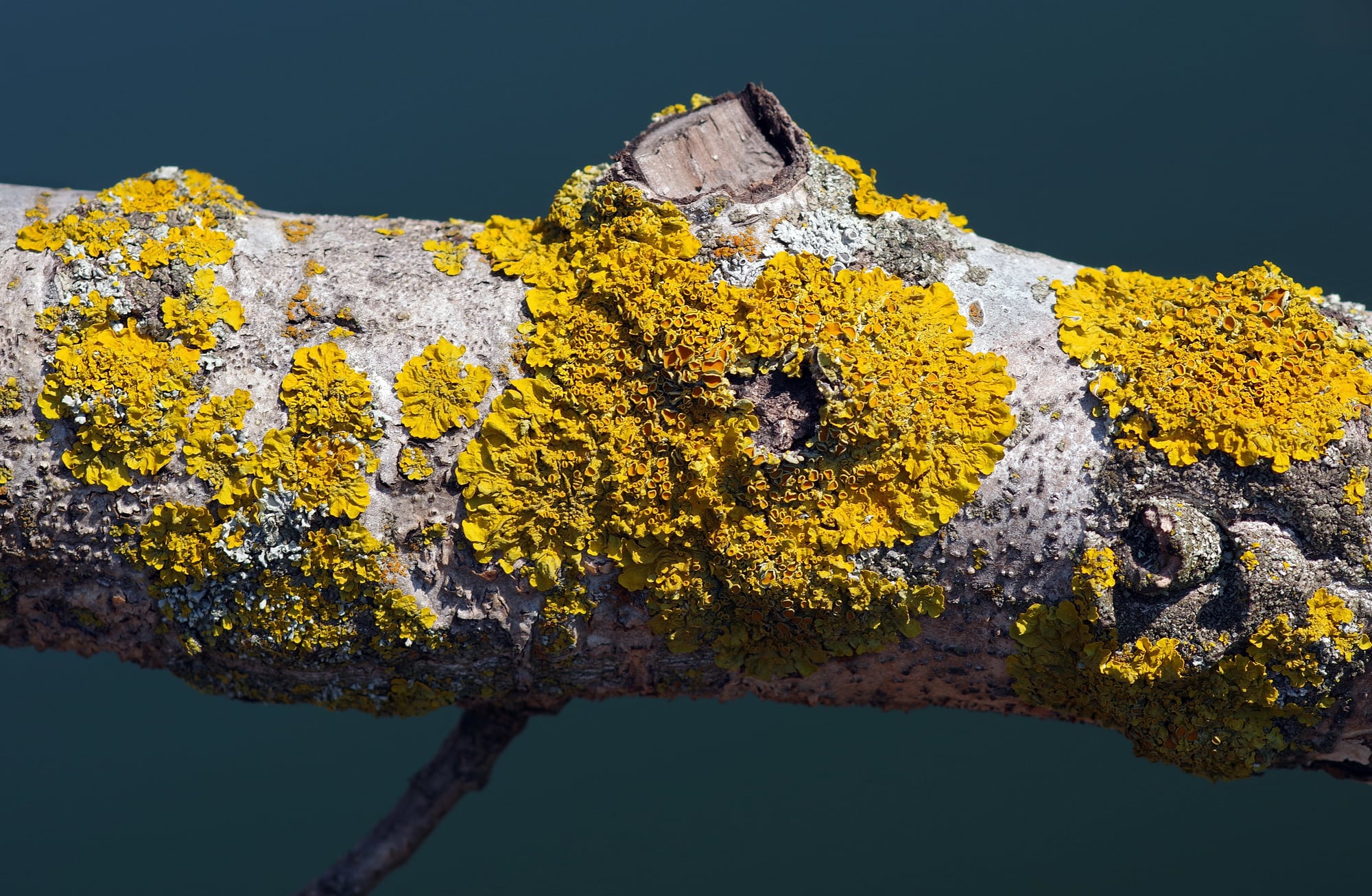
This aspen colony in Utah consists of 47,000 genetically identical stems sprouting from a single root system, creating an organism weighing over 13 million pounds. Though not a single tree in the conventional sense, Pando functions as a unified ecosystem supporting distinctive fungi networks that connect its many trunks.
The constant shedding and regrowth of its stems creates a dynamic habitat where succession communities of plants and animals continuously adapt to changing conditions within its 106-acre footprint.
Great Banyan Tree

Covering over four acres in Kolkata’s Indian Botanical Garden, this massive fig tree has created its own forest with over 3,600 aerial roots resembling individual trunks. The Great Banyan’s sprawling canopy generates distinct rain patterns beneath it, supporting unique moisture-loving plants that thrive in the humid environment below.
Each section of the tree hosts different bird communities, creating neighborhood-like divisions within a single living organism.
Boab Prison Tree

Located in Western Australia, this hollowed-out boab has a trunk circumference of 46 feet with a natural cavity large enough to house people. The Prison Tree’s enormous interior chamber maintains humidity levels significantly different from the surrounding arid environment, creating a refuge for moisture-dependent species.
Specialized insects have evolved to feed exclusively on the oils in its bark, forming the base of a food chain that includes several bird species that never leave the tree’s confines.
El Árbol del Tule

This Mexican swamp cypress has the stoutest trunk of any tree in the world, with a circumference of 178 feet. El Árbol creates its own rainfall by capturing moisture from passing clouds, supporting epiphytes that grow in specialized niches along its massive branches.
Its deeply furrowed bark houses countless arthropod species, creating complex vertical zonation where different creatures occupy specific heights within the tree’s structure.
Quindío Wax Palm
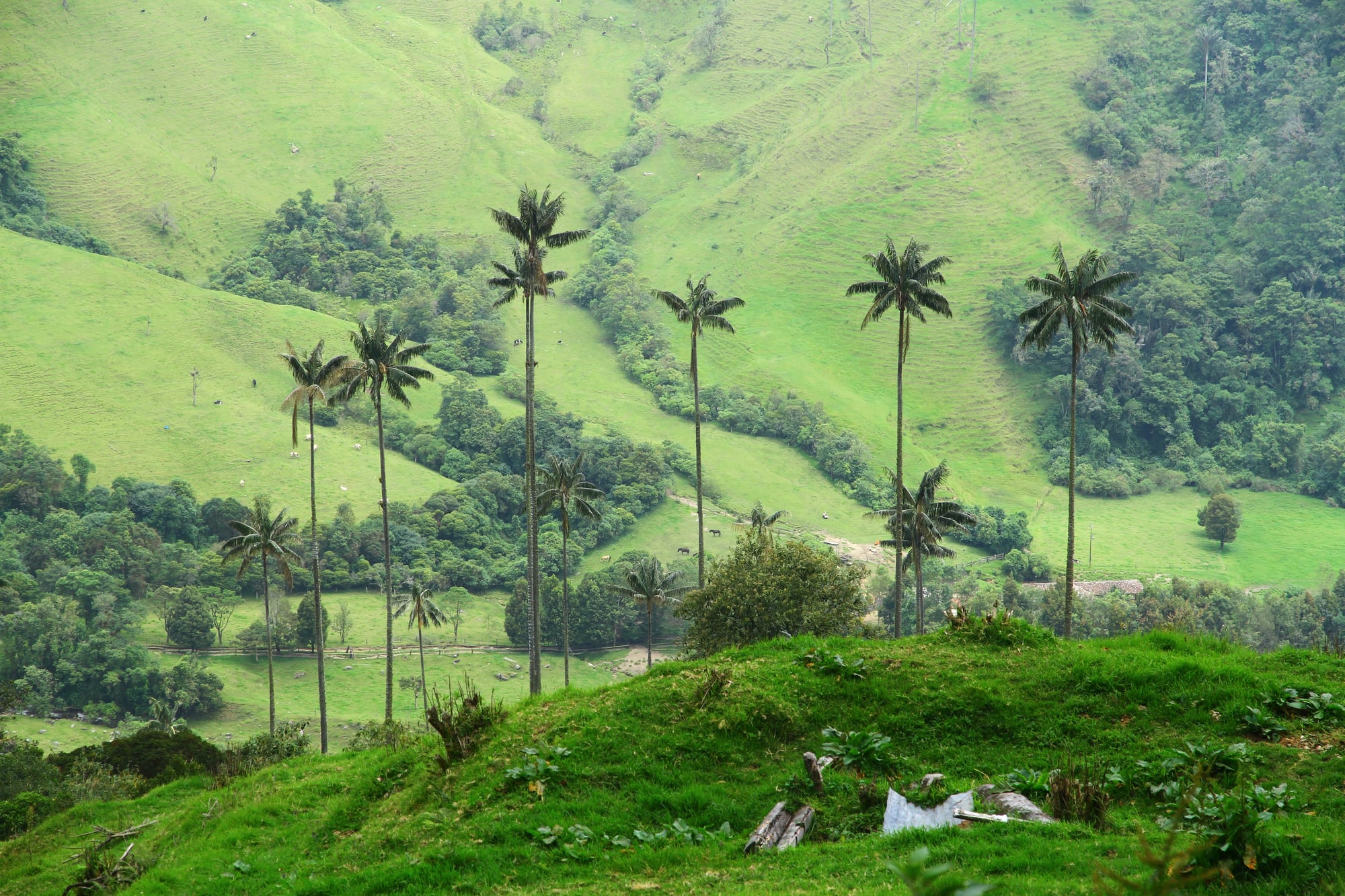
Colombia’s national tree can reach heights of 200 feet, creating vertical stratification across various climate zones. The Quindío’s long, slender trunk hosts specialized beetle species that have evolved to live only in its waxy surface, while its crown supports endangered parrot species that depend on its fruits.
The palm’s fallen fronds create distinct microhabitats at its base, where unique decomposer communities break down the tough plant material.
Baobab of Sankore
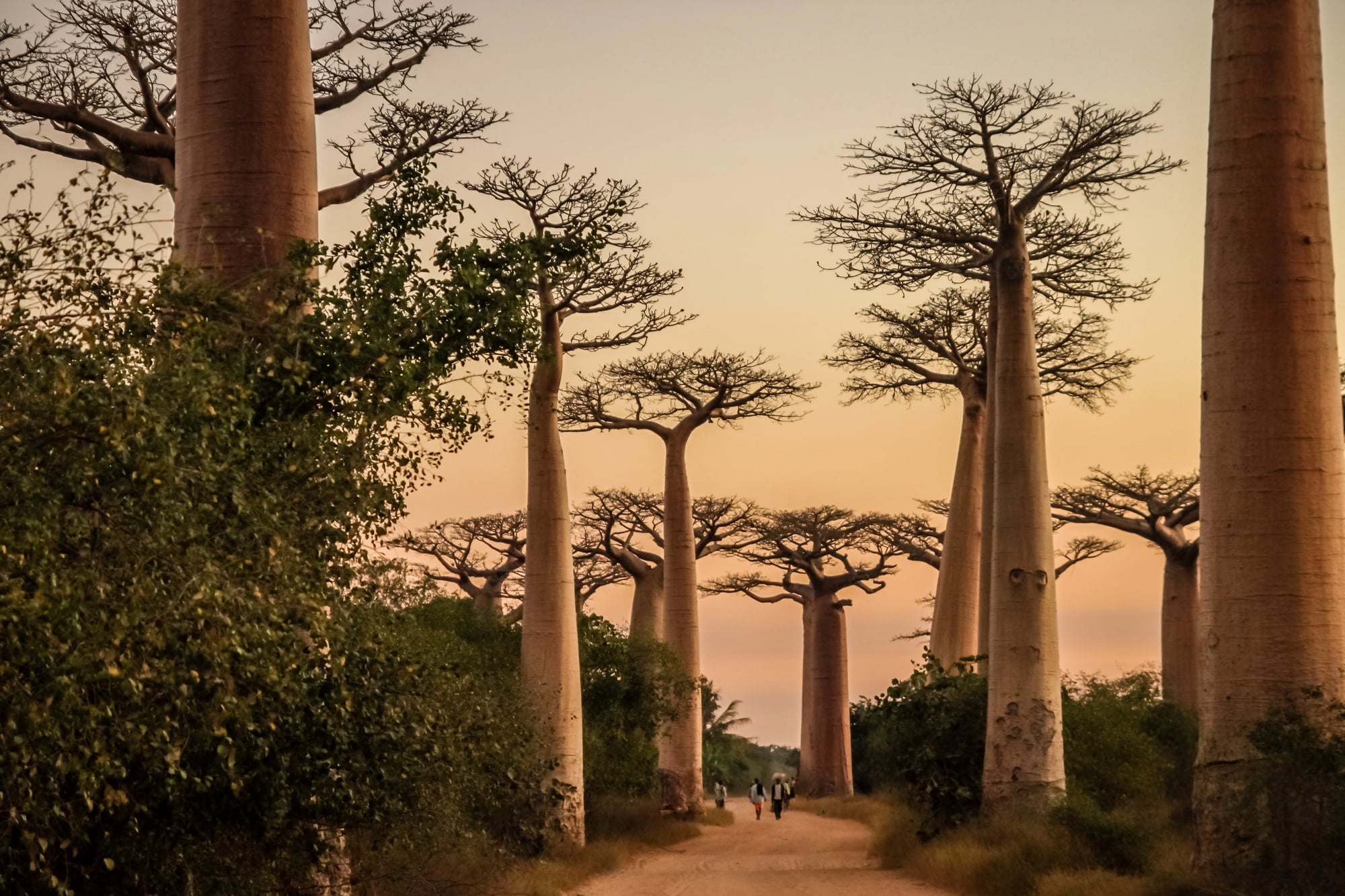
Mali’s ancient baobab has a hollow trunk large enough to hold 40 people, effectively functioning as a building made of living tissue. The Sankore’s cavernous interior creates a cool, dark environment where bats roost during daylight hours, depositing guano that supports specialized fungi found nowhere else.
Its thick, water-storing trunk hosts numerous cavities where birds, reptiles, and mammals shelter, creating a multi-story apartment complex for desert wildlife.
Antarctic Beech Forests
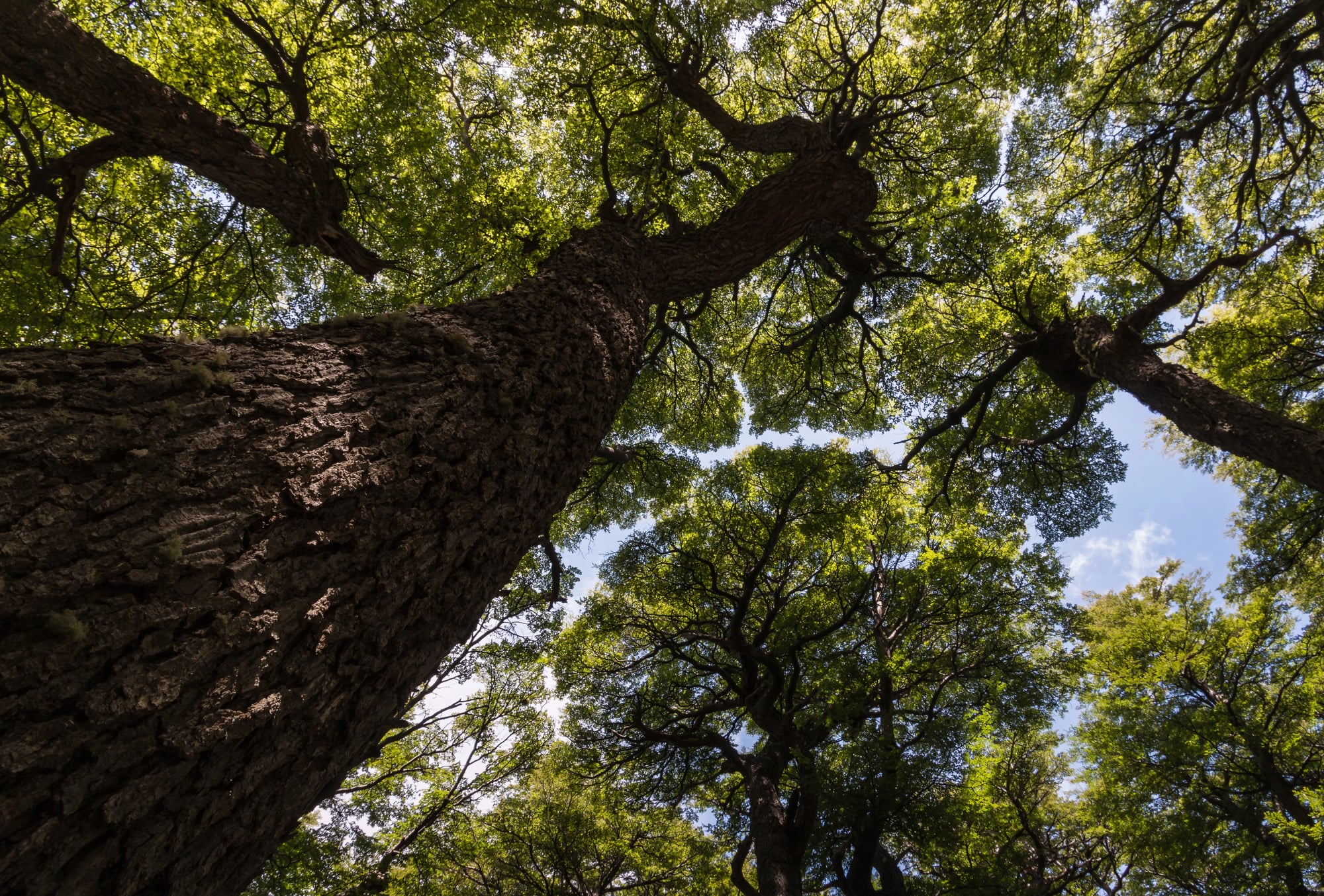
These ancient trees in Australia form complex superorganisms through connected root systems, some dating back 10,000 years. The beeches create dense canopies that maintain high humidity levels, allowing moss and lichen gardens to flourish on their trunks and branches.
Their hollowed cores provide vital nesting sites for rare marsupials, while the specific fungi associated with their roots support distinctive understory plant communities not found in surrounding areas.
Major Oak

This massive English oak in Sherwood Forest has a 33-foot trunk circumference and branches spanning 92 feet in diameter. The Major Oak’s enormous canopy creates a rain shadow effect, resulting in distinctive plant communities forming in circles around its perimeter.
Its ancient hollows maintain specific humidity levels that support rare beetle species that have evolved to live exclusively within its confines, forming the basis of a food web that includes several bird species.
Arbol del Sol

Costa Rica’s ‘Tree of the Sun’ creates a complete rainforest habitat within its massive structure, supporting over 500 plant species within its canopy. The strangler fig began its life as an epiphyte and now forms a massive lattice of aerial roots that collect soil and moisture.
Various layers of its canopy host different communities of bromeliads, orchids, and ferns, each adapted to specific light and moisture conditions found at different heights within the tree.
Patriarca da Floresta
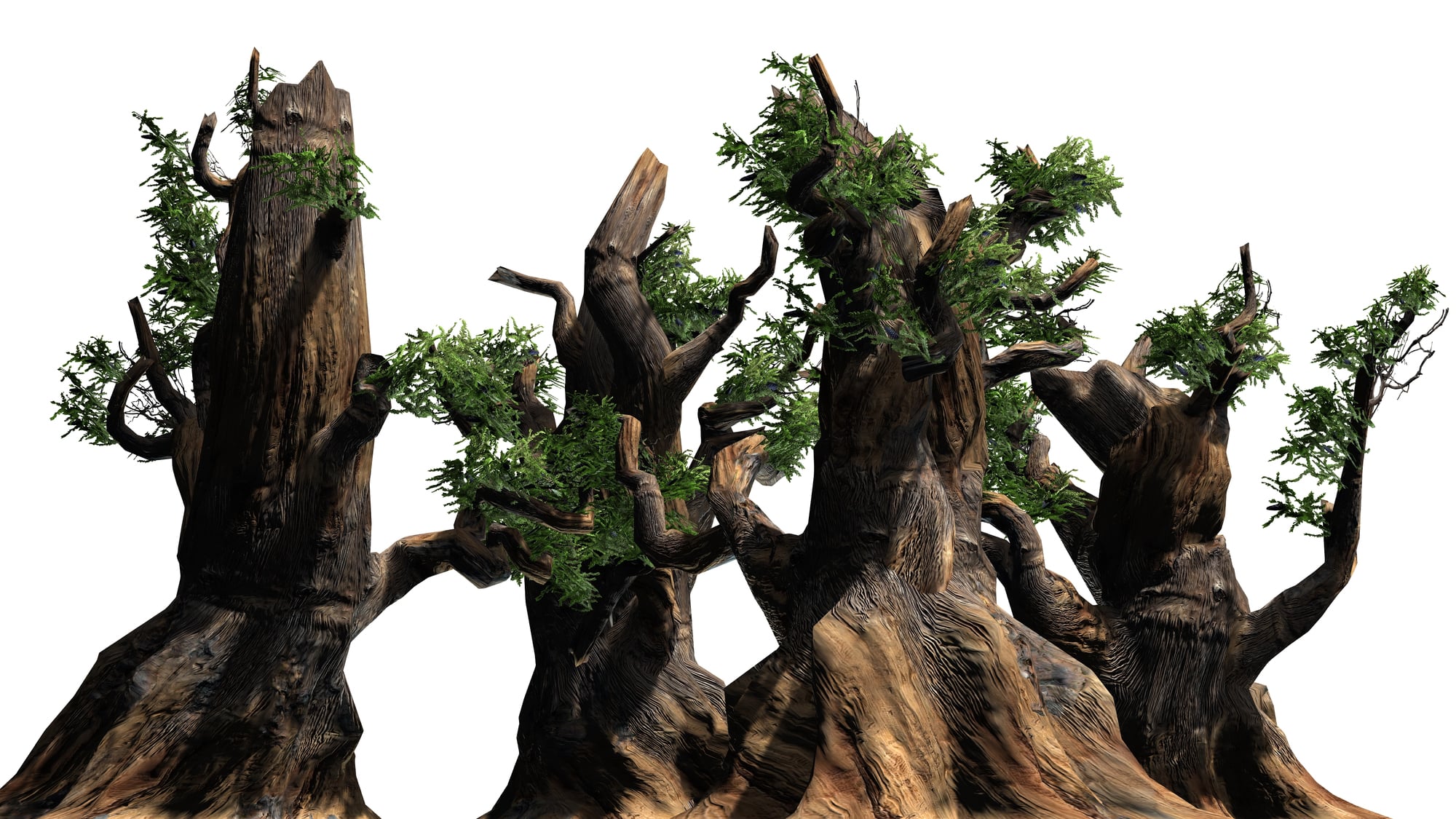
Brazil’s ‘Patriarch of the Forest’ stands 148 feet tall with a trunk almost 10 feet wide, creating distinct microclimates throughout its structure. The massive Brazil nut tree hosts over 40 species of ants that have formed specialized relationships with the tree, protecting it from herbivores in exchange for shelter.
Its deep-ridged bark captures rainwater, creating vertical streams that support aquatic microorganisms completely disconnected from ground-level water sources.
Kauri Trees

New Zealand’s ancient giants create entire forest ecosystems that revolve around their massive presence, some with trunks over 45 feet in circumference. The Kauri’s thick, resinous bark houses specialized fungi that have evolved alongside these trees for millions of years, breaking down their distinctive compounds.
Their massive branches collect soil over centuries, creating ‘perched wetlands’ high above the forest floor where unique plant communities thrive in isolation from the surrounding environment.
Living Cathedrals
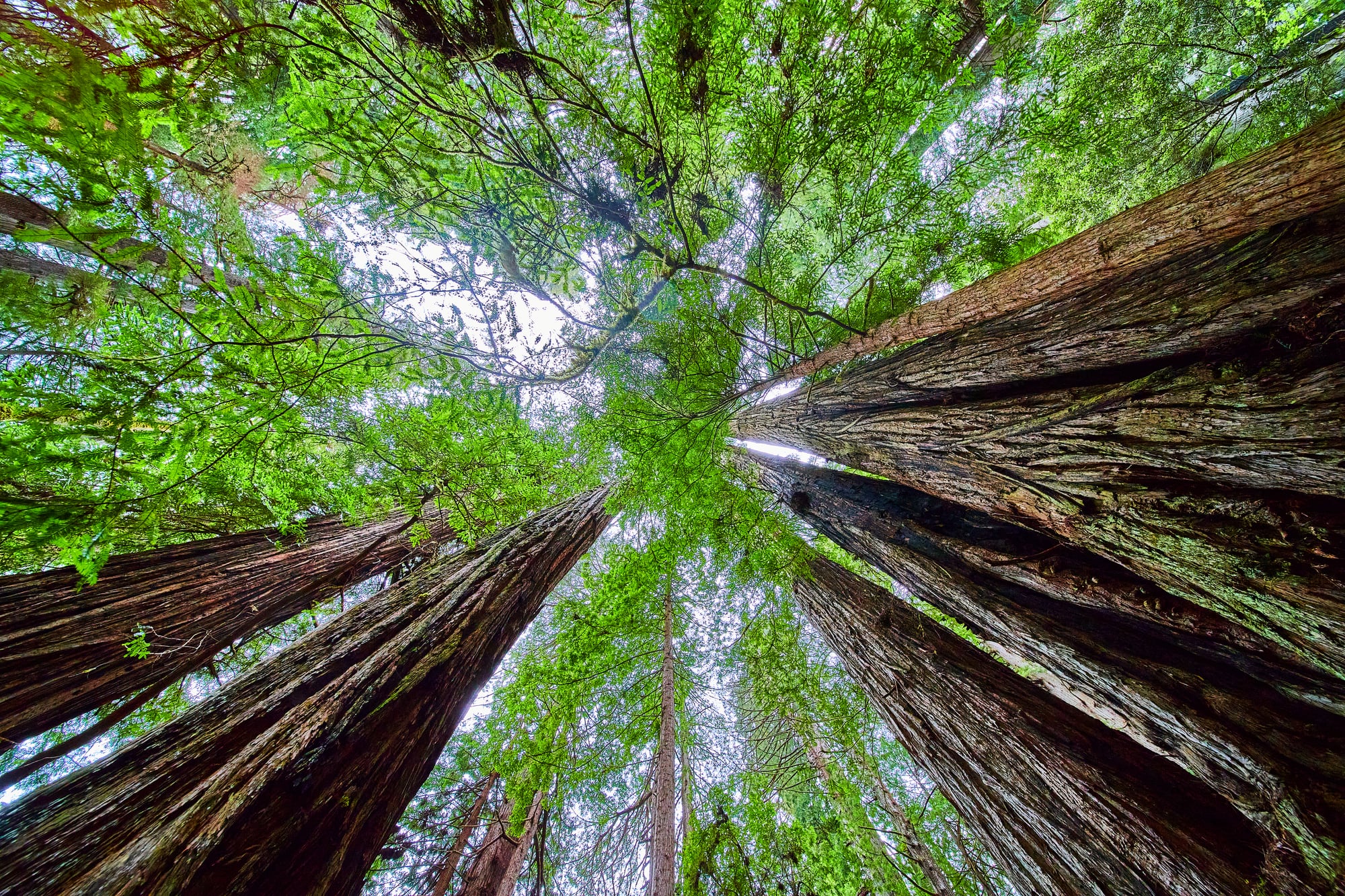
These magnificent trees remind us that ecosystems exist not just across landscapes but within individual organisms. Each massive tree represents a world unto itself, supporting specialized communities that have evolved to occupy specific niches within their structures.
As we work to protect these botanical giants, we’re preserving not just individual trees but entire interconnected systems that have developed over centuries or millennia—living monuments to nature’s extraordinary capacity for creating complexity and diversity within seemingly singular entities.
More from Go2Tutors!

- The Romanov Crown Jewels and Their Tragic Fate
- 13 Historical Mysteries That Science Still Can’t Solve
- Famous Hoaxes That Fooled the World for Years
- 15 Child Stars with Tragic Adult Lives
- 16 Famous Jewelry Pieces in History
Like Go2Tutors’s content? Follow us on MSN.