15 Historical Deaths That Changed World Borders
Throughout history, the passing of certain individuals has triggered seismic shifts in the world’s political landscape. Sometimes a single death can topple empires, redraw maps, alter the course of civilization itself. These moments prove that personal mortality and global geography are more intertwined than we might expect.
The ripple effects of these deaths often lasted for centuries — reshaping not just borders but entire cultures and civilizations. Here is a list of 15 historical deaths that fundamentally changed world borders.
Julius Caesar (44 BCE)
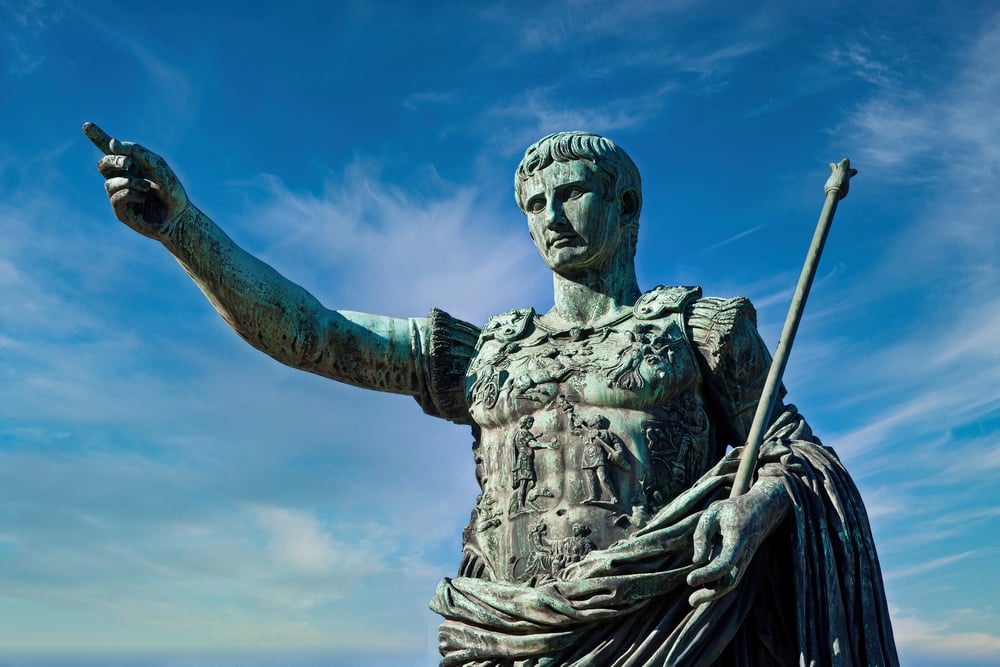
Caesar’s assassination on the Ides of March didn’t just end his life — it transformed the Roman Republic into the Roman Empire. Caesar was stabbed 23 times by conspirators who believed themselves to be saviors of liberty and democracy.
Instead, the daggers they thrust into Caesar dealt a fatal blow to the already wounded Roman Republic. His death led to civil wars that ultimately resulted in Augustus taking power, expanding Roman borders across Europe, North Africa, and the Middle East in ways the Republic never could’ve achieved.
Alexander the Great (323 BCE)
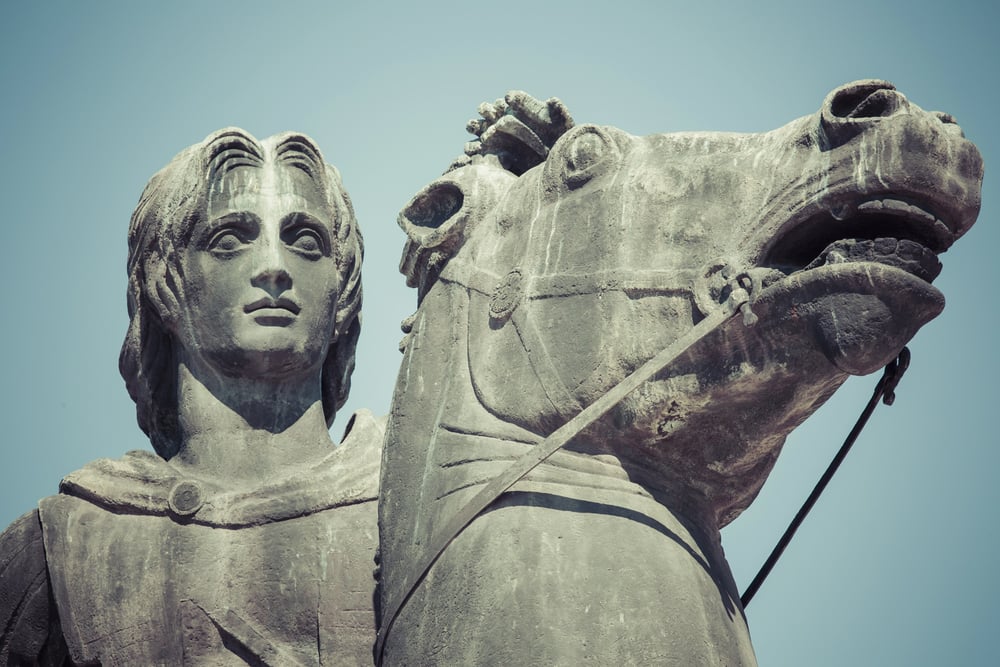
When Alexander died at just 32 years old, his massive empire stretched from Greece to India. His sudden death without a clear heir caused his generals to divide the empire among themselves — creating the Hellenistic kingdoms.
This fragmentation led to entirely new borders across the ancient world, with kingdoms like Ptolemaic Egypt and the Seleucid Empire emerging from the chaos.
Genghis Khan (1227 CE)
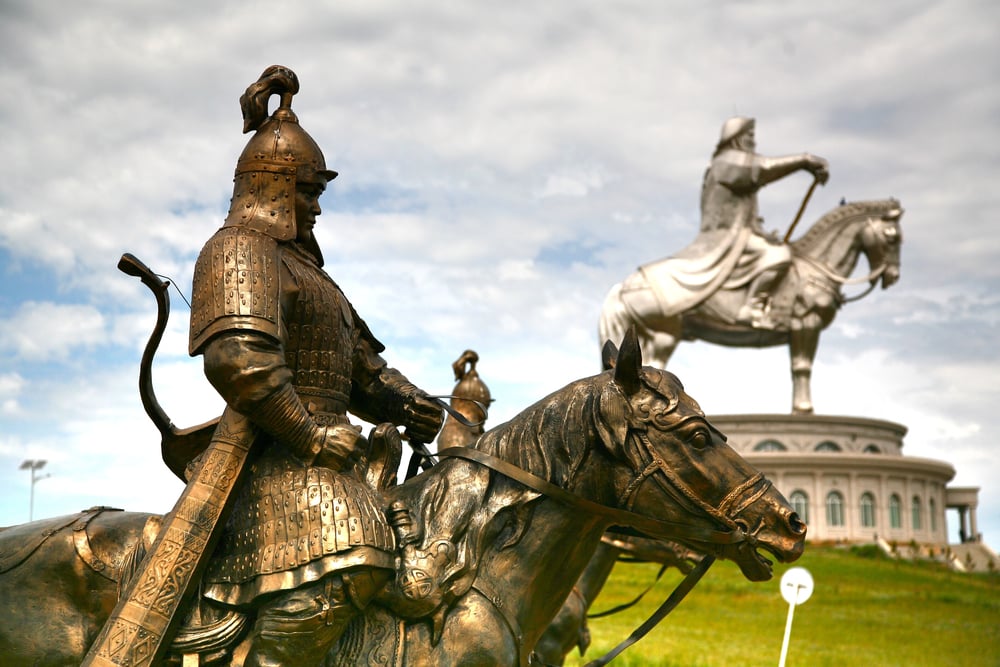
The death of the Great Khan marked the beginning of the Mongol Empire’s division into separate khanates. Though his empire was the largest contiguous land empire in history, his passing led to its split among his sons.
This created new borders across Asia and Eastern Europe that would influence geopolitics for centuries.
Charlemagne (814 CE)
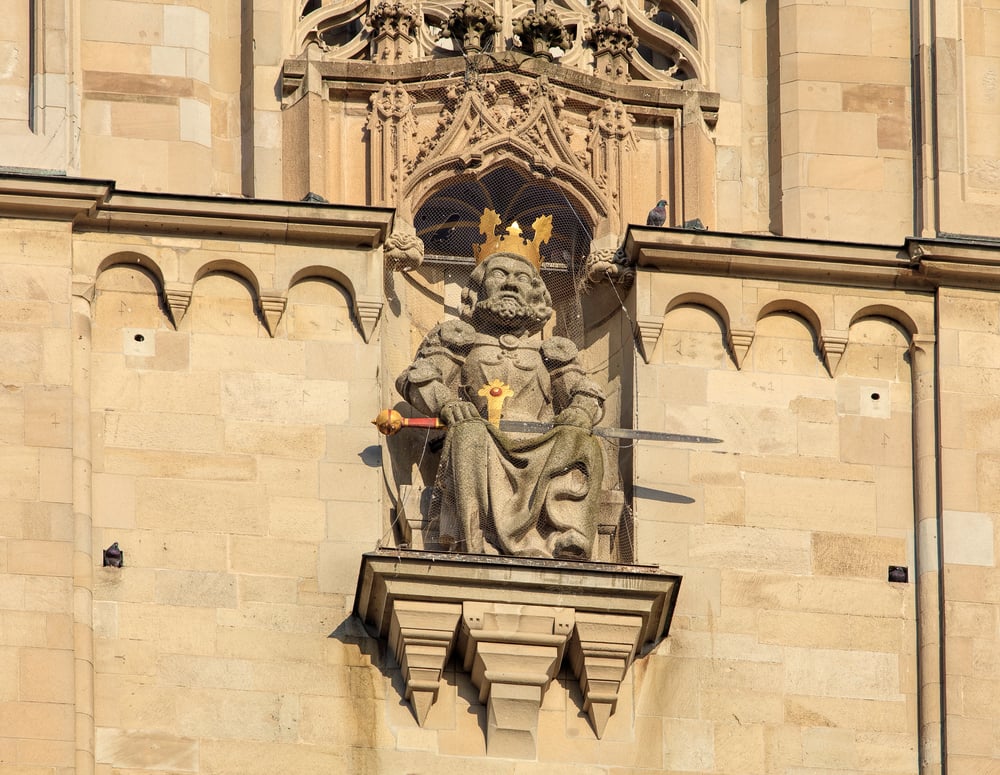
When Charlemagne died, his Frankish Empire was divided among his grandsons according to Frankish custom. This division created the foundations of modern France and Germany — establishing borders that would shape European politics for over a millennium.
The Treaty of Verdun in 843 CE formalized these divisions, creating distinct cultural and political regions.
Constantine XI Palaiologos (1453 CE)
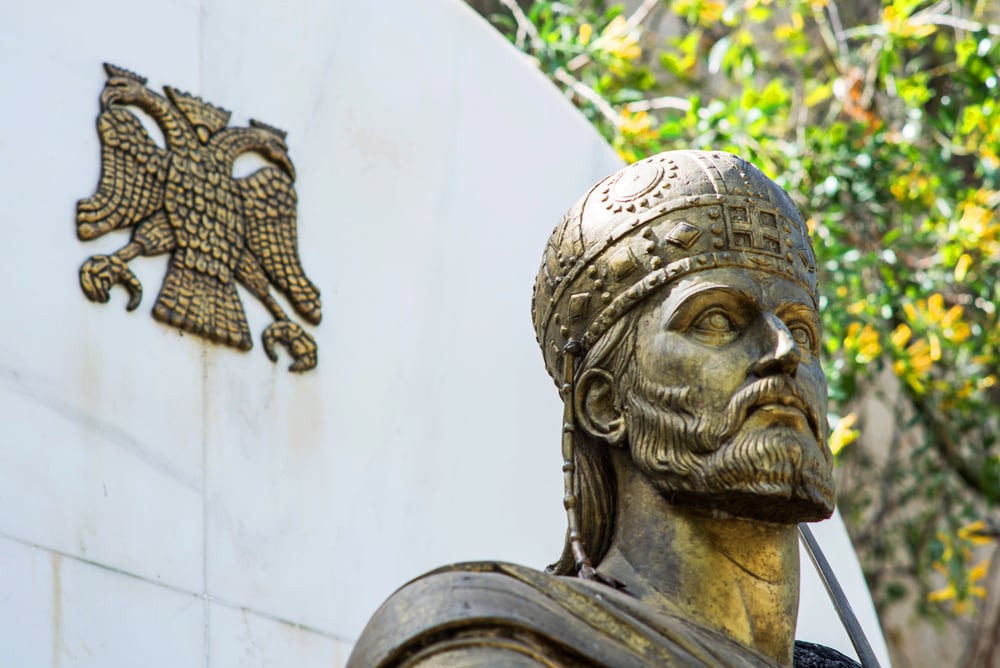
The last Byzantine Emperor died defending Constantinople during the Ottoman siege — marking the end of the Byzantine Empire. His death allowed the Ottomans to establish control over the strategic Bosphorus strait, fundamentally altering the balance of power between Europe and Asia while creating new borders across the eastern Mediterranean.
Archduke Franz Ferdinand (1914 CE)
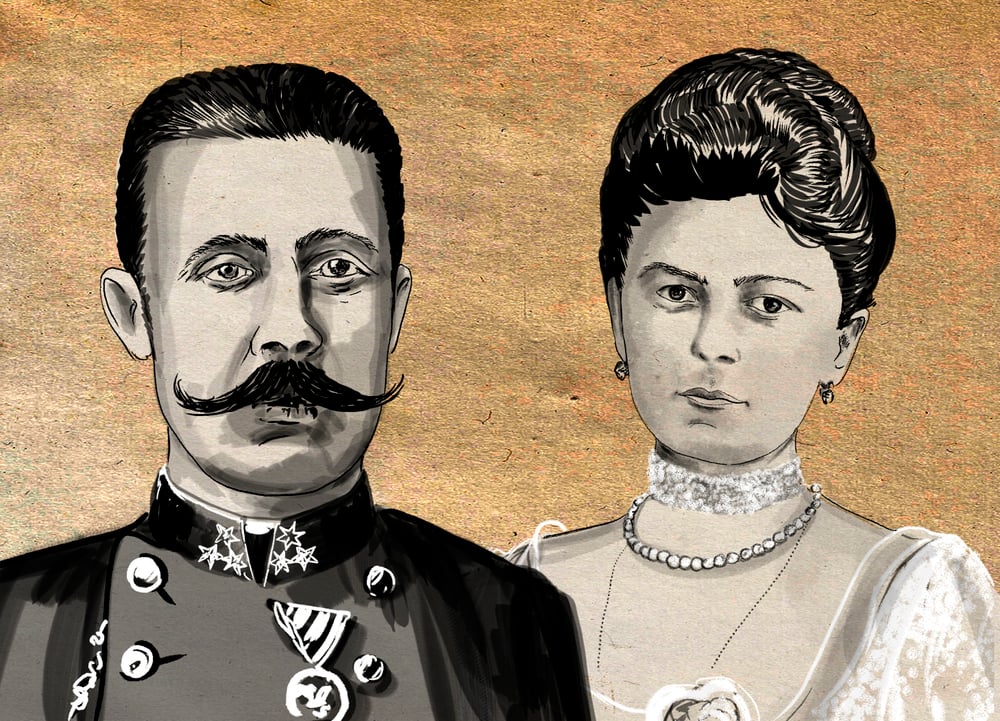
The assassination of Austria-Hungary’s heir apparently triggered World War I, which completely redrew the map of Europe. His death led to the collapse of four empires plus the creation of numerous new nations.
Countries like Czechoslovakia, Yugoslavia, Poland emerged from the ashes — while the Ottoman and Austro-Hungarian empires were carved up entirely.
Adolf Hitler (1945 CE)
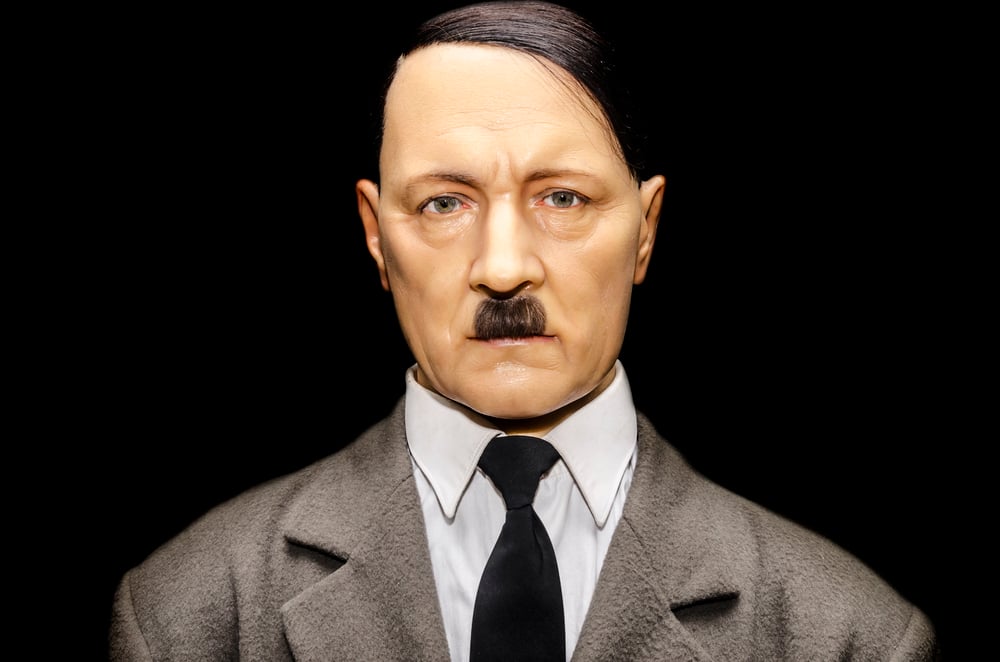
Hitler’s demise marked the end of Nazi Germany and triggered massive border changes across Europe. Germany was divided into occupation zones — eventually becoming East and West Germany.
The war’s end also led to significant territorial changes, with Poland shifting westward while the Soviet Union expanded its borders.
Joseph Stalin (1953 CE)
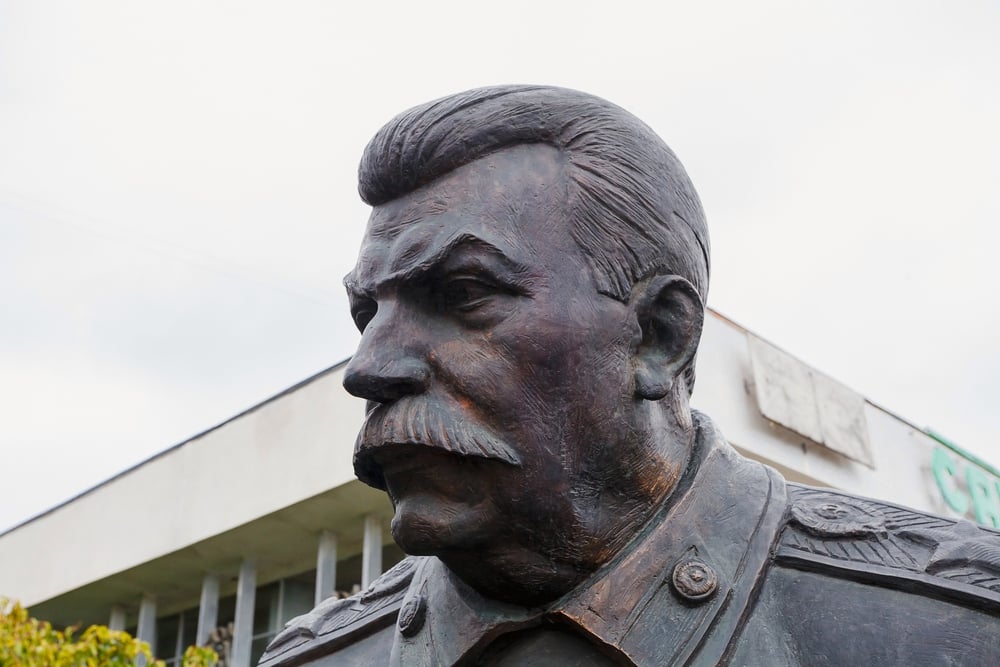
Stalin’s death began the slow process of Soviet liberalization and eventual dissolution. Though the immediate border changes were minimal, his passing set in motion events that would eventually lead to the creation of 15 independent republics from the former Soviet Union — fundamentally reshaping the map of Eastern Europe and Central Asia.
Mao Zedong (1976 CE)
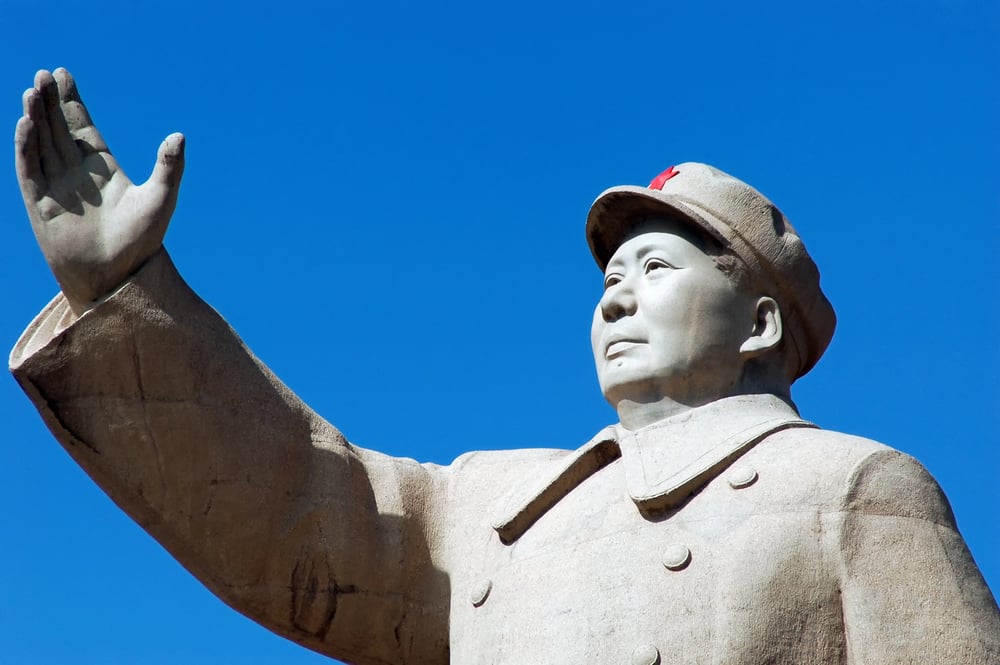
Mao’s death ended the Cultural Revolution and led to China’s economic opening under Deng Xiaoping. While China’s borders didn’t change dramatically — Mao’s passing allowed for the eventual return of Hong Kong and influenced China’s approach to Taiwan, significantly affecting regional geopolitics in East Asia.
Josip Broz Tito (1980 CE)
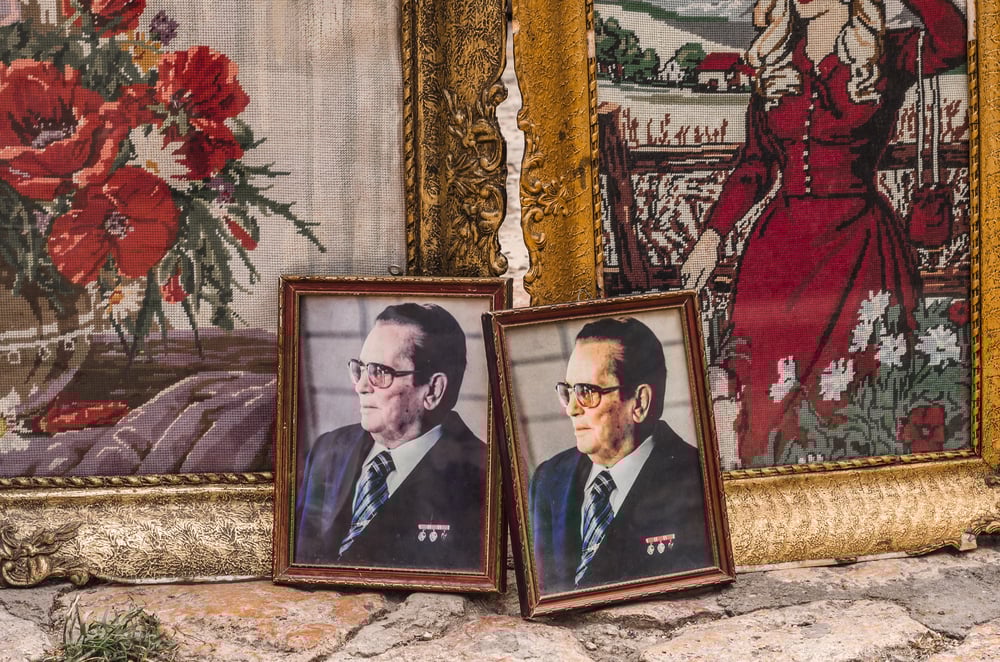
Tito’s death marked the beginning of Yugoslavia’s eventual dissolution. His strong leadership had held the diverse Yugoslav federation together — but his passing unleashed ethnic tensions that led to brutal wars and the creation of seven new independent nations in the Balkans during the 1990s.
King John of England (1216 CE)
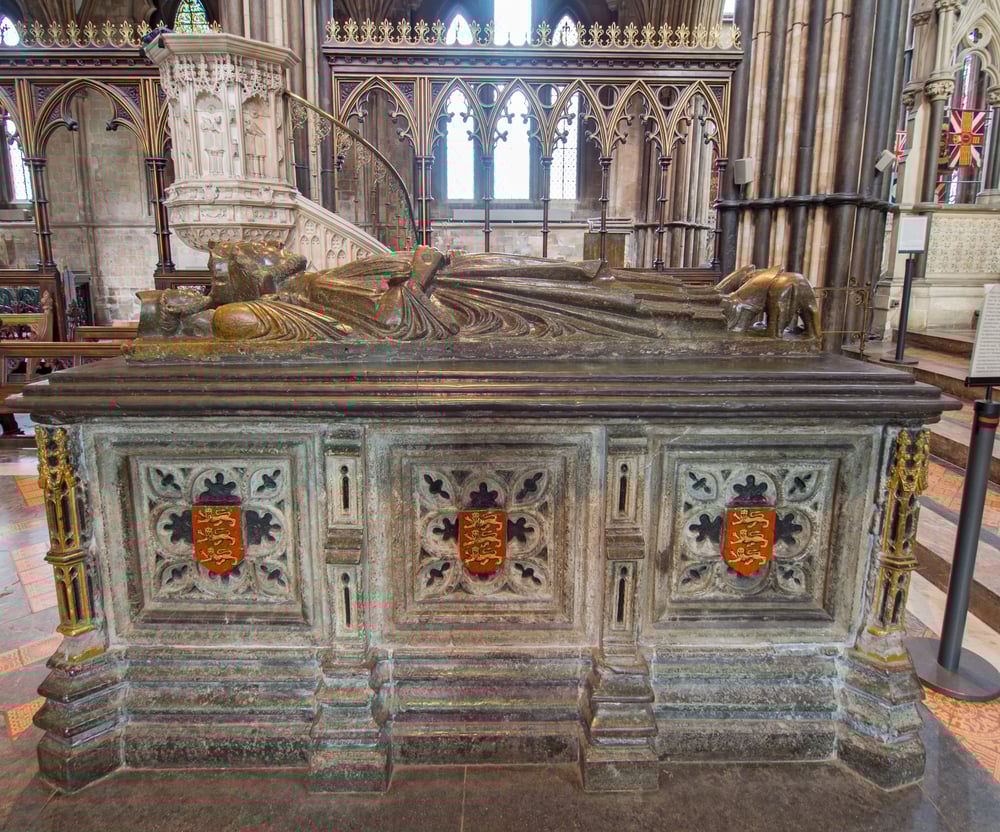
John’s death during the First Barons’ War led to significant changes in English territorial control. His son Henry III came to power under a regency that made territorial concessions to France, permanently altering the English holdings in continental Europe.
These changes established borders that would influence the Hundred Years’ War.
Emperor Commodus (192 CE)
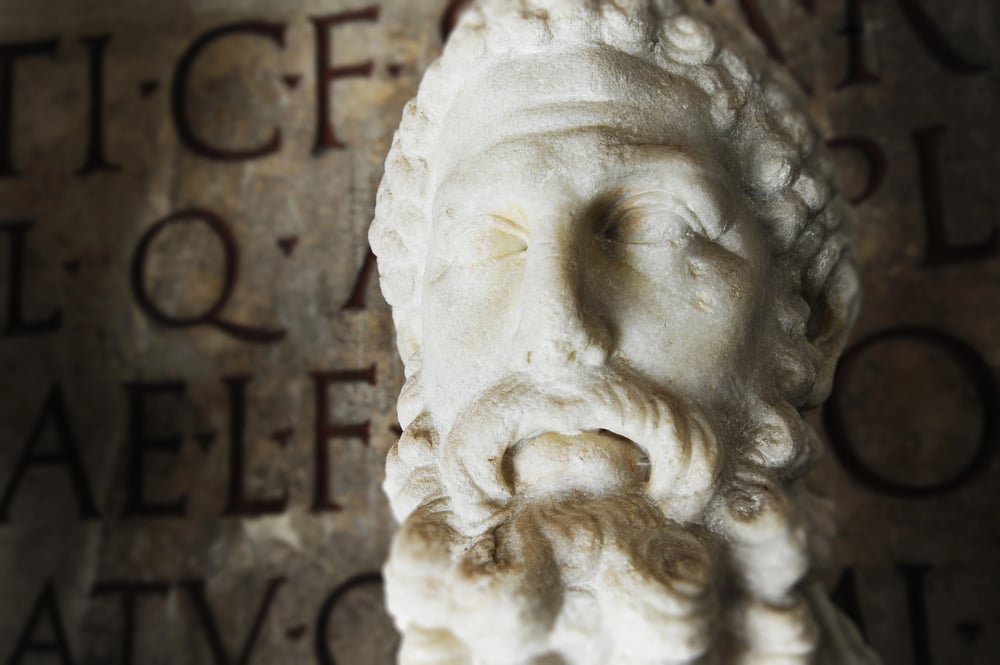
Commodus’s assassination triggered the Year of the Five Emperors, a period of civil war that weakened Roman control over frontier territories. His death led to the loss of territory along the Rhine and Danube frontiers.
This permanently altered the Roman Empire’s northern borders while allowing Germanic tribes to establish footholds in former Roman lands.
Tamerlane (1405 CE)

The death of this Central Asian conqueror led to the fragmentation of his empire among his descendants. His passing created power vacuums that allowed the Ottoman Empire to expand further into Anatolia and the Balkans, yet also enabled the rise of the Mughal Empire in India.
William the Conqueror (1087 CE)
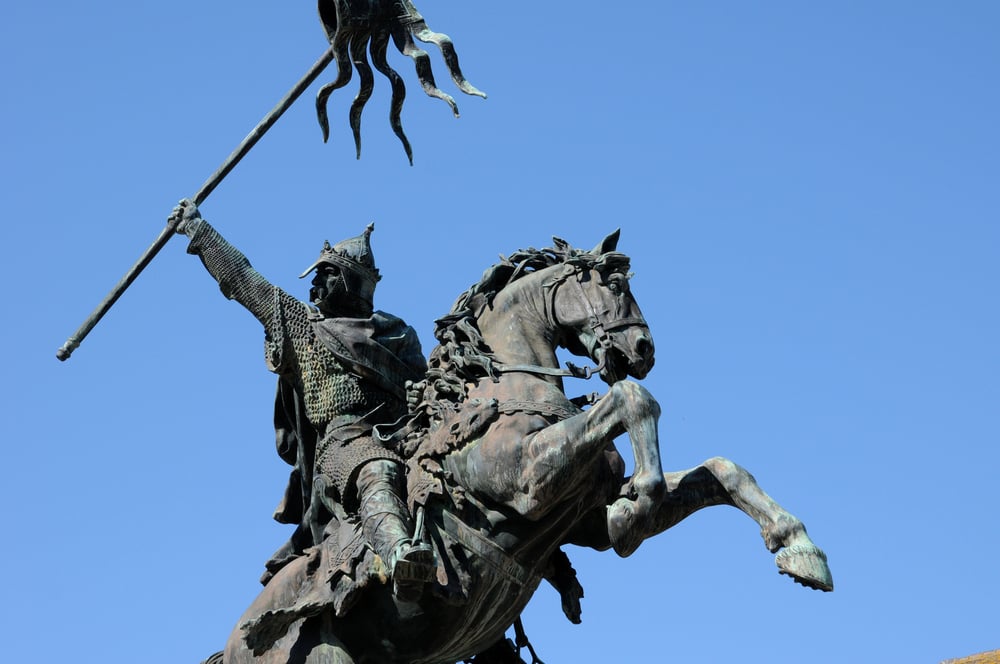
William’s death led to the division of his Anglo-Norman realm between his sons. This split created distinct English and Norman identities and borders, with England and Normandy following separate paths.
The division ultimately contributed to centuries of conflict between England and France over territorial claims.
Saladin (1193 CE)
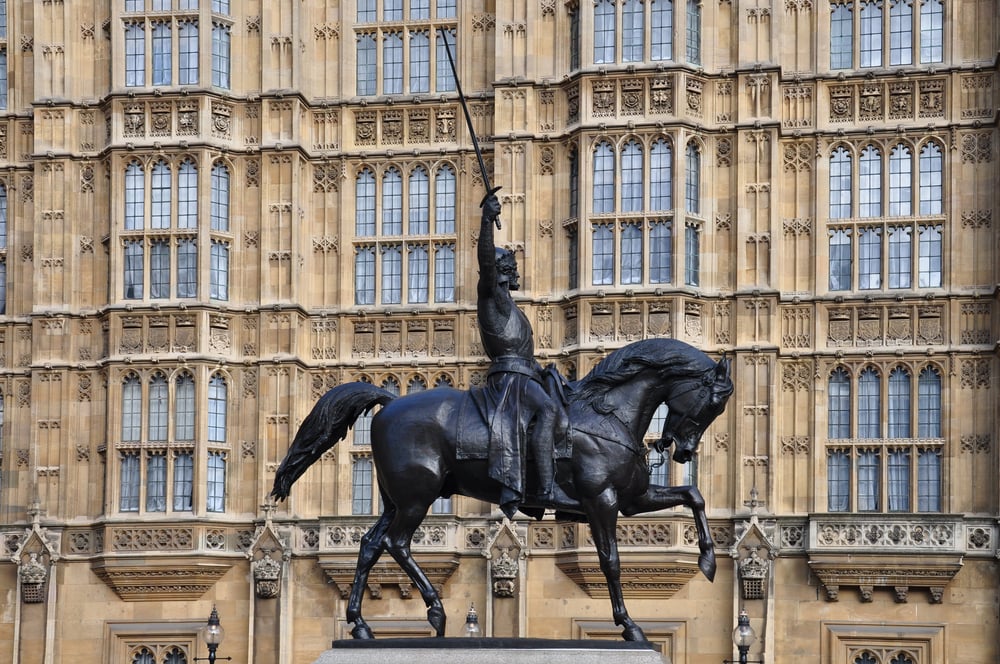
The death of this Kurdish Muslim leader led to the fragmentation of his Ayyubid dynasty. His passing allowed the Crusader states to regain some territory temporarily, though it also enabled the eventual rise of the Mamluk Sultanate in Egypt.
This sultanate would go on to eliminate the remaining Crusader presence in the Levant.
When Individual Lives Shape Nations

These deaths demonstrate how personal mortality can trigger massive geopolitical changes that last for centuries. A single person’s passing often creates power vacuums that reshape entire continents, proving that individual lives and global borders are inextricably linked.
The maps we see today bear the invisible scars of these historical moments, reminding us that death — like birth — can be a profoundly creative force in human history. Understanding these connections helps us appreciate how fragile and contingent our modern world really is.
More from Go2Tutors!

- The Romanov Crown Jewels and Their Tragic Fate
- 13 Historical Mysteries That Science Still Can’t Solve
- Famous Hoaxes That Fooled the World for Years
- 15 Child Stars with Tragic Adult Lives
- 16 Famous Jewelry Pieces in History
Like Go2Tutors’s content? Follow us on MSN.



