15 Tribes That Developed Unique Solutions
Throughout history, indigenous communities have faced environmental challenges with remarkable ingenuity and creativity. When modern technology wasn’t available, these groups developed sophisticated solutions using only natural resources and generations of accumulated wisdom. Their innovations often surpassed what we might expect from societies without advanced tools or formal scientific education.
From desert survival techniques to architectural marvels, these tribal communities created systems that sustained their populations for centuries. Here are 15 tribes that developed unique solutions to complex problems.
Inuit Ice Knowledge
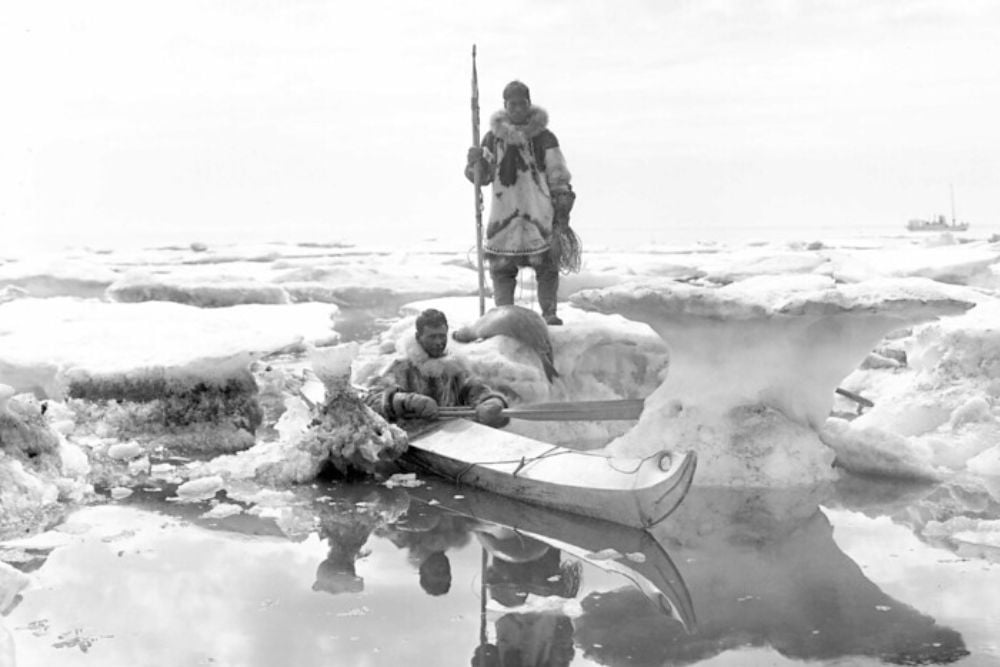
The Inuit people developed an intricate understanding of ice that allowed them to thrive in the Arctic. They created over 100 different words to describe various types of ice, though each term indicated specific conditions and safety levels.
Their igloos used a spiral construction technique that created remarkably warm shelters, while their kayaks were designed with precise measurements based on the builder’s body proportions.
Bedouin Water Conservation
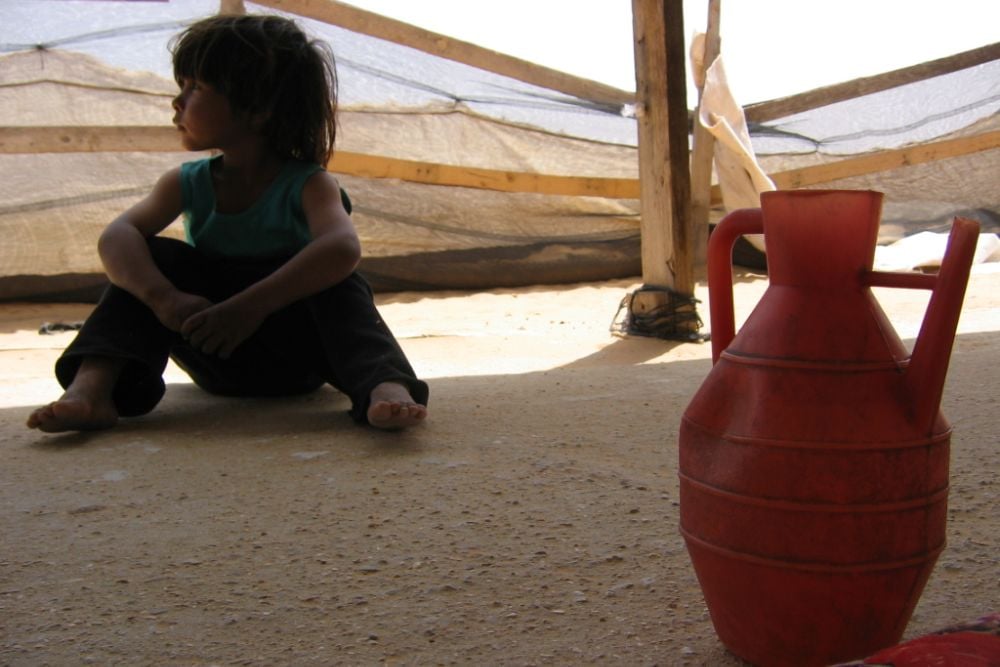
Bedouin tribes mastered water conservation in some of the world’s harshest deserts. They’d developed fog nets that captured moisture from the air, turning it into drinking water during the night.
Their traditional tents were designed with specific angles and materials that created cooling airflow — yet they could be assembled or dismantled in minutes during sandstorms.
Inca Terrace Farming
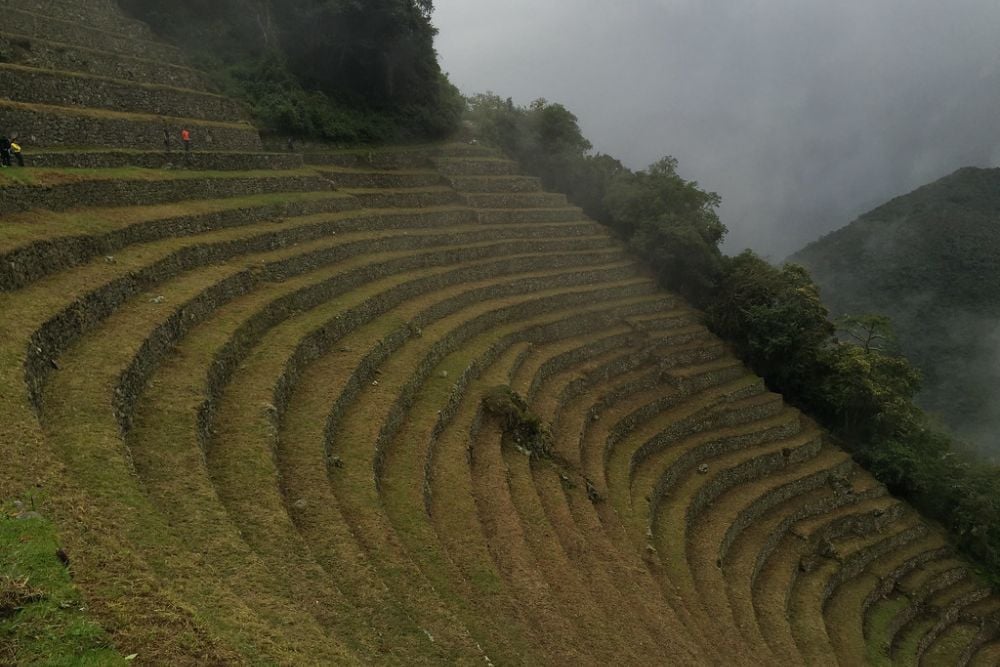
The Inca engineered terraced agricultural systems that transformed steep mountain slopes into productive farmland. These andenes used sophisticated drainage systems and microclimates to grow crops at altitudes where farming seemed impossible.
Their technique increased arable land by 40% while preventing soil erosion — a solution that modern engineers still study today.
Aboriginal Fire Management
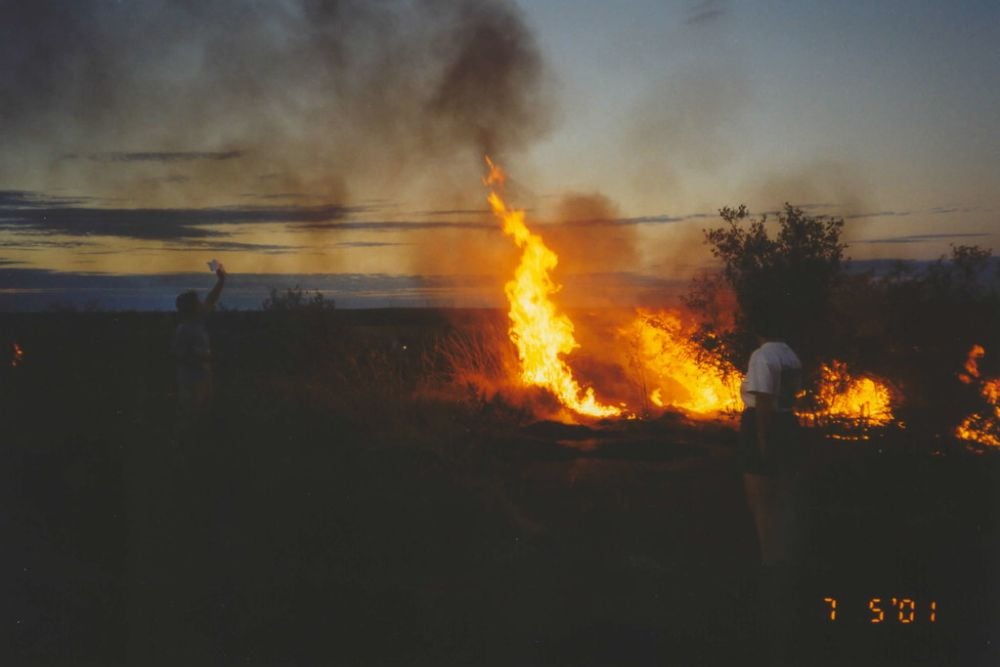
Australian Aboriginal tribes developed controlled burning practices that prevented catastrophic wildfires for over 50,000 years. They created mosaic patterns of burned and unburned areas, reducing fuel loads while promoting biodiversity.
Their seasonal burning calendar was synchronized with plant life cycles, weather patterns, and animal breeding seasons.
Maasai Livestock Rotation
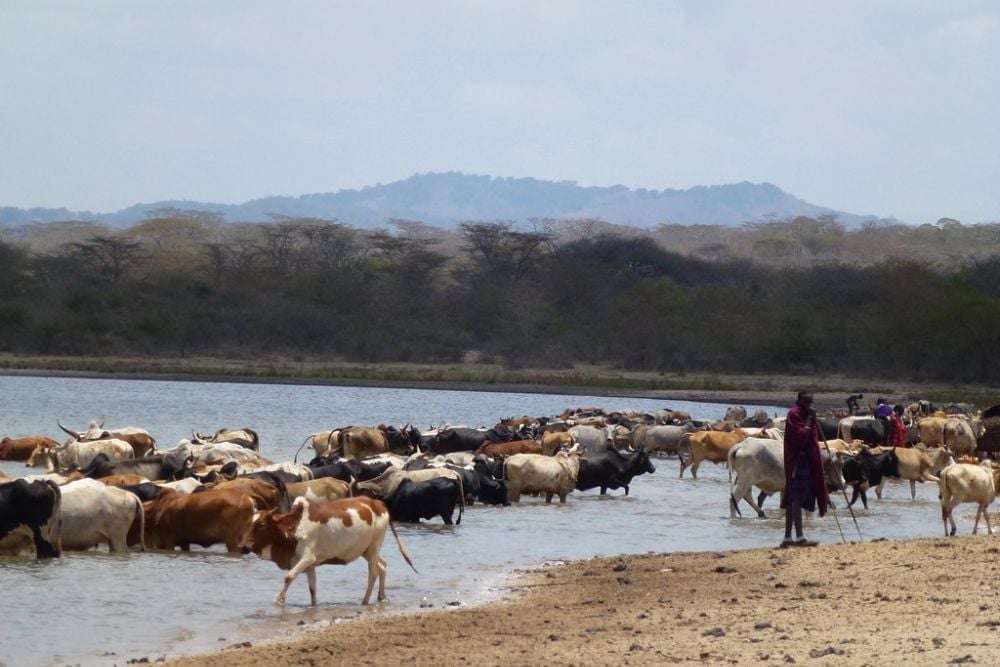
The Maasai people created sustainable grazing systems that maintained grassland health across East Africa. They’d developed rotational grazing patterns based on seasonal rainfall and grass growth cycles, preventing overgrazing while maximizing livestock nutrition.
Their traditional knowledge included identifying over 60 different grass species — and their optimal grazing times.
Polynesian Navigation

Polynesian navigators developed star compass systems that allowed them to traverse thousands of miles of open ocean without instruments. They read wave patterns, wind directions, and bird flight paths, creating mental maps of entire ocean regions.
Their stick charts represented wave interference patterns around islands, serving as three-dimensional navigation tools.
Quechua Freeze-Drying
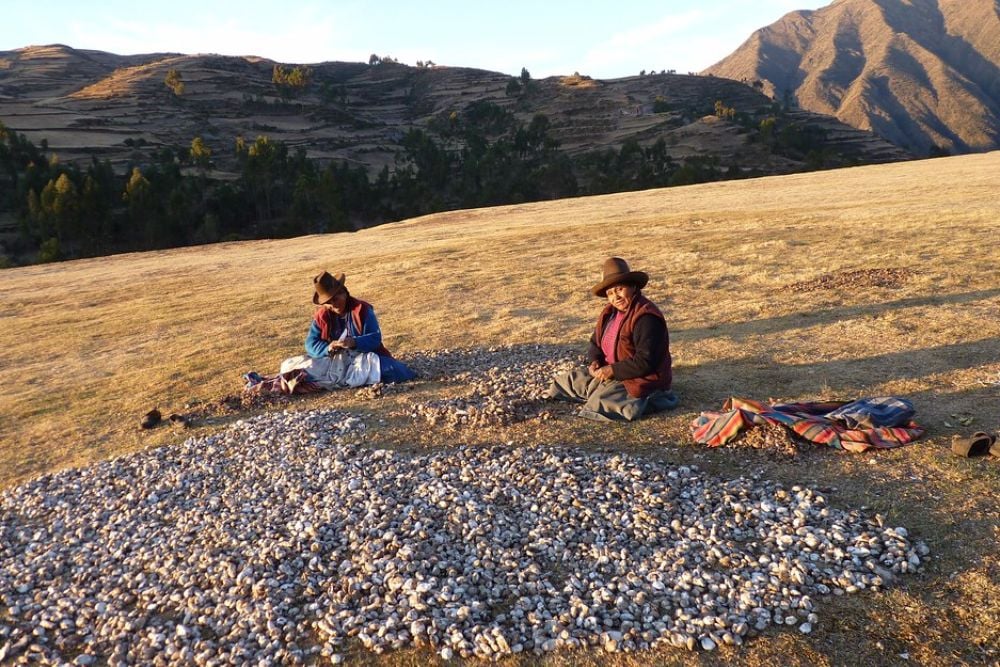
Quechua communities in the Andes developed freeze-drying techniques for food preservation centuries before modern technology. They used high-altitude conditions and temperature fluctuations to create chuño, dehydrated potatoes that could be stored for years.
This process removed 80% of the potato’s water content — while maintaining most nutritional value.
Sami Reindeer Herding
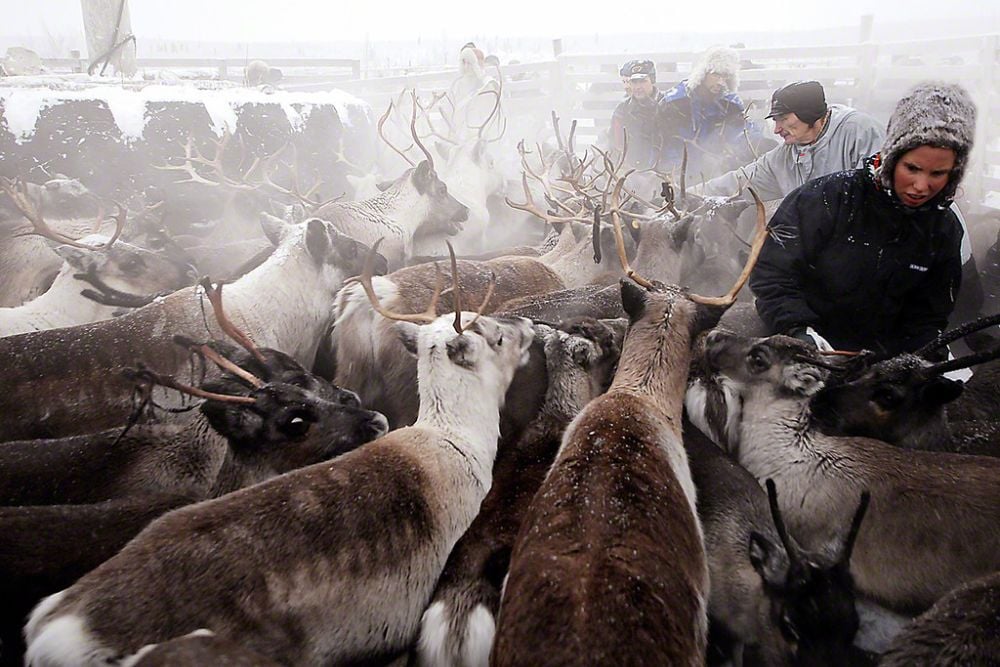
The Sami people developed sophisticated reindeer management systems across the Arctic tundra. They’d created seasonal migration routes that followed natural forage patterns, covering hundreds of miles annually while maintaining herd health.
Their traditional knowledge included weather prediction methods and an understanding of lichen growth cycles that sustained the reindeer.
Himba Water Location
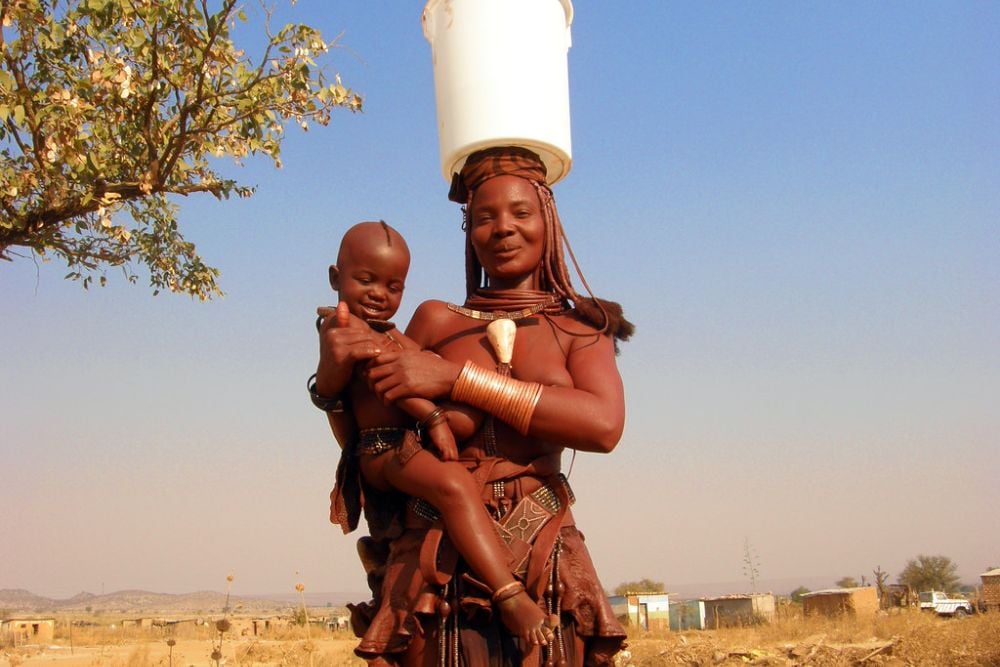
The Himba tribe of Namibia developed techniques for finding water in extremely arid environments. They learned to read landscape features, vegetation patterns, and animal behavior, locating underground water sources in areas that appeared completely barren.
Their knowledge included identifying specific plants that indicated water table depth and quality.
Cherokee Medicinal Systems
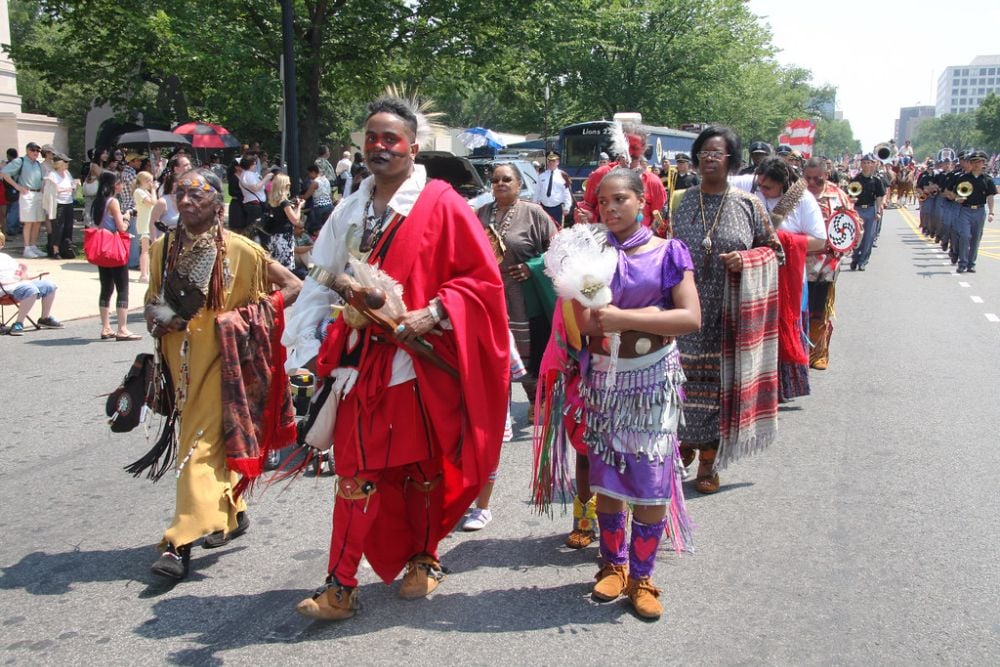
Cherokee healers developed comprehensive medicinal systems using hundreds of native plants. They’d created treatment protocols for various ailments, combining botanical knowledge with spiritual practices for holistic healing.
Their pharmacological understanding included proper harvesting times, preparation methods, and dosage calculations for different age groups and conditions.
Tuareg Desert Travel
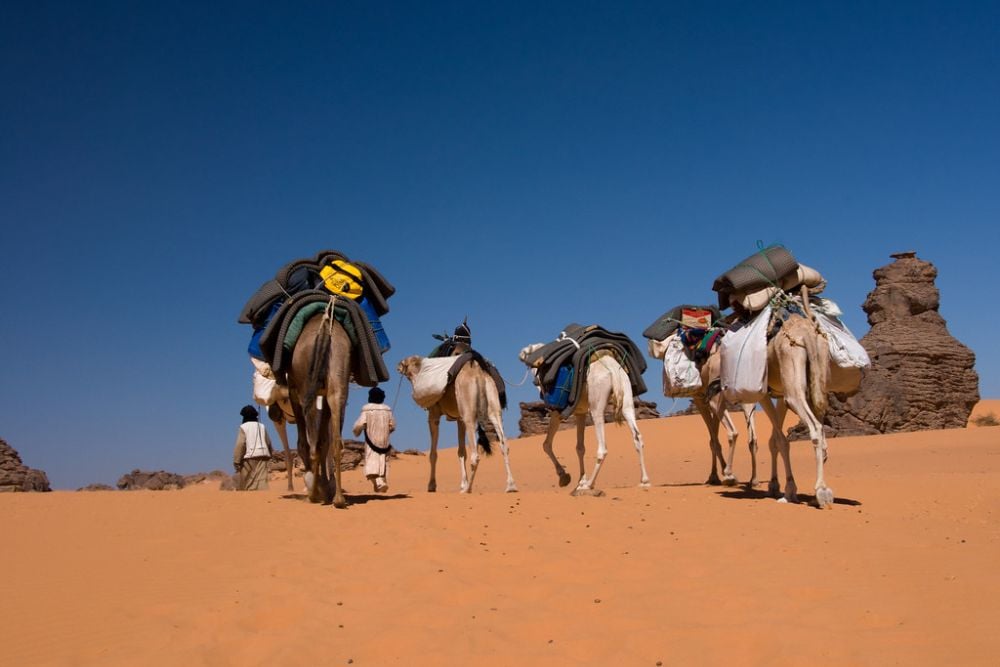
Tuareg nomads mastered long-distance desert travel using camel caravans and celestial navigation. They developed route-finding techniques based on sand dune patterns, star positions, and seasonal wind changes.
Their traditional knowledge included reading animal tracks to locate water sources, yet predicting weather changes days in advance.
Yanomami Forest Medicine
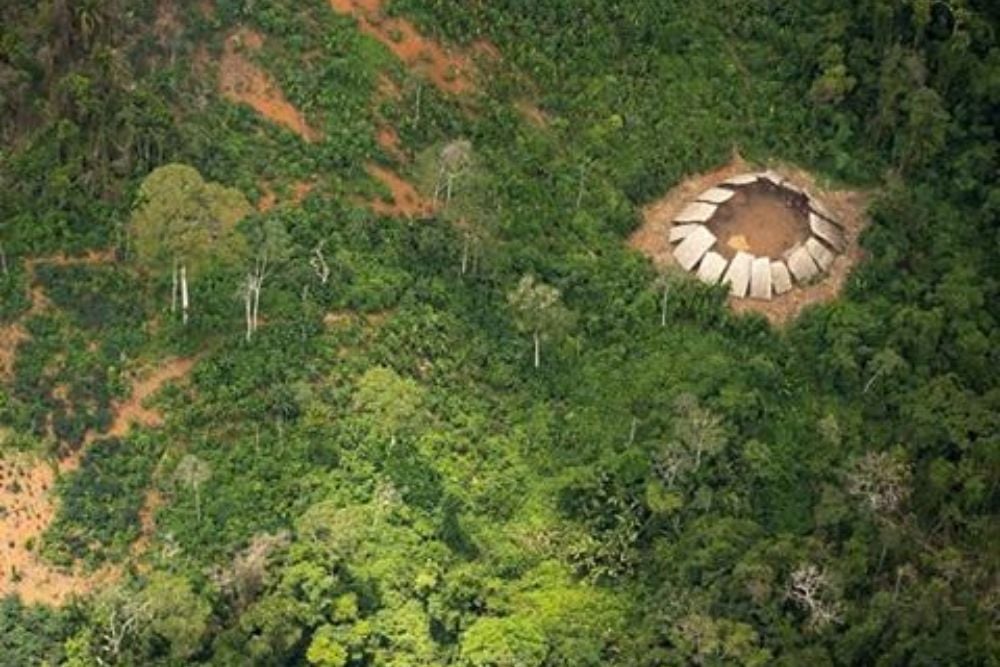
The Yanomami people of the Amazon developed one of the world’s most sophisticated plant-based medicine systems. They identified therapeutic properties in over 300 plant species, creating treatments for everything from infections to mental health conditions.
Their shamanic practices combined botanical knowledge with psychological healing techniques that modern researchers are still studying.
Maori Sustainable Fishing
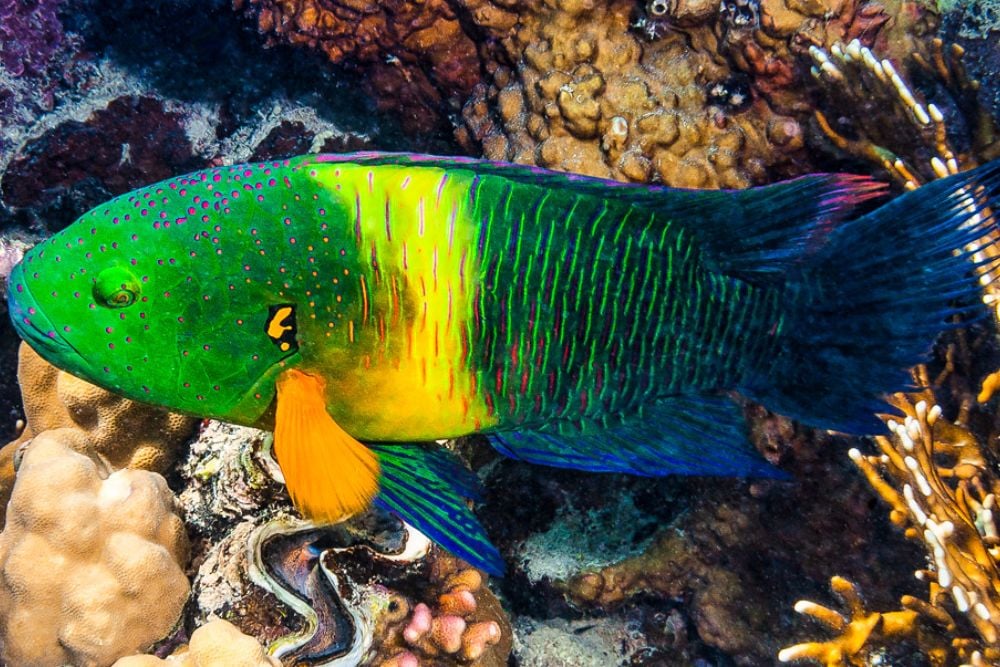
Maori communities created sustainable fishing practices that maintained marine ecosystem balance for centuries. They established seasonal restrictions, protected breeding areas, and developed selective harvesting techniques that ensured species reproduction.
Their traditional knowledge included understanding fish migration patterns, spawning cycles, though optimal harvesting sizes remained crucial.
Berber Mountain Agriculture
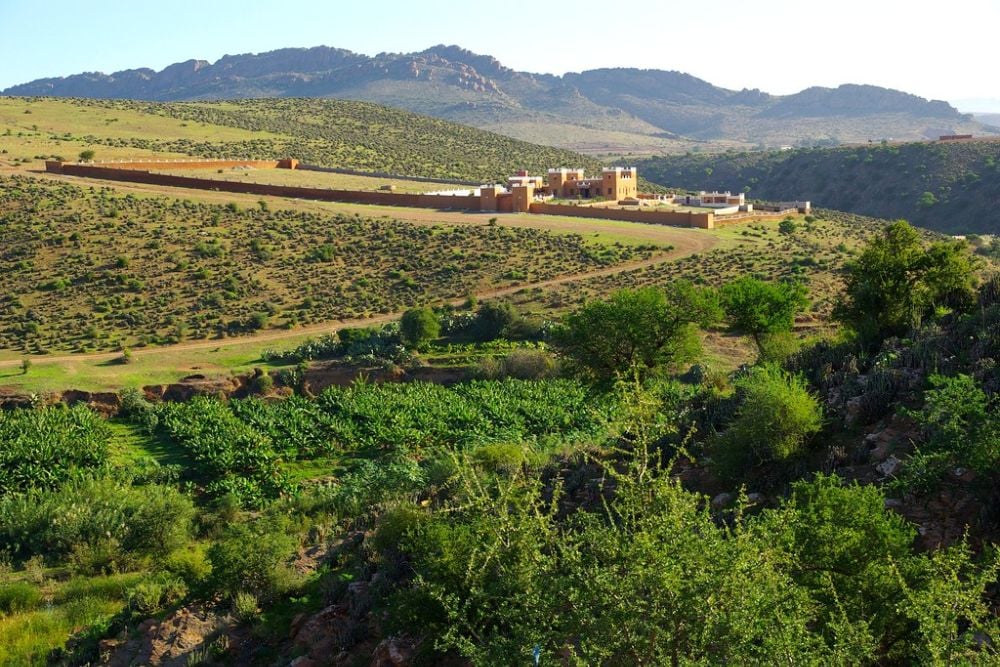
Berber tribes in North Africa’s Atlas Mountains developed terraced farming systems adapted to extreme elevation changes. They created irrigation networks that channeled mountain snowmelt through carefully constructed channels, maximizing water efficiency in arid conditions.
Their crop rotation methods maintained soil fertility without external inputs for generations.
Kaluli Sound Mapping
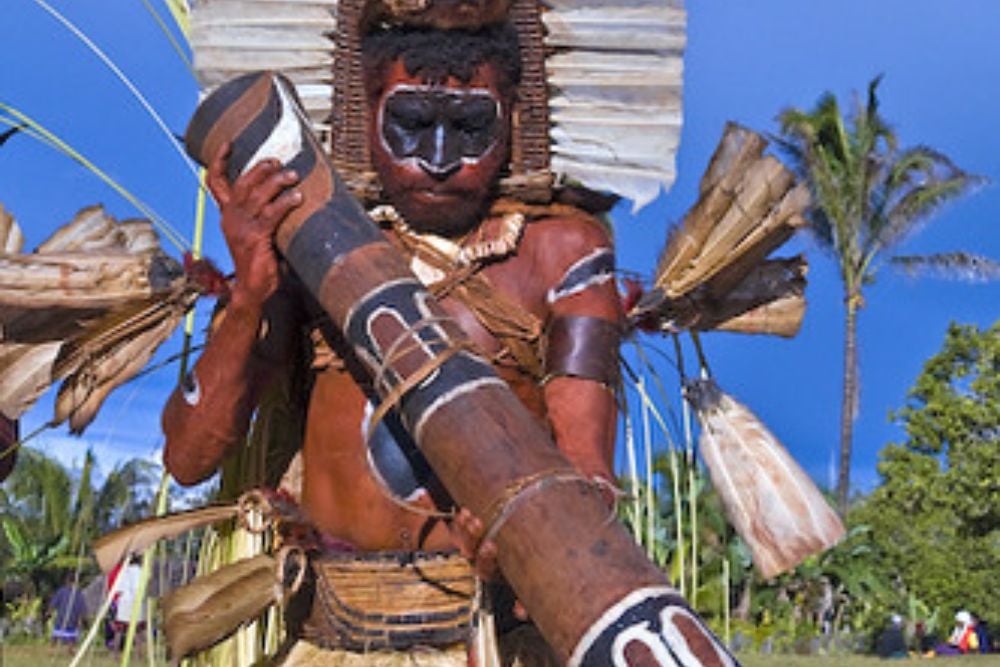
The Kaluli people of Papua New Guinea developed acoustic mapping systems that used environmental sounds for navigation and communication. They created detailed mental maps based on bird calls, water sounds, and forest acoustics that allowed precise location identification in dense jungle terrain.
Their sound knowledge included seasonal variations, yet how different weather conditions affected acoustic properties remained an essential understanding.
Wisdom That Transcends Time
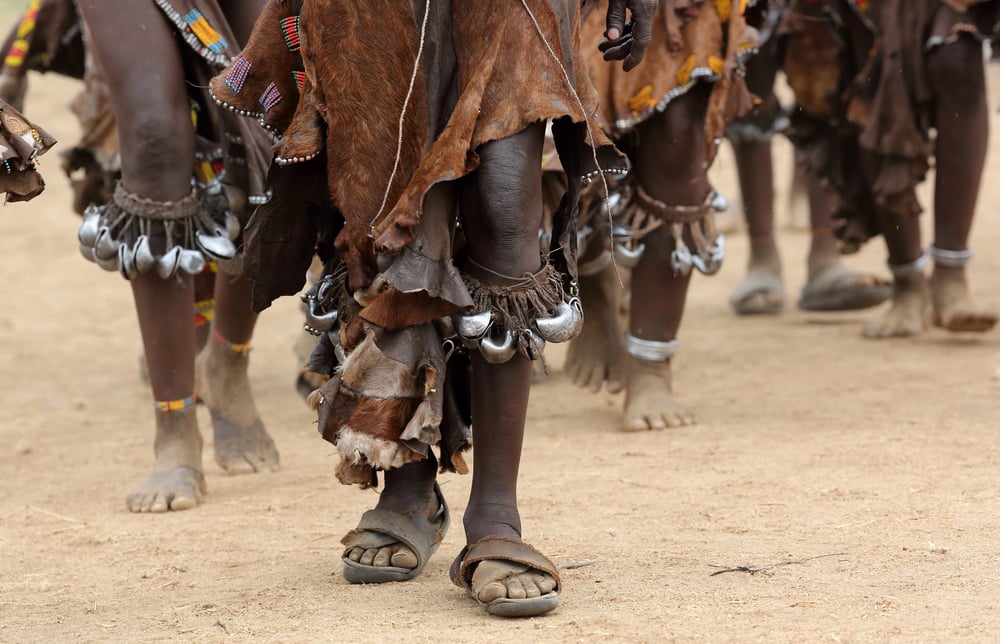
These tribal innovations demonstrate that human creativity flourishes regardless of technological limitations. Many of these traditional solutions prove more sustainable and environmentally sound than modern alternatives, offering valuable lessons for contemporary challenges.
The ingenuity these communities displayed continues to inspire scientists, engineers, and environmentalists seeking better ways to live harmoniously with our planet.
More from Go2Tutors!

- The Romanov Crown Jewels and Their Tragic Fate
- 13 Historical Mysteries That Science Still Can’t Solve
- Famous Hoaxes That Fooled the World for Years
- 15 Child Stars with Tragic Adult Lives
- 16 Famous Jewelry Pieces in History
Like Go2Tutors’s content? Follow us on MSN.