Secrets Only 60s and 70s Kids Recall
Growing up in the 60s and 70s meant experiencing a world that feels almost alien by today’s standards. There were no smartphones to document every moment, no internet to instantly verify childhood myths, and no GPS to guide you home when streetlights came on.
Instead, there was a collection of shared experiences that bonded an entire generation – small rituals, unspoken rules, and everyday realities that have since vanished without a trace. These weren’t just different times; they were times when children moved through the world with a kind of independence that would terrify modern parents.
The secrets of that era weren’t hidden away – they were lived daily by millions of kids who had no idea they were creating memories that would one day seem impossible to explain.
TV Sign-Offs With The National Anthem
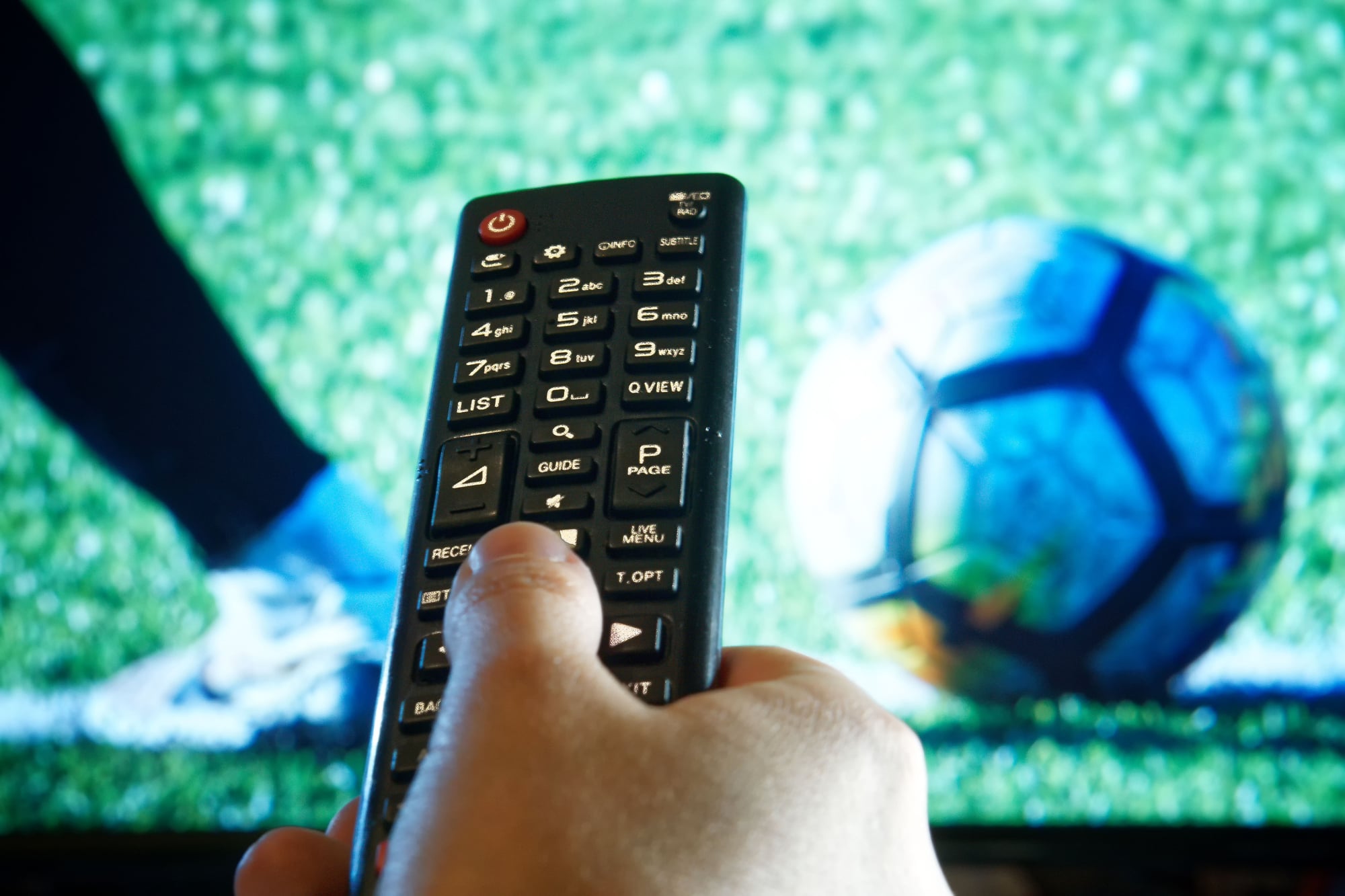
Television stations actually turned off at night. Around midnight, programming ended with “The Star-Spangled Banner” played over a waving American flag, followed by hours of static or test patterns.
No late-night infomercials, no 24-hour news cycles – just dead air until morning programming resumed.
Party Line Telephone Etiquette

Your phone line was shared with neighbors. Pick up the receiver at the wrong moment and you’d hear Mrs. Henderson from down the street discussing her grocery list with her sister.
The unwritten rule was to quietly hang up, but every kid learned to hold their breath and eavesdrop at least once.
The Art Of TV Antenna Adjustment

Someone had to stand next to the television holding the rabbit ears while another person shouted directions from across the room (because moving the antenna while standing next to the TV was a complex choreography that determined whether The Ed Sullivan Show came through clearly or looked like a snowstorm, and this dance – one person gripping metal rods at precise angles while the other called out “better, worse, hold it right there” – was performed in living rooms across America every single evening, a ritual so routine that families developed their own shorthand for it). The person holding the antenna became a human broadcast tower.
And somehow, this seemed perfectly normal. But the strangest part wasn’t the technical limitation itself – it was how each family member developed their own antenna-holding technique, as if the ability to pull CBS out of thin air through precise finger placement was a skill passed down through generations.
Encyclopedia Salesmen And Installment Payments

Knowledge came to your door in 24 leather-bound volumes. Families bought encyclopedias the way they bought cars – with monthly payment plans that stretched for years.
These books sat in living rooms like monuments to learning, though most kids only cracked them open for school reports. The World Book Encyclopedia representative was a fixture in suburban neighborhoods, carrying sample volumes and payment charts.
Parents treated these purchases like major investments in their children’s future.
Milk Delivery And Glass Bottle Deposits

Fresh milk appeared on doorsteps in glass bottles, left by milkmen who knew every family’s weekly order by heart. Empty bottles went back in the metal carrier with notes tucked inside requesting extra cream or butter for the weekend.
TV Test Patterns And Station Identification

Before regular programming began each morning, television screens displayed geometric test patterns accompanied by a steady tone. Station identification meant a voice announcing the call letters, frequency, and city of license.
No flashy graphics, no music – just a man in a suit reading technical information as if it were the evening news.
The Ritual Of Developing Film
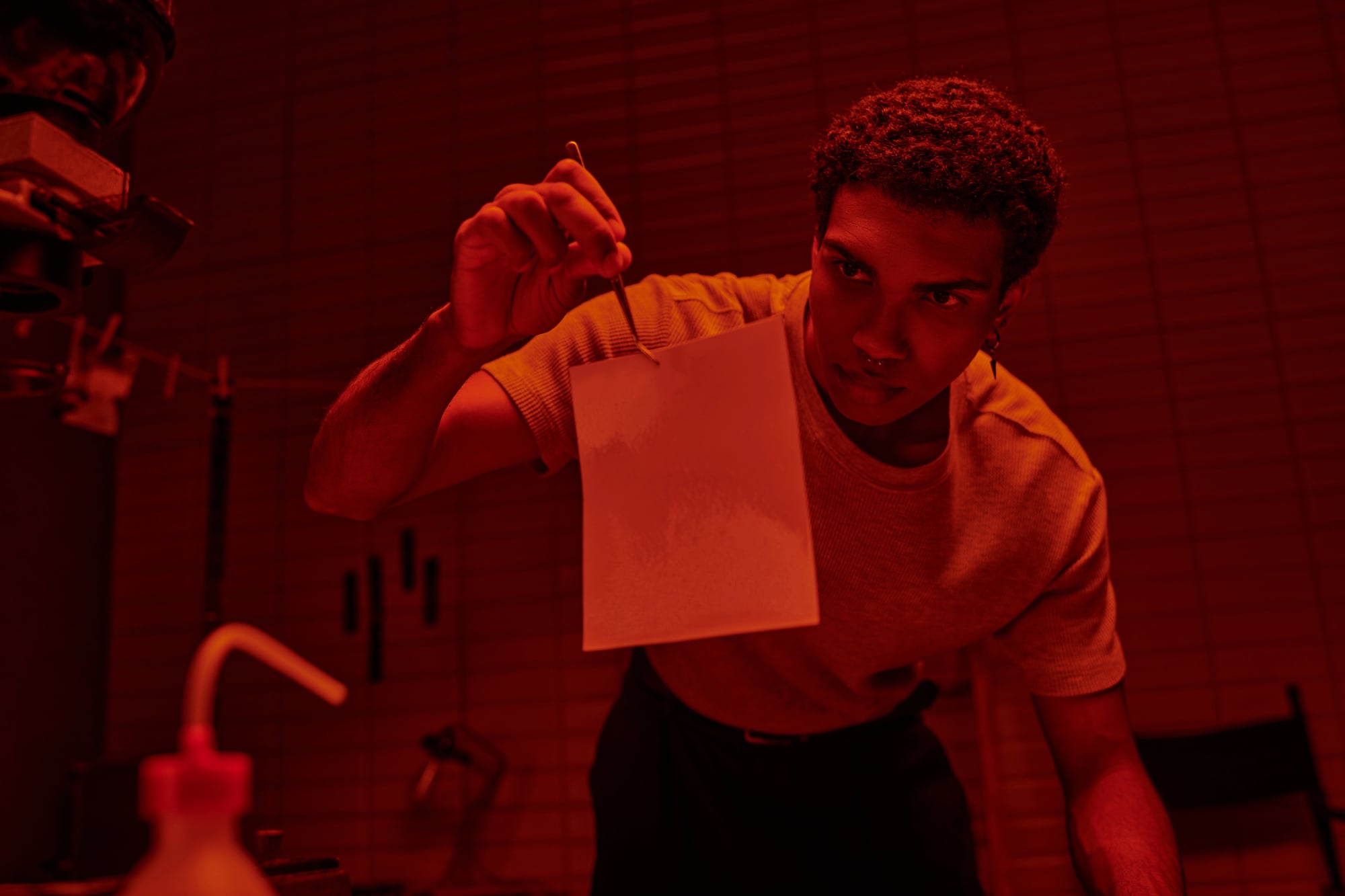
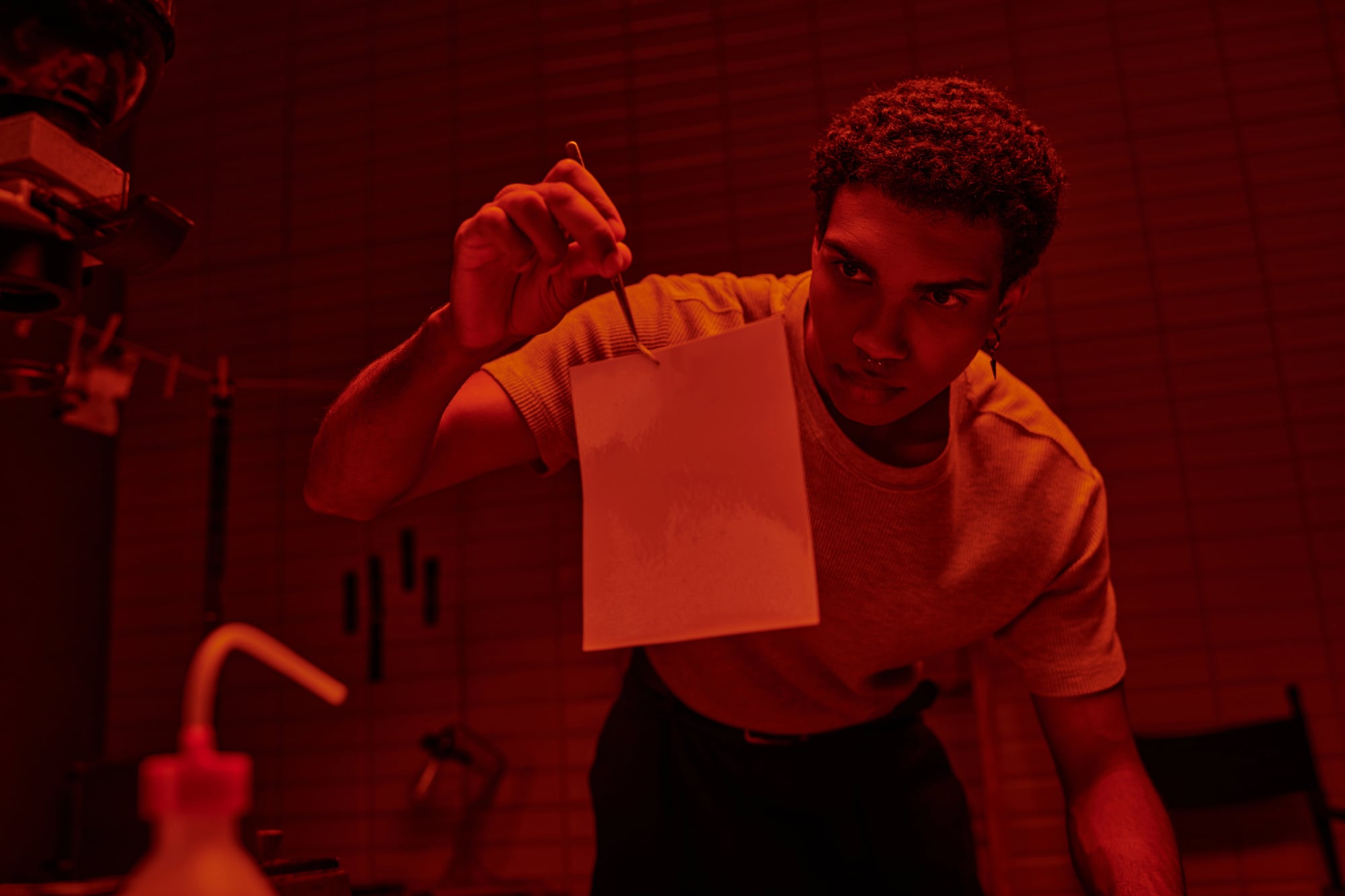
Every photograph was a small gamble that wouldn’t pay off for days or weeks (because you never knew if that perfect birthday shot was blurred, if someone blinked at the crucial moment, or if you’d accidentally covered the lens with your thumb, and this uncertainty – this inability to see results immediately – made picture-taking feel more like placing bets than preserving memories, which meant families approached cameras with the careful deliberation of people who understood that each click of the shutter cost actual money and carried real risk). Twenty-four or thirty-six exposures per roll.
That was it. So you became strategic about photography in ways that seem almost archaeological now – saving shots for truly important moments, making sure everyone was ready before pressing the shutter, and living with the knowledge that Christmas morning might be documented in twelve photos total, not twelve hundred.
And when you finally got the envelope back from the drugstore, flipping through developed photos felt like opening a time capsule of your own life.
The Weight Of Phone Books
Phone directories were serious pieces of furniture masquerading as reference materials. The Yellow Pages alone could stop a door in a windstorm.
Families kept multiple years stacked in closets, though nobody could explain why last year’s phone book might suddenly become relevant again. Finding a business meant thumbing through actual pages.
No search function, no customer reviews – just alphabetical listings and small black-and-white ads that somehow conveyed everything you needed to know about Tony’s TV Repair or Murphy’s Hardware.
Carbon Paper Mysteries
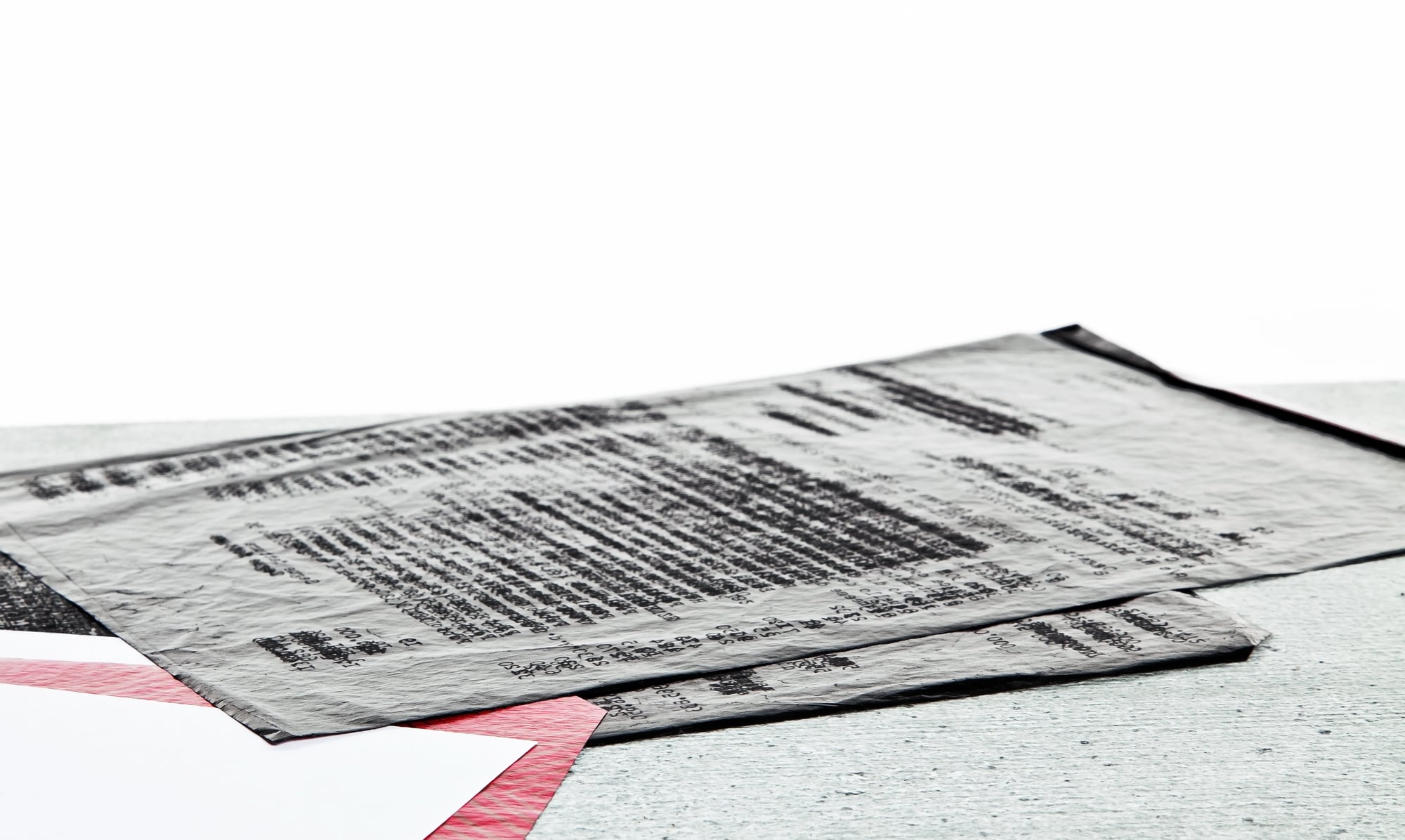
Making copies meant inserting a sheet of carbon paper between two pieces of regular paper and pressing hard with a pen. The carbon sheet transferred ink to the bottom page, creating a duplicate that was always slightly smudged and backwards-readable on the other side.
Office supply stores sold carbon paper by the box. Secretaries kept stacks of it in desk drawers like modern offices stock printer toner.
The Communal Experience Of Appointment Television

Missing a show meant missing it completely (there were no DVRs, no streaming services, no way to catch up later – if The Wonderful World of Disney aired Sunday at 7 PM and you weren’t planted in front of your television set at that exact time, you simply didn’t see it, which created a strange kind of appointment culture where families planned their entire weekends around TV schedules and friends made sure to finish homework early because everyone would be talking about whatever happened on Bonanza the next morning at school). Everyone watched the same programs at the same time because those were the only times they were available.
But this limitation created something that no longer exists: true shared cultural moments where millions of people experienced the same story simultaneously, creating Monday morning conversations that assumed everyone saw exactly what you saw. So television felt more like a national campfire than personal entertainment – something that brought people together rather than splitting them into individual viewing bubbles.
S&H Green Stamps And Redemption Catalogs

Grocery stores gave out small green stamps based on purchase amounts. Families collected these stamps in books, licking each one to make it stick.
Full books could be redeemed for household items from special catalogs – toasters, lawn chairs, even small appliances. The redemption centers were retail wonderlands where nothing cost money, only stamps.
Kids learned math by calculating how many more books the family needed to get that camping tent on page 47.
Manual Car Windows And The Cranking Sound

Rolling down car windows required actual physical effort. The metal handle turned with a distinctive clicking sound as the glass lowered into the door.
Kids in the backseat developed arm strength from operating these cranks during long summer drives. Power windows existed only in luxury cars.
For everyone else, getting fresh air meant giving your wrist a workout.
The Ceremony Of Record Needle Placement
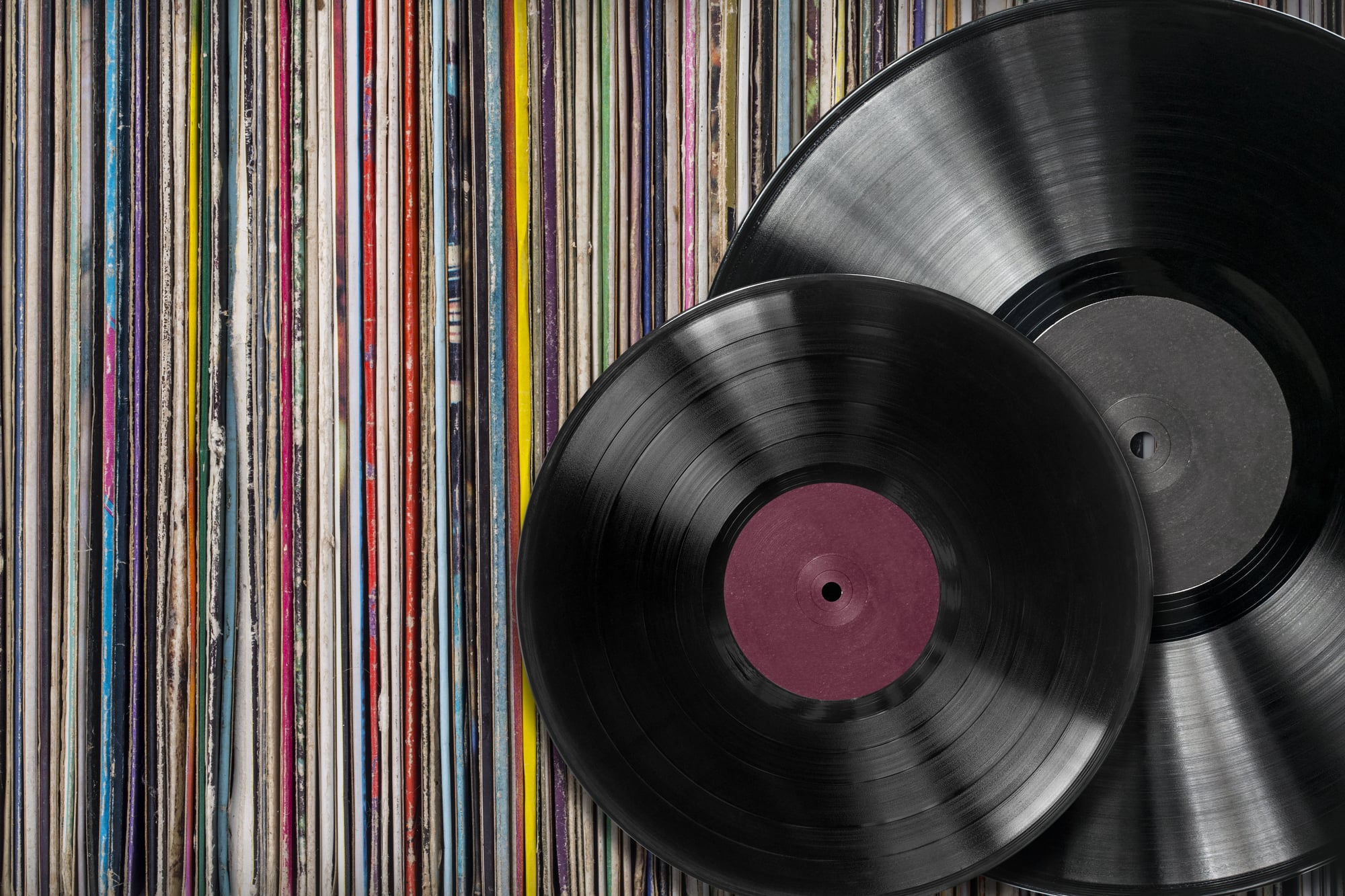
Playing music required delicate precision – lifting the tonearm, positioning the needle at the exact groove where your favorite song began, and lowering it without scratching the vinyl. One careless move could damage both the record and the needle.
Ice Cube Trays With Metal Levers
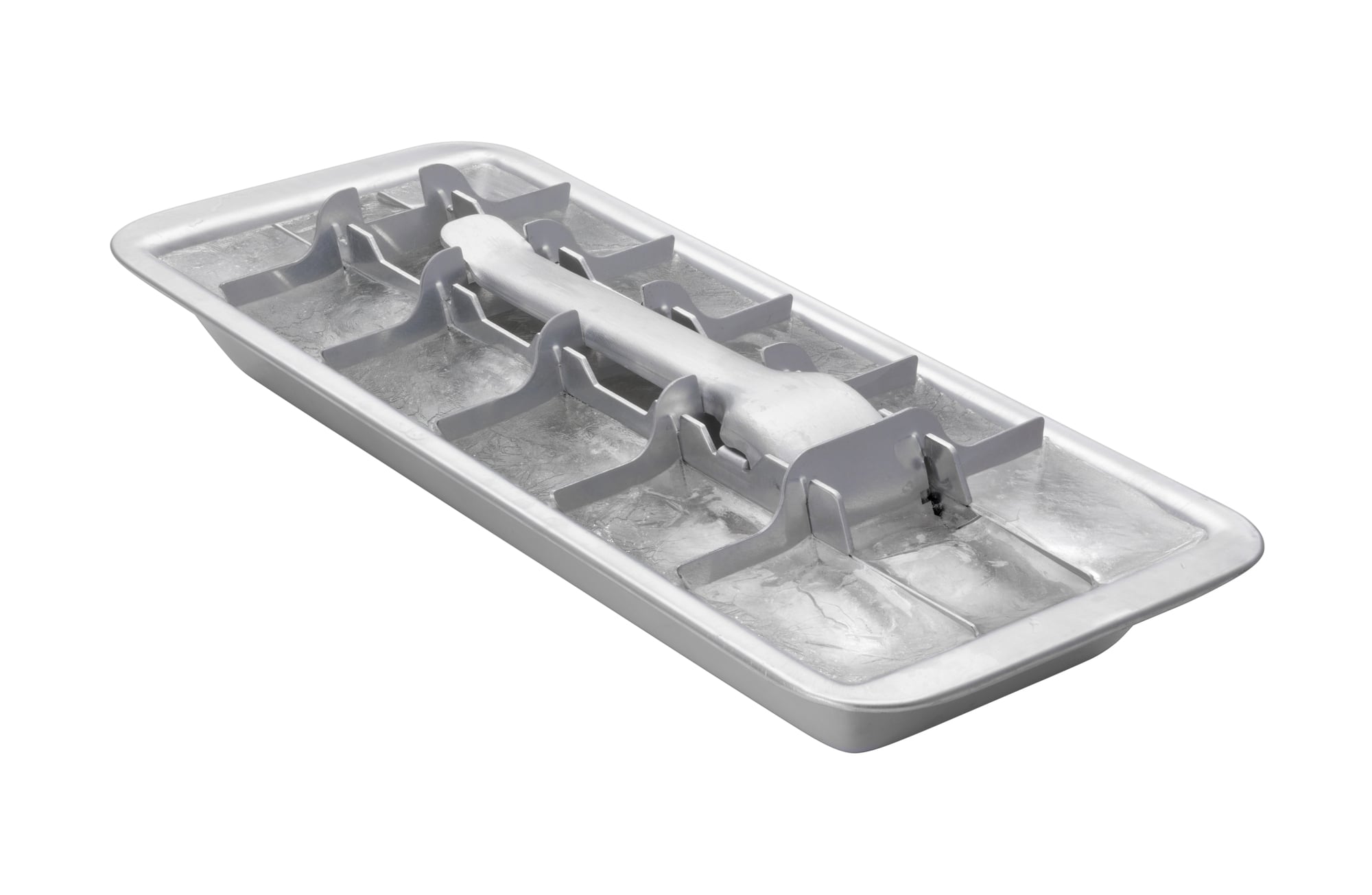
Making ice meant filling metal trays with water and waiting hours for them to freeze. Getting the ice out required pulling a metal lever that cracked the cubes free from their compartments.
The sound was unmistakable – a sharp snap followed by the clatter of ice cubes dropping into the tray. Modern automatic ice makers have erased this small daily ritual, along with the satisfaction of perfectly timing the lever pull.
Library Card Catalogs And The Dewey Decimal System

Finding books meant pulling out small wooden drawers filled with index cards arranged by author, title, and subject. Each card contained call numbers written in the Dewey Decimal System – a numerical code that told you exactly where to find any book in the building.
The Anticipation Of Saturday Morning Cartoons

Cartoons aired only on weekend mornings, creating a weekly event that defined childhood weekends. Kids set alarms for 6 AM to catch the entire lineup from The Bugs Bunny Show through Schoolhouse Rock educational segments.
Missing Saturday morning cartoons meant waiting an entire week for another chance. There were no cartoon channels, no on-demand viewing – just those few precious hours when television belonged entirely to children.
The Mystery Of Busy Signals

Phone calls didn’t always connect. A busy signal meant the person you were calling was already on the phone with someone else, and your only option was to hang up and try again later.
No call waiting, no voicemail – just that harsh beeping sound that meant you’d have to be patient.
Opening Day Traditions And Three-Channel Television

Baseball season began with genuine ceremony because there were only a handful of games on television each week, making every broadcast feel like a special event rather than background noise. The Game of the Week actually meant something.
Families gathered around television sets for playoff games the way they’d later gather for Super Bowl parties. And somehow, having fewer choices made each one feel more important – like the difference between a carefully planned dinner and grabbing whatever’s convenient from an endless buffet.
When Memories Lived Only In Your Head

Without cameras in every pocket, childhood existed primarily in memory rather than documentation. The funny thing that happened at recess lived on through retelling, not rewatching.
Family vacations were preserved in minds and maybe a roll of film that wouldn’t be developed until weeks later. This absence of constant documentation created a different relationship with experience itself – moments that were lived fully rather than performed for future viewing, memories that belonged entirely to the people who made them.
More from Go2Tutors!

- The Romanov Crown Jewels and Their Tragic Fate
- 13 Historical Mysteries That Science Still Can’t Solve
- Famous Hoaxes That Fooled the World for Years
- 15 Child Stars with Tragic Adult Lives
- 16 Famous Jewelry Pieces in History
Like Go2Tutors’s content? Follow us on MSN.