Trends Today’s Kids Instantly Recognize
Walk into any middle school cafeteria or high school hallway, and the cultural divide becomes crystal clear. References that once bonded generations now fall flat, replaced by an entirely new language of trends, aesthetics, and social codes.
Today’s kids operate in a digital-native world where viral moments shape identity faster than traditional media ever could.
The speed at which youth culture evolves has accelerated beyond what previous generations experienced. What’s trending today might be forgotten next week, but certain patterns have emerged that define this generation’s shared vocabulary.
These aren’t just fleeting fads—they’re the building blocks of how Gen Z and Gen Alpha communicate, express themselves, and make sense of their rapidly changing world.
VSCO Girls
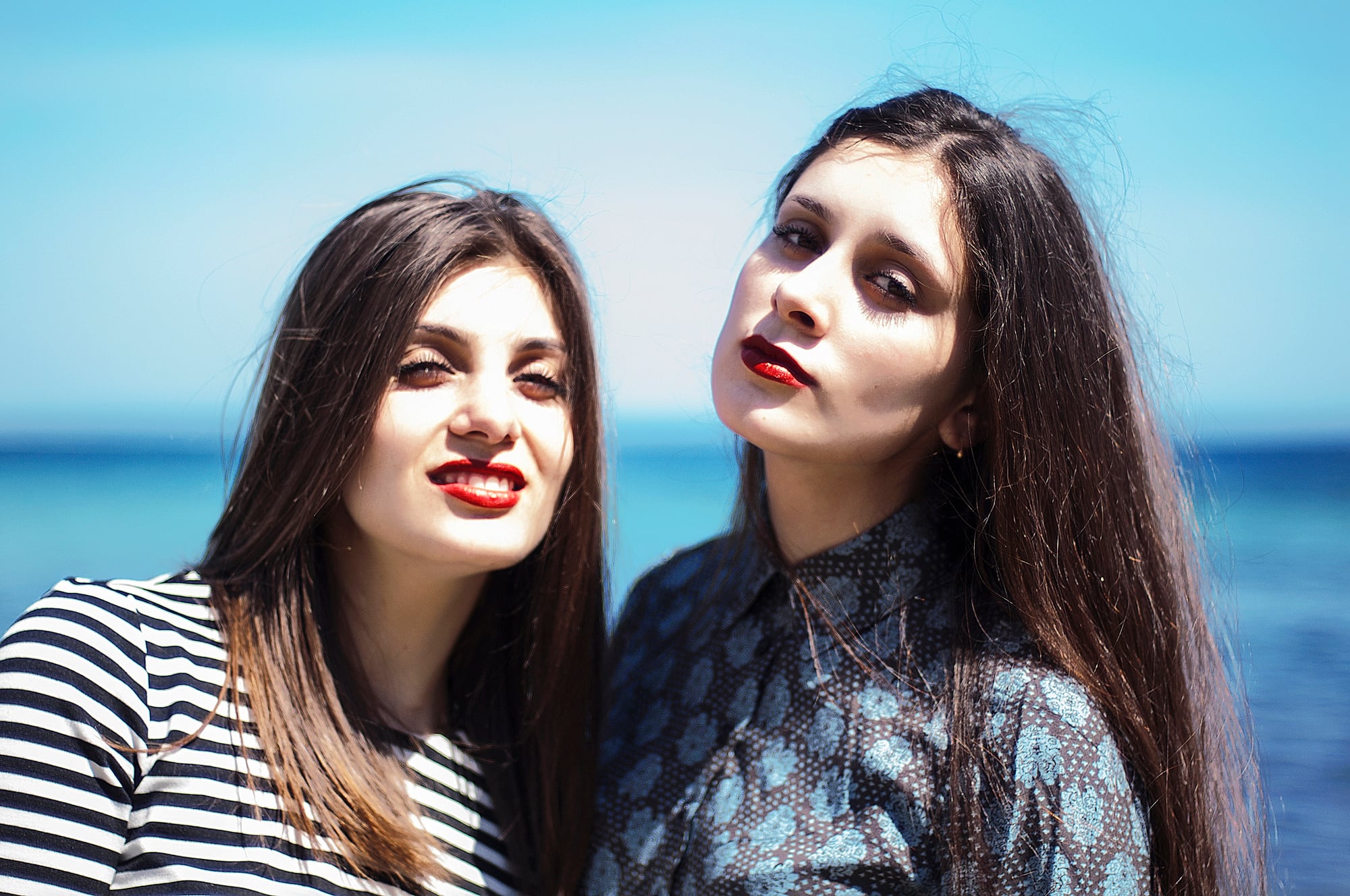
The water bottle covered in stickers, the oversized scrunchie, the “save the turtles” energy. VSCO girl aesthetic peaked around 2019 but left permanent marks on teenage culture.
Hydro Flask sales skyrocketed. Metal straws became mandatory accessories.
The whole thing felt performative to outsiders, but it represented something genuine: environmental consciousness packaged in an Instagram-friendly format.
Main Character Energy
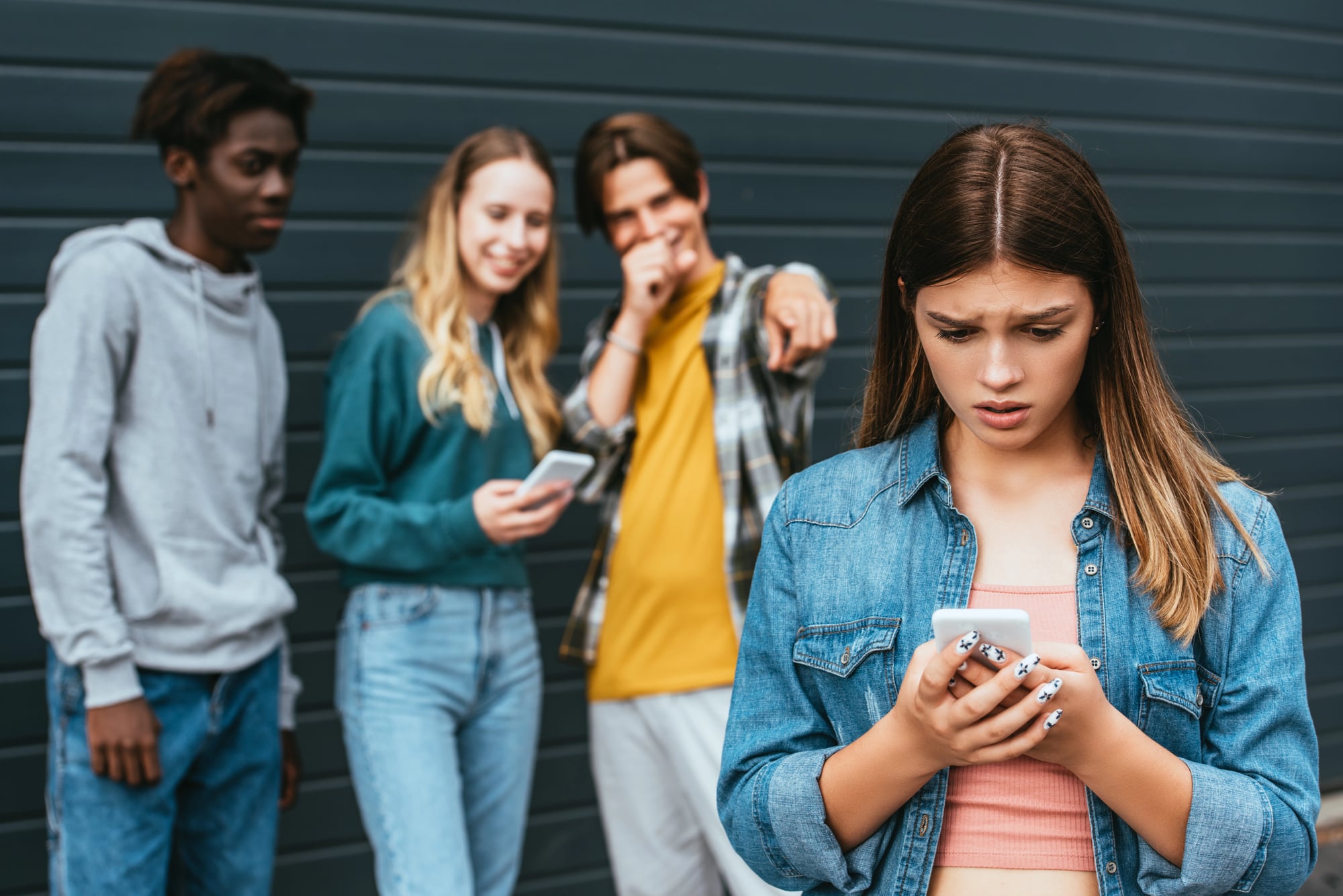
Every teenager now curates their life like they’re the protagonist of their own show. This isn’t narcissism—it’s survival in a world where personal branding starts in elementary school.
Social media taught kids that passive participation gets you forgotten, so they learned to treat mundane moments like movie scenes worth documenting and sharing.
Aesthetic Labels
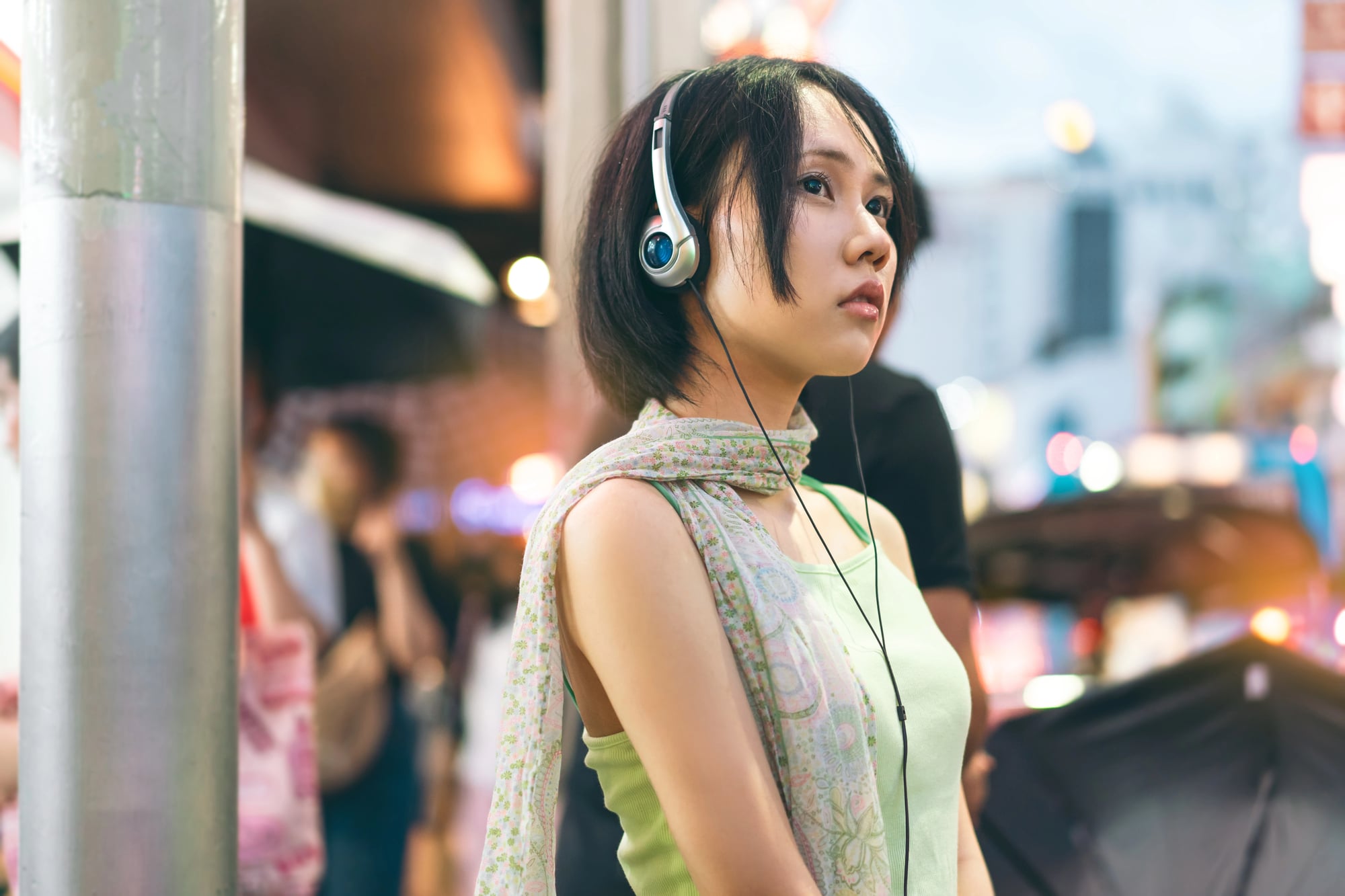
Dark academia. Cottagecore.
That girl. Y2K revival.
These aren’t just fashion choices; they’re identity shortcuts that let kids signal entire personalities through carefully selected visual elements.
The labels shift constantly, but the underlying need to categorize and belong remains constant. It’s tribal identification for the digital age.
Thrift Flipping
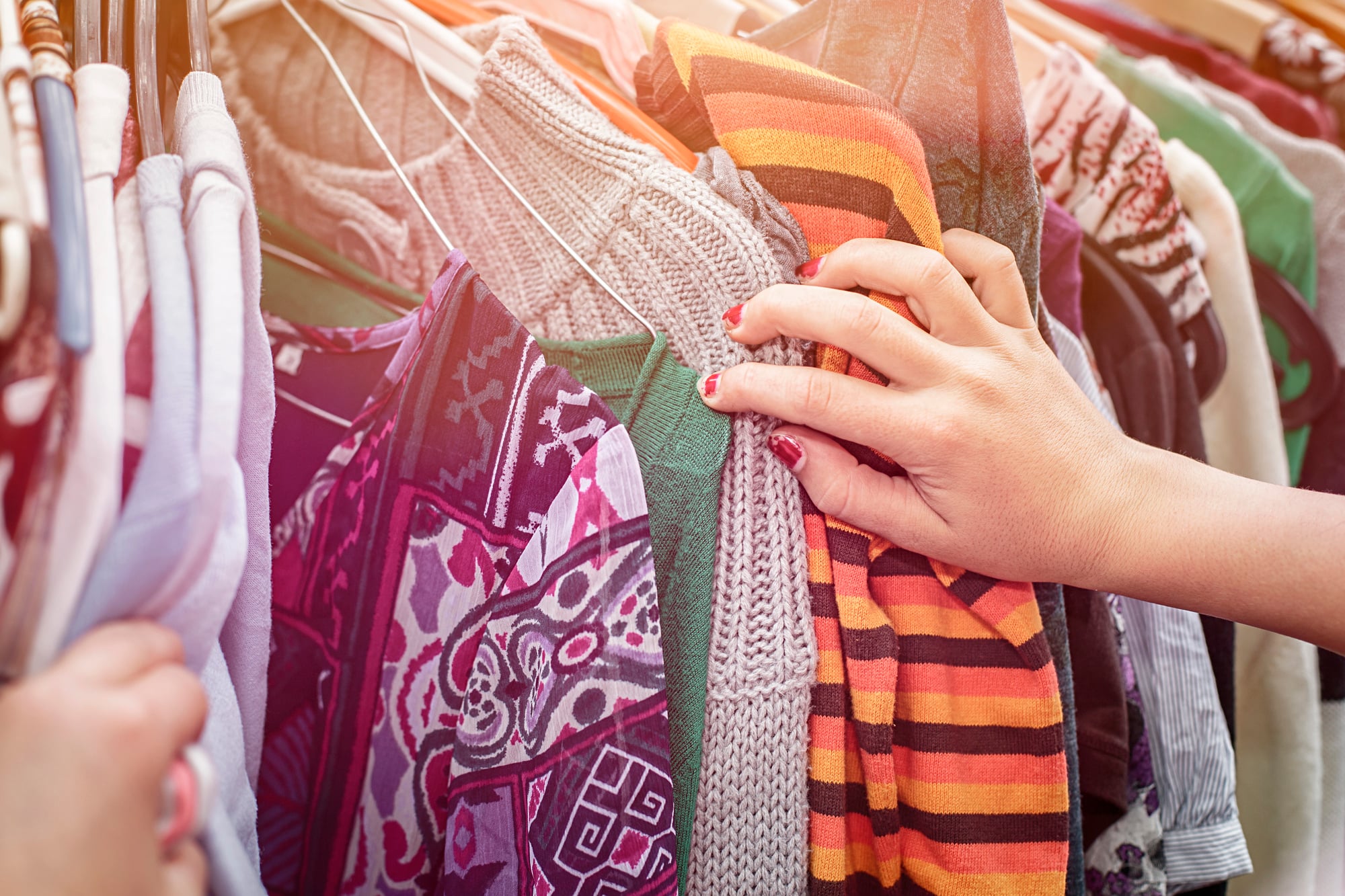
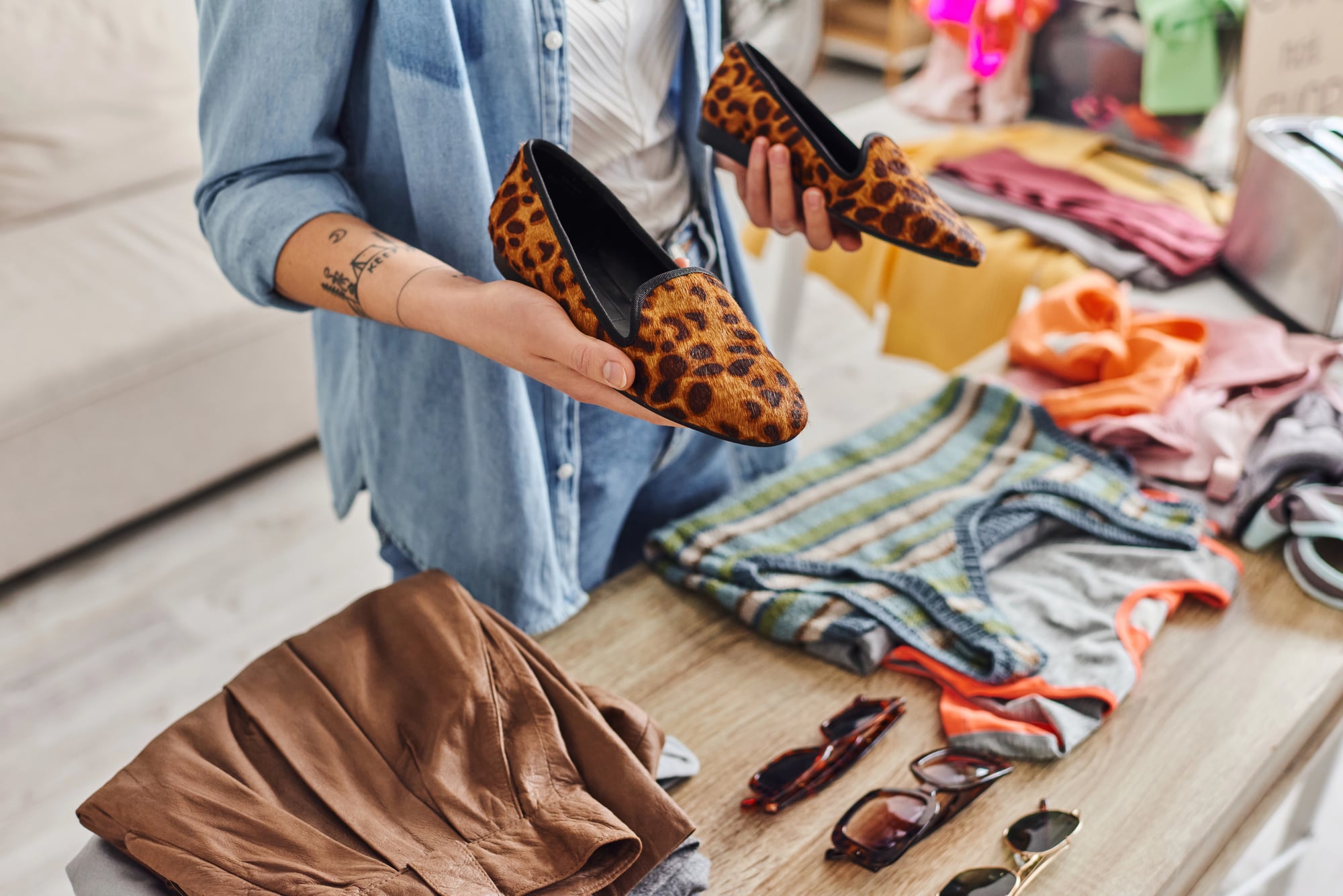
Fast fashion backlash meets creative expression, and the result transforms secondhand shopping from necessity into art form (though the environmental impact gets complicated when thrifting becomes its own form of overconsumption).
Kids hunt vintage pieces, modify them with bleach or paint, then resell them online.
The process teaches entrepreneurship, sustainability, and style all at once—assuming they can resist keeping everything they make.
And most discover quickly that finding the perfect oversized blazer takes patience most teenagers don’t naturally possess, but the hunt becomes half the appeal.
Mental Health Openness

Therapy isn’t shameful anymore. Depression and anxiety get discussed like any other health condition.
This generation normalized conversations their parents had in whispers, if at all.
The destigmatization brought genuine benefits, though it also created new pressures around performing vulnerability correctly.
Cancel Culture Awareness
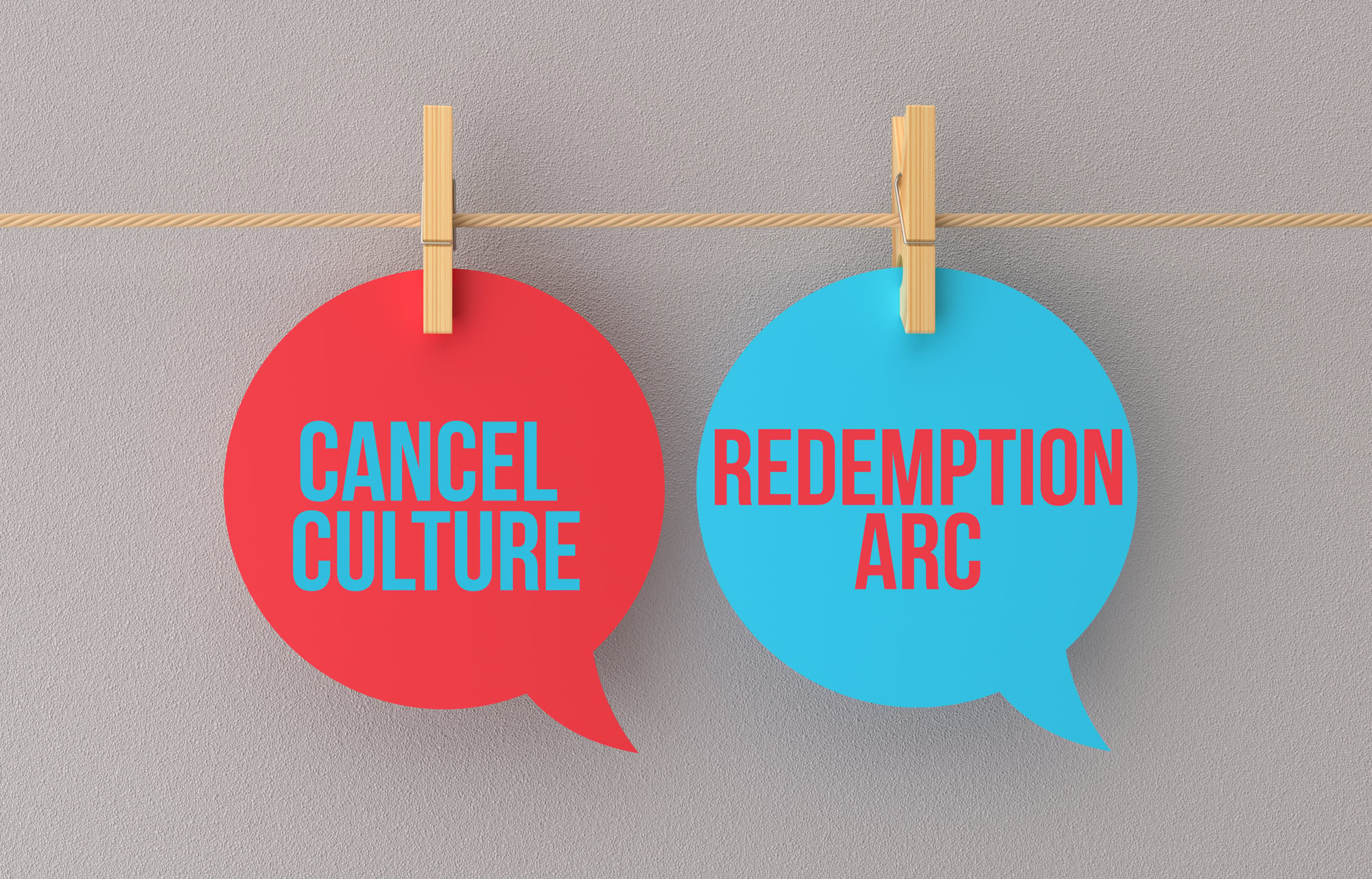
Middle schoolers now navigate social consequences that used to only affect public figures (and the learning curve can be brutal, considering the permanence of digital mistakes and the still-developing judgment that comes with adolescence).
They understand that screenshots last forever and context collapses online, so they police their language and associations with a precision that would impress corporate PR teams.
The awareness shapes how they communicate, creating both more thoughtful discourse and exhausting self-censorship.
Plant Parents

Fiddle leaf figs in dorm rooms. Snake plants on bedroom windowsills.
Propagating pothos like previous generations collected CDs.
Houseplants became the accessible way for teenagers to nurture something living without the commitment pets require.
The trend feels pure—no algorithm pushing it, just humans wanting to grow something beautiful.
Vintage Technology Nostalgia
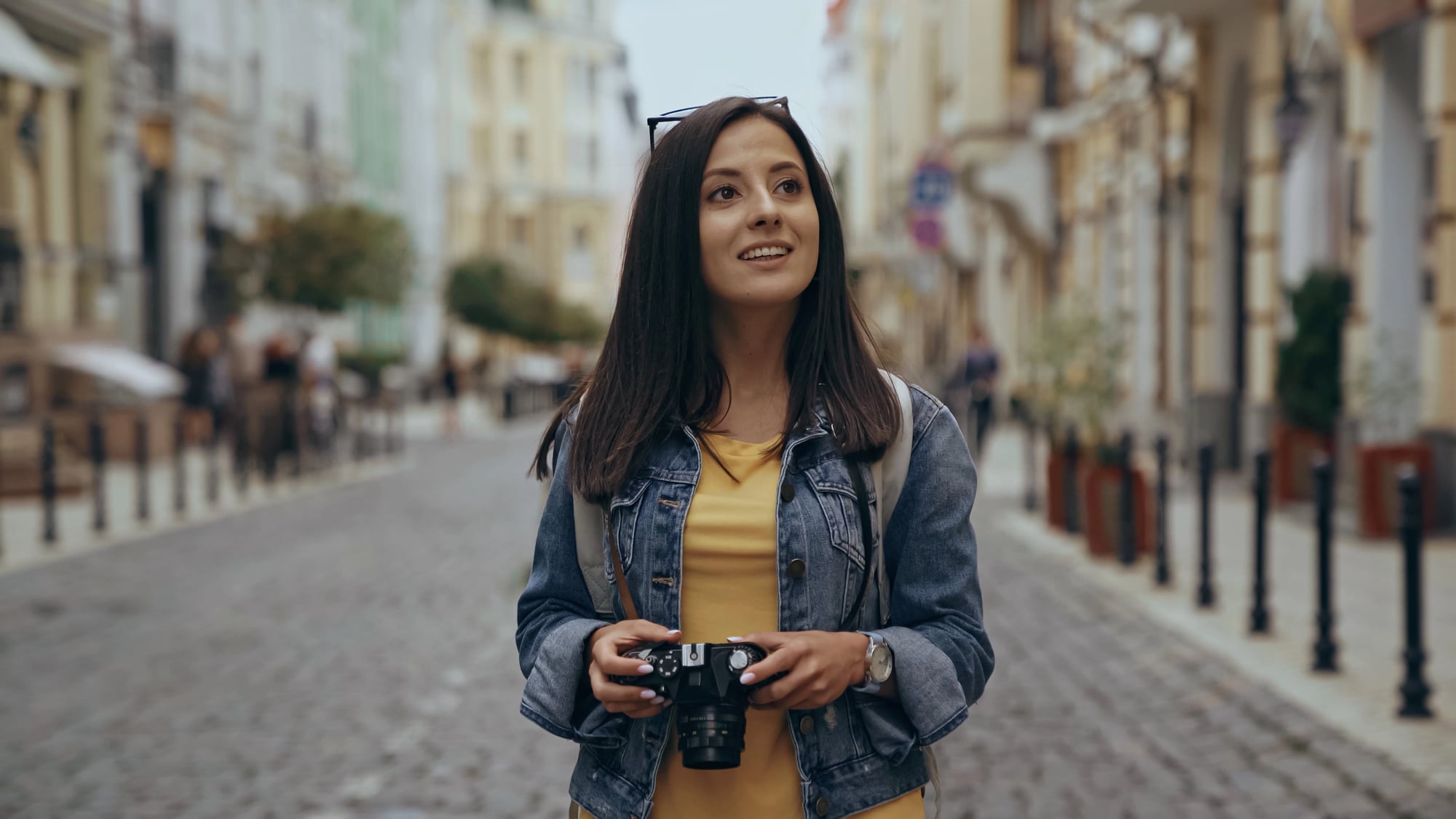
Film cameras make a comeback among kids who never lived without digital photography. Vinyl records spin in bedrooms belonging to teenagers who grew up streaming music.
The appeal isn’t convenience—it’s the opposite.
Physical media forces intentionality in a world of infinite scroll.
Side Hustles

Every high schooler has a side hustle, or at least claims they do—selling handmade jewelry on Etsy, offering tutoring services, creating content for brands that sponsor teenagers like they used to sponsor athletes.
The entrepreneurial spirit reflects economic realities their parents didn’t face at sixteen, but it also represents genuine creativity finding new outlets.
Some burn out before graduation; others build real businesses that fund college or replace traditional career paths entirely.
Micro-Trends
Fashion cycles that used to last years now flip in months. TikTok discovers a style, pushes it to viral status, then moves on before retailers can mass-produce knockoffs.
This creates a constant churn of looks—claw clips one week, silk scarves the next—that rewards kids who can spot emerging trends before they peak.
Manifestation Culture
Vision boards meet positive psychology in a trend that bridges spiritual practice with goal-setting. Kids write down dreams, create elaborate future scenarios, and genuinely believe focused intention shapes reality.
Critics call it privileged thinking, but the practice teaches visualization skills that actually do improve outcomes, regardless of metaphysical beliefs.
Food Aesthetics
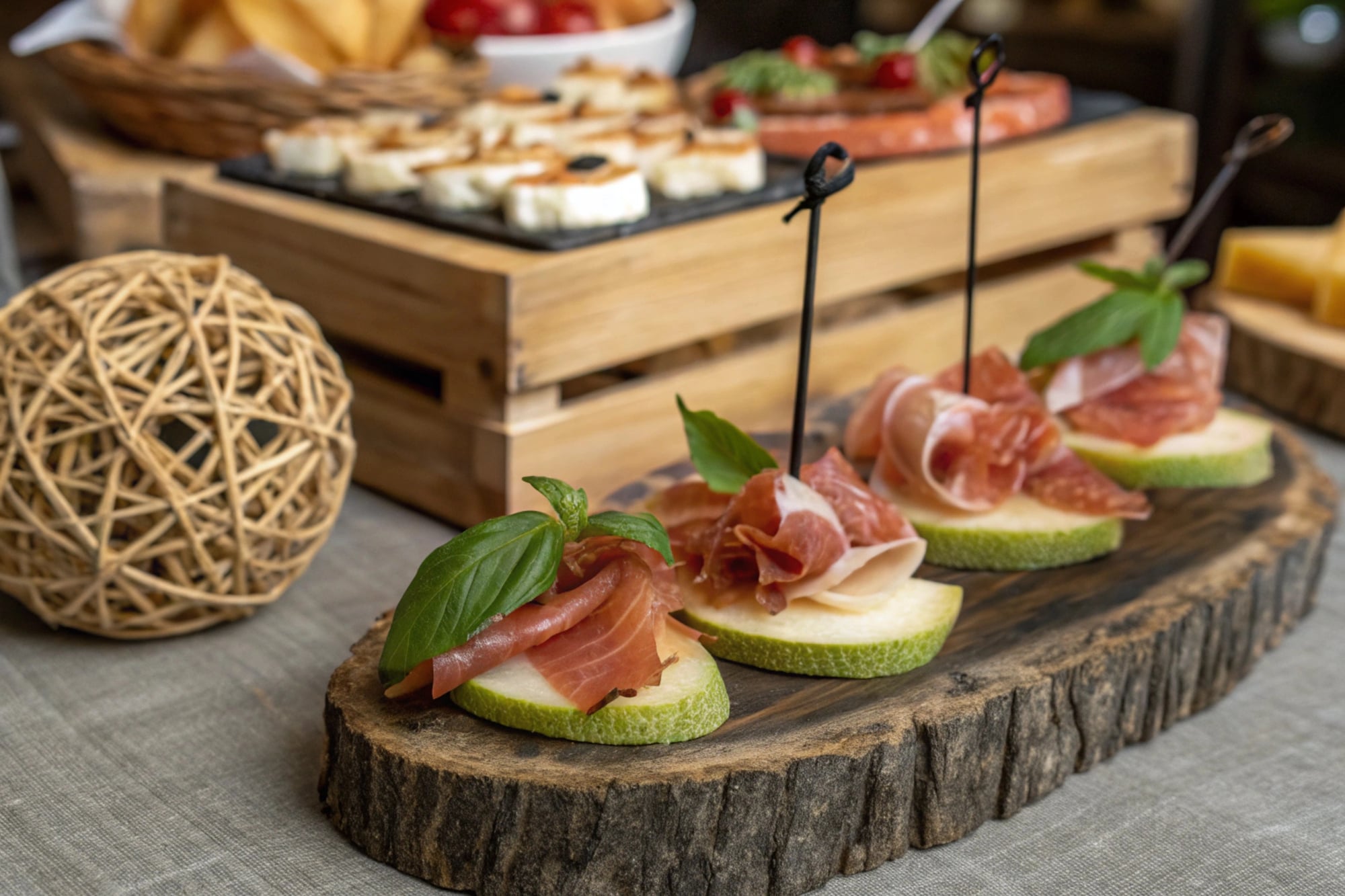
Smoothie bowls arranged like art. Pasta recipes that prioritize color over flavor.
Baking bread during lockdown wasn’t just about having fresh loaves—it was about documenting the process, sharing the results, and participating in a cultural moment that made everyone feel connected through sourdough starters and imperfect loaves.
The ingredients matter less than the final photo, and the final photo matters less than the ritual of creation and sharing.
It’s performance and genuine interest blended so thoroughly that separating them becomes impossible—and maybe that’s the point, since authenticity itself became a pose somewhere along the way.
Digital Detox Attempts
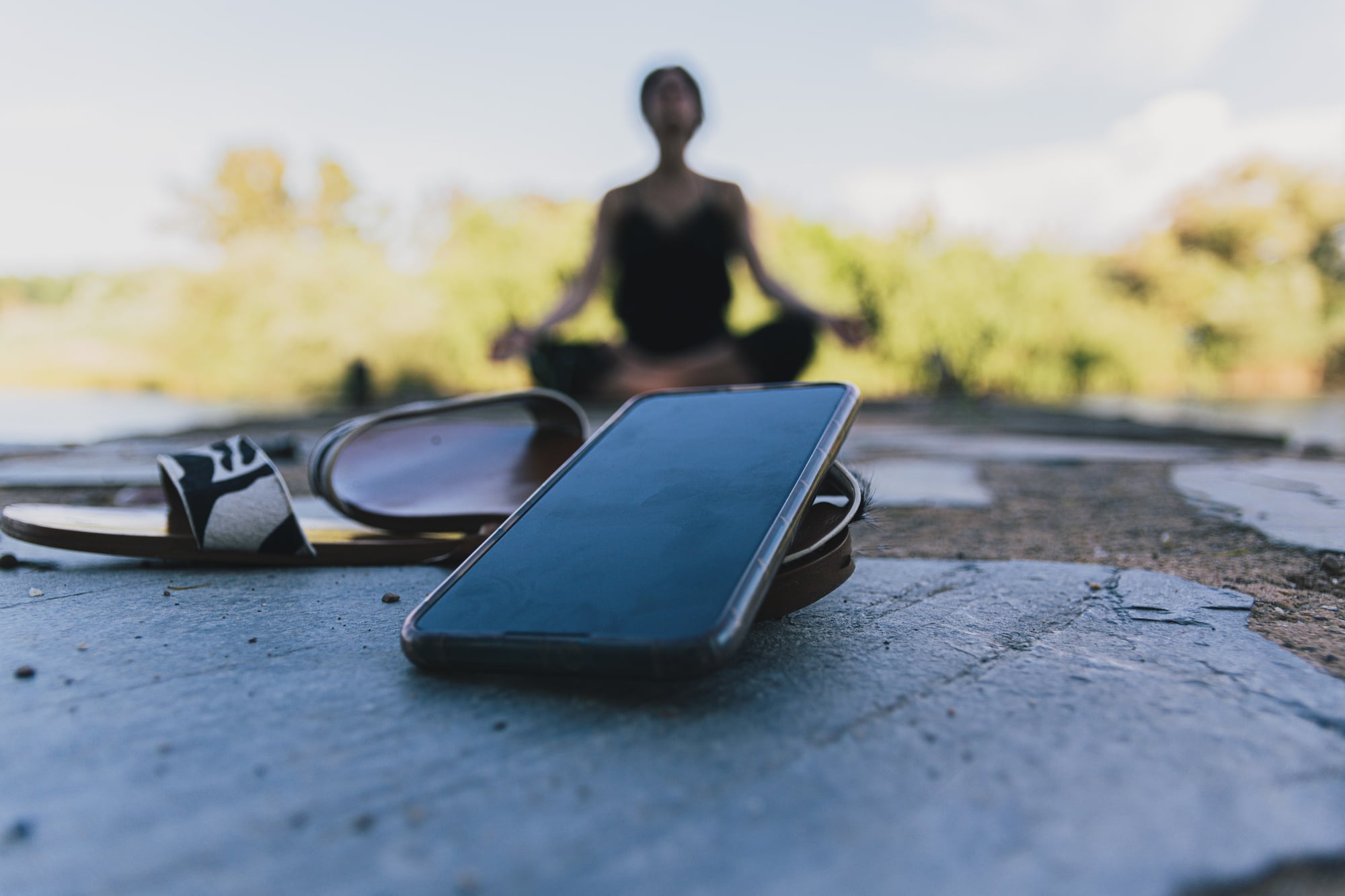
Screen time awareness creates guilt about phone usage, leading to performative digital breaks that usually last about as long as most New Year’s resolutions.
The irony of announcing digital detoxes on social media isn’t lost on anyone, but the attempt reflects genuine anxiety about technology dependence.
Inclusive Language Evolution
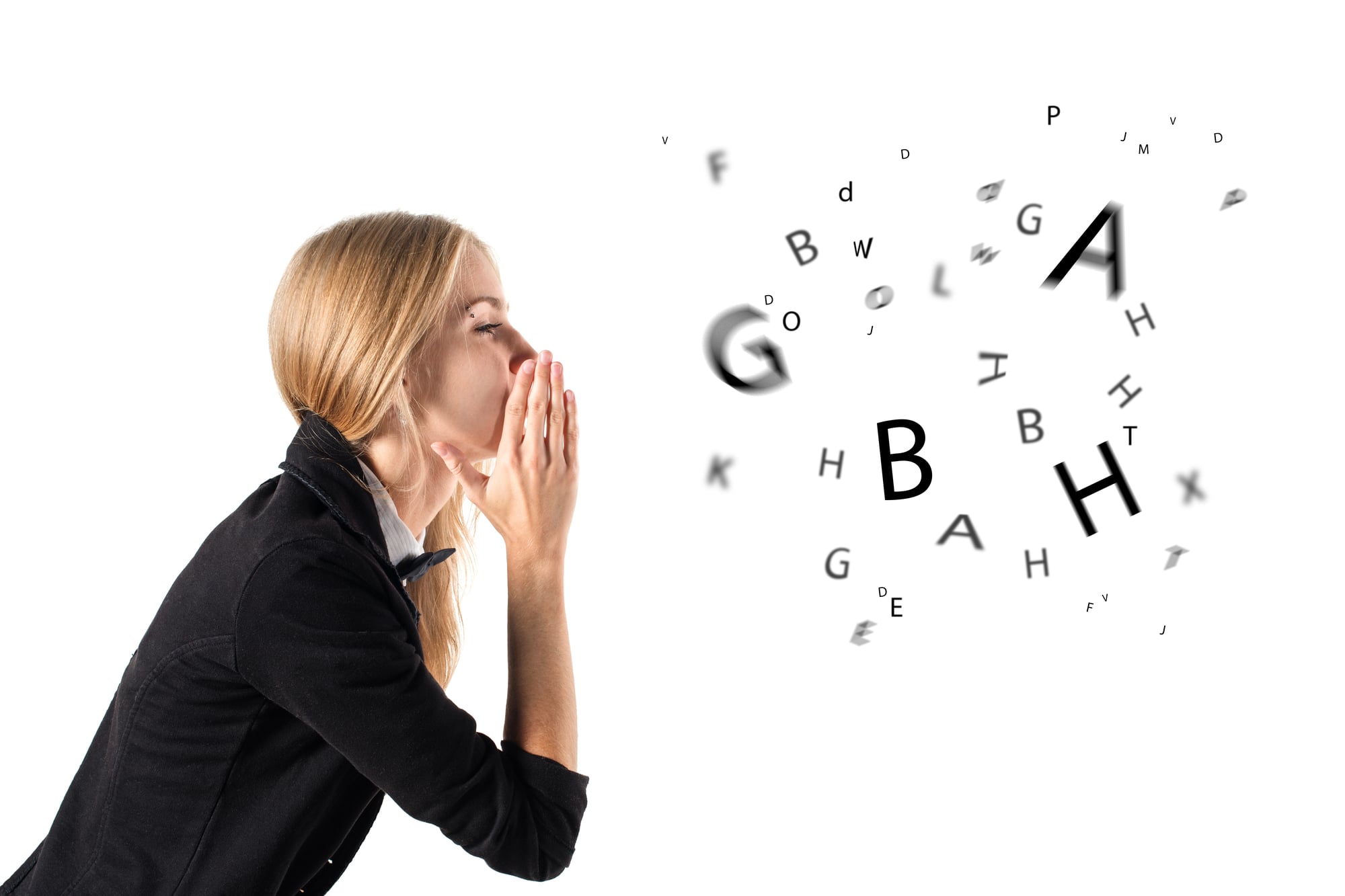
Pronouns in Instagram bios. Gender-neutral terms replacing gendered assumptions.
Language shifts that happen organically among friend groups, then spread through social networks faster than any official style guide could track.
The changes feel natural to kids who grew up questioning traditional categories, even when older generations struggle to keep pace.
DIY Everything
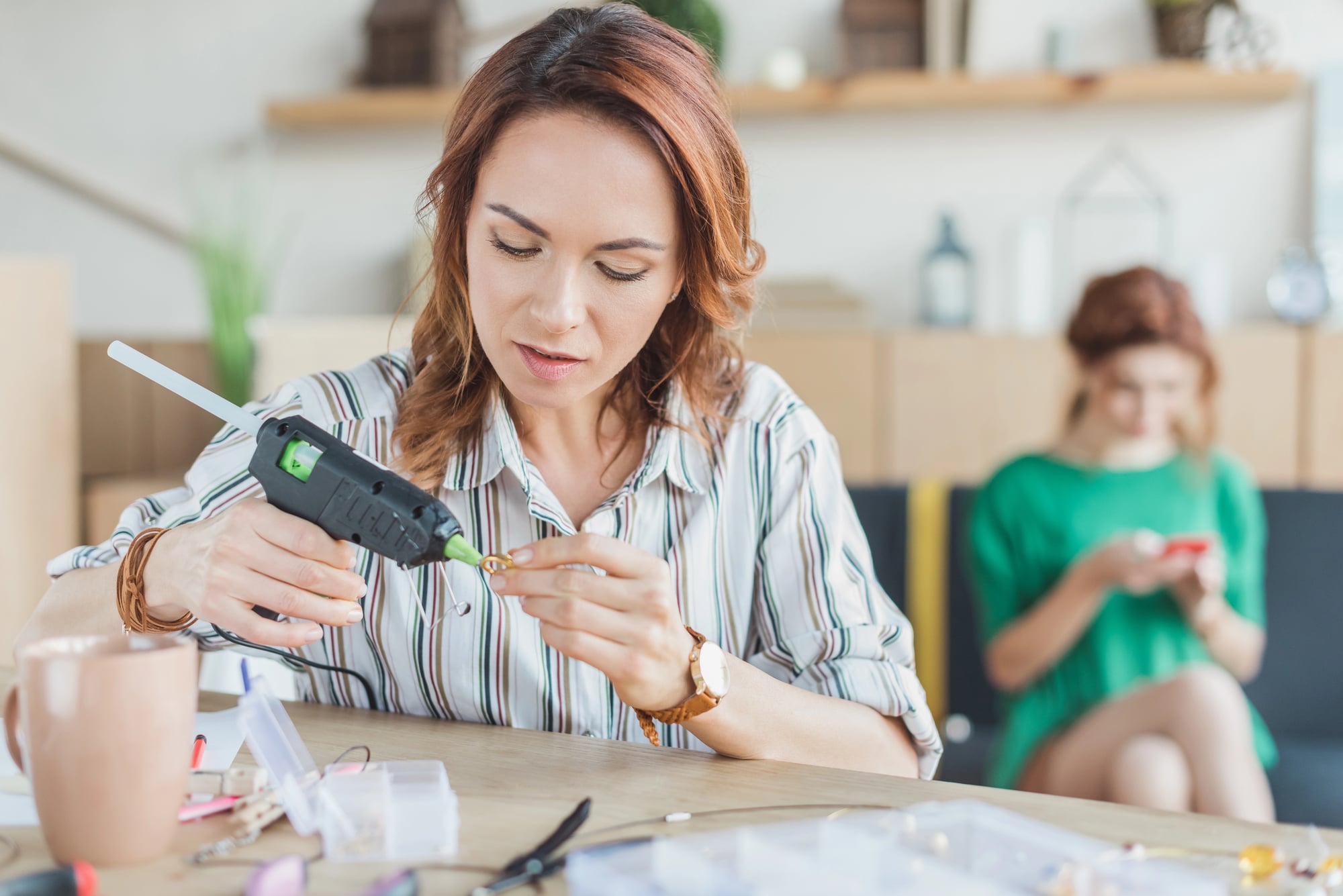
YouTube tutorials democratized learning, so teenagers now approach problems with the assumption that someone online has already figured out the solution.
Hair dyeing, room renovation, clothing alteration, car maintenance—all become accessible through fifteen-minute videos and comment section advice.
Activism As Identity
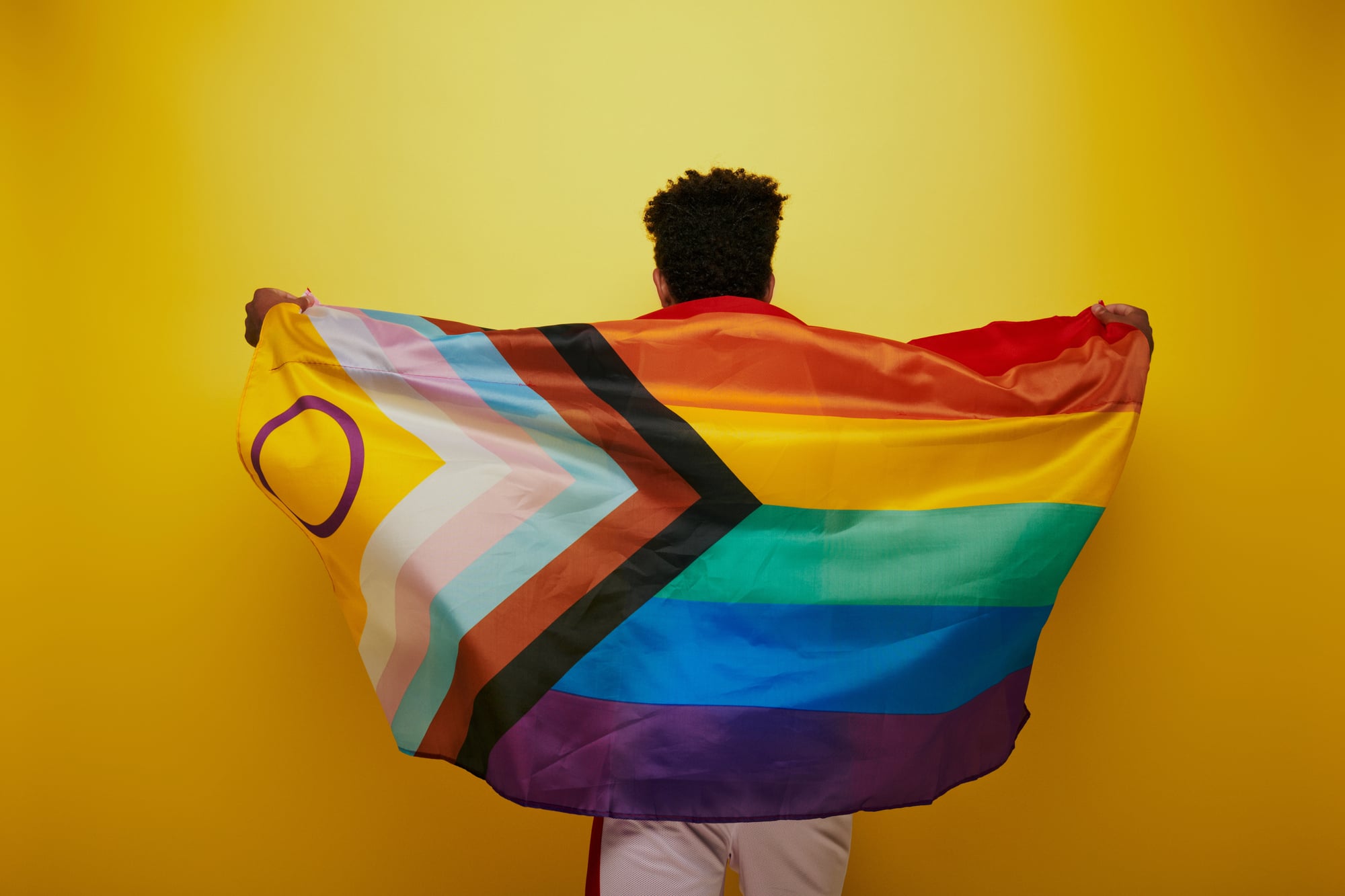
Climate protests. Social justice organizing.
Political engagement that treats voting as the bare minimum rather than civic participation’s peak.
This generation expects brands, celebrities, and institutions to take public stands on issues, then judges them harshly for inconsistency or silence.
Gaming Culture Mainstream
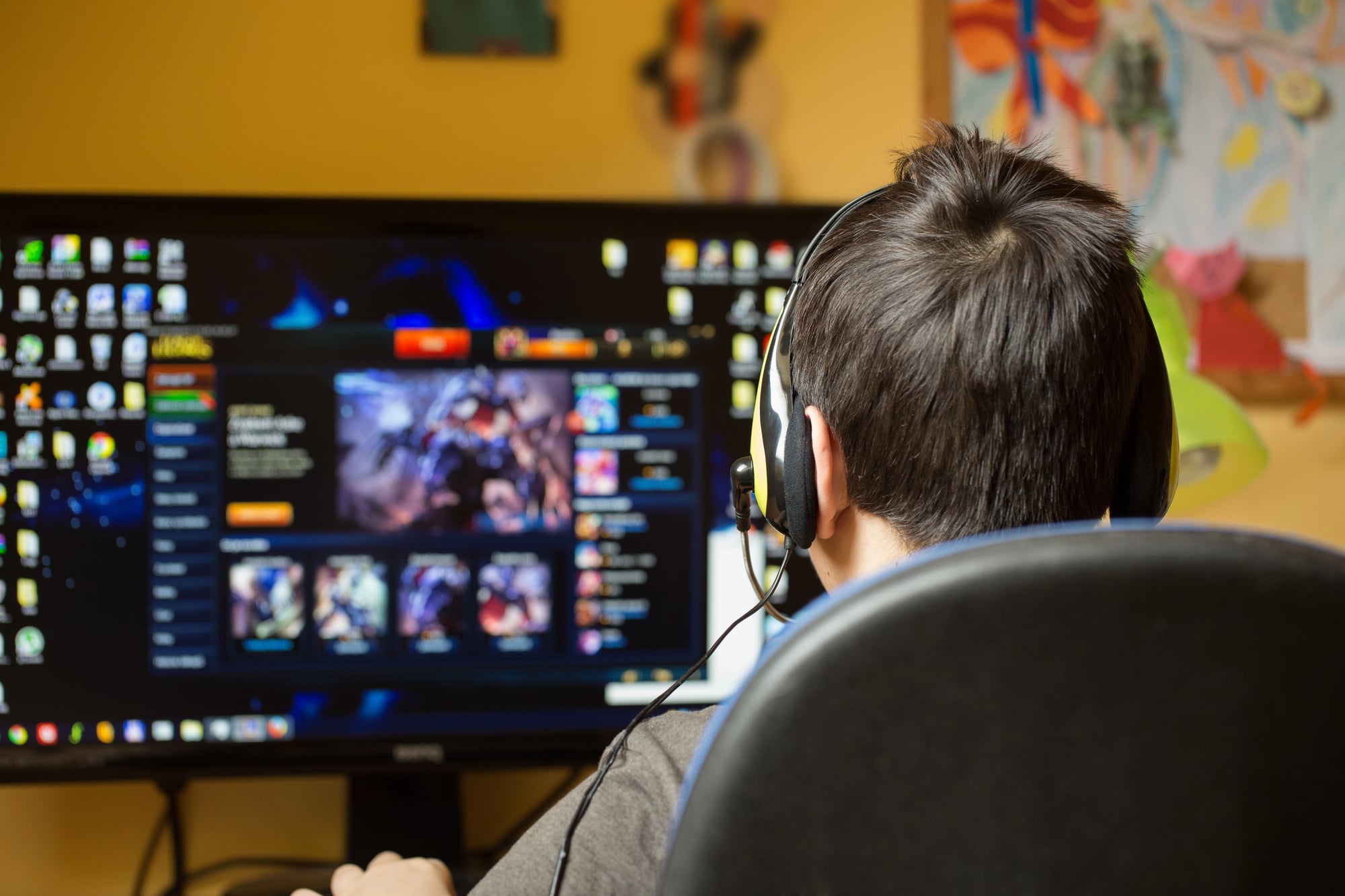
Gaming isn’t niche anymore. Everyone plays something, from casual mobile games to elaborate PC setups.
Twitch streams replace television, Discord servers replace phone calls, and in-game purchases feel as normal as buying movie tickets used to.
The social aspects matter more than high scores—gaming became how friendships develop and maintain themselves.
Subscription Everything

Netflix, Spotify, meal kits, clothing rentals. Kids expect services rather than ownership, monthly payments instead of large purchases.
The model shapes expectations about access versus possession in ways that fundamentally alter how they think about money, commitment, and the difference between having something and having access to something.
Wellness Industry Participation
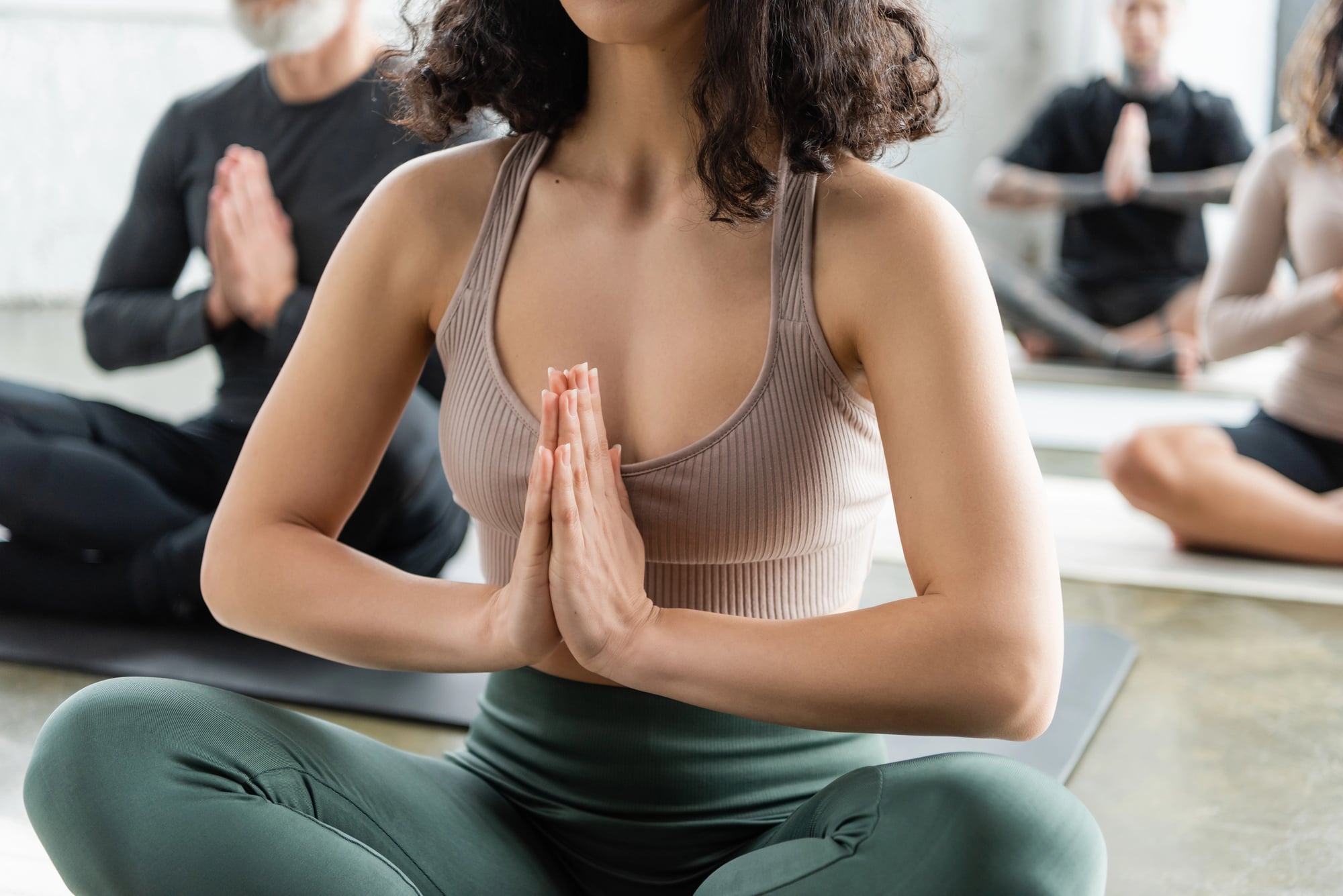
Face masks, meditation apps, morning routines optimized for productivity and mental health.
Self-care transformed from bubble baths into structured lifestyle practices that teenagers approach with the dedication previous generations reserved for sports or music lessons.
The commercialization feels obvious, but the underlying focus on emotional regulation and stress management addresses real needs.
Content Creation As Default
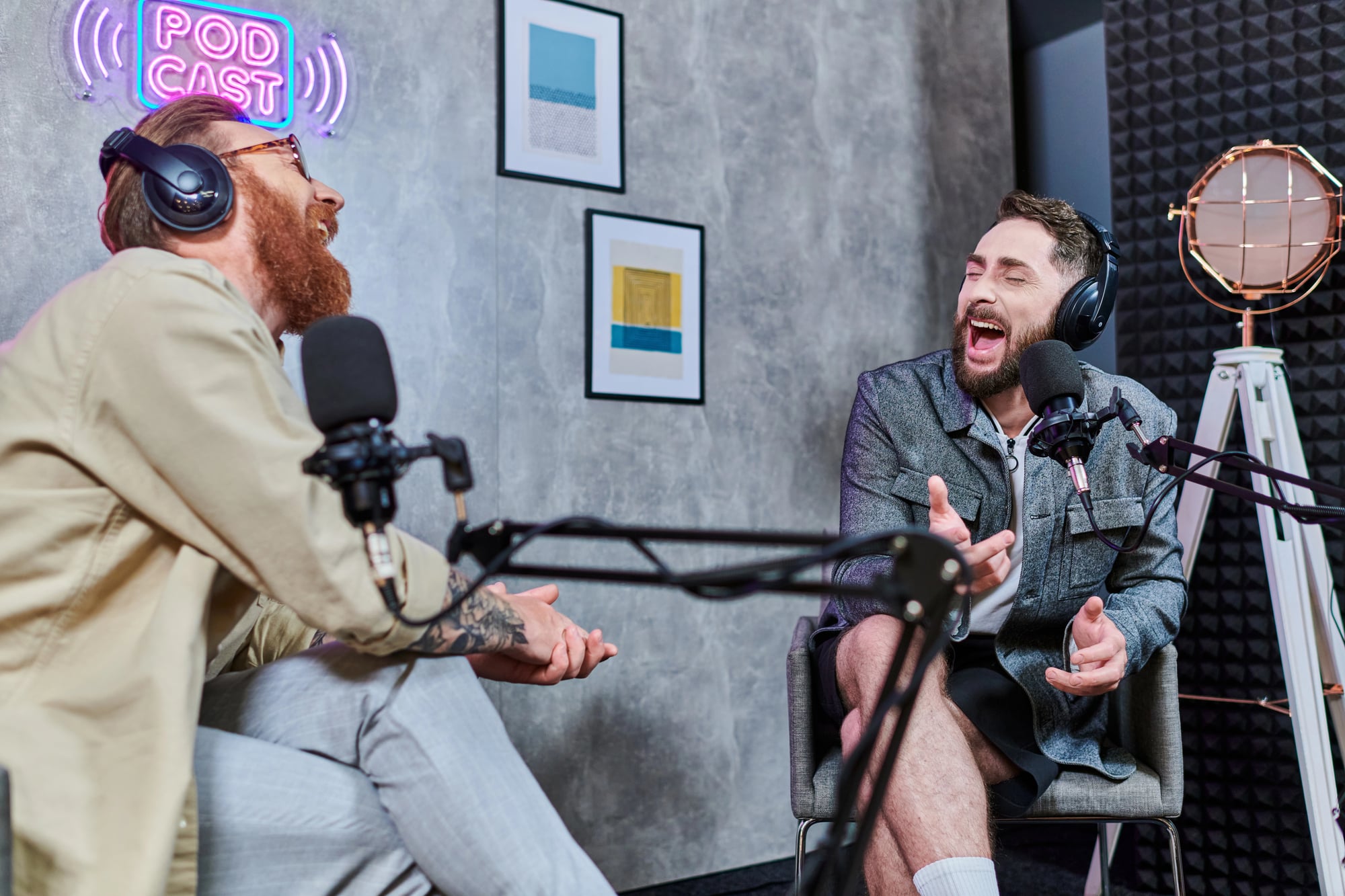
Everyone makes content now, whether they call it that or not. Stories, posts, videos, comments—all require editorial decisions about tone, audience, and message.
Kids develop media literacy by practicing it daily, learning through creation what previous generations only absorbed through consumption.
Vintage Revival Cycles

Fashion from the ’90s returns, then 2000s aesthetics dominate, then ’80s influences creep back in.
The cycles accelerate, driven by social media algorithms that reward novelty over consistency.
Kids mine their parents’ photo albums for inspiration, then update vintage looks with contemporary touches that create something familiar yet distinctly current.
Collaborative Consumption
Sharing economy principles applied to teenage social life. Group Spotify accounts, shared streaming passwords, collaborative playlists, and group orders that split costs and increase variety.
The approach reflects both economic pressure and genuine preference for community-based consumption over individual ownership.
Hyper-Specific Interests
Niche communities flourish online, allowing teenagers to find others who share incredibly specific interests—Victorian mourning jewelry, competitive jump rope, historical cooking methods.
The ability to connect across geographic boundaries means no interest stays too small to find community, leading to deeper expertise and stronger identity formation around passions that might have remained solitary in previous generations.
Reality Checks In Real Time
These trends don’t exist in isolation—they collide, contradict, and evolve constantly.
Today’s teenagers navigate multiple aesthetic identities, shift between activism and entertainment, and balance digital presence with offline authenticity in ways that would exhaust anyone who didn’t grow up multitasking across platforms.
They’re not just adapting to rapid cultural change; they’re creating it, one viral moment at a time.
More from Go2Tutors!

- The Romanov Crown Jewels and Their Tragic Fate
- 13 Historical Mysteries That Science Still Can’t Solve
- Famous Hoaxes That Fooled the World for Years
- 15 Child Stars with Tragic Adult Lives
- 16 Famous Jewelry Pieces in History
Like Go2Tutors’s content? Follow us on MSN.



