15 Trivia Facts About The World’s Most Remote Islands
The ocean keeps its secrets well. Scattered across endless stretches of water, remote islands exist like forgotten punctuation marks in an unfinished sentence.
Some were discovered by accident, others remain barely mapped, and a few harbor stories so strange they sound invented. These places exist at the edges of our world, where isolation breeds oddity and distance creates mystery.
Tristan Da Cunha
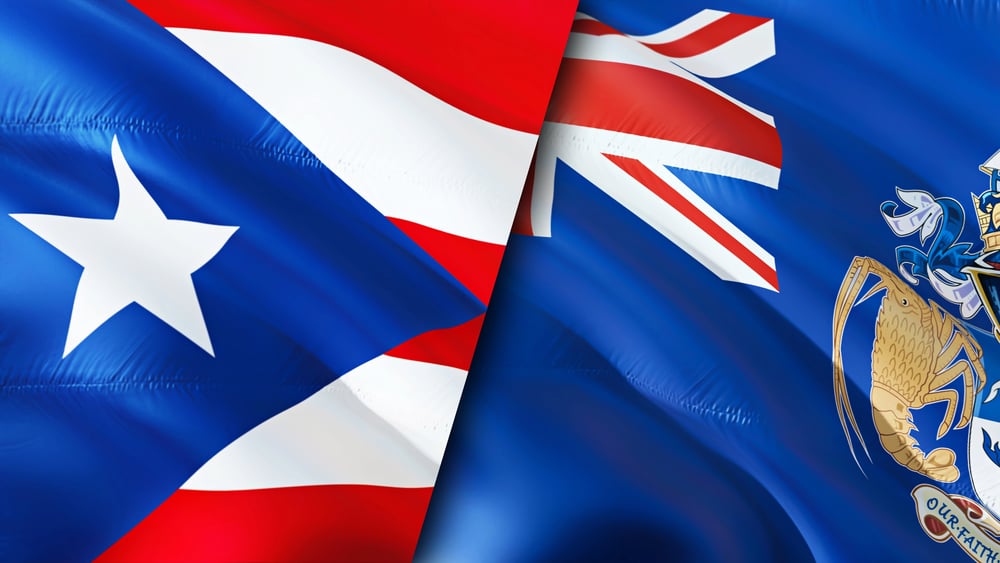
The world’s most remote inhabited island sits 1,750 miles from its nearest neighbor. All 250 residents share just seven last names.
Edinburgh of the Seven Seas—that’s the actual name of their capital—has one hospital, one school, and zero airports. Mail arrives six times a year by boat.
Socotra Island
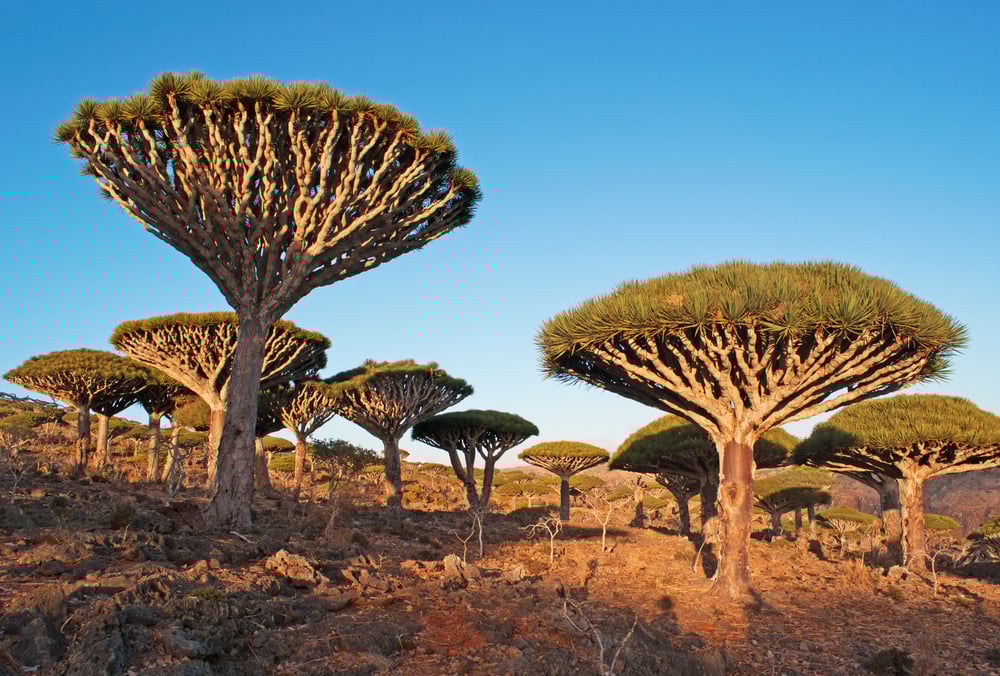
Think of evolution as a stubborn artist who refuses to share techniques (and you get a clearer picture of why Socotra’s landscape looks like it belongs on another planet entirely). One-third of its plant species exist nowhere else on Earth, which is remarkable enough until you realize that these species didn’t just randomly drift into isolation—they’ve been developing in complete biological solitude for millions of years, creating what amounts to a living museum of what happens when nature gets left alone to experiment.
So you end up with dragon’s blood trees that look like giant umbrellas and bottle trees that store water in swollen trunks, all scattered across an island that feels more like a fever dream than an actual place.
Pitcairn Island
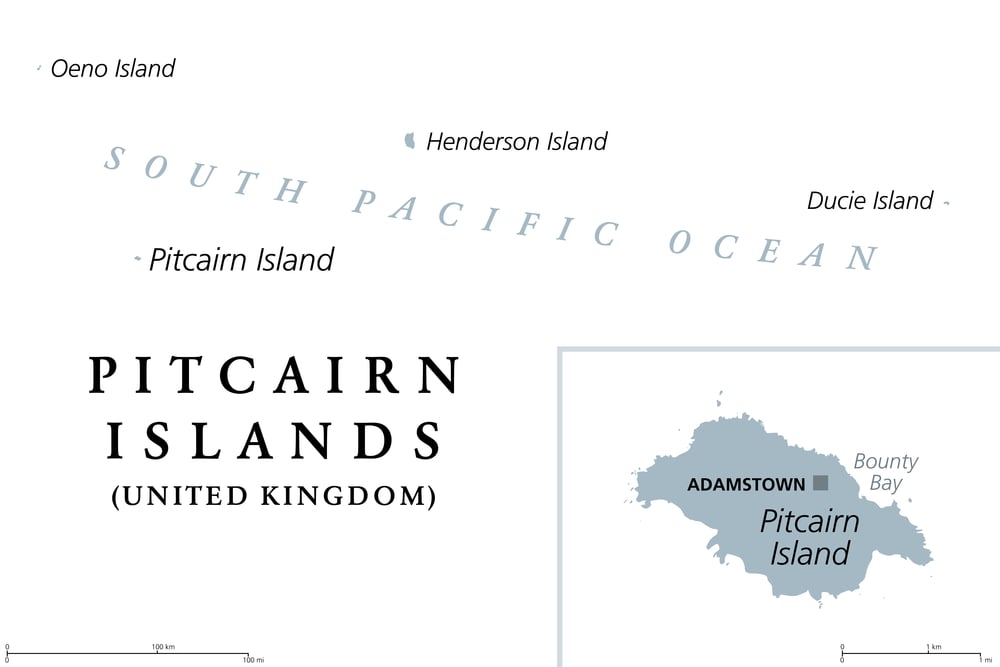
Picture a community where everyone knows your business because there are only 50 people total, and half of them are related to the original Bounty mutineers who settled there in 1790. The island operates on New Zealand time despite being closer to South America.
Their internet domain (.pn) generates more revenue than their entire fishing industry, which says something about modern economics.
Bouvet Island
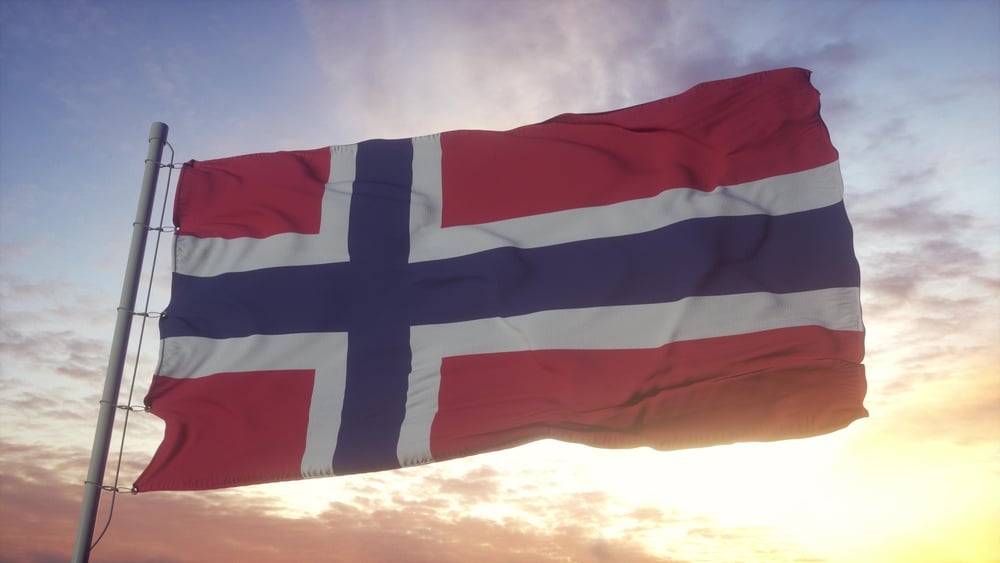
Norway claims ownership of a chunk of volcanic rock covered in glaciers that nobody visits and nothing grows on. The nearest land is Antarctica, 1,100 miles away.
Bouvet Island exists purely to remind cartographers that the world still contains places that serve no practical purpose whatsoever. A research station was built there once and promptly abandoned, which seems about right.
Easter Island

Those massive stone heads (called moai, if we’re being precise) were carved by Polynesian settlers who somehow navigated 2,300 miles of open ocean to reach the most isolated inhabited land on the planet—and then proceeded to create nearly 1,000 statues that have spent centuries staring inland, as if they’re watching for something that never arrives.
The island’s original name, Rapa Nui, translates roughly to “big paddle,” though given that the nearest tree capable of making a paddle grows thousands of miles away, the irony cuts deep. But here’s what gets overlooked: those statues aren’t just heads—they have full bodies buried underground, some reaching 30 feet tall, which means the iconic image everyone recognizes represents maybe 10% of what’s actually there.
St. Helena
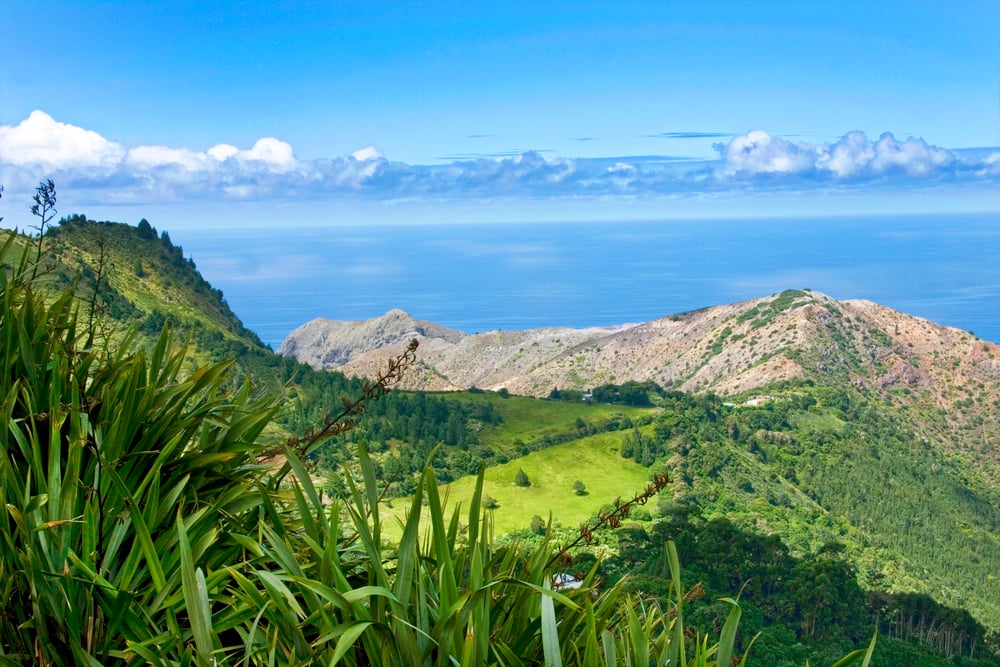
Napoleon’s final address was this British territory floating in the South Atlantic. The island’s airport, completed in 2016, cost more per resident than most people’s houses.
Wind shear makes landing so treacherous that commercial flights were cancelled indefinitely after opening. So the island remains reachable mainly by boat, just like in Napoleon’s time.
Kerguelen Islands
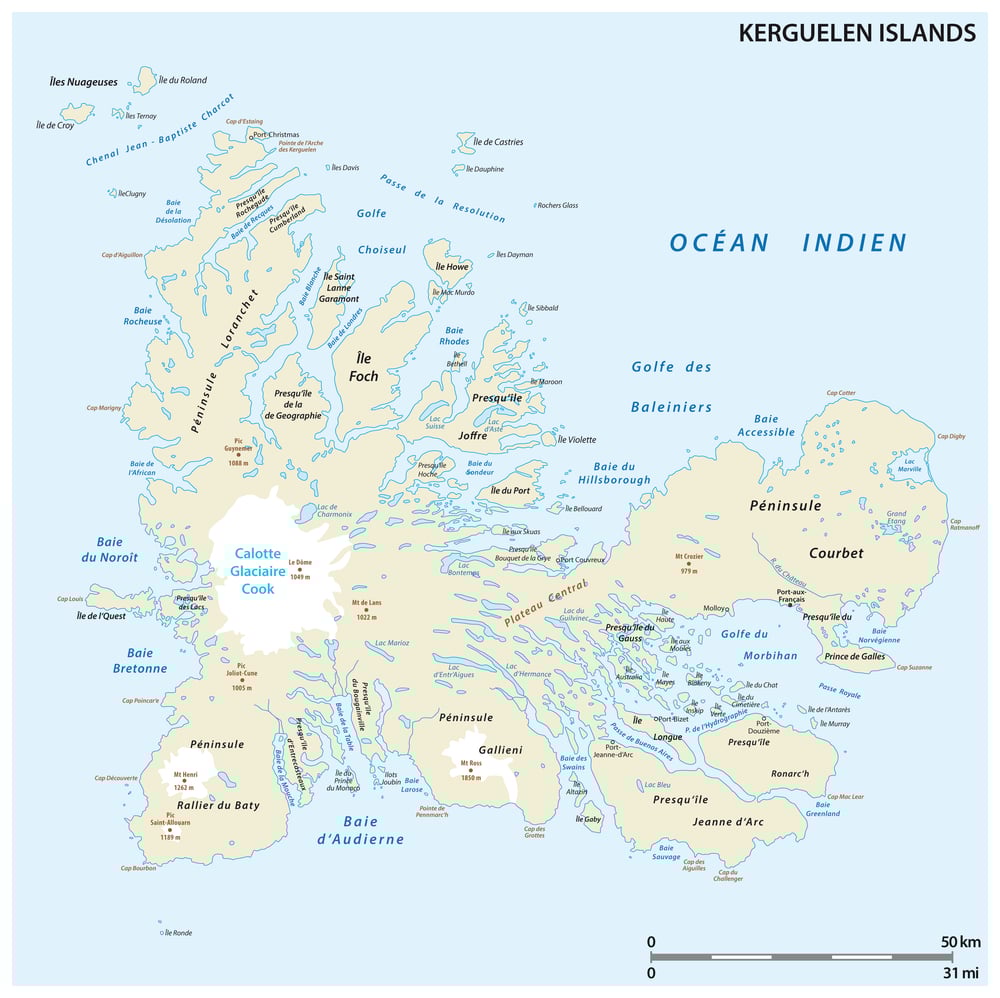
France maintains a research station on subantarctic islands nicknamed the “Desolation Islands.” The name fits. No trees, no native land mammals, constant wind.
The islands host more seals than the entire population of many cities, plus rabbits and reindeer introduced by humans who apparently thought the place needed more life. It didn’t.
Henderson Island

This UNESCO World Heritage site accumulates plastic trash faster than most beaches near major cities, despite being uninhabited and thousands of miles from anywhere. Ocean currents deposit an estimated 3,570 pieces of debris daily on Henderson’s shores.
The island serves as an accidental monument to how far human waste travels, even to places humans never visit.
Svalbard
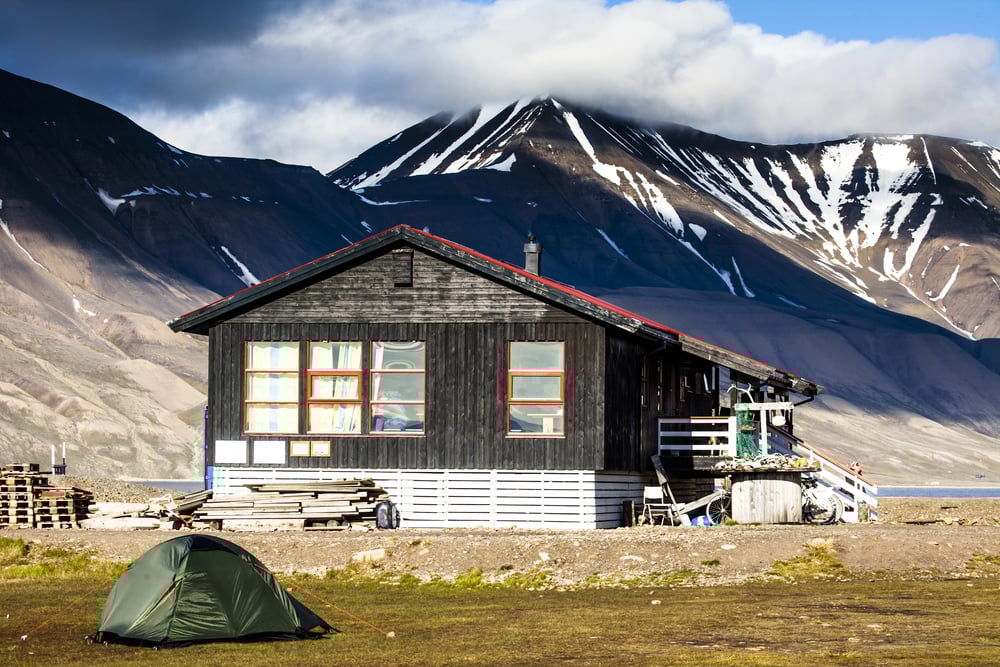
Polar bears outnumber humans on this Norwegian archipelago where it’s illegal to die (bodies don’t decompose in the permafrost) and mandatory to carry a rifle outside town limits. The Global Seed Vault stores backup copies of the world’s crops in case civilization collapses, which feels both paranoid and sensible given recent events.
Summer brings 24-hour daylight, winter brings 24-hour darkness, and the aurora borealis shows up whenever it pleases.
Jan Mayen

Norway again, this time with a volcanic island that exists purely to host a weather station. Eighteen people live there temporarily, rotating in and out like a very boring version of reality television.
The island’s volcano, Beerenberg, remains active and occasionally reminds the weather observers that they’re essentially camping on a geological time bomb surrounded by Arctic Ocean.
Macquarie Island

Between Australia and Antarctica sits an island that belongs entirely to penguins, seals, and a small team of researchers who count them. Four different penguin species breed here, creating what amounts to a penguin apartment complex with excellent ocean views.
The island rises directly from the ocean floor—no continental shelf, just deep water to mountain peak in one shot.
South Georgia Island
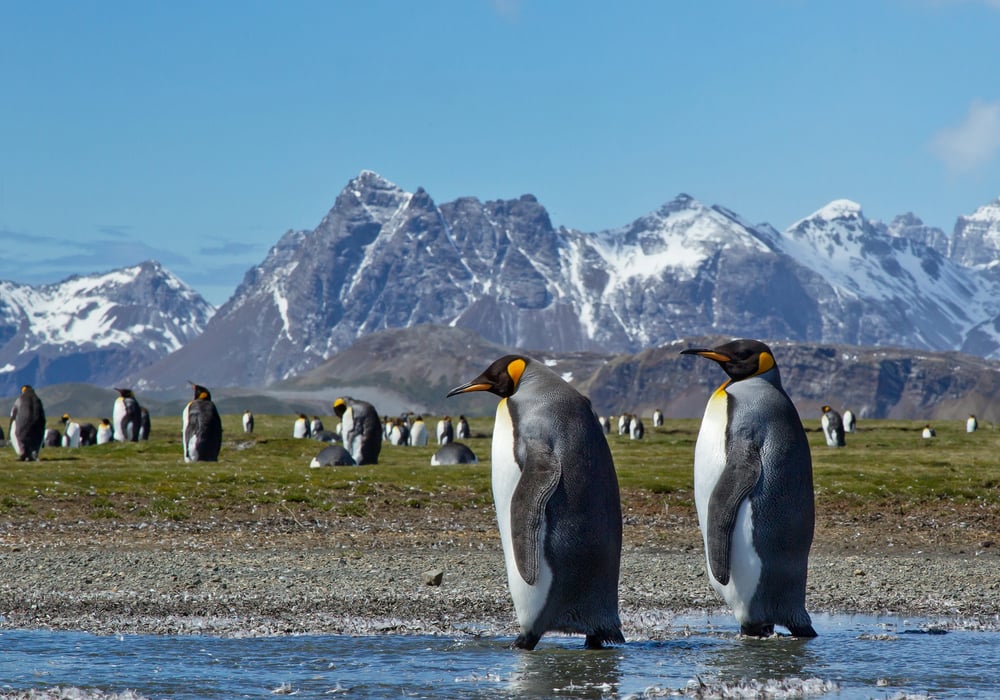
Ernest Shackleton’s grave overlooks a landscape that hasn’t changed much since his failed Antarctic expedition ended here in 1916. King penguins cover the beaches in numbers that defy counting—hundreds of thousands at a time, creating a living carpet of black and white that shifts constantly as birds come and go from feeding in the Southern Ocean.
Heard Island

Australia claims ownership of this active volcano rising from the Southern Ocean, though claiming seems generous since no permanent settlement exists and the weather makes visits nearly impossible. The island grows larger each year as volcanic activity adds new land, making it one of the few places on Earth that’s literally expanding.
McDonald Island sits nearby, equally inhospitable and equally ignored.
Gough Island

This UNESCO World Heritage site in the South Atlantic hosts the world’s largest seabird colony, which sounds impressive until you learn that introduced mice have grown to twice normal size and now attack baby birds in their nests.
The island demonstrates what happens when ecosystems isolated for millions of years encounter a single invasive species—everything changes, and not for the better.
Ascension Island
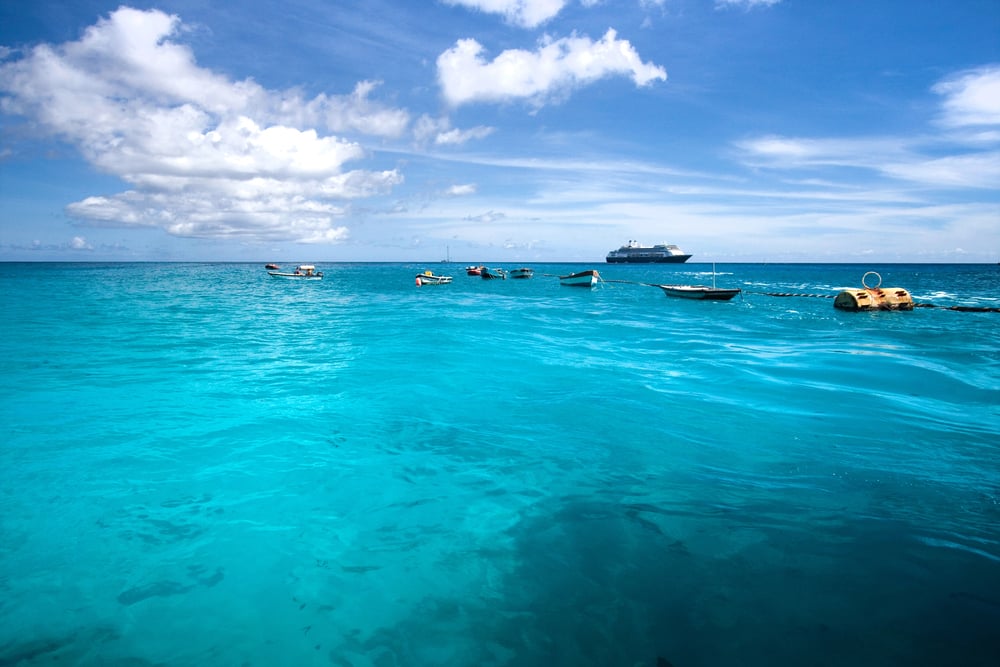
British territory, American airbase, turtle nesting ground. Ascension Island serves multiple purposes while feeling like it belongs to no one in particular.
Green turtles swim thousands of miles to lay eggs on beaches that exist purely by volcanic accident. The island’s highest peak was artificially forested by Victorian botanists who thought a barren volcanic rock needed improvement. Their trees still grow there, creating a cloud forest that shouldn’t exist but does.
The Edge Of Everything

Remote islands exist as proof that the world still contains blank spaces, places where human presence feels temporary and uncertain. They remind us that most of our planet remains fundamentally wild, indifferent to our maps and claims of ownership.
These scattered pieces of land endure not because they serve any purpose, but because the ocean keeps them, like secrets it’s not quite ready to share.
More from Go2Tutors!

- The Romanov Crown Jewels and Their Tragic Fate
- 13 Historical Mysteries That Science Still Can’t Solve
- Famous Hoaxes That Fooled the World for Years
- 15 Child Stars with Tragic Adult Lives
- 16 Famous Jewelry Pieces in History
Like Go2Tutors’s content? Follow us on MSN.



