Sports Trophies That Were Once Stolen
Champions hoist trophies above their heads in triumph, photographers capture the moment, and the silverware gets locked away in display cases. Safe. Protected.
Permanent. Except when it’s not. Some of the most prestigious trophies in sports have been stolen, lost, melted down, or abandoned in the strangest places.
The stories behind these disappearances reveal a different side of sports history—one involving thieves, dogs, ransom notes, and mysteries that remain unsolved decades later.
The Jules Rimet Trophy’s First Disappearance
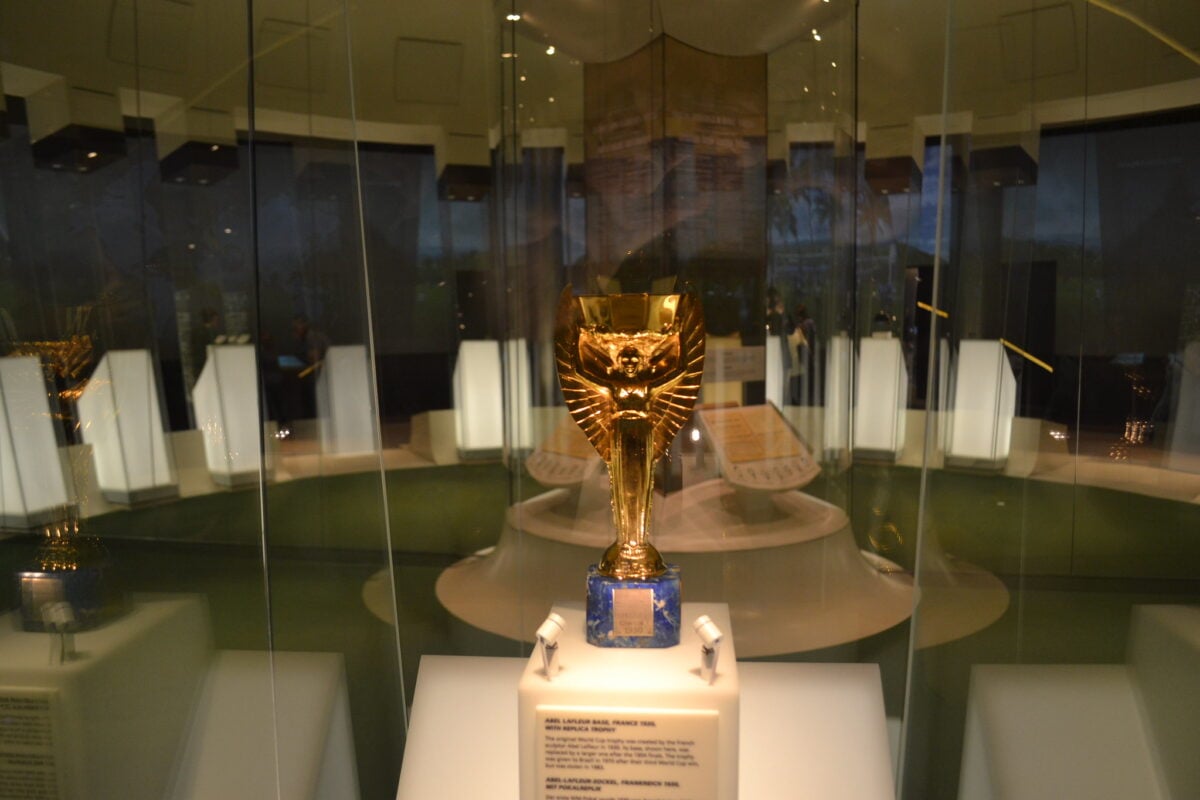
Four months before the 1966 World Cup in England, the original FIFA World Cup trophy vanished from a public exhibition at Westminster Central Hall in London. Someone forced open the display case during a Sunday church service being held in another part of the building, ignored millions of pounds worth of rare stamps in the same room, and grabbed only the trophy.
The Football Association received ransom demands for 150,000 pounds. An undercover operation led to the arrest of Edward Betchley, a petty thief who claimed he was only a middleman for someone he called “The Pole.”
Betchley got two years in prison, but the trophy stayed missing. Then, seven days after the theft, a man named David Corbett took his dog Pickles for a walk in South London.
The black and white collie started sniffing at a package wrapped in newspaper under a car. Inside was the Jules Rimet Trophy.
Pickles became a national hero, received a silver medal and lifetime supply of dog food, and got invited to the England team’s victory banquet after they won the tournament that summer.
Brazil’s Permanent Loss
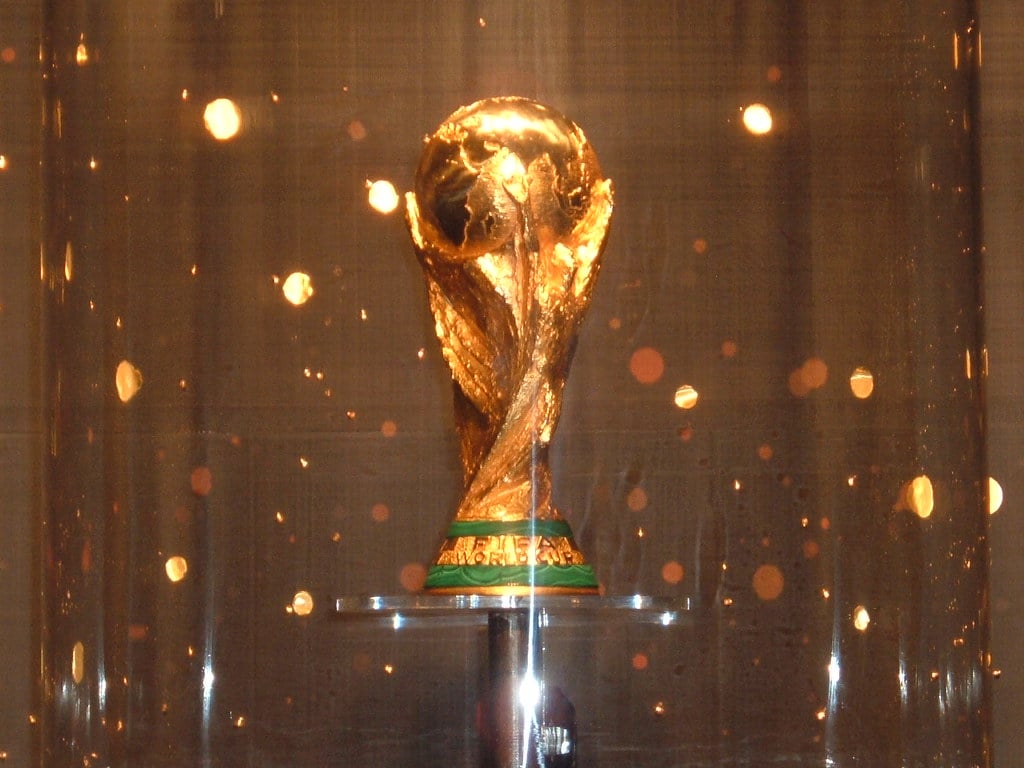
When Brazil won the World Cup for the third time in 1970, they earned the right to keep the Jules Rimet Trophy permanently. It went on display at the Brazilian Football Confederation headquarters in Rio de Janeiro, protected by bulletproof glass.
On December 19, 1983, thieves forced open the wooden back of the cabinet with a crowbar and took the trophy. Four men were convicted in absentia, but the trophy was never recovered.
Most people believe it was melted down and sold as gold bars, though the trophy was made of gold-plated sterling silver, not solid gold, making that theory questionable. Some think it ended up on the black market and might still exist somewhere.
Either way, one of football’s most iconic trophies disappeared forever. Only the original base remains, sitting in a basement at FIFA headquarters in Zurich. Everything else is gone.
The Stanley Cup’s Seven-Year Mystery
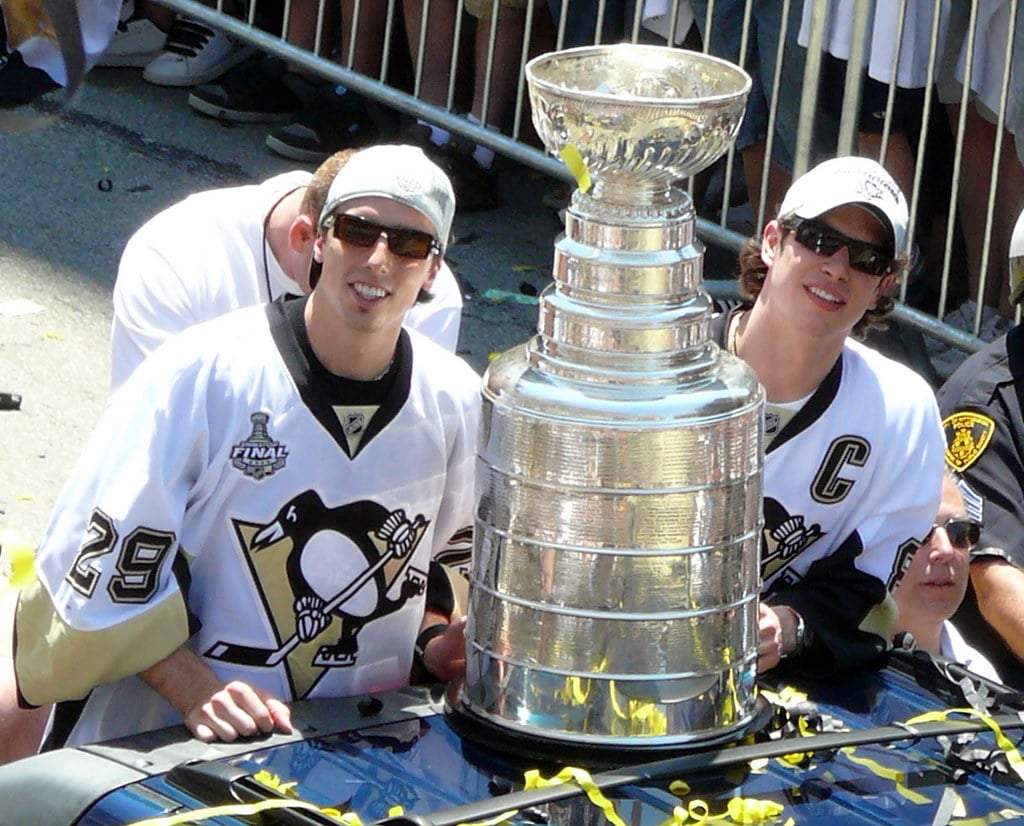
In December 1970, thieves broke into the Hockey Hall of Fame in Toronto and stole the Stanley Cup along with the Conn Smythe Trophy and the Bill Masterton Trophy. The Smythe and Masterton trophies turned up quickly—someone left them on a police detective’s driveway a couple weeks later.
The Stanley Cup took longer to find. Much longer. One of the thieves reportedly threatened to throw it into Lake Ontario if demands weren’t met.
Seven years passed. Then authorities received an anonymous tip about something important in the back storage room of a Toronto cleaning store.
Police found the original Stanley Cup collar sitting there. How it got there remains unclear. Some say the tip led them to it.
Others claim it appeared on a police officer’s driveway. Another version suggests the real cup stayed safe in a bank vault the whole time and thieves only grabbed a display replica.
Whatever actually happened, the cup returned to secure hands after nearly a decade missing.
Kicked Into a Canal

The Stanley Cup’s misadventures didn’t start with the 1970 theft. In 1905, the Ottawa Silver Seven won the championship and celebrated accordingly.
Walking home drunk along the Rideau Canal in bitter cold, player Harry Smith suddenly grabbed the cup and kicked it like a football. The trophy arced through the air and landed in the frozen canal.
His equally intoxicated teammates didn’t bother retrieving it—they just went home. The next morning, Smith realized what he’d done and went back to fish the cup out of the ice.
The trophy survived, though its treatment suggests champions didn’t always view it as the precious artifact it would later become.
Used as a Flower Pot

In 1907, the Montreal Wanderers brought the Stanley Cup to a photography shop for a team picture. After the photo session, the players left—without the trophy.
Nobody noticed it was missing for two months. When the Wanderers finally asked about it, they discovered the photographer’s cleaning lady had taken it home.
She thought it would make a lovely flower pot, so she filled it with water and planted roses in it. The cup sat on her mantelpiece in full bloom until someone remembered where they’d last seen it.
The lady returned the trophy, probably confused about why anyone wanted her new planter back.
Abandoned on a Montreal Sidewalk
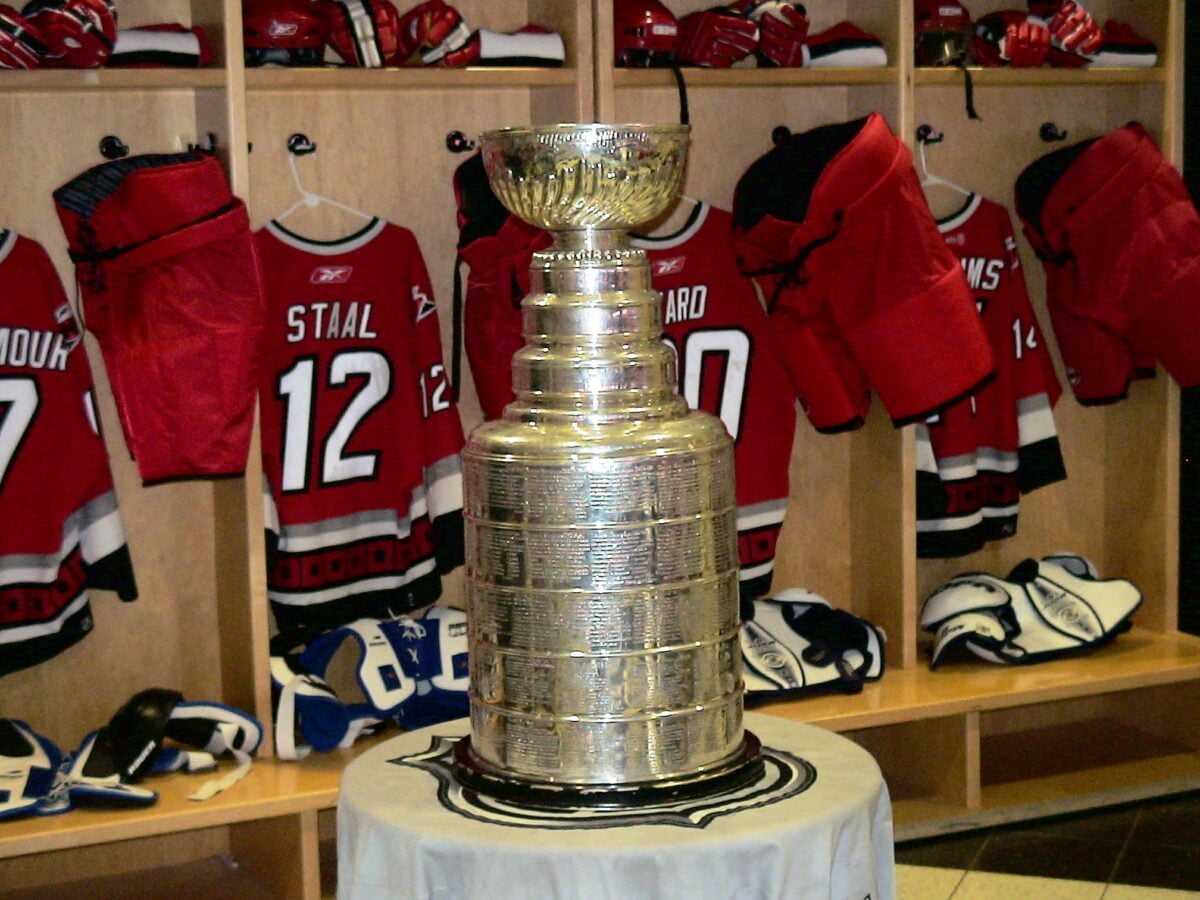
The Montreal Canadiens won the cup in 1924 and loaded into Leo Dandurand’s Model T Ford to head to a celebration. The car stalled going up a hill. Everyone got out to push except Sprague Cleghorn, who’d been holding the cup on his lap.
He set it on the curb before joining the others in shoving the car uphill. When they reached the top, they hopped back in and resumed talking about hockey.
Nobody remembered the trophy. Nearly an hour later, at Dandurand’s house, his wife asked where the guest of honor was. Dandurand realized they’d left the Stanley Cup sitting on a Montreal street.
They drove back and found it still waiting patiently on the curb where Cleghorn had placed it.
The Original FA Cup Melted Into Coins

Aston Villa won the FA Cup in 1895 and stored the trophy in their safe. When a local boot manufacturer asked to display it in his shop window, the club agreed.
On September 11, 1895, thieves smashed through the shop’s roof and stole the cup. The crime went unsolved for 63 years.
Then in 1958, an 83-year-old man named Harry Burge confessed. He and accomplices had broken up the trophy and melted it down in an iron pot the night of the theft.
They used the silver to make counterfeit half-crown coins, which they passed at a Birmingham pub owned by a former Villa player. Some of those Villa players likely handled the fake coins without knowing the silver came from their own stolen trophy.
The confession came too late for prosecution, and the original FA Cup was gone forever. The current trophy is actually the fifth version, as the original disappeared in 1895.
Missing in Siberia

The Stanley Cup didn’t get stolen in 2018, but it did go missing during its world tour. After the Washington Capitals won, each team member got a day with the trophy.
When it was defenseman Dmitry Orlov’s turn, the cup traveled to his hometown of Novokuznetsk in southwestern Siberia. Phil Pritchard, the longtime “Keeper of the Cup,” suddenly couldn’t find it. The 125-year-old trophy had vanished in Russia.
Panic set in. Eventually they located it—someone had taken it for an unscheduled helicopter ride to help celebrate the city’s 400th birthday.
The cup returned safely, but the incident reminded everyone that even with modern security, trophies can disappear when you least expect it.
The 1969 NHL Trophy Heist

In April 1969, thieves forced open the front door of the Sports Hall of Fame in Toronto and smashed a display case with a shovel. They grabbed the Conn Smythe, Calder, and Hart trophies but missed the Stanley Cup, which happened to be away for maintenance.
They also ignored several other trophies in the same broken case. The stolen trophies had no real value to anyone except as metal, and ransom attempts went nowhere.
A few days later, an anonymous tip led police to a garage in Etobicoke where they recovered everything undamaged. The thieves probably realized the trophies were too hot to handle and too worthless to fence.
The Replica Nobody Knew About

After the 1966 theft of the Jules Rimet Trophy, the English Football Association secretly commissioned a replica made primarily from base metals. FIFA had explicitly forbidden copying the trophy, so the replica spent years hidden under its creator’s bed.
When it was eventually sold at auction in 1997, FIFA bought it for 254,000 pounds. The high price sparked rumors that FIFA had actually purchased the original trophy instead of the replica.
In 2016, scientists at the University of Manchester settled the question by scanning it with a CT scanner. The scan detected no trace of the silver used in the real trophy, only tin and lead.
It was definitely a fake. The replica now sits on display at the National Football Museum in Manchester.
Stolen But Never Used as Ransom

The thieves who took the Stanley Cup in 1970 apparently hoped to ransom it back to the NHL. But as Detective Wally Harkness explained, they quickly discovered the trophy had no ransom value.
You can’t exactly sell the Stanley Cup on the black market—everyone would recognize it. And the NHL wouldn’t pay to get it back because that would just encourage more thefts.
The criminals found themselves stuck with hockey’s most famous trophy and no way to profit from it. This reality probably explains why so many stolen trophies eventually turn up abandoned or returned anonymously.
They’re essentially worthless to thieves despite their immense symbolic value.
The Trophy That Traveled to War

During World War II, the Jules Rimet Trophy faced a different kind of threat. Italy held the trophy after winning in 1938.
Ottorino Barassi, an Italian sports official, feared the Nazis would confiscate it. He secretly removed the trophy from a bank in Rome and hid it in a shoebox under his bed for most of the war.
The trophy survived intact, though it spent years as probably the most valuable thing ever stored under someone’s mattress. Barassi’s decision to hide it probably saved the original trophy from being melted down or lost during the chaos of war.
Security Gets Serious
After the 1983 theft of the Jules Rimet Trophy, FIFA changed its approach. The new FIFA World Cup Trophy, introduced in 1974, never leaves FIFA headquarters except for the final and official events.
Winning teams receive a gold-plated replica to take home, not the real thing. This means every World Cup since 1974 has seen champions lifting and kissing a copy while the authentic trophy stays safely locked away in Zurich.
The same shift happened with the Stanley Cup—there’s a presentation cup for on-ice celebrations and the real historical trophy that stays protected. The lesson learned from all those thefts was simple: if you want to keep valuable trophies safe, don’t let them out of your sight.
The Almost-Theft of 1977

In 1977, seven men approached the Stanley Cup display at the Hockey Hall of Fame carrying a large gym bag. An alert employee noticed something suspicious and chased them out of the building.
When police searched their car, they found copies of the Hockey Hall of Fame floor plan and lists of equipment needed to steal the cup. The men had planned the heist in detail but got spooked before executing it.
Had that employee not been paying attention, the cup might have disappeared again.
Why Trophies Get Stolen

Most trophy thefts follow similar patterns. Someone sees an opportunity during public displays or transport. Security seems light.
The temptation proves too strong. But thieves consistently underestimate how difficult it is to profit from stolen trophies. The objects are too recognizable to sell and too specific to have any value beyond their symbolic importance.
Ransom attempts fail because organizations won’t negotiate. Melting them down destroys most of their worth. The smart thieves realize this quickly and abandon the trophies.
The not-so-smart ones get caught trying to fence the most famous silverware in sports. Either way, most stolen trophies eventually come back, though not always in the same condition they left.
What Remains Lost
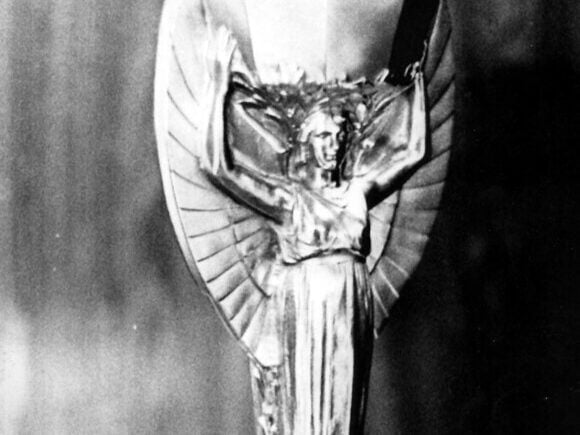
The 1983 Jules Rimet Trophy stands as the most significant permanently lost sports trophy. Nearly everything else that was stolen eventually returned, often in bizarre circumstances.
But that gold-plated sterling silver cup that Brazil earned through three World Cup victories is gone for good. Whether melted down, sold on the black market, or sitting in some private collection, it hasn’t been seen in over 40 years.
For Brazil, the loss stung worse than any match defeat. They’d earned the trophy through sporting excellence and lost it to common criminals. A replica sits in its place, but everyone knows it’s not the same.
When Champions Forget Their Prizes

Not all missing trophies involve theft. Sometimes champions just lose track of them through carelessness or celebration-induced amnesia. The pattern repeats throughout sports history—trophy gets set down somewhere during festivities, everyone forgets about it, panic ensues when someone finally asks where it is.
The Stanley Cup has been left in taxis, on airplanes, in bars, and on random street corners. Most of these incidents were resolved quickly because someone honest found the trophy and returned it.
But each time, there’s that window where one of sport’s most important artifacts sits unattended, vulnerable to anyone who happens to walk by.
Trophies as Artifacts

The thefts, losses, and recoveries reveal something about how we value sports trophies. They’re not valuable because of the materials they’re made from—most use relatively modest amounts of precious metals.
Their worth comes entirely from what they represent: achievement, history, competition at the highest level. This makes them both priceless and worthless simultaneously.
Priceless to the sports community, worthless to criminals trying to profit from them. The disconnect between symbolic and monetary value is what makes stolen trophy stories so strange.
Thieves grab objects worth millions in cultural significance but discover they’re essentially unsellable. And so the trophies come back, rescued by dogs, abandoned in storage rooms, or turned in by people who realize what they’ve gotten themselves into.
Where Security Meets History

Modern trophy security has evolved dramatically since the days when champions could kick cups into canals or leave them on sidewalks. GPS tracking, bulletproof cases, armed guards, and strict custody chains now protect major trophies.
But those earlier, looser times created the stories that make these objects more than just silver and gold. The Jules Rimet Trophy became legendary partly because a dog found it.
The Stanley Cup’s mystique grows with each tale of it being forgotten or abandoned. Perfect security would prevent these incidents, but it would also eliminate the human element that makes trophies feel alive rather than merely symbolic.
The challenge is finding the balance between protection and the traditions that give trophies meaning beyond their material form.
More from Go2Tutors!

- The Romanov Crown Jewels and Their Tragic Fate
- 13 Historical Mysteries That Science Still Can’t Solve
- Famous Hoaxes That Fooled the World for Years
- 15 Child Stars with Tragic Adult Lives
- 16 Famous Jewelry Pieces in History
Like Go2Tutors’s content? Follow us on MSN.