15 TV Shows That Started as One Genre and Quietly Switched to Another
TV shows are likely to change over the years, but some change so radically that they become a new show in all but name. These genre-reversal shows change at times due to artistic choice and at times due to viewer reaction and network pressure.
The outcome can be compelling—sometimes reviving a show on its deathbed, and sometimes alienating devoted fans. These are the 15 television shows which started out as one genre only to evolve slowly into something else entirely.
Breaking Bad
Breaking Bad started as a dark comedy about a mild-mannered chemistry teacher making unconventional life choices after a cancer diagnosis. The early episodes featured oddball situations and fish-out-of-water humor as Walter White fumbled his way into the drug trade.
By season three, the show had transformed into an intense crime drama with increasingly higher stakes and a significantly darker tone. This evolution happened so naturally that many viewers didn’t even notice the shift until rewatching the series.
Parks and Recreation
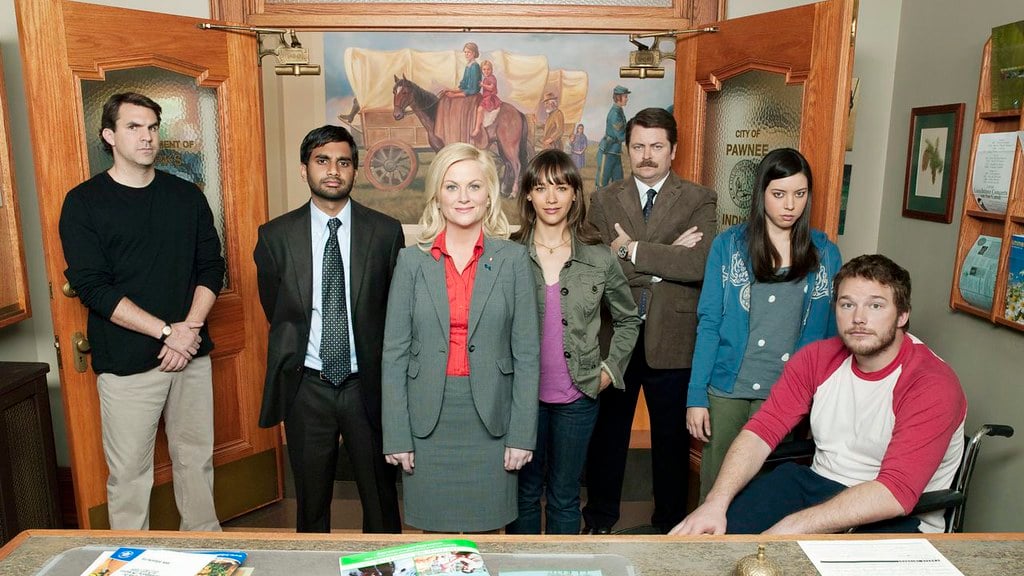
The first season of Parks and Recreation positioned itself as a mockumentary satire about ineffective government, with Leslie Knope portrayed as a delusional bureaucrat. The show’s creators pivoted after lukewarm reception, transforming it into a warm-hearted workplace comedy celebrating friendship and small-town community values.
The characters evolved from cynical caricatures into lovable, optimistic individuals pursuing their dreams. The transition was so effective that many fans recommend new viewers skip the first season entirely.
The Walking Dead
AMC’s zombie apocalypse show initially presented itself as a horror series with intense survival elements and constant dread. The early seasons focused on immediate threats from the undead and featured regular horror set pieces.
As the show progressed through multiple seasons, it quietly shifted into a post-apocalyptic drama about rebuilding society, with human conflicts taking center stage and zombies becoming almost an environmental hazard. The makeup and special effects remained gruesome, but the show’s focus moved firmly to tribal politics and moral dilemmas.
Agents of S.H.I.E.L.D.

Marvel’s first television show began as a standard procedural, with agents investigating strange occurrences each week using a ‘case of the week’ format that is common to network television. Following a major plot twist tied to Captain America: The Winter Soldier, the show reinvented itself as a serialized spy thriller with deeper mythology and character development.
In later seasons, it shifted again to incorporate significant science fiction elements including time travel, alternate dimensions, and space travel, moving far beyond its procedural beginnings.
Cougar Town
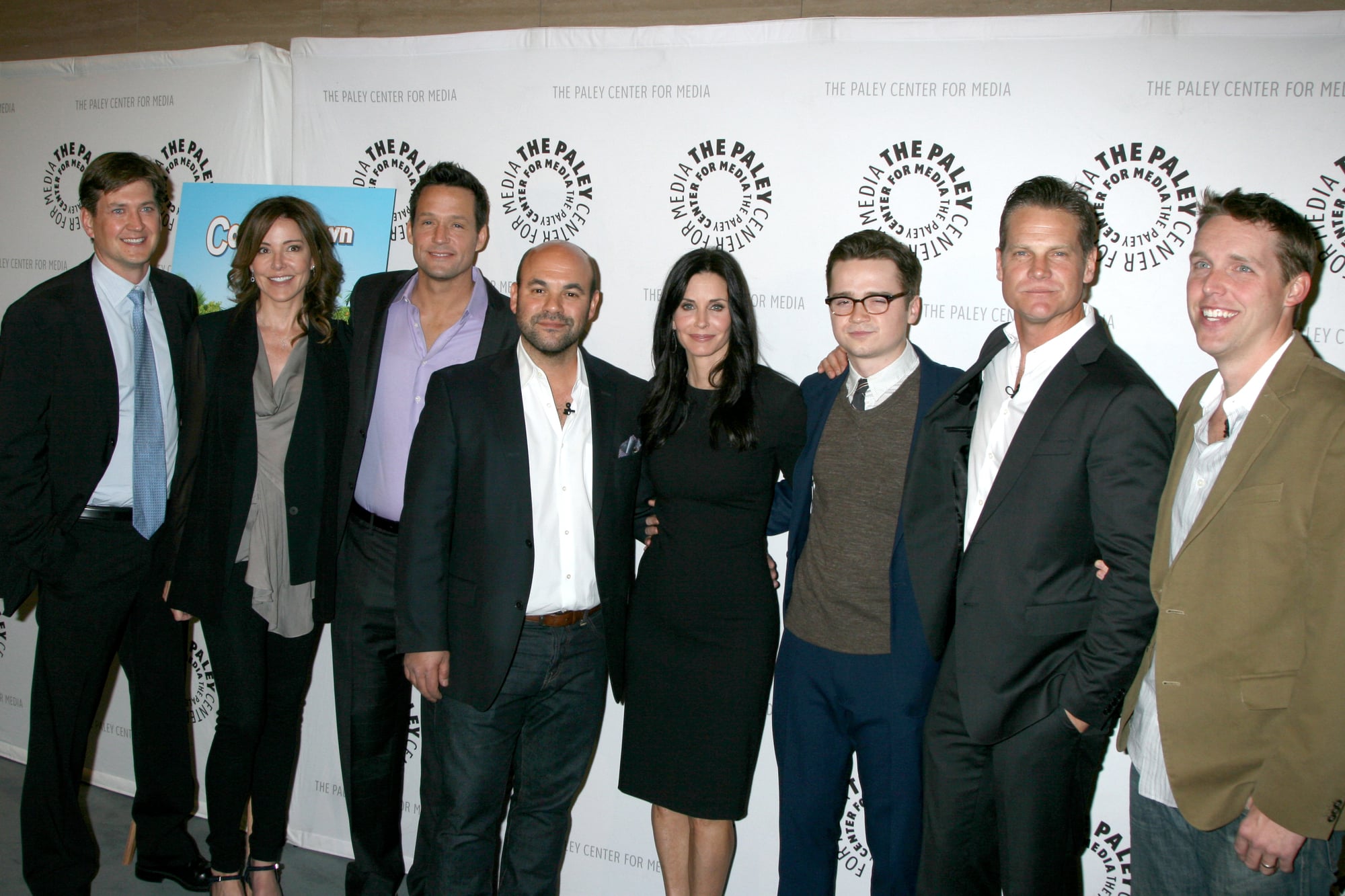
Few shows have made such an obvious genre switch as Cougar Town, which started with a premise about Courteney Cox’s character dating younger men after divorce. After just a few episodes, the creators quickly abandoned this concept, transforming the show into an ensemble comedy about friendship and wine drinking among neighbors.
The title became so mismatched that the show began featuring self-deprecating jokes about it in the opening credits. Despite its misleading name, the transformation worked, earning the show a dedicated following.
The 100
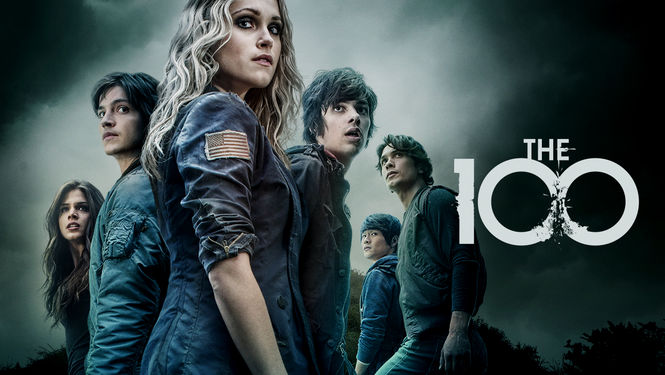
The CW’s post-apocalyptic series began as a teen drama about attractive young people sent from a space station to determine if Earth was habitable again. The early episodes featured typical teen angst, love triangles, and coming-of-age elements.
By the second season, it had morphed into a brutal survival show dealing with complex moral questions, tribal warfare, and political maneuvering. The transformation was jarring for some viewers, as the show became increasingly dark, with characters making difficult decisions that had permanent consequences.
Buffy the Vampire Slayer
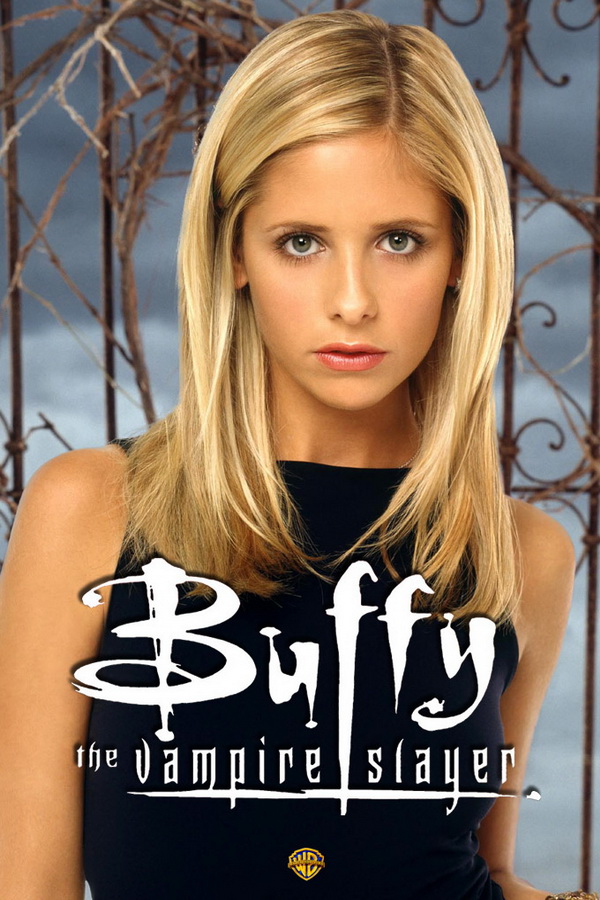
At first, Joss Whedon’s supernatural series was marketed as a monster-of-the-week program with a witty heroine battling a variety of monsters. The tone was lighter in the early seasons, which combined aspects of horror with teen comedy.
With deeper character development and season-long story arcs, the show developed into a sophisticated drama about maturing, responsibility, and sacrifice. Episodes like ‘The Body’ showed how far the show had strayed from its basic purpose, and the monsters became symbols for problems in real life.
Scandal
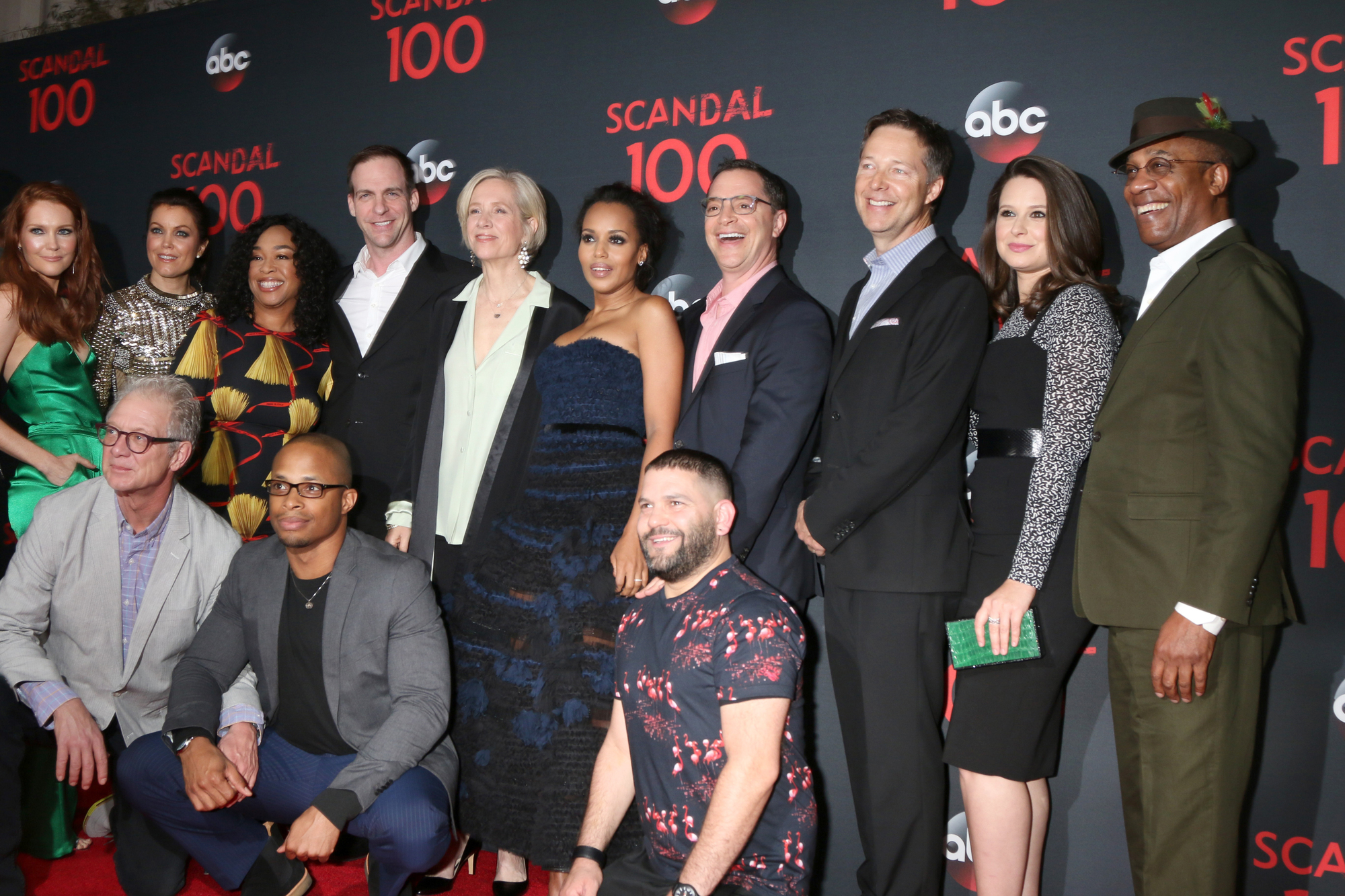
ABC’s political drama began as a case-of-the-week show about Olivia Pope’s crisis management firm solving problems for Washington elites. The procedural elements took center stage while Olivia’s relationship with the President remained a subplot.
Around the third season, the show transformed into a melodramatic political thriller focused on conspiracy, murder, and forbidden romance. The shift to serialized storytelling with increasingly outlandish plots represented a complete departure from the relatively grounded early episodes.
Supernatural
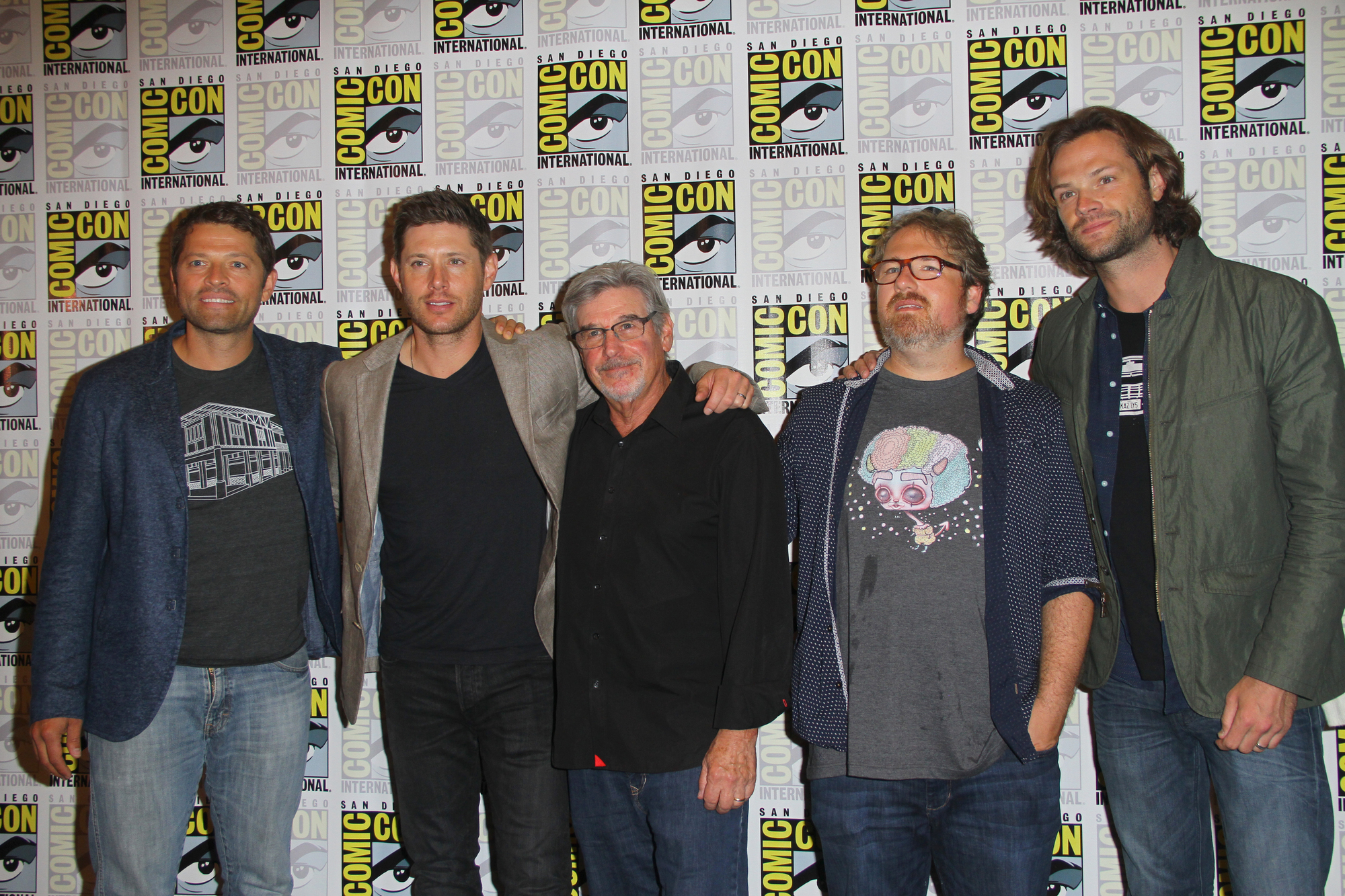
The Winchester brothers started their journey in a horror series about hunting urban legends and folklore monsters. Each episode featured a new creature for Sam and Dean to research and defeat.
After the first five seasons (the creator’s original planned storyline), the show gradually morphed into an epic fantasy about angels, demons, and cosmic battles between good and evil. Later seasons incorporated elements of different genres including westerns, science fiction, and even meta-comedy, with the show poking fun at itself and its devoted fanbase.
Desperate Housewives
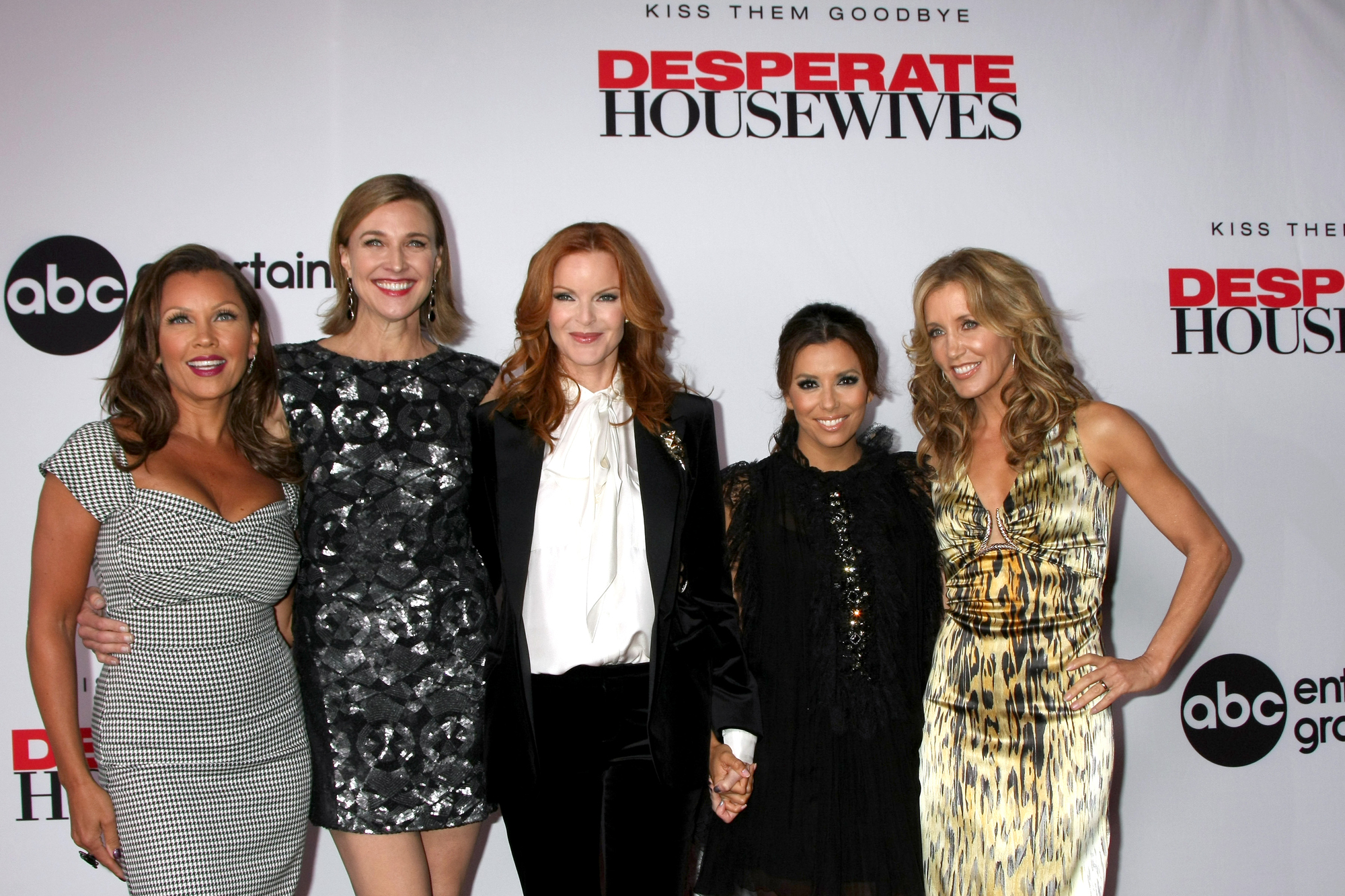
When it premiered, Desperate Housewives marketed itself as a dark comedy-mystery hybrid, with the first season revolving around solving the mystery of Mary Alice’s suicide. The show featured black humor and a sardonic narration style reminiscent of film noir.
In subsequent seasons, it shifted toward more straightforward soap opera territory, focusing on relationship drama, secrets, and scandals, while the mystery elements became less central. The tonal shift happened gradually over several seasons, with the darkly comic edge softening considerably.
Lost
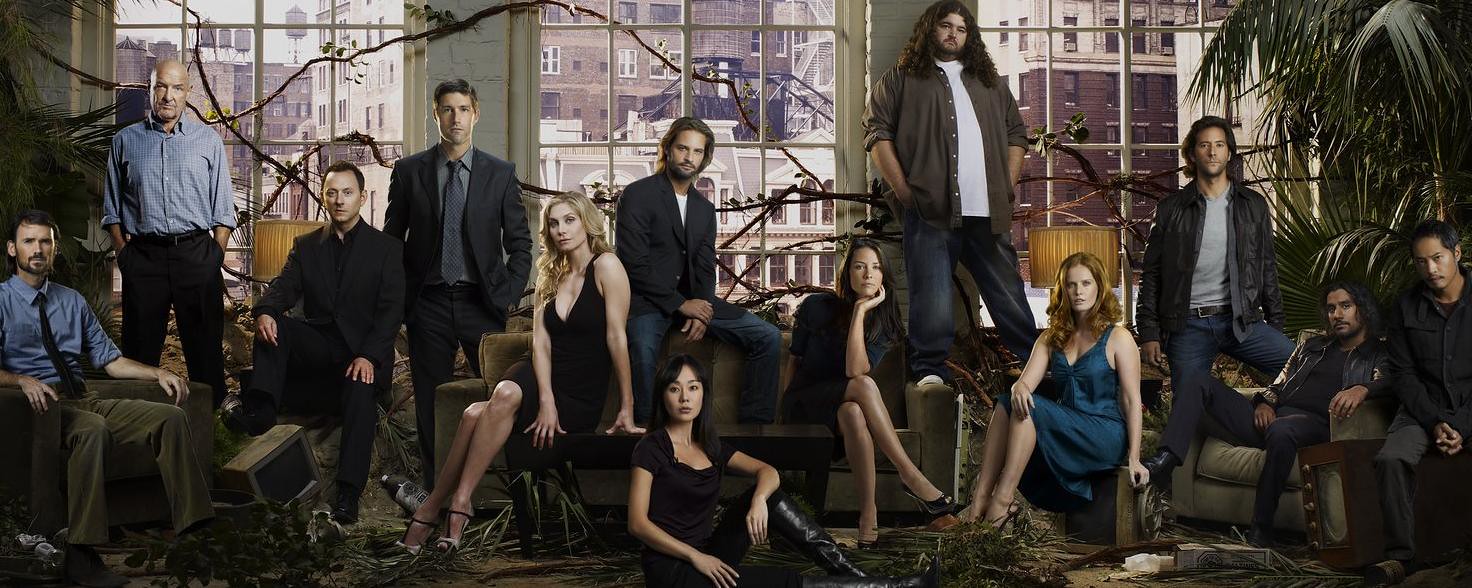
J.J. Abrams’ island mystery initially presented itself as a survival drama about plane crash survivors in a hostile environment. The first season focused on immediate survival concerns, character flashbacks, and mysterious but seemingly explainable island phenomena.
By the third season, the show had begun transforming into science fiction with fantasy elements, introducing time travel, parallel realities, and supernatural explanations. This genre shift polarized the audience, with some viewers excited by the new direction and others feeling misled by the dramatic change.
Pretty Little Liars

This teen series began as a mystery-thriller about four friends receiving threatening messages from an anonymous stalker following their friend’s disappearance. The early seasons maintained a relatively grounded approach to the central mystery.
As the show continued, it incorporated increasingly bizarre elements including evil twins, mind control, underground bunkers, and improbable technology, effectively becoming a campy soap opera. The genre shift happened so gradually that longtime viewers adapted to the increasingly outlandish plot developments without realizing how far the show had strayed from its original premise.
Once Upon a Time
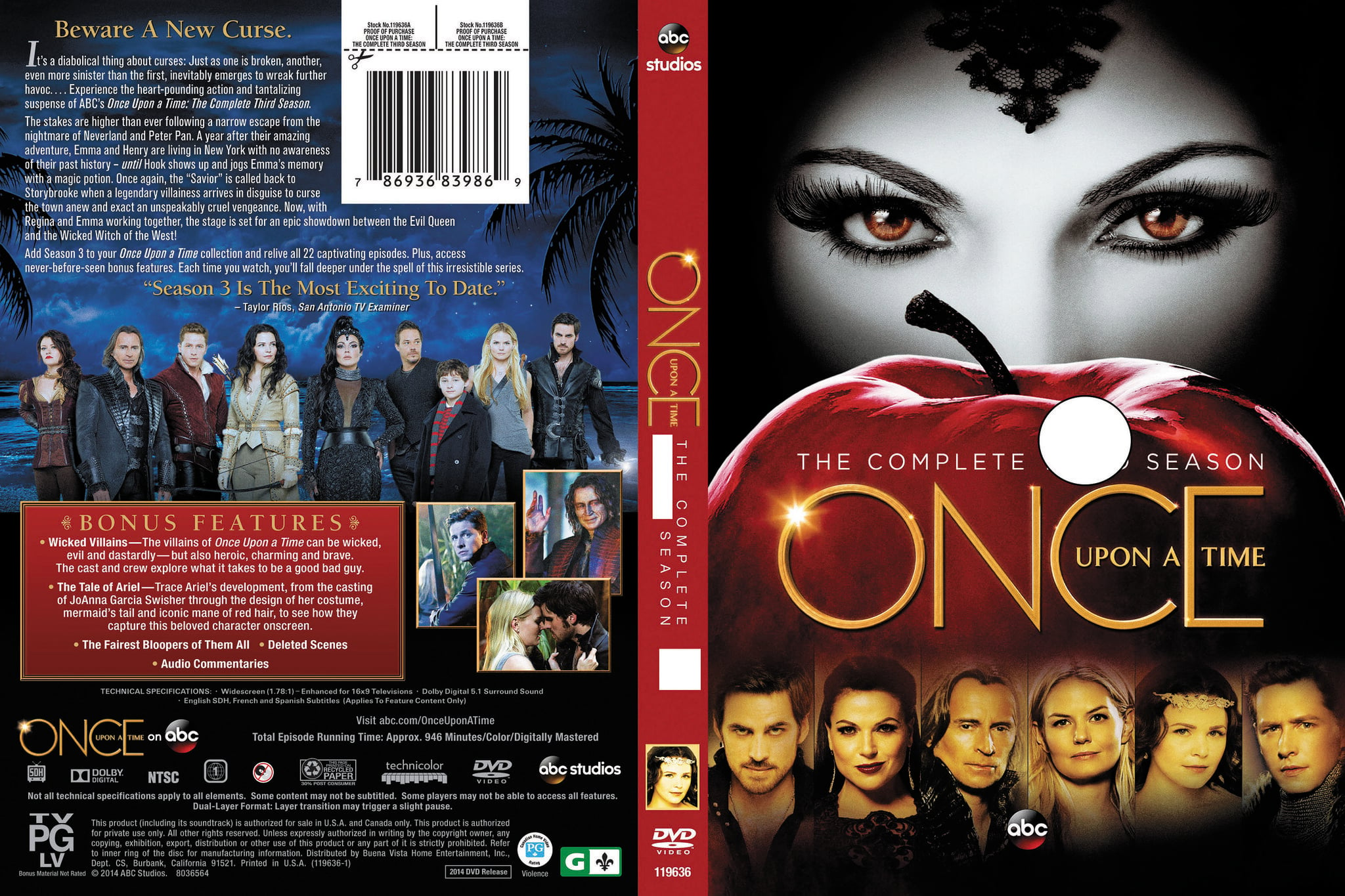
ABC’s fairy tale series started as a small-town drama with light fantasy elements, focusing on the curse that brought fairy tale characters to the real world without their memories. The early seasons maintained a balance between real-world drama and fantasy flashbacks.
As the show progressed, it abandoned much of its real-world setting in favor of full fantasy adventures across multiple magical realms. The shift was apparent when characters began openly using magic in the real world, effectively transforming the show from fantasy-tinged drama to full-blown fantasy adventure.
Riverdale
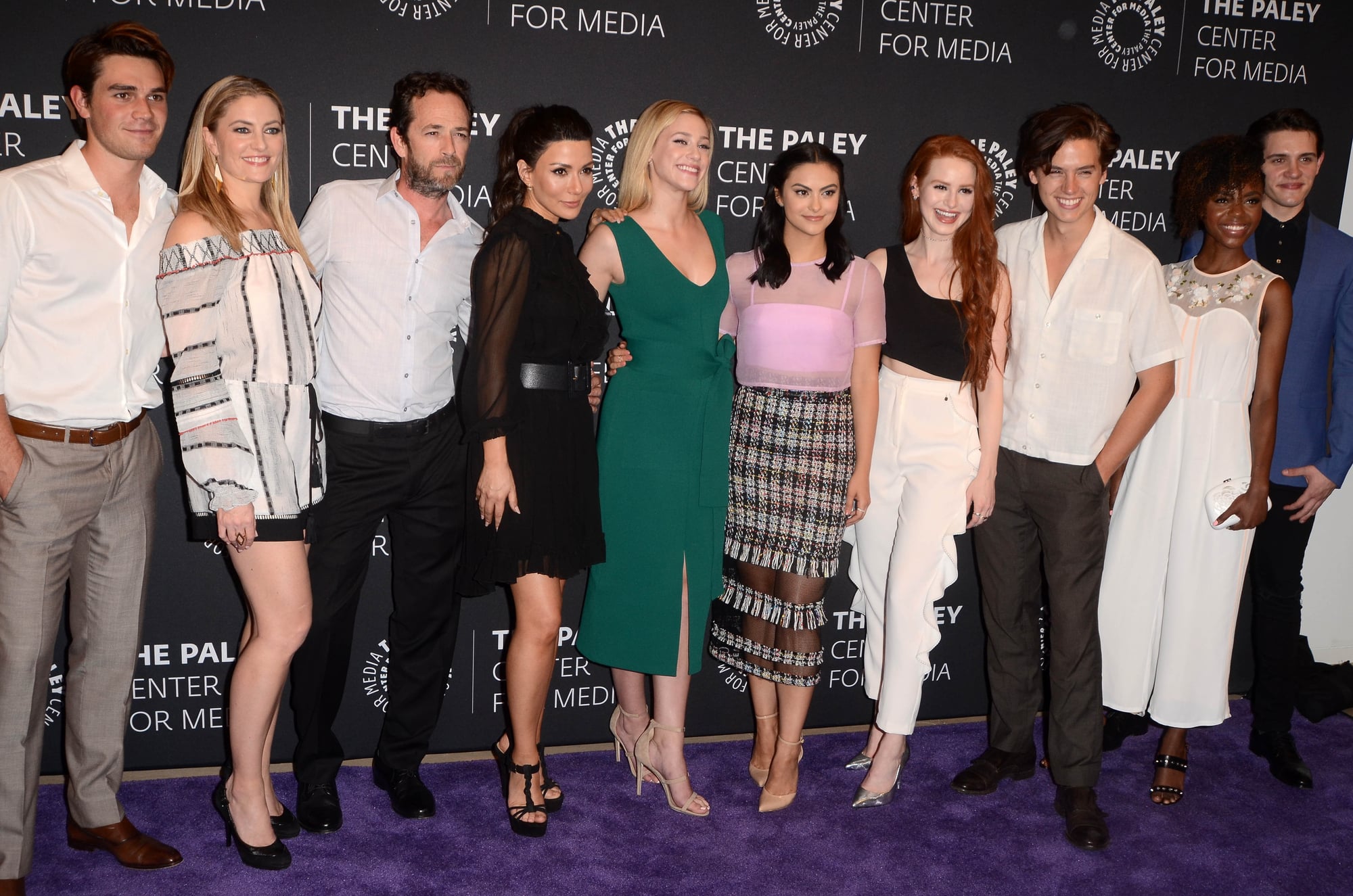
Based on Archie Comics, Riverdale began as a small-town murder mystery with high school drama elements. The first season maintained a relatively grounded tone while investigating Jason Blossom’s death.
Subsequent seasons introduced organ-harvesting cults, supernatural elements, time jumps, and parallel universes. The transformation happened in stages, with each season becoming more outrageous than the last.
By its final seasons, Riverdale had essentially become a campy supernatural thriller that bore little resemblance to its more restrained beginnings.
The Good Wife
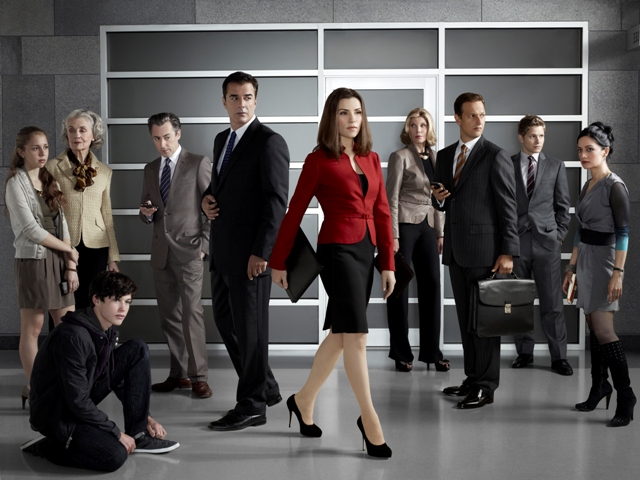
CBS’s legal drama began to focus on Alicia Florrick’s return to her career after her husband’s political scandal, and most episodes employed classic legal procedural formats. Holding on to cases in court, the show slowly evolved into a complex political drama that examined power, corruption, and moral compromise.
Later seasons featured multi-episode storylines about election campaigns, firm politics, and surveillance technology that well exceeded the typical case-of-the-week format. This evolution was praised for giving context to what otherwise could have been a generic legal show.
The Evolution of Television Storytelling

These genre-shifting series highlight the special way television can change itself over several seasons. Unlike movies that have to stay genre consistent all through, TV shows can change to be something completely different from their original idea based on audience feedback, actor availability, and creative inspiration.
Sometimes these changes are intentional from the start; more often, they are artistic responses to evolving conditions. The most successful transitions occur so naturally that audiences barely notice until they consider how far their favourite programmes have come.
More from Go2Tutors!

- The Romanov Crown Jewels and Their Tragic Fate
- 13 Historical Mysteries That Science Still Can’t Solve
- Famous Hoaxes That Fooled the World for Years
- 15 Child Stars with Tragic Adult Lives
- 16 Famous Jewelry Pieces in History
Like Go2Tutors’s content? Follow us on MSN.