15 Unbelievable Moments When Outnumbered Forces Won Against All Odds
There are many incredible military conflicts throughout history where the side that appeared to be weaker prevailed in spite of overwhelming odds. These conflicts put our knowledge of warfare to the test and show how technology, strategy, topography, and sheer willpower can overcome numerical disadvantages.
These incredible military triumphs show how outnumbered armies overcame seemingly insurmountable odds.
Battle of Thermopylae
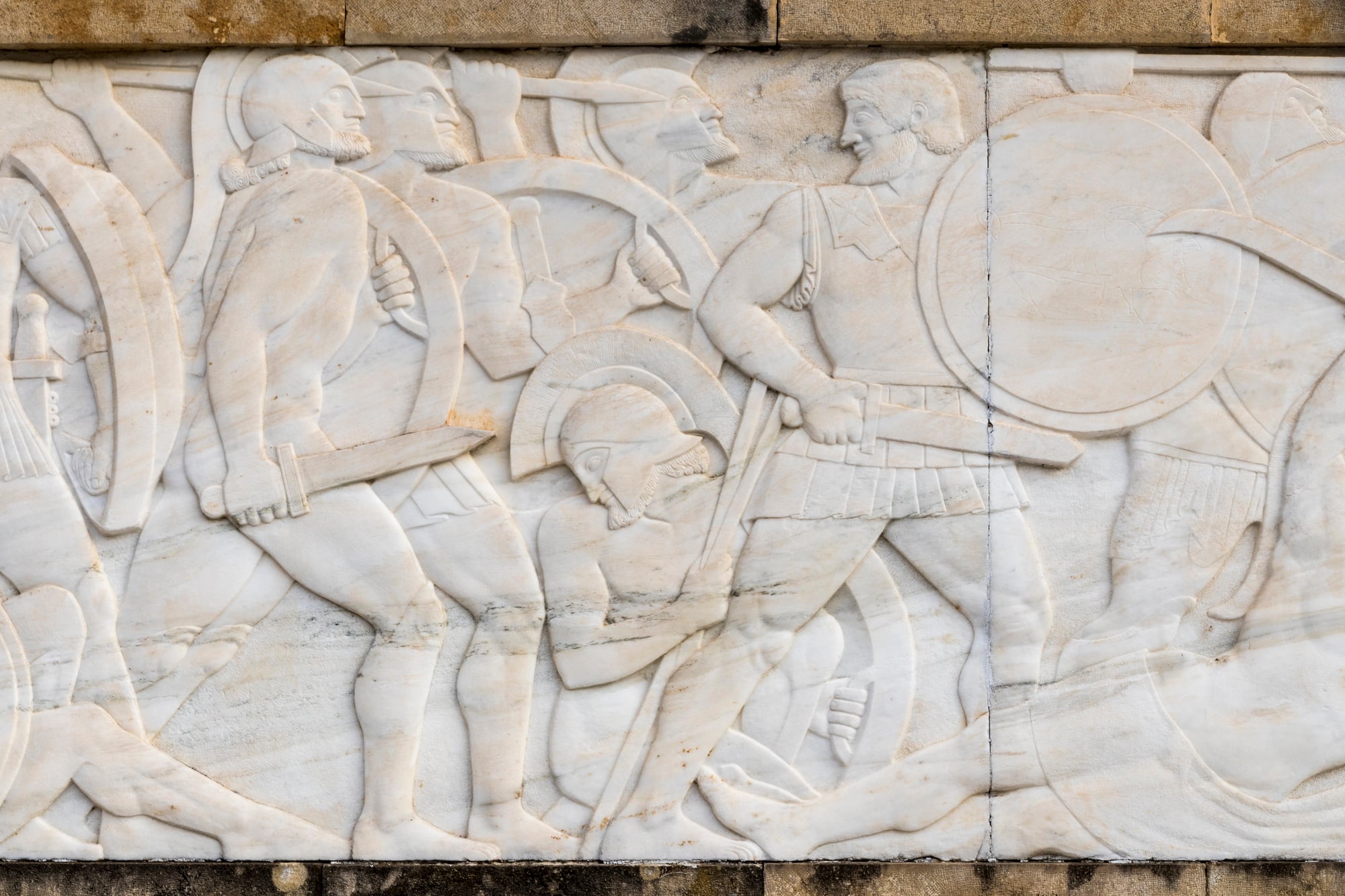
The famous stand of King Leonidas and his 300 Spartans (plus approximately 7,000 allies) against Xerxes’ Persian army of around 100,000-300,000 soldiers in 480 BCE has become legendary. Though the Greeks ultimately fell, they inflicted disproportionate casualties and delayed the Persian advance long enough for Athens to be evacuated.
The narrow pass at Thermopylae neutralized the Persians’ numerical advantage, allowing the smaller Greek force to hold out for three days.
Battle of Agincourt
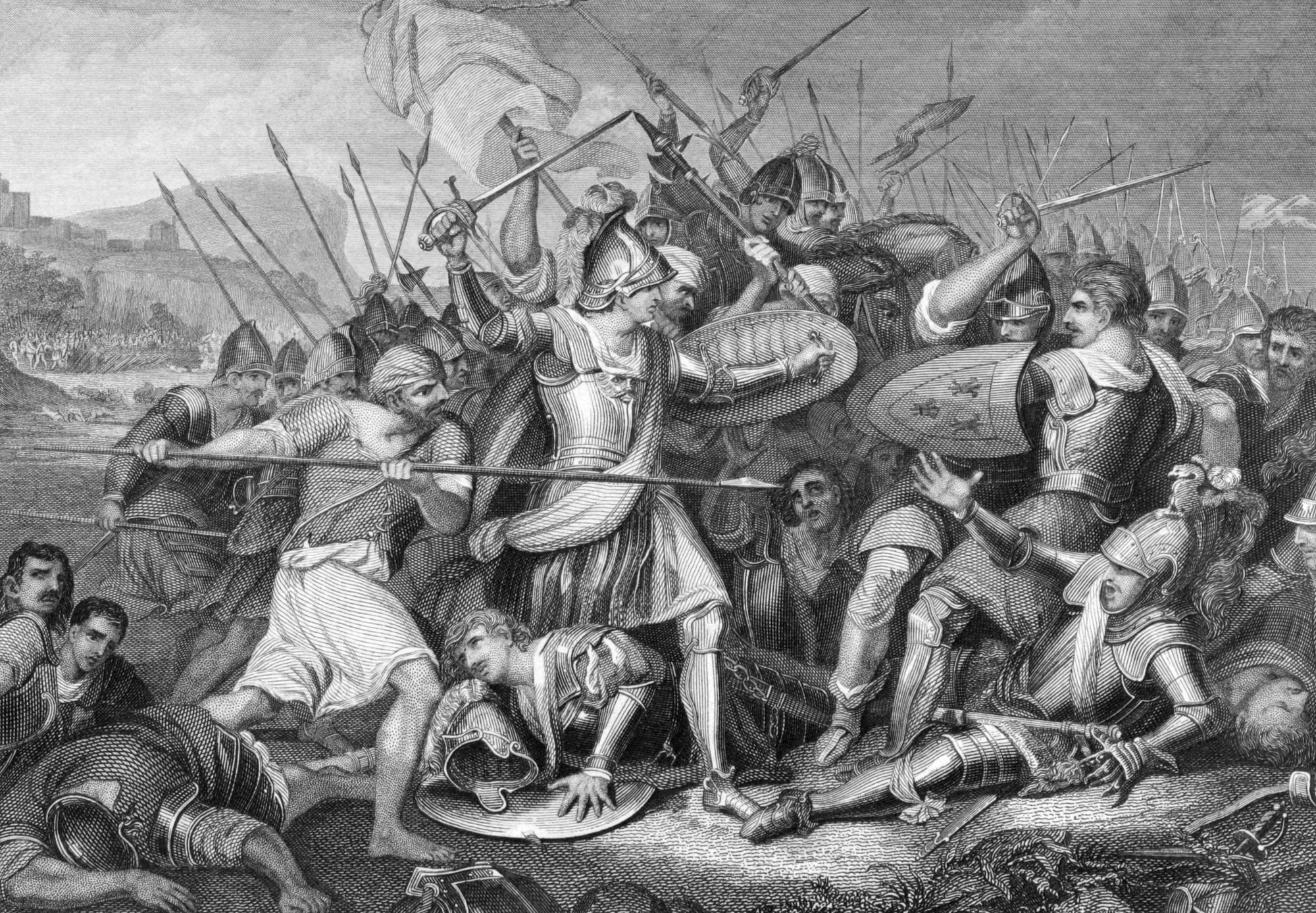
In 1415, King Henry V of England led approximately 6,000 men (many of them weakened by disease and hunger) against a French force of around 30,000. The muddy terrain bogged down the heavily armored French knights, while English longbowmen fired with devastating effect from protected positions.
English forces killed or captured many French nobles in this decisive victory during the Hundred Years’ War, demonstrating how proper use of terrain and specialized weaponry could overcome numerical disadvantages.
Siege of Rorke’s Drift
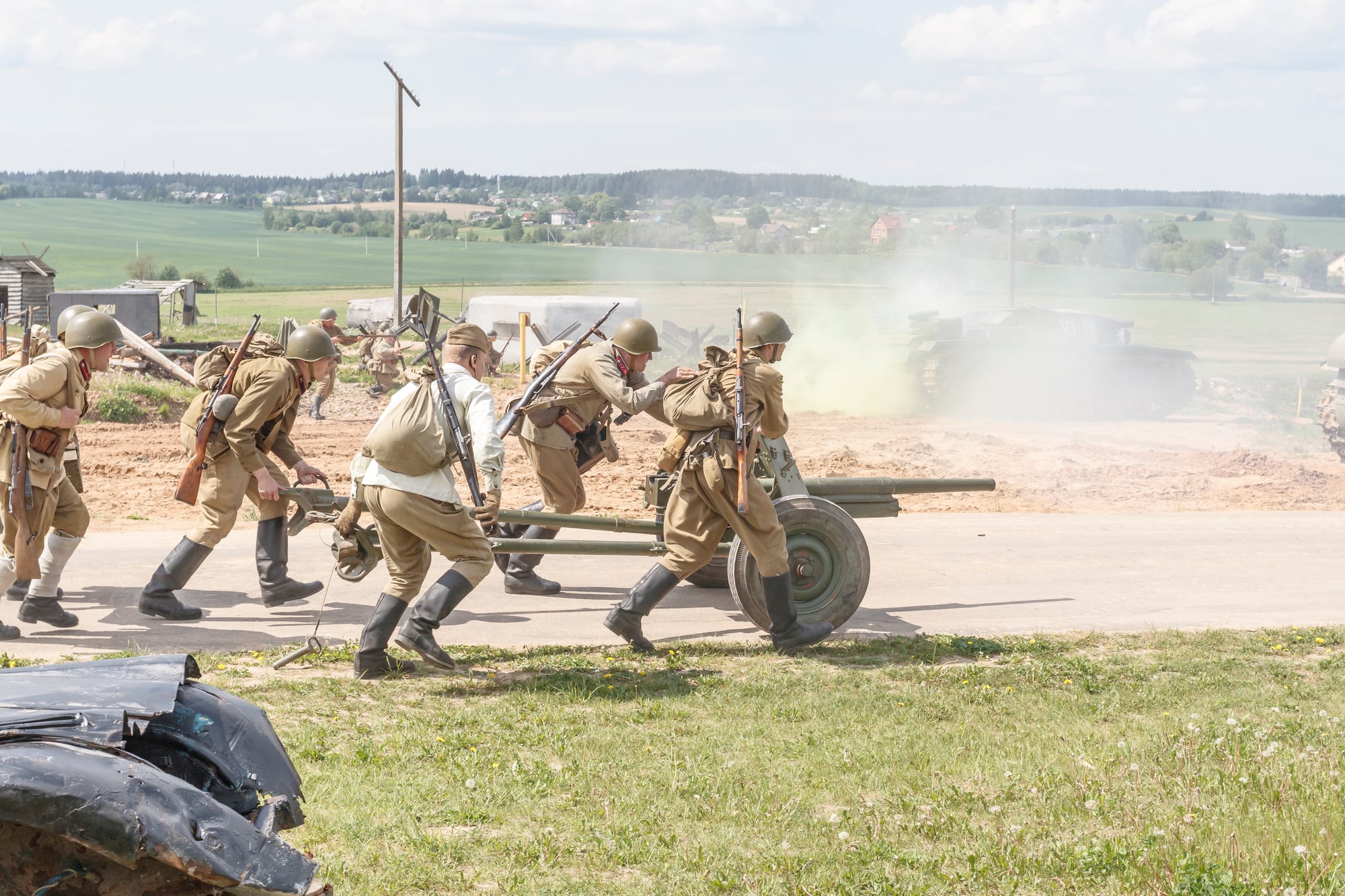
In January 1879, roughly 150 British and colonial troops defended a small missionary station against 3,000-4,000 Zulu warriors in South Africa. The British hastily fortified their position using mealie bags and biscuit boxes, creating a defensive perimeter.
The battle lasted nearly 12 hours, and the defenders’ disciplined volley fire coupled with their improvised fortifications allowed them to repel numerous Zulu assaults, with the British suffering only 17 dead compared to approximately 500 Zulu casualties.
Battle of Myeongnyang

In 1597, Korean admiral Yi Sun-sin faced a Japanese fleet of 330 ships with just 13 vessels under his command. Luring the Japanese into a narrow strait with strong currents, Admiral Yi used the local geography to neutralize the enemy’s numerical advantage.
His superior knowledge of the waters and innovative turtle ships (armored warships) enabled his forces to sink over 30 Japanese vessels without losing a single ship, forcing the Japanese to retreat and preventing their invasion.
Battle of Chancellorsville

Confederate General Robert E. Lee, commanding 60,000 troops, defeated Union General Joseph Hooker’s Army of the Potomac numbering 130,000 men in May 1863. Lee made the audacious decision to divide his already outnumbered army, sending Stonewall Jackson on a flanking march to hit the Union right.
The surprise attack created panic among Union forces, leading to their retreat despite their substantial numerical advantage. This victory is often cited as Lee’s greatest tactical achievement during the American Civil War.
Battle of Watling Street
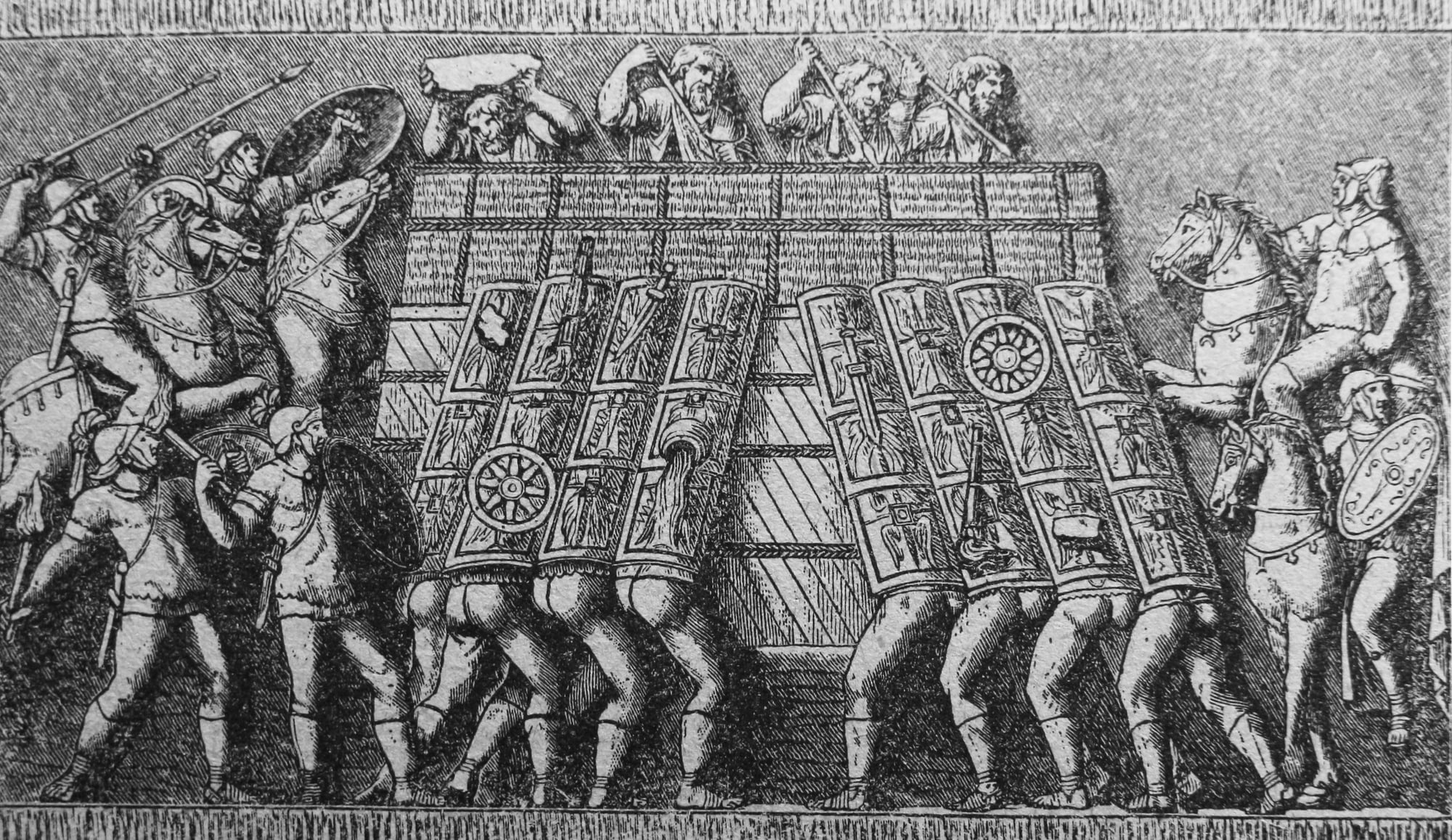
In 61 CE, Roman governor Gaius Suetonius Paulinus, with just 10,000 legionaries, defeated Boudicca’s British tribal coalition of approximately 100,000 warriors. The Romans chose their ground carefully, positioning themselves in a narrow defile with forests protecting their flanks.
The disciplined Roman infantry, armed with short swords and organized in rotating fighting lines, methodically cut down the disorganized mass of charging Britons who had no room to maneuver effectively in the confined battlespace.
Battle of Blood River
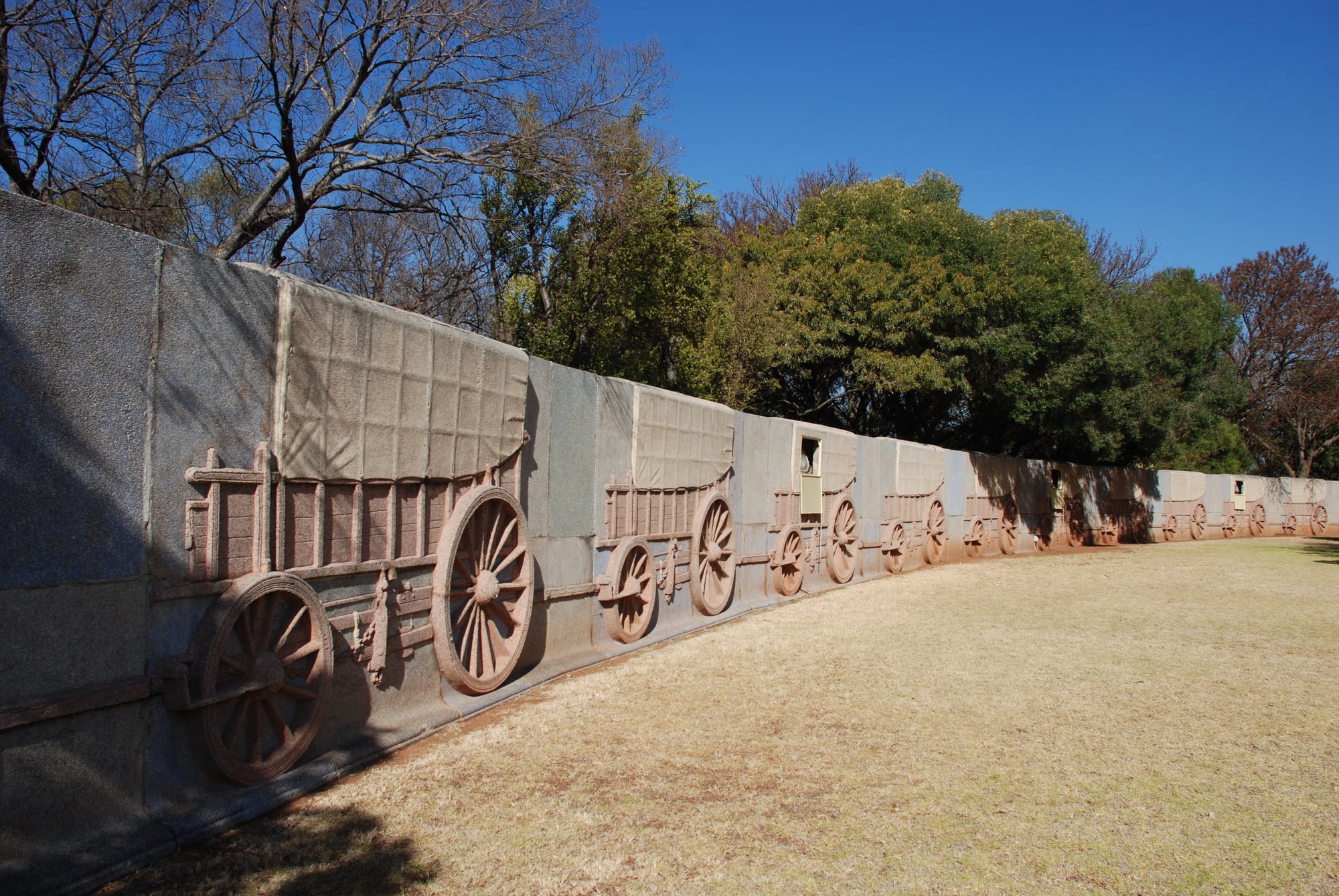
In 1838, 470 South African Voortrekkers (Dutch-speaking settlers) fought against approximately 10,000-15,000 Zulu warriors. The Voortrekkers formed a defensive laager (circle) with their wagons and used their superior firearms to repel numerous Zulu attacks.
The battle lasted several hours, resulting in over 3,000 Zulu casualties while the Voortrekkers suffered no fatalities. Their tactical positioning and technological advantage in weaponry proved decisive against the numerically superior force.
Battle of Longewala

During the 1971 Indo-Pakistani War, 120 Indian soldiers with one jeep-mounted recoilless rifle held off a Pakistani force of 2,000 soldiers backed by 45 tanks. The Indian defenders chose their ground wisely, using natural sand dunes as anti-tank obstacles and calling in air strikes at dawn.
The Pakistani armor became bogged down in the soft desert sand, making them easy targets for Indian aircraft. This remarkable defensive action resulted in only two Indian casualties while the Pakistanis lost 200 men and 34 tanks.
Battle of Samar
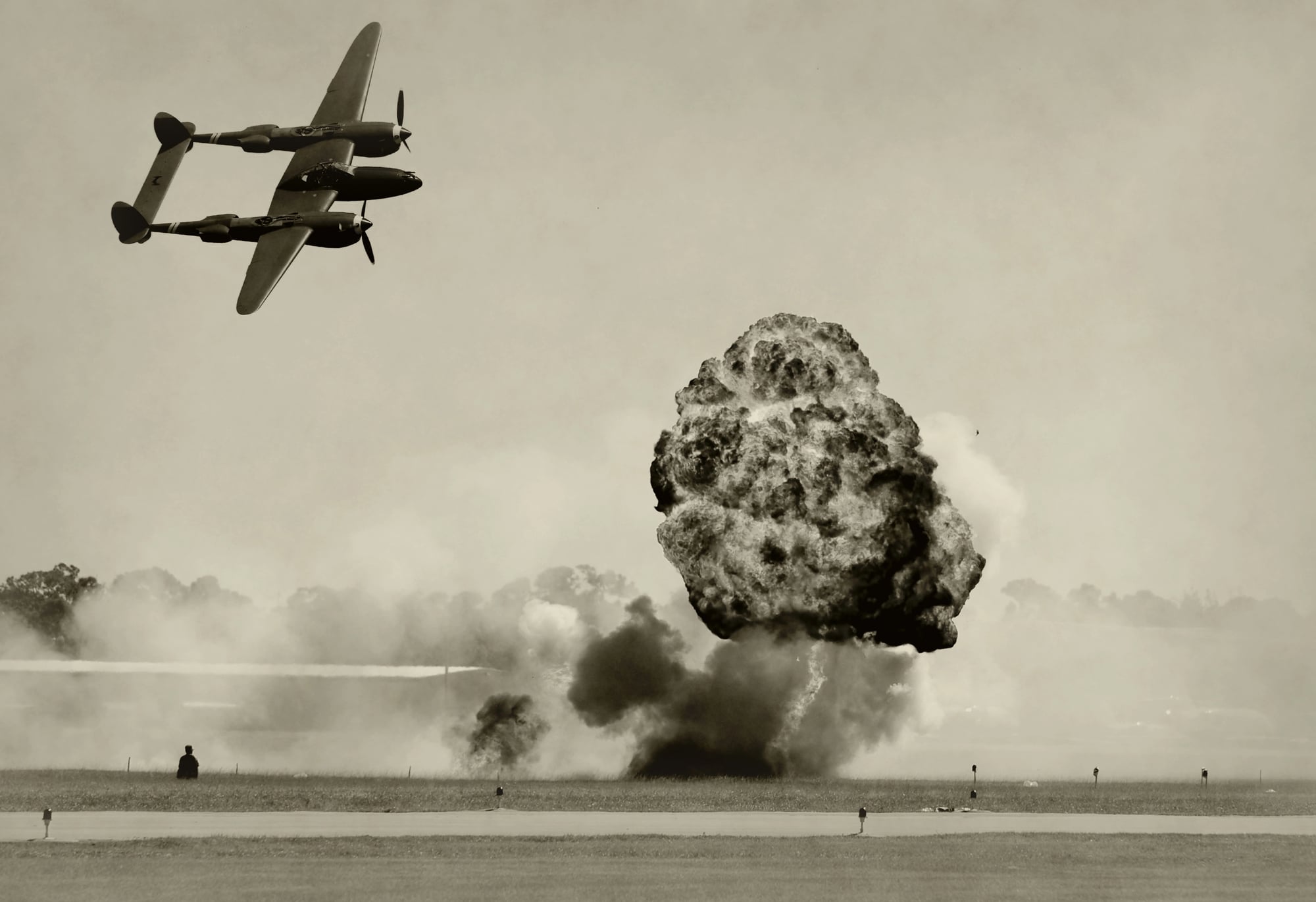
During World War II’s Battle of Leyte Gulf in 1944, a small American escort carrier group (6 escort carriers, three destroyers, and four destroyer escorts) faced the mighty Japanese Center Force, including four battleships, eight cruisers, and 11 destroyers. The American commanding officer, Rear Admiral Clifton Sprague, ordered his ships to make smoke screens while his destroyers made suicidal torpedo runs against the Japanese fleet.
This aggressive defense, combined with the Japanese admiral’s caution, convinced the Japanese that they were facing a much larger force, causing them to withdraw despite their overwhelming firepower advantage.
Battle of Mirbat

In July 1972, nine British Special Air Service (SAS) soldiers and around 30 Omani troops defended the town of Mirbat against approximately 250 Adoo guerrillas during the Dhofar Rebellion. The SAS men used their superior marksmanship and a 25-pounder artillery gun to hold off waves of attackers until reinforcements arrived.
Their stubborn defense and tactical skill resulted in over 40 Adoo casualties, preventing the rebels from overrunning the town and demonstrating how elite forces can overcome significant numerical disadvantages.
Battle of Cochin
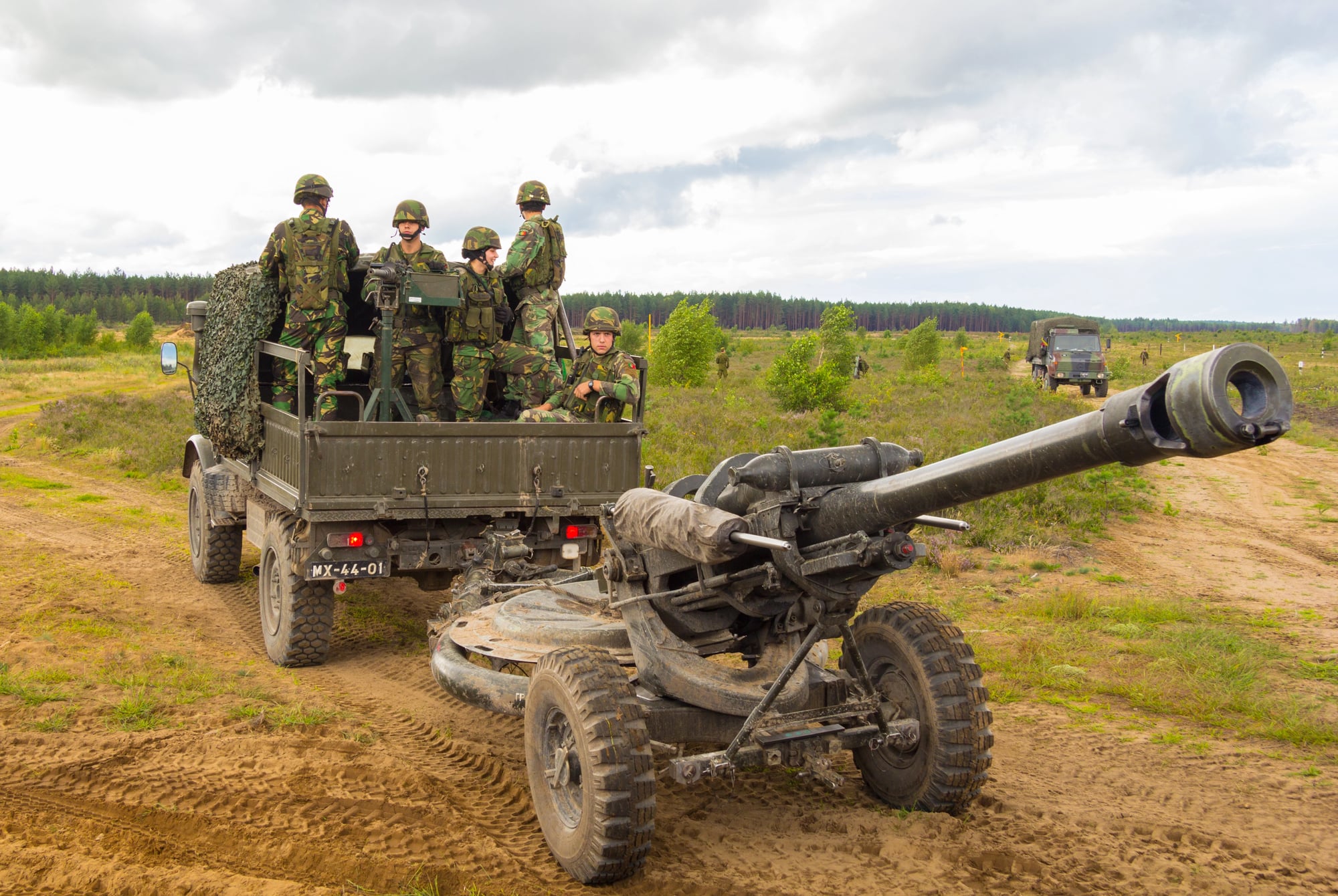
In 1504, Portuguese captain Duarte Pacheco Pereira defended the Kingdom of Cochin (in present-day India) against the Zamorin of Calicut with just 150 Portuguese soldiers and 300 Cochinese allies against approximately 60,000 attackers. Pacheco used the narrow channels between islands to negate the enemy’s numerical advantage, positioning his few ships strategically and using early artillery to devastating effect.
After several failed assaults spanning months, the Zamorin’s forces retreated, having lost thousands of men while the Portuguese suffered minimal casualties.
Battle of Hodów

In 1694, approximately 100 Polish cavalrymen (hussars and pancerni) defended against a Tatar-Nogai force of around 40,000 raiders. The Polish soldiers took refuge in a small stockade and used their firearms to repel multiple waves of attacks.
Despite being massively outnumbered, the Polish defenders held their position for several hours until the Tatars withdrew, having lost around 2,000 warriors. The Poles suffered heavy casualties but prevented the Tatar force from raiding deeper into Polish territory.
Battle of Imphal-Kohima
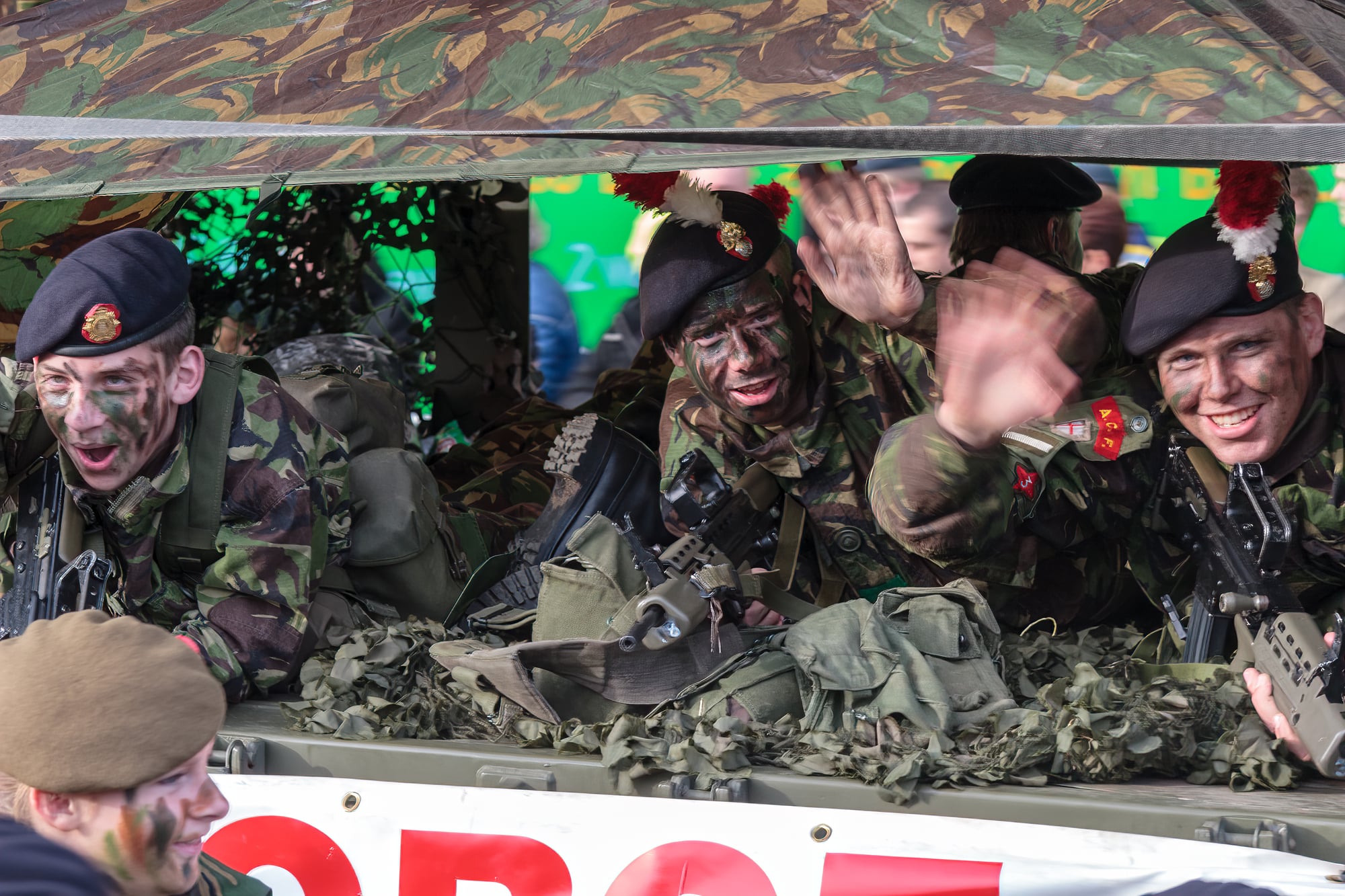
Approximately 155,000 Indian and British soldiers successfully repelled a Japanese invasion attempt on India in 1944. The Allied forces were dispersed over a large front, resulting in numerous local numerical disadvantages even though they were not outnumbered overall.
Although the defenders were surrounded and cut off in several areas, the Japanese strategy depended on seizing Allied supply dumps to maintain their assault. In what turned out to be the pivotal moment in the Burma war, the Japanese withdrew after months of fighting in the harsh jungle environment, having lost 53,000 soldiers.
Battle of Wizna
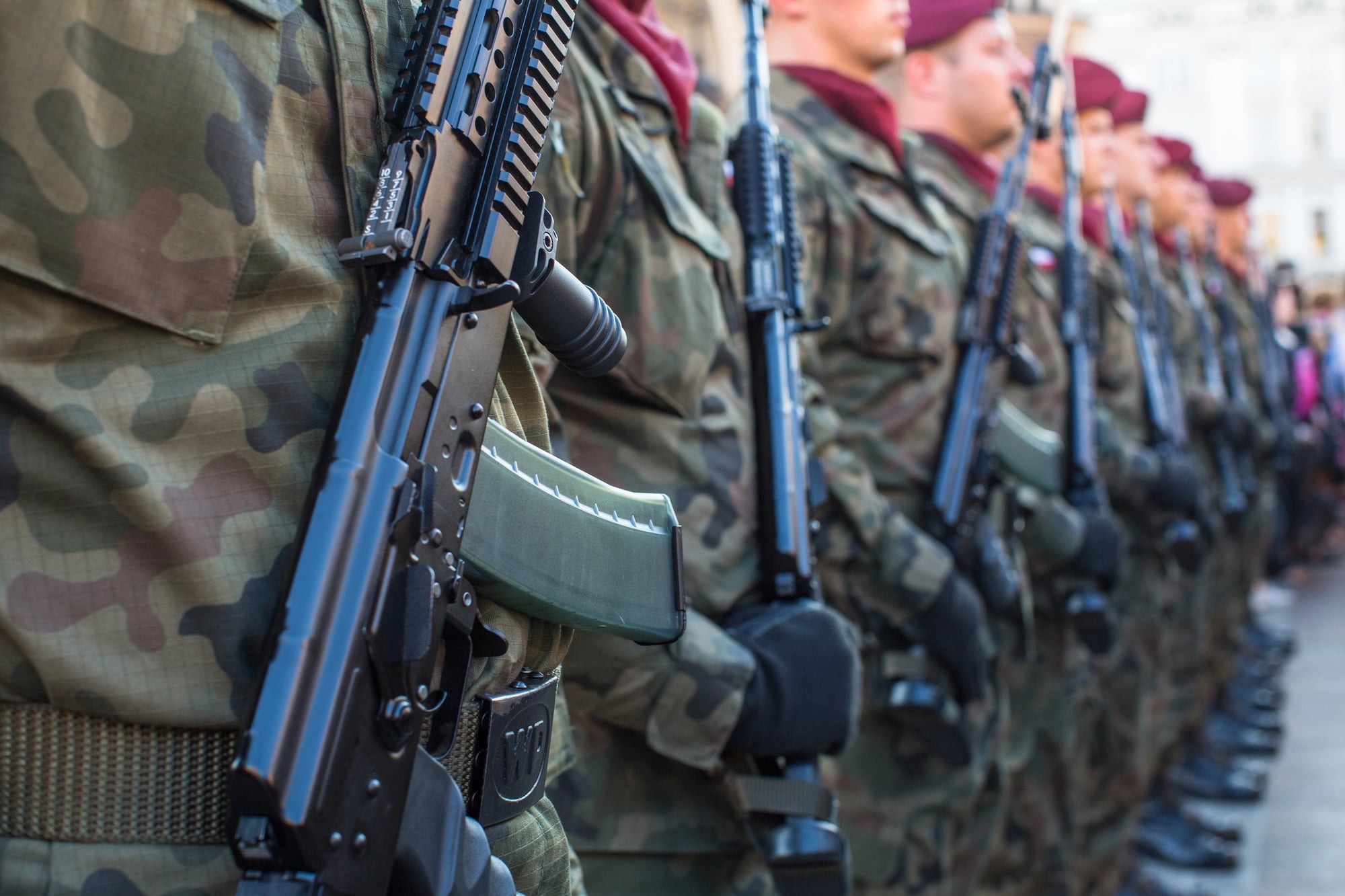
Captain Władysław Raginis and his 720 Polish soldiers repelled approximately 40,000 German forces, including 350 tanks, during Nazi Germany’s invasion of Poland in September 1939. The German advance was halted for three days by the Polish leader, who had vowed to fight to the death.
The main Polish forces were given vital time to regroup as a result of this delaying operation, frequently referred to as the “Polish Thermopylae,” and the defenders suffered disproportionate losses before being overrun.
Battle of Saraghari

In 1897, just 21 Sikh soldiers of the British Indian Army held a vital signaling post against approximately 10,000 Afghan tribesmen. Each defender fought to the death, with the last soldier, Sepoy Gurmukh Singh, reportedly killing 20 attackers before falling.
The Sikhs could have retreated but chose to defend their post to the last man, buying crucial time for nearby British forts to prepare their defenses. Their sacrifice became a legendary example of courage against overwhelming odds.
Legacies of the Unlikely Victors

These extraordinary battles remind us that military success isn’t solely determined by numerical superiority. The ingenious use of terrain, technological advantages, superior discipline, and inspiring leadership have repeatedly allowed smaller forces to overcome seemingly impossible odds throughout history.
From ancient Thermopylae to modern conflicts, these underdog victories continue to be studied by military strategists and remain powerful examples of how determination and tactical brilliance can change the course of history against all expectations.
More from Go2Tutors!

- 16 Historical Figures Who Were Nothing Like You Think
- 12 Things Sold in the 80s That Are Now Illegal
- 15 VHS Tapes That Could Be Worth Thousands
- 17 Historical “What Ifs” That Would Have Changed Everything
- 18 TV Shows That Vanished Without a Finale
Like Go2Tutors’s content? Follow us on MSN.