14 Pieces of Tech That Disappeared Without Anyone Noticing
Ever notice how certain gadgets just seem to vanish from existence? One day they’re everywhere, featured in commercials and tech blogs. Then suddenly years pass, and you realize nobody mentions them anymore. The tech landscape evolves at breakneck speed, with yesterday’s innovations frequently becoming tomorrow’s forgotten relics.
Here is a list of 14 technologies that quietly faded into obscurity without much fanfare or public mourning.
Microsoft Zune

Microsoft’s answer to the iPod arrived in 2006 with considerable corporate backing – yet its infamous brown color option quickly became a punchline among tech enthusiasts. Despite offering some genuinely innovative features, the Zune couldn’t overcome Apple’s ecosystem dominance.
Microsoft stubbornly supported it until 2011, though the servers powering many Zune functions weren’t officially decommissioned until 2015, leaving remaining devices with significantly reduced capabilities.
Google Glass

These futuristic specs promised augmented reality for everyday life when they launched in 2013, costing early adopters a steep $1,500 for the privilege of being “Glass Explorers.” Privacy advocates worried about their built-in cameras, while fashion-conscious consumers balked at their decidedly awkward appearance – creating a perfect storm of resistance.
Google eventually retreated from the consumer market in 2017, pivoting Glass toward specialized enterprise applications where function trumped fashion concerns.
Palm Pilot
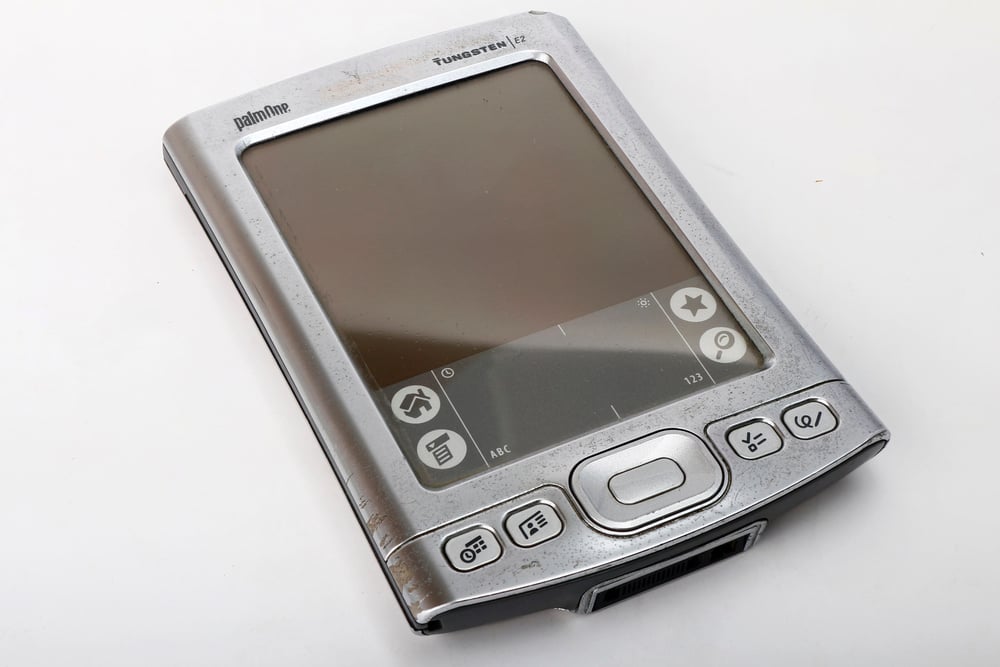
The ’90s business world ran on these pocket-sized digital assistants before smartphones changed everything. Busy professionals relied on them to manage schedules and contacts using Graffiti – a simplified handwriting system that somehow worked despite its learning curve.
HP’s acquisition of Palm in 2010 marked the beginning of the end for these iconic devices, with the brand gradually dissolving into tech history while leaving behind countless misplaced styluses in desk drawers worldwide.
Segway

Unveiled in 2001 amid extraordinary hype, the self-balancing Segway transporter was supposed to revolutionize human movement – with no less than Steve Jobs claiming cities would require redesign to accommodate them. Its clever gyroscopic technology couldn’t overcome practical limitations, though – like the hefty price tag and murky regulations about where they could legally operate.
Production finally ceased in 2020, with these once-revolutionary machines relegated mainly to tourism operations and mall security patrols.
Vine

This video platform championed ultra-short content when it launched in 2013 – creating viral sensations with looping six-second clips that spawned an entirely new category of internet celebrities. Despite amassing hundreds of millions of users, Twitter (Vine’s parent company) abruptly shuttered the service in 2016 just as it was reaching cultural peak relevance.
The creative vacuum left behind eventually enabled TikTok’s meteoric rise, essentially building an empire on the foundation Vine abandoned.
3D TVs

Around 2010, television manufacturers collectively insisted that watching everything in three dimensions represented entertainment’s inevitable future – despite requiring clunky glasses and causing headaches for many viewers. Consumer enthusiasm quickly waned as the novelty factor disappeared, though manufacturers stubbornly pushed the technology for several years.
Major brands like Sony and LG quietly abandoned ship by 2017, leaving thousands of specialized 3D glasses gathering dust alongside other obsolete accessories in entertainment centers across America.
Betamax

Sony’s Betamax format actually delivered superior video quality compared to its VHS rival when introduced in 1975 – but technical excellence doesn’t always guarantee market victory. Sony’s restrictive licensing approach combined with VHS offering longer recording times sealed Betamax’s fate in a slow-motion commercial collapse.
Astonishingly, while recorder production stopped in 2002, Sony manufactured actual Betamax tapes until 2016, serving an increasingly tiny group of dedicated format loyalists.
MiniDisc

Sony created another innovative format with the MiniDisc – offering digital recording capabilities in a conveniently small, protected package that seemed perfect for replacing cassettes when it launched in 1992. These shiny discs enjoyed moderate popularity in Japan but barely registered in American markets – eventually becoming irrelevant as MP3 players and streaming services transformed music consumption.
Sony reluctantly discontinued MiniDisc players in 2013, though audiophiles maintain a small but passionate appreciation society for the format’s unique qualities.
Amazon Fire Phone

Amazon’s 2014 smartphone gambit assumed their e-commerce dominance would translate easily to mobile hardware – showcasing features like “dynamic perspective” 3D display effects plus deep integration with Amazon’s shopping ecosystem. Consumers remained utterly unconvinced, particularly at the initial premium pricing.
Within months, Amazon took a staggering $170 million loss on unsold inventory, then quietly discontinued the entire project by 2015 – making it one of tech’s shortest big-budget failures from a major company.
Google Wave

Launched amid considerable confusion in 2009, Google Wave attempted to reinvent digital communication by blending email, instant messaging, documents, and social features into one complex platform. Even dedicated tech enthusiasts struggled to explain its purpose or benefits clearly to others.
Google abandoned the experiment barely a year later, though many Wave concepts eventually resurfaced in more focused products like Google Docs – proving sometimes good ideas simply arrive in the wrong package.
Laserdisc

Before DVD technology existed, laserdiscs delivered cinema-quality video and audio to home viewers willing to handle their record-sized dimensions. First appearing in 1978, these massive optical discs developed a dedicated following among serious movie enthusiasts but remained too expensive and cumbersome for mainstream adoption.
Pioneer manufactured the final laserdisc player in 2009, concluding a 31-year market presence for a format many people never encountered outside movie buff collections.
Nintendo Power Glove

Nintendo’s 1989 attempt at motion-control gaming promised futuristic interaction but delivered frustration instead. Prominently featured in the cult film “The Wizard,” this wearable controller looked impossibly cool in marketing materials but suffered from terrible precision and limited software support.
Its commercial failure became legendary, though the Power Glove’s distinctive aesthetic continues to influence modern designs and remains instantly recognizable in gaming culture as an ambitious concept that arrived decades before the technology could actually deliver on its promises.
Microsoft Kin
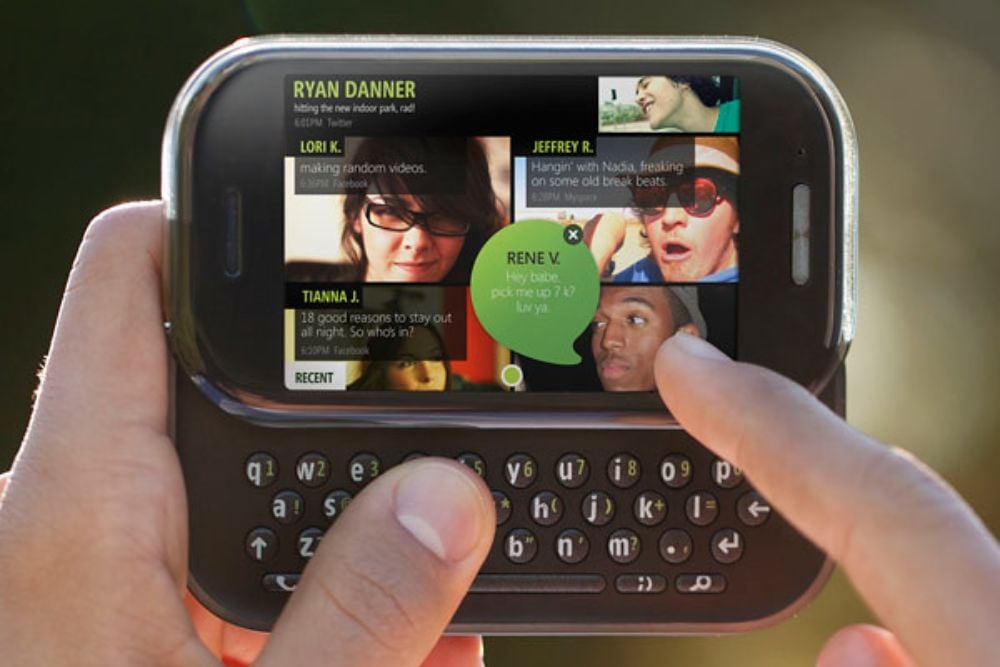
Microsoft launched these social-focused phones targeting younger users in 2010, hoping to capture the emerging social media generation. Their timing proved disastrous – offering devices that were too limited for smartphone shoppers but too expensive compared to basic feature phones.
Microsoft pulled them from shelves after an embarrassing 48-day sales period, setting records for product failure speed from a major tech company. So complete was their market rejection that most people have zero recollection these devices ever existed.
WebTV

This 1996 service allowed television viewers to access email and basic web content without needing a computer – an innovative concept before household internet ubiquity. Microsoft acquired and rebranded it as MSN TV, but its limited capabilities and awkward interface prevented mainstream adoption.
The service lingered on until 2013 before Microsoft finally terminated it, long after most consumers had switched to more capable computing devices or actual smart TVs with proper browsing capabilities.
Technology’s Legacy Trail

These forgotten innovations remind us that technical capability alone rarely determines market survival. Each disappeared product represents a complex intersection of timing, pricing strategy, usability factors, and competitive pressures.
Their quiet departures often went unnoticed precisely because superior alternatives had already captured public attention. While these products may exist only in tech museums and nostalgic blog posts today, their DNA lives on in the successful devices that learned from their failures or built upon their pioneering features.
More from Go2Tutors!

- The Romanov Crown Jewels and Their Tragic Fate
- 13 Historical Mysteries That Science Still Can’t Solve
- Famous Hoaxes That Fooled the World for Years
- 15 Child Stars with Tragic Adult Lives
- 16 Famous Jewelry Pieces in History
Like Go2Tutors’s content? Follow us on MSN.



