Why Left-Handed People Were Punished in Schools for Centuries
There’s something almost absurd about it, once you see it clearly. For hundreds of years, children who naturally reached for a pencil with their left hand were corrected, restrained, and in many cases punished — not because they were doing anything wrong, but because the hand they used made adults uncomfortable.
It happened in classrooms across Europe and North America, in religious schools and secular ones alike, and the consequences for those children were lasting in ways that went far beyond penmanship. To understand why, you have to go back further than the schoolroom.
The Religious Roots of Left-Hand Suspicion

The left hand has carried a bad reputation in Western religious tradition for a very long time. In the Gospel of Matthew, the righteous stand at God’s right hand while the damned are cast to the left — and that imagery worked its way into the everyday instincts of ordinary people across centuries.
Clergy who ran schools didn’t need to think consciously about theology every time they rapped a child’s knuckles; the suspicion of the left was simply part of the atmosphere they lived in.
The Latin Language Did Real Damage
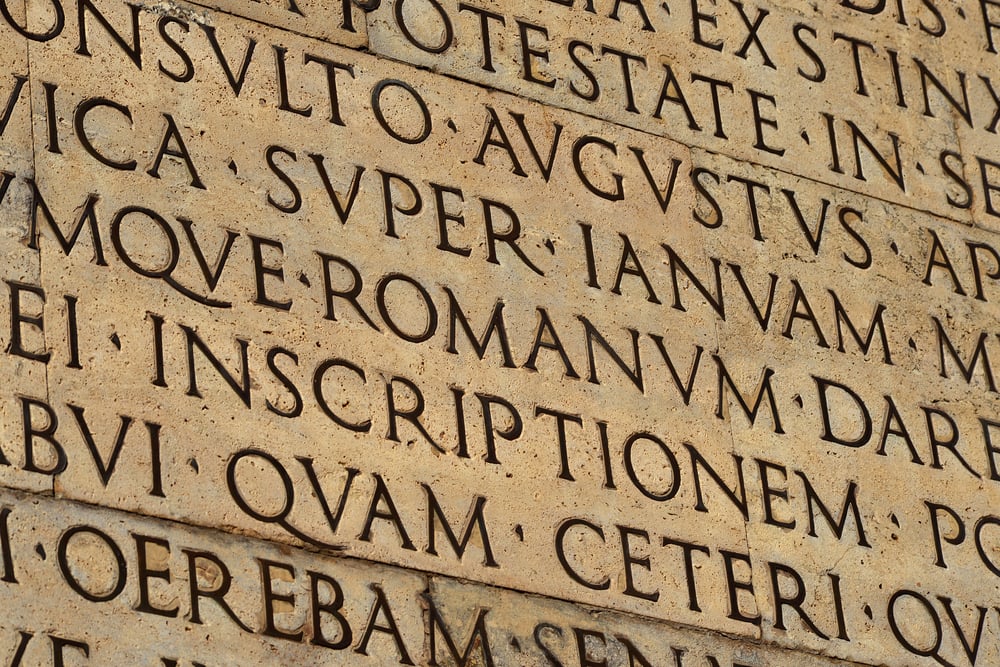
The word “sinister” comes directly from the Latin for “left.” That’s not a coincidence buried in etymology — it’s an active inheritance that shaped how left-handedness was perceived for generations, and the word carried its full moral weight well into the modern era.
A child identified as left-handed wasn’t just awkward; the language itself framed them as somehow wrong.
What Classrooms Actually Did
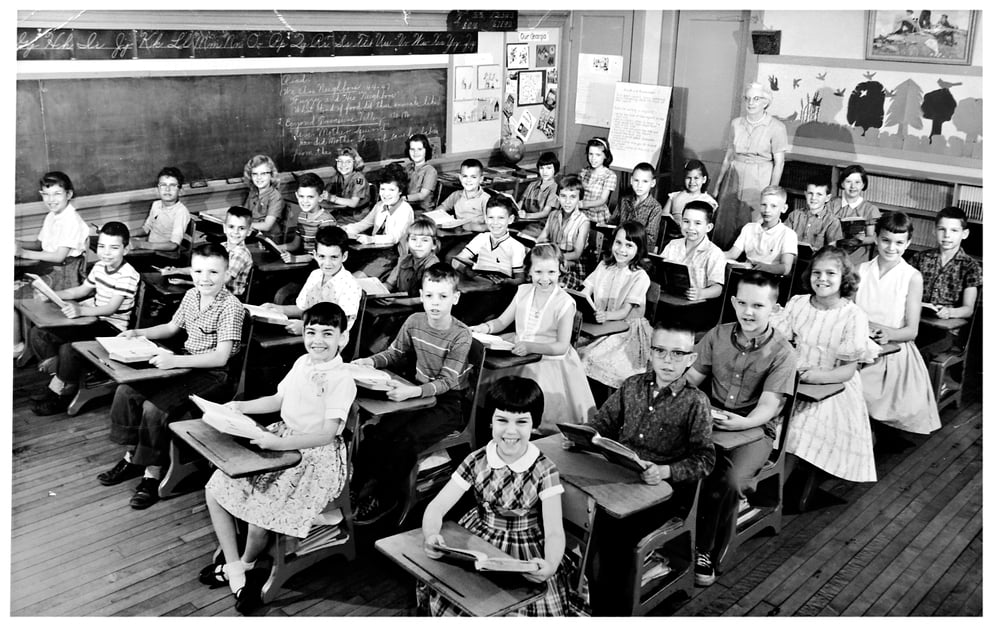
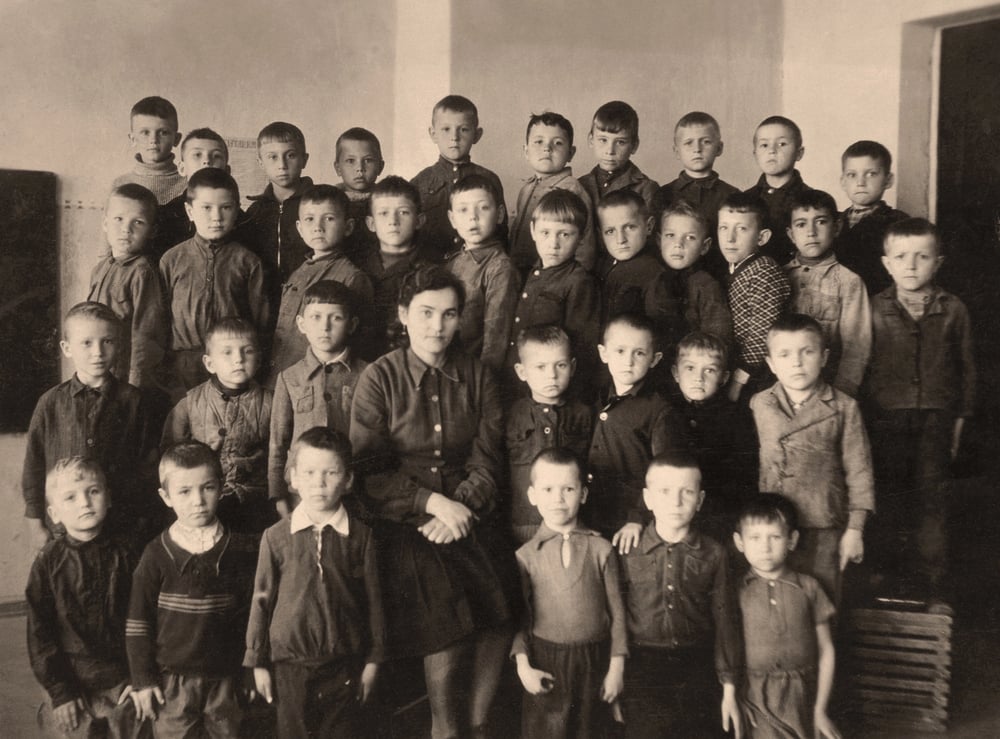
Physical restraint was standard practice in many schools through the early twentieth century — teachers tied children’s left hands behind their backs, bound them to chair arms, or strapped the hand flat to the desk so the right hand had no competition. Some accounts describe children sitting through entire school days with their dominant hand literally unusable, which is a level of intervention that sounds extreme now but was treated then as responsible correction.
The goal wasn’t cruelty for its own sake; the goal was conformity, and cruelty was simply the tool that got used.
The Church’s Institutional Role
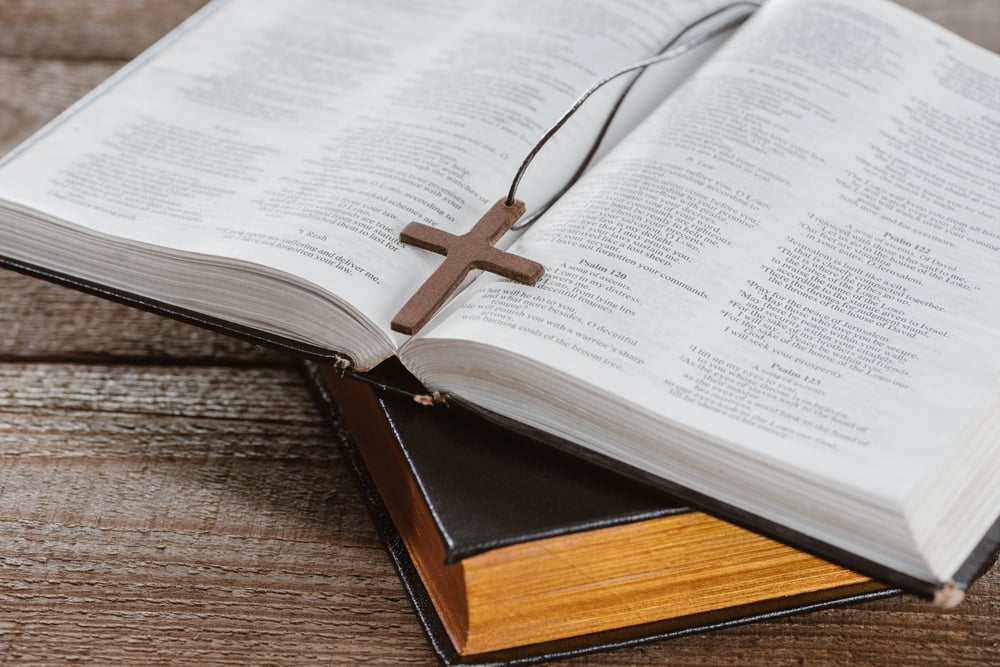
The Catholic Church, which ran an enormous share of schools across Europe and Latin America for centuries, had a particularly firm stance on the matter — the right hand was the hand of blessing, the hand of sacrament, the correct hand, and left-handedness was treated in many parish schools as something that needed to be disciplined out of a child before it became habitual. This wasn’t a fringe position held by a handful of strict teachers; it was embedded in the institutional culture of religious education at scale.
So the reach of that belief was genuinely vast.
The Persistence Into the Twentieth Century

It would be easier to dismiss this as medieval if it had stopped in the 1400s. It didn’t. Schools in the United States, the United Kingdom, Ireland, and Australia were still actively forcing left-handed children to write with their right hands well into the 1950s and 1960s — within living memory, within the lifetimes of people who are still alive today. That timeline matters, because it means this isn’t ancient history you can safely file away.
Left-Handedness and the Idea of “Natural Order”
There was a deeply held belief — not always stated outright, but present in how teachers and parents talked about child development — that nature had a preferred configuration and deviation from it was something to be corrected rather than accepted. Left-handedness got grouped, loosely but persistently, with other traits considered “irregular,” and the instinct to straighten it out operated on the same logic that drove a lot of other forms of conformity enforcement in schools.
The classroom, for most of its history, was not a place that tolerated variation well.
How Writing Tools Reinforced the Bias

Quill pens, and later standard ink pens, were designed for right-handed use in a way that made left-handed writing genuinely messy — the nib would catch and spray ink rather than glide, and a left-handed writer dragged their hand directly through fresh ink, smearing the whole page. Teachers saw the results and concluded the child was the problem.
The tools had built the obstacle, and the child was blamed for running into it.
The Role of Superstition Beyond Religion

Folk superstition filled in wherever formal religion left gaps, and left-handedness attracted plenty of it — a left-handed handshake was considered unlucky in many European traditions, a child who led with the left foot stepping over a threshold was thought to bring misfortune, and in some communities a left-handed child was associated with changelings or bad omens in ways that had nothing to do with scripture and everything to do with ancient unease. Superstition and religion reinforced each other so thoroughly that pulling them apart is almost impossible.
The result, either way, was the same child sitting in the same classroom with the same tied-back hand.
What Forced Right-Handedness Did to Children

Neurologists and psychologists who studied forced handedness switching throughout the twentieth century documented a consistent cluster of consequences: stuttering, anxiety, reading difficulties, and in some cases lasting problems with spatial reasoning. The brain, it turns out, does not appreciate having its wiring rerouted under duress — the speech and motor control centers are close neighbors, and disrupting one often disturbs the other.
Some of those children carried stutters for the rest of their lives.
The Word “Gauche” Tells You Everything
“Gauche” entered English from French, where it simply means “left.” Over time it came to mean clumsy, socially awkward, lacking refinement — and that semantic drift is not accidental, it’s a record of how a culture felt about a particular physical trait encoded quietly into vocabulary over centuries.
Language does this: buries old attitudes so thoroughly that people use the words without knowing what they’re carrying. And “gauche” is still in common use today, which is saying something.
Teachers Who Genuinely Believed They Were Helping

Not every teacher who forced a left-handed child to switch was acting out of cruelty — many believed, sincerely, that they were preparing that child for a world that would penalize left-handedness at every turn, a world where desks, tools, machinery, and social norms were all built for right-handers. That logic isn’t entirely wrong, even if the method was.
The tragedy is that the solution they chose compounded the problem rather than solving it, and the children bore the cost of that miscalculation.
Ireland’s Particularly Harsh Record

Ireland’s national school system, heavily influenced by the Catholic Church through most of the nineteenth and twentieth centuries, produced some of the most documented cases of forced handedness correction in the English-speaking world — survivors of Irish convent and Christian Brothers schools have described punishment that went well beyond tying hands, including caning, public humiliation in front of classmates, and repeated physical correction that continued for years. The Irish experience was not unique in kind, but it was extreme in degree, and it’s well-recorded enough to stand as a specific example of what this looked like at its worst.
The Slow Shift in Scientific Understanding

Scientific opinion on handedness began shifting meaningfully in the early decades of the twentieth century, as neurologists started mapping the relationship between hemispheric dominance and handedness — the understanding that left-handedness reflected a right-brain dominance pattern, not a character flaw, began to circulate in medical literature before it reached classrooms. There’s always a lag between what science knows and what institutions practice, sometimes a short one, sometimes a generational one.
In this case, it was generational.
What the Military Discovered

World War II produced something unexpected from a handedness perspective: military trainers noticed that left-handed soldiers often had a natural advantage in certain combat and mechanical tasks, and that forcing them to work right-handed degraded their performance noticeably. That observation didn’t immediately change school policy, but it planted a seed in practical, non-religious thinking about handedness that wasn’t there before.
Sometimes it takes a war to make institutions notice what classrooms had been destroying.
The Quiet Survival of Left-Handed Correction Into Recent Decades
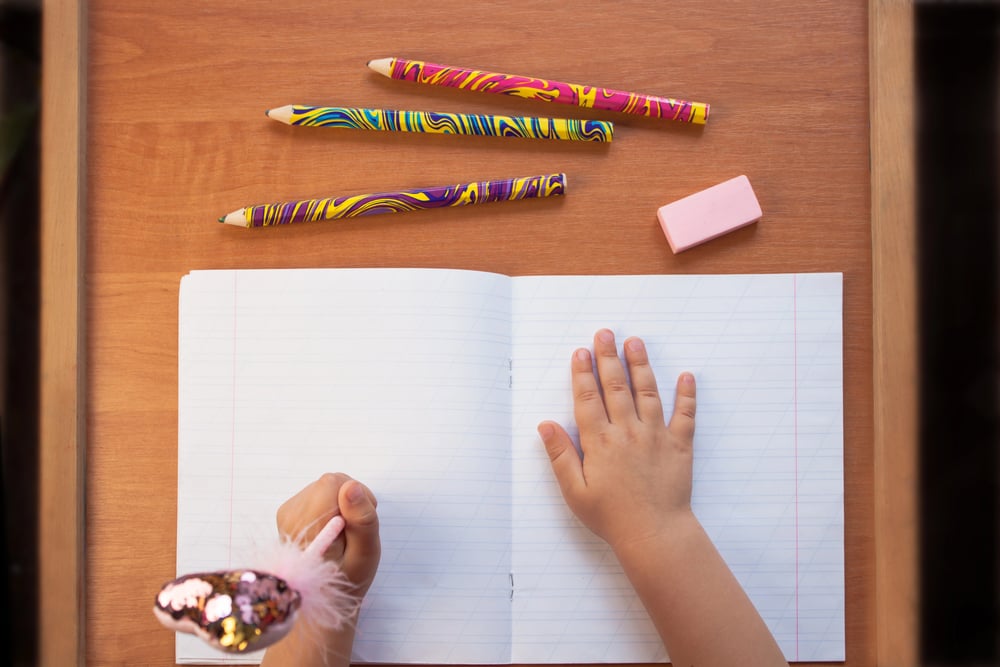
Even after the formal policy of forced correction had largely been abandoned in most Western school systems by the 1970s, individual teachers continued the practice unofficially — redirecting pencils, making comments, expressing open disapproval, or simply discouraging left-handed writing through low grades and corrections. These weren’t institutional policies anymore; they were personal convictions that outlasted the institutions that had formed them, which is how deeply ingrained beliefs tend to survive official change.
What This History Says About Conformity

Left-handedness, treated as a problem to be corrected, is a remarkably pure example of how institutions enforce conformity on a population that poses no actual threat to anyone. There was never a functional reason to make left-handed children write with their right hands — the tools could have been redesigned, the desks modified, the teaching adapted.
The reason it didn’t happen for so long is that institutions prioritize their own norms over the people inside them, and that tendency doesn’t limit itself to handedness.
The Handwriting That Came Out Crooked

Left-handed children who were forced to write with their right hands didn’t just produce awkward penmanship — they produced something deeper and harder to name, a relationship with written language that was permanently strained, the act of writing associated with discomfort and correction rather than expression. It’s like being made to run a race in the wrong shoes for your entire childhood and then being told your stride is off.
The mechanics were forced; the ease never came.
A World Still Built for the Right Hand

School desks with attached writing surfaces on the right side, spiral-bound notebooks, scissors, can openers, standard guitar strings — the world is still, in measurable ways, designed around right-handedness, and left-handed people navigate a low-grade daily friction that most right-handers never notice because they’ve never had to. The punishment has ended.
The inconvenience hasn’t.
The Languages That Bucked the Trend

Not every language and culture treated the left hand with suspicion — several Indigenous traditions across the Americas and parts of sub-Saharan Africa held no particular bias against left-handedness, and some treated it as a mark of distinction rather than deficiency. Those cultures didn’t produce the same history of classroom correction, which is a fairly direct piece of evidence that the punishment wasn’t inevitable.
It was a choice, made repeatedly, inside specific cultural systems.
What Neuroscience Eventually Confirmed

Modern neuroscience has established that roughly ten percent of humans are naturally left-handed, that this reflects genuine neurological architecture rather than habit or defiance, and that the trait appears to have been present in human populations at roughly that rate for at least five thousand years — there’s evidence in ancient tools and skeletal wear patterns. It was never an anomaly. It was always just a variation.
The schools that punished it were punishing something as fixed as eye color.
The Children Who Switched Back in Secret
A recurring detail in survivor accounts from across multiple countries is the child who wrote right-handed during school hours and quietly switched back to the left at home, sometimes for years, maintaining two separate handwriting styles the way someone might keep two separate lives. That kind of stubborn, quiet persistence in the face of sustained institutional pressure is worth sitting with for a moment.
Some things you can’t force out of a person, even when you try very hard.
Why Apologies Have Been Rare
Unlike some other forms of historical educational mistreatment, forced handedness correction has received relatively little formal acknowledgment or apology from the institutions that practiced it — no national reckoning, no formal policy reversal with a public statement attached, mostly just a gradual and quiet stop. The people who were affected are still alive in many cases.
The silence is its own kind of statement.
The Long Shadow on a Short Word
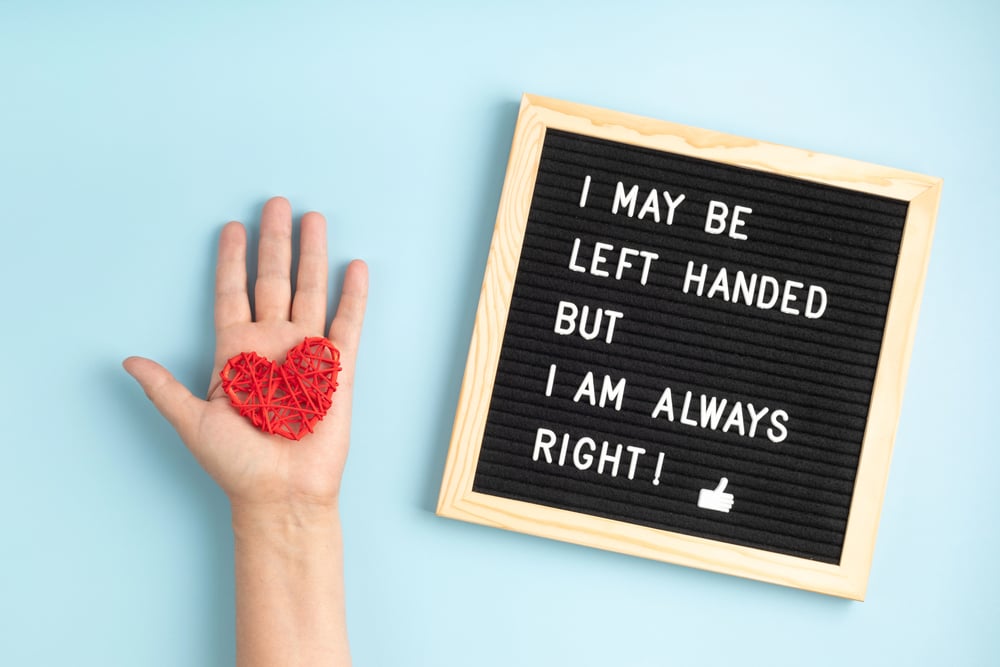
Consider what it means that a simple physical preference — which hand you reach with — was treated as a moral failing severe enough to justify years of daily punishment in the place children were supposed to learn. The left hand wasn’t dangerous.
It wasn’t disobedient. It was simply the hand that reached first, and the world spent centuries telling children that the hand they were born with was the wrong one.
More from Go2Tutors!

- The Romanov Crown Jewels and Their Tragic Fate
- 13 Historical Mysteries That Science Still Can’t Solve
- Famous Hoaxes That Fooled the World for Years
- 15 Child Stars with Tragic Adult Lives
- 16 Famous Jewelry Pieces in History
Like Go2Tutors’s content? Follow us on MSN.



