Iconic Gadgets from the Pre-Smartphone Era
Remember when your pocket wasn’t constantly buzzing? When checking the time meant glancing at a watch, not swiping past seventeen notifications?
The pre-smartphone era gave us gadgets that did one thing really well instead of trying to do everything adequately. These devices shaped how we listened, communicated, and navigated the world before a single rectangle took over all those jobs.
The Sony Walkman
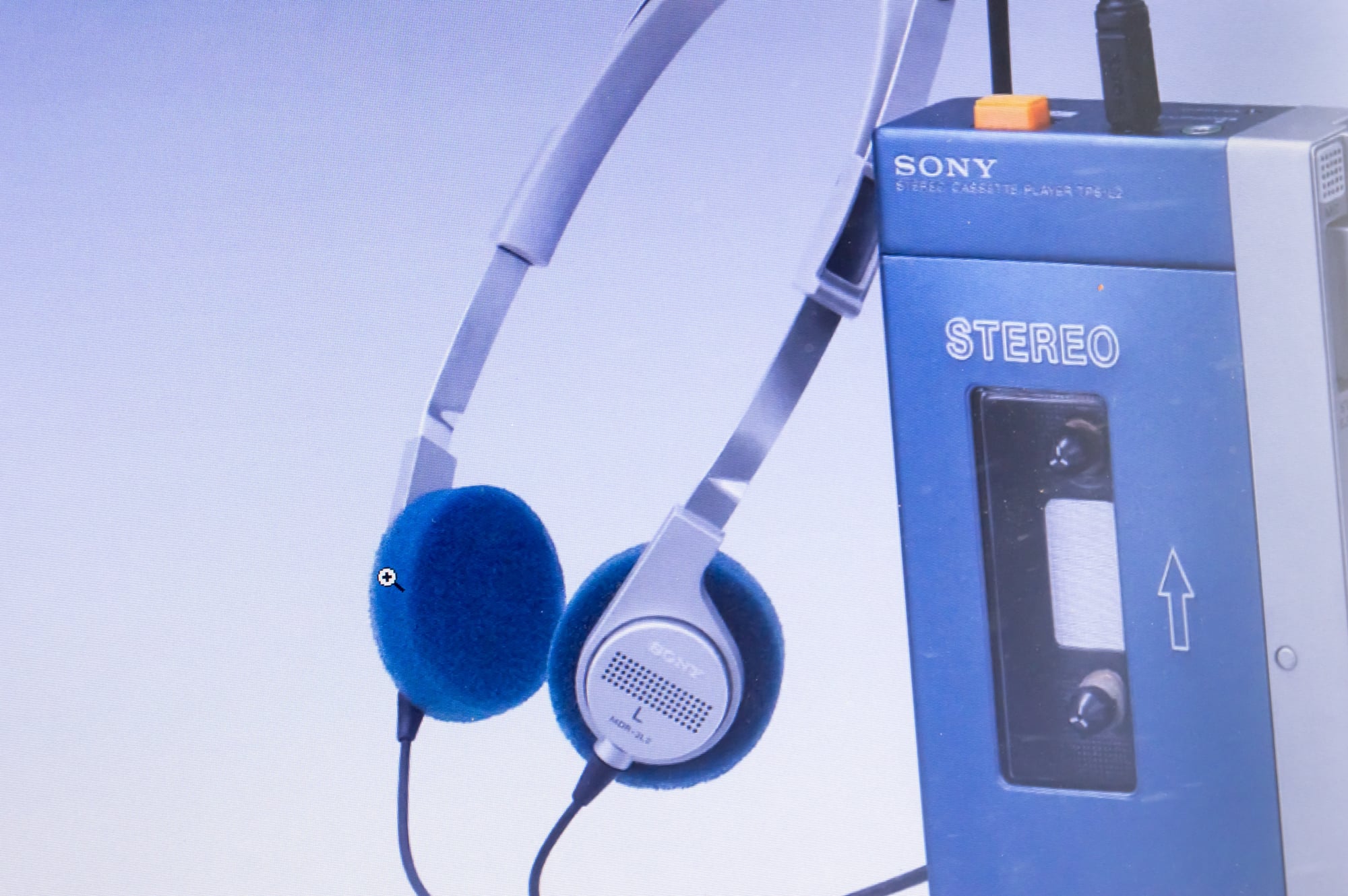
Sony changed everything in 1979 when they shrunk music down to pocket size. Before the Walkman, you carried a boom box or stayed near a stereo.
After it, your favorite album went wherever you went. The device itself was simple.
A cassette player with foam headphones and a belt clip. But that simplicity meant freedom.
Commuters could tune out the subway. Joggers could find their rhythm.
Teenagers could ignore their parents during long car rides. The Walkman sold over 400 million units across its various models.
That number tells you how badly people wanted their own soundtrack to life. The spongy orange headphones became a cultural symbol, spotted in music videos and worn by everyone from executives to skateboarders.
The Pager
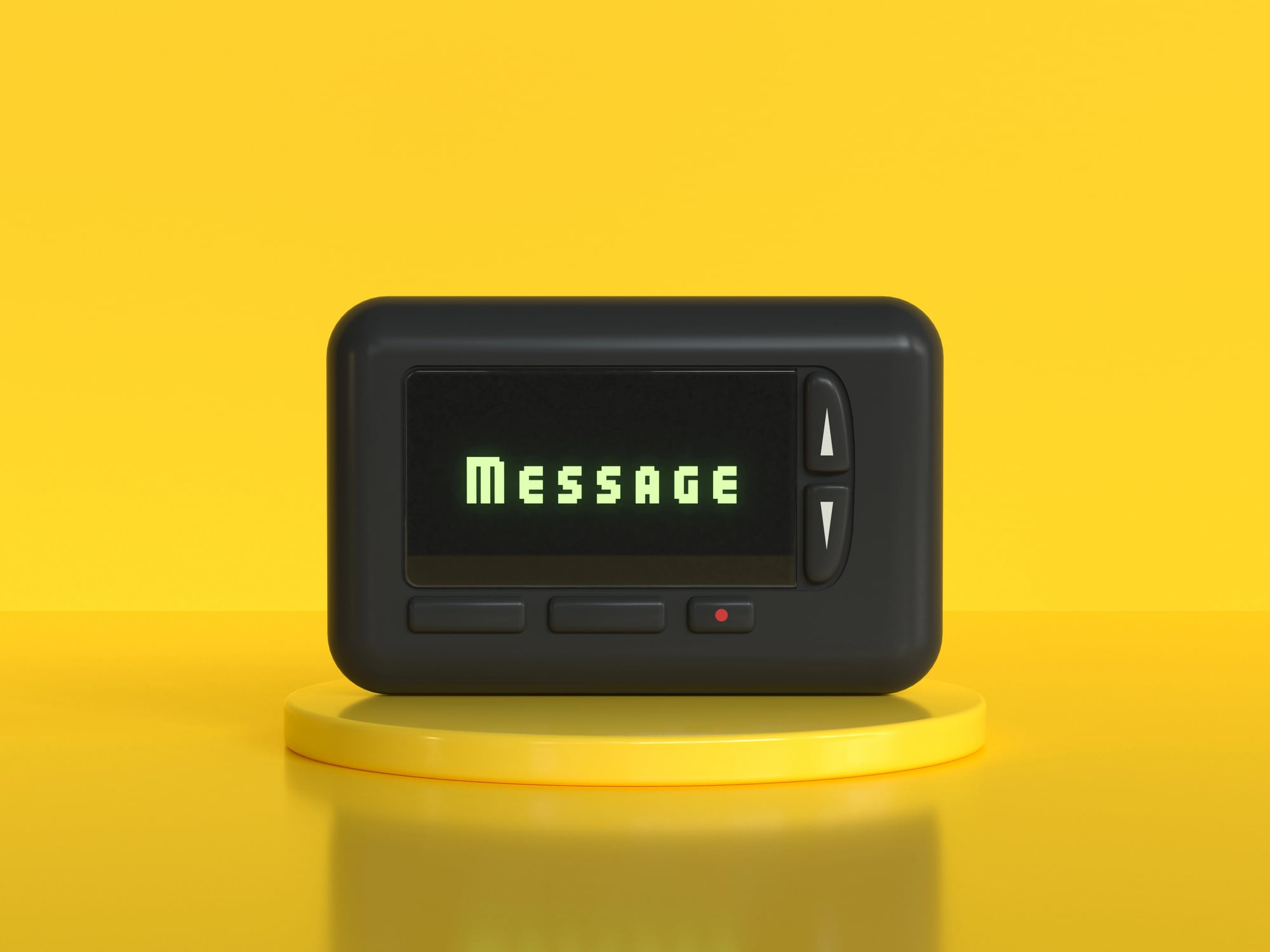
Doctors and drug dealers weren’t the only ones carrying pagers, though pop culture liked to suggest otherwise. By the mid-1990s, regular people clipped these black boxes to their belts and waited for them to beep.
A pager gave you just enough information to matter. Someone sent a number.
You found a payphone. You called back.
The delay built anticipation in a way instant messaging never could. You had time to wonder who wanted to reach you and why.
Kids developed elaborate codes to communicate. 143 meant “I love you.”
911 signaled an emergency. Spelling words with numbers upside down became an art form.
These workarounds felt clever at the time, though they look absurd now that you can send a full paragraph with video attachments.
The Nintendo Game Boy
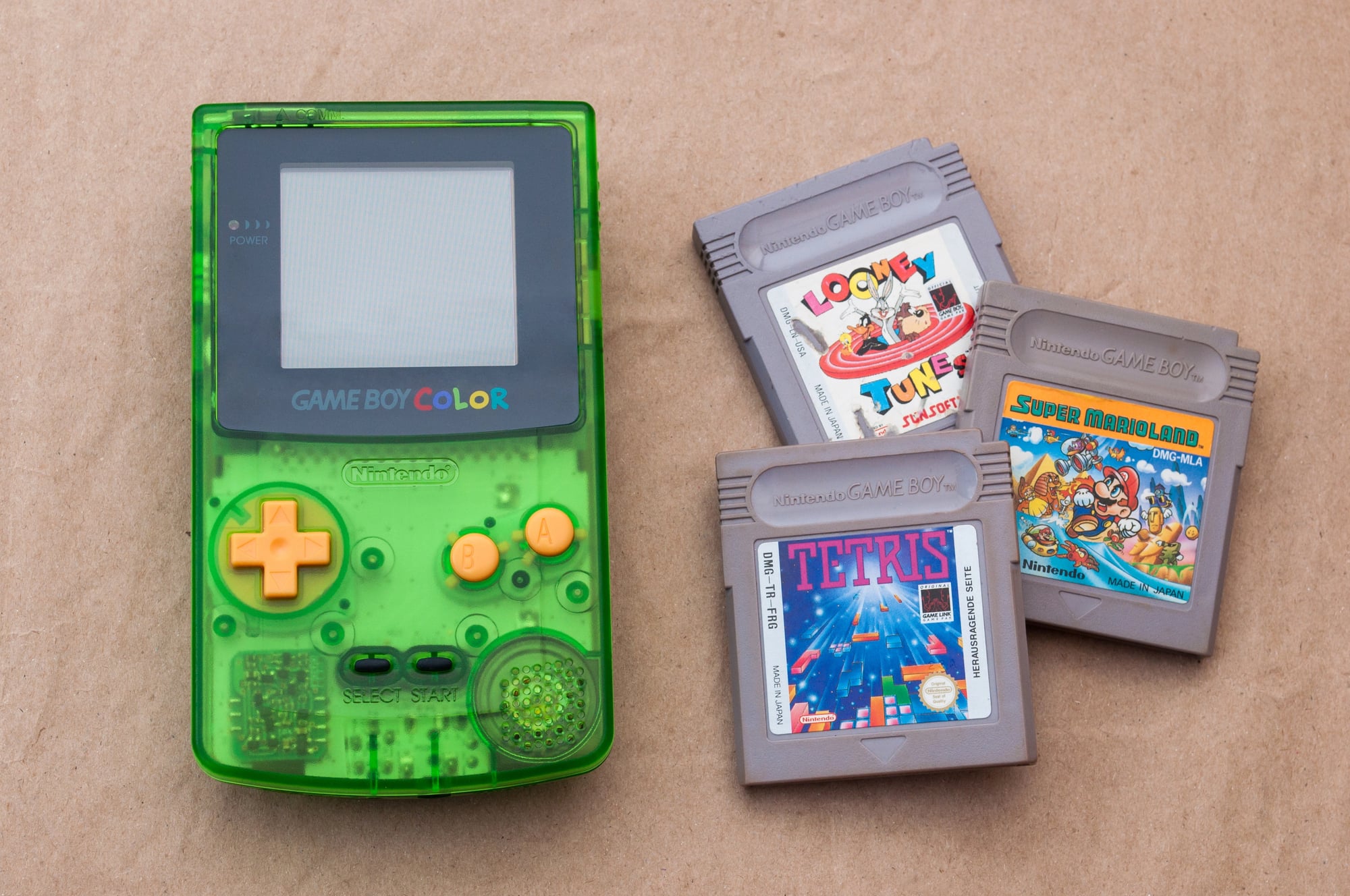
Tetris on a gray screen with four shades of green. That’s what sold 118 million Game Boys.
Nintendo made portable gaming actually portable, not just theoretically so. Earlier handheld consoles ate batteries and broke easily.
The Game Boy solved both problems. It ran for fifteen hours on four AA batteries and survived drops that would destroy modern devices.
Kids threw them in backpacks. Parents stepped on them.
They kept working. The game library mattered more than the hardware.
Pokemon turned the Game Boy from a toy into a phenomenon. Trading cable connections in schoolyards, catching them all, the rumors about Mew under that truck—these experiences happened because you could take your progress anywhere.
The Polaroid Camera
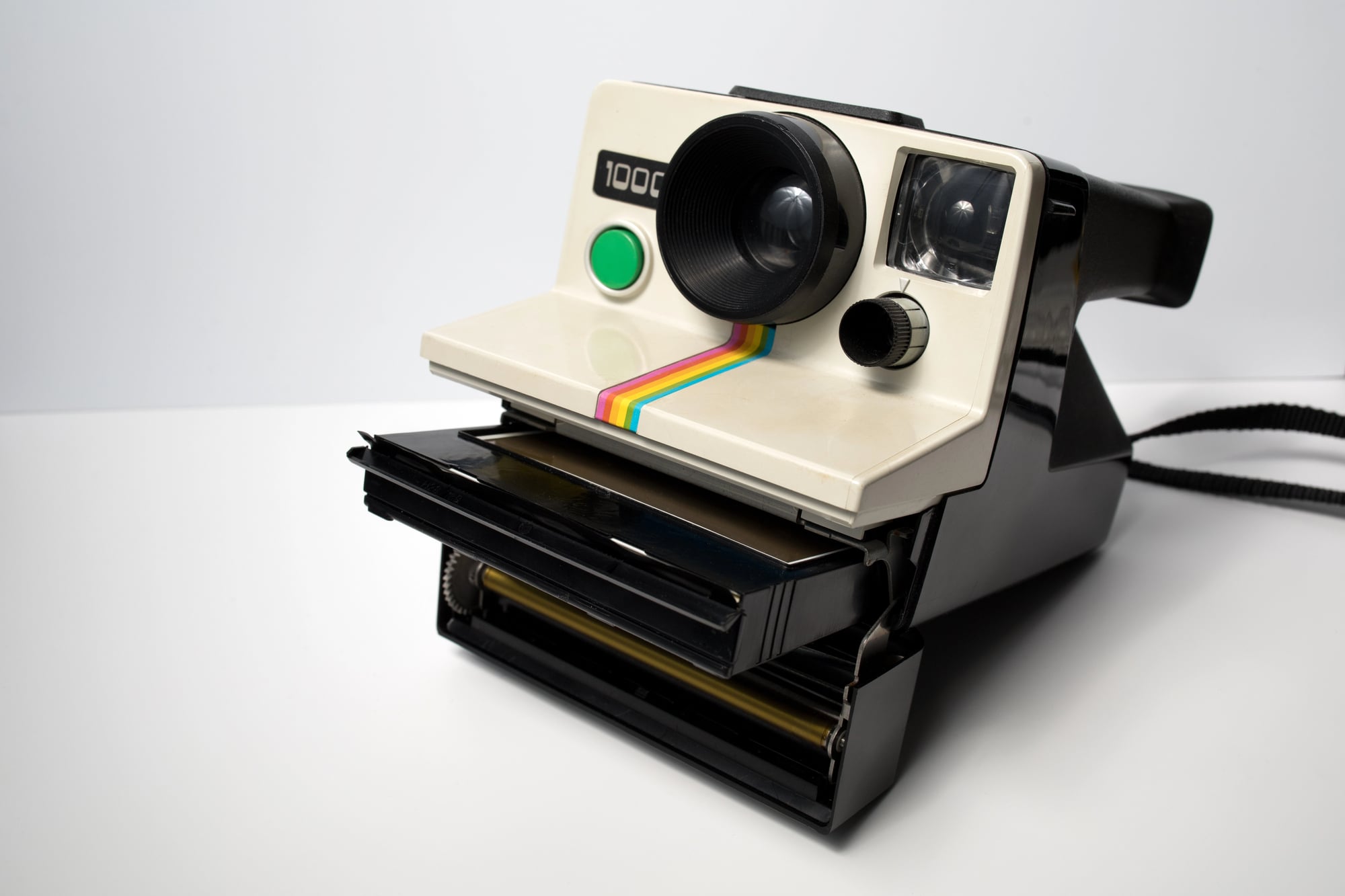
Digital photography killed instant film, but Polaroids captured something different than perfect images. They gave you a physical memory within minutes, complete with that chemical smell and the white border everyone wrote on.
You couldn’t preview the shot. You couldn’t delete it and try again.
You got one chance, and whatever came out of that camera was the memory. This limitation made people more careful about composition and timing.
It also made boring photos more acceptable because everyone understood the constraints. The shake-it-like-a-Polaroid-picture thing didn’t actually help the development process, but people did it anyway.
Watching the image slowly appear felt like magic, even though you understood the chemistry behind it. Some moments need that tangible quality that saved files on a hard drive never provide.
The Discman
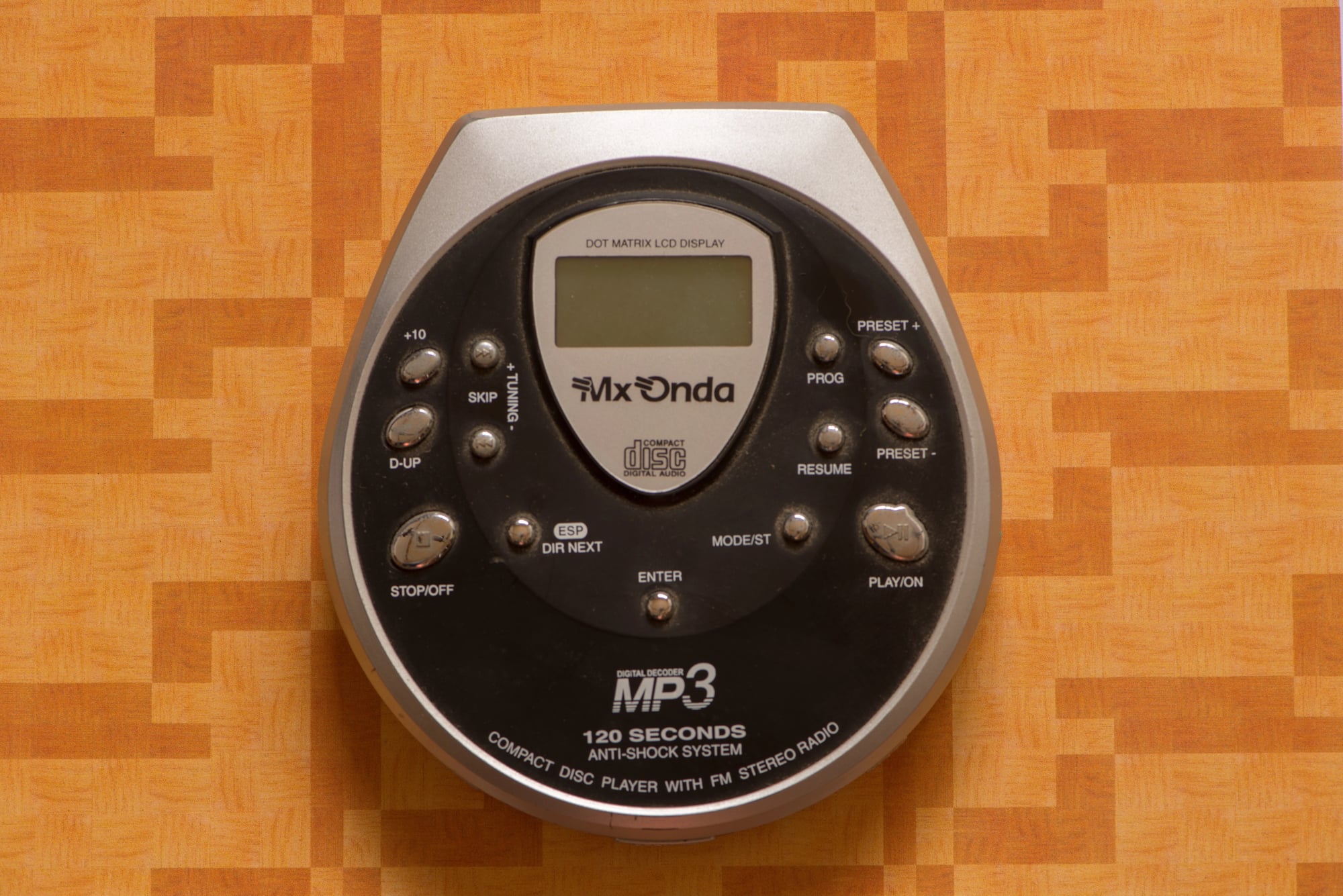
Sony took their Walkman concept and supersized it for CDs. The result looked ridiculous—a player the size of a frisbee that skipped if you breathed wrong—but it brought digital audio quality to portable music.
Early Discmans were fragile. You couldn’t jog with one.
Walking too fast caused problems. But by the late 1990s, anti-skip technology improved enough that you could actually use these things in motion.
The larger form factor meant better sound and longer battery life than any cassette player. CD collections became status symbols.
You showed people your taste by what discs you carried in that zippered case. Mix CDs replaced mixtapes as the ultimate gesture of friendship or romance.
The burn time mattered—making that perfect compilation took thought and effort.
The Palm Pilot
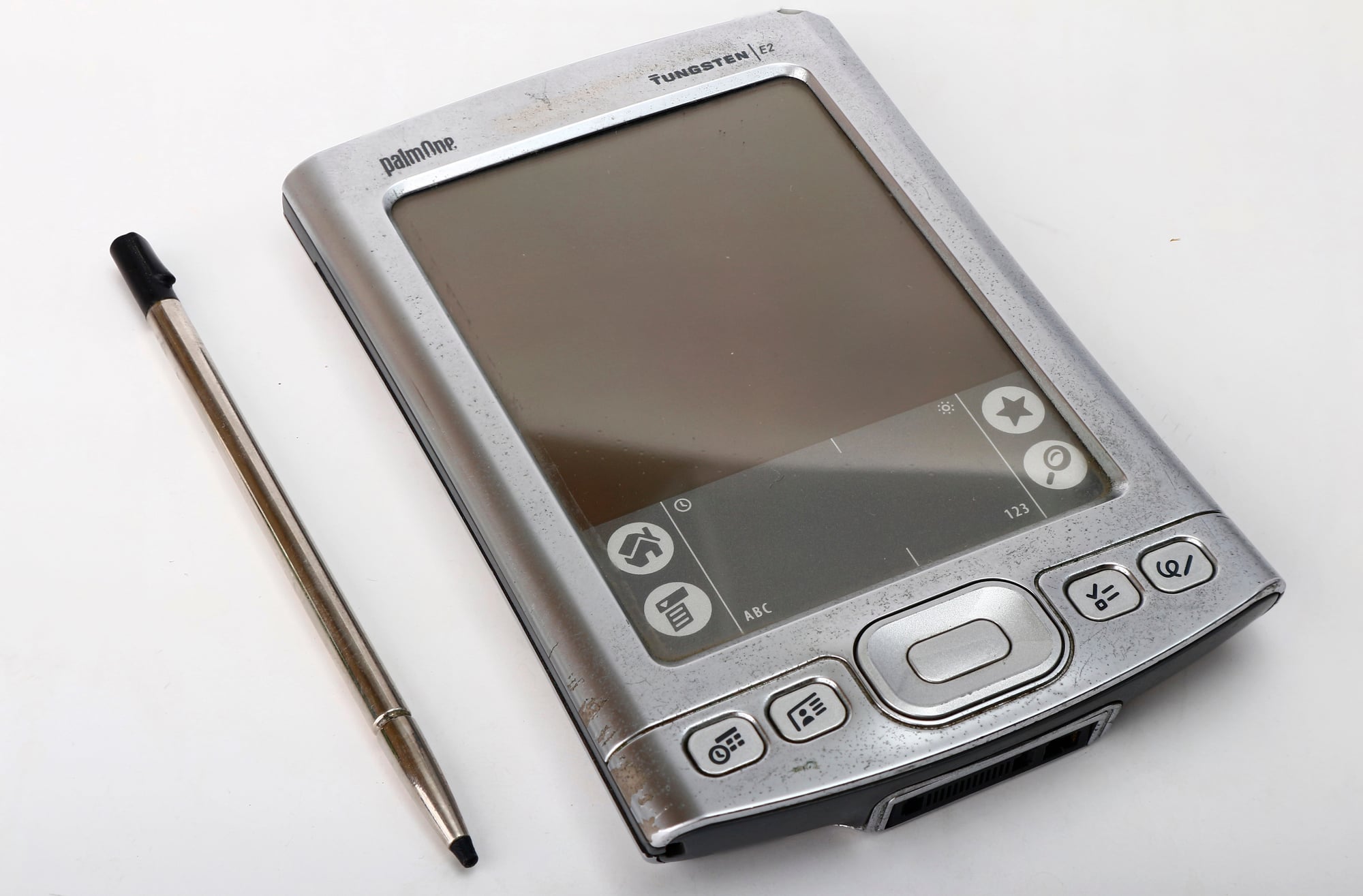
Before smartphones conquered the world, the Palm Pilot tried to organize it. This pocket-sized device ran your calendar, stored contacts, and learned your handwriting through its Graffiti input system.
You wrote on the screen with a plastic stylus, forming letters in a simplified alphabet the device could recognize. The learning curve frustrated some users, but those who stuck with it could input text faster than typing on early phone keypads.
Syncing with your computer felt futuristic, even though it required a physical cradle and took several minutes. Palm’s real achievement was proving people wanted digital organization in their pockets.
The concept of having your whole life accessible through a handheld device started here. The iPhone just made it work better.
The VHS Camcorder
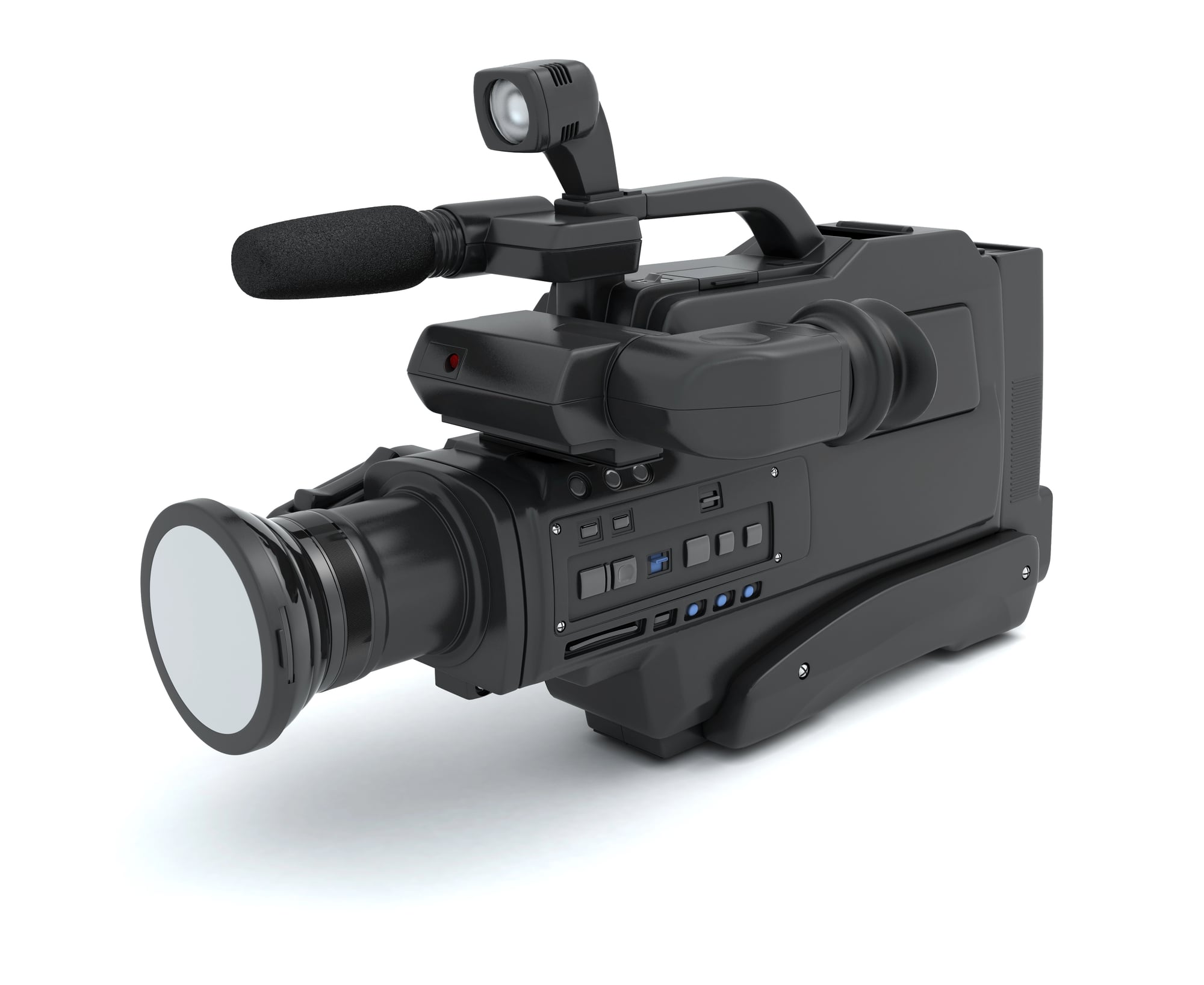
Family memories got heavier in the 1980s. VHS camcorders weighed as much as a newborn baby and sat on your shoulder like a rocket launcher.
But they captured birthdays, vacations, and graduations in motion for the first time. You didn’t film everything because the tapes were expensive and you had to be selective about what moments warranted recording.
This scarcity made people think harder about what mattered. Rewinding to watch what you just shot felt satisfying in a way reviewing footage on a phone screen never does.
The footage looked terrible by modern standards. Grainy, washed out colors, shaky because the image stabilization barely worked.
But those imperfections make old home videos charming now. They look like memories should look—a little fuzzy around the edges.
The TI-83 Graphing Calculator
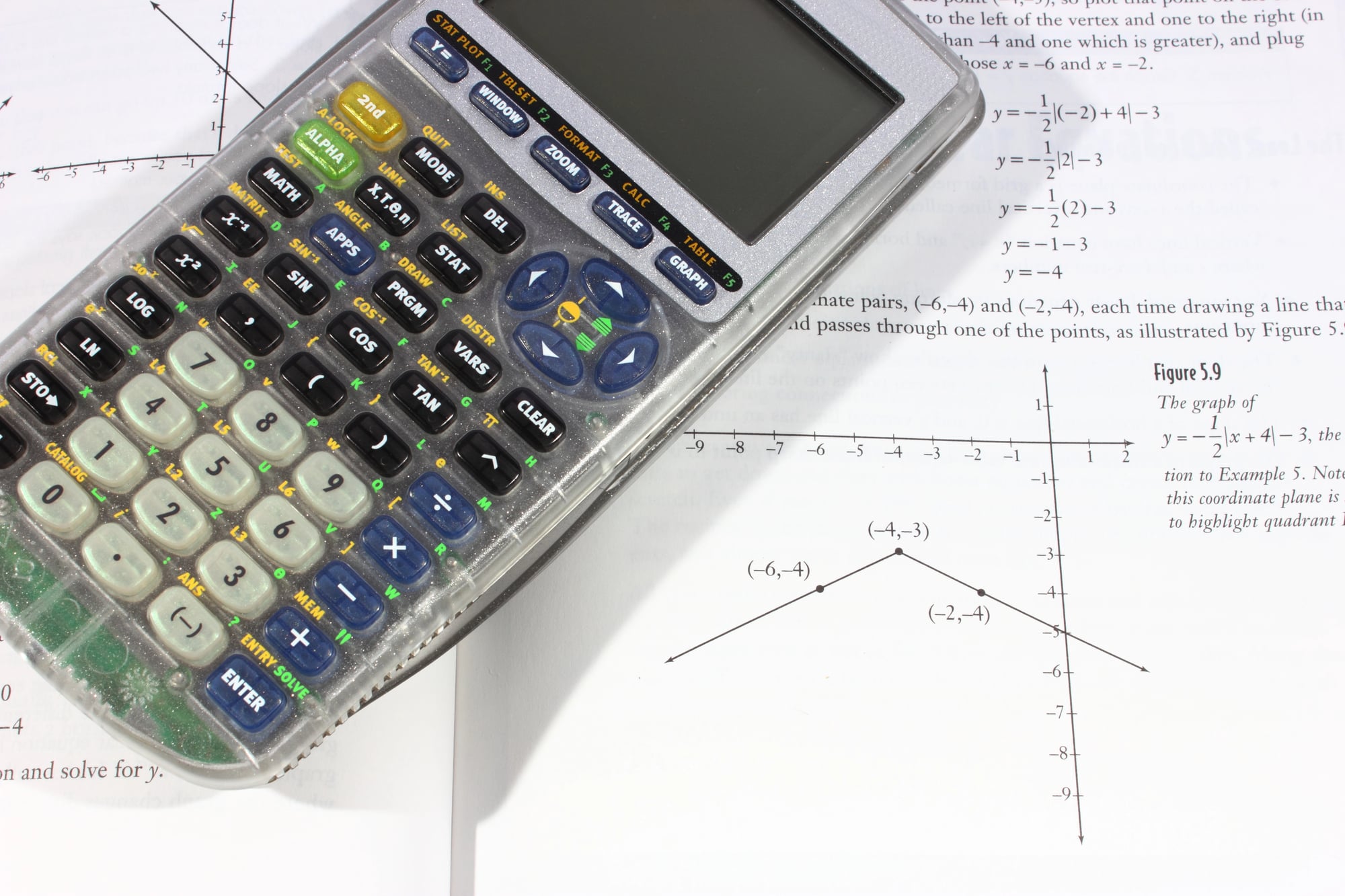
High school math class required one gadget that cost more than it should and did less than it could—the TI-83 calculator. Texas Instruments somehow convinced the entire education system that students needed to spend $100 on a device that performed worse than free smartphone apps.
But the TI-83 did more than calculate derivatives. It ran games.
Students passed around code for Block Dude and Drug Wars during study hall. Math class became slightly more bearable when you could play Tetris under your desk.
The programming community that formed around these calculators taught a generation of students how to code. Learning BASIC on a TI-83 was often someone’s first exposure to writing software.
Those skills translated to actual careers for many users, even if they learned them while trying to automate their homework.
The Motorola RAZR
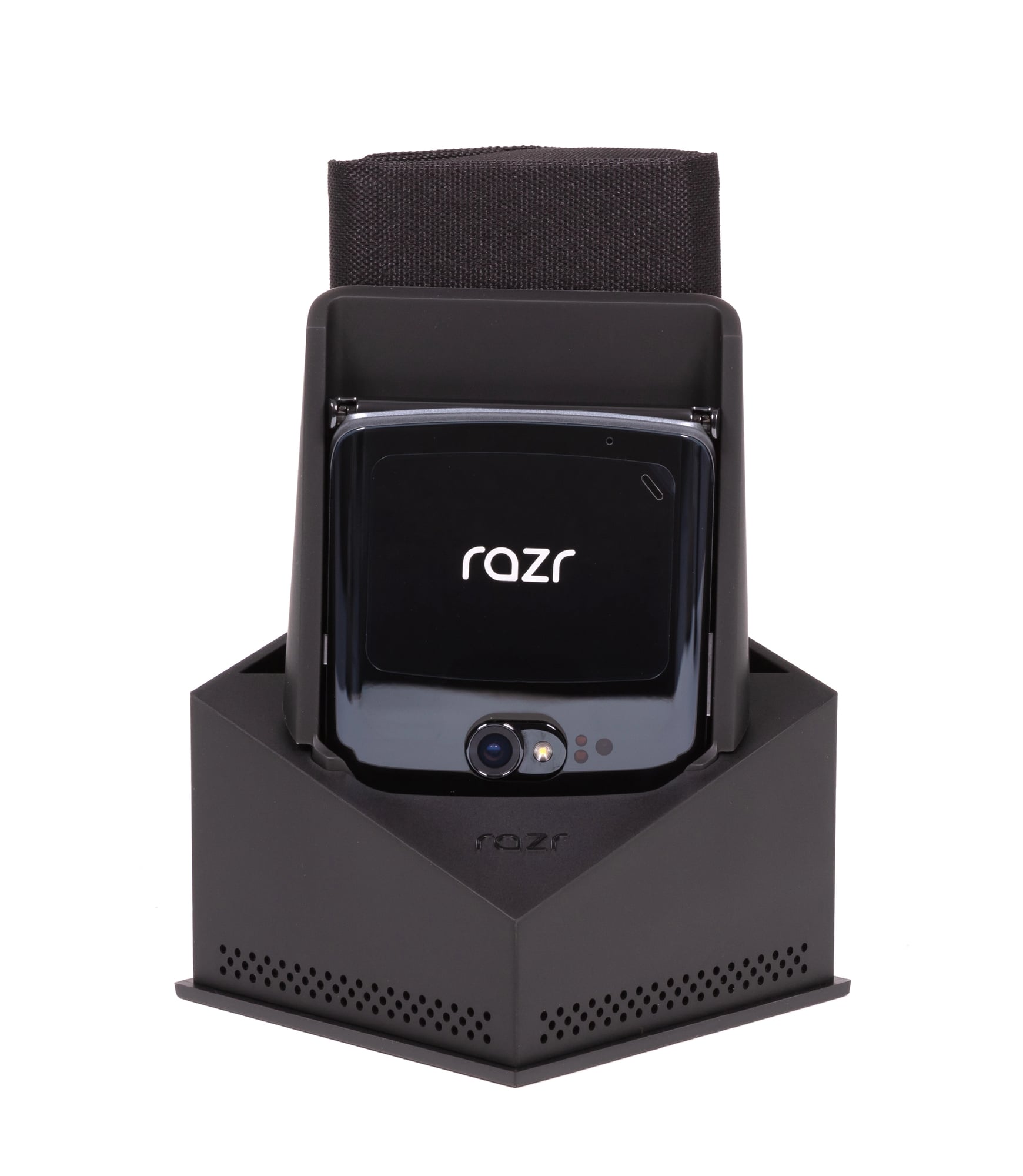
Flip phones peaked with the RAZR in 2004. Impossibly thin.
Metal body. That satisfying snap when you closed it to hang up on someone.
The device became the best-selling flip phone ever, moving over 130 million units. The RAZR’s design made people reconsider what phones could look like.
Before it, mobile phones aimed for functionality. The RAZR aimed for desirability.
It showed up in celebrity photos and music videos. Owning one signaled that you cared about aesthetics, not just communication.
Texting on the number pad took forever, but the RAZR made T9 predictive text bearable enough that teenagers racked up thousands of messages per month. The external screen showed caller ID without opening the phone.
And ending a call by snapping the phone shut gave every conversation a dramatic flourish.
The iPod
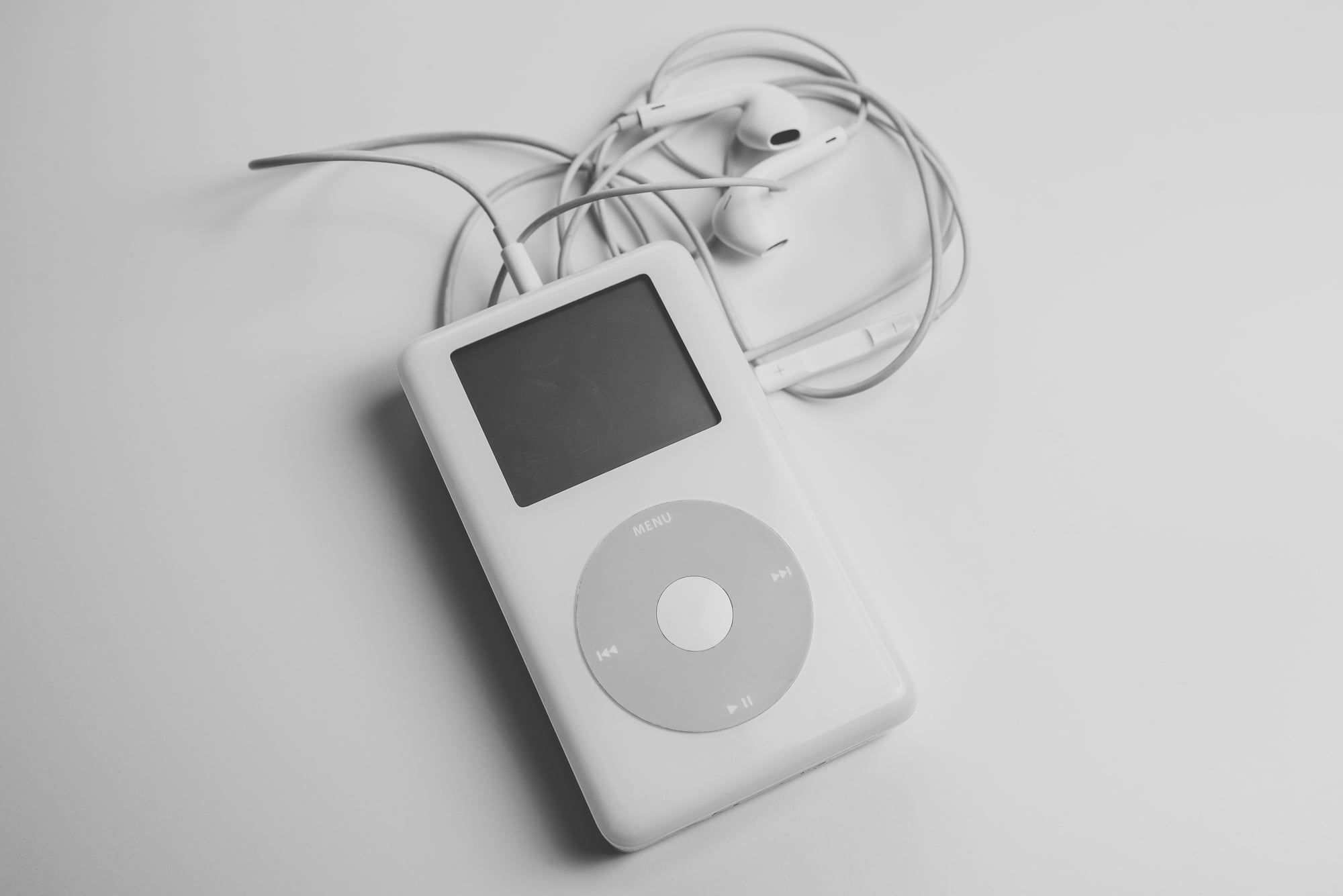
Apple didn’t invent the MP3 player, but they made everyone else’s version look clunky and confusing. The iPod launched in 2001 with the pitch “1,000 songs in your pocket,” and that clarity of purpose sold millions of units.
The click wheel was brilliant. Scrolling through long lists felt natural.
The interface made sense immediately. Even technophobes could figure out how to play music within minutes of opening the box.
Apple’s “simple works better” philosophy started here. The iPod ecosystem changed music consumption forever.
iTunes made buying single songs easy. Playlists replaced albums as the primary way people organized their listening.
The white earbuds became so recognizable that they served as free advertising everywhere people wore them.
The Tamagotchi
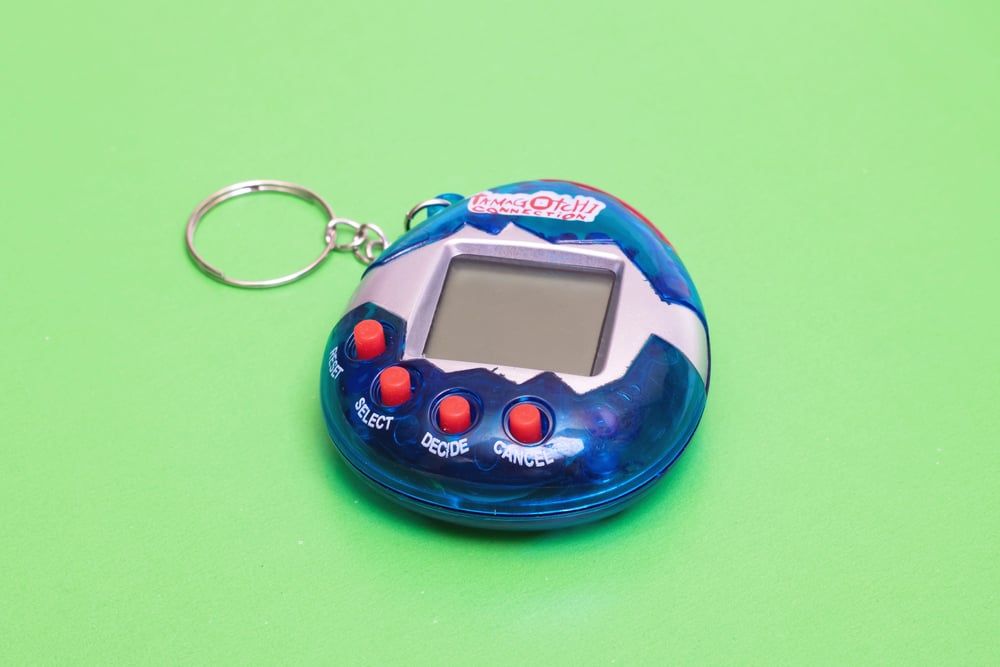
A digital pet that you had to feed every few hours or it died. This concept somehow became a global phenomenon in 1996.
Kids attached these egg-shaped keychains to their backpacks and obsessively checked them between classes. The limited interactions made the attachment stronger, not weaker.
You could feed it, play with it, clean up its waste, and check its happiness meter. That’s all.
But these simple actions created genuine emotional bonds. Children mourned when their Tamagotchis died and begged their parents for another one.
Schools banned them because kids couldn’t stop checking on their virtual pets during lessons. Teachers confiscated dozens.
The generation that grew up raising Tamagotchis learned about responsibility through a pixelated blob that beeped at inappropriate times.
The Kodak Disposable Camera
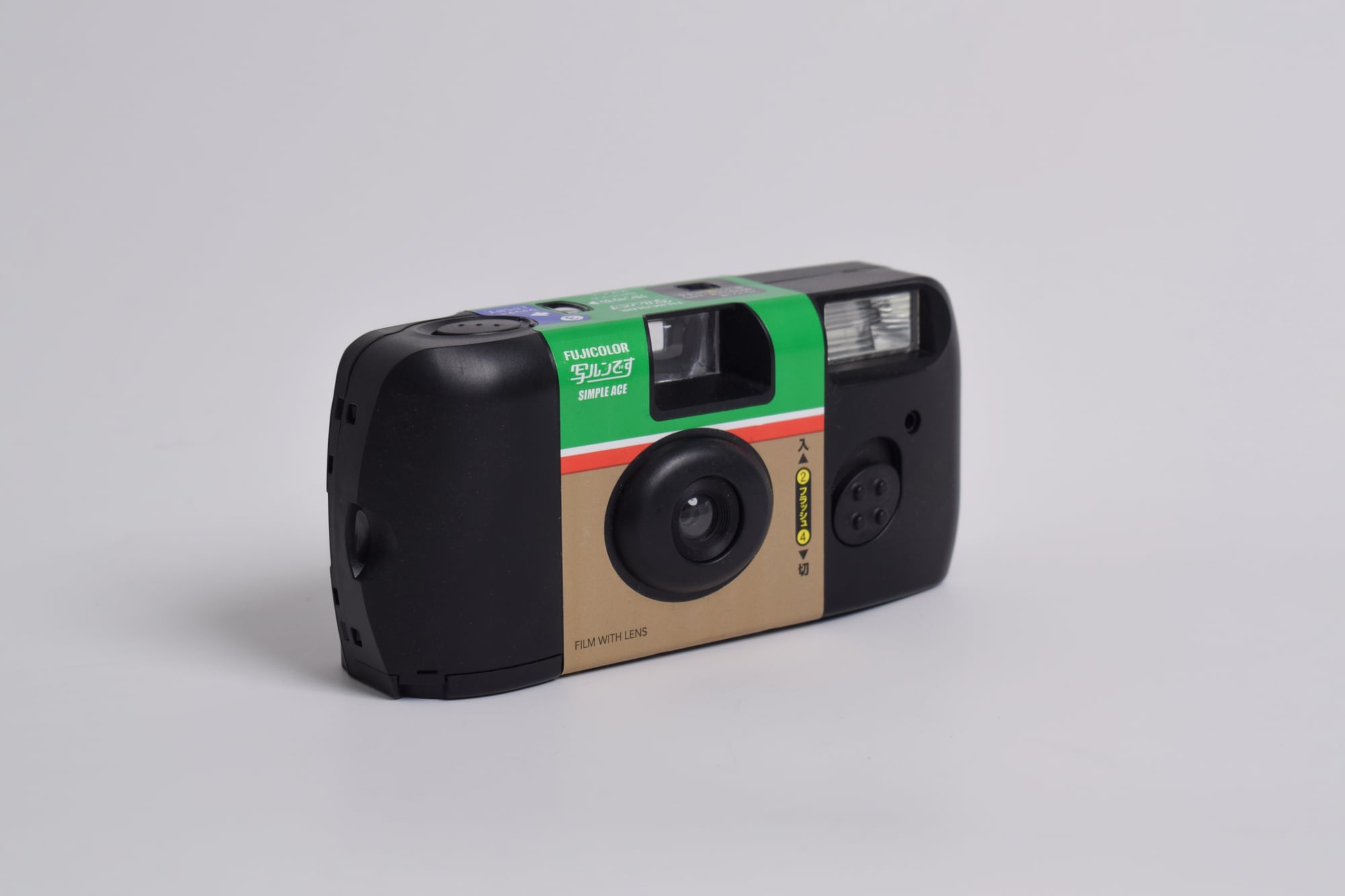
Photography got democratized when Kodak started selling cameras you threw away after 27 exposures. You bought one before a vacation or wedding, took your pictures, and dropped the whole thing off at the drugstore for development.
The appeal was simplicity. No settings to adjust.
No film to load. You pointed and pressed a button.
The built-in flash washed out every indoor shot, but people accepted this because the alternative meant carrying actual camera equipment. Disposable cameras showed up at wedding receptions on every table, letting guests capture candid moments the official photographer missed.
The grainy, overexposed results had character that pristine digital images lack. Plus, you didn’t know what you got until the photos came back, which added an element of surprise to every roll.
The Boombox
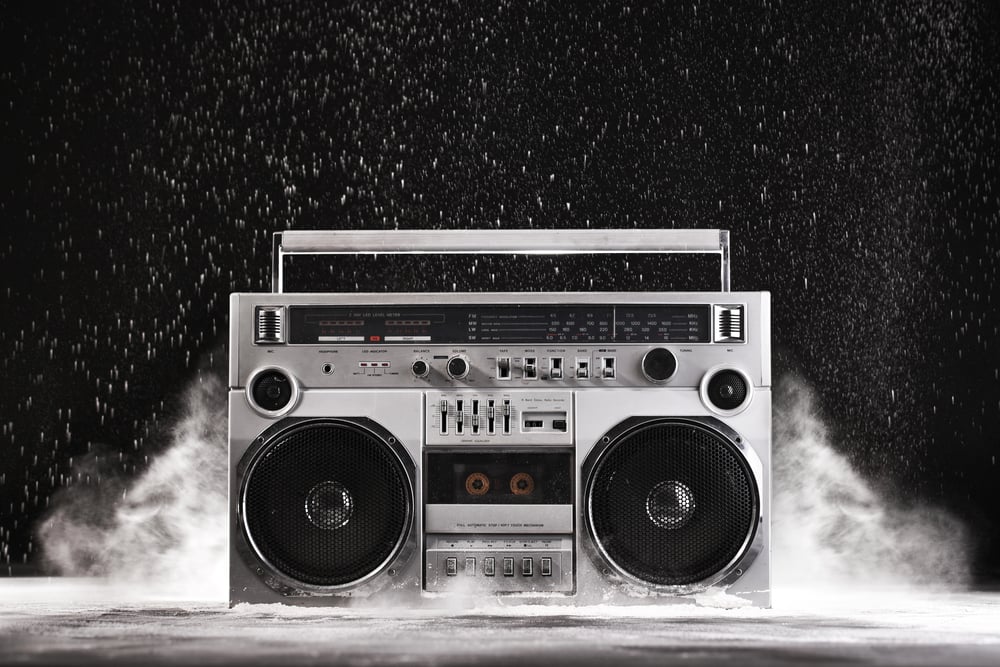
Before Bluetooth speakers, you needed a boombox to bring music to the park. These massive portable stereos ran on D batteries and broadcast your taste to everyone within earshot.
The bigger the boombox, the bigger the statement. The best boomboxes had two cassette decks so you could make mixtapes.
You could record off the radio if you timed it right and pressed both buttons exactly when the song started. Equalizers with sliding controls let you boost the bass until the speakers distorted.
Detachable speakers meant you could spread the sound around. Hip-hop culture and boomboxes grew up together.
Breakdancers needed music in public spaces. DJs practiced their mixing skills on dual cassette decks.
The image of someone carrying a boombox on their shoulder became synonymous with 1980s street culture, even though it meant lugging around fifteen pounds of plastic and metal.
The Casio Digital Watch
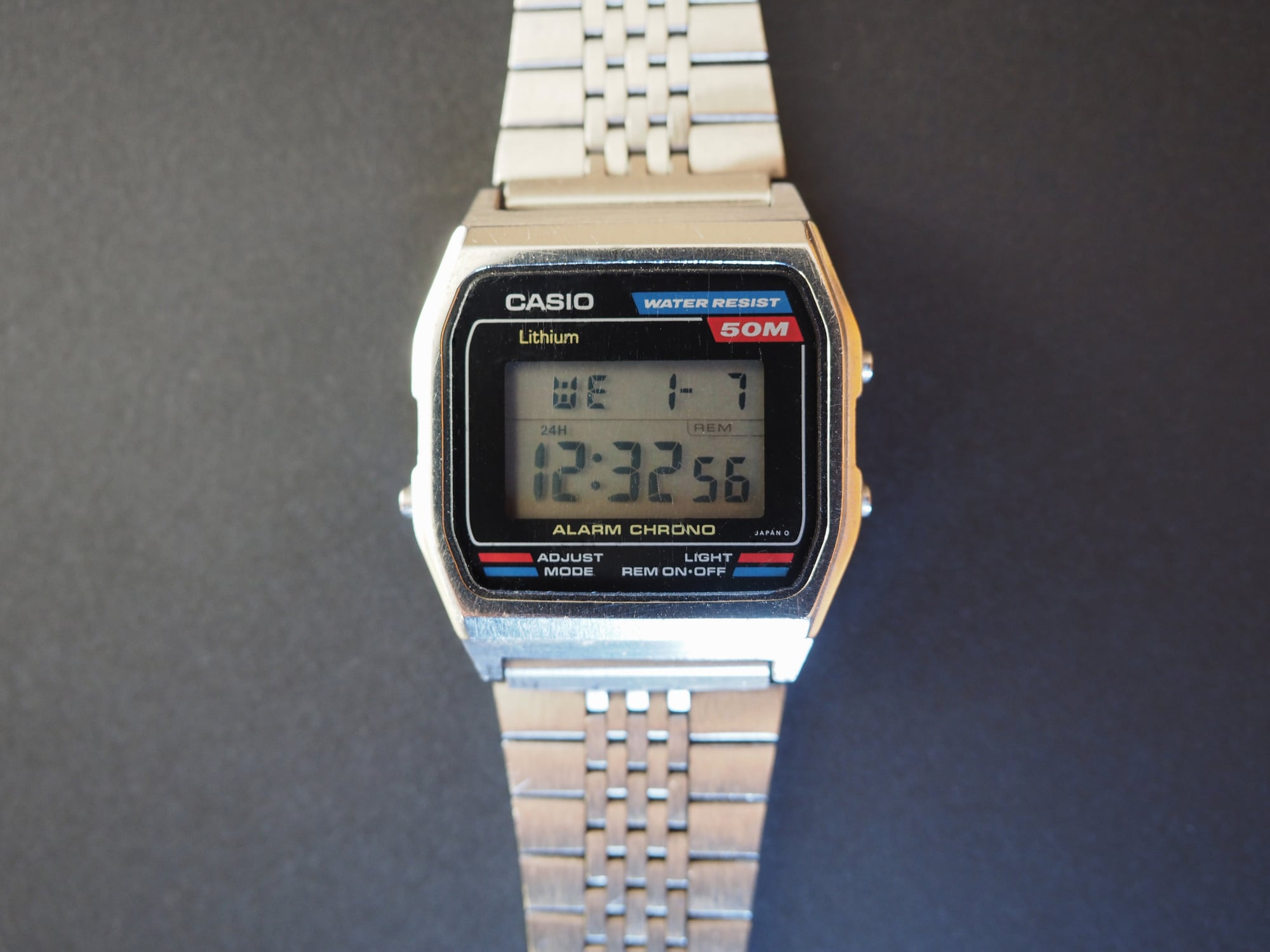
Back in the 1980s, low-cost digital watches made keeping track of time something almost anyone could do. Casio poured countless versions into stores – each one cheaper than a meal – and packed them with alarms, countdown clocks, along with dim glowing screens that hardly lit up at all.
A little gadget on your arm could add numbers. Casio built it, though nobody asked for that.
Wrist-based calculations seemed odd at first. Yet somehow, huge crowds bought them anyway.
Sales jumped fast, even with clumsy controls. Pressing those small keys often failed.
Still, having one made you feel ready. Like maybe a number crisis might strike anytime.
Water never bothered these watches. Even after a fall, they just worked – year after year, no charge needed.
Most kids started with one at eight, stuck with it past middle school. Sunlight bleached the strap, stress broke the clasp, still told time fine.
When Just One Thing Sufficed
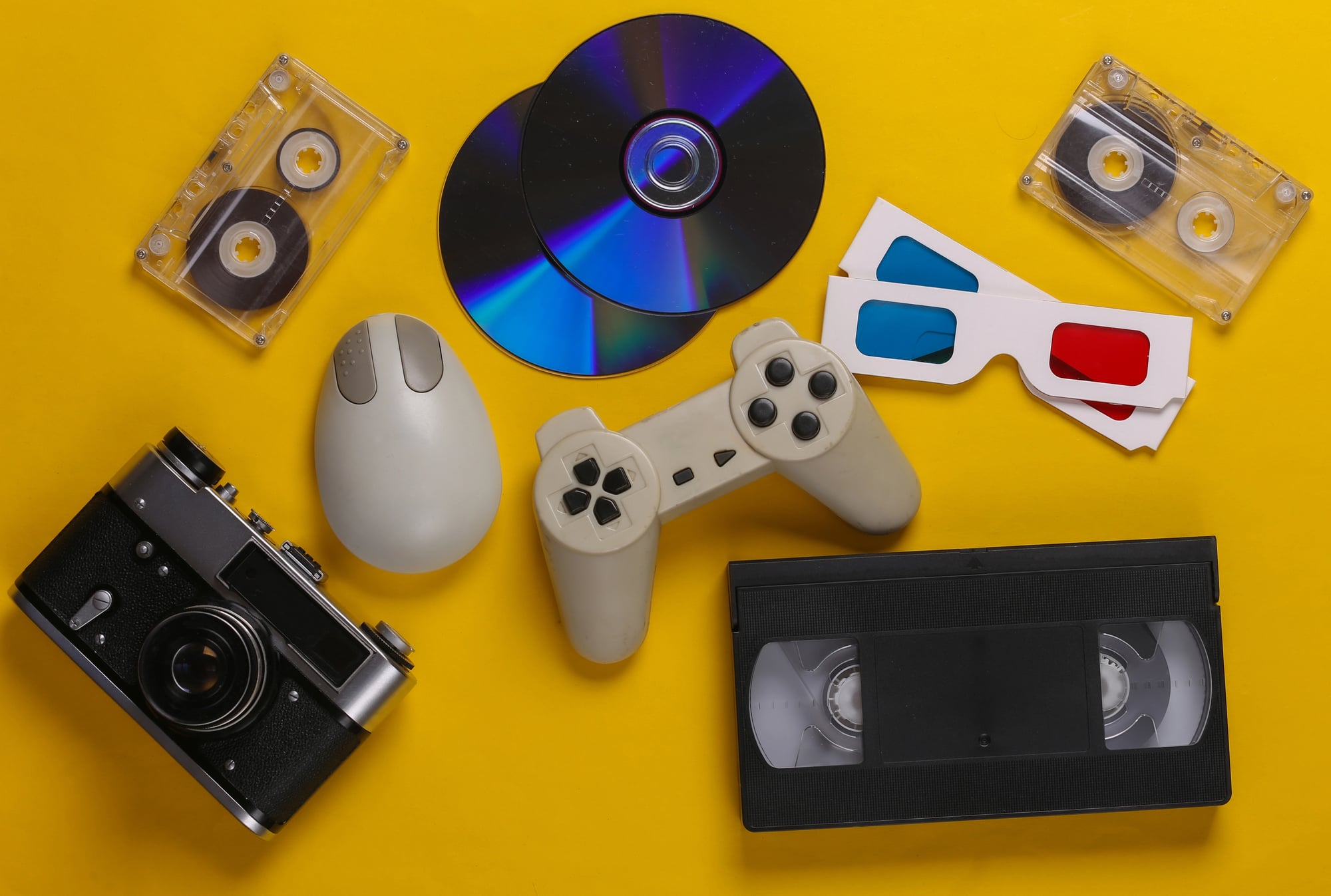
Inside your jeans hides what once took up entire drawers. Gadgets like cameras, radios, even maps – now squeezed into one glowing slab.
Little by little, simplicity gave way to stacking functions. That ease of carrying everything?
It left quiet marks on how we pay attention. Only lately have those traces started showing.
A single purpose lived inside each little machine. Slipping on headphones meant the streets faded away.
Flicking a switch made only pixels matter. One task filled every second it was switched on.
After closing the lid, silence returned without expectation. One moment, everything changed when phones got smarter.
Back then, a camera gave just 27 shots – so each frame mattered more. Messages came through numbers only; meaning had to be guessed, shaped, invented.
Heavy gear meant music traveled slowly, thoughtfully. Doing less often led to doing better.
Perhaps precision was worth keeping after all.
More from Go2Tutors!

- The Romanov Crown Jewels and Their Tragic Fate
- 13 Historical Mysteries That Science Still Can’t Solve
- Famous Hoaxes That Fooled the World for Years
- 15 Child Stars with Tragic Adult Lives
- 16 Famous Jewelry Pieces in History
Like Go2Tutors’s content? Follow us on MSN.