15 Unusual Caves Around the World
Deep beneath our feet lies a hidden world of natural wonders that most people never see. From glowing chambers that seem straight out of a fairy tale to underground rivers that flow through cathedral-sized caverns, our planet’s caves offer some of the most spectacular and bizarre sights imaginable. These subterranean marvels showcase nature’s incredible ability to sculpt, create, and surprise in the darkest places on Earth. Here’s a list of fifteen unusual caves that will make you want to grab a headlamp and start exploring.
Waitomo Glowworm Caves

New Zealand’s most famous underground attraction sparkles like a starry night sky. Thousands of glowworms create an ethereal blue-green light that illuminates the cave ceiling. The larvae use their bioluminescence to attract prey, creating one of nature’s most beautiful hunting strategies.
Visitors can boat through the darkness in complete silence. The only sounds are gentle water drops and occasional gasps of amazement.
Son Doong Cave

Vietnam’s Son Doong Cave is so massive that entire city blocks could fit inside its chambers. This recently discovered cave system contains underground rivers, 200-foot tall stalagmites, and its own jungle ecosystems. Some passages are large enough to fly a Boeing 747 through without touching the walls.
It’s basically an underground world with its own weather patterns.
Ice Cave in Vatnajökull
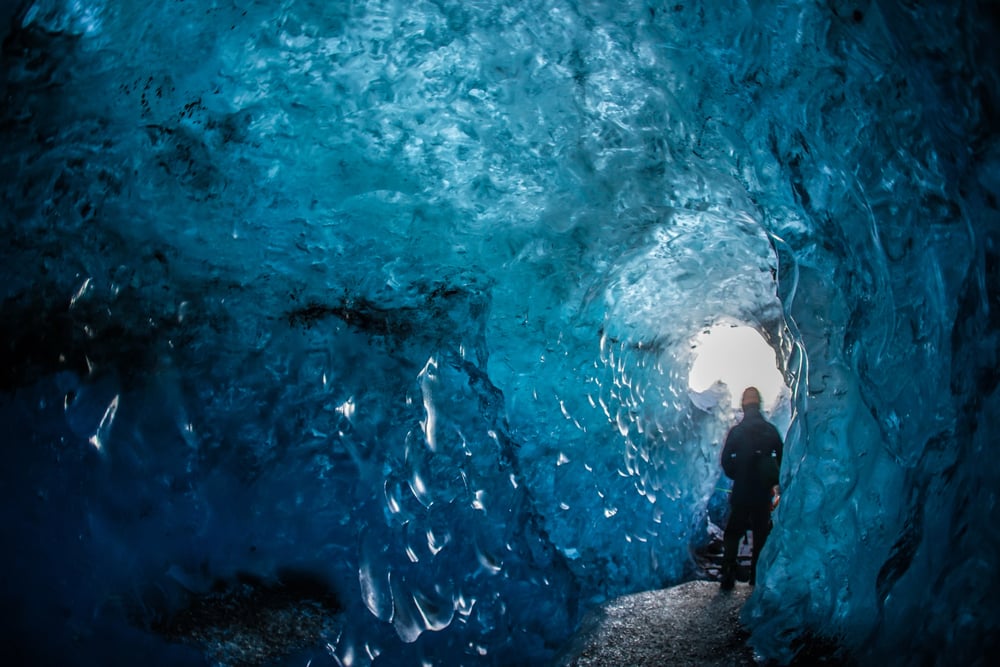
— Photo by kanzilyou
Iceland’s crystal ice caves form naturally within glaciers and change constantly as the ice moves and melts. The blue ice creates an otherworldly atmosphere where visitors feel like they’re walking inside a frozen sapphire. Each cave is temporary, existing only until the glacier shifts and creates new formations.
But you’ll need a guide. These caves can be deadly without proper knowledge and equipment.
Cueva de los Cristales
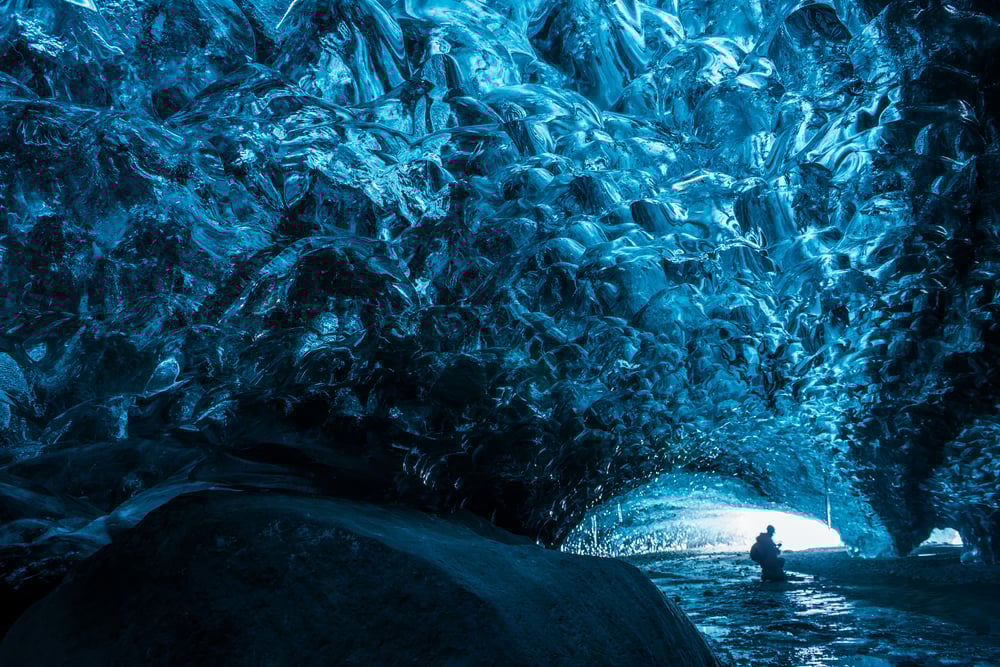
Mexico’s Cave of Crystals contains some of the largest natural crystals ever discovered, with some selenite formations reaching 36 feet in length and weighing over 12 tons. The cave’s extreme heat and humidity make exploration dangerous without special cooling suits. Temperatures reach 136°F with 90% humidity.
Standing among these giant crystals feels like being shrunk down and placed inside Superman’s Fortress of Solitude. The formations took over 500,000 years to grow to their current size.
Mammoth Cave

Kentucky’s Mammoth Cave system is the world’s longest known cave network, with over 400 miles of surveyed passages and likely many more waiting to be discovered. The limestone labyrinth has been explored for thousands of years, first by Native Americans who mined minerals from its depths.
Still, new sections are found regularly. The cave might be twice as long as currently mapped.
Reed Flute Cave

China’s Reed Flute Cave has been attracting visitors for over 1,200 years, earning the nickname “Palace of Natural Arts.” Multicolored artificial lighting illuminates the limestone formations, creating reflections in underground pools that double the visual impact. Ancient inscriptions on the cave walls date back to 792 AD.
The cave gets its name from the reeds growing outside, which can be made into flutes.
Carlsbad Caverns
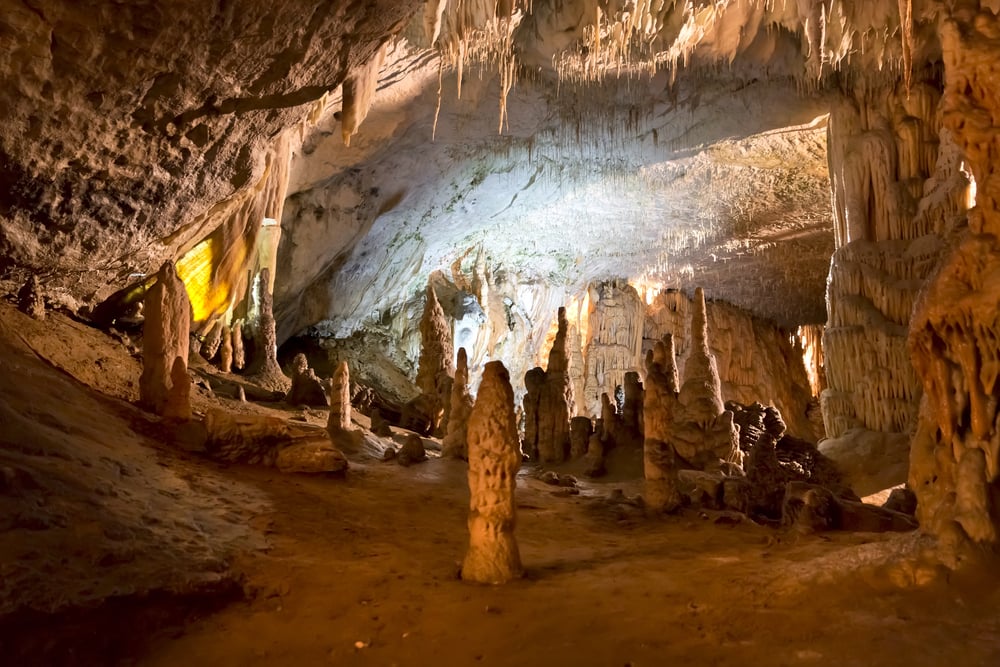
New Mexico’s Carlsbad Caverns houses one of the world’s most spectacular wildlife phenomena. Every evening from spring through fall, over 400,000 Mexican free-tailed bats spiral out of the cave entrance in a tornado-like formation that can last for hours.
The Big Room inside stretches for 4,000 feet and reaches heights of 255 feet. You could fit 14 football fields on its floor.
Fingal’s Cave

Scotland’s Fingal’s Cave on the island of Staffa was formed entirely by ancient lava flows that cooled into perfectly hexagonal basalt columns. The geometric precision looks almost artificial, inspiring countless artists, musicians, and writers. Mendelssohn composed his Hebrides Overture after visiting this natural cathedral.
The cave’s acoustics are so perfect that it functions as a natural concert hall.
Antelope Canyon

Arizona’s Antelope Canyon is actually a slot canyon, but its narrow passages and sculpted walls create cave-like conditions. Water and wind carved smooth, flowing walls that seem to dance in the filtered sunlight. The interplay of light and shadow changes throughout the day, creating new compositions every hour.
Photographers often wait years for the perfect light conditions. Even so, flash floods can make the canyon deadly without warning.
Blue Grotto

Italy’s Blue Grotto on Capri Island has been famous since Roman times for its brilliant blue illumination. Sunlight passes through an underwater cavity and shines up through the water, creating an ethereal blue glow that fills the entire cave. Roman statues of sea gods were found in the cave, suggesting it was once a sacred site.
The entrance is so small that boats must time their entry with the waves.
Phraya Nakhon Cave

Thailand’s Phraya Nakhon Cave contains one of the most photographed pavilions in Southeast Asia. The Kuha Karuhas Pavilion sits perfectly positioned where sunlight streams down through a collapsed cave roof. Built for a royal visit in 1890, the golden structure seems to glow against the cave’s dark walls.
The hike to reach it is brutal in Thailand’s heat. Most visitors are drenched in sweat before they even enter the cave.
Lechuguilla Cave
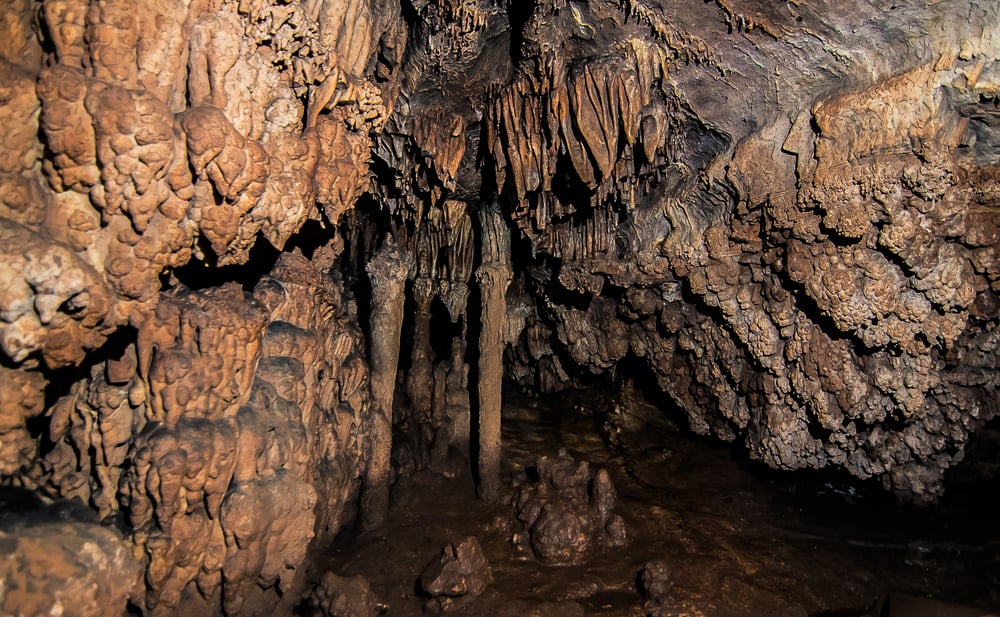
New Mexico’s Lechuguilla Cave remained sealed from the surface world for millions of years until cavers broke through in 1986. This isolation created unique mineral formations and potentially undiscovered life forms. The cave extends over 140 miles horizontally and reaches depths of 1,604 feet.
Scientists study its pristine environment to understand what Earth was like before human influence.
Eisriesenwelt

Austria’s Eisriesenwelt is the largest ice cave in the world, stretching for over 26 miles through the Tennengebirge mountains. Visitors explore the frozen wonderland by carbide lamp light, revealing ice formations that look like frozen waterfalls, sculptures, and curtains. The cave stays frozen year-round due to cold air circulation.
The name means “World of the Ice Giants” in German. Quite fitting.
Jeita Grotto
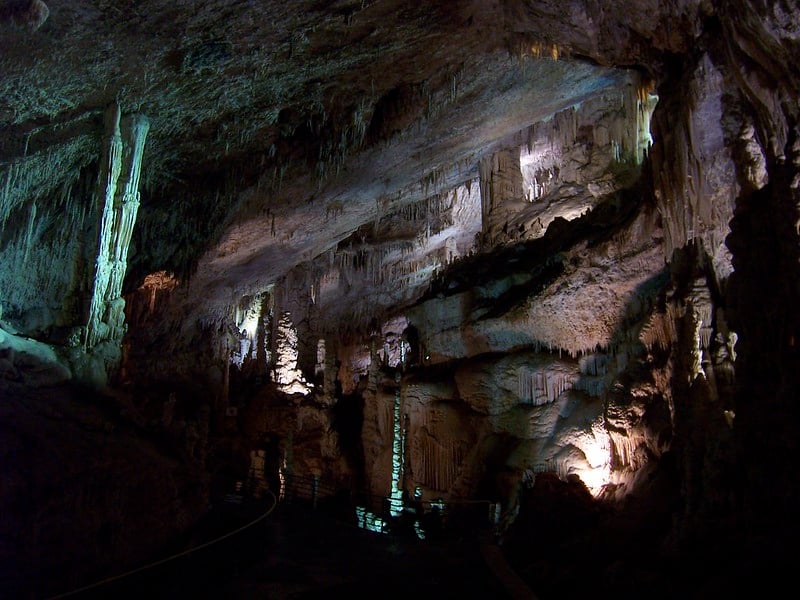
Lebanon’s Jeita Grotto consists of two separate limestone caves connected by a tunnel. The lower cave can only be explored by boat along an underground river, while the upper cave features massive stalactite and stalagmite formations. The grotto was a finalist for the New Seven Wonders of Nature.
During Lebanon’s civil war, the cave served as an ammunition depot. Thankfully, it survived to wow visitors again.
Benagil Cave
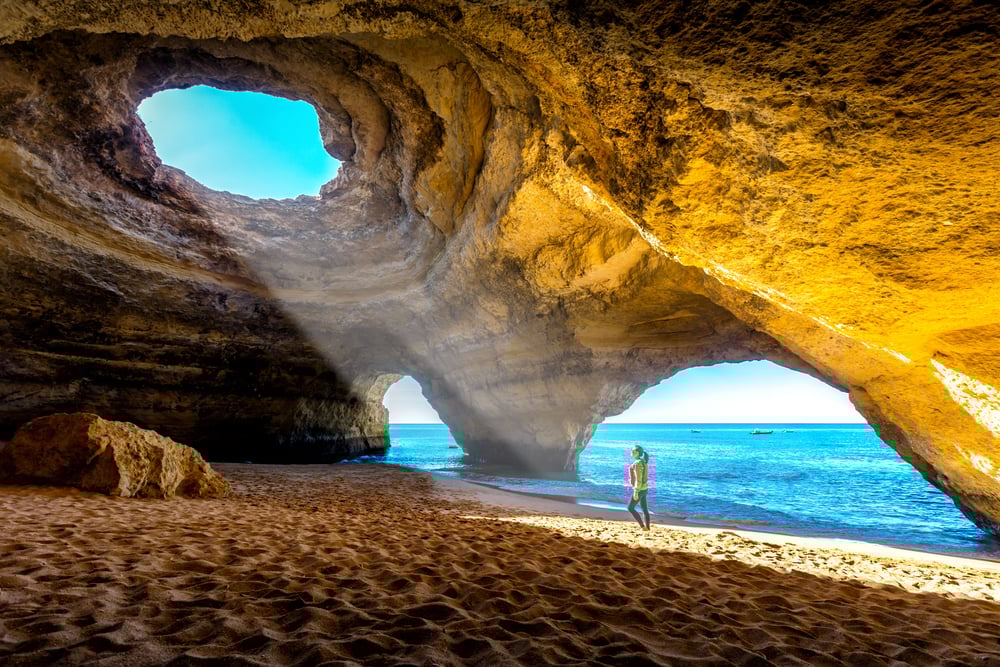
Portugal’s Benagil Cave is accessible only by water, requiring visitors to swim, kayak, or take a boat tour to reach its stunning interior. The dome-shaped cave features a natural skylight that illuminates golden sand beaches inside. Social media has made this hidden gem one of Europe’s most photographed caves.
The name comes from the nearby fishing village of Benagil, where local fishermen have known about the cave for generations.
Underground Wonders

These remarkable caves remind us that some of Earth’s most incredible artistry happens in complete darkness, shaped by water, time, and geological forces beyond human comprehension. Each one offers a glimpse into the planet’s hidden creative process, where nature works patiently for millions of years to create chambers that take our breath away in seconds.
More from Go2Tutors!

- The Romanov Crown Jewels and Their Tragic Fate
- 13 Historical Mysteries That Science Still Can’t Solve
- Famous Hoaxes That Fooled the World for Years
- 15 Child Stars with Tragic Adult Lives
- 16 Famous Jewelry Pieces in History
Like Go2Tutors’s content? Follow us on MSN.



